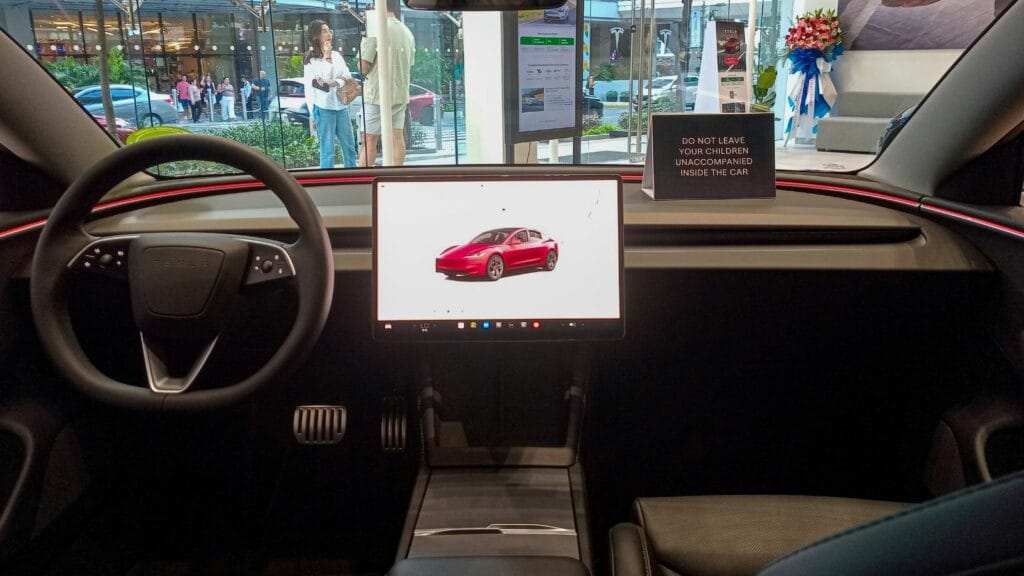
Tesla changed the auto industry and turned electric cars from fringe curiosities into mainstream reality. Many early adopters loved the silent acceleration, the futuristic software and the sense of being part of a technological revolution. But now a surprising trend is emerging. Roughly 30 percent of former Tesla owners are returning to gas powered vehicles. This is not a collapse of EV enthusiasm, but it is a revealing look at the gap between the promise of electric cars and the realities of daily ownership.
Charging Inconsistency Frustrates Real World Drivers
Charging is the cornerstone of EV life, yet for many Tesla owners it became the biggest frustration. Public chargers across Canada and the United States vary widely in reliability. Tesla’s Supercharger network is strong, but it is not immune to crowds, broken stalls or slower speeds during cold spells. Some owners describe arriving at a station during holiday travel only to find every charger occupied with a long queue forming. Others experienced sessions that slowed to a crawl without explanation.
These interruptions may only happen occasionally, but they leave a memorable mark. Gas drivers refill in minutes. Tesla owners sometimes refuel in hours. Over time, that difference changes how people view ownership.
Cold Weather Cuts Range Hard
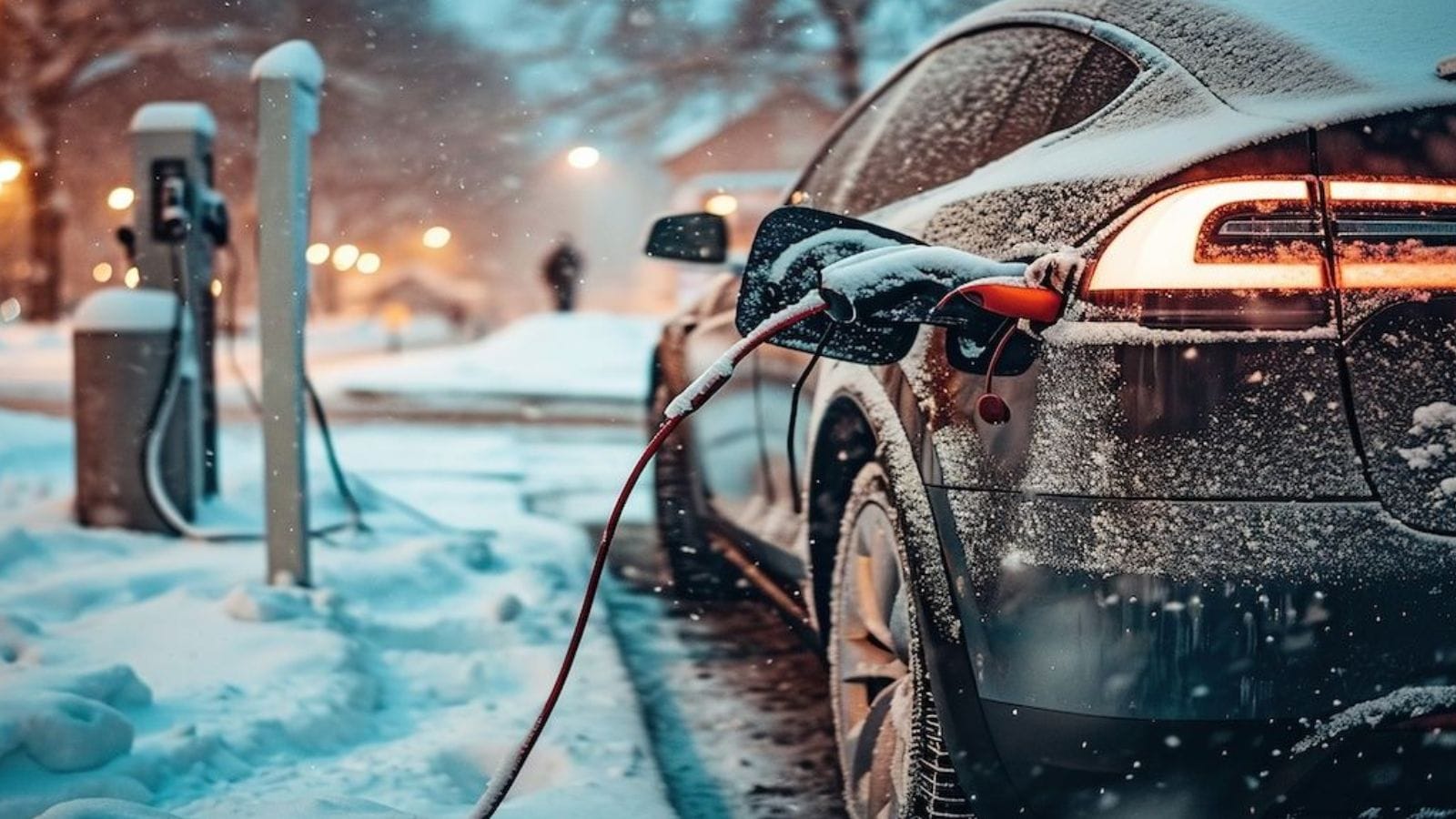
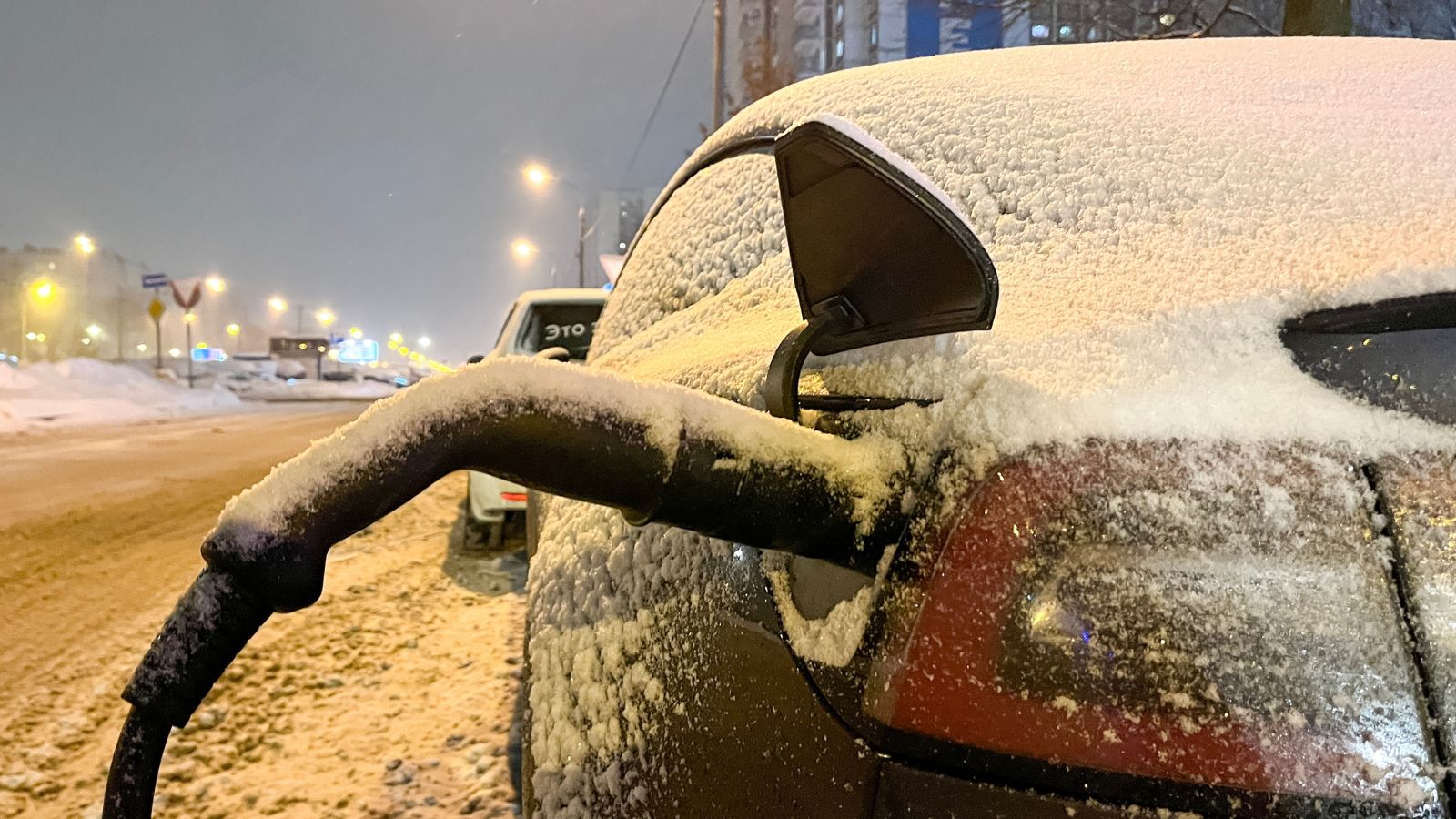
No brand escapes battery physics. In winter, range drops significantly. Tesla offers sophisticated thermal management, but that only softens the blow. Owners in Ontario, Alberta and Quebec report real world winter ranges far below the optimistic ratings on paper. Combine frigid air, running the heater, driving at highway speeds and pre heating the cabin and the battery drains quickly.
This means planning. Constant planning. Some drivers tire of deciding whether to warm the cabin or conserve energy for the next charger. After two or three winters, many say they simply want a vehicle that behaves consistently regardless of temperature.
Repair Times and Costs Can Be Eye Opening
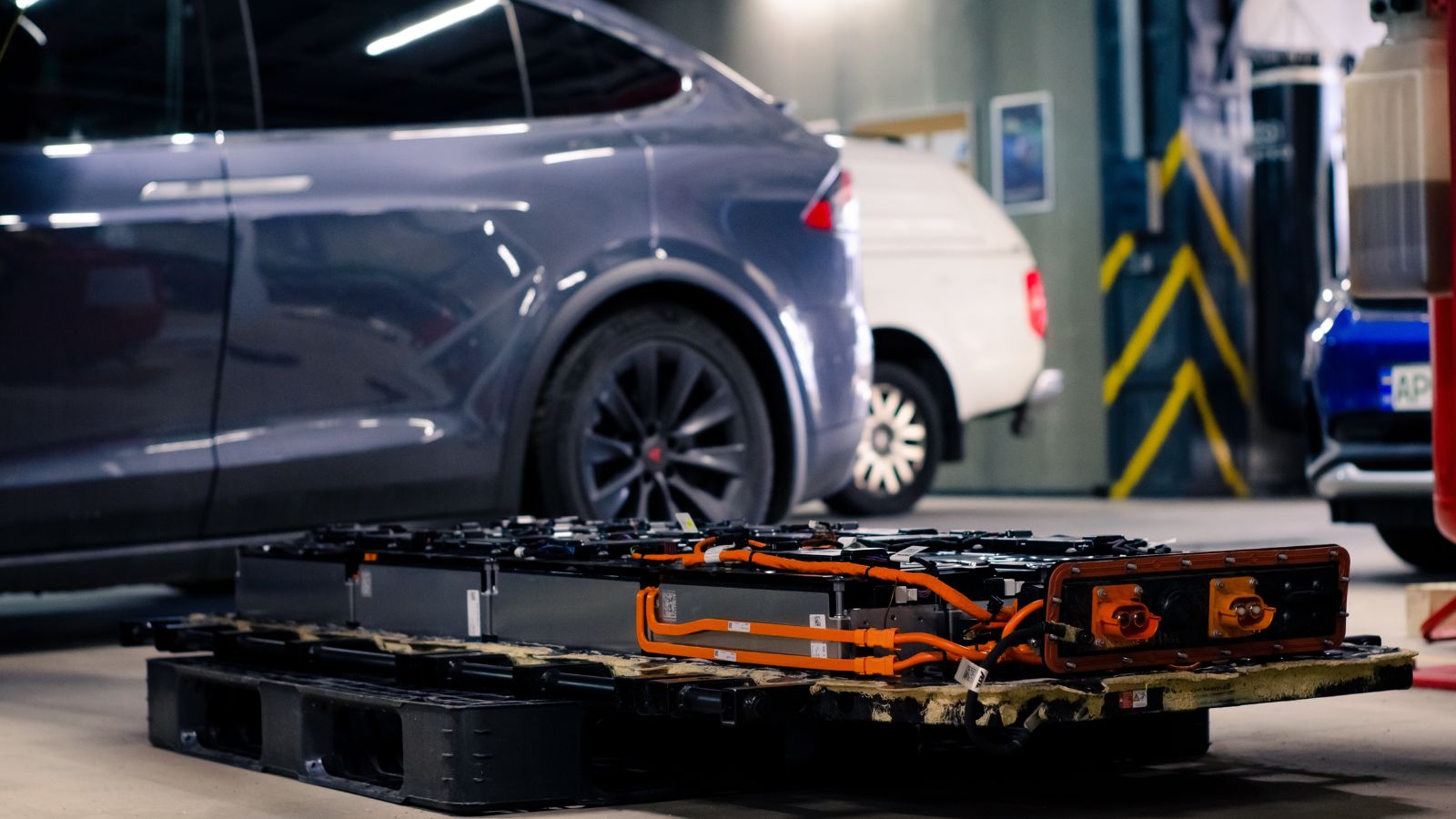
Tesla repairs often require factory parts and specialized tools. Body shops sometimes wait weeks for components. Minor damage that would take three days on a gas car can take three weeks on a Tesla. Owners who rely on their vehicle for work or family life find themselves stuck with rental cars or ride sharing while waiting for repair updates.
Even small issues, like a faulty door handle or sensor malfunction, can take longer than expected. EVs have fewer moving parts, but when something does fail, the repair ecosystem is still catching up.
Insurance Premiums Are Rising Faster Than Expected

Higher repair costs equal higher insurance. Teslas are loaded with sensors and cameras that sit in costly body panels. A small fender bender becomes a four figure repair. Insurers know this. Premiums reflect it. Some Tesla owners were shocked to see renewal quotes that jumped several hundred dollars year over year.
For families already juggling high living costs, this becomes a tipping point. They love the technology but do not love paying luxury prices for basic insurance.
Charging at Home Isn’t Always Easy
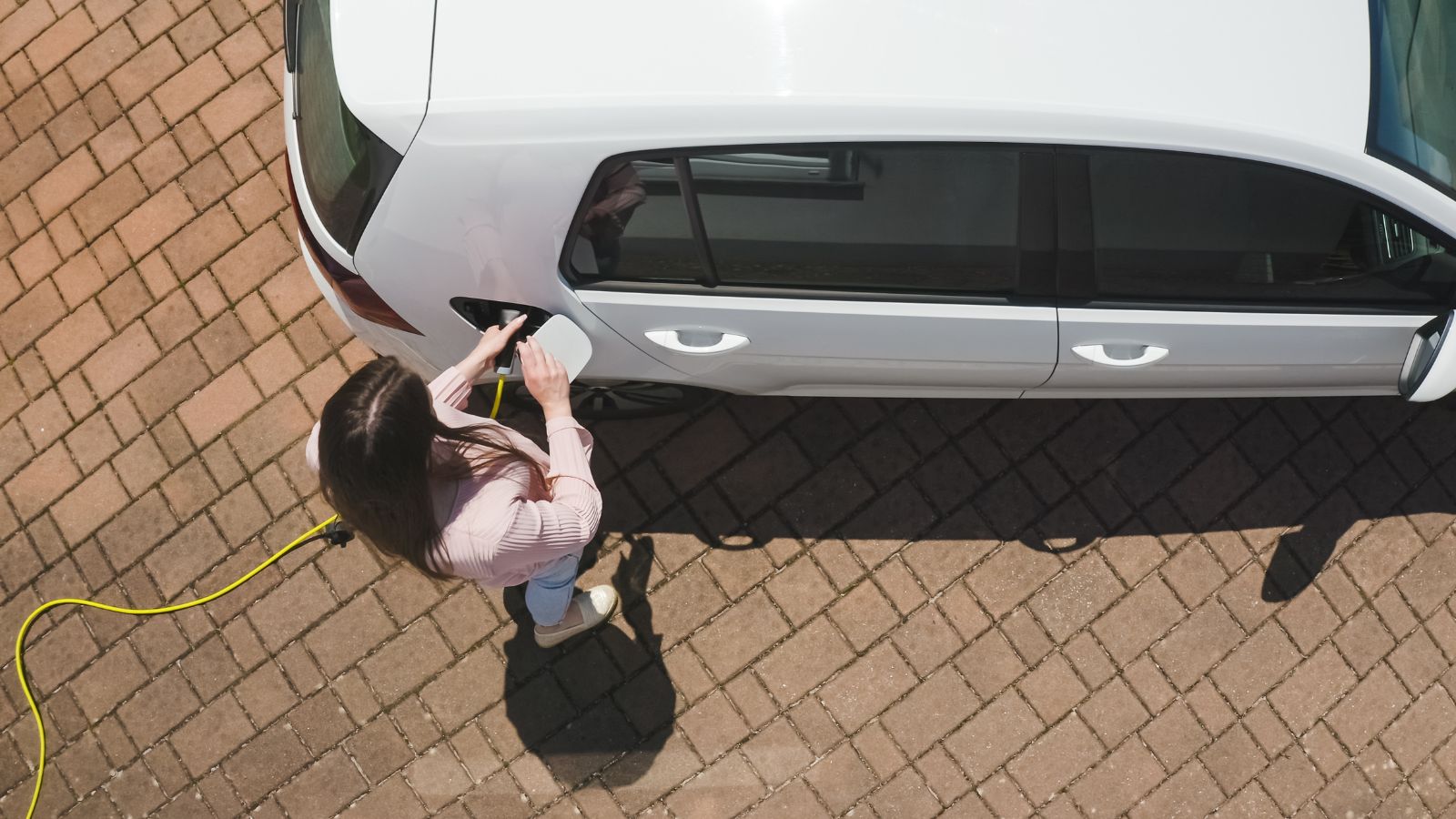
Not every home can support EV ownership. Urban condo dwellers run into bylaws and uncooperative building boards. Older homes need panel upgrades that can cost thousands. Outdoor charging in harsh climates sometimes requires creative setups or heavy duty cables.
Many Tesla owners initially assumed they could make home charging work, but after months of juggling limited access or dealing with slow charging from standard outlets, the dream lost its shine. A gas car refuels anywhere. That simplicity suddenly feels charming again.
Long Trips Still Belong to Gas Vehicles

EV road trips can be enjoyable, but they require strategy. Tesla owners discovered that spontaneity is harder. You cannot simply drive until the needle drops and fill up anywhere. You must think ahead. In summer, this is manageable. In winter or remote regions, it becomes stressful. Charging queues, reduced range, slow charging in the cold and detours to reach the next station make long trips feel like work.
Drivers who regularly travel between cities or across provinces eventually admit that gas engines still dominate long distance convenience.
The New Car Market Offers More Tempting Gas Options
Tesla’s design philosophy appeals to tech lovers, but not everyone loves minimalistic cabins. Some drivers miss physical buttons, traditional gauges or the comfort of familiar brands. Meanwhile, gas and hybrid vehicles continue to improve. Modern hybrids offer excellent economy with none of the charging hassle. Trucks remain in a league of their own. Performance cars still deliver sensations EVs cannot replicate.
Many ex Tesla owners simply wanted a different experience next time around.
The Novelty Wears Off for Some Drivers
The early thrill of owning something futuristic eventually fades. What remains is day to day practicality. Range planning becomes routine. Charging etiquette becomes tiresome. Cold weather quirks stop being charming. The giant central screen loses some of its magic.
For some owners, the EV experience stops feeling revolutionary and starts feeling restrictive. When the excitement fades, practicality makes the final decision.
Early Adopters Aren’t Always Long Term Keepers
Many Tesla buyers were tech pioneers who enjoy experimenting with new products. They try, evaluate and move on. Their decisions say as much about their personalities as they do about EVs. A portion of Tesla abandonment is simply the natural turnover of adventurous buyers chasing the next thing.
What This Trend Really Means
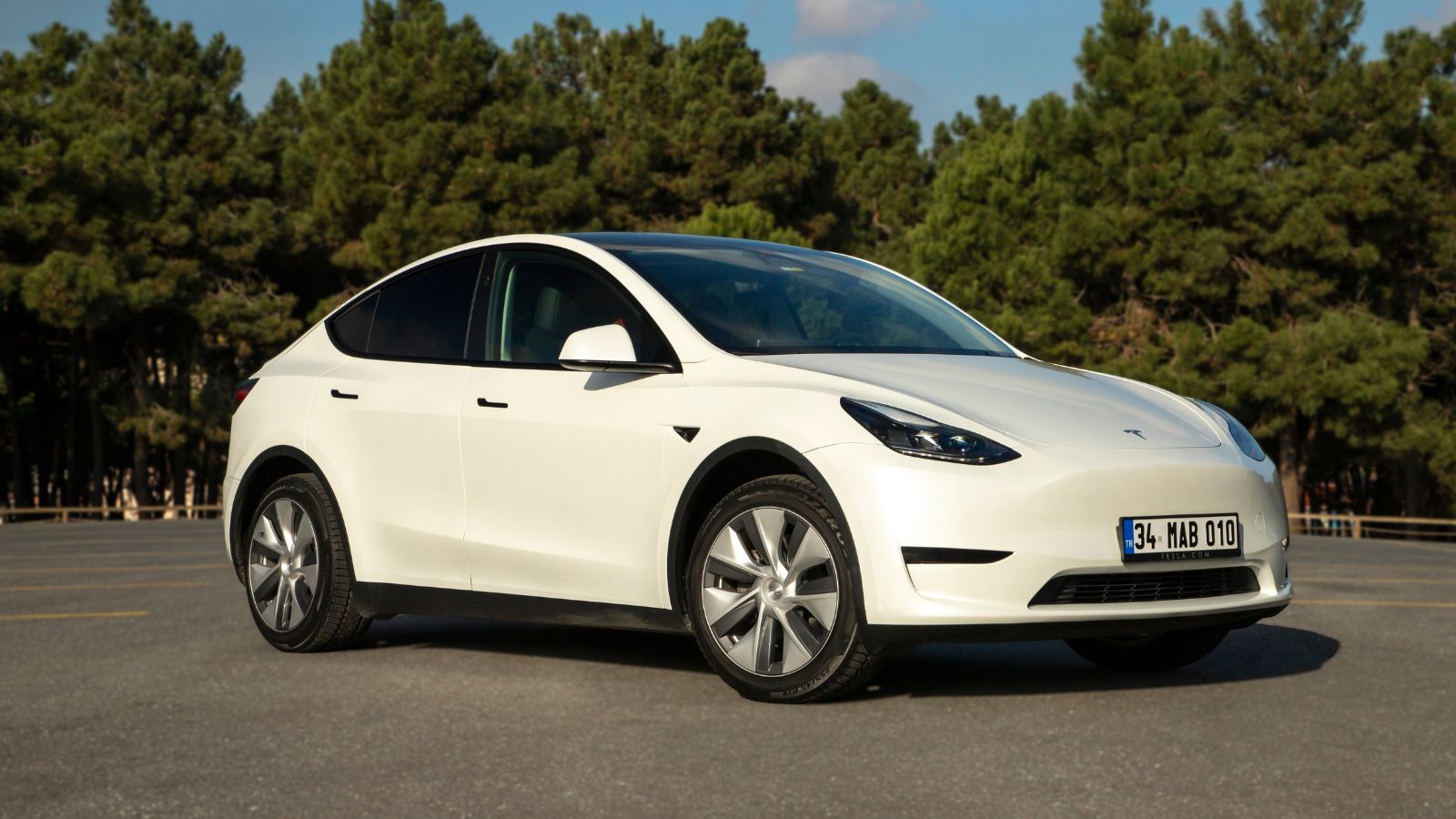
Thirty percent of Tesla owners returning to gas vehicles does not signal the end of EVs. It highlights the areas where electric cars still need to improve before they work for all drivers, not just some. Faster charging, cheaper repairs, better winter performance and wider infrastructure will help narrow the gap.
Tesla changed the auto industry forever, but the journey from early adoption to universal acceptance will be a long, bumpy road with plenty of drivers switching sides along the way.
25 Facts About Car Loans That Most Drivers Don’t Realize

Car loans are one of the most common ways people fund car purchases. Like any other kind of loan, car loans can have certain features that can be regarded as an advantage or a disadvantage to the borrower. Understanding all essential facts about car loans and how they work to ensure that you get the best deal for your financial situation is essential. Here are 25 shocking facts about car loans that most drivers don’t realize:
25 Facts About Car Loans That Most Drivers Don’t Realize
