
It sounds harmless. The car sits parked for days, maybe weeks, barely used. For many owners, especially those working from home or keeping a second vehicle, low usage feels like a good thing. Less mileage should mean less wear, right? In reality, the opposite can be true. Cars are designed to be used, and when they sit too long, a different kind of wear begins to take hold.
The Battery Slowly Dies
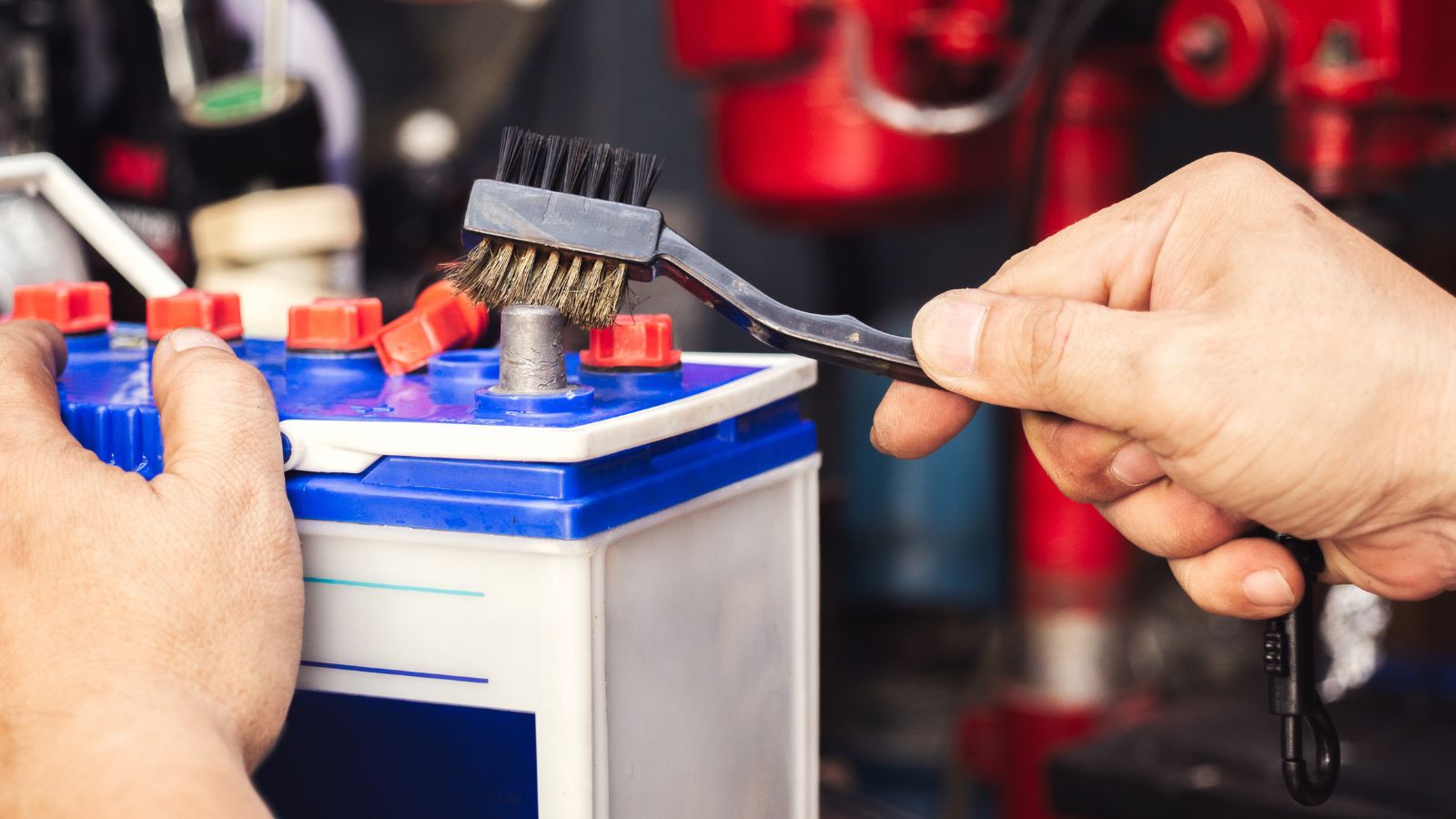
Modern cars draw power even when turned off. Security systems, onboard computers, and sensors all place a small but constant load on the battery.
If the car is not driven regularly, the battery never gets a chance to fully recharge. Over time, this leads to a weak or completely dead battery, often at the worst possible moment.
Fluids Start to Degrade
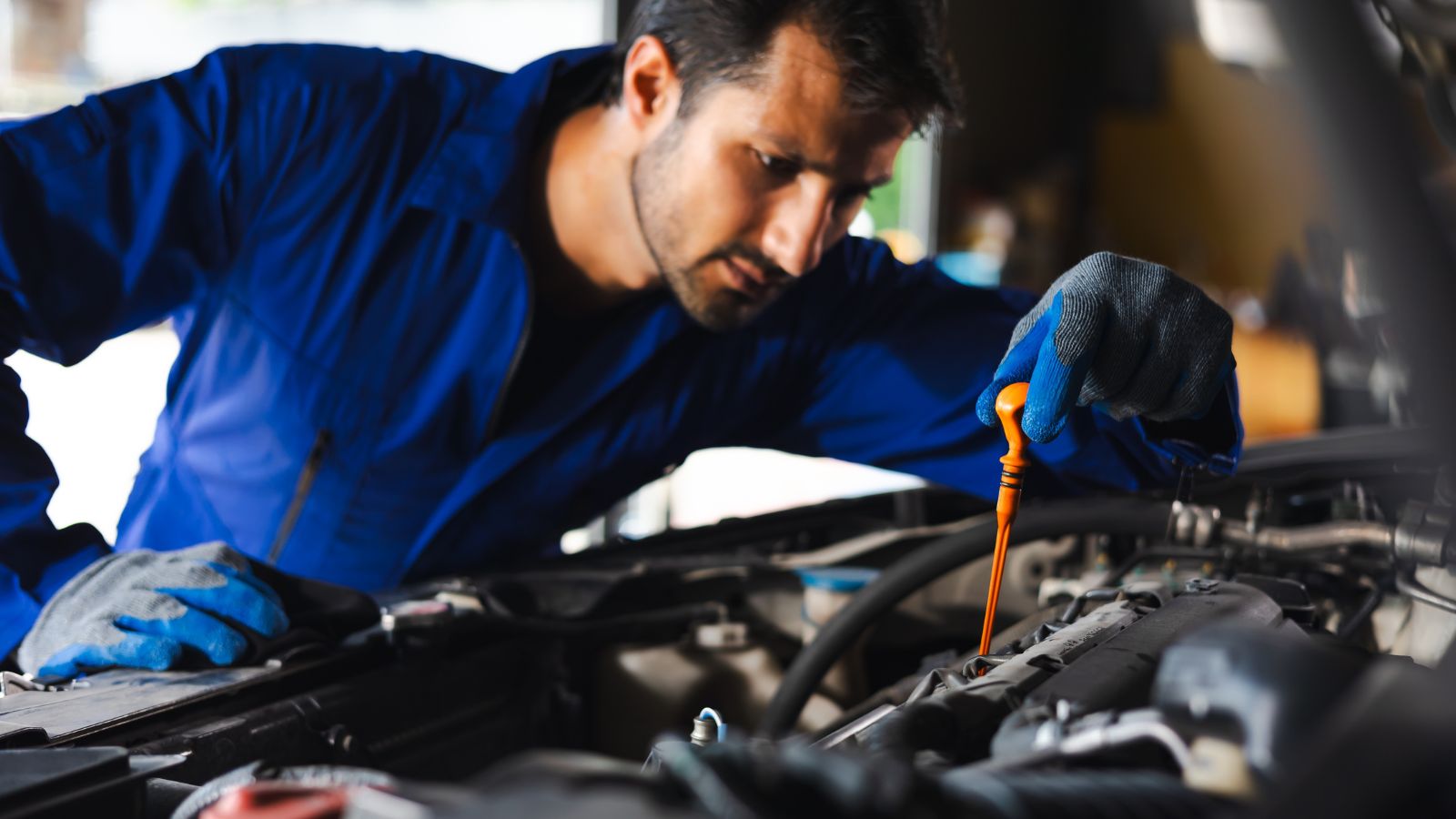
Engine oil, coolant, and other fluids are designed to circulate. When a car sits, these fluids can settle and lose some of their effectiveness.
Moisture can also build up inside the engine and exhaust system, especially if the car is only run for short periods. This can lead to internal corrosion over time.
Tires Develop Flat Spots
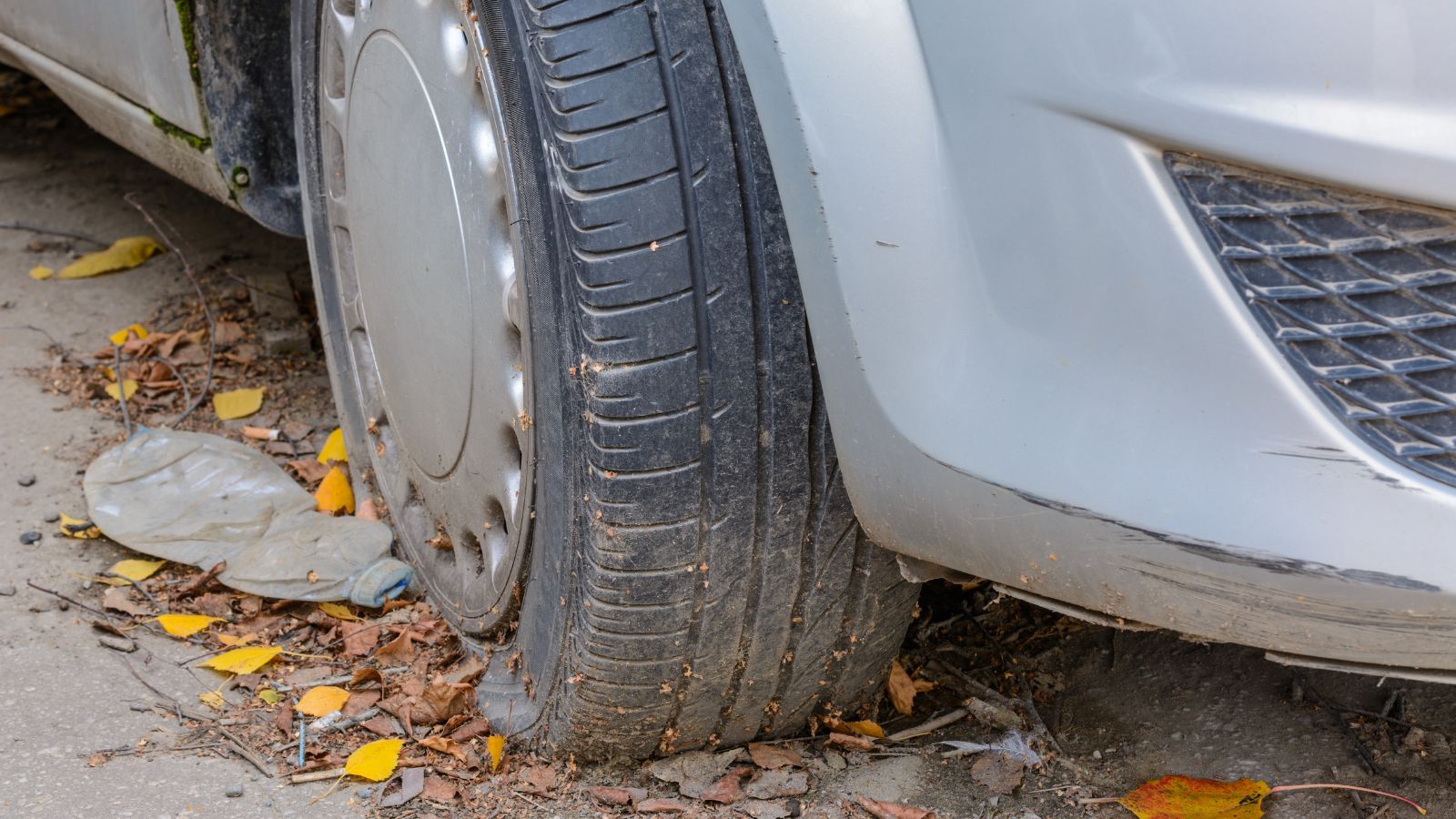
When a car remains parked in one position for extended periods, the tires can develop flat spots where they contact the ground.
This can cause vibrations when driving and may permanently affect tire performance if left too long without movement.
Brakes Begin to Corrode
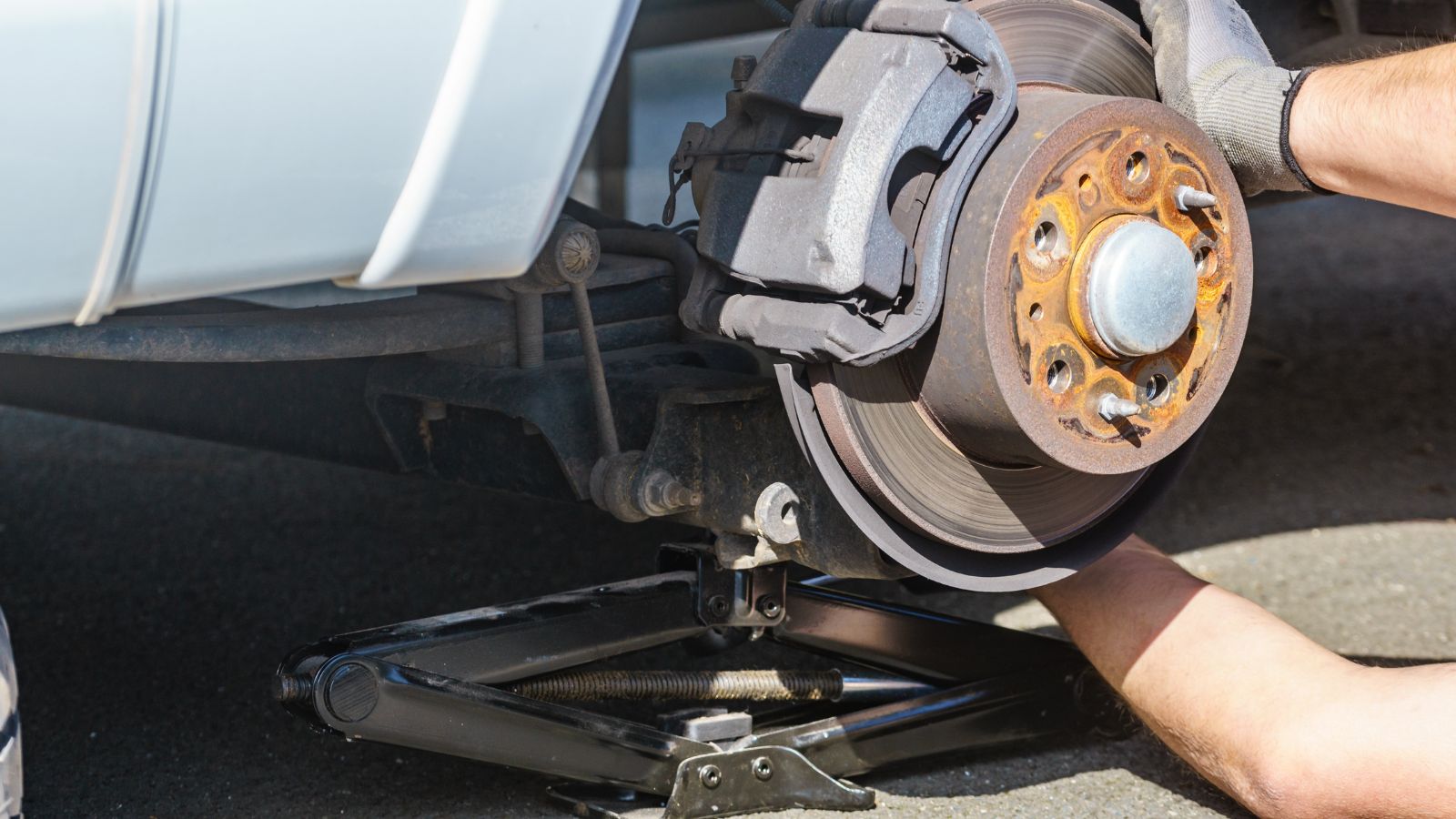
Brake components are exposed to the elements, and when a car is not driven, moisture can cause rust to form on the discs.
Light surface rust is usually cleared after a short drive, but prolonged inactivity can lead to more serious corrosion that affects braking performance.
Fuel Can Go Stale
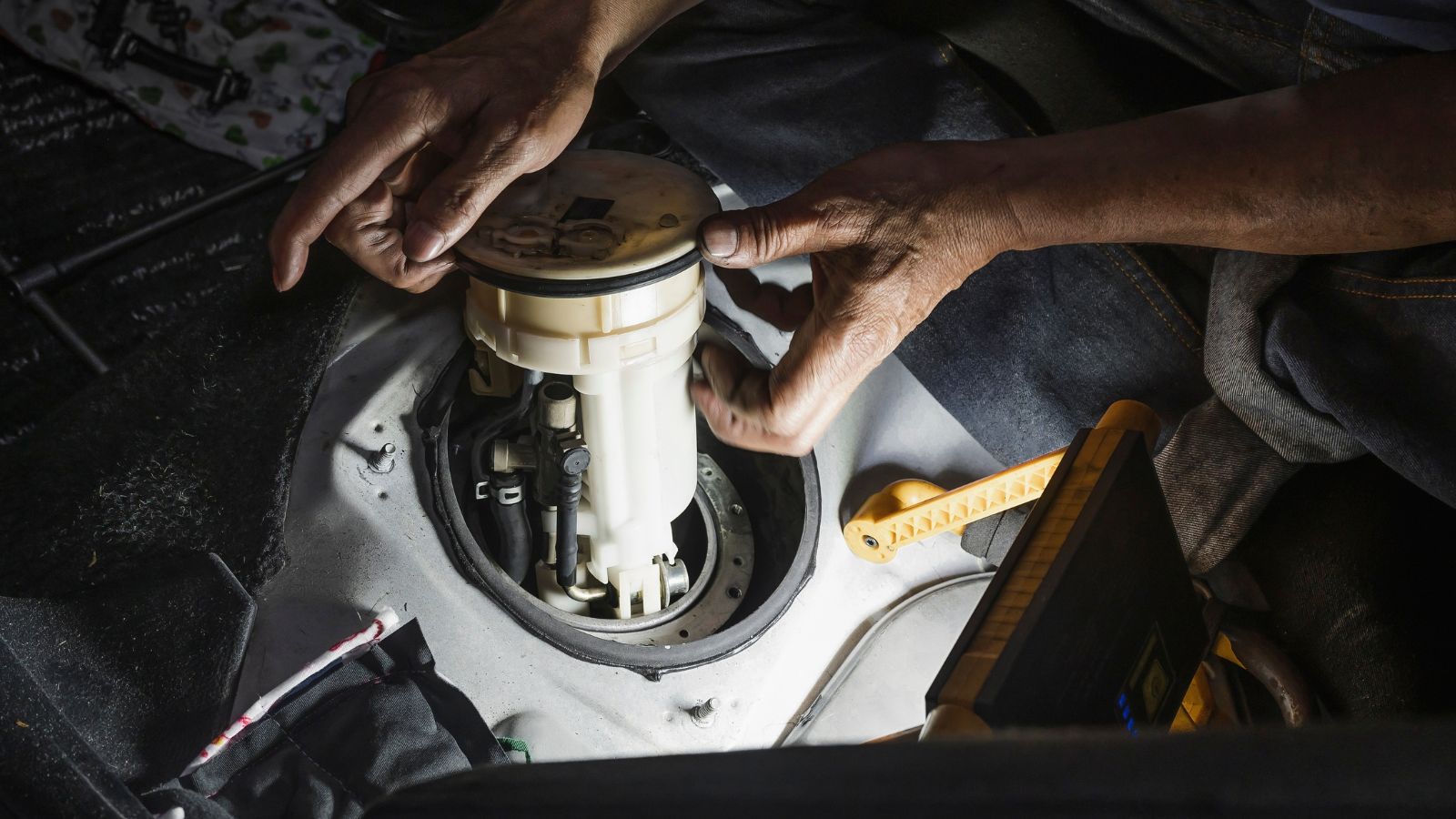
Gasoline does not last forever. Over time, it can degrade and lose its effectiveness, particularly if the tank is left partially full.
This can lead to poor engine performance and, in some cases, damage to fuel system components.
Seals and Gaskets Dry Out
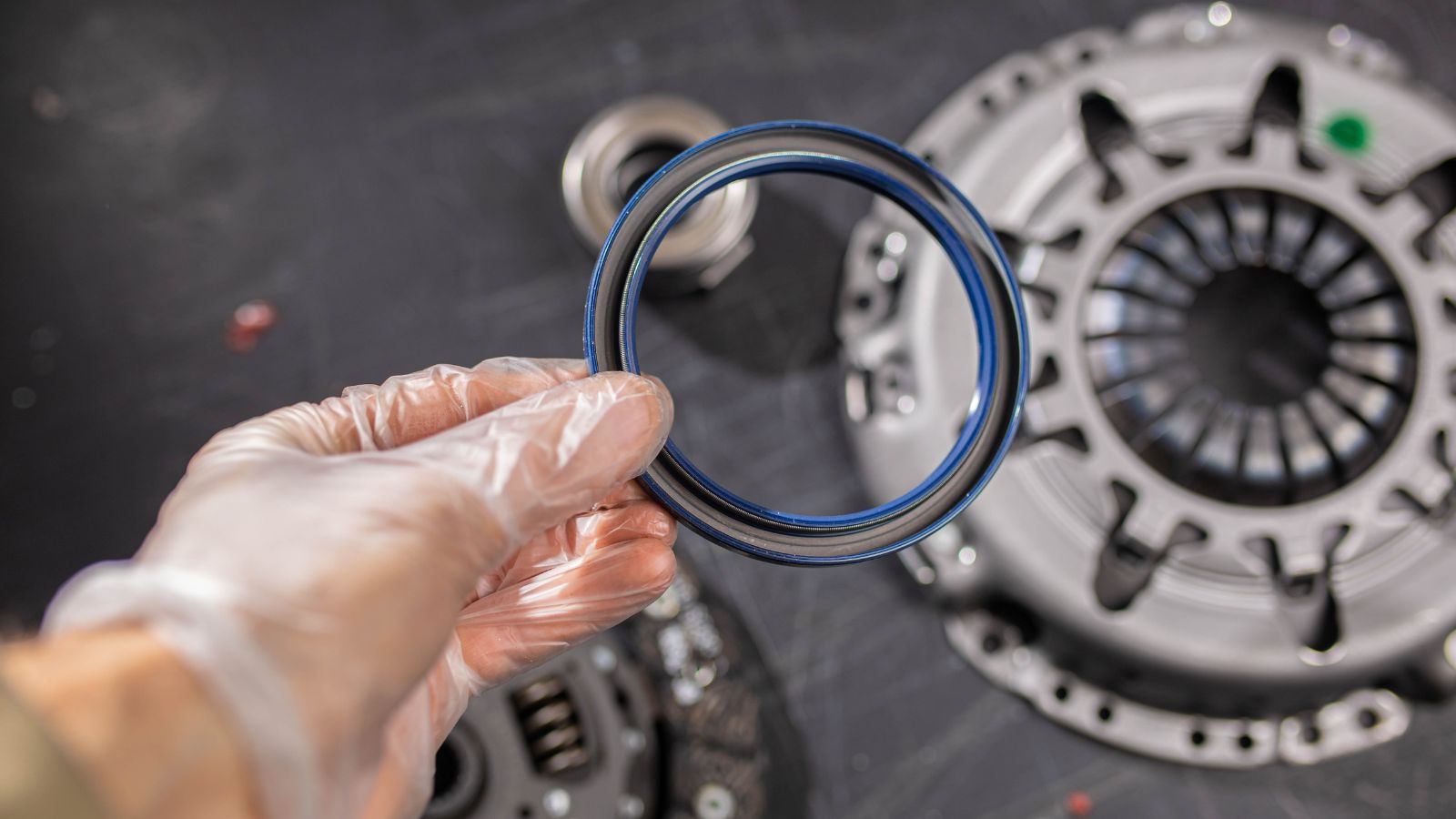
Rubber components such as seals and gaskets rely on regular use to remain flexible. When a car sits, these parts can dry out and become brittle.
This increases the risk of leaks once the vehicle is back in regular use.
Rodents and Pests Move In
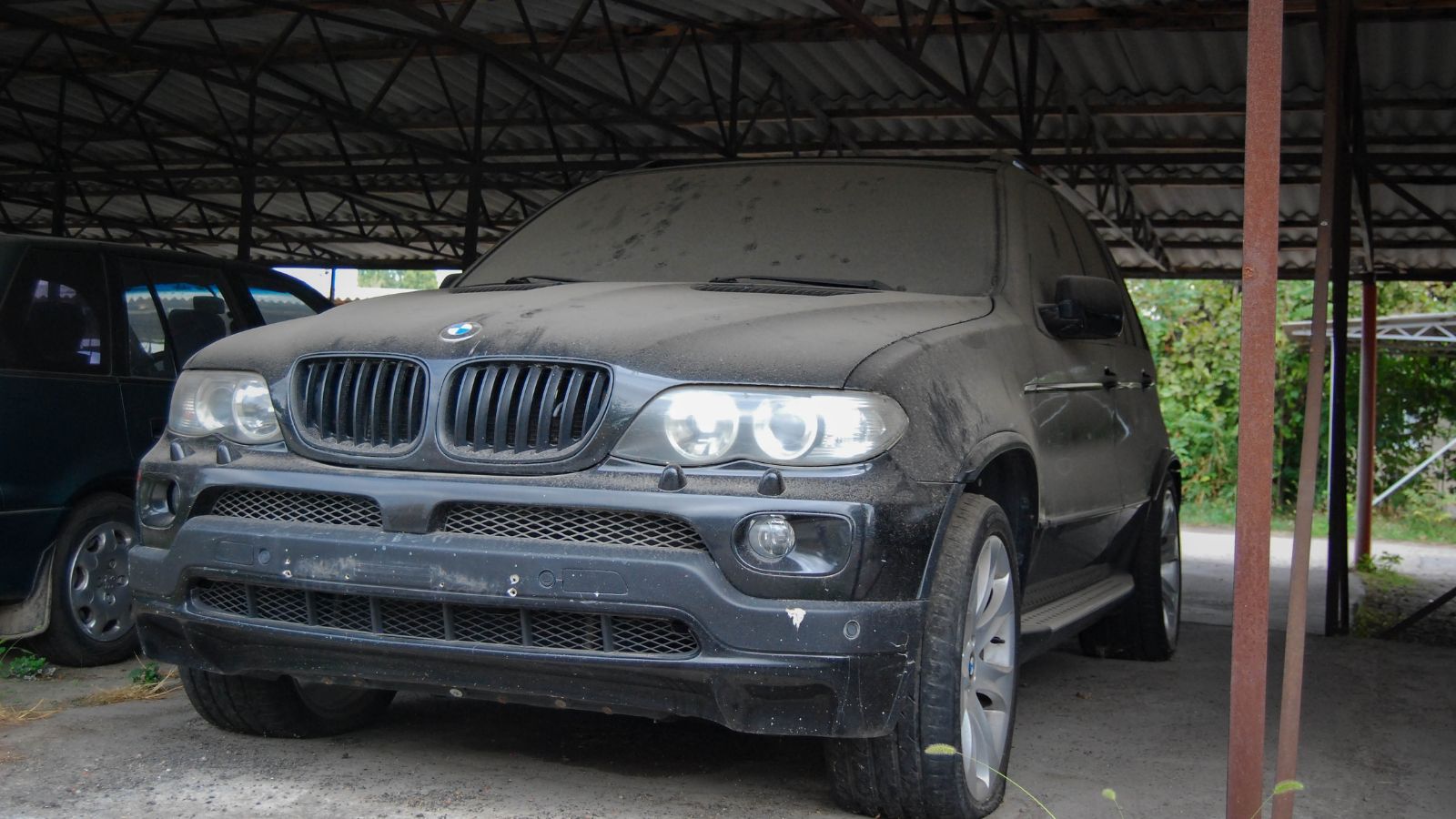
A parked car can become an attractive shelter for rodents. Wiring insulation and other materials can be damaged by chewing.
This type of damage can be difficult to detect and expensive to repair.
The Transmission and Drivetrain Suffer
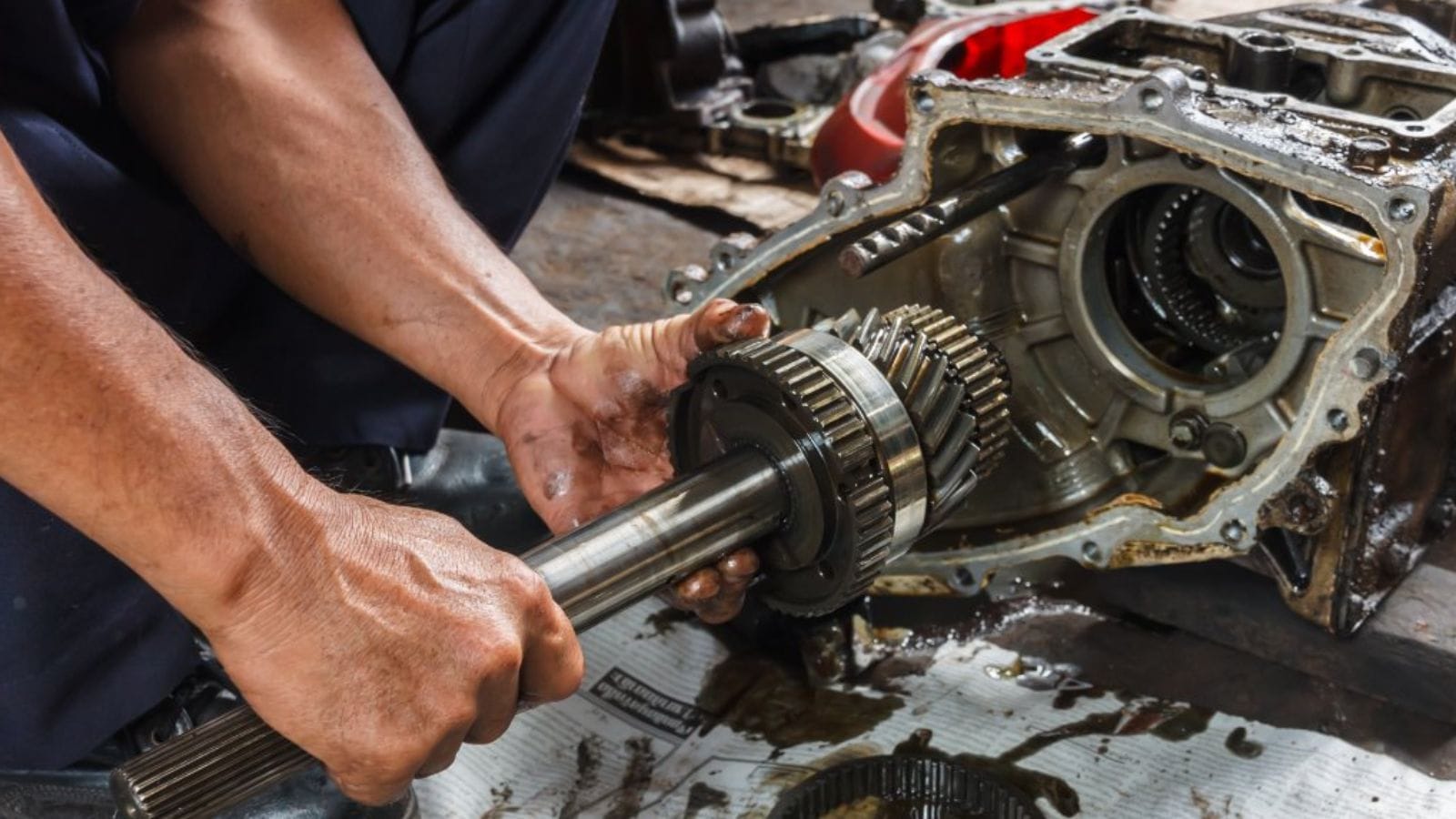
Like the engine, the transmission relies on fluid circulation to stay properly lubricated. Long periods of inactivity can allow internal components to dry out.
This can lead to rough operation or increased wear when the car is driven again.
Air Conditioning Systems Lose Efficiency
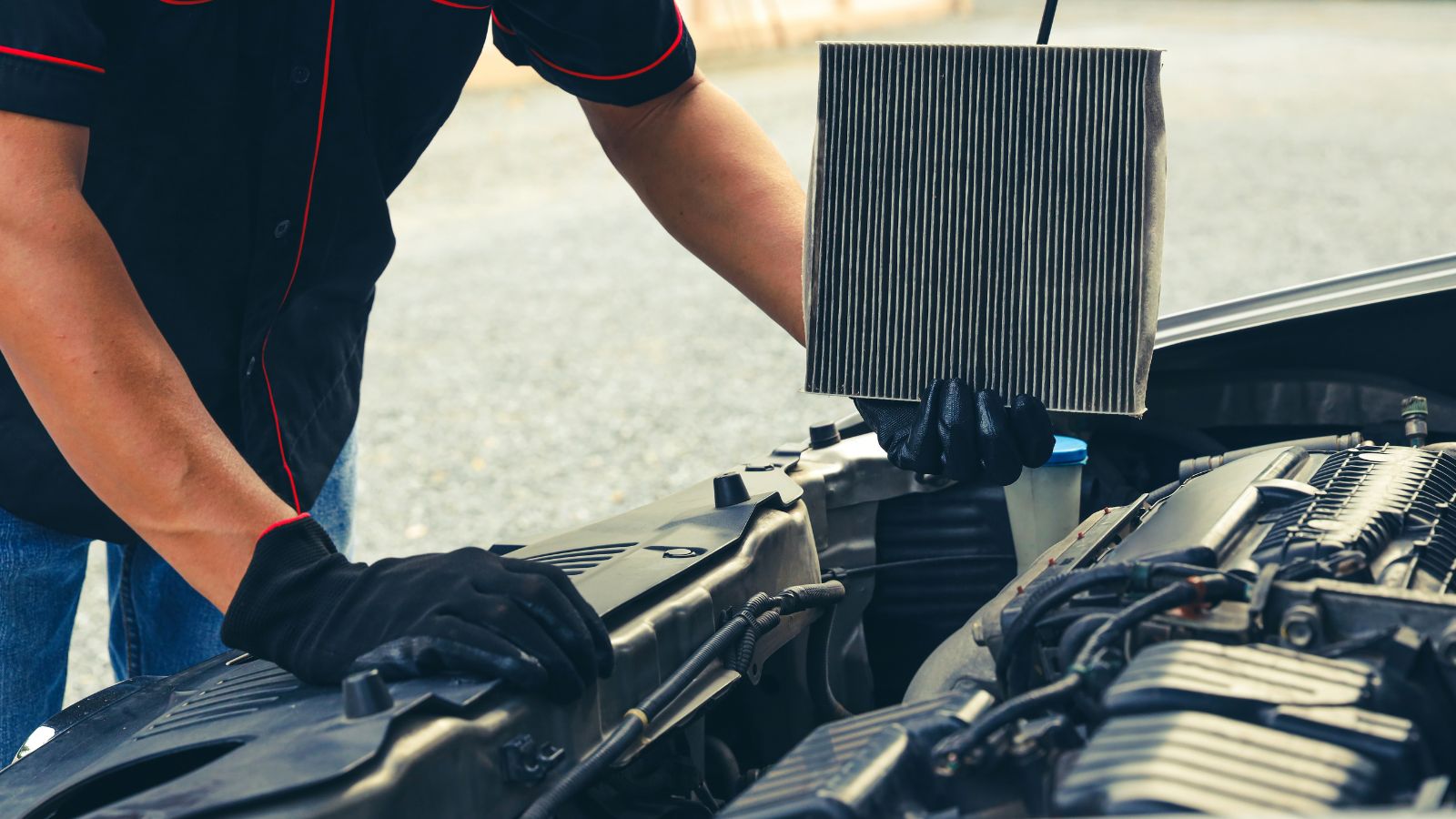
Air conditioning systems benefit from regular use. When left idle, seals can dry out and refrigerant may slowly leak.
Running the system periodically helps maintain its performance and longevity.
Electronics Can Develop Faults

Modern vehicles rely heavily on electronics. Extended periods of inactivity can sometimes lead to glitches or sensor issues.
While not always serious, these problems can be frustrating and may require diagnostic work to resolve.
Cars are built to move. Regular use keeps fluids circulating, components lubricated, and systems functioning as intended. Letting a car sit for too long introduces a different kind of wear that can be just as damaging as high mileage. For owners who drive infrequently, the solution is simple. Take the car out regularly, even for short drives, and keep everything working as it should.
25 Facts About Car Loans That Most Drivers Don’t Realize

Car loans are one of the most common ways people fund car purchases. Like any other kind of loan, car loans can have certain features that can be regarded as an advantage or a disadvantage to the borrower. Understanding all essential facts about car loans and how they work to ensure that you get the best deal for your financial situation is essential. Here are 25 shocking facts about car loans that most drivers don’t realize:
25 Facts About Car Loans That Most Drivers Don’t Realize
