
October can be deceptively gentle on a vehicle. The brutal cold has not necessarily arrived, yet mornings are getting cooler, daylight is shrinking, and electrical demands begin creeping upward. That combination makes the month an important test for a battery that may have quietly weakened over summer.
A battery that started perfectly in August can behave very differently once temperatures fall, especially if it is several years old, partially discharged, corroded, or repeatedly used for short trips. Waiting for the first truly frigid morning can turn a manageable maintenance issue into a no-start situation in a driveway, parking lot, or workplace garage. These 12 reasons explain why October is one of the most important times of the year to pay attention to a vehicle’s battery.
The First Cold Mornings Can Expose a Weak Battery
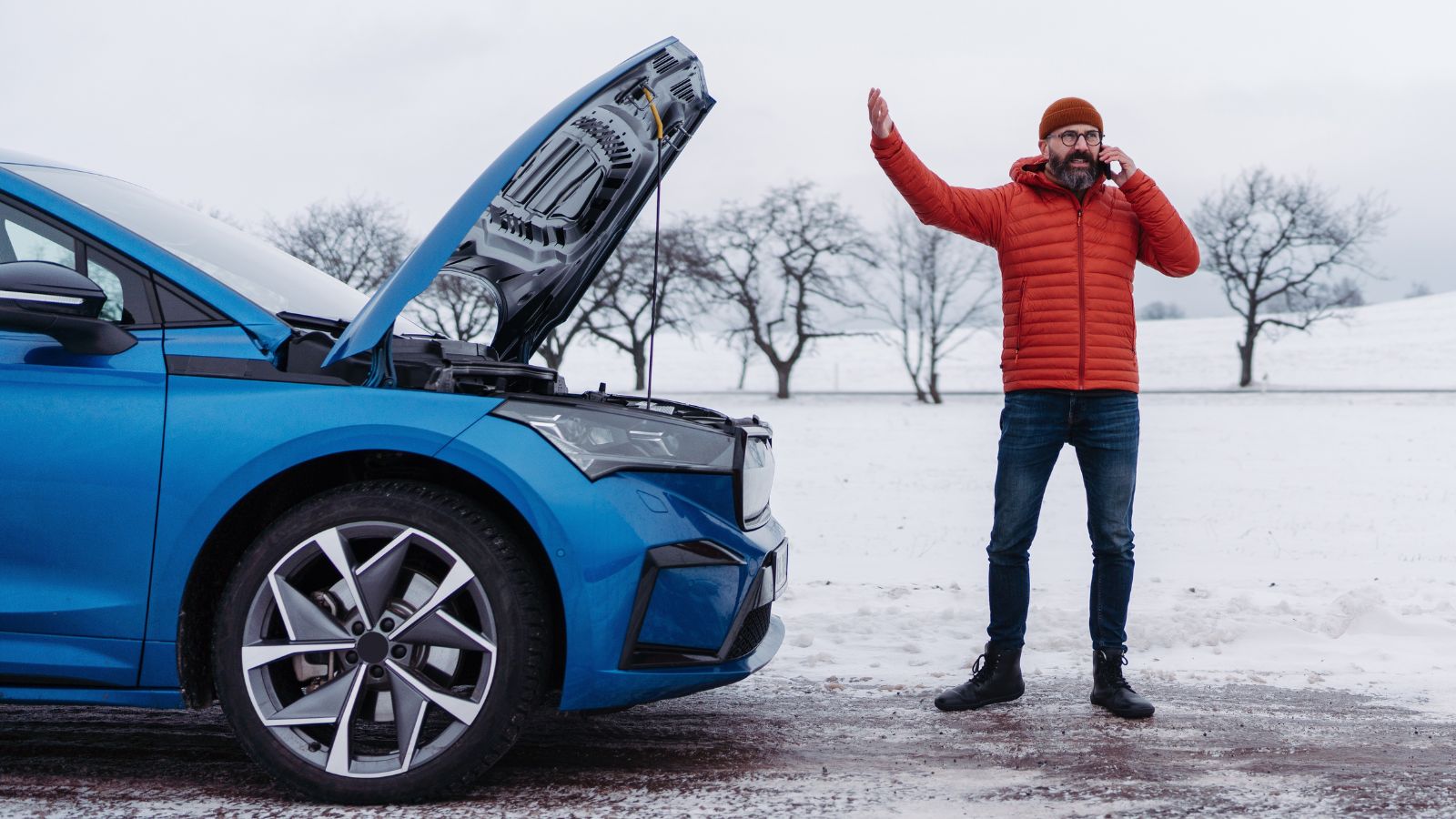
A battery does not suddenly become unhealthy simply because the calendar reaches October. What changes is the environment in which it has to work. As temperatures fall, the chemical reactions inside a conventional lead-acid battery slow down, reducing its ability to deliver power. AAA has reported that a battery can lose roughly 35% of its strength around 0°C and considerably more in severe sub-zero temperatures.
That makes an October morning surprisingly revealing. A battery that seemed completely normal during warm September afternoons may suddenly crank the engine more slowly after sitting outside overnight. The vehicle might still start, which makes the warning easy to dismiss, but that slower sound can be an early indication that the battery has little reserve left. October therefore provides something of an early warning period: cold enough to expose weakness, but usually early enough to deal with it before persistent winter temperatures arrive.
Summer Heat May Have Already Done the Damage
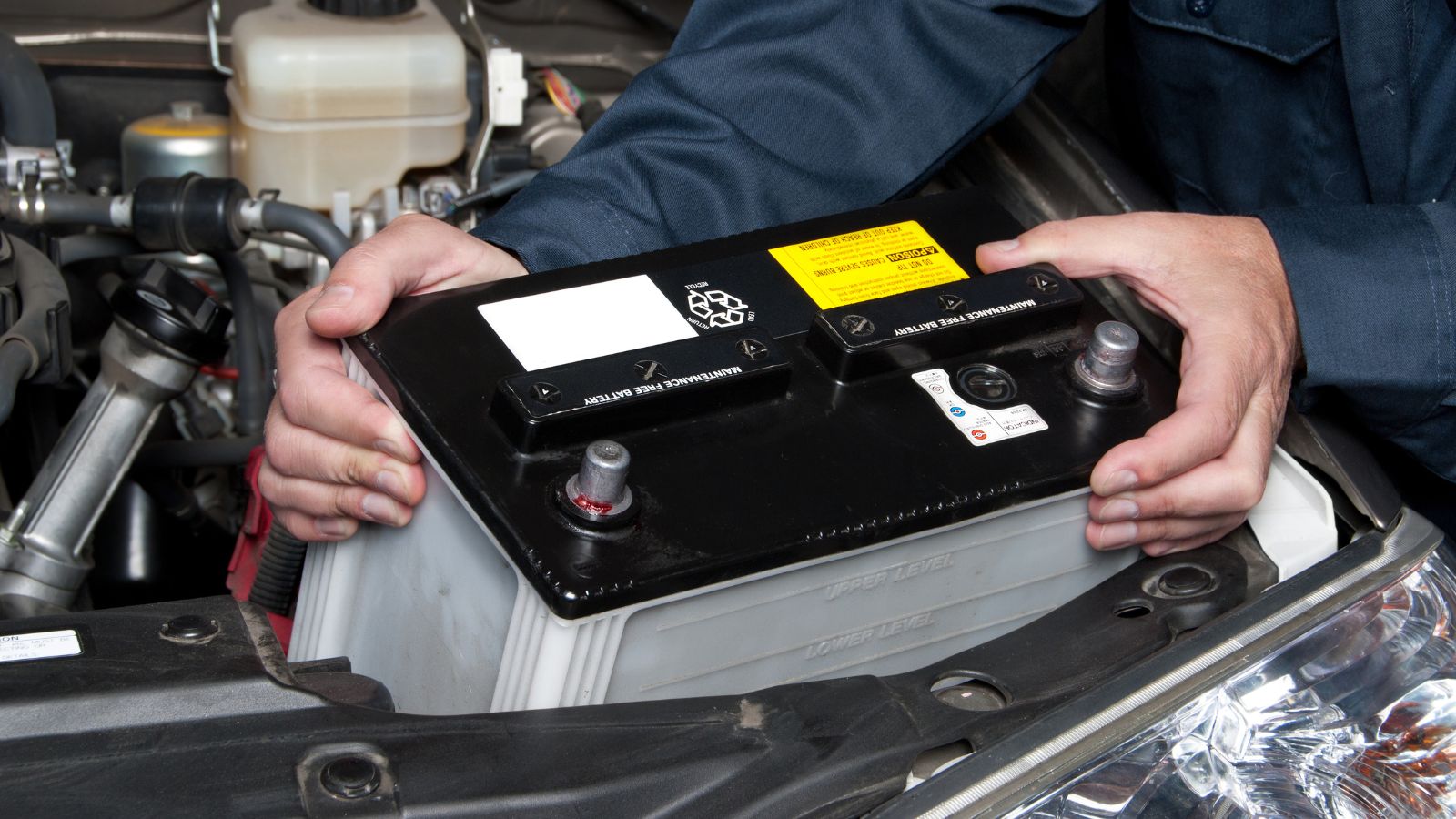
Cold weather receives much of the blame for dead batteries, but heat can be the more damaging part of the annual cycle. High temperatures accelerate chemical reactions inside a battery and contribute to deterioration over time. Consumer Reports notes that summer heat can be particularly hard on automotive batteries, while AAA identifies heat as one of the major factors determining battery lifespan.
That creates an important seasonal misunderstanding. When a battery fails on a chilly October morning, the cold may simply be exposing damage that accumulated during July and August. Under-hood temperatures can become far hotter than the outdoor air, which is why some manufacturers use heat shields or position batteries away from the engine compartment. A battery weakened by months of heat may continue starting the vehicle while temperatures remain mild. October removes some of that margin, making autumn the point when months of hidden degradation can finally become obvious.
Cold-Cranking Power Suddenly Matters More
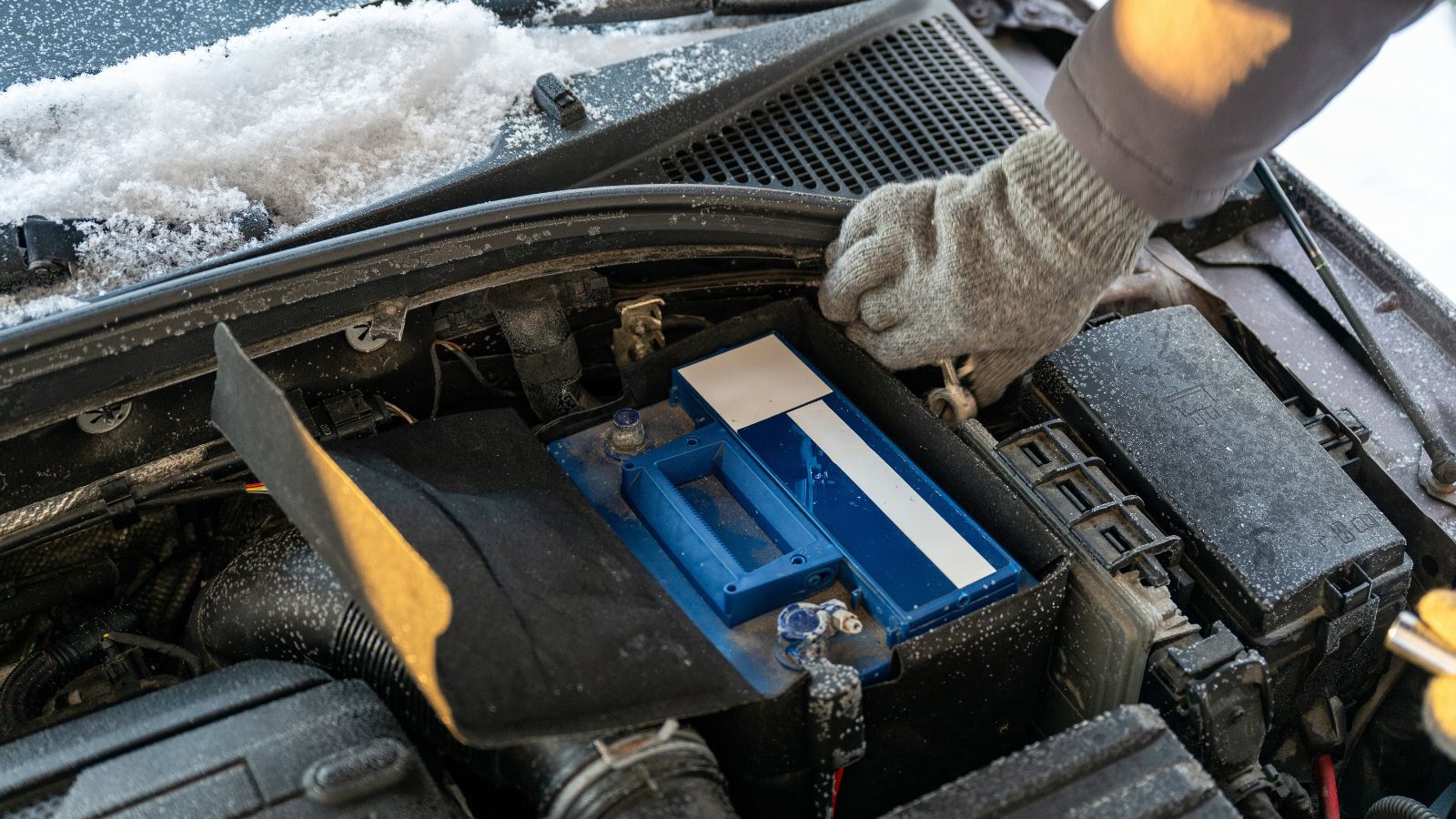
One of the most important numbers on a replacement battery is its Cold Cranking Amps, or CCA, rating. CCA measures a battery’s ability to deliver starting current under cold conditions, traditionally at 0°F, or roughly -18°C. A battery may retain enough energy for lights and electronics while still struggling to supply the burst of current required by the starter motor on a cold morning.
That distinction becomes increasingly relevant during October. Drivers may notice that dashboard lights illuminate normally while the engine turns over reluctantly, creating the impression that the battery must still be healthy. Those two things are not necessarily equivalent. Starting an engine demands substantially more current than powering a few interior lights. As overnight temperatures drop, available cranking performance becomes more important. Checking that the battery meets the manufacturer’s required specification—and testing its actual condition—can reveal problems that simply looking at the headlights will not.
Three-to-Five-Year-Old Batteries Deserve Extra Attention
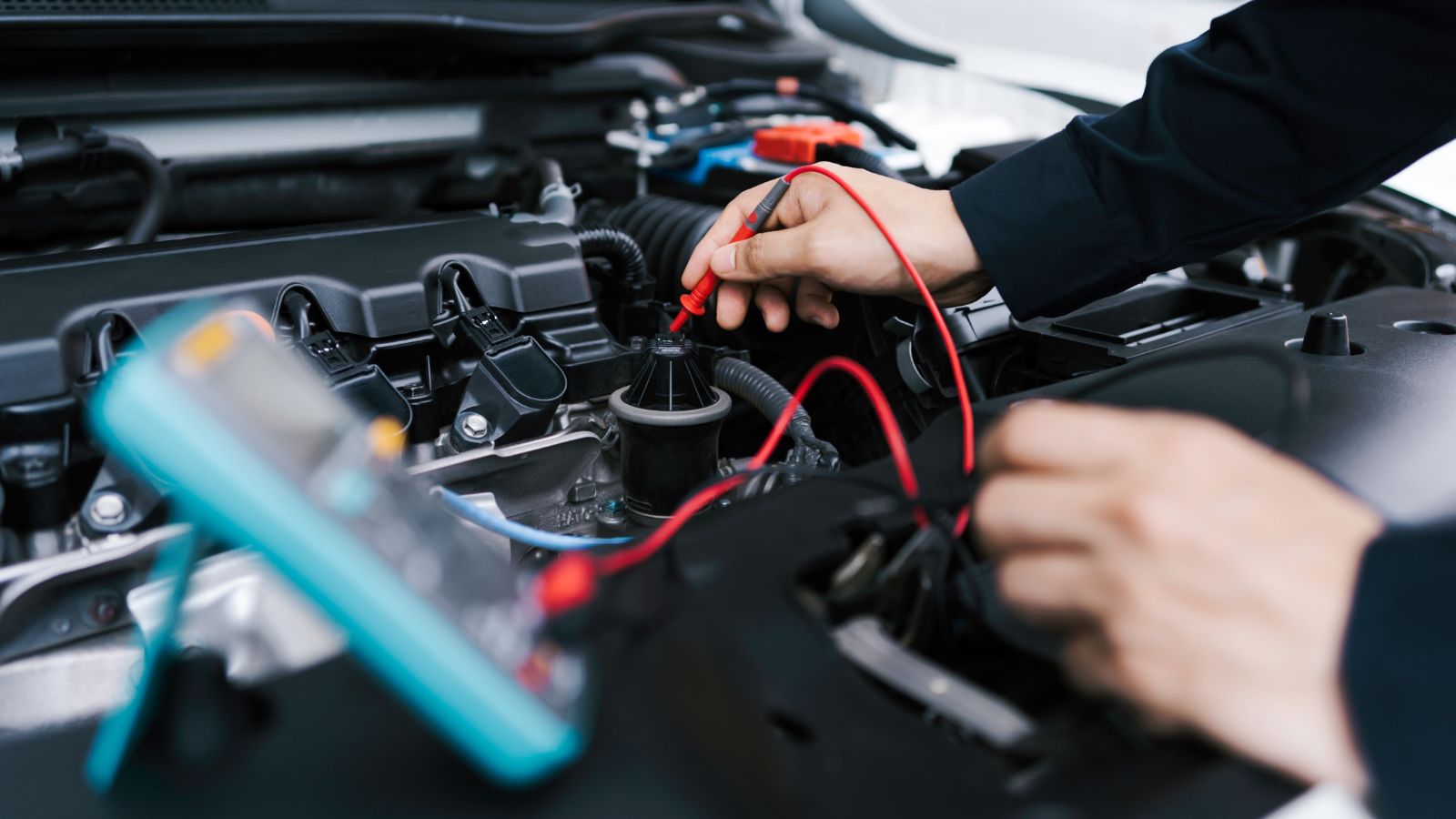
Automotive batteries are consumable components, even when they have never been accidentally discharged. CAA advises paying particular attention to batteries that are roughly three to five years old, while AAA similarly describes three to five years as a common service-life range. Climate, vehicle design, driving habits and battery construction can push actual lifespan above or below that range.
October becomes especially important when a vehicle is entering another winter with an older battery. Consider a commuter whose battery was installed four summers ago and has never caused an obvious problem. It may still start normally during a mild afternoon, but age gradually reduces the reserve available for difficult conditions. Waiting until the battery dies provides little advantage over testing it beforehand. The installation or manufacturing date can therefore be useful information during fall maintenance. Age alone does not automatically condemn a battery, but once several years have passed, testing becomes much more valuable than assuming previous reliability will continue.
The Engine Itself Becomes Harder to Turn
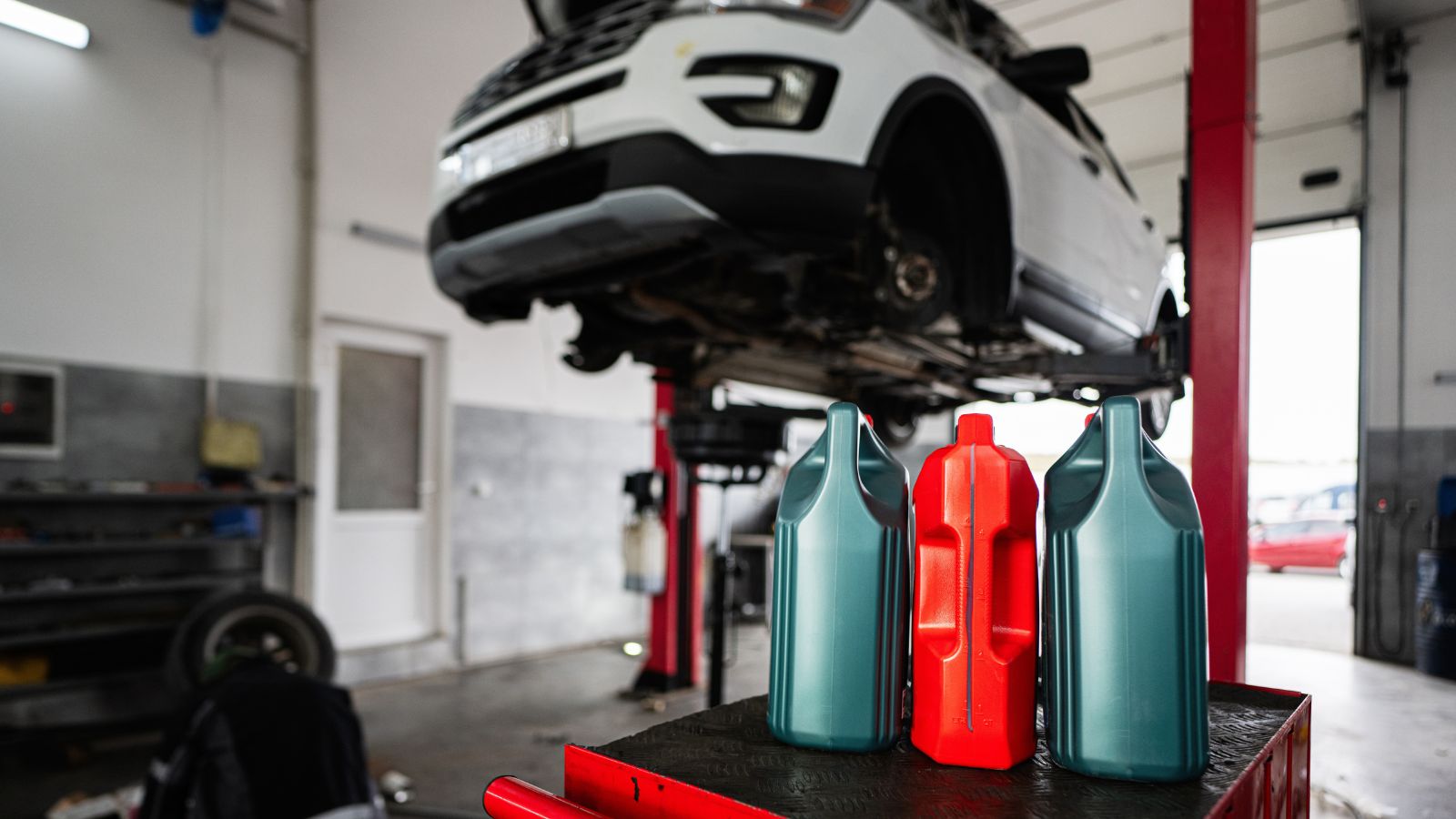
The battery is not the only component affected when temperatures fall. Cold conditions can increase resistance inside an engine because motor oil becomes more viscous at lower temperatures. Consumer Reports identifies this thickening oil, combined with slower battery chemistry, as part of the reason winter starting places greater demands on the electrical system.
AAA has estimated that an engine can require roughly 30% more starting energy around freezing conditions. That is an uncomfortable combination for a marginal battery: available power is declining at exactly the same time the starter may need more of it. October temperatures are not uniformly severe across Canada, but the first cold mornings are often enough to reveal this imbalance. A healthy battery usually handles the additional workload without drama. An aging or partially charged one may produce slower cranking, clicking or an intermittent failure to start. What seems like a minor October hesitation can therefore become a much larger problem once genuinely cold weather settles in.
Short Autumn Trips Can Gradually Leave the Battery Undercharged

Starting a gasoline vehicle consumes a meaningful amount of battery energy. Once the engine is running, the charging system replenishes what was used. Problems arise when the vehicle repeatedly makes short trips that end before the battery has recovered fully. AAA warns that frequent short drives may not provide enough time for the charging system to restore the battery.
October can make that pattern more troublesome. A vehicle may be used mainly for school drop-offs, grocery runs, coffee stops or short commutes while simultaneously facing cooler temperatures and heavier electrical use. Consumer Reports has recommended regular drives of roughly 20 minutes or longer when attempting to keep a battery replenished, although the actual charging time depends on the vehicle and battery condition. One short journey is unlikely to destroy a healthy battery. A continuing cycle of starting, driving only briefly and parking again can gradually reduce state of charge, however, leaving much less reserve when the first seriously cold morning arrives.
Autumn Adds More Electrical Loads to Everyday Driving
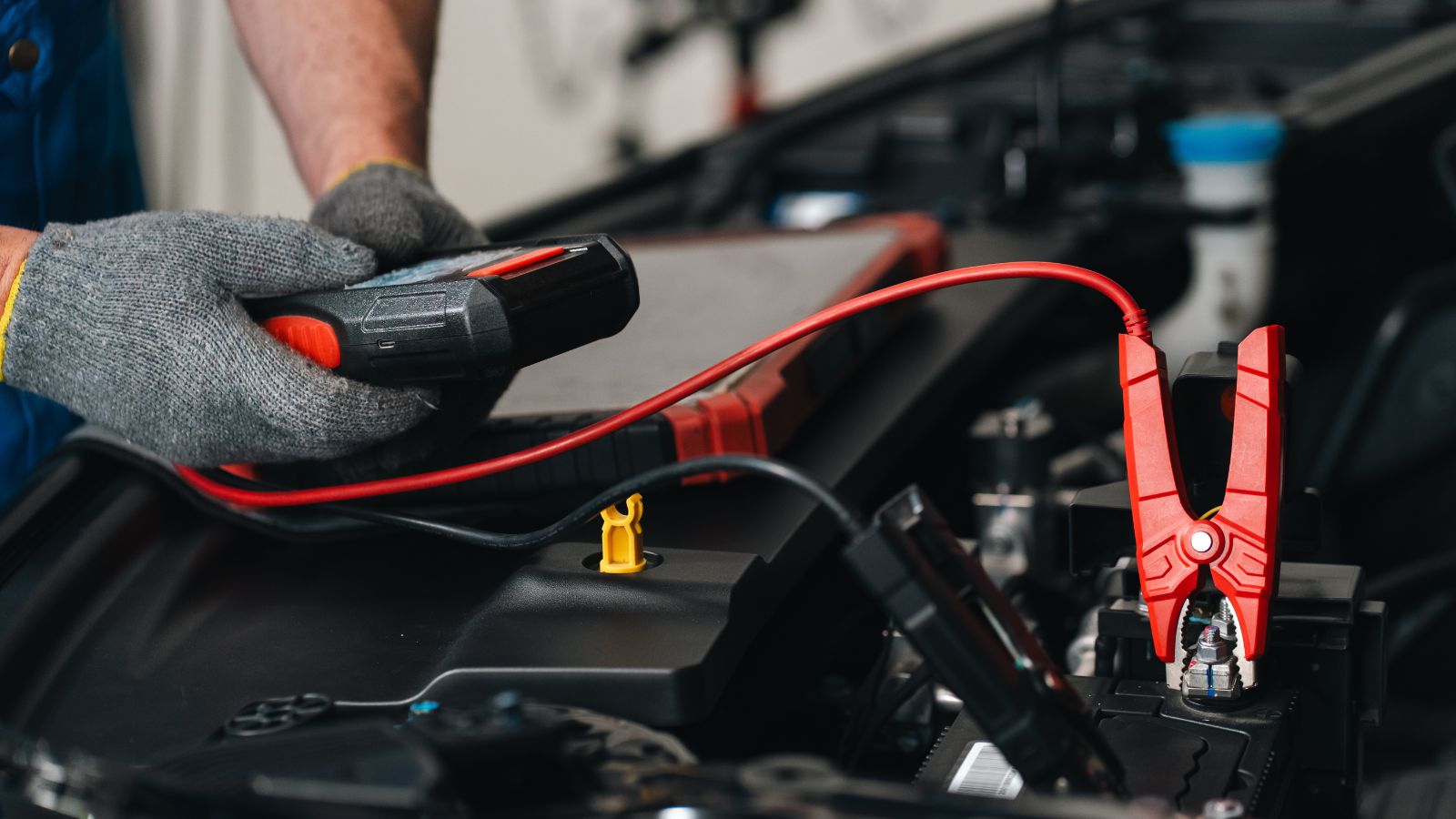
October also changes how vehicles are used. Earlier darkness means headlights spend more time operating, while colder and wetter mornings bring greater use of blowers, rear-window defrosters, heated seats and other electrical equipment. Once the engine is running, the alternator normally carries these loads while also replenishing the battery, but a weak charging system or undercharged battery has less room for error.
The greater concern comes when accessories operate while the engine is off. AAA specifically warns that radios, lights, charging devices, heated equipment and dashboard electronics can consume battery power without the alternator replenishing it. Modern vehicles often include automatic shutoffs, but not every accessory or aftermarket device behaves the same way. Sitting in a parking lot with the ignition in accessory mode may feel harmless because the engine is silent, yet electrical energy is still being consumed. During October, preserving that reserve becomes increasingly important as colder starts demand more from the battery.
Corroded Terminals Matter More as the Margin Shrinks
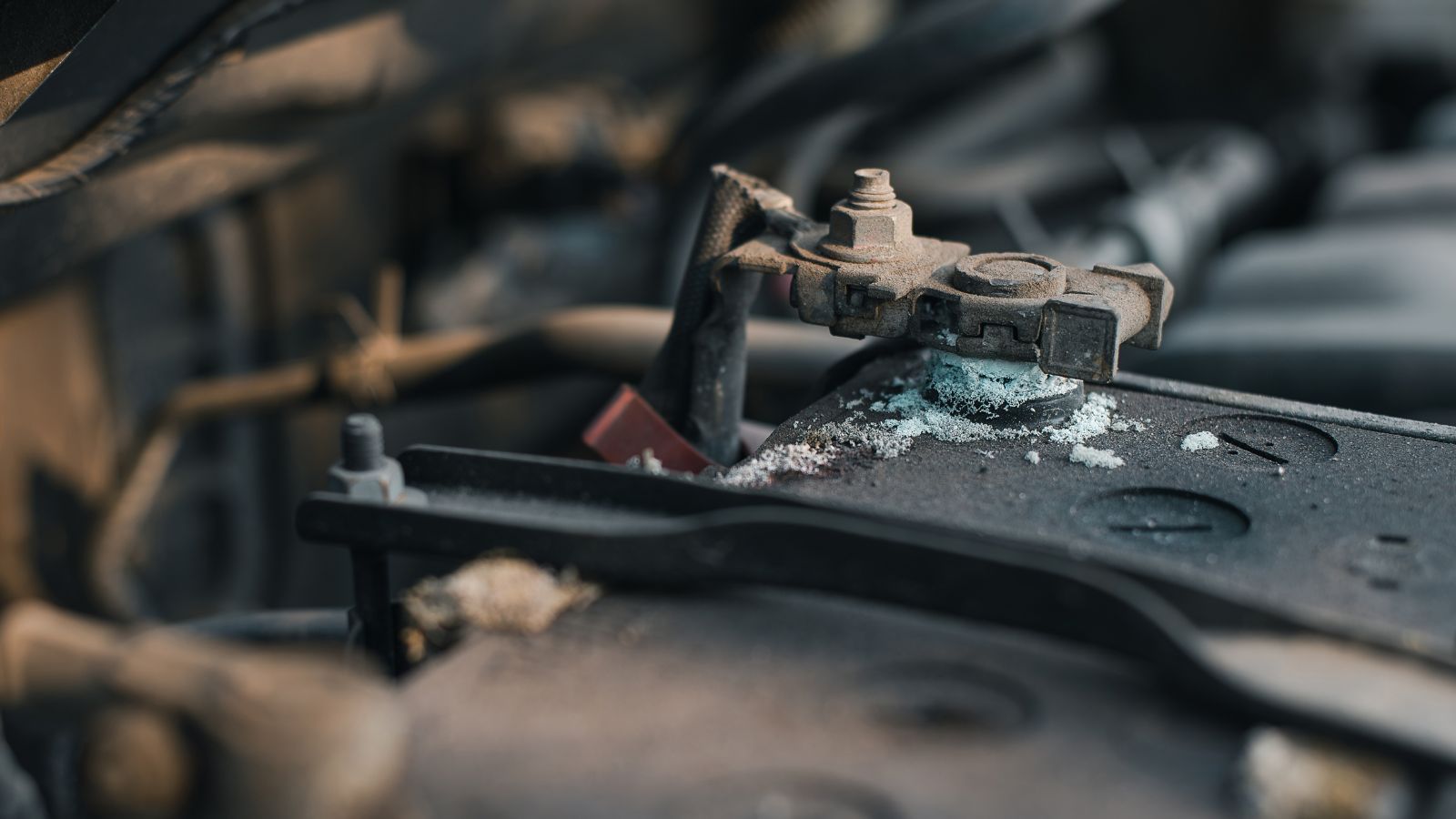
A battery can contain adequate energy and still struggle to deliver it if its connections are poor. Corrosion around the terminals increases electrical resistance, potentially contributing to slow cranking or a no-start condition. CAA recommends checking batteries for corrosion as part of winter preparation, while automotive maintenance guidance commonly describes visible buildup around the terminals as something that should be addressed.
October is a useful time for that inspection because the problem is often visible before it becomes disabling. Depending on the chemistry and materials involved, corrosion can appear as whitish, grey or blue-green deposits around the posts and cable connections. Loose connections can create similar starting trouble. Modern vehicles can also have manufacturer-specific battery-management procedures, meaning disconnecting and cleaning terminals is not always as simple as it once was. The important point is that a battery test should not ignore the cables and connections surrounding it. Good electrical contact becomes especially valuable once temperatures start reducing available starting performance.
A Loose Battery Can Quietly Shorten Its Own Life
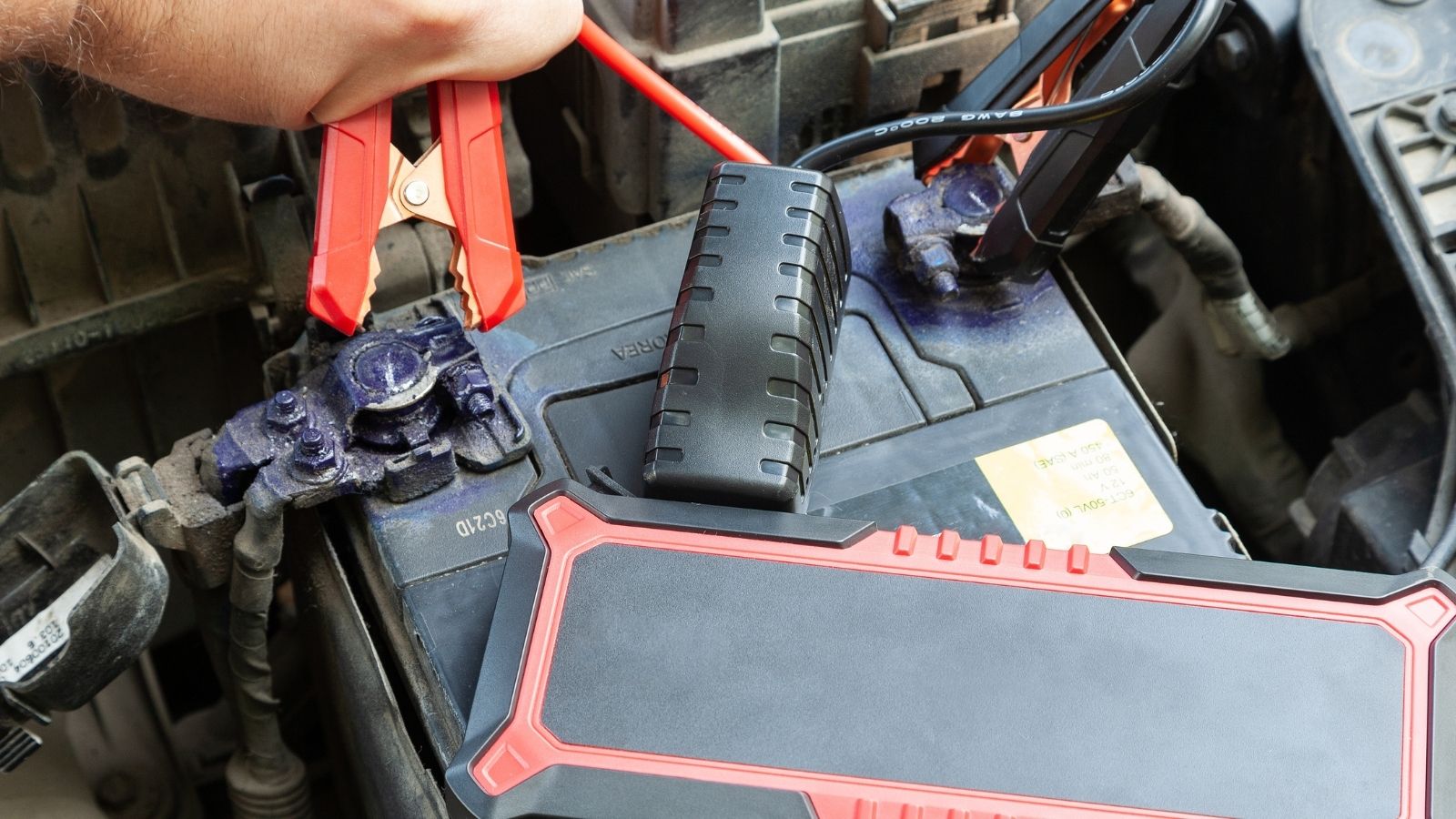
Battery maintenance is not only about voltage. Physical movement matters as well. AAA identifies vibration as one of the major factors that can shorten automotive battery life because excessive movement can damage internal components. Manufacturers therefore use brackets, trays and hold-down systems designed to keep the battery securely positioned.
A loose battery may not announce itself immediately. It can continue starting the vehicle while being shaken by potholes, rough pavement and normal engine vibration. Over months or years, that movement can contribute to internal deterioration and can also place stress on terminals or the case. Fall inspection provides an opportunity to catch the problem before winter. The battery should remain properly secured rather than sliding or rocking in its tray. Drivers who have recently had battery work performed may find this especially worthwhile to check. October potholes are not uniquely destructive, but entering the rougher winter-driving season with a poorly secured battery adds avoidable stress to a component already facing tougher operating conditions.
The Battery May Be Fine While the Charging System Is Not

Repeated battery trouble does not automatically mean the battery itself is defective. After the engine starts, the alternator supplies electricity to vehicle systems and replenishes the battery. If that charging system consistently undercharges or overcharges, battery life can be shortened. AAA specifically identifies charging-system malfunction as another contributor to premature battery deterioration.
That is why simply replacing a dead battery without checking the wider electrical system can occasionally lead to the same problem returning. CAA notes that a dashboard battery warning light may indicate an issue with either the battery or the charging system. October is a sensible point for diagnosis because the vehicle is about to face months of greater starting demands. If a recently replaced battery repeatedly goes flat, lights fluctuate noticeably, warning indicators appear or starting problems return quickly after charging, the cause deserves investigation. A proper test can separate a weak battery from an alternator, connection or charging-control problem before winter complicates the diagnosis.
Modern Vehicles Can Draw Power Even While Parked

Turning off a modern vehicle does not necessarily eliminate every electrical load. Security systems, telematics, keyless-entry receivers and computer modules may continue consuming small amounts of electricity while the vehicle sits. Consumer Reports notes that some modern vehicles have enough background electrical demand that extended parking can meaningfully reduce battery charge, particularly when the battery is already weak.
Aftermarket equipment can add another variable. Dash cameras, trackers, stereos, remote-start systems and devices connected to diagnostic or accessory ports may continue drawing power depending on how they are wired. A healthy battery generally tolerates normal manufacturer-designed standby loads, but an old or partially discharged battery has less reserve available. That becomes important during autumn when a recreational vehicle, second car or commuter may sit unused for several days at a time. A vehicle that repeatedly has a dead battery after parking should be properly tested for abnormal parasitic draw rather than simply being jump-started over and over.
October Leaves Time to Test the Battery Before Winter Decides for It

Perhaps the strongest argument for paying attention in October is simply timing. CAA recommends checking the battery as part of winter preparation, while AAA says testing is the reliable way to assess remaining battery capability. A vehicle can still start successfully even when the battery has deteriorated significantly, so normal operation on a mild afternoon does not provide much information about how it will perform during a deep freeze.
A professional battery test can assess more than whether the battery currently contains a charge. Depending on the equipment used, technicians can evaluate starting capability and check the charging system as well. Slow cranking, dim or flickering lights, visible corrosion, a swollen case and recurring starting difficulty all deserve attention rather than being dismissed until winter. October provides something winter often does not: a convenient opportunity to act before failure becomes urgent. Addressing a marginal battery during routine fall maintenance is considerably easier than discovering its limits on a dark, sub-zero morning when the vehicle has somewhere important to be.
19 Used Cars Canadians Should Avoid in 2026 (Based on Owner Complaints)

Buying a used car in Canada can feel safe until repair bills start stacking up. Owner complaints tell a different story than glossy listings. Transmission failures, electrical problems, and weak winter reliability show up again and again in consumer reports. Many of these issues appear after warranties expire, when owners least expect them. Some vehicles look affordable upfront, but become expensive to keep on the road. Others struggle in cold weather, urban driving, or long highway commutes. Here are 19 used cars Canadians should avoid in 2026 (based on owner complaints).
19 Used Cars Canadians Should Avoid in 2026 (Based on Owner Complaints)

Alanna Rosen is an experienced content writer that focuses on many EV and educational content. Her articles are regularly published on Get CyberTrucked and syndicated on large publications.