
Car prices in Canada have already endured pandemic shortages, semiconductor disruptions, and shipping bottlenecks. Now global tensions are adding another layer of uncertainty. When instability rises in energy-producing regions or major manufacturing hubs, automotive markets feel it quickly. The question many Canadians are asking is simple. Will geopolitical pressure translate into higher vehicle prices this year? The short answer is that it very well could, but not evenly across the board.
Oil Prices Always Matter

Canada is an energy producer, but it is not insulated from global oil pricing. If tensions drive crude prices upward, fuel costs climb and transportation expenses increase across the supply chain. Shipping vehicles from overseas becomes more expensive. Domestic logistics costs rise. Automakers often pass these increases along, either through direct price hikes or reduced incentives.
Supply Chains Remain Fragile

Modern vehicles rely on global components. Wiring harnesses, semiconductors, battery materials, and specialty metals often originate in politically sensitive regions. Even indirect disruptions can slow production. If factories reduce output due to parts shortages, fewer vehicles reach Canadian dealerships, which tightens supply and pushes transaction prices higher.
Tariff Risk and Trade Retaliation

Geopolitical tension can trigger tariffs or retaliatory trade measures. Canada’s auto industry is deeply tied to the United States and global markets. If trade friction intensifies, manufacturers may adjust pricing strategies to offset increased import costs. That pressure tends to land on consumers.
EVs Could Be Hit Differently

Electric vehicles depend heavily on globally sourced battery minerals such as lithium, nickel, and cobalt. Many of these materials pass through complex international supply chains. Any instability affecting mining regions or processing hubs can raise battery costs. That may slow EV price reductions that many Canadians are expecting.
Used Car Prices May React First

Historically, the used market responds faster than the new market. When new vehicle supply tightens, buyers turn to pre-owned inventory. That increased demand lifts resale values quickly. Canadians who remember the pandemic-era price spikes know how rapidly used prices can climb when availability shrinks.
Luxury and Imported Models Face Higher Exposure
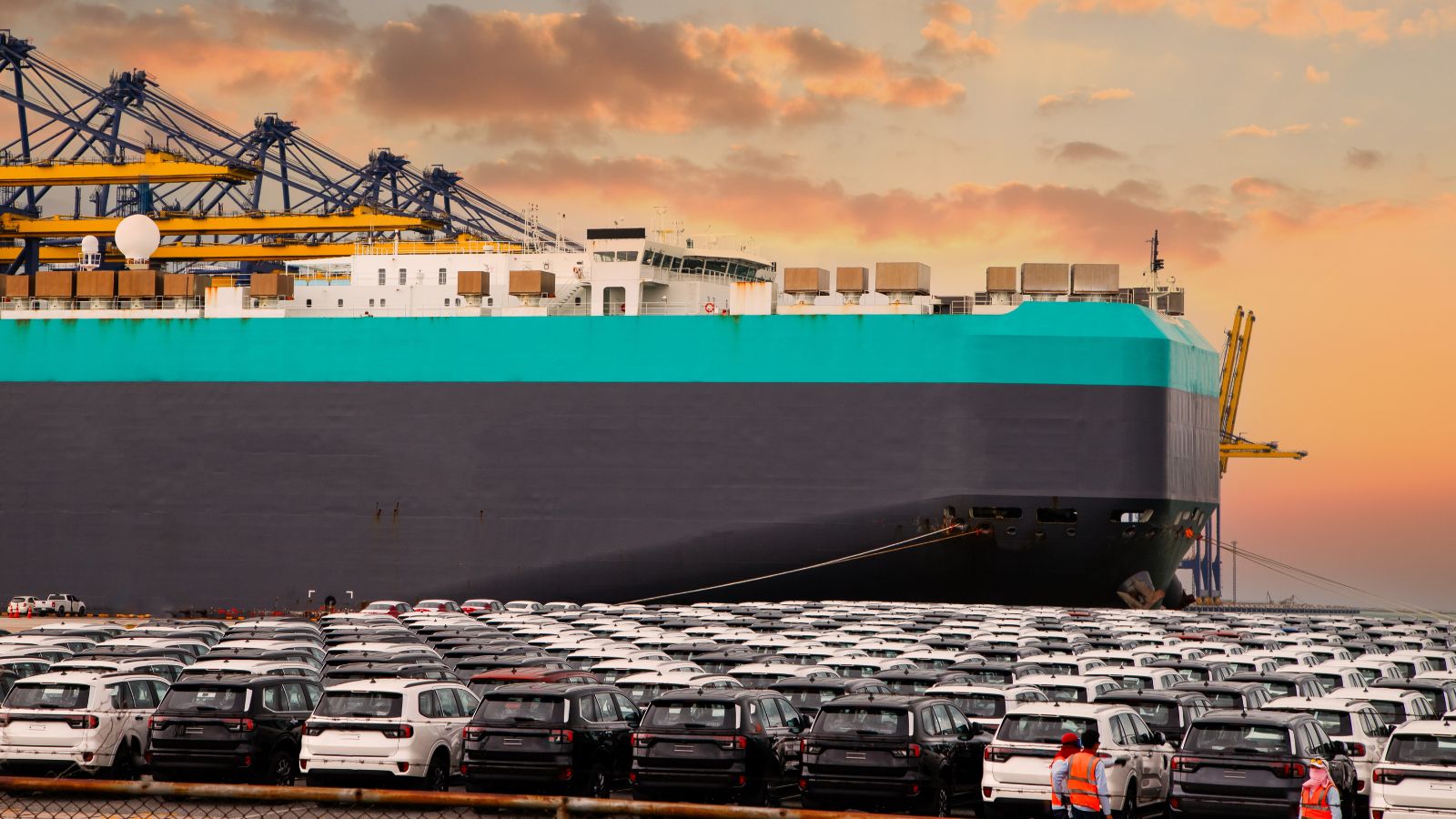
Vehicles imported from Europe or Asia may face higher shipping and currency volatility. Exchange rate swings often accompany geopolitical instability. A weaker Canadian dollar relative to the U.S. dollar or euro increases the cost of imported vehicles, especially luxury models.
Domestic Production Offers Some Buffer

Canada assembles several popular vehicles domestically. While not immune to global disruption, locally built models may experience less dramatic price shifts than fully imported alternatives. Buyers who prioritize Canadian-assembled vehicles could see relatively better stability.
Incentives Could Shrink

Manufacturers often use incentives to stimulate demand during stable periods. In uncertain markets, automakers may reduce discounts to protect margins. Even if MSRP remains unchanged, fewer rebates effectively mean higher real-world transaction prices.
Consumer Confidence Shapes Demand

Rising tensions also influence buyer psychology. Some consumers delay major purchases during uncertain times, while others accelerate purchases to avoid anticipated price increases. That behavior can create short-term price volatility in both directions.
Not All Segments Will Move Equally

Affordable compact cars and entry-level crossovers may see steadier pricing due to consistent demand. Niche performance vehicles and specialty imports may fluctuate more sharply. The impact will likely vary by segment, brand, and supply origin.
Canada’s car market does not operate in isolation. Global tensions ripple through oil markets, shipping lanes, trade agreements, and currency exchange rates. While it is impossible to predict exact pricing shifts, history suggests that instability tends to raise costs more often than it lowers them. For Canadian buyers considering a purchase this year, watching supply trends, fuel prices, and currency movements may be just as important as watching dealership inventory.
25 Facts About Car Loans That Most Drivers Don’t Realize

Car loans are one of the most common ways people fund car purchases. Like any other kind of loan, car loans can have certain features that can be regarded as an advantage or a disadvantage to the borrower. Understanding all essential facts about car loans and how they work to ensure that you get the best deal for your financial situation is essential. Here are 25 shocking facts about car loans that most drivers don’t realize:
25 Facts About Car Loans That Most Drivers Don’t Realize
