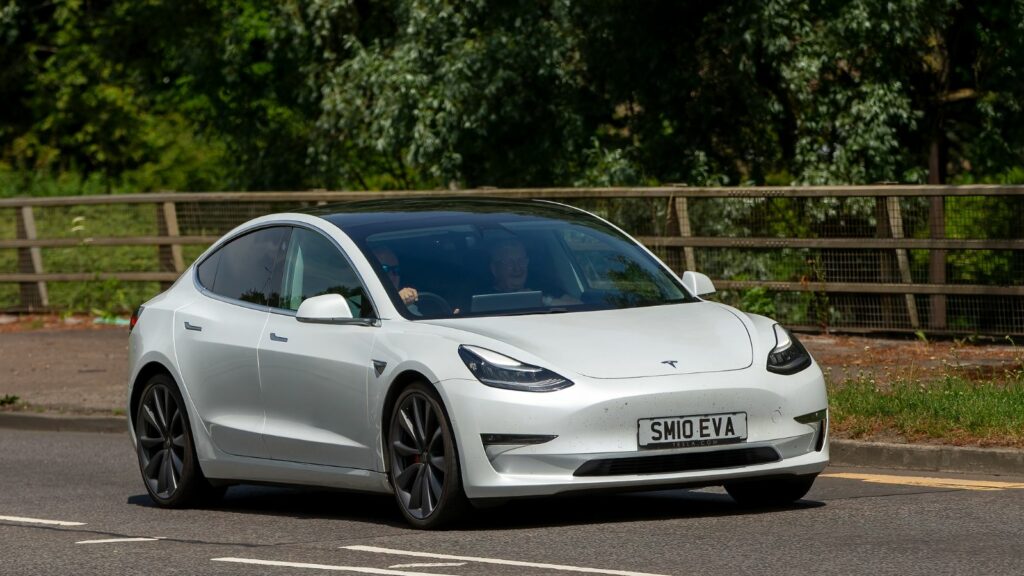
For generations, all-wheel drive has been treated almost like a Canadian survival requirement—a reassuring badge for snowy mornings, cottage roads, and slushy commutes. That assumption is now being tested. Vehicle prices remain high, fuel and electricity costs matter more, winter-tire knowledge has improved, and modern front-wheel-drive vehicles carry electronic aids that were once reserved for expensive models.
The debate is not really about whether all-wheel drive works. It does. The question is whether its benefits justify the added purchase price, energy use, tire requirements, and mechanical complexity for every household. These 12 reasons explain why more Canadian drivers are taking a harder look at where they travel, how often conditions are truly difficult, and what provides the greatest safety value for the money.
AWD Helps a Car Go, but It Does Not Help It Stop
The strongest argument for all-wheel drive is the source of its biggest misunderstanding. By sending engine torque to more than two wheels, the system can help a vehicle pull away from a snowy intersection, climb a slippery driveway, or keep moving when one axle has limited grip. That advantage is immediate and convincing. A driver presses the accelerator, the vehicle moves cleanly, and the technology appears to have solved winter.
Braking is different. Once the driver presses the brake pedal, every passenger vehicle already relies on four tire contact patches. AAA emphasizes that AWD and four-wheel drive can improve acceleration in poor conditions but do not shorten stopping distances. Cornering grip is governed mainly by tires, speed, road surface, and stability systems. That distinction is prompting Canadians to ask whether easier starts justify paying for AWD when a serious winter risk is often failing to stop or turn in time.
Winter Tires Often Produce the More Important Gain
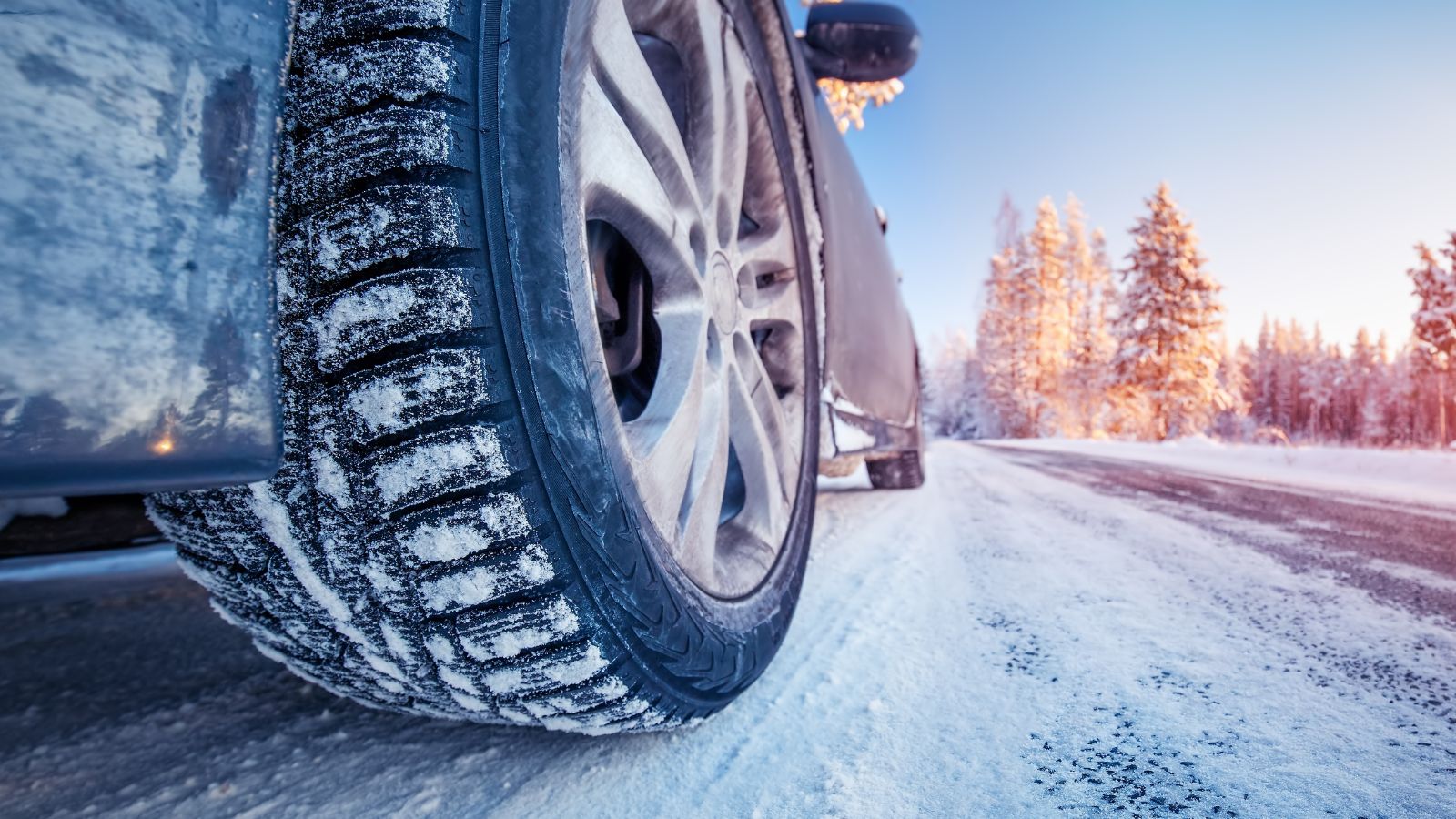
A front-wheel-drive car on winter tires can be more capable than its reputation suggests. Transport Canada recommends winter tires on all wheel positions because their tread patterns and rubber compounds are designed to remain effective in cold conditions. In one federal comparison, a vehicle using winter tires stopped as much as nine metres sooner than one on all-season tires during a controlled winter-braking test. Nine metres exceeds the length of many pickups.
That does not make AWD irrelevant; it changes the order of priorities. An AWD vehicle on worn all-season tires still has limited braking and cornering grip, while a two-wheel-drive vehicle on winter tires may feel more predictable during collision-avoidance manoeuvres. Families with a fixed budget are weighing a dedicated tire-and-wheel package against the AWD surcharge. The conclusion is less marketable than a drivetrain badge: traction begins where the vehicle touches the road, and that means four appropriate tires.
The Purchase Premium Is Becoming Harder to Ignore

AWD was easier to accept when it felt like a modest insurance policy attached to an affordable vehicle. Today, the Canadian new-vehicle market is more expensive. Statistics Canada reported a median new-vehicle price of $65,219 in December 2024, compared with $40,386 in 2019. When financing, insurance, taxes, and accessories are added, even a four-figure drivetrain upgrade deserves more scrutiny.
The 2025 Toyota Corolla Cross illustrates the decision. Canadian pricing listed the L front-wheel-drive version at $27,720 and the L AWD version at $29,120—a $1,400 difference before tax. Both use the same 169-horsepower engine, so the added spending mainly buys extra driven wheels rather than more power. For a household that rarely leaves cleared roads, that money could instead cover much of a winter-tire package, several maintenance visits, or part of the financing interest. AWD remains valuable, but buyers are asking it to prove value rather than treating it as mandatory.
The Fuel Penalty Arrives Quietly, Tank After Tank

AWD’s operating cost rarely appears as one charge. It arrives in increments through additional mass, rotating components, and driveline friction. Natural Resources Canada identifies the use of all-wheel and four-wheel drive as one factor affecting fuel consumption. The difference varies because modern systems can disconnect an axle or send torque only when needed, but it does not disappear because the driver cannot feel it.
The Corolla Cross provides a comparison. Toyota Canada rates the 2025 L front-wheel-drive model at 7.6 L/100 km in the city and 7.2 on the highway, while AWD is rated at 8.1 and 7.5. Using Natural Resources Canada’s 55-per-cent city and 45-per-cent highway calculation and 20,000 annual kilometres, the gap is roughly 82 extra litres yearly. No fill-up looks alarming. Over long ownership, however, fuel, emissions, and the purchase premium combine into a meaningful bill for capability that may be used only a few winter days.
Front-Wheel Drive Has Improved More Than Its Image
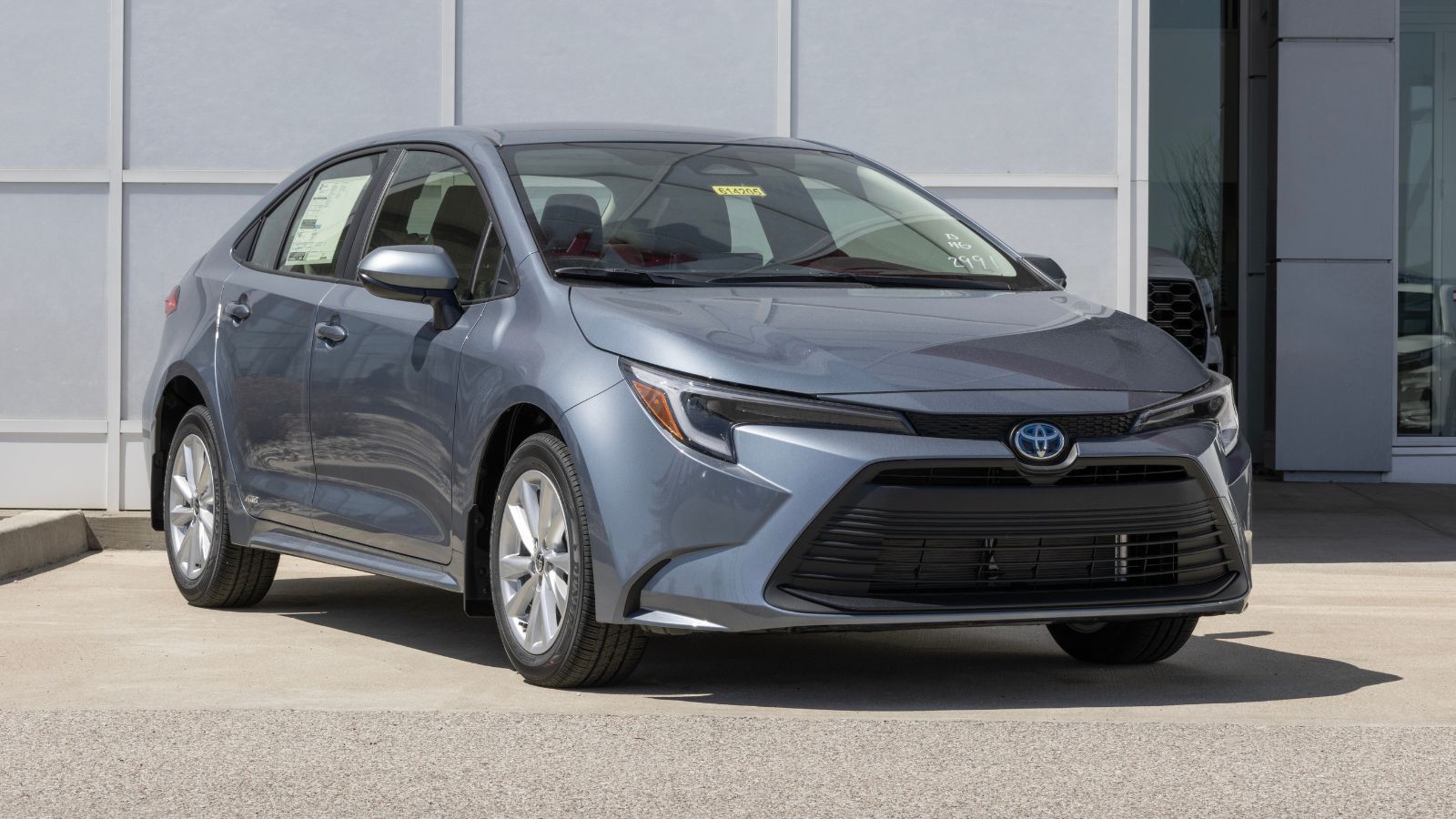
Many opinions about two-wheel-drive cars were formed when traction aids were primitive. Modern vehicles are different. Traction control can detect wheelspin and respond through selective braking or reduced engine power. Electronic stability control can brake wheels when a vehicle deviates from the driver’s intended path. These systems do not create grip, but they make front-wheel-drive cars easier to manage than comparable vehicles from decades ago.
Canada required electronic stability control as standard equipment on light vehicles beginning September 1, 2011. Federal material cited Canadian research associating the technology with 41 per cent fewer loss-of-control collisions and 23 per cent fewer injury crashes of that type. AWD complements these systems effectively in difficult winter conditions, too. Still, this improvement means the choice is no longer between AWD and an unsophisticated alternative. A maintained front-driver with stability control and winter tires can satisfy commuters who once assumed four driven wheels were essential.
Most Canadians Live Where Snow Is Actively Managed
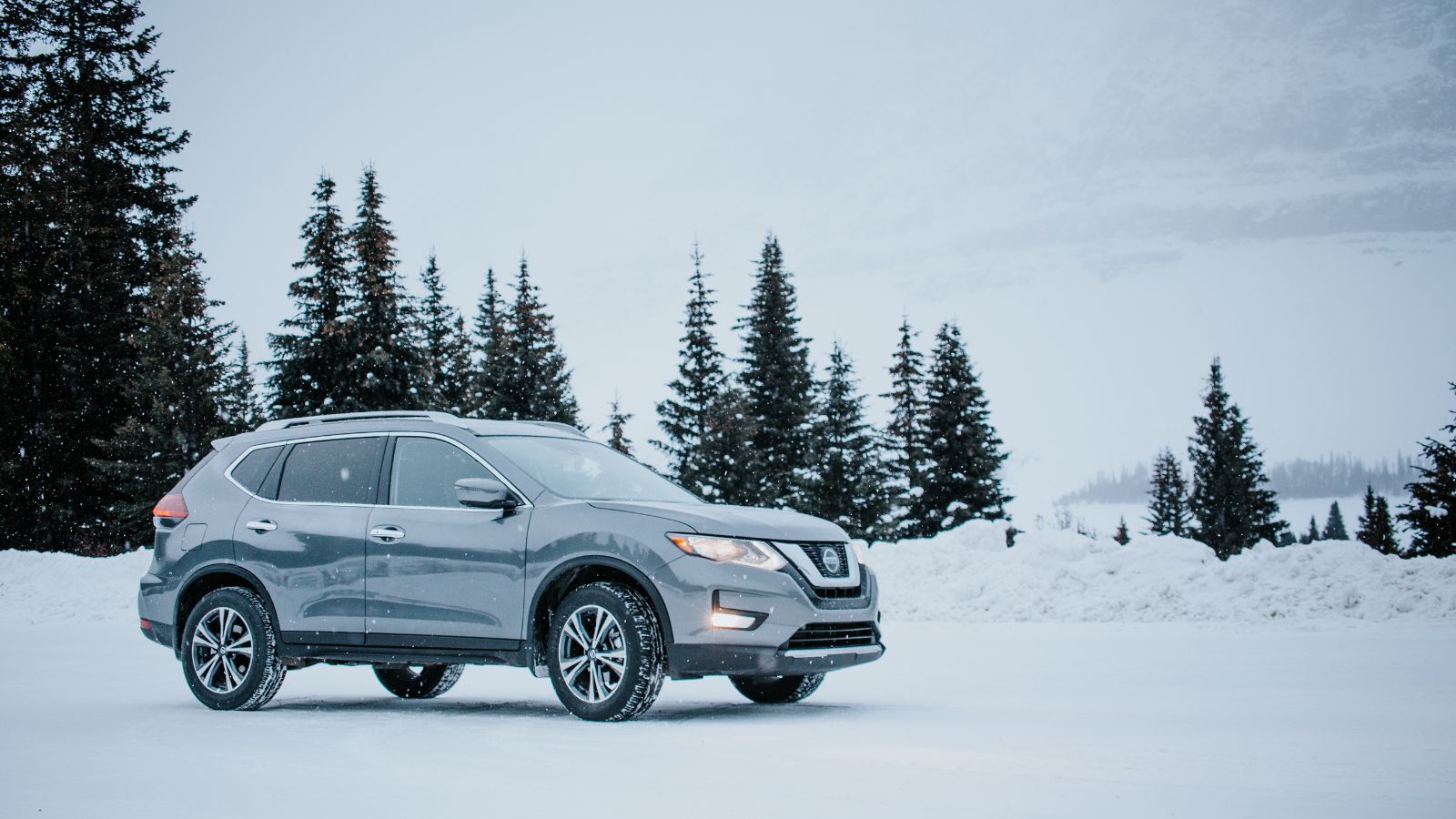
Canada’s climate is broad, but population is concentrated. Statistics Canada reported that 74.8 per cent of Canadians lived in census metropolitan areas on July 1, 2025. That matters because many urban motorists spend winter on roads that are plowed, salted, sanded, and heavily travelled. Their hardest driving may be the unplowed residential block at dawn rather than an entire commute through deep snow.
Municipal practices show why location matters more than identity. Montréal says it begins plowing at about 2.5 centimetres of accumulation and moves to snow loading after 10 to 15 centimetres; the city averages 190 centimetres of snow and averages five loading operations each winter. Side streets remain messy, storms overwhelm crews, and freezing rain stays dangerous. Yet a downtown renter with flexibility faces a different risk from a rural nurse travelling before plows arrive. As buyers examine routes, AWD can shift from “Canadian necessity” to “situational convenience.”
AWD Makes Tire Matching More Demanding
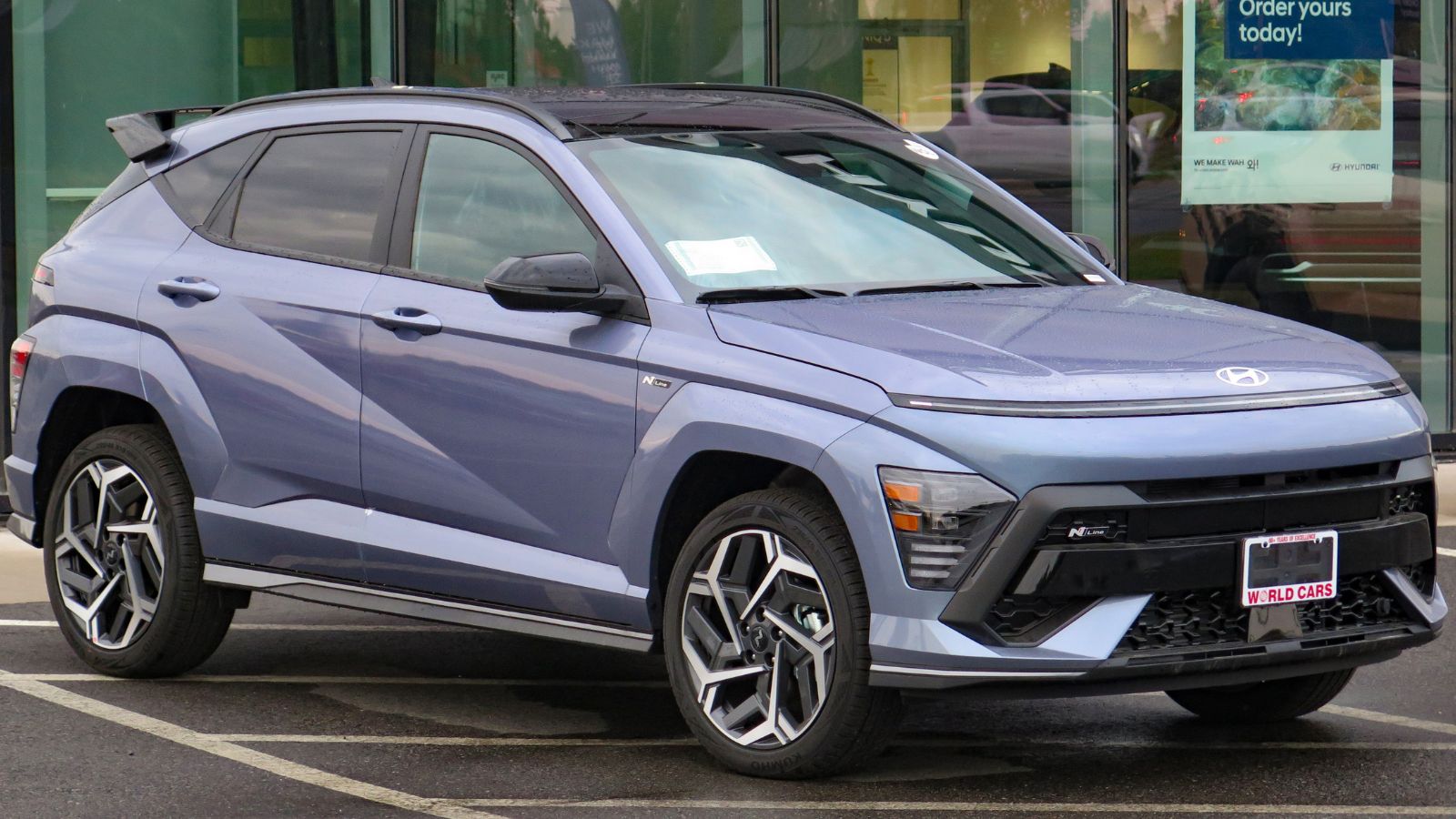
AWD relies on coordinated wheel speeds. Tires with different tread depths, sizes, or rolling circumferences can complicate that relationship because the system may interpret rotational differences as slip. Exact tolerances vary by manufacturer, which is why the owner’s manual—not a blanket internet rule—should guide replacement decisions. AWD owners must therefore be disciplined about tire pressure, rotation schedules, and matching specifications.
Honda’s 2025 CR-V manual warns that its AWD system may not function properly if tire types and sizes are mixed. This matters after one tire is damaged irreparably. On some vehicles, a matching replacement is acceptable; on others, tread differences may lead a manufacturer to recommend replacing multiple tires or shaving a new tire to match. The expense can surprise an owner whose tires appear serviceable. Front-wheel drive also benefits from matched tires, but AWD’s sensitivity turns tire care into a stronger ownership obligation—and another reason shoppers calculate total cost.
Extra Driveline Hardware Creates Extra Obligations
An AWD system must transfer power beyond the primary axle. Depending on its design, that can involve a driveshaft, rear differential, clutches, couplings, additional motors, control modules, and specialized fluids. Systems are reliable, and many require little attention in ordinary use. They remain additional assemblies that a two-wheel-drive version may not carry. More components do not guarantee a repair, but they create more service points over long ownership.
Manufacturer schedules reveal the difference. The 2025 Honda CR-V Maintenance Minder includes rear-differential-fluid replacement for equipped models, and its manual warns that mixed tire types or sizes can impair AWD operation. For a three-year lessee under full warranty, this may barely register. For Canadians keeping a vehicle for 10 or 15 years—through road salt, potholes, and repeated freeze-thaw cycles—that calculation changes. The debate is moving from “Will AWD help this winter?” to “Is the added system worth carrying throughout the ownership cycle?”
Electric Vehicles Make the Efficiency Trade-Off Visible

In a gasoline vehicle, AWD’s energy penalty can hide inside fill-ups. In an electric vehicle, it appears in the range estimate. Many models use a second traction motor, which adds performance and improves torque distribution but adds weight and energy demand. The effect depends on battery size, motor design, tires, temperature, and software, so comparisons between trims require care.
The Hyundai Ioniq 5 shows the pattern in U.S. EPA ratings reported for the 2026 model: a single-motor version reaches as much as 318 miles, while dual-motor versions are rated from 259 to 290 miles. Canadian ratings and configurations differ, but the trade-off matters where cold weather reduces winter range and charging stops can be farther apart outside major corridors. Some drivers will exchange kilometres for stronger acceleration and traction. Others see rear-wheel-drive EVs with winter tires as the better balance, especially when travel is predictable and home charging is available.
AWD Can Create More Confidence Than Grip
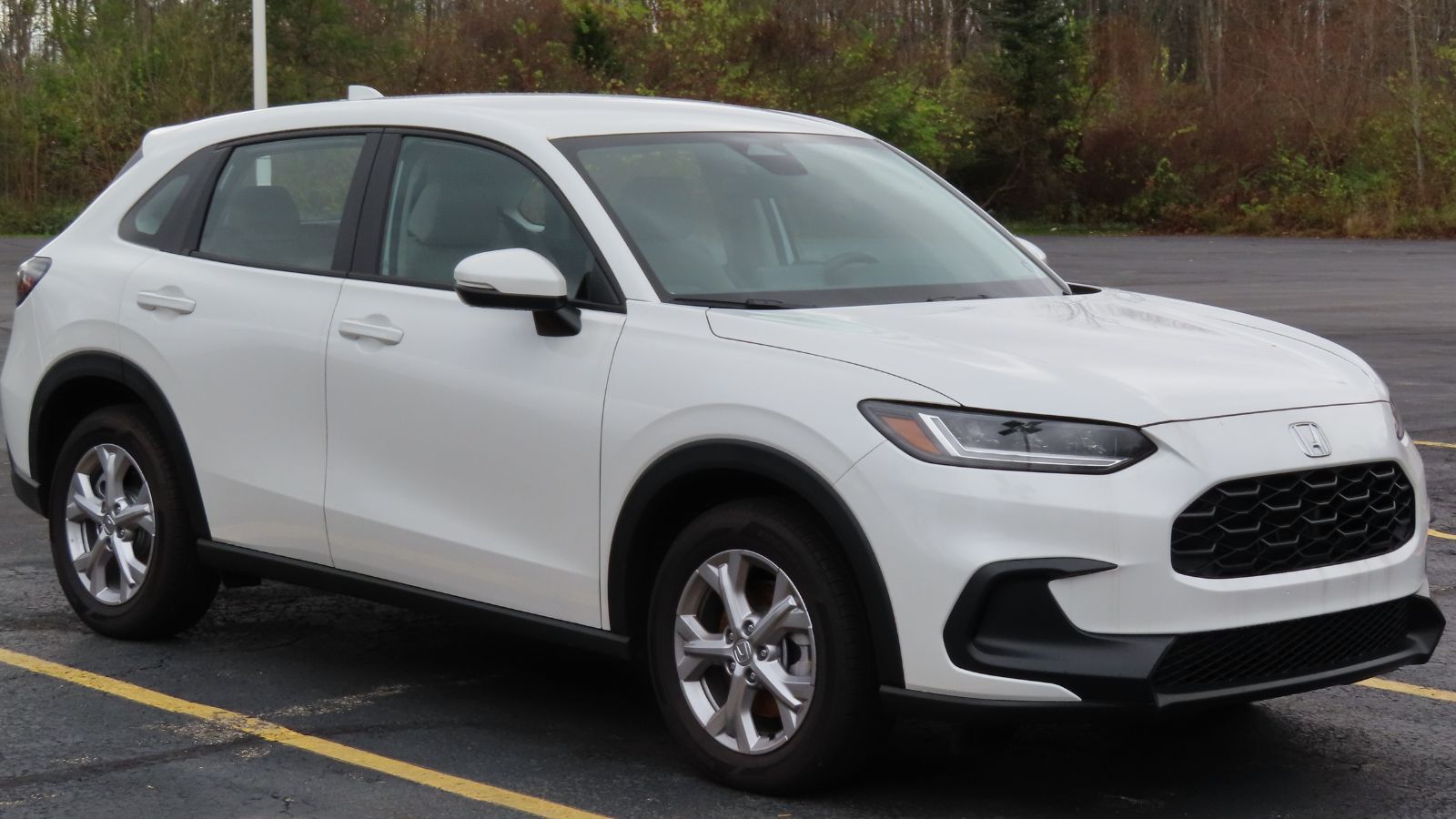
A vehicle that accelerates smoothly on snow feels secure, and that feeling can influence behaviour. The danger is subtle: AWD may conceal how slippery the road is until the first hard corner or emergency stop. AAA warns that an AWD vehicle is not skid-proof and can still slide while braking or turning. The system’s best demonstration—moving away without wheelspin—can deliver reassurance when caution is most needed.
Research on safety technology provides a relevant, though not AWD-specific, warning. A U.S. survey of anti-lock-brake owners found respondents said the feature made them more willing to drive on snow- or ice-covered roads, although the report cautioned that observed studies did not confirm the self-reported behaviour. Importantly, the evidence does not prove AWD makes people reckless. It shows perceived protection can change choices. Winter-driving guidance returns to fundamentals—lower speed, longer following distance, gentle inputs, and suitable tires—because no drivetrain can negotiate beyond available friction.
AWD Is Often Bundled With a Lifestyle Image
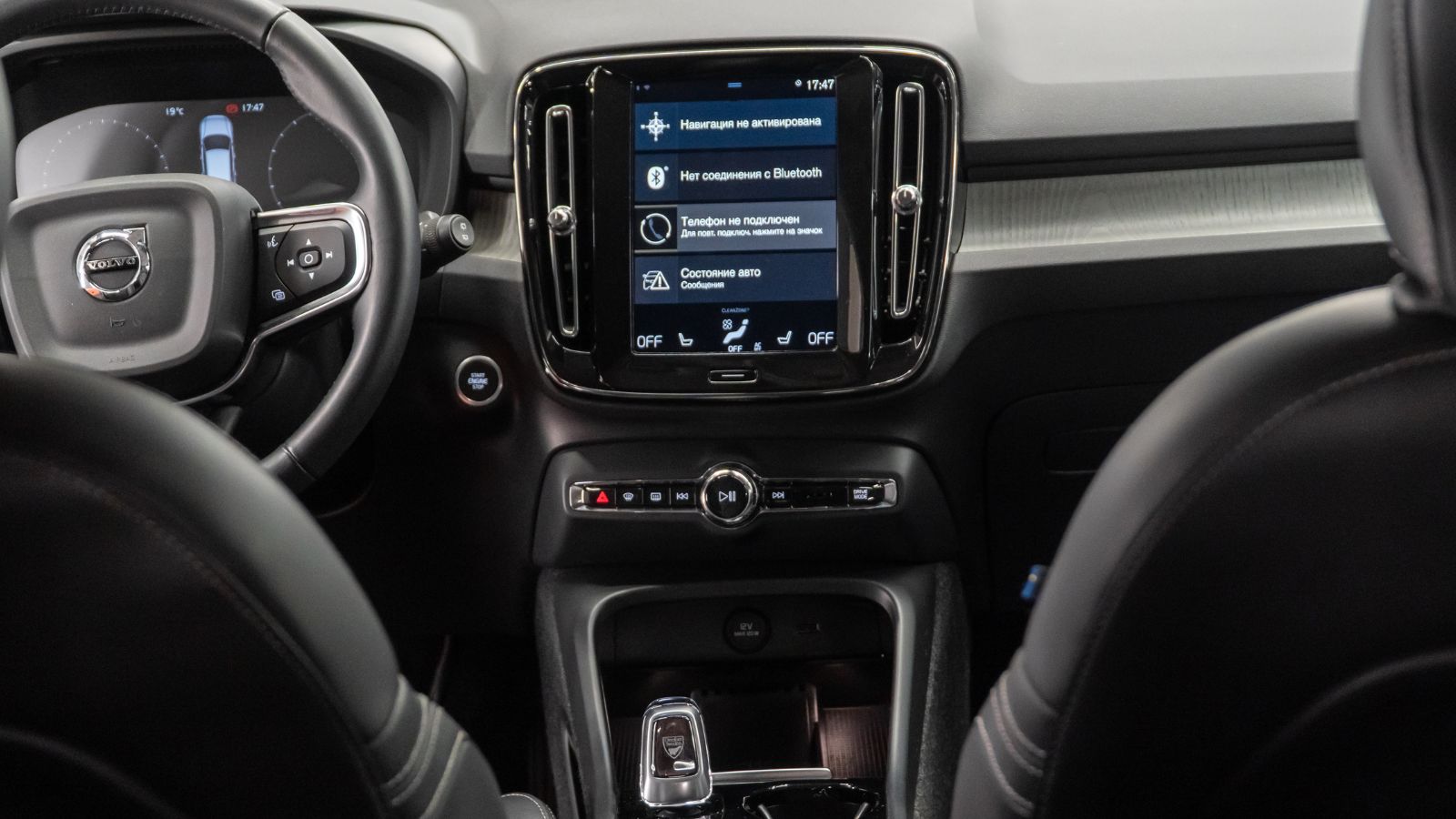
AWD is no longer sold only as a mechanical solution. It is part of the crossover identity: raised ride height, cladding, adventure-themed advertising, and packages that imply readiness for forests, ski hills, and remote cabins. Some manufacturers make AWD standard on Canadian models, while others attach it to grades. Shoppers can buy the drivetrain as part of an image rather than through a deliberate assessment of need.
Current lineups show both. Mazda Canada promotes standard AWD on models such as the CX-30, while Toyota offers the Corolla Cross in front- and all-wheel-drive forms. Neither strategy is wrong. Standardization simplifies shopping; optional AWD preserves a lower-cost, more efficient choice. The skepticism comes from buyers separating the badge from the use case. A crossover may look more Canadian with four driven wheels, but the rational configuration depends on commute, parking, winter travel, tire budget, and how often it encounters an unplowed road.
The Best Answer Depends on the Route, Not the Flag

Questioning AWD is not declaring it useless. It remains persuasive for steep driveways, rural roads, ski trips, work before plows arrive, loose cottage access roads, and regions where storms persist. It helps when a vehicle must maintain momentum on uneven, low-grip surfaces. In those situations, the added cost may be repaid in dependable mobility rather than fuel savings.
The Icefields Parkway demonstrates this. Parks Canada requires snow tires or chains there from November 1 to April 1 and warns that maintenance is limited to daytime hours, services are unavailable along the route, and closures can occur. The rule focuses on tires and preparation, not an AWD badge. That reflects a larger shift. Drivers are replacing “Canada means AWD” with a route-based checklist: road clearing, elevation, distance, schedule flexibility, tire quality, emergency planning, and budget. For some, AWD remains right. For others, it is an option that must earn its place.
22 Things Canadians Do to Their Cars in Spring That Mechanics Hate

Spring brings relief to many Canadian drivers after months of snow, freezing temperatures, and icy roads that put serious strain on vehicles. As temperatures rise across the country, drivers begin washing cars, switching tires, and preparing vehicles for warmer weather and upcoming road trips. However, mechanics across Canada notice the same mistakes every spring when drivers attempt to recover from winter damage. Road salt, potholes, and harsh winter driving conditions often leave vehicles with hidden problems that drivers ignore. Some spring habits even create new mechanical issues that could have been avoided with proper maintenance. Here are 22 things Canadians do to their cars in spring that mechanics hate.

Alanna Rosen is an experienced content writer that focuses on many EV and educational content. Her articles are regularly published on Get CyberTrucked and syndicated on large publications.