
A fully loaded vehicle can make a powerful first impression. Bigger wheels, upgraded leather, panoramic glass, premium audio, extra cameras and the strongest available engine can make a lower trim suddenly feel incomplete. Yet the excitement of checking every box sometimes fades once monthly payments, replacement tires, insurance and everyday driving enter the picture. The highest trim is not necessarily a bad purchase, but it can be a poor match when expensive equipment adds more cost than practical value.
There are 12 common reasons some buyers eventually question the decision to choose the most heavily equipped version. They range from depreciation and financing to ride comfort, repair complexity and features that require subscriptions long after the vehicle has left the showroom.
The Upgrade Can Be Much Larger Than It Looks

Trim walking is remarkably easy because each individual step can appear manageable. A buyer starts with the model that fits the household budget, notices that the next version adds heated seats and a better stereo, and then discovers that another few thousand dollars brings leather, cameras and a stronger engine. By the time every desirable feature has been collected, the vehicle can occupy a completely different price bracket.
The 2026 Subaru Outback illustrates the scale of the jump. Subaru Canada lists the Touring at an MSRP of $40,895 and the Premier XT at $51,195, a difference of $10,300 before taxes. The Premier XT certainly provides meaningful upgrades, including a 260-horsepower turbocharged engine, Nappa leather and additional technology. The potential regret comes when the buyer realizes that the original plan was to purchase an Outback, while the final transaction effectively included another small used-car-sized sum simply to obtain the most lavish version.
Financing Turns Options Into Long-Term Costs

An expensive option does not remain a one-time expense when it is financed. Every additional dollar rolled into an auto loan becomes principal, and interest is then charged on that larger balance. This helps explain why focusing exclusively on the monthly payment can make a top trim seem more affordable than it really is. Stretching the repayment period can shrink the monthly difference while quietly increasing the total amount ultimately paid.
Canada’s Financial Consumer Agency provides a useful illustration of the effect of loan length. Its example shows that financing $25,000 at 5% costs about $1,974 in interest over 36 months, compared with $4,681 over 84 months. A higher-priced vehicle magnifies that basic mathematics because there is more principal to finance in the first place. A $5,000 or $10,000 trim upgrade can therefore continue affecting household cash flow years after the novelty of massaging seats, upgraded speakers or decorative lighting has disappeared.
Depreciation Doesn’t Refund the Option Sheet

Premium equipment can make a used vehicle more attractive, but buyers should not assume every dollar spent on factory options will return at trade-in time. Used vehicles are priced according to age, mileage, condition, model desirability and market demand as well as equipment. The second owner may appreciate a panoramic roof or elaborate stereo without being willing to pay anything close to its original new-car premium.
Depreciation is already one of the largest vehicle ownership expenses. AAA’s 2025 ownership study calculated average depreciation of $4,334 per year across the new vehicles it analyzed. Older Edmunds analysis of factory options also found enormous variation in retained value: some options retained as much as roughly half their original price after three years, while others lost nearly all of it. That is where top-trim regret can become particularly sharp. The first owner paid retail price for the equipment, financed it and perhaps paid tax on it, yet the used market may treat much of that equipment as simply expected on an older upscale model.
Big Wheels Become a Recurring Expense
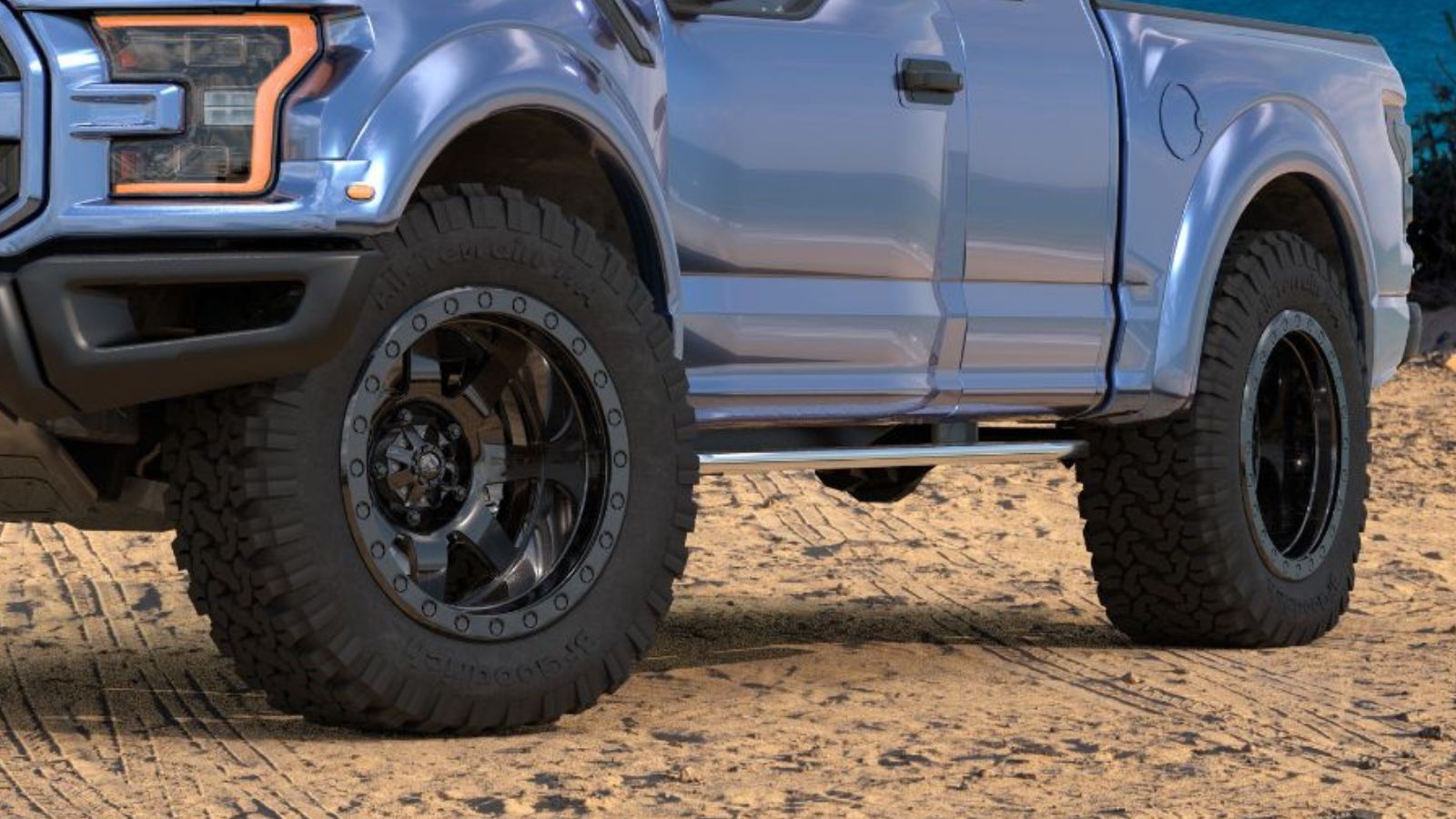
Large alloy wheels are among the most visible ways manufacturers distinguish expensive trims. They photograph well and can sharpen steering response, which makes them particularly effective in a showroom. Their long-term economics can be less attractive. Larger wheels are generally paired with shorter-sidewall tires, and those replacement tires can be more expensive while offering less cushioning between the wheel and damaged pavement.
Consumer Reports has repeatedly warned shoppers to consider tires before choosing a vehicle. Its guidance notes that tires fitted to large wheels may cost more to replace and can reduce ride comfort, while smaller wheels with taller-sidewall tires are often cheaper and more practical. This matters even more in regions where potholes and broken pavement are routine. The regret may not arrive until several years later, when four premium-sized tires need replacing at once or an impact damages an expensive alloy wheel. What originally looked like a styling upgrade can become a recurring operating expense.
The Plushest Trim Can Ride Worse
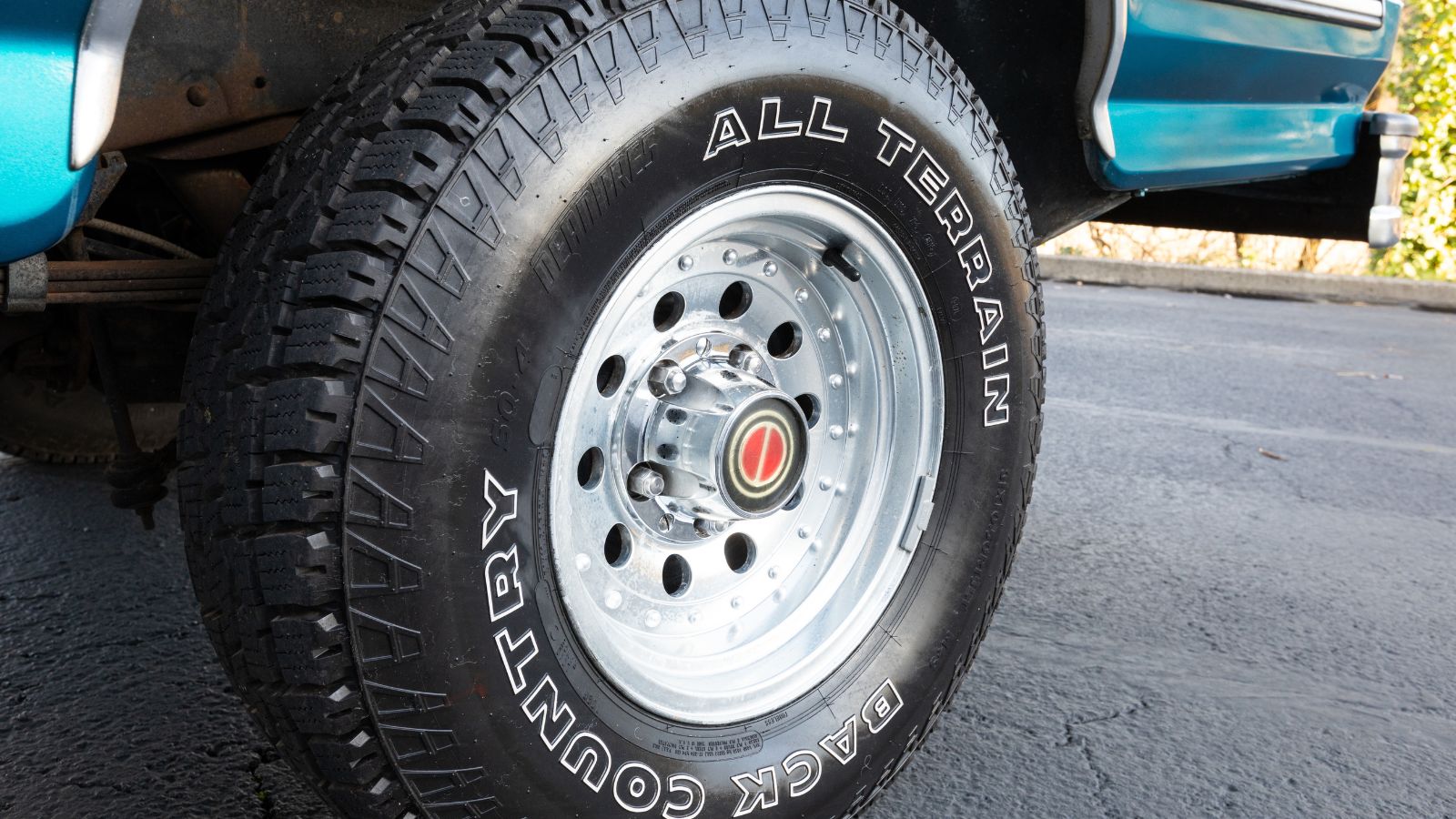
Top trim does not always mean maximum comfort. Automakers frequently give high-end or sport-oriented versions larger wheels, lower-profile tires and firmer suspension tuning because those changes produce sharper handling and a more dramatic appearance. That combination can be appealing during a short demonstration drive on smooth pavement but noticeably less relaxing during thousands of kilometres of commuting over expansion joints, frost damage and patched urban streets.
Consumer Reports has specifically advised shoppers that large-wheel packages can produce a harsher ride and that performance-oriented tires often trade some comfort and tread life for quicker response and grip. The contradiction can surprise buyers. A vehicle may have ventilated leather seats, premium sound insulation and sophisticated climate control while simultaneously transmitting more road impact through its expensive wheel-and-tire package. For someone who wanted a quiet family cruiser rather than cornering precision, a less glamorous trim riding on smaller wheels may actually deliver the more luxurious experience every day.
More Power Can Mean More Fuel
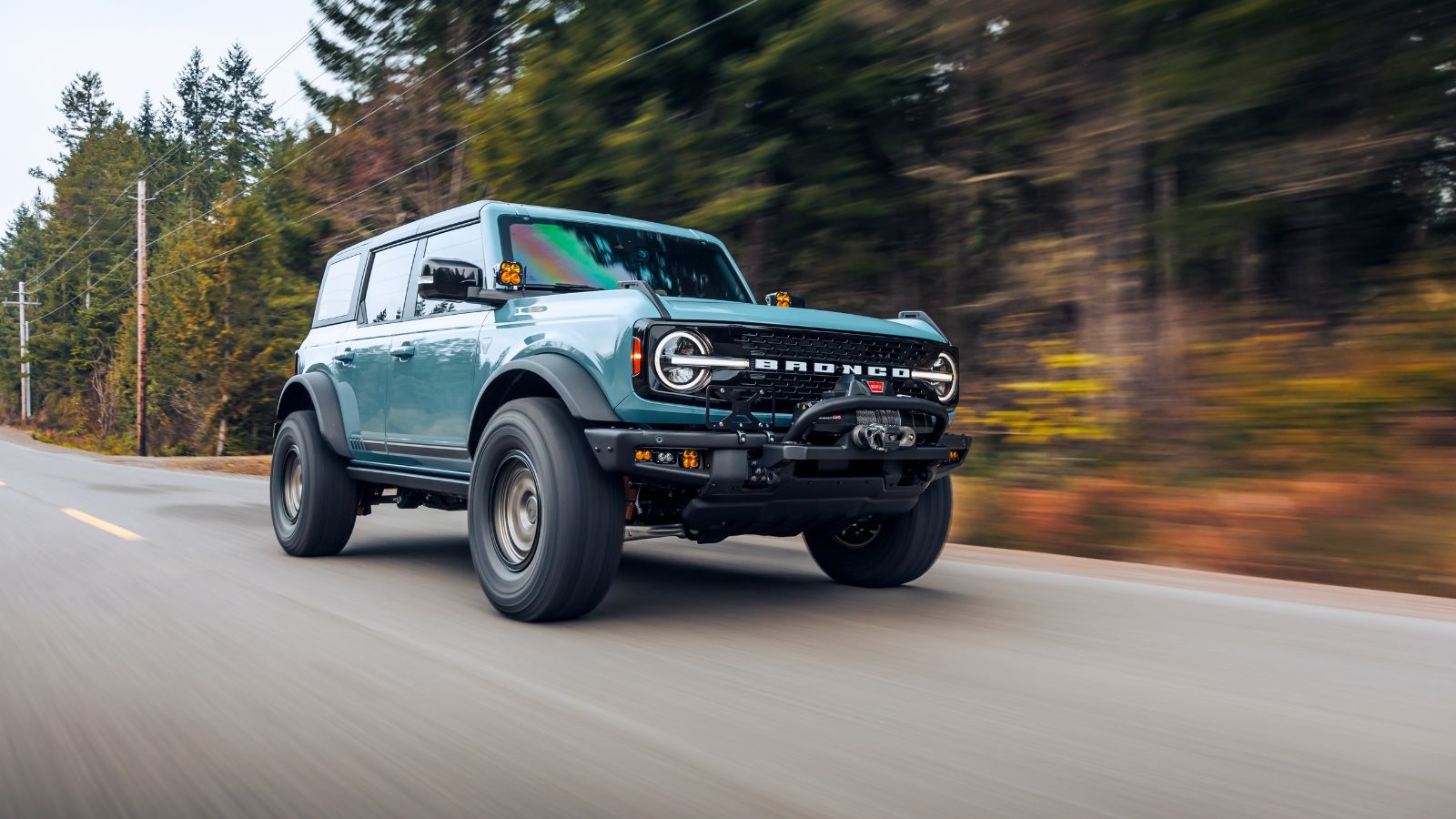
Upper trims frequently bring performance along with comfort. Sometimes the stronger engine is precisely what the buyer wants, especially for towing, passing or enthusiastic driving. In other cases it becomes an expensive capability that is rarely used but still affects fuel consumption during ordinary commuting.
Subaru’s Outback lineup provides a straightforward real-world example. Recent naturally aspirated 2.5-litre Outback configurations have been rated around 9.2 L/100 km city and 7.3 highway, while turbocharged XT versions have carried higher consumption figures of roughly 10.6 city and 8.1 highway. The turbo engine also produces substantially more power and increases towing capability, so the additional fuel is buying genuine performance. Regret develops when that performance serves no regular purpose. Natural Resources Canada also emphasizes that vehicle configuration, powered accessories, weight and driving conditions affect consumption. Over years of ownership, even a modest efficiency difference can matter more than an impressive horsepower figure printed on a brochure.
Higher Value Can Follow You Into Insurance

The price premium for a heavily equipped vehicle can continue after the purchase because insurers care about what a vehicle may cost to repair or replace. Insurance premiums depend on many personal and regional factors, so there is no rule that a top trim will always cost more. However, Canadian insurers explicitly consider vehicle value, features and potential repair expenses when assessing risk.
The Insurance Bureau of Canada says a vehicle’s make, model, year, value and potential repair costs can all influence premiums. ICBC similarly notes that the age, make, model, features and repair costs of a vehicle affect optional insurance pricing, and higher-end vehicles generally cost more to insure when they are more expensive to repair or replace. That makes an insurance quote worth obtaining before signing for the highest specification. A buyer who budgeted carefully for the finance payment may be less enthusiastic when the vehicle’s added equipment also contributes to a higher recurring insurance bill.
Sensors Turn Minor Damage Into Expensive Repairs
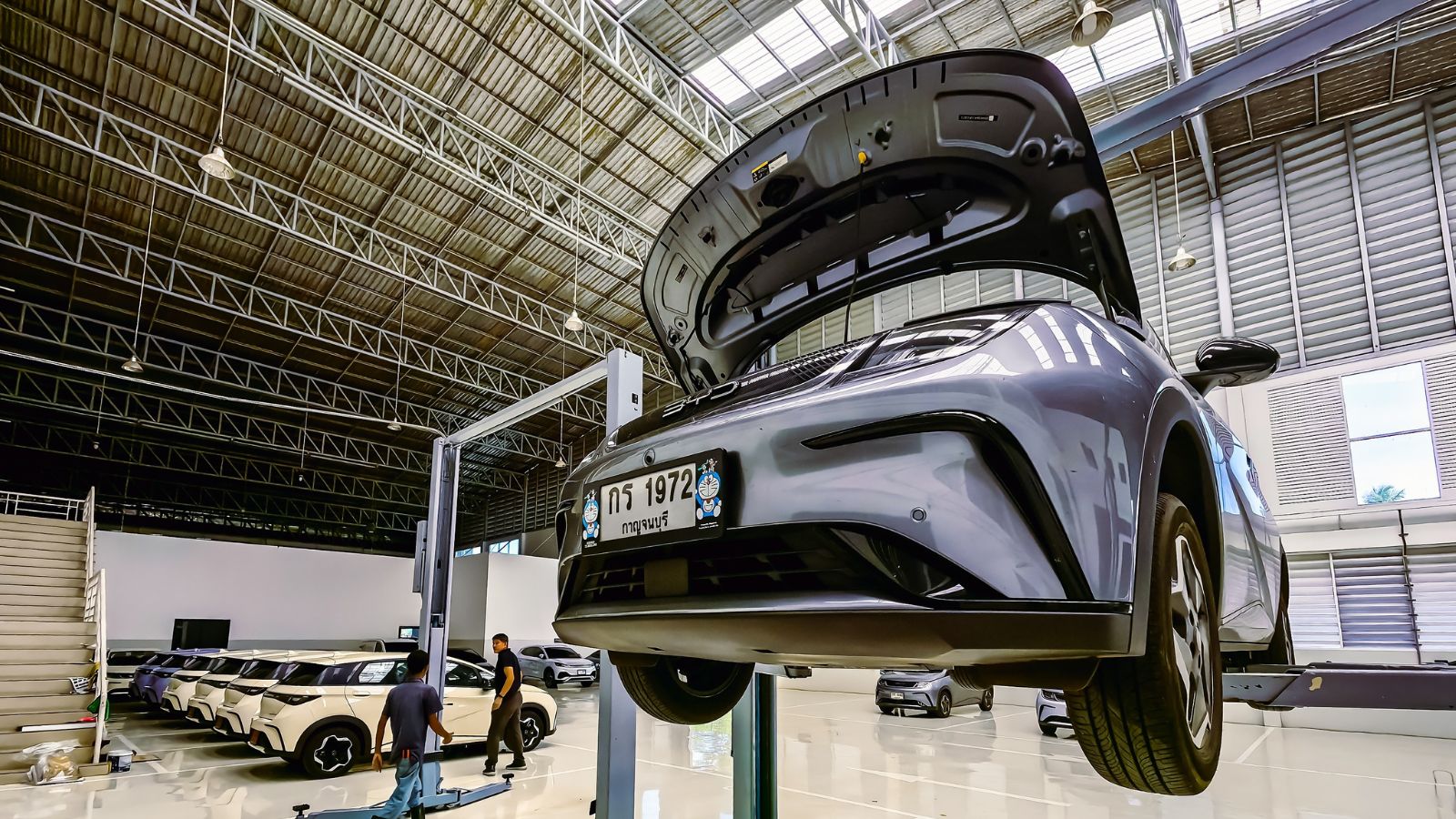
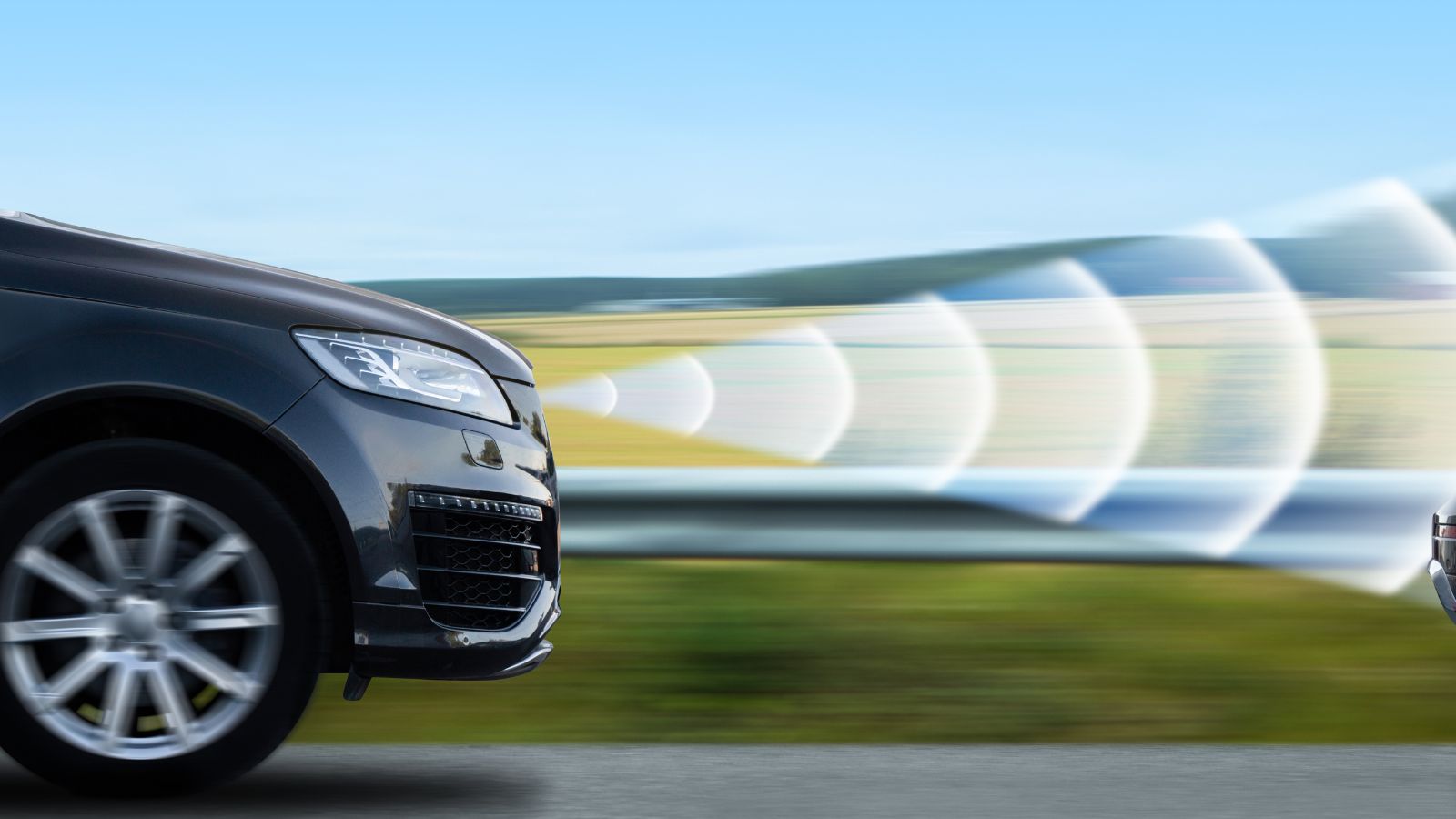
Some premium technology genuinely improves safety, but modern equipment can make seemingly minor repairs far more complicated. Cameras can sit behind windshields, radar units may hide behind bumper covers and parking sensors are integrated into bodywork that once consisted mostly of plastic and reinforcement material. Replacing the damaged component may therefore be only one part of the job; cameras and sensors can also require calibration afterward.
IIHS and the Highway Loss Data Institute have documented this trade-off. Their research found that vehicles equipped with front crash-prevention technology were substantially more likely to generate glass claims costing at least $1,000, with calibration cited as an important contributor. The Insurance Bureau of Canada has offered another striking example: it reported that a 2017 Toyota RAV4 rear bumper involved 17 parts and averaged $2,769 to repair, while a 2022 version required 39 parts and averaged $4,144. Extra technology can prevent crashes, which is valuable, but owners may still be surprised by what happens when sophisticated hardware itself needs repair.
Connected Features Can Become Recurring Bills

A premium trim can contain hardware that is already installed but whose full functionality depends on an ongoing connected-service plan. Buyers sometimes discover this only after an introductory period expires. Navigation traffic data, cloud services, hands-free driving systems and other connected features increasingly operate under trial, monthly or annual subscription structures.
Ford’s Canadian BlueCruise program demonstrates how significant that distinction can become. For eligible vehicles, Ford currently lists post-trial pricing of $64.99 per month or $650 per year, while certain buyers can purchase longer-term access upfront. Subaru’s 2026 Outback specifications likewise identify cloud navigation with a free one-year trial on certain upper trims, and Honda says some enhanced HondaLink services are subscription based. None of those arrangements are hidden when the terms are read carefully, but they can change how a loaded vehicle feels several years later. Owners may have paid extra to obtain the technology and then face another decision about whether continued access is worth an additional recurring charge.
More Technology Can Mean More Daily Friction
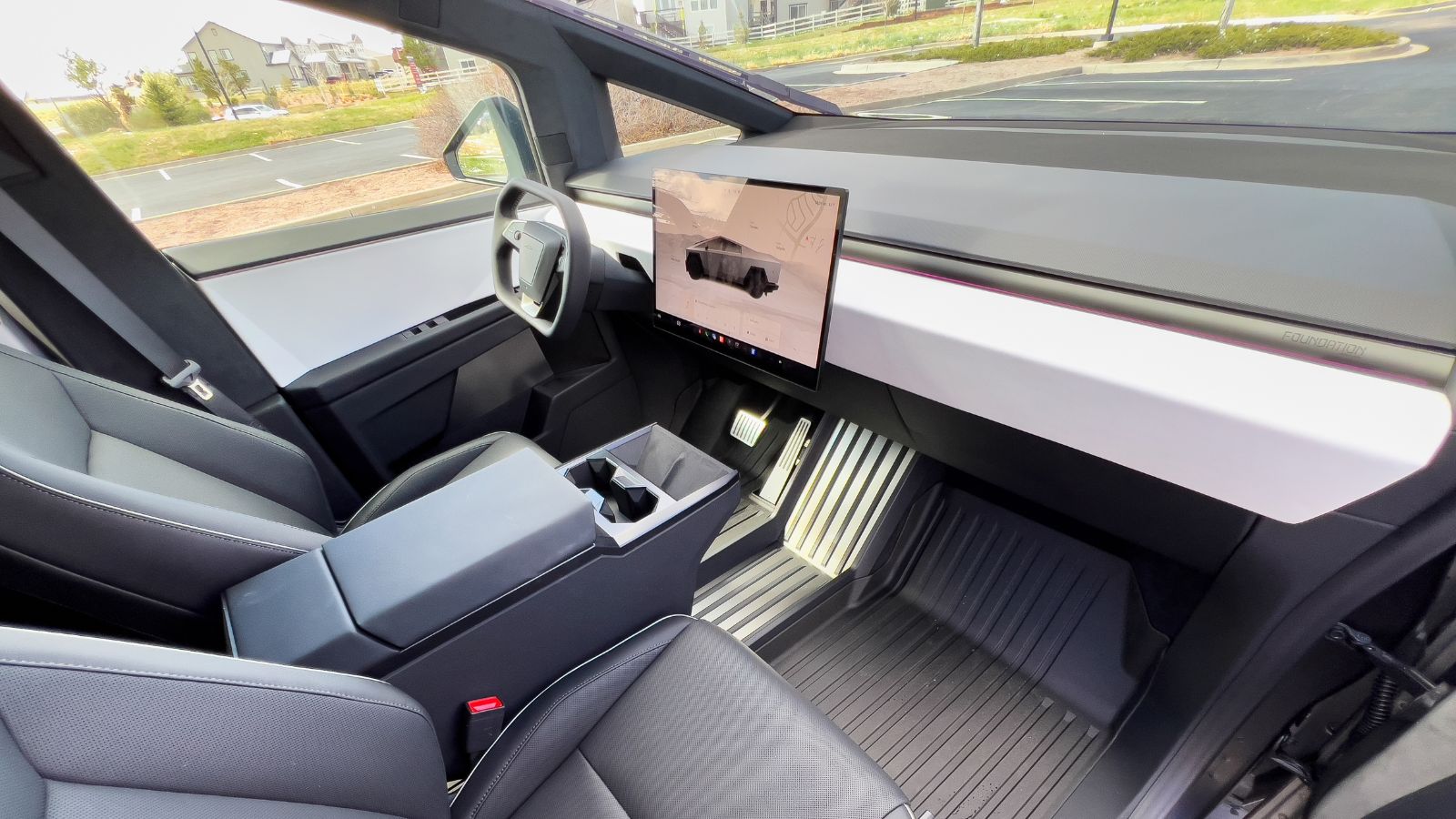
A long feature list looks impressive, but usefulness depends heavily on execution. Larger touchscreens, configurable displays and multi-layer menus can reduce the number of physical buttons inside a cabin. Drivers who simply want to change the temperature or adjust the audio may find that basic actions require more attention than they did in a simpler vehicle.
Research commissioned by the AAA Foundation for Traffic Safety found significant visual and mental demand from some in-vehicle infotainment tasks. In one study, drivers using voice and touchscreen systems could remain visually and cognitively distracted for more than 40 seconds while completing demanding tasks such as entering navigation information. Consumer Reports has also documented owner complaints about frozen screens, complicated menus and touch-sensitive controls that can be difficult to use while driving. The issue is not that technology should be avoided. Rather, a feature-rich cockpit can become frustrating if the interfaces a buyer actually touches every day are less intuitive than those in a cheaper trim.
Packages Can Force Unwanted Trade-Offs
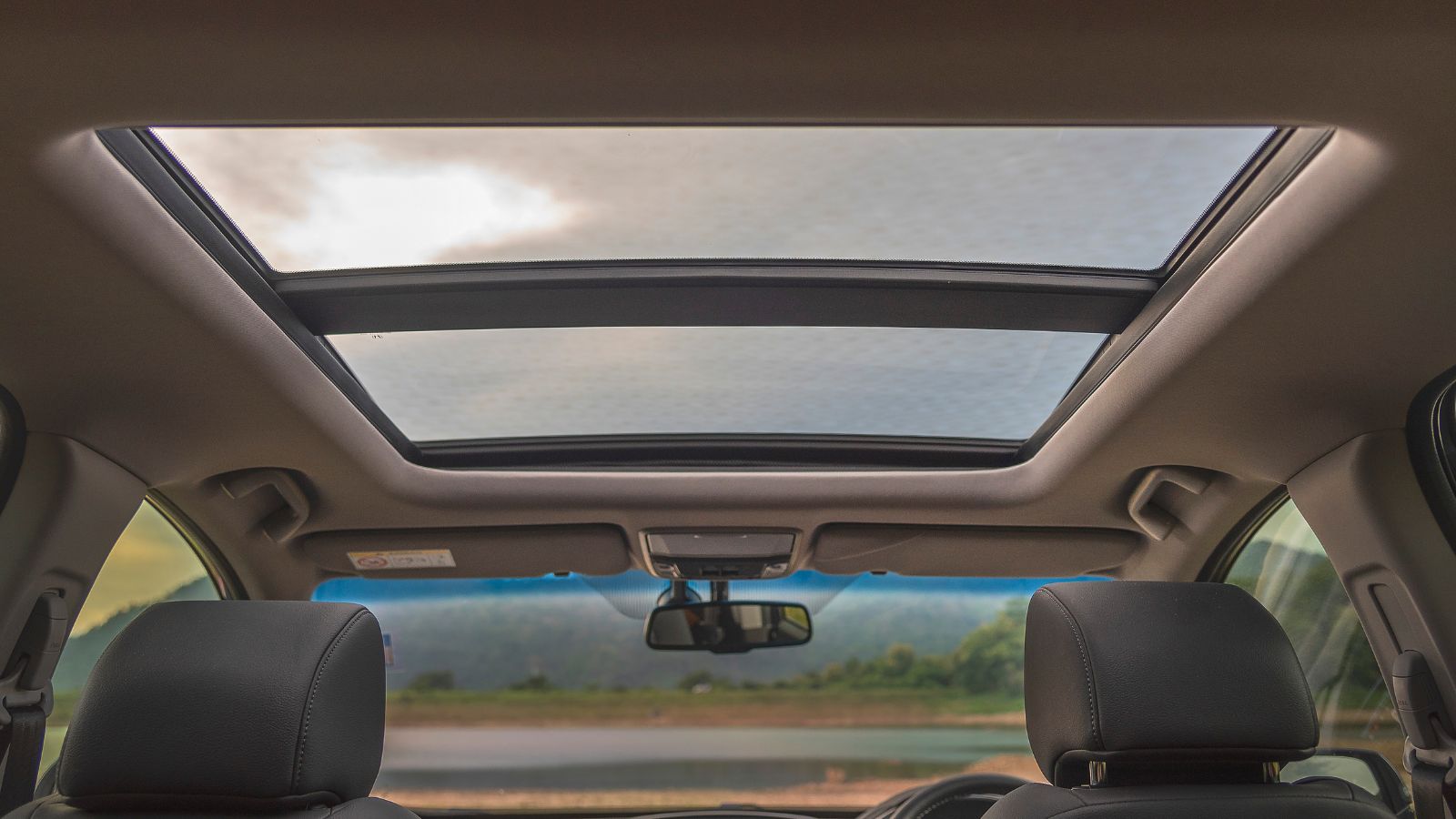
The challenge with modern trim structures is that desirable and undesirable equipment often arrive together. A buyer may want the upgraded stereo but not the largest wheels, or ventilated seats without the panoramic roof. Manufacturers simplify production by grouping equipment into trims and packages, so getting one coveted feature can require paying for several others.
Current Canadian lineups show how extensive these bundles can become. The 2026 Subaru Outback Limited XT combines 19-inch wheels, navigation, rain-sensing wipers and a 13-speaker Harman Kardon audio system, while the Premier XT adds equipment such as Nappa leather and additional comfort technology. Honda’s 2026 CR-V Touring Hybrid similarly couples its premium positioning with features such as a 12-speaker Bose system and Google built-in. Those combinations may be perfect for some households, but they reduce à-la-carte choice. Regret appears when one feature that mattered at purchase effectively required buying five or six expensive additions that rarely matter afterward.
The Best-Value Trim Is Often the One That Fits the Routine
Choosing below the top trim does not necessarily mean accepting a stripped vehicle anymore. Many modern entry and mid-grade models already include automatic emergency braking, smartphone integration, heated equipment and other features that were once associated with luxury cars. The real decision is therefore less about obtaining “everything” and more about identifying which equipment will materially improve everyday ownership.
That thinking has become increasingly relevant as vehicle prices have risen. In 2026, Reuters reported stronger demand for more affordable entry-level versions in the U.S. market as buyers pushed back against expensive premium trims. The underlying lesson travels well: the most satisfying configuration is not automatically the one with the longest specification sheet. A household that drives mostly in town may value smaller wheels, efficient power and easy controls more than extra horsepower or elaborate connected technology. Buyers who choose equipment around their actual routine are less likely to spend years paying for features that impressed them mainly during the first hour at the dealership.

Alanna Rosen is an experienced content writer that focuses on many EV and educational content. Her articles are regularly published on Get CyberTrucked and syndicated on large publications.