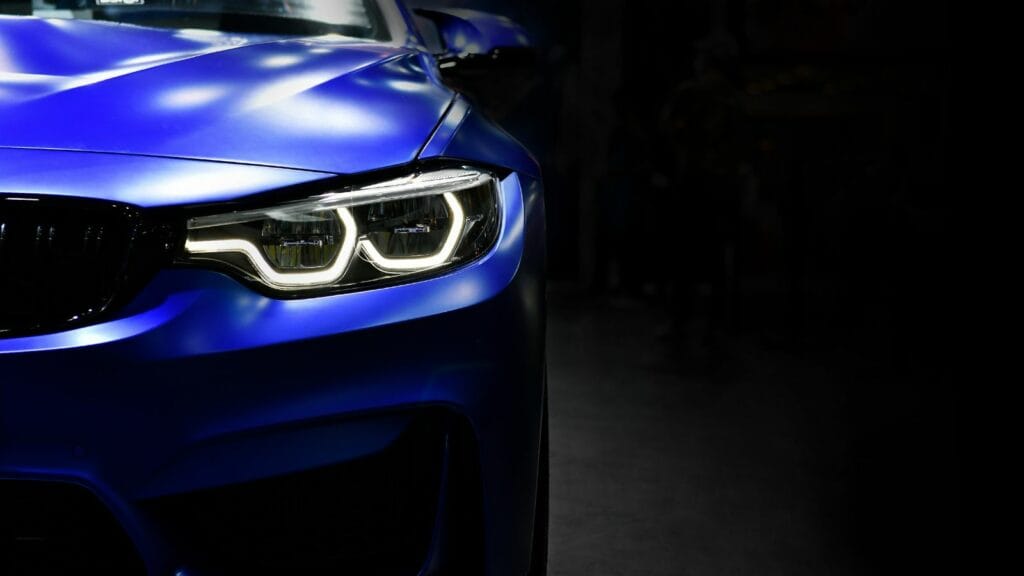
A nighttime annoyance has become a national road-safety conversation in Canada. Transport Canada launched a public consultation on headlight glare in 2026, while a House of Commons petition calling for tighter headlight rules collected 11,794 validated signatures. The frustration is easy to understand: a vehicle approaching with intense white headlights can make an ordinary dark road suddenly difficult to read.
Yet the problem is more complicated than simply blaming LED technology. Headlight height, beam aim, vehicle design, road conditions, aftermarket modifications and even changes in human vision can determine how severe glare feels. At the same time, stronger headlights can help the person behind them detect hazards sooner. These 12 factors explain why some Canadian drivers have become so frustrated with modern headlights — and why solving the problem is harder than simply making every lamp dimmer.
LEDs Get Blamed, but the Beam Pattern Is a Bigger Part of the Story
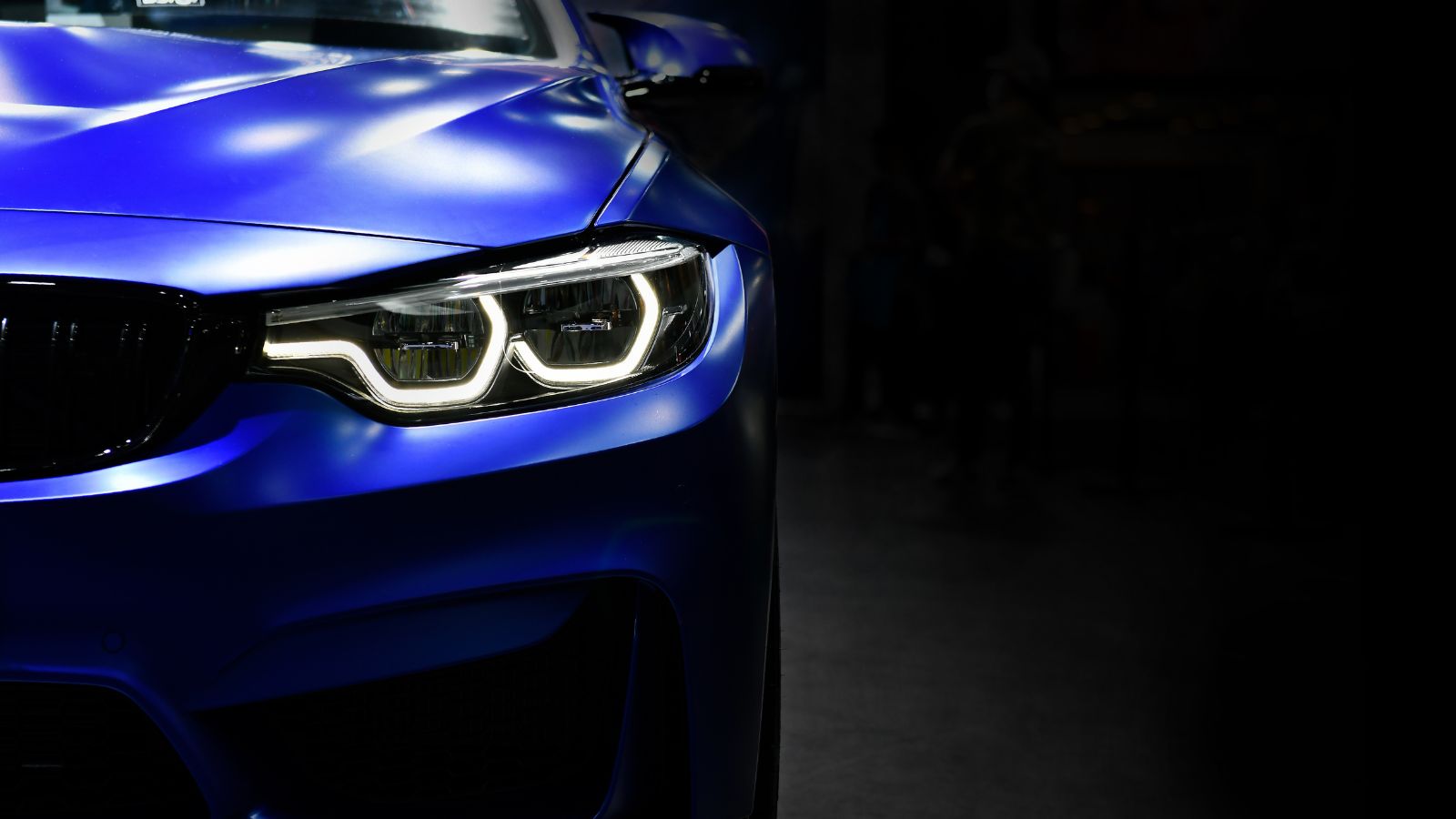
It is tempting to treat every dazzling headlight as evidence that LED technology itself is the problem. The research is more nuanced. The Insurance Institute for Highway Safety evaluates headlights based on how effectively they illuminate the roadway and how much glare their low beams send toward approaching drivers. Its testing is technology-neutral: halogen, HID and LED systems can all perform well or poorly depending on their optical design, beam distribution and aim. In other words, seeing an LED badge on the specifications sheet does not automatically reveal whether a headlamp will be comfortable for everyone else on the road.
That distinction helps explain why two vehicles with LED headlights can produce completely different experiences. A well-designed projector can place substantial light below a carefully controlled cutoff while minimizing light directed into approaching drivers’ eyes. Another system can provide mediocre visibility while simultaneously producing excessive glare. IIHS reported that 46% of headlight systems it tested on 2026-model vehicles earned a good rating, while about 17% were marginal or poor because of inadequate illumination, excessive low-beam glare or both.
Cool-White Light Can Feel Harsher at Night
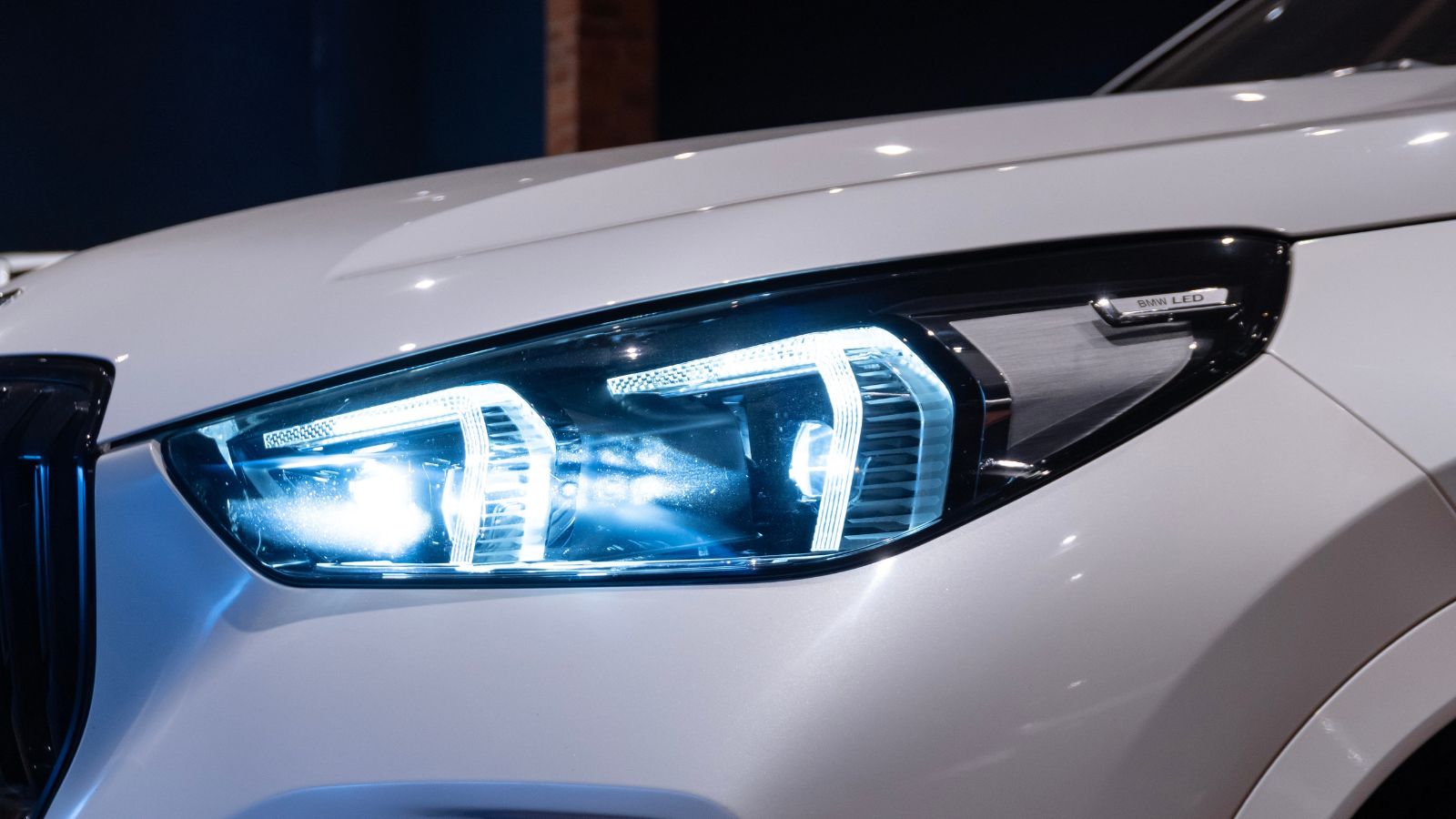
Modern automotive LEDs commonly produce the crisp white appearance that distinguishes many newer vehicles from older cars equipped with warmer-looking halogen bulbs. That visual difference can influence how uncomfortable an approaching headlamp seems. U.S. government research into headlight glare found that the bluish appearance associated with some higher-intensity lighting increased reported discomfort. That helps explain why drivers may describe a modern lamp as unusually harsh even when they cannot estimate its actual light output.
Colour, however, is only part of the experience. The same government research found that reductions in a driver’s ability to see through glare were driven primarily by intensity rather than the bluish colour itself. Ophthalmology research has reached a similar conclusion when examining high-intensity automotive lighting: brightness and the amount of light entering the eye are major contributors to visual difficulties. That difference matters. A lamp can feel unpleasant because of its colour while another, more intense beam can create the greater functional problem. For frustrated drivers, though, the distinction may be academic when an approaching vehicle suddenly fills the windshield with brilliant white light.
Taller Vehicles Put More Headlights Near Eye Level
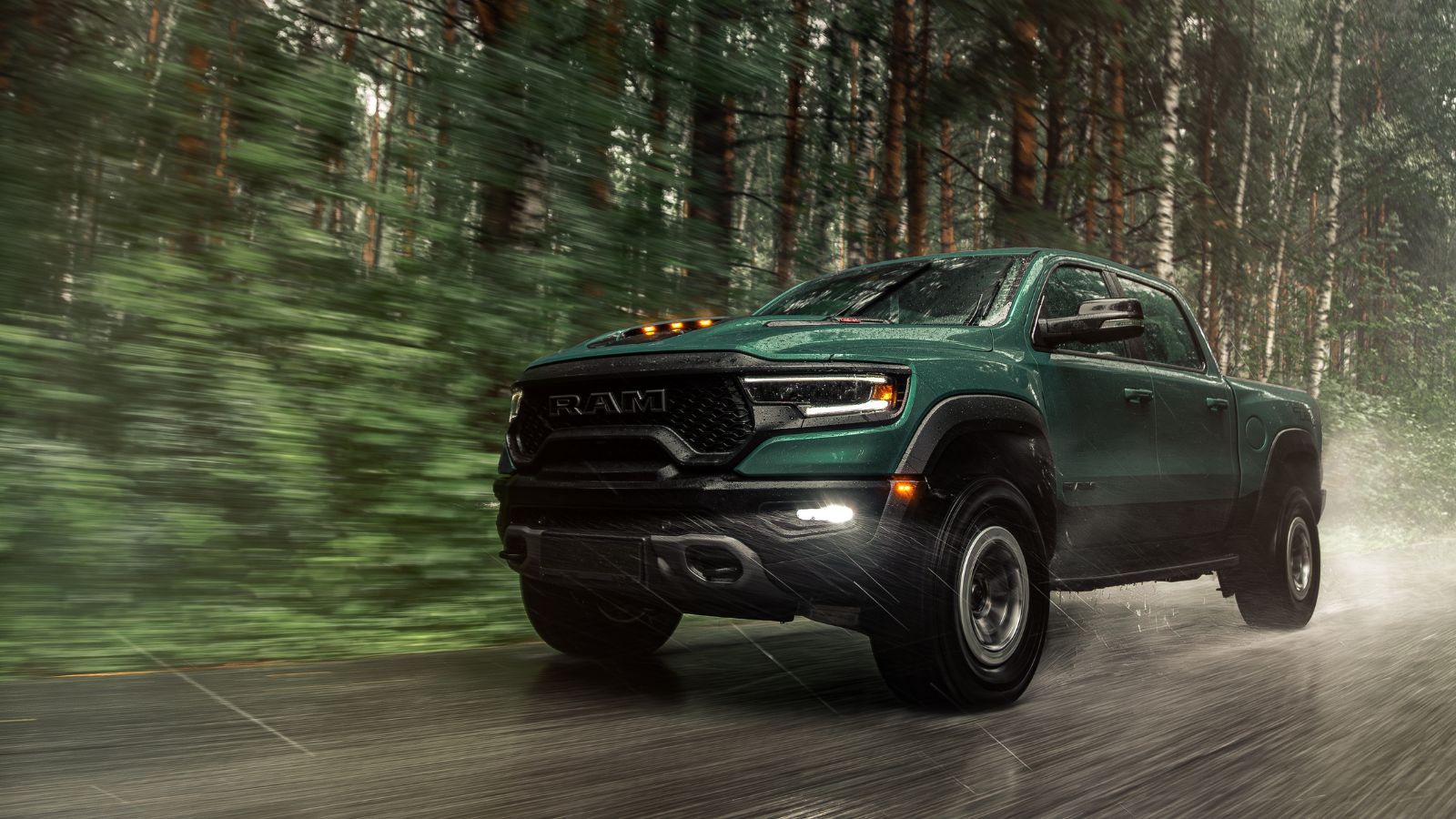
Vehicle height has become increasingly relevant because the Canadian fleet has shifted dramatically toward SUVs, crossovers and other multipurpose vehicles. Statistics Canada reported that multipurpose vehicles accounted for 63.2% of new motor-vehicle registrations in 2025. Looking at the broader fleet, Canada had roughly 10.3 million registered multipurpose light-duty vehicles in 2024, compared with about 8.6 million passenger cars. That means many drivers in traditional sedans now regularly meet taller vehicles on the road.
Headlamp mounting height can change the glare experienced by someone sitting lower to the pavement. NHTSA research found that increasing headlamp mounting height increased discomfort for approaching drivers and in rear-view mirrors. A properly engineered taller vehicle can still meet applicable lighting requirements, so height alone does not make an SUV or pickup unsafe. The geometry simply becomes less forgiving. Put a relatively low seating position opposite a taller crossover or pickup on a dark two-lane road, and the other vehicle’s lamps can appear unusually prominent. That mismatch helps explain why a sedan driver and an SUV driver can describe the same headlight system very differently.
A Small Aim Error Can Produce a Big Difference
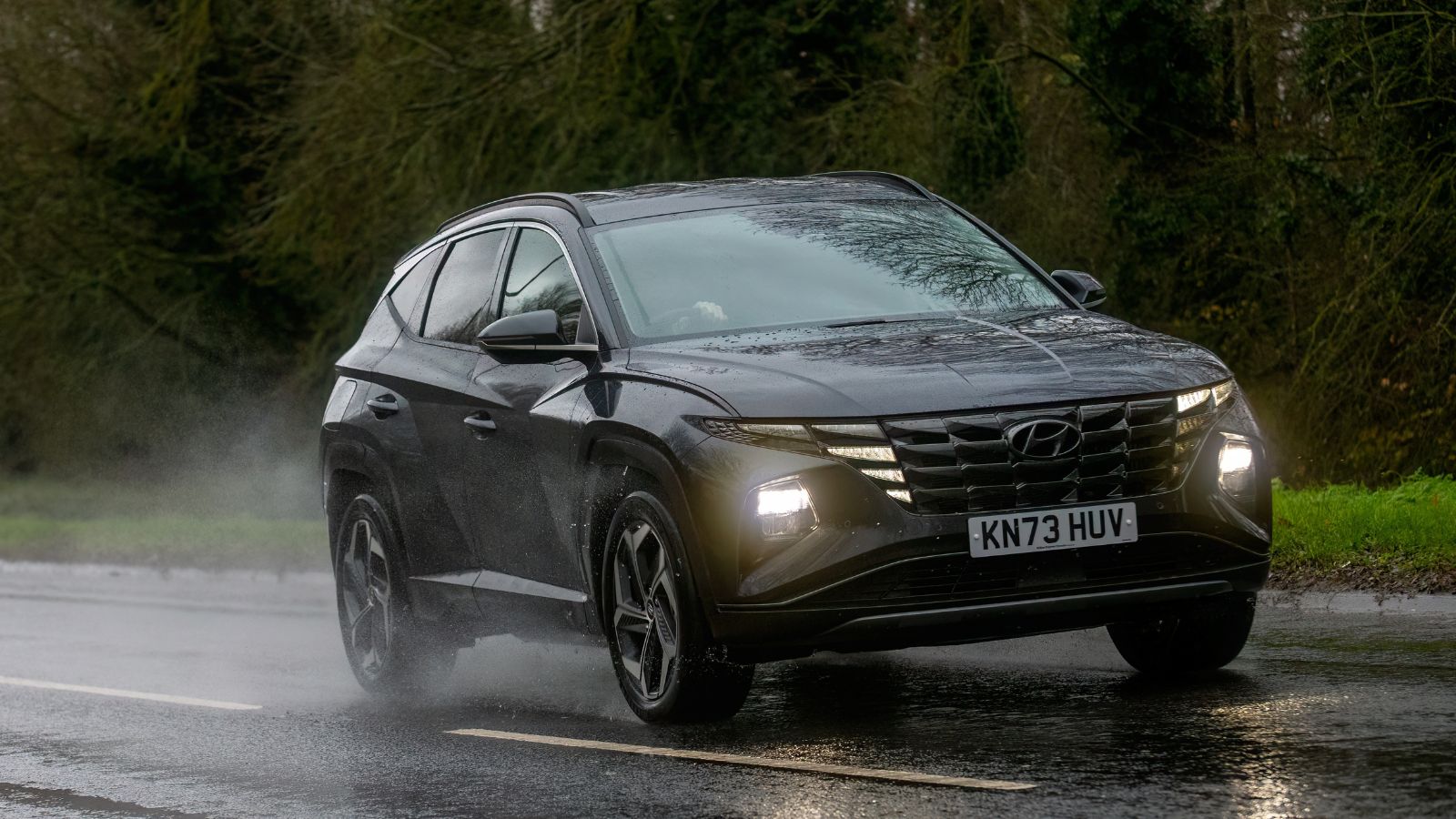
Low beams are not intended to throw their strongest light directly into the eyes of approaching traffic. Their pattern is carefully aimed downward, making adjustment an essential part of headlamp performance. Research summarized by NHTSA found that upward headlamp misalignment can significantly increase both discomfort glare and disability glare. Even a technologically sophisticated lamp can therefore become irritating when its aim is wrong.
There are several ways that real-world vehicles can depart from an ideal test condition. Repairs, headlamp replacement, suspension condition and changes in vehicle loading can influence where the beam ends up. A heavily loaded rear end can also alter vehicle pitch, potentially raising the apparent direction of the front beams. Provincial rules recognize the importance of aim. Ontario’s headlamp regulations, for example, prescribe positioning limits for the high-intensity portion of a vehicle’s lower beam. For another motorist, none of those technical details are visible. The experience is simply a pair of headlights that look like high beams even though the approaching driver insists the high beams are off. That disagreement is one reason headlight glare produces so much frustration.
Hills, Curves and Uneven Roads Can Create Sudden Flashes
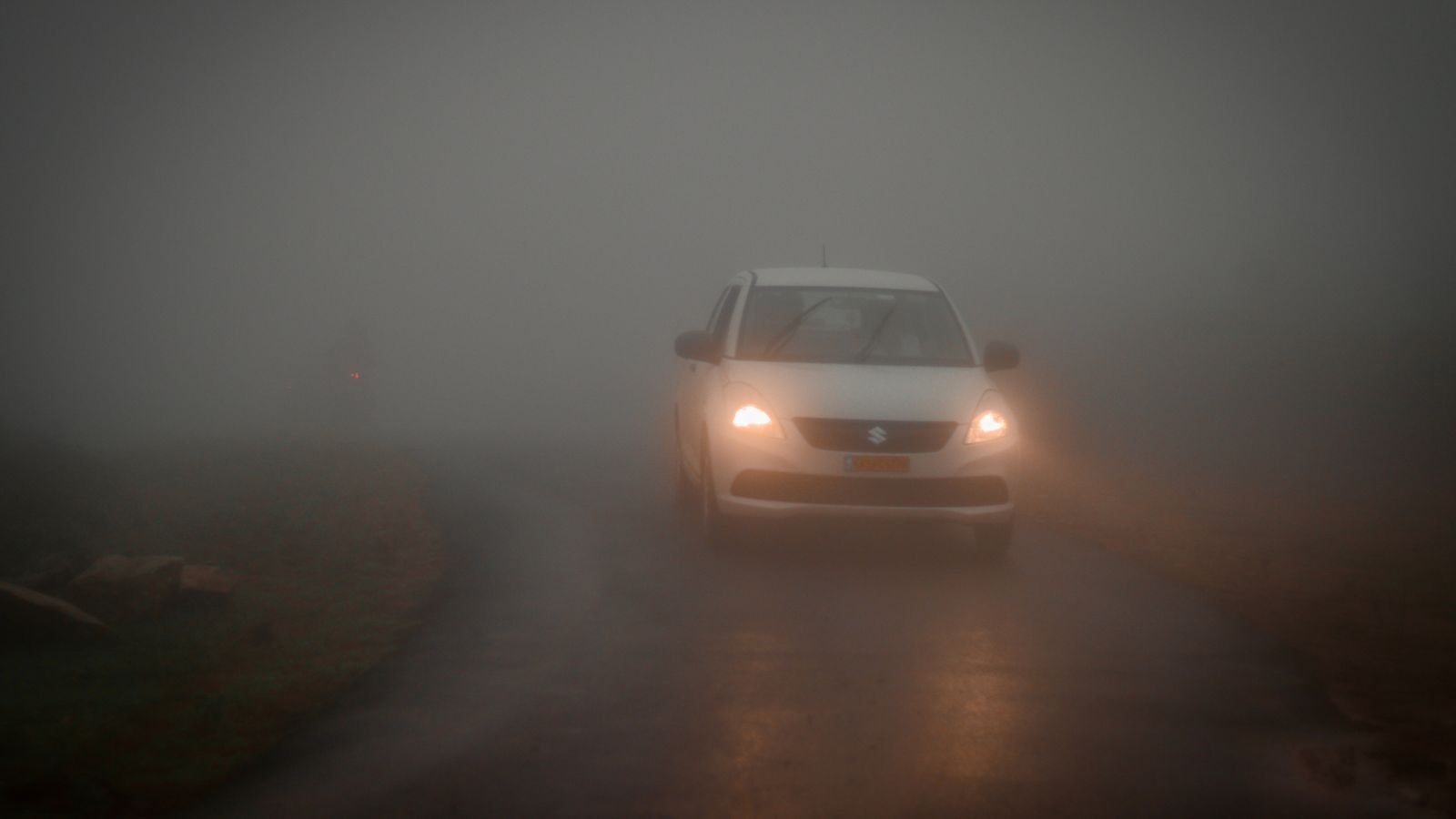
Headlights are generally evaluated under carefully defined conditions, but Canadian roads rarely remain perfectly level. Hills, dips, curves, driveway entrances, speed humps and pavement irregularities constantly alter the relationship between a headlamp and an approaching driver’s eyes. NHTSA’s headlamp research specifically identified curved and hilly roads as situations in which more intense lighting systems can become more glaring, even when the basic headlamp design has not changed.
The effect can be particularly noticeable with headlights that have a sharp beam cutoff. On level pavement, most of the strongest low-beam light may remain safely below the other driver’s line of sight. When the vehicle crests a hill or its front rises temporarily over a bump, that boundary can move upward. For a second or two, the approaching driver may suddenly receive much more light. IIHS consequently evaluates headlights on several approaches, including gradual and sharp curves, rather than relying entirely on a straight road. Those brief flashes help explain one of the most common complaints about modern lighting: motorists sometimes believe an approaching vehicle repeatedly switched its high beams on when road geometry may actually have caused the effect.
Rain, Snow and Wet Pavement Make the Experience Harder
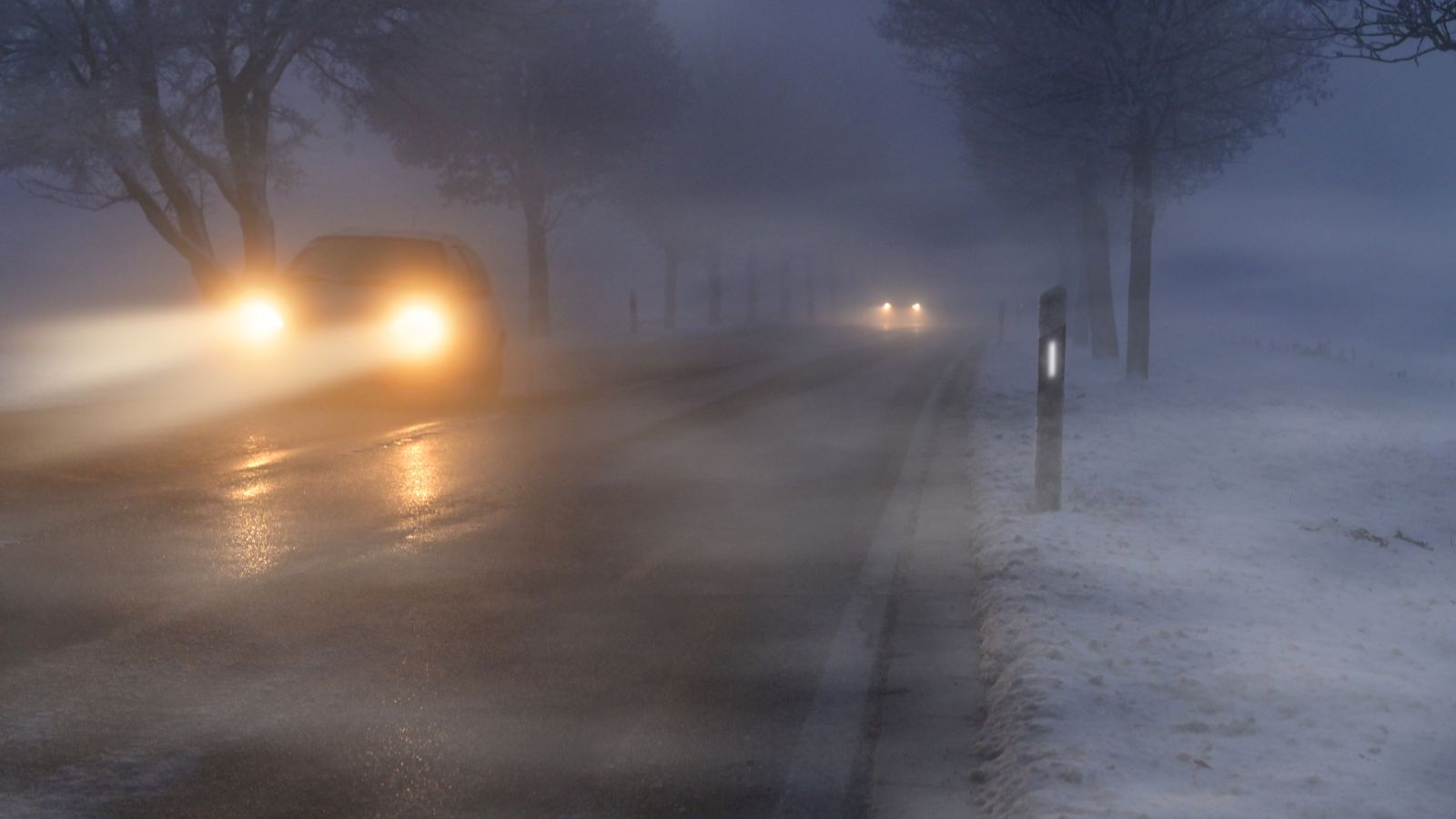
Canadian drivers do not experience headlights exclusively on clear, dry nights. Rain, slush, falling snow and wet pavement introduce reflections and reduce visual contrast at exactly the time drivers need to extract information from the road. Transport Canada specifically advises motorists to switch off upper beams when driving in fog, rain or snow because light can reflect back and make roads and obstacles more difficult to see.
Recent crash research also suggests that weather belongs in the glare discussion. An IIHS analysis of police-reported data from 11 U.S. states found that nighttime crashes in which glare was reported were disproportionately associated with conditions such as rain or wet pavement. That does not mean wet roads turn every LED headlamp into a safety hazard. It does show why a lighting system that seems perfectly manageable on a dry summer evening can feel far more intrusive during a November rainstorm. Add spray on the windshield, reflective signs, lane markings and multiple sets of approaching lights, and the visual environment becomes considerably busier. Canada’s long periods of winter weather make those difficult conditions especially familiar.
Older Eyes Can Take Longer to Recover From Glare
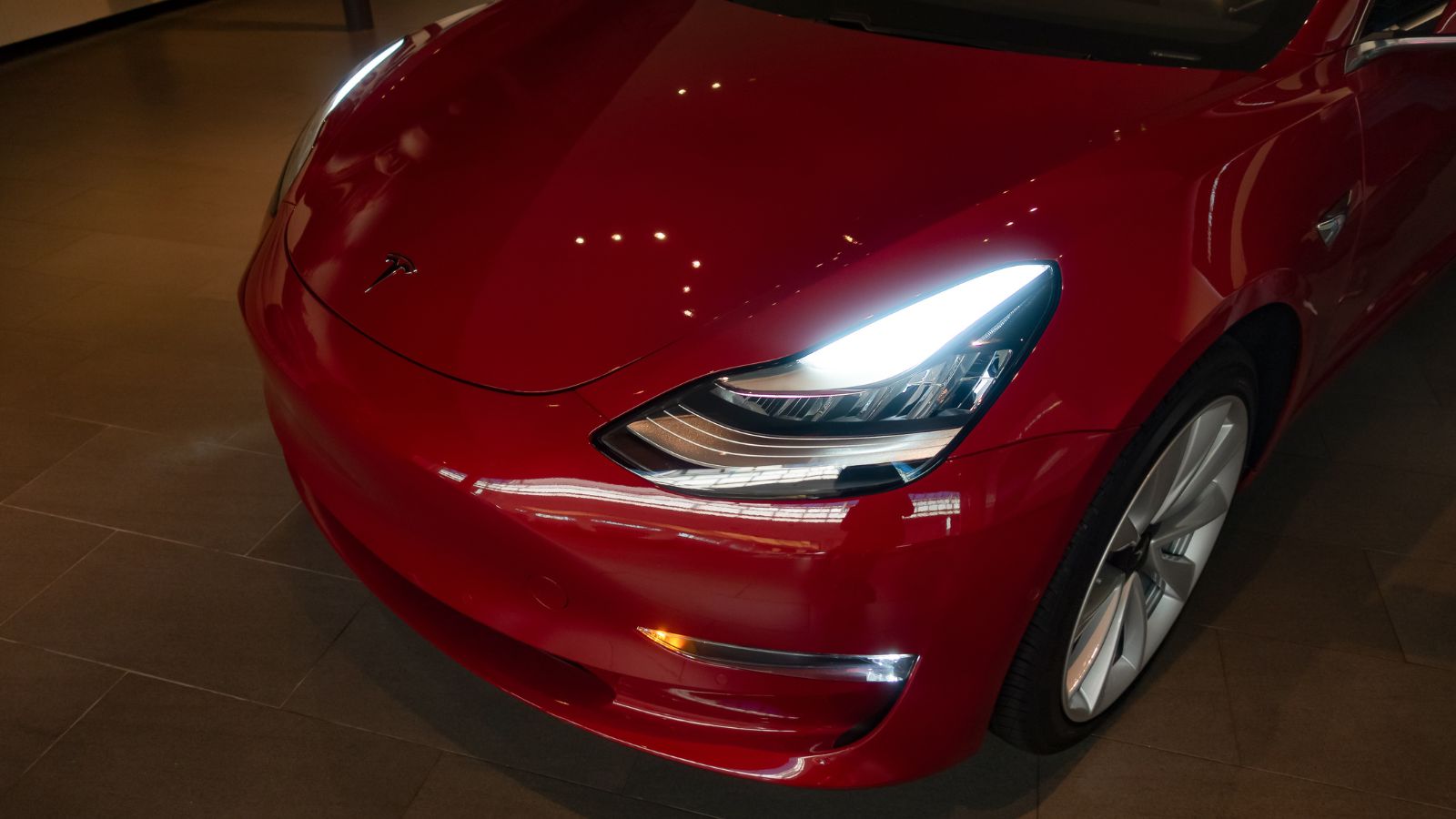
Headlight glare is not experienced equally by every driver. Human vision changes with age, particularly under low-light conditions. NHTSA research found that older participants needed longer to recover visually after exposure to headlight glare. Ophthalmology research has also identified increased intraocular light scattering and glare sensitivity as reasons bright automotive lighting can pose greater challenges for older motorists.
The consequences can extend beyond simple discomfort. In one closed-road study involving 26 older drivers with an average age of approximately 72, researchers found that intermittent glare significantly reduced nighttime driving performance. Pedestrian detection fell by 38% when glare was present. That does not mean every older Canadian driver has the same vulnerability; eyesight, eye health and individual night vision differ considerably. It does demonstrate why dismissing complaints as mere annoyance misses part of the issue. A younger driver might experience a bright oncoming lamp as an irritating flash and recover almost immediately. Another driver may need longer before low-contrast pedestrians, lane edges and roadside objects become clear again. As Canada’s driving population ages, that difference becomes increasingly important.
Aftermarket LED Bulbs Can Make a Bad Situation Worse
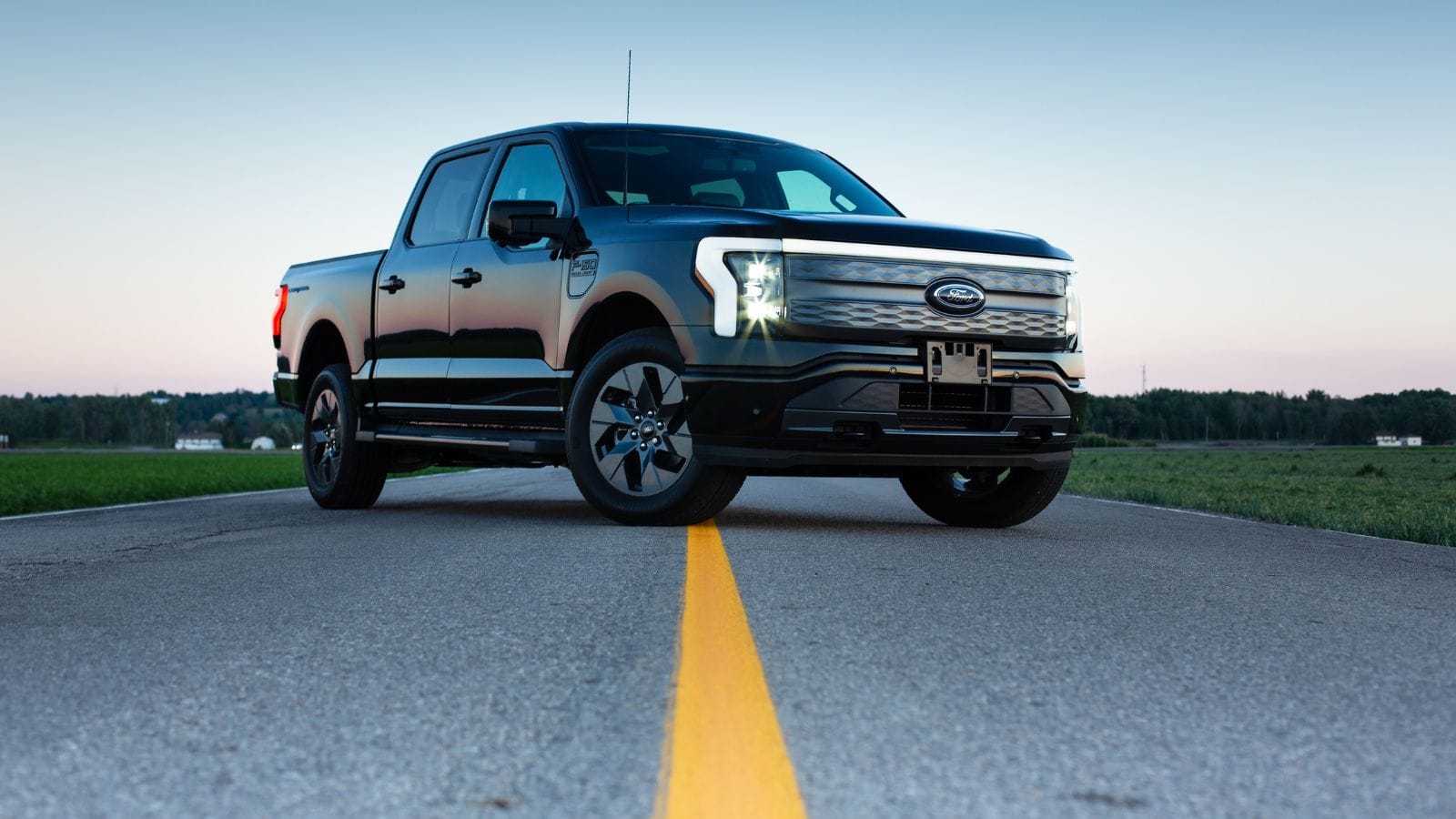
Not every LED headlight seen on Canadian roads was designed as an LED system at the factory. Replacement LED bulbs marketed as upgrades can sometimes be installed into housings originally engineered around halogen bulbs. The bulb may physically fit, but matching the socket does not guarantee that the new light source interacts correctly with the reflector or projector inside the headlamp.
SAE research tested several aftermarket LED bulbs intended to replace conventional 55-watt H11 halogen bulbs in three different low-beam headlamp units. None of the resulting combinations met every tested photometric requirement. Some measurements fell below minimum light requirements, while others exceeded allowable maximums, and beam patterns could differ substantially from the patterns produced by the original halogen bulbs. A newer 2024 SAE paper similarly emphasized that headlamp optics are designed around particular light sources. This creates the possibility of a particularly frustrating outcome: a retrofit can put too much light where approaching motorists do not want it while providing less useful illumination in places where the vehicle’s own driver needs it. More apparent brightness, therefore, does not necessarily mean better nighttime performance.
Automatic High Beams Can Add Another Layer of Confusion
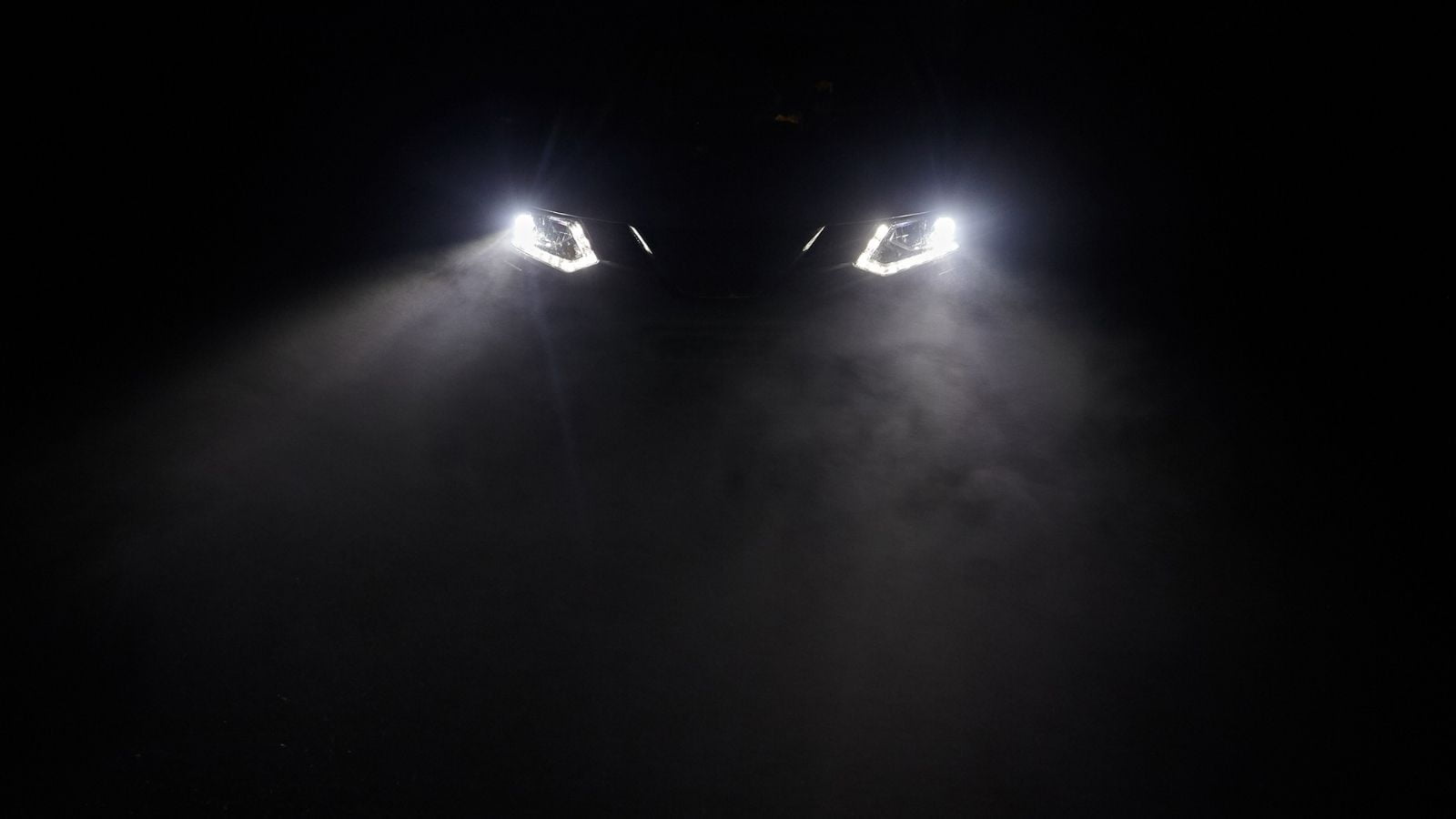
Automatic high-beam systems are increasingly common, but they should not be confused with more sophisticated adaptive driving beams. Transport Canada explains that automatic high beams use cameras or sensors to detect traffic and switch the entire lighting system between high and low beam. Adaptive driving beams work differently by selectively dimming portions of the beam while preserving stronger illumination elsewhere.
That distinction matters during real-world encounters. An automatic system still needs to detect another road user before changing modes, and Transport Canada emphasizes that driver-assistance technologies have limitations and do not replace driver attention or judgement. From the other side of the road, there is rarely any way to tell whether a blast of light came from a manual high beam, an automatic system, an unusually intense low beam or a temporary change in road angle. The result can be the same irritated response: an approaching driver flashes their own lights in protest. As more vehicles use automated lighting, familiarity with what those systems can and cannot do becomes increasingly important. Automation may improve high-beam use, but it does not eliminate every uncomfortable encounter.
Adaptive Driving Beams Offer a More Sophisticated Solution
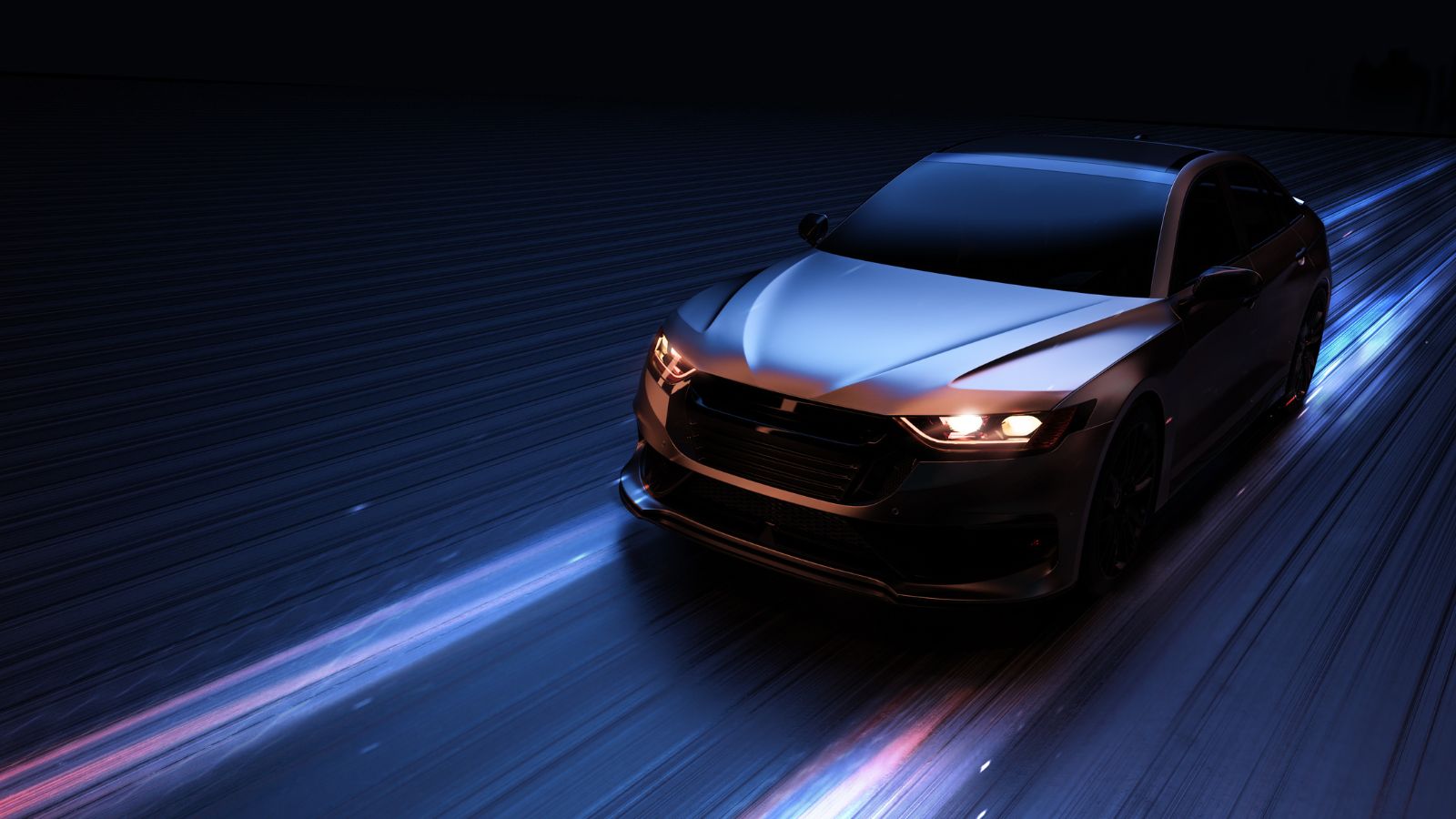
One promising response to glare is not necessarily less light, but better-controlled light. Adaptive driving beam systems use sensors and LED arrays to maintain strong illumination in open areas while reducing or shutting off portions of the beam aimed toward vehicles ahead. Transport Canada says the technology can improve visibility of pedestrians and cyclists while reducing glare for nearby drivers.
Canada has already incorporated adaptive-driving-beam provisions into its regulatory framework. CMVSS 108 includes requirements based on an SAE adaptive-beam standard, and Transport Canada has considered updating its reference from the June 2016 version of SAE J3069 to the revised March 2021 version. Research also supports the basic concept. An IIHS test-track study found that an adaptive driving beam system produced more acceptable discomfort-glare ratings than some conventional HID configurations tested alongside it. The challenge is availability and implementation across a huge vehicle fleet. A technology that appears on a new premium model does nothing to change millions of older vehicles already on Canadian roads. Even so, adaptive systems demonstrate that brighter forward illumination and reduced glare do not have to be mutually exclusive goals.
Better Headlights Also Prevent Some Nighttime Crashes
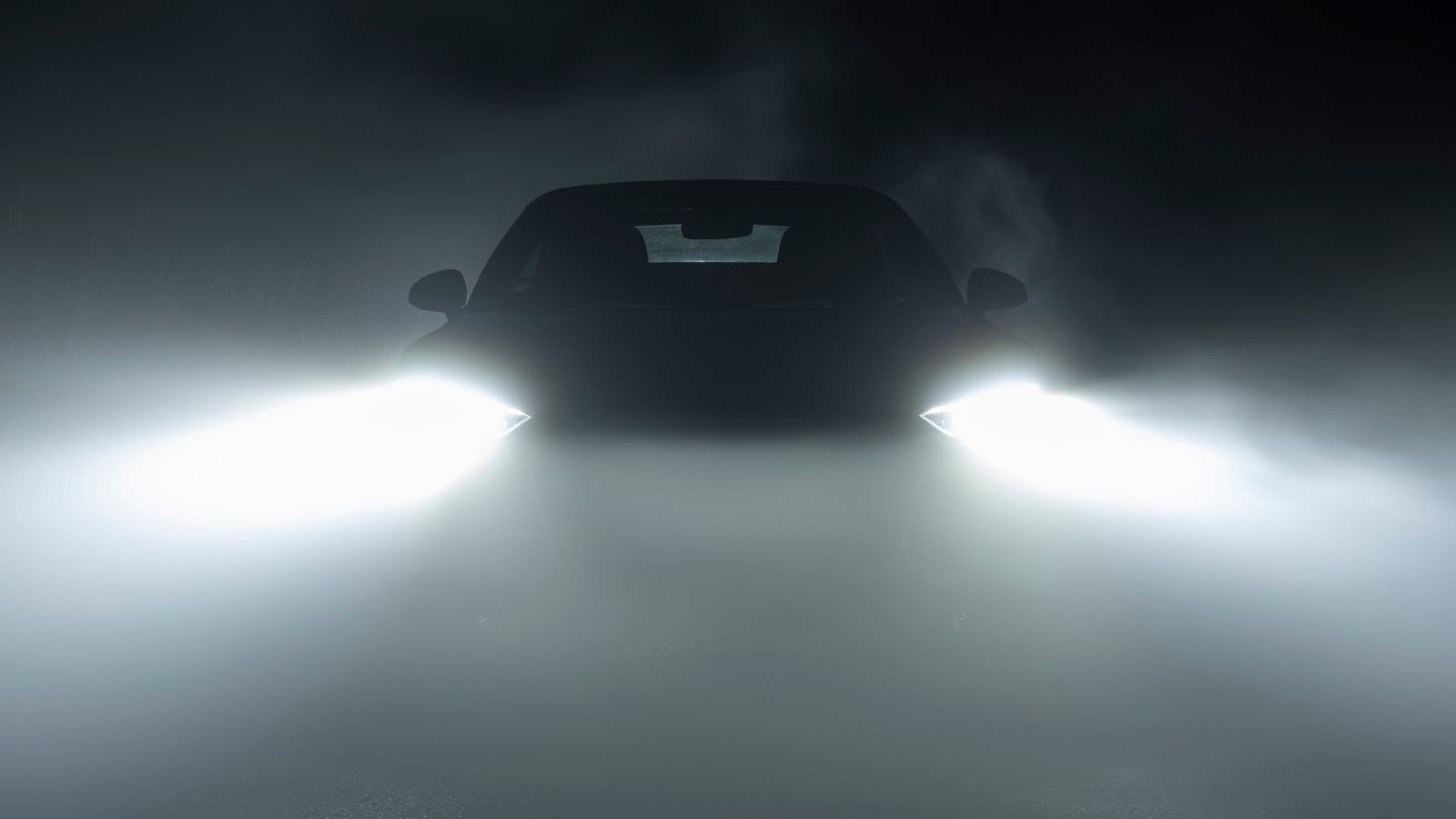
The debate becomes more complicated because simply reducing headlight output could create another safety problem: drivers need enough illumination to detect pedestrians, animals, curves and other hazards before reaching them. IIHS research has found meaningful differences in real-world crash outcomes depending on headlight performance. Vehicles with headlights rated good for visibility had 19% fewer nighttime single-vehicle crashes and 23% fewer nighttime pedestrian crashes than vehicles equipped with poor-rated headlights after researchers controlled for several other factors.
That evidence helps explain why regulators and engineers cannot solve glare complaints merely by making every new headlamp weaker. The light bothering an approaching motorist is also helping the vehicle producing it see down the roadway. NHTSA has described automotive lighting as a compromise between visibility for one driver and glare for another. The engineering objective is therefore to put enough light where it is useful without sending unnecessary intensity into somebody else’s eyes. Newer designs have improved considerably by that measure. IIHS reported that only 5% of headlight systems it tested for the 2026 model year produced excessive glare, compared with 21% among systems tested on 2017 models.
The Gap Between Crash Data and Driver Experience Fuels the Debate
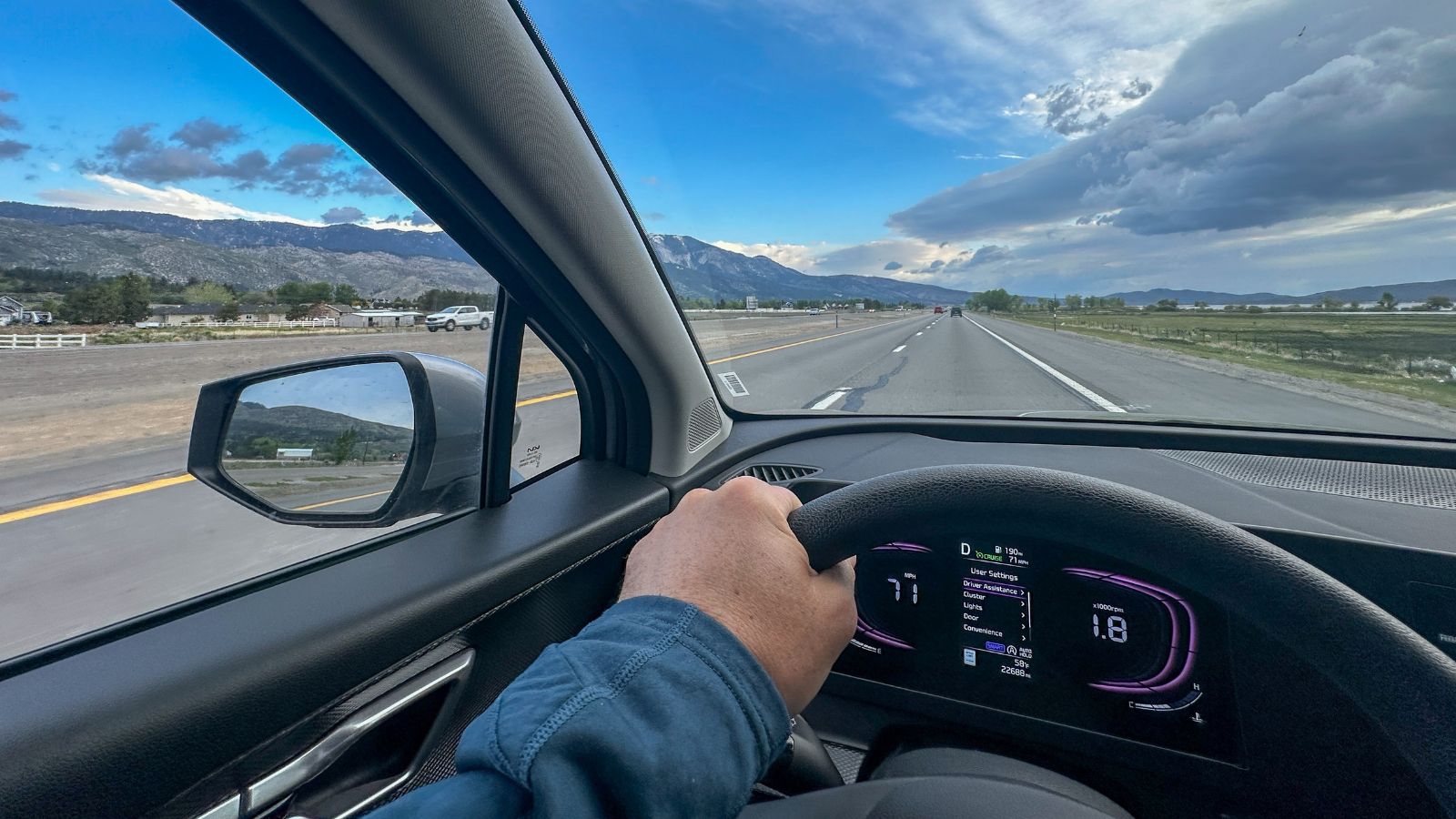
Perhaps the strangest part of the headlight controversy is that widespread frustration does not necessarily translate into large numbers of crashes officially attributed to glare. A 2026 IIHS study examining police-reported crashes across 11 U.S. states found headlight glare recorded as a factor in only about 0.1% to 0.2% of nighttime crashes. Researchers found little change in that rate despite substantial changes in vehicle lighting over the study period.
That does not mean the discomfort is imaginary. Transport Canada considered the issue significant enough to conduct a national public consultation between March and April 2026 specifically examining Canadians’ experiences with nighttime headlight glare. A separate House of Commons e-petition calling for modernized federal headlight regulations gathered 11,794 validated signatures before closing in June. Those developments show why the debate is unlikely to disappear. A headlight encounter does not have to cause a collision to be irritating, distracting or frightening. The challenge for Canada is finding standards and technologies that preserve the substantial safety benefits of improved nighttime visibility while reducing the moments when another vehicle’s lighting becomes the brightest thing a driver can see.
19 Used Cars Canadians Should Avoid in 2026 (Based on Owner Complaints)
Buying a used car in Canada can feel safe until repair bills start stacking up. Owner complaints tell a different story than glossy listings. Transmission failures, electrical problems, and weak winter reliability show up again and again in consumer reports. Many of these issues appear after warranties expire, when owners least expect them. Some vehicles look affordable upfront, but become expensive to keep on the road. Others struggle in cold weather, urban driving, or long highway commutes. Here are 19 used cars Canadians should avoid in 2026 (based on owner complaints).
19 Used Cars Canadians Should Avoid in 2026 (Based on Owner Complaints)

Alanna Rosen is an experienced content writer that focuses on many EV and educational content. Her articles are regularly published on Get CyberTrucked and syndicated on large publications.