
A door handle used to be one of the simplest parts of buying a vehicle. That is changing as flush, retracting and electronically actuated designs spread across newer EVs and luxury models. For some Canadian shoppers, the concern is not resistance to technology; it is whether a basic exit-and-entry function should depend on power, software, hidden backups or extra winter routines. Cold weather, emergency access, family use and long-term repairability can make a sleek feature look less appealing after the showroom visit. These 12 reasons explain why some buyers are returning to a surprisingly old-fashioned preference: a handle that is visible, mechanically understandable and easy for almost anyone to operate.
Winter Ice Can Turn Sleek Styling Into a Chore

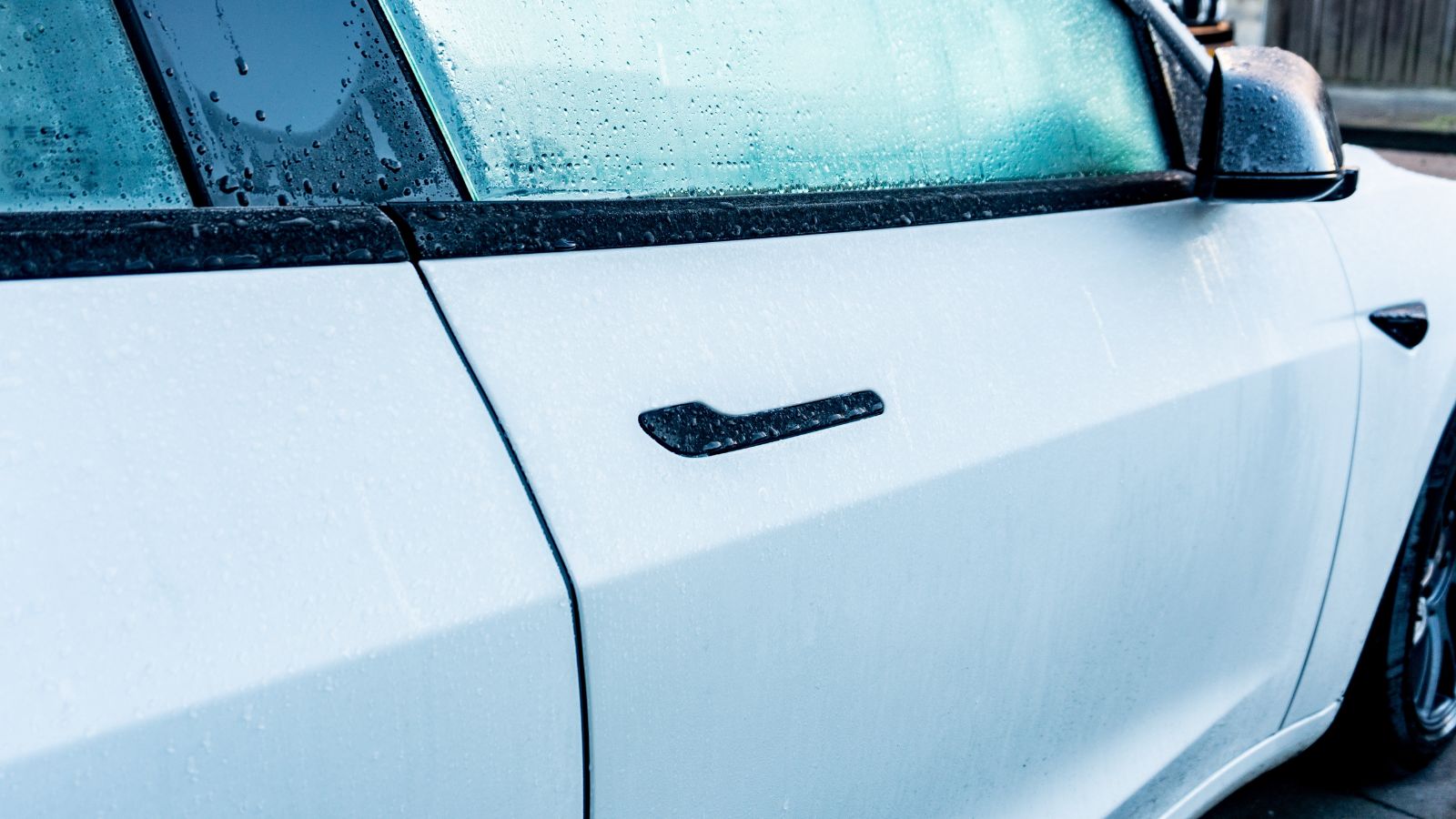
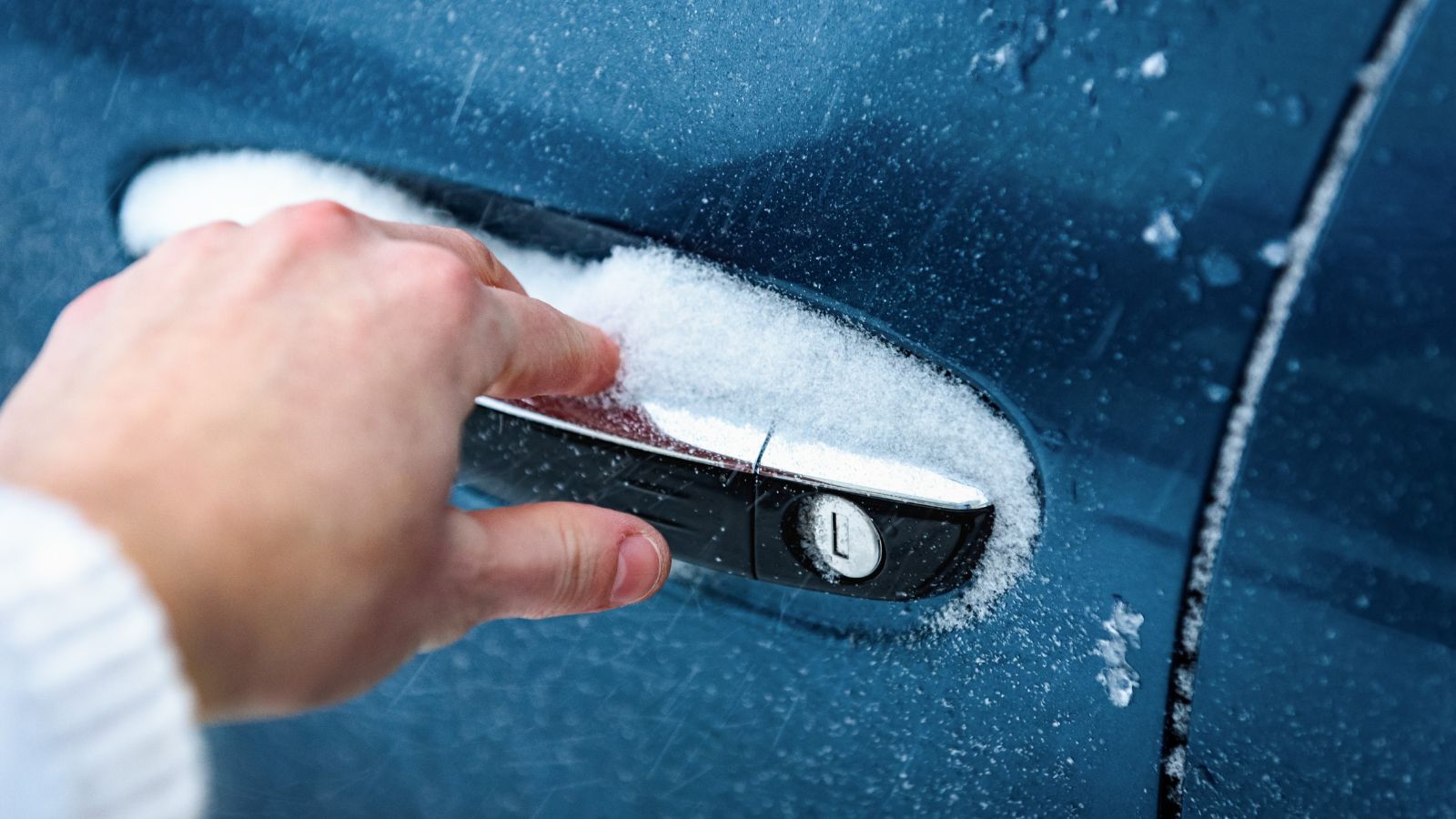
Flush and retracting handles look clean in a showroom, but winter changes the equation. Tesla’s own cold-weather guidance says snow and ice can freeze moving parts, including door handles, and specifically warns that ice buildup inside a Model Y handle can prevent it from opening. The company recommends preconditioning, using an app-based “Unlatch Door” function, and a specific technique for breaking ice loose from the handle.
That is the sort of extra routine some Canadian buyers would rather avoid. In a country where freezing rain, wet snow and freeze-thaw cycles are seasonal realities, a conventional pull handle can feel reassuringly uncomplicated. The issue is not that every flush handle will freeze, or that traditional handles never ice up. It is that a design intended to sit level with the body may require extra steps when ice fills the mechanism. For shoppers who prize predictable winter access, simplicity has practical value.
Low-Voltage Power Can Become Part of Opening the Door

Electronic access can depend on the vehicle’s low-voltage electrical system. In September 2025, the U.S. National Highway Traffic Safety Administration opened a preliminary evaluation involving 2021 Tesla Model Y vehicles after nine complaints alleged that exterior electronic door access became inoperative when low-voltage power was insufficient. NHTSA said the condition could prevent occupants from being reached from outside, even though manual releases existed inside the cabin.
That matters to buyers who assume a door handle is fundamentally mechanical. A modern EV can have a charged traction battery yet rely on a separate low-voltage system for locks, computers and access functions. Manufacturers provide backup procedures, but those may be less immediate than pulling a familiar handle. The concern is not limited to one brand’s technology; it is about design philosophy. Some Canadians prefer a system in which the primary way to open a door remains physically obvious when electronics stop cooperating.
A Backup Release Is Only Helpful if People Can Find It
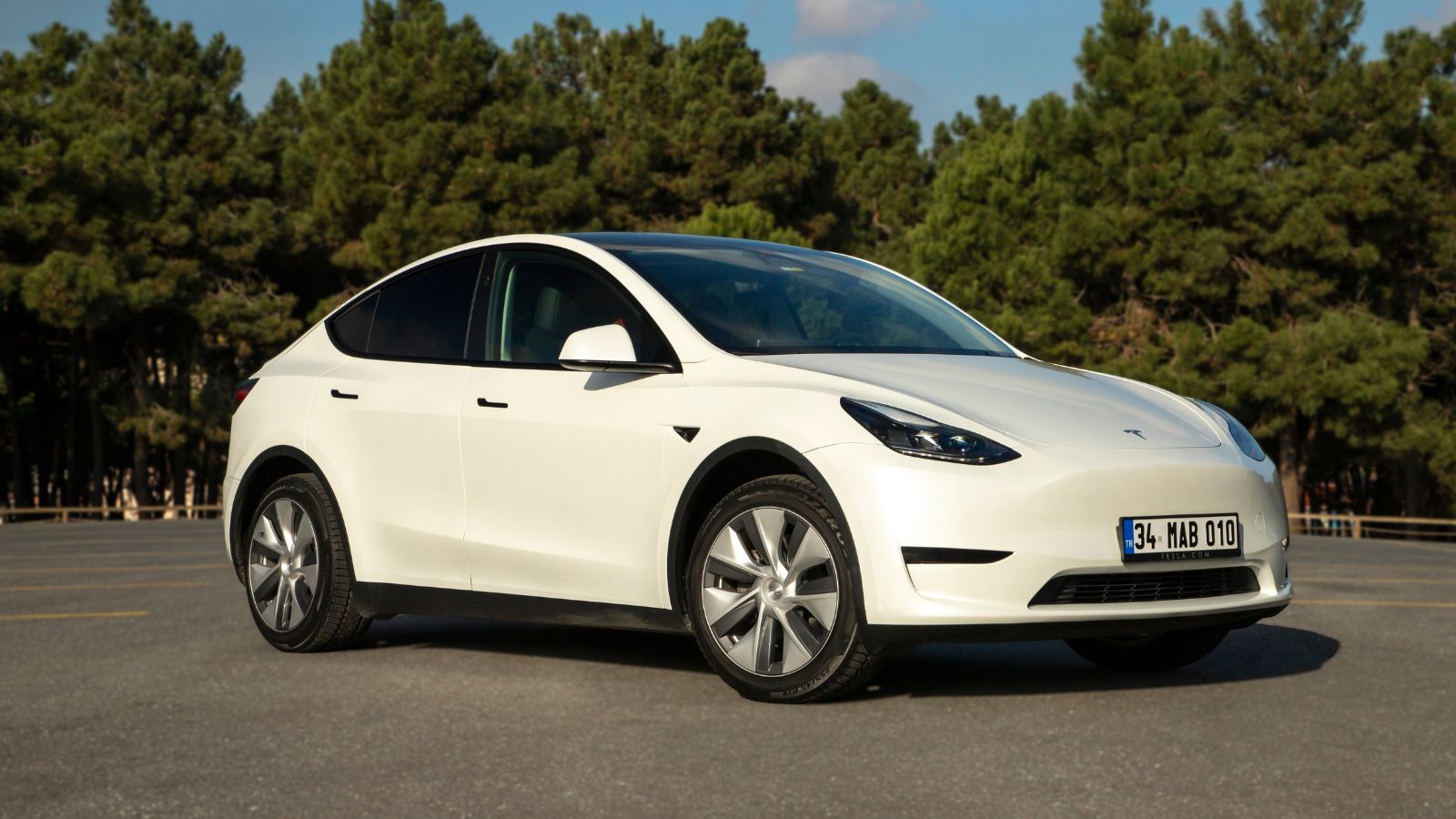
A backup release is most useful when people can find it without thinking. Tesla’s Model Y manual explains that the front doors have manual releases for use when the vehicle has no power, while rear-door access can require removing a mat or cover and pulling a mechanical cable, depending on version. Earlier documentation also noted that not all vehicles were equipped with a rear manual release in the same way.
That model-specific knowledge matters during an emergency, when passengers may be stressed, injured or unfamiliar with the vehicle. A driver who knows the procedure may have no difficulty. A visiting relative, rideshare passenger or teenager might. This is why some shoppers distinguish between “has a mechanical backup” and “has an obvious mechanical backup.” The second standard is more demanding. A conventional lever that works the same way every day can reduce the instruction needed before someone can get out quickly.
Rear-Seat Children Raise the Stakes
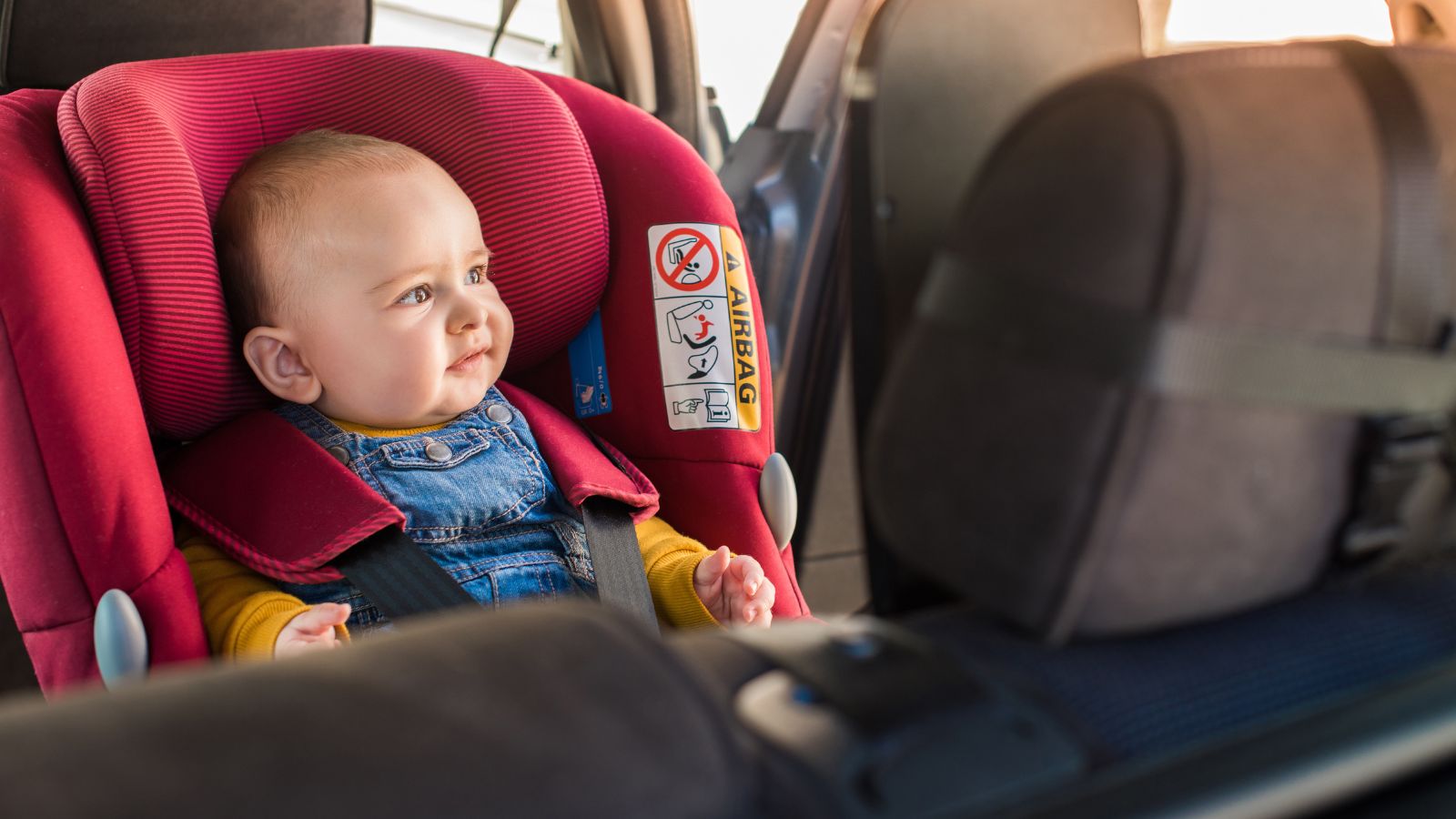
Rear-seat access becomes more emotional when children are involved. NHTSA’s 2025 Model Y investigation said the most common complaints involved parents who had stepped out and then could not reopen a door to reach a child in the back seat. Four of the nine complaints described breaking a window to regain entry. The agency noted a child might not be able to locate or operate an interior manual release.
Those reports do not establish that every electronic handle system is unsafe, and the investigation was opened to determine scope and severity. They show why families may evaluate door design differently. A feature that seems like a minor inconvenience to an adult can feel more serious when a child is buckled into a rear seat. For some parents, the preferred design is one that can be understood instantly by a caregiver outside, without an app, hidden release or multi-step recovery procedure.
Emergency Rescuers May Face Another Learning Curve
Complicated handles can add uncertainty for rescuers. NHTSA maintains manufacturer-submitted emergency response guides and rescue sheets for electric vehicles because responders need vehicle-specific information on construction, electrical hazards and extraction. Tesla likewise publishes dedicated first-responder material for individual models. Door operation is only one part of that larger rescue problem, but access becomes critical when a damaged vehicle has lost electrical power.
Recent events have pushed the issue into public view. In August 2026, China announced a record vehicle recall involving about 4.3 million cars over concerns tied to emergency door-release systems, including concealed or hard-to-locate releases. The action covered several automakers, not just Tesla. For Canadian shoppers watching those developments, the takeaway can be simple: in a crash, an exterior design that clearly communicates “pull here” has an advantage. A rescue crew may know the vehicle, but a bystander arriving first may not, especially under pressure and added stress.
Frameless Windows Can Add Another Layer of Complexity
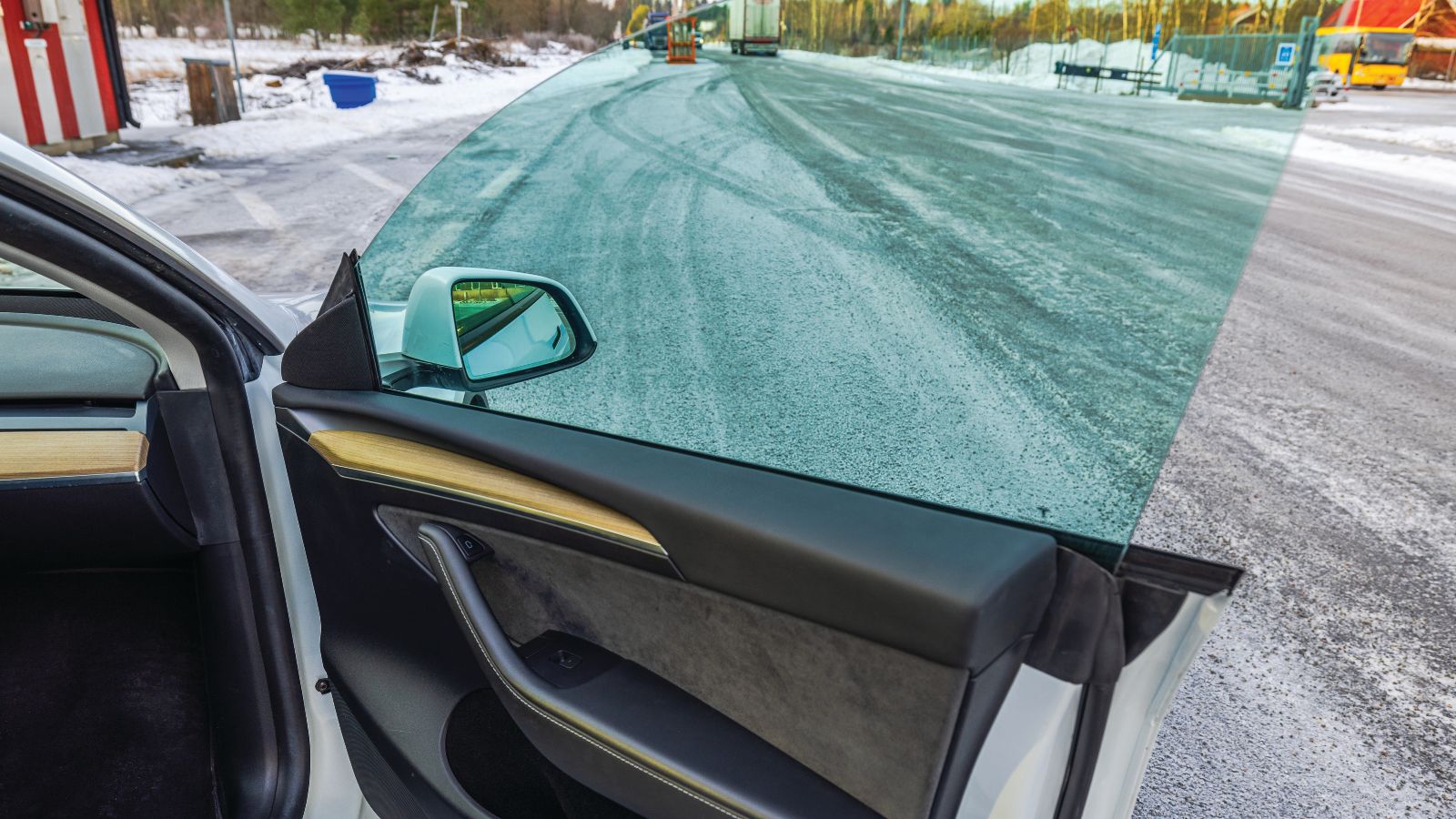
Some high-tech door systems are paired with frameless glass, creating a layer of choreography. Tesla warns that when a Model Y manual door release is used without power, the window will not automatically lower as it normally does before the door opens. The company cautions that using the manual release can damage the window or trim. Its cold-weather guidance also says windows may stop slightly below the trim in low temperatures to prevent freezing.
That does not make frameless doors inherently problematic; many vehicles use them. But it shows how one action can depend on several coordinated systems. The button, latch, window motor and glass position may all be part of the opening sequence. Some buyers prefer a door that asks less of them when something goes wrong. In winter or after a power failure, fewer interdependent steps mean less uncertainty, especially for an owner keeping a vehicle beyond warranty.
Repairing the Handle May Involve Much More Than the Handle
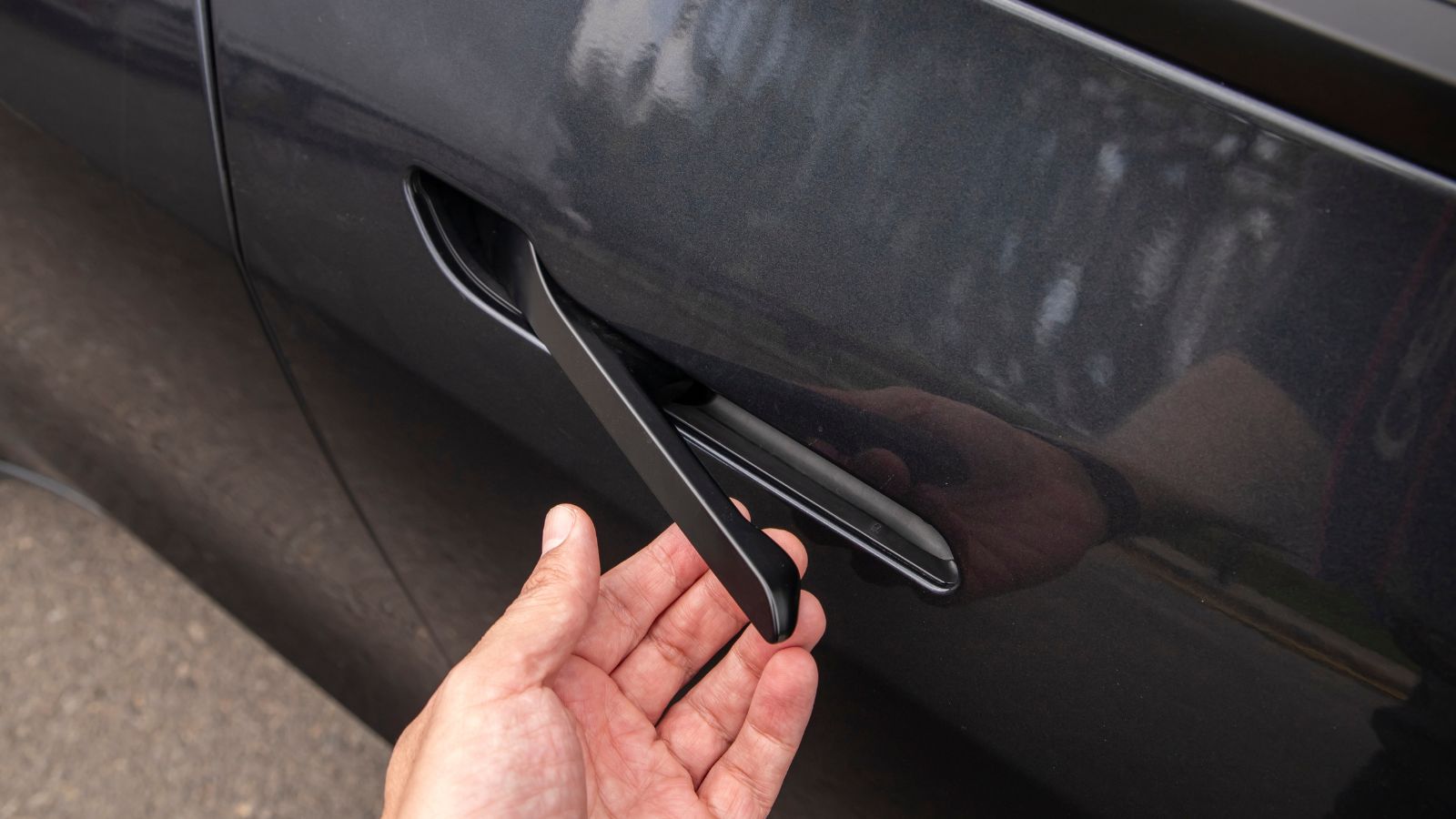
The service procedure can reveal how much engineering sits behind a flush handle. Tesla’s Model Y service manual lists an exterior-handle replacement procedure involving removal of the door trim, inner belt seal, door glass and closeout panel, disconnection of low-voltage power, handle wiring, fasteners, alignment checks and window recalibration. The manual assigns a 0.60-hour flat-rate correction code to the handle operation itself, before unrelated damage is considered.
A traditional handle can also require door disassembly, so complexity is not unique to EVs or flush designs. Still, powered or electronically integrated handles add connectors, sensors, motors or switches that must work with the rest of the door. That can make owners think beyond the first few years. A sleek handle may be easy to live with when new, yet more involved to diagnose when intermittent faults appear. Buyers who value long-term repairability often see fewer components as protection against future hassle.
Passengers Should Not Need a Tutorial to Open the Door
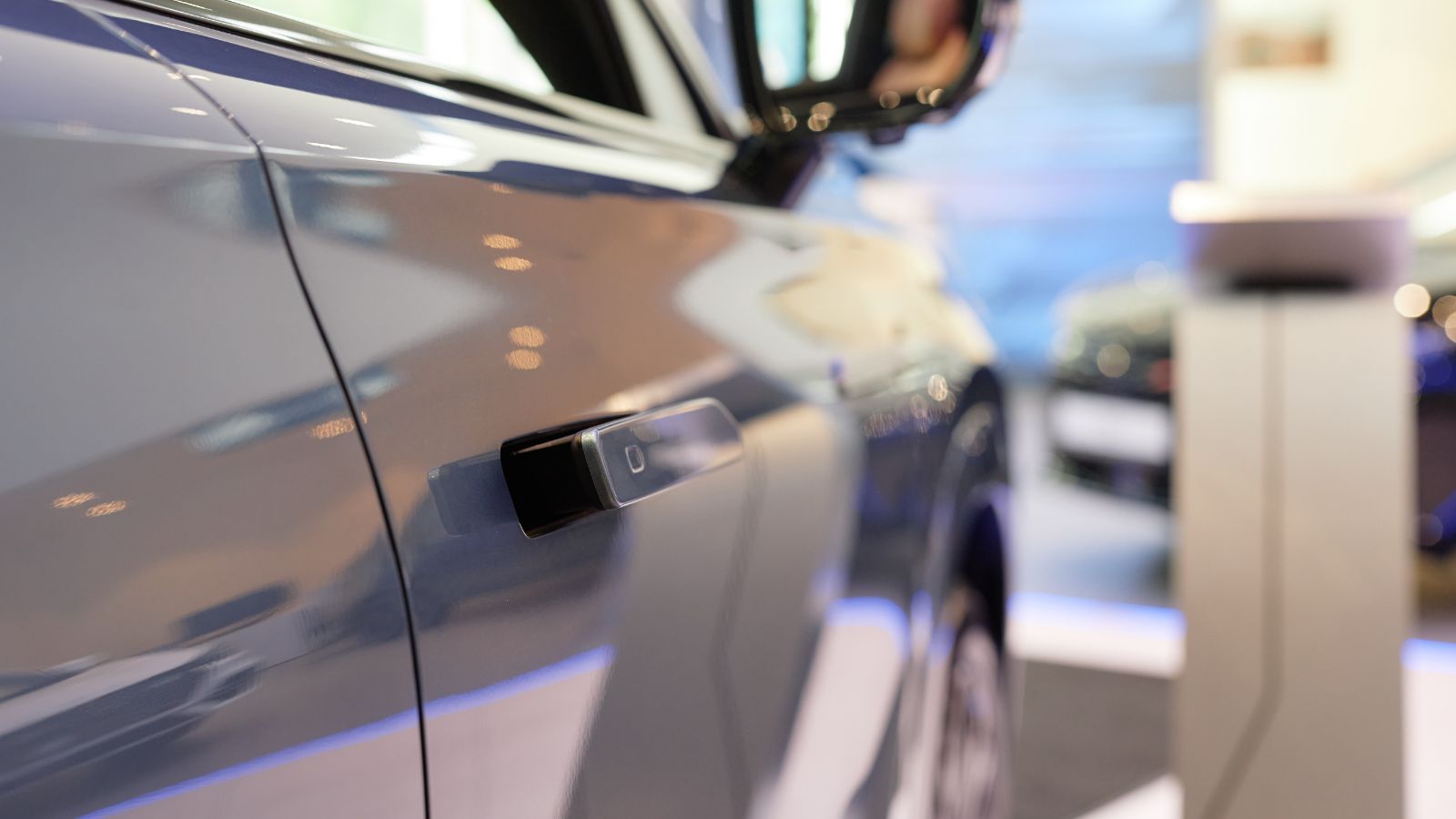
A door handle is an interface used by everyone who enters a vehicle, not just its owner. Research published in the Transactions of the Korean Society of Automotive Engineers in 2025 reviewed flush-handle designs and found that, despite styling and aerodynamic appeal, they can create challenges involving intuitive usability, electronic malfunction and emergency access. Tesla’s instructions for Model 3 and Model Y handles require a push on one part so another pivots outward.
Once learned, that motion is easy for many people. The problem is the first encounter. A passenger carrying groceries, a valet, a grandparent or someone borrowing the car may reach for the door and hesitate. That moment is rarely dangerous, but repeated friction can make a feature feel less elegant. Some Canadian shoppers therefore test every door on a test drive, including rear doors, favour designs that communicate operation without explanation. Familiarity is a convenience feature too.
Hand Strength and Dexterity Matter More Than Styling Suggests
Ergonomics matters because not every hand has the same strength, dexterity or range of motion. A peer-reviewed study involving 180 participants from age groups found that door-handle design influenced perceived effort and could affect accessibility and usability. Although that research examined general handle forms rather than today’s automotive flush handles, its basic lesson is relevant: shape and operating motion change how easy a handle feels.
Flush designs can require pressing, pinching an edge, waiting for a powered handle to present itself, or combining motions that differ from a conventional pull. For many users, this is not difficult. For someone wearing thick winter gloves, dealing with hand mobility or helping a passenger with limited dexterity, the difference can matter. That is why some buyers judge a handle by more than appearance. A generous grip area and obvious pulling motion can make the vehicle easier for family members to use without coaching.
Phone-Key Convenience Comes With Backup Responsibilities

Smartphone-based access is a convenience that often accompanies modern electronic door systems. Tesla’s Canadian Model Y manual says a paired phone can act as a key through Bluetooth and supports automatic locking and unlocking. It also advises owners to keep a key card as backup if the phone is lost, stolen or has a dead battery. That redundancy is sensible, but it adds another item to remember.
For technology-oriented owners, the experience feels seamless: walk up, pull the handle and drive away. Others see a chain of dependencies involving the phone, Bluetooth, low-voltage power and a backup card. Importantly, a dead phone does not automatically mean the vehicle is inaccessible when a backup key is available. The objection is philosophical rather than technical. Some buyers do not want entering a car to depend on remembering an electronic fallback. They prefer a system whose basic operation remains visually and physically obvious.
The Aerodynamic Benefit Is Real, but Buyers May Question the Trade-Off
Automakers did not adopt flush handles only for visual drama. Nissan’s technical research has described retractable handles as a way to reduce aerodynamic drag and help improve EV cruising range, while aerodynamic studies have shown that protruding door handles disturb airflow around a vehicle. On an EV, where designers fight for efficiency in small areas, smoothing the body surface can have an engineering purpose.
The disagreement is over whether that benefit is worth added complexity. A handle that deploys automatically may need motors, sensors, control logic and a mechanical backup, while a manually pivoting flush handle still changes the familiar grab-and-pull interaction. Buyers driving long distances may appreciate efficiency gains. Others may decide that wheels, tires, mirrors, underbody design and overall vehicle shape matter more than smooth door skin. For that group, an exposed handle can seem like a reasonable trade: less aerodynamic elegance in exchange for immediate, unmistakable access.
Regulators Are Starting to Reconsider Hidden Handles
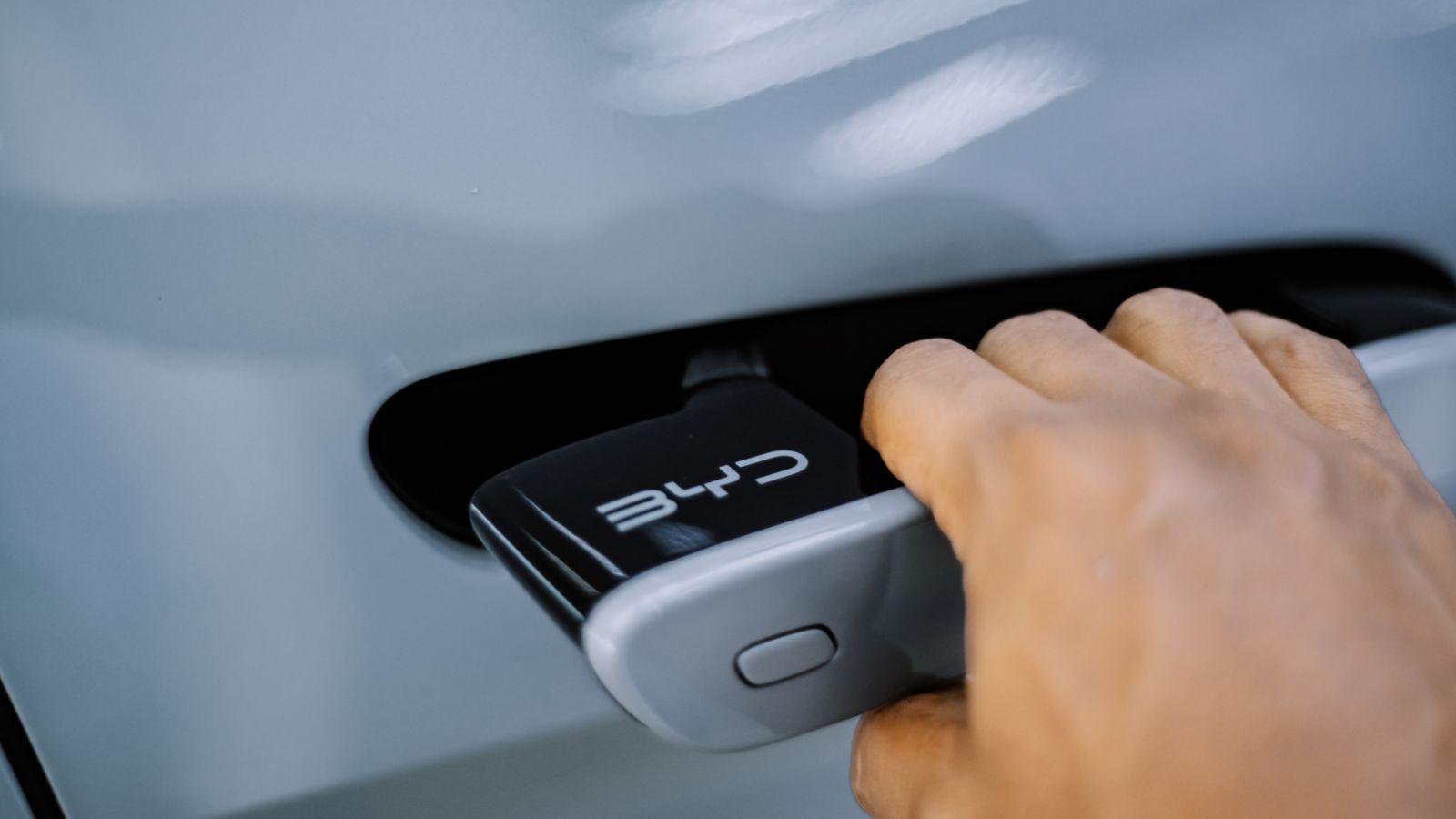
Regulators abroad are questioning whether hidden handles have gone too far. China announced rules that will prohibit fully hidden exterior door handles on new models from 2027 and require mechanical interior and exterior access, with broader application later. In August 2026, Chinese authorities also launched a roughly 4.3-million-vehicle recall involving multiple manufacturers over emergency-release concerns. The scale of that action has made door design a mainstream safety topic rather than a niche debate.
Canada already regulates door locks and door-retention components under CMVSS 206. Meeting a safety standard, however, is not the same as knowing whether every passenger will find a release intuitive under stress. Global regulatory movement can influence consumer expectations before Canadian rules change. Some shoppers now see a visible, mechanical handle as a future-proof design: easy to explain, easy to recognize and less likely to feel obsolete if regulators continue pushing the industry toward clearer emergency access.
19 Used Cars Canadians Should Avoid in 2026 (Based on Owner Complaints)

Buying a used car in Canada can feel safe until repair bills start stacking up. Owner complaints tell a different story than glossy listings. Transmission failures, electrical problems, and weak winter reliability show up again and again in consumer reports. Many of these issues appear after warranties expire, when owners least expect them. Some vehicles look affordable upfront, but become expensive to keep on the road. Others struggle in cold weather, urban driving, or long highway commutes. Here are 19 used cars Canadians should avoid in 2026 (based on owner complaints).
19 Used Cars Canadians Should Avoid in 2026 (Based on Owner Complaints)

Alanna Rosen is an experienced content writer that focuses on many EV and educational content. Her articles are regularly published on Get CyberTrucked and syndicated on large publications.