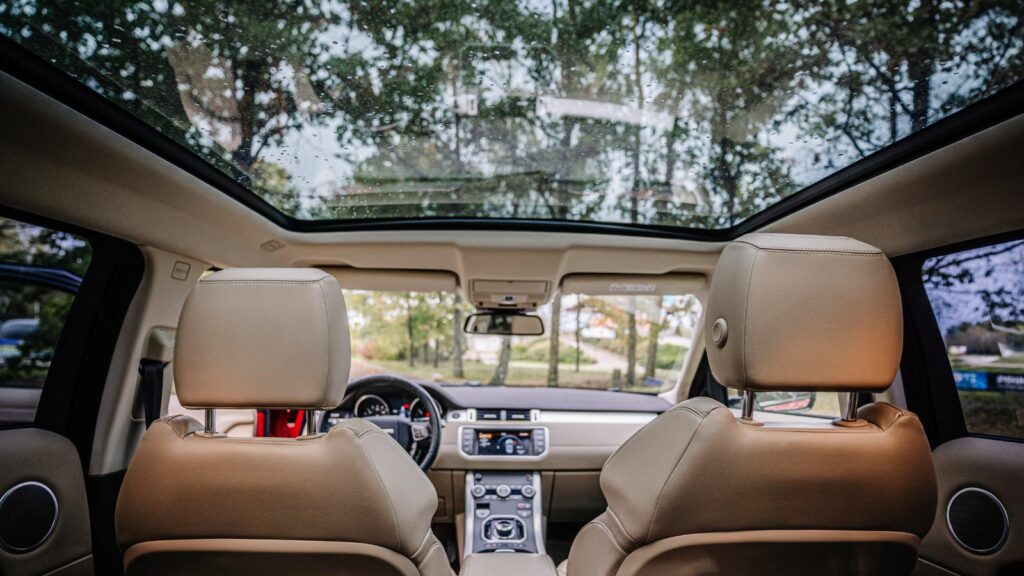
Large glass roofs have become one of the easiest ways for automakers to make a cabin feel brighter, airier and more upscale. Yet the feature can look different after several Canadian summers, winters and repair bills. A panoramic roof may expose more of the cabin to solar radiation, add another expensive piece of glass to protect, and—when it opens—bring motors, tracks, seals and drains into the ownership equation.
None of that means glass roofs are inherently unreliable or unsafe. Modern coatings, laminated construction and well-designed shades can address many traditional drawbacks. Still, priorities differ, particularly in a country with intense summer sun, deep freezes, gravel-treated winter roads and damaging hail. These 12 reasons explain why some Canadians would rather keep a conventional roof over their heads.
Summer Heat Can Make All That Glass Feel Less Luxurious
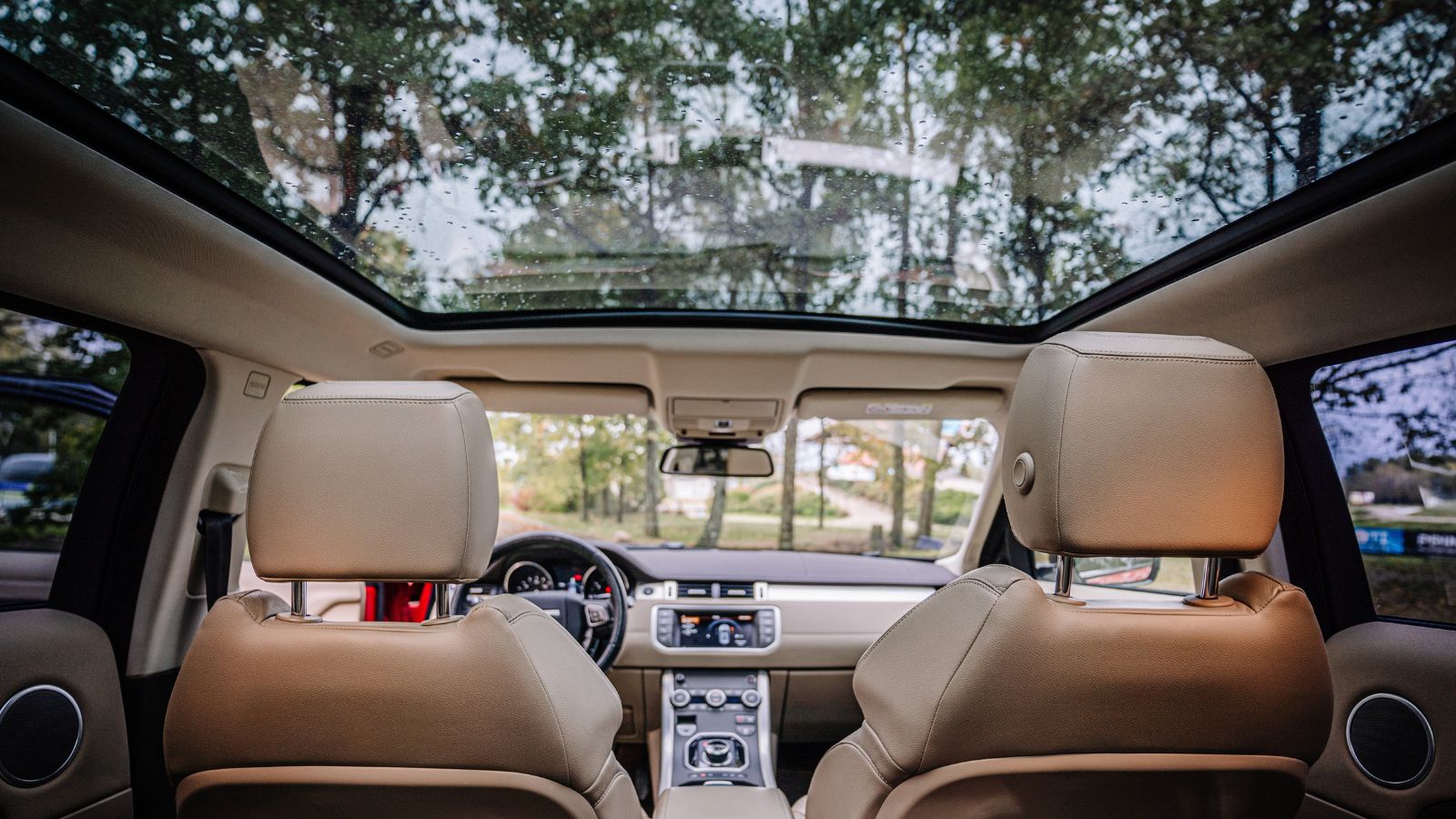
A panoramic roof can transform a dark interior, but the same transparent surface that lets in daylight also creates another route for solar energy to enter the cabin. Researchers studying vehicle thermal comfort have found that expanded glazed areas increase radiative heat loads, particularly when strong sunlight reaches occupants from directly overhead. The result can be a cabin that feels hot even before the air itself reaches its highest temperature.
Modern automotive glass is far more sophisticated than ordinary window glass. Manufacturers can use reflective coatings, infrared-rejecting layers and heavy tinting to reduce heat transmission. Those technologies matter: SAE research on solar-reflective automotive glass found measurable reductions in cabin heat buildup and air-conditioning power demand. A physical or powered sunshade can also make a noticeable difference. Still, buyers who routinely park outdoors in places such as southern Ontario or the Prairies may decide that an insulated metal roof is the simpler solution—especially when a vehicle’s glass roof lacks a substantial opaque shade.
Winter Can Expose the Other Side of the Thermal Problem
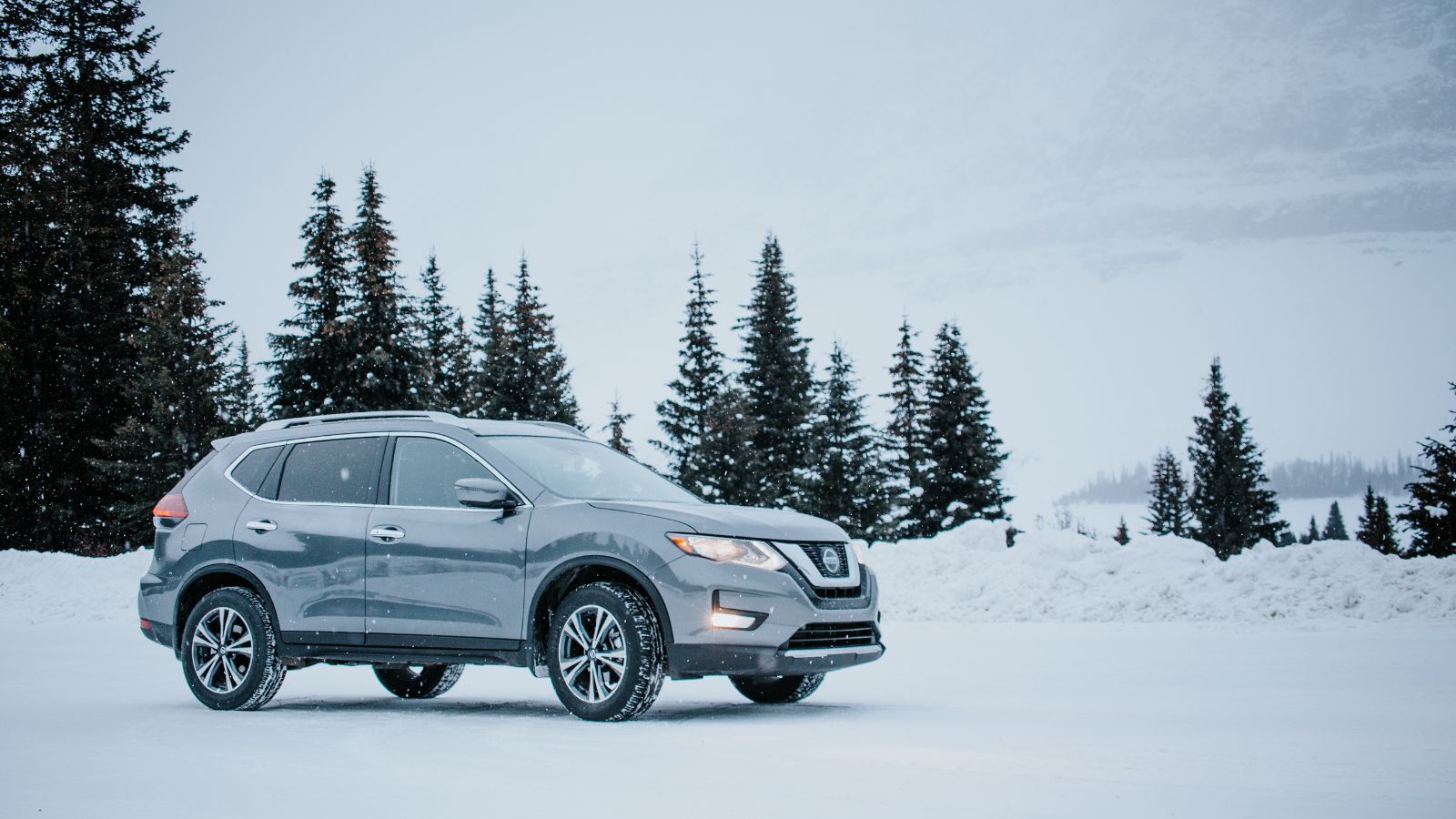
Canada’s climate creates the opposite problem only a few months later. On a bitter January morning, occupants are not trying to keep solar heat out; they are trying to hold warmth inside. Glass behaves differently from a traditionally insulated roof structure, and the temperature of nearby glazed surfaces can affect how warm or cold occupants feel even when the cabin air has reached a comfortable setting.
Recent vehicle-cabin research illustrates why the type of glass matters so much. A 2025 study comparing conventional and low-emissivity automotive glass in winter conditions found substantially warmer radiant conditions beside the Low-E glass, with participants reporting warmer sensations in exposed areas such as the face and hands. That does not prove every panoramic roof will produce an uncomfortably cold cabin, but it demonstrates why construction quality is important. Buyers comparing two vehicles cannot assume similarly sized glass roofs will perform identically. Some Canadians simply prefer an opaque roof that removes another thermal variable during prolonged spells of sub-zero weather.
Extra Climate-Control Demand Matters More in an EV
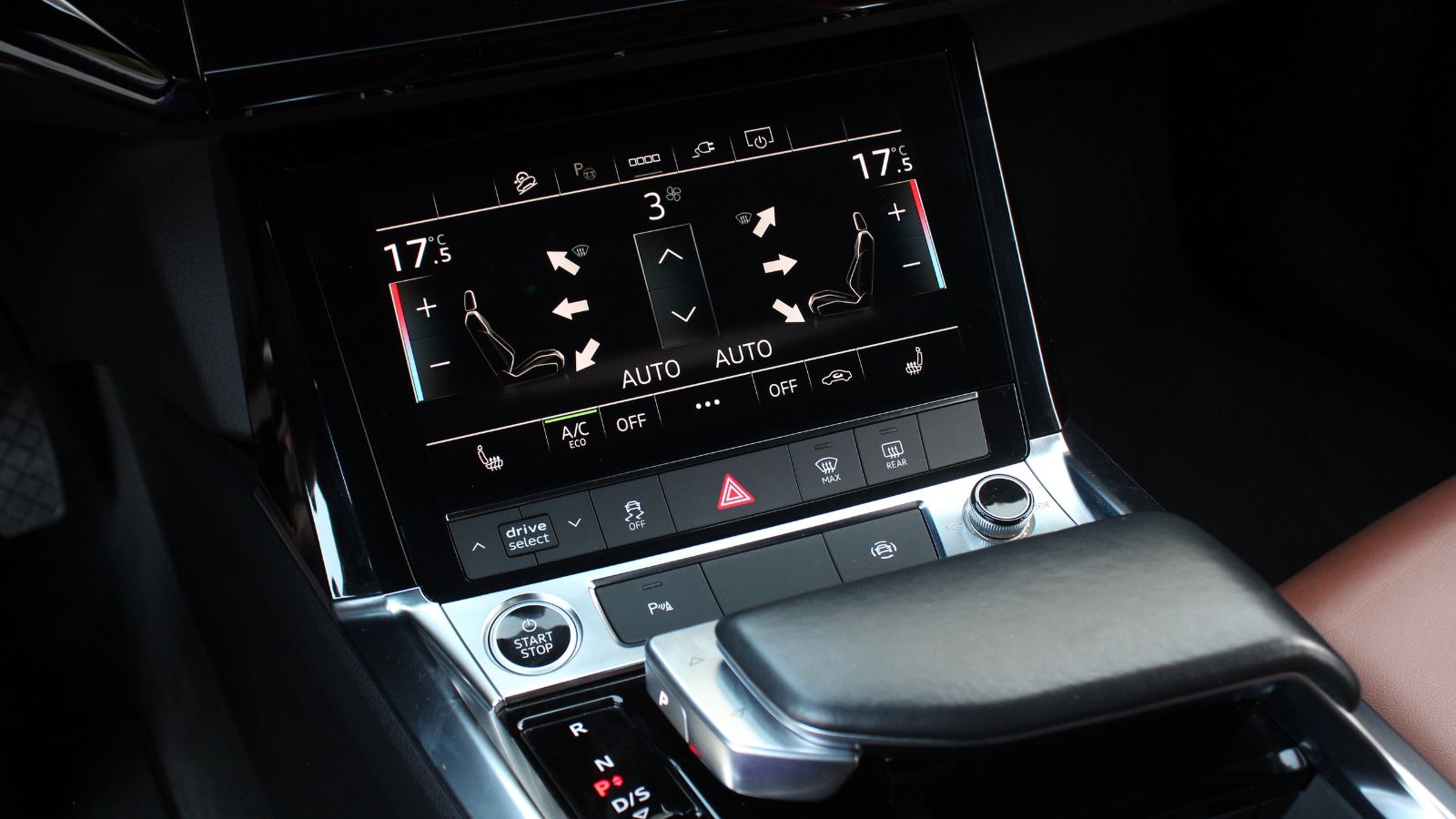
A glass roof does not single-handedly determine an electric vehicle’s range, but anything that increases the amount of heating or cooling needed inside the cabin can consume energy that otherwise could have helped move the vehicle. That trade-off becomes more noticeable in an EV because cabin-conditioning energy ultimately comes from the same battery used for propulsion.
Natural Resources Canada notes that extreme cold can cut EV range by roughly 25 to 30 percent, with battery temperature and cabin heating among several factors involved. In summer, air conditioning also requires significant energy. Research into advanced vehicle glazing has therefore focused on reducing solar heat gain precisely because doing so can reduce cooling demand. For a commuter with easy overnight charging, the difference associated with roof design may be relatively minor. For someone regularly driving long distances through rural Canada, however, even small efficiency penalties can become irritating. A simpler roof can therefore appeal to shoppers who put predictable energy use ahead of the open-cabin feeling panoramic glass provides.
A Broken Roof Can Become an Expensive Piece of Glass
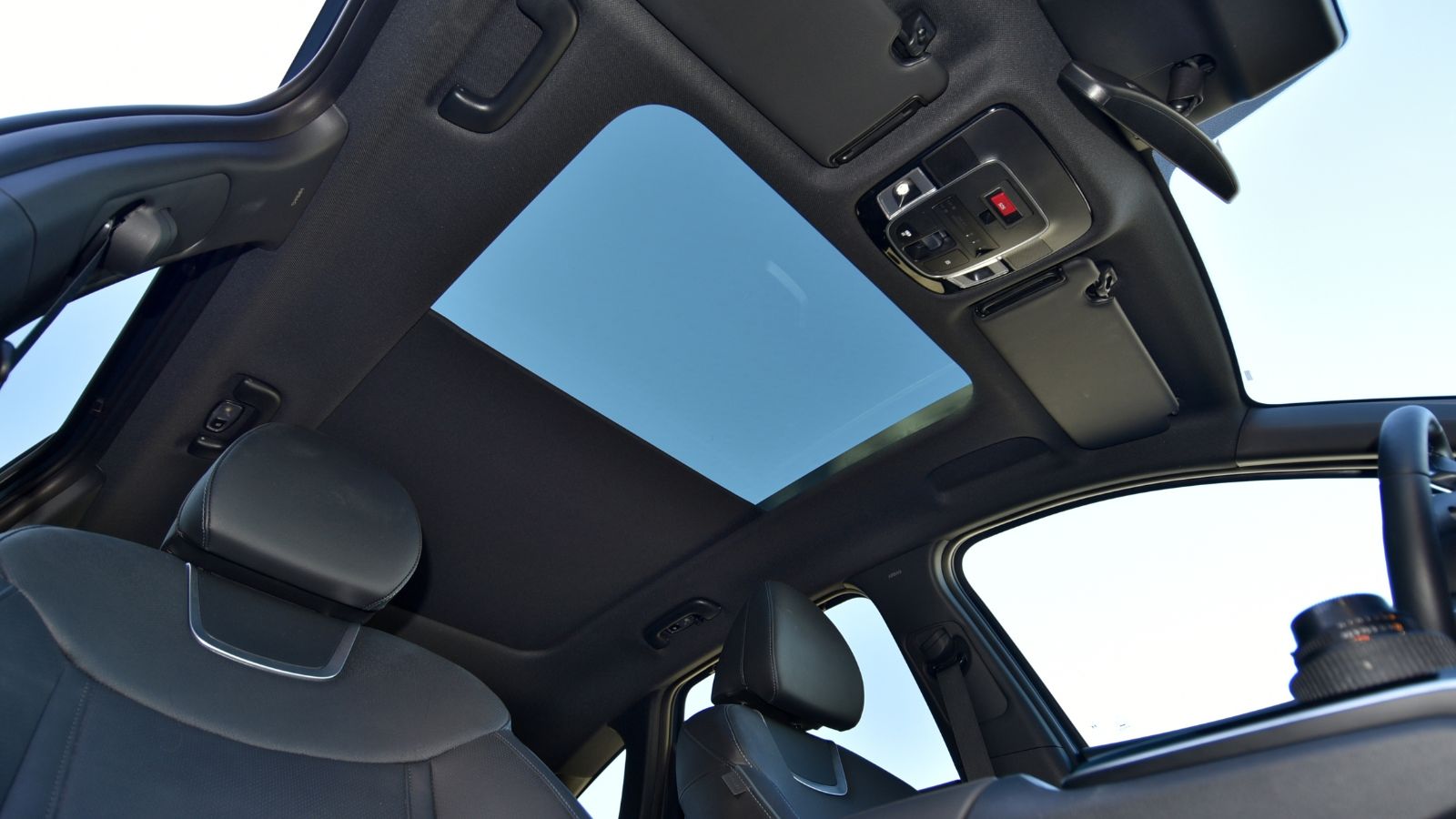
Replacing a small piece of conventional bodywork is one thing. Replacing a large, specially curved piece of automotive glass can be another. Panoramic roof panels may incorporate tinting, coatings, bonding materials and model-specific shapes, while opening systems add frames, guides and other hardware. Depending on the vehicle and the failure, the job may require considerably more than swapping a basic pane.
Consumer Reports has documented owners facing substantial bills after sunroof breakage, including a Canadian owner in Alberta who was quoted roughly $900 after a shattering incident. Other reported cases have crossed the four-figure mark. Those examples are not universal price quotes, and actual Canadian repair costs vary enormously by vehicle, parts availability and insurance coverage. They nevertheless demonstrate why some used-car shoppers become cautious when they see an enormous piece of glass above the seats. A feature that was attractive when included in a luxury package can look less compelling years later, when the vehicle is out of warranty and its owner is responsible for the repair.
Gravel, Ice and Road Debris Give Canadians a Unique Reason to Worry
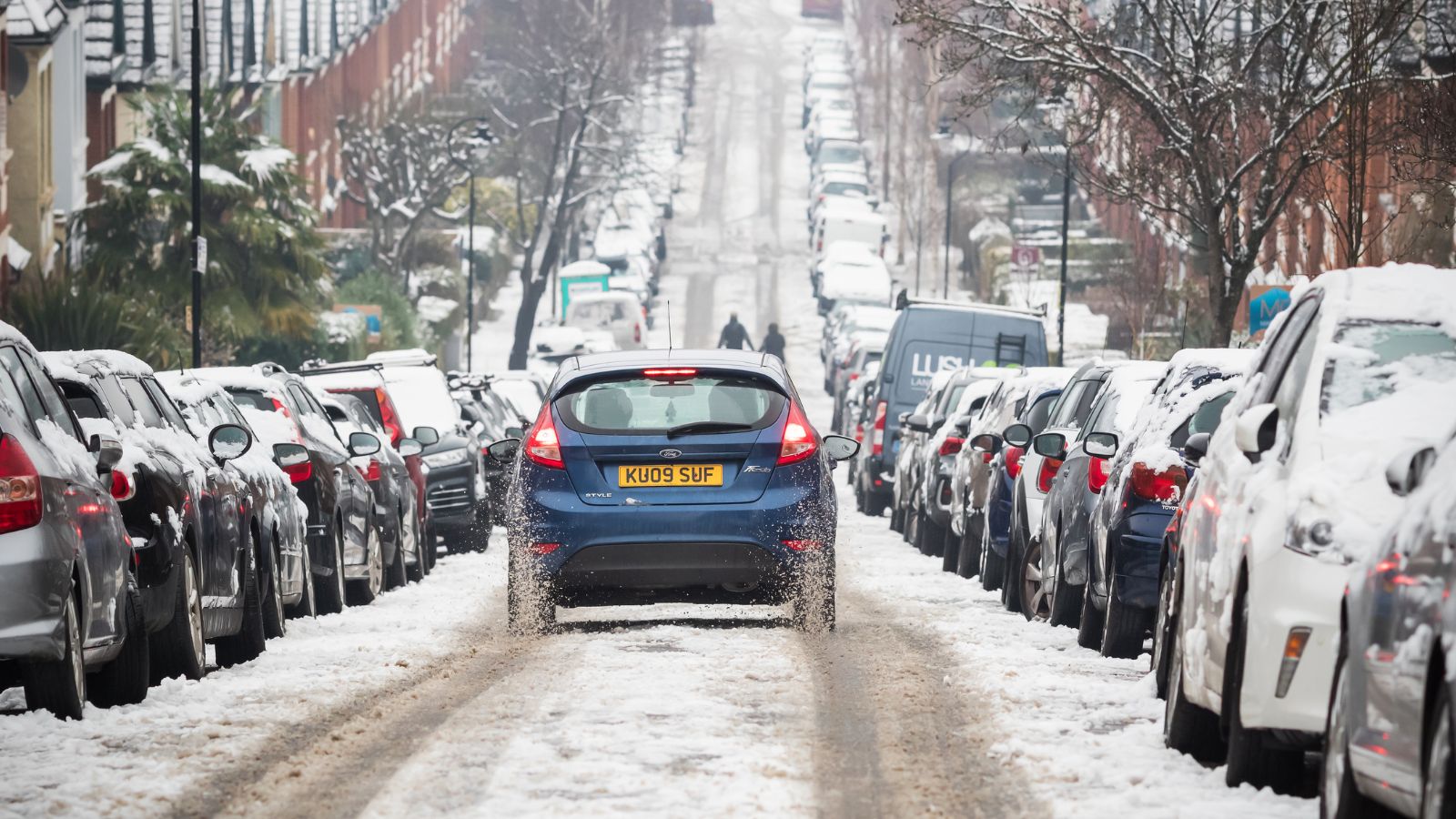
One of the strongest Canada-specific arguments comes from Transport Canada. The department has investigated reports of sunroof glass breaking and concluded that impact damage—not manufacturing defects—appeared responsible in most cases it examined. Large modern sunroofs simply present a sizeable glass surface to debris that may be launched into the air by surrounding traffic.
Canadian winters can make that environment especially challenging. Roads are commonly treated with gravel and other materials, while pieces of ice and road debris can be thrown upward by tires. Transport Canada specifically noted that glass may be damaged by a projectile without immediately breaking; a later temperature change or vehicle jolt can then trigger the final failure, making the event seem spontaneous. The agency had received 803 shattering-sunroof complaints since 2012 as of November 30, 2021, while emphasizing that such failures remained rare relative to the number of vehicles on the road. For risk-averse shoppers, however, rare does not necessarily mean desirable.
Insurance Does Not Make Every Glass Problem Disappear

It is tempting to assume that a damaged panoramic roof is simply an insurance company’s problem. Canadian coverage is more complicated. Comprehensive or specified-perils insurance can cover certain non-collision losses, but the precise protection depends on the province, policy, cause of damage, exclusions and deductible. Basic mandatory coverage alone should not automatically be assumed to pay for every broken piece of automotive glass.
Ontario’s Financial Services Regulatory Authority, for example, describes comprehensive coverage as protection that can include falling or flying objects and other specified perils, while hail is listed under specified-perils protection. The federal Financial Consumer Agency of Canada likewise advises motorists to examine exactly what their comprehensive policy covers and what deductible applies. Specialized glass policies available in parts of Canada even list panoramic roof glass separately, illustrating that these panels represent a distinct replacement exposure. A Canadian considering a vehicle with an expensive roof may therefore want an insurance quote before purchase. Some shoppers would rather eliminate that question entirely by choosing the solid-roof version.
The Hardware Can Add Weight High on the Vehicle
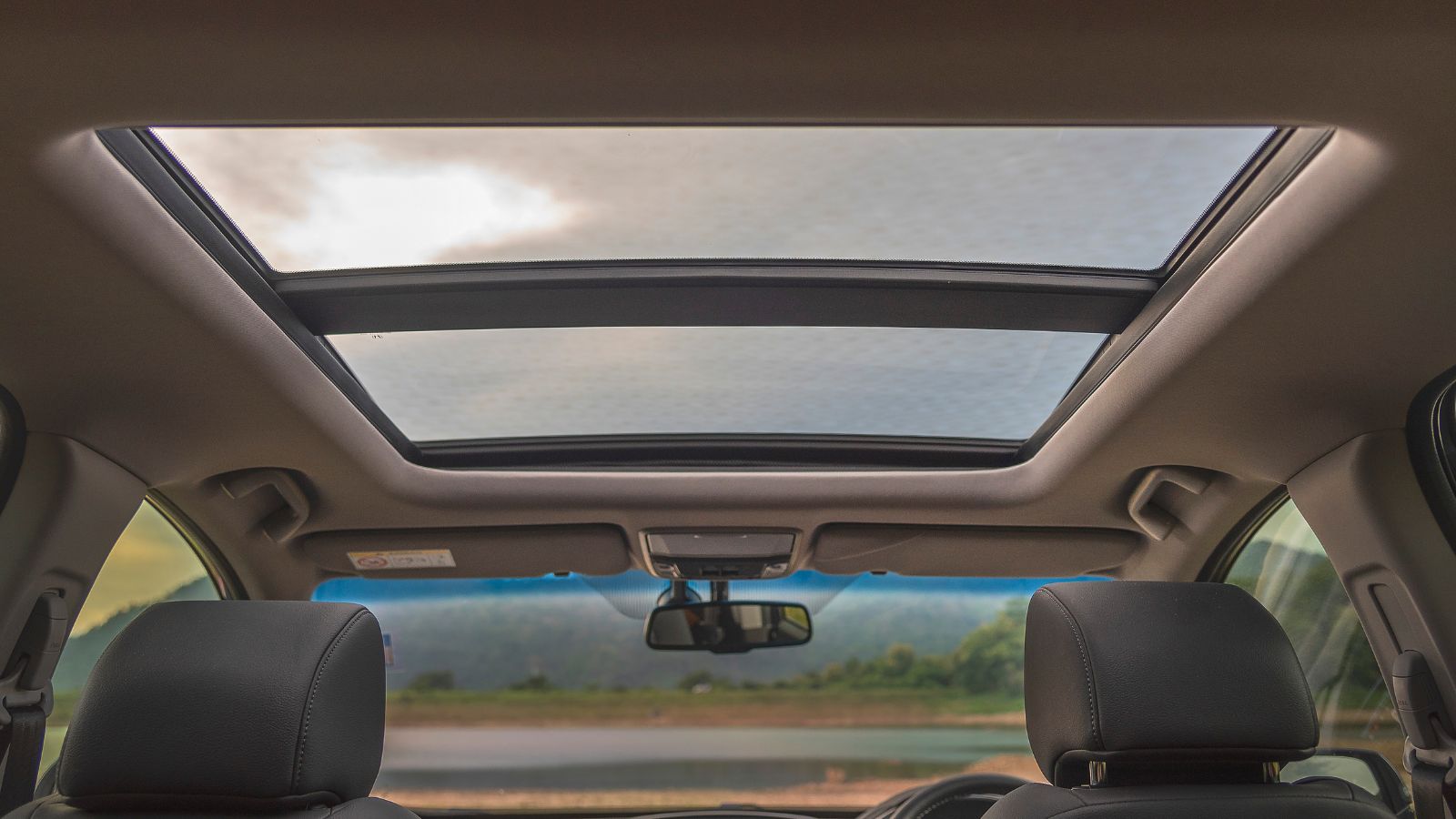
Glass itself has mass, and an opening panoramic roof needs more than glass. Depending on the design, there may also be a structural frame, tracks, motors, a wind deflector and a powered shade. Edmunds notes that full panoramic systems can add significant weight compared with a simpler roof, although the actual difference varies considerably among vehicles and fixed glass panels can be much simpler than sliding units.
Where that mass is located also matters. Basic vehicle dynamics dictate that adding weight high in a body raises its centre of gravity relative to placing the same weight lower down. Car and Driver has specifically used panoramic roofs as an example when explaining centre-of-gravity height. Most everyday SUV drivers will never notice the difference, and manufacturers engineer suspension and body structures around the equipment installed at the factory. Still, drivers who value minimal weight, maximum efficiency or sharper handling may see little reason to carry extra roof hardware. In that context, the solid roof is not old-fashioned; it is simply the lighter, less complicated choice.
Taller Occupants May Give Up More Headroom Than Expected
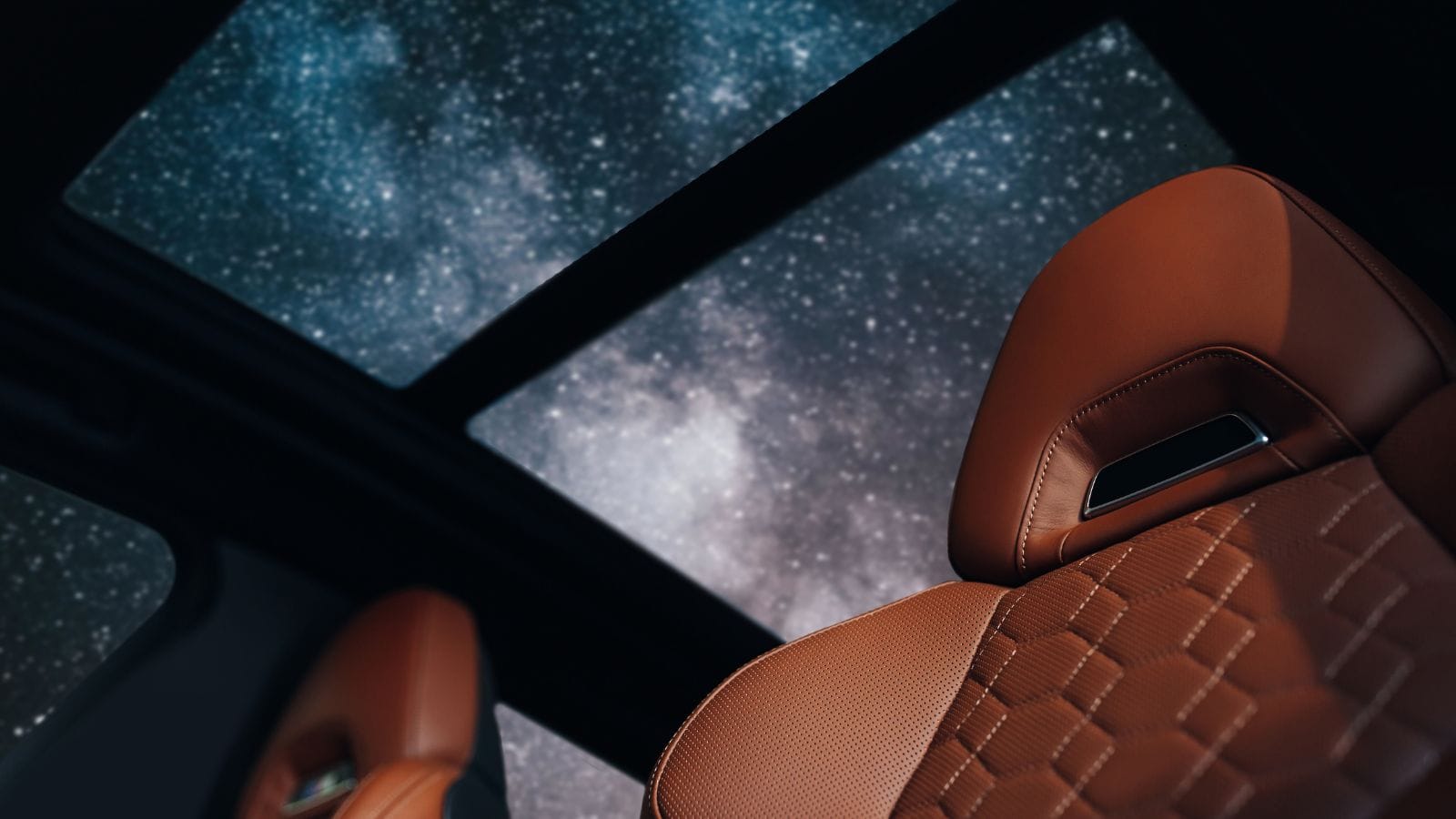
Panoramic glass creates the visual impression of a larger cabin, yet an opening roof can sometimes reduce the actual space available for heads. Tracks, a cassette, motors, shades and structural components all have to fit somewhere. The exact effect depends heavily on the engineering approach: some externally sliding systems are specifically designed to preserve interior space, while others require more equipment underneath the outer roofline.
Edmunds has documented measurable headroom differences between solid-roof and panoramic-roof versions of several SUVs. In its examples, some models lose around an inch, while others lose closer to two inches in particular seating rows. That may sound trivial until a tall driver adds a winter toque, or an adult passenger spends several hours in the second row. It is also why comparing specification sheets matters when two versions of the same model are available. A glass roof can make a cabin appear more spacious while simultaneously bringing the headliner closer to the occupants—an odd trade-off some Canadian families decide is unnecessary.
Dark Tint Does Not Make the Roof Equivalent to Metal
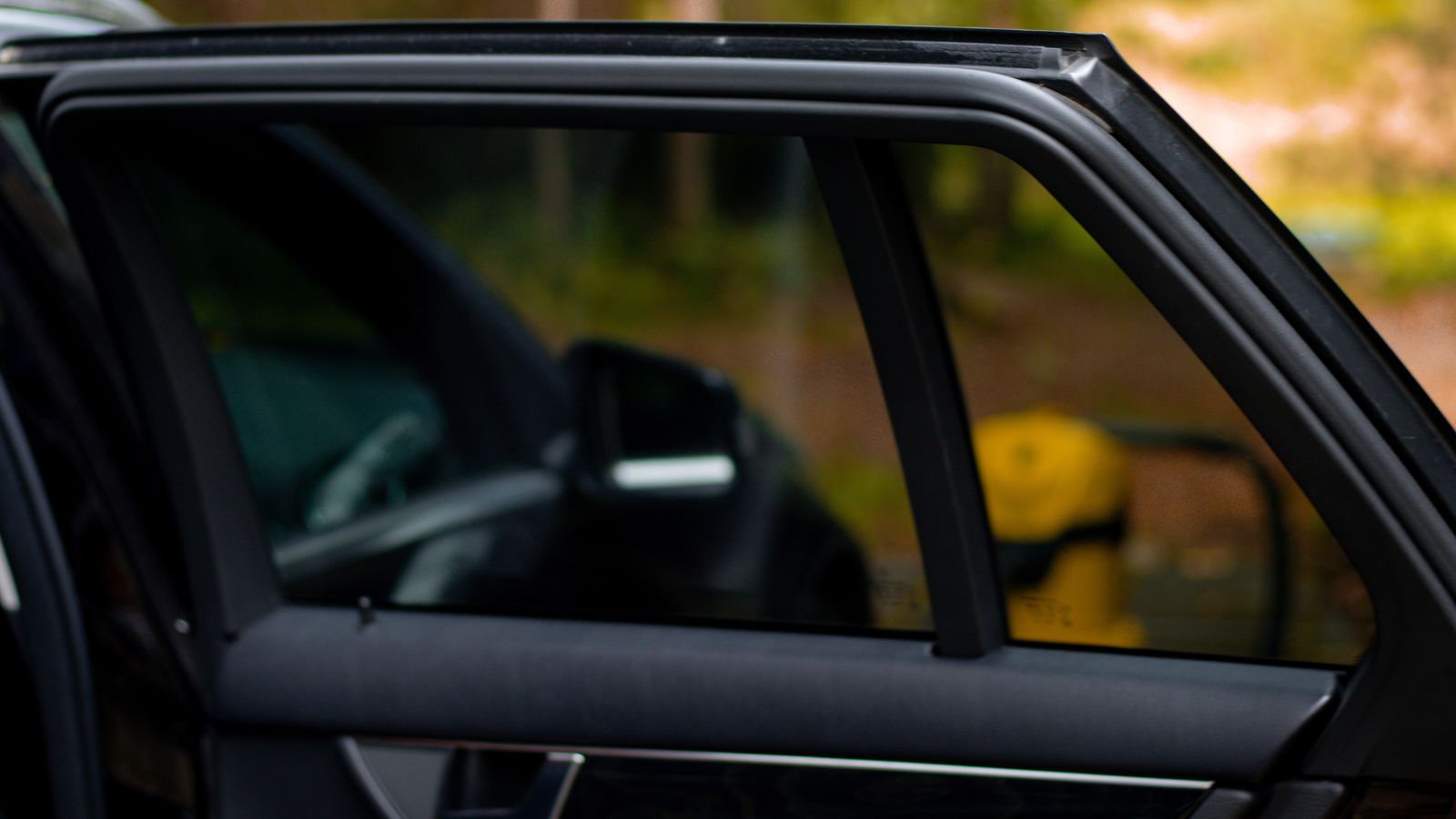
A roof that looks nearly black from outside can still admit light and radiant energy. Automotive glass can incorporate impressive ultraviolet and infrared protection, but performance varies by product. Consumer Reports has noted that sunroof glass often blocks a large majority of ultraviolet radiation, while also warning that the degree of UV protection differs among automotive windows and vehicles.
The distinction matters because tint, UV rejection and heat rejection are not identical characteristics. A dark-looking pane may reduce visible brightness without rejecting infrared energy as effectively as a more advanced coated product. Conversely, modern low-emissivity or solar-control glass can perform far better than appearance alone suggests. This makes shopping surprisingly technical: buyers may need to ask about UV transmission, infrared rejection, Low-E coatings and whether an opaque shade is included. Some people enjoy that technology. Others see a solid roof as the easiest form of solar control available—no specification sheet required, no powered shade to close and no sunlight striking the top of the cabin.
Rattles and Wind Noise Add Another Long-Term Variable

A fixed metal roof has relatively few moving parts. An opening panoramic roof may include multiple glass panels, rails, grommets, seals, guides and a motorized shade. Each component is engineered to remain quiet, but manufacturing tolerances and years of body movement can create opportunities for squeaks, rattles or wind noise that would not exist with a simpler roof assembly.
This is not merely an internet-owner complaint. Manufacturer technical service information provides documented examples. Mazda, for instance, issued a service bulletin addressing rattle noise from the panoramic sunroof on certain CX-90 vehicles, attributing the noise to small gaps and interference within the roof assembly. Hyundai has also published service information concerning excessive wind noise from panoramic roofs when glass-to-body clearances fall outside specification. Such bulletins do not mean panoramic roofs are broadly unreliable; technical bulletins exist for countless vehicle components. They do show, however, that a complicated roof can introduce additional noise paths. For drivers who keep vehicles for a decade or longer, fewer potential sources of rattling can be appealing.
Drainage Systems Can Turn a Small Blockage Into a Wet Interior

Opening sunroofs are not intended to create a perfectly watertight seal at every edge. Many systems are designed to manage small amounts of incoming water through channels and drain hoses that route it safely outside the vehicle. That system works quietly in the background—until a drain becomes blocked, disconnected or otherwise unable to move water where it belongs.
Manufacturers have issued technical guidance addressing exactly this problem. Recent Genesis service information, for example, describes water leakage associated with clogged sunroof drain-hose components on certain GV70 and GV80 vehicles. Older technical bulletins from BMW, Volkswagen and other manufacturers have similarly dealt with panoramic-roof drainage or sealing issues. Again, this does not establish that every sunroof will leak. Plenty operate for years without trouble. The ownership equation is simply different: leaves, dust and debris have another drainage network to encounter. Canadians who park outside under trees, keep vehicles well beyond warranty, or want the lowest-maintenance configuration may reasonably view that system as one more thing they would rather not maintain.
Snow and Ice Make an Opening Roof Another Winter Chore
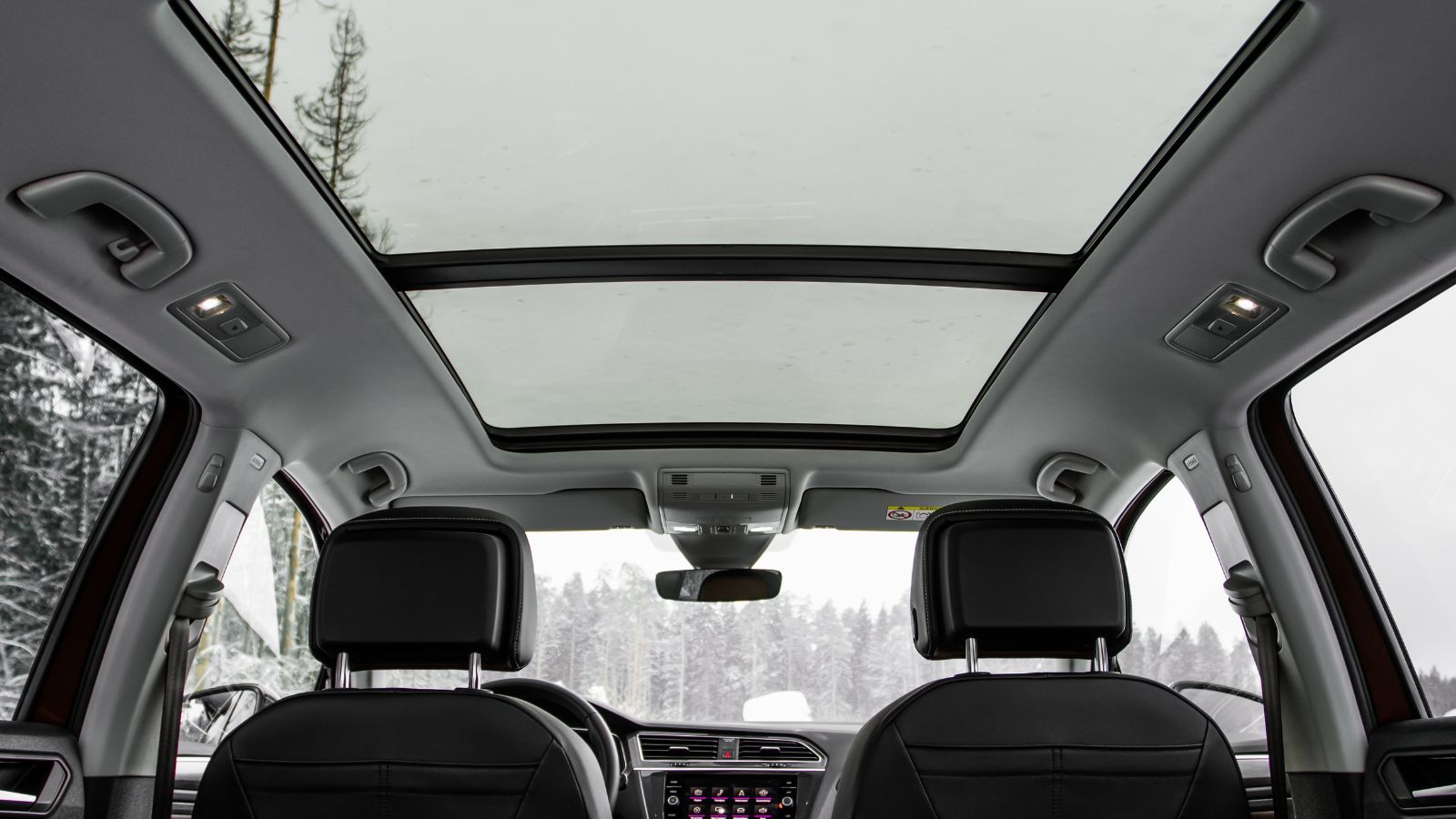
An opening panoramic roof can become temporarily unusable precisely when Canadian weather is at its worst. Owner manuals commonly warn against operating sunroofs when the glass is frozen in place or covered by snow and ice. Kia, for example, warns that forcing the system in freezing conditions can damage the glass or motor and advises owners to keep accumulated dirt away from the roof rails.
That creates another small seasonal routine. Snow should be cleared without scratching the glass, ice should not be defeated by repeatedly pressing the roof switch, and a frozen mechanism needs time to thaw. Transport Canada also cautions that scratches in sunroof glass can develop into cracks and potentially contribute to later breakage. None of those jobs is especially difficult, but Canadian ownership is already full of winter maintenance: tires, washer fluid, battery health, frozen door seals and snow removal. A buyer who rarely opens a sunroof may eventually ask why another weather-sensitive mechanism is being carried through every January. For that driver, a conventional roof can feel refreshingly uneventful.
19 Used Cars Canadians Should Avoid in 2026 (Based on Owner Complaints)

Buying a used car in Canada can feel safe until repair bills start stacking up. Owner complaints tell a different story than glossy listings. Transmission failures, electrical problems, and weak winter reliability show up again and again in consumer reports. Many of these issues appear after warranties expire, when owners least expect them. Some vehicles look affordable upfront, but become expensive to keep on the road. Others struggle in cold weather, urban driving, or long highway commutes. Here are 19 used cars Canadians should avoid in 2026 (based on owner complaints).
19 Used Cars Canadians Should Avoid in 2026 (Based on Owner Complaints)

Alanna Rosen is an experienced content writer that focuses on many EV and educational content. Her articles are regularly published on Get CyberTrucked and syndicated on large publications.