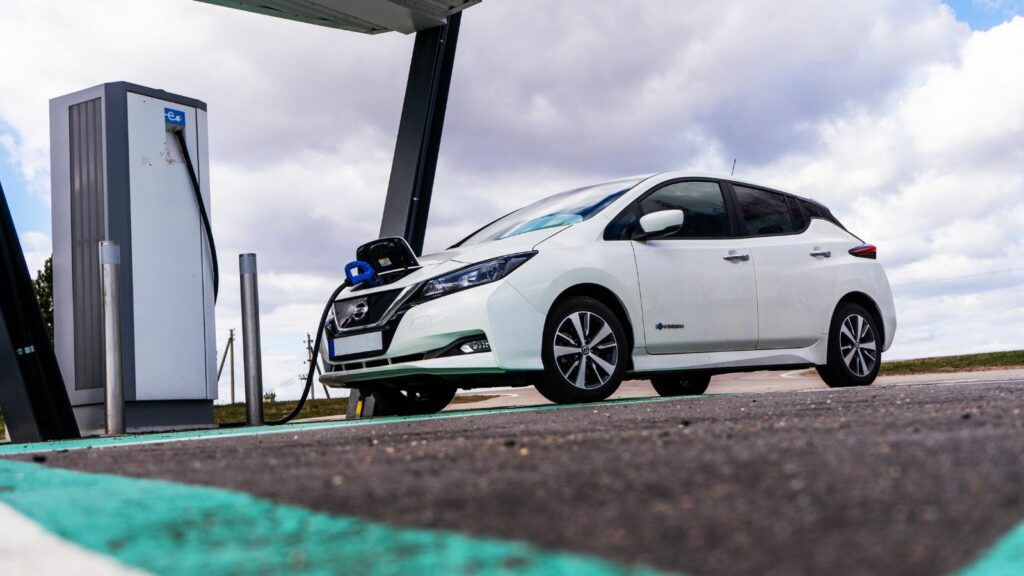
Electric vehicles have not disappeared from Canadian shopping lists, but the rush toward fully electric models has become more complicated. After several years of weakening consideration, interest improved again in 2026 as incentives returned and fuel costs put efficiency back in focus. Yet a large portion of shoppers remains unconvinced, particularly when a battery-electric vehicle must handle winter temperatures, long highway trips, apartment living and a tight household budget.
The hesitation is less about one fatal flaw than a collection of practical trade-offs. These 12 factors help explain why some Canadians are cooling on full electric vehicles, even as national EV sales begin recovering and thousands of current owners remain enthusiastic about driving electric.
The EV Market Has Recovered, but Many Shoppers Still Are Not Convinced
Canadian EV interest has taken a winding path. J.D. Power found that the share of new-vehicle shoppers likely to consider an EV dropped from 47% in 2022 to 34% in 2023 and eventually to 28% in 2025. The picture improved in 2026, when consideration climbed back to 34%. That recovery matters, but so does another number: 47% of Canadian shoppers in the 2026 study said they were very unlikely to consider an EV. The market is therefore showing signs of revival without becoming universally attractive.
Actual registrations are recovering as well. Statistics Canada reported battery-electric registrations were up 37.4% year over year in the second quarter of 2026. Combined battery-electric and plug-in hybrid vehicles represented 10.7% of new registrations. Those numbers make it difficult to describe Canada’s EV market as collapsing. Instead, the more accurate picture is polarization. Enthusiastic buyers are still buying, while another large group remains reluctant to make a full transition away from gasoline.
The Upfront Price Gap Has Not Completely Disappeared
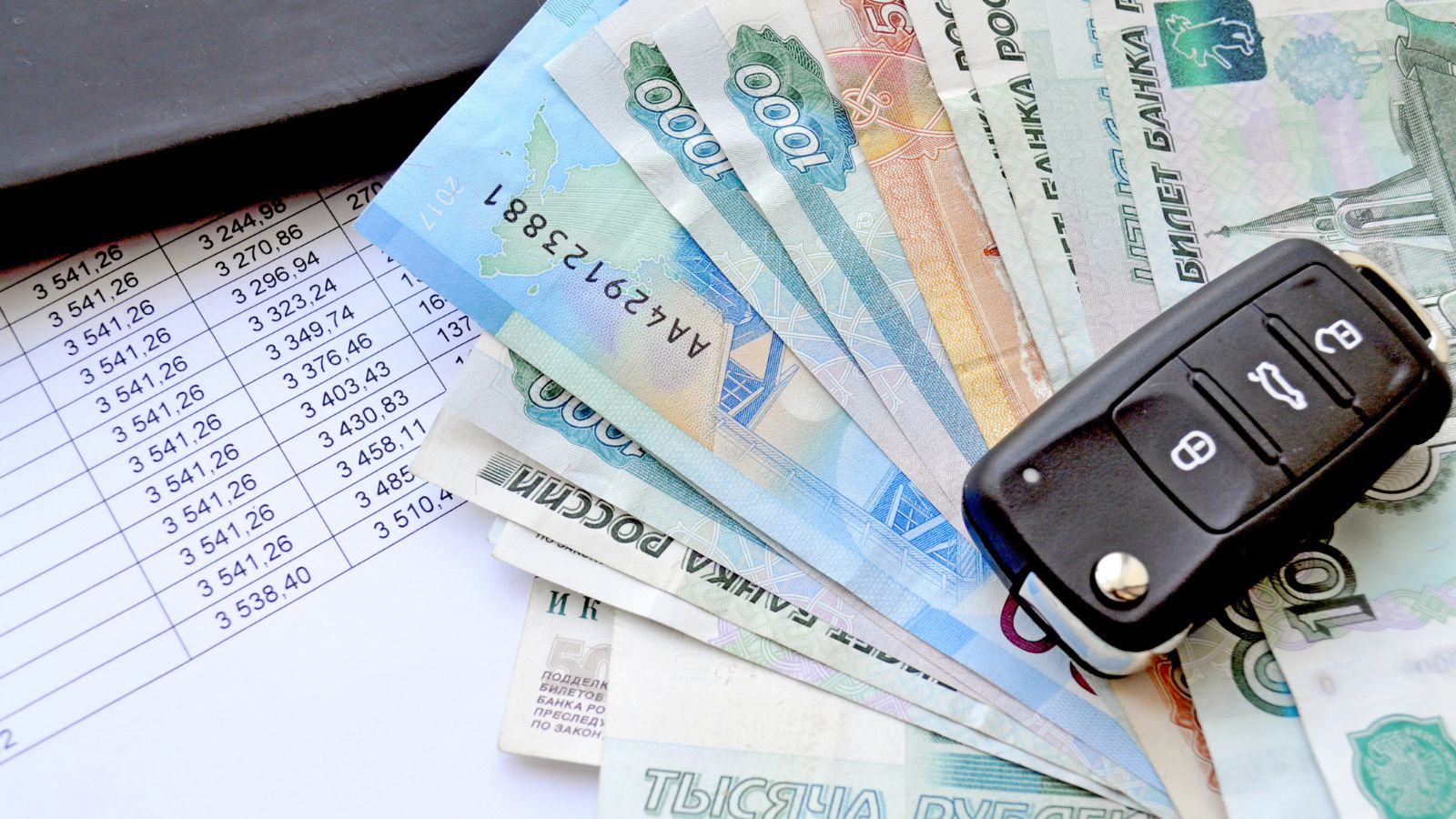
EV prices have been moving in the right direction, but affordability remains difficult for households comparing monthly payments rather than lifetime operating costs. Canadian Black Book estimated that by the end of the 2025 model year, the average price gap between electric and gasoline models had narrowed substantially from earlier in the decade. Even so, EVs still carried an average premium of roughly 23%, or about $17,800, before government incentives were considered.
That can overwhelm promises of cheaper electricity and reduced maintenance when a family is sitting across from a salesperson discussing financing. Ottawa’s Electric Vehicle Affordability Program helps by providing up to $5,000 toward qualifying battery-electric models in 2026. However, most vehicles built outside Canada must have a final transaction value of $50,000 or less to qualify, along with other eligibility requirements. A household that wants a larger SUV, more range, all-wheel drive or a higher equipment level can therefore find that the affordable EV advertised online quickly becomes substantially more expensive once the desired configuration is selected.
Changing Rebate Programs Have Made Buyers More Cautious

Government incentives have repeatedly influenced Canadian EV demand, sometimes dramatically. The previous federal iZEV program was paused in January 2025 after its available funding was exhausted and officially ended on March 31 of that year. A new federal program eventually arrived in 2026, once again offering as much as $5,000 for qualifying battery-electric vehicles. For shoppers who watched rebates disappear and then return, the experience showed just how much the economics of an EV purchase can change with government policy.
Quebec provides another example. Its maximum rebate for a new fully electric vehicle was $7,000 in 2024, then dropped to $4,000 in 2025 and $2,000 in 2026. The current schedule has vehicle-purchase assistance ending after 2026. Those changes do not necessarily make EVs poor purchases, but they complicate timing. Someone comparing vehicles may wonder whether today’s deal will look expensive after the next incentive announcement—or whether waiting could mean losing assistance altogether. That uncertainty can encourage hesitation instead of an immediate purchase.
Public Charging Has Grown Faster Than Consumer Confidence
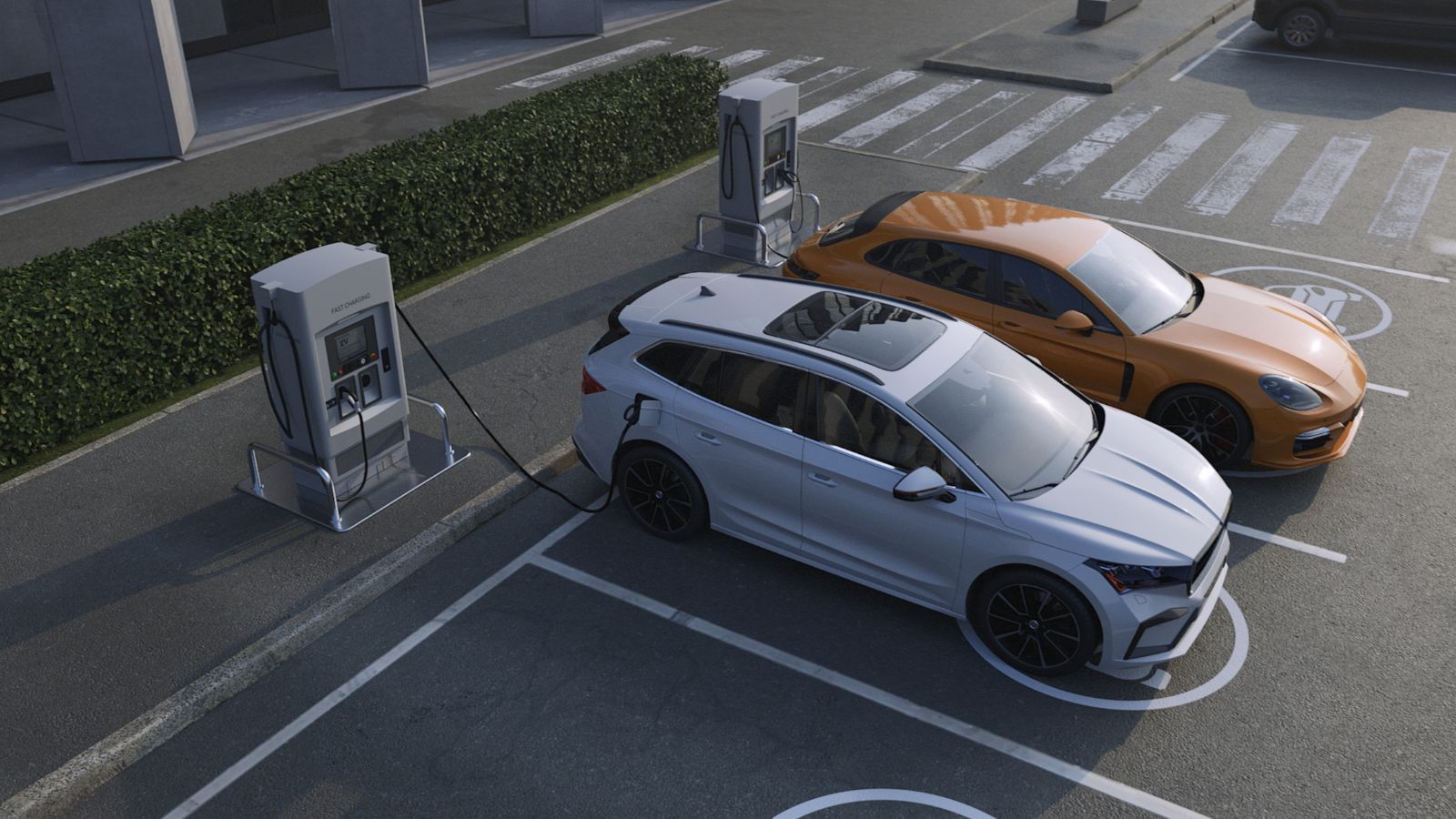
Canada has built thousands of additional chargers. Transport Canada’s EV dashboard counted 39,220 public light-duty charging ports by March 2026, including 8,479 Level 3 fast-charging ports. That is a major expansion from only a few years earlier. On a national map, the network increasingly looks substantial. On an actual journey, however, a driver needs the correct charger in the correct location, operating properly and available at precisely the time it is needed.
That distinction explains why infrastructure remains a concern despite rapid construction. J.D. Power found that 56% of reluctant EV shoppers in 2026 cited insufficient charging-station availability. Earlier CAA research involving more than 16,000 Canadian EV drivers similarly identified reliable and convenient public charging as owners’ biggest problem. Only 31% reported being completely satisfied with the availability of public DC fast chargers. For a commuter who can charge every night in a driveway, that may rarely matter. For someone routinely dependent on public infrastructure, it can fundamentally change the ownership experience.
Canadian Winters Make the Range Number Feel Less Certain
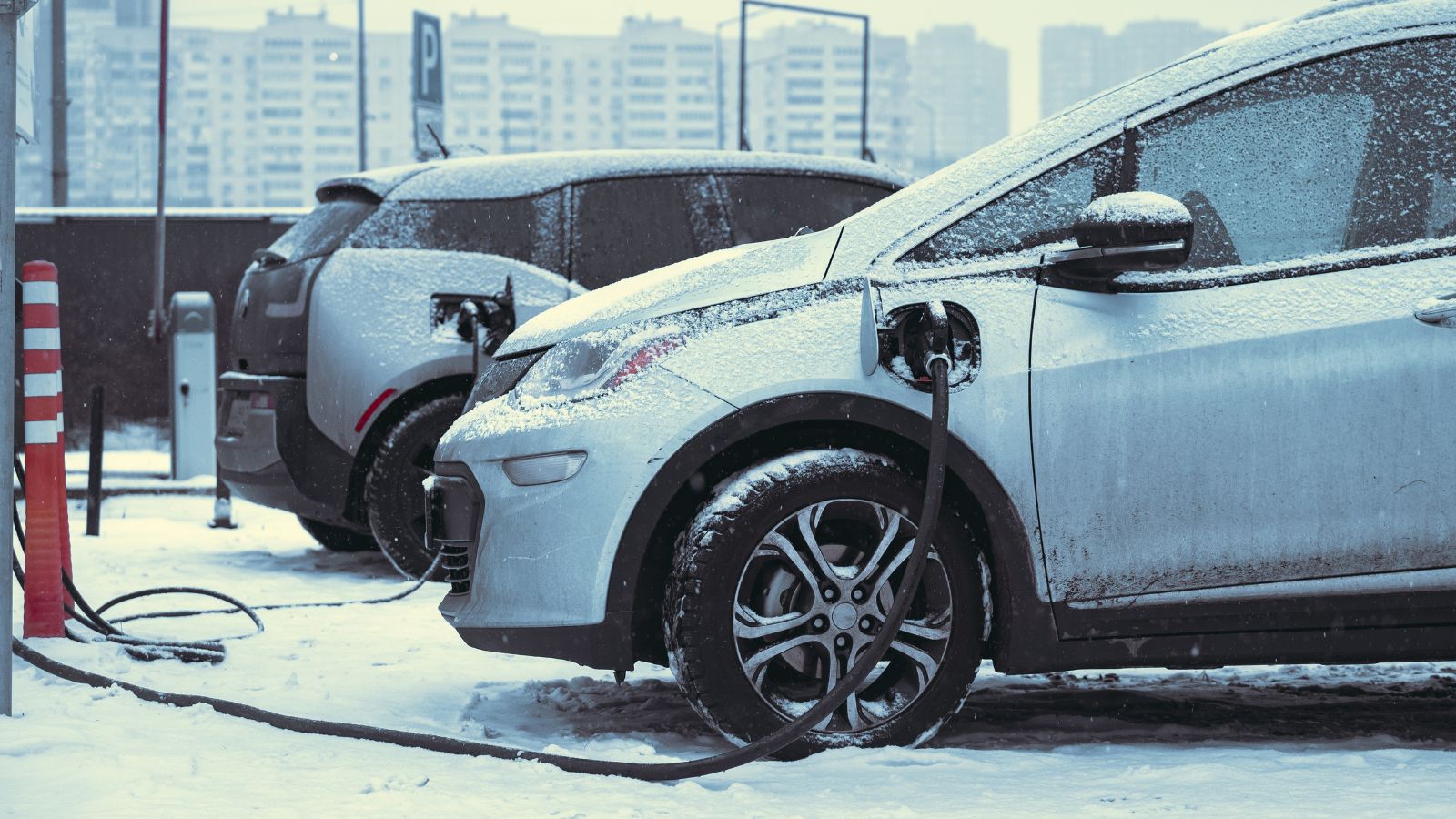
Few concerns are as uniquely Canadian as what happens to an EV battery when the temperature drops well below freezing. CAA put 13 battery-electric models through a real-world winter range test in temperatures between roughly -7 C and -15 C. Compared with their official Natural Resources Canada range figures, the tested vehicles travelled between 14% and 39% less distance. Performance varied considerably by model, but none matched its official range under the conditions of the test.
That gap matters because buyers generally shop using the large range figure printed in specifications and advertisements. A vehicle promising more than 400 kilometres may still be entirely adequate after a winter reduction, especially for everyday commuting. Longer trips create a different calculation. More than two-thirds of Canadians polled by CAA identified winter range loss as a barrier to buying an EV, while 67% of existing EV drivers said reduced range in extreme cold had caused at least some difficulty. For people regularly facing prairie cold snaps or long rural drives, the concern is based on a real change in performance rather than imagination alone.
EV Ownership Is Much Easier With a Private Driveway
One of the strongest advantages of an EV is the ability to start each morning with a charged battery. CAA research indicates that more than 80% of EV charging occurs at home. For homeowners with a garage and adequate electrical service, plugging in can actually be more convenient than stopping at a gasoline station. The calculation changes considerably for a renter, downtown resident or condominium owner whose parking space has no electrical connection.
Natural Resources Canada has estimated that at least one-third of Canadians live in multi-unit buildings or homes without straightforward garage or driveway access. Installing chargers in apartment or condominium parking areas can involve electrical-capacity upgrades, strata or condo-board approval, shared costs, billing systems and negotiations with landlords or property managers. Earlier federal research also found EV ownership was disproportionately concentrated among people living in single-family homes. Until residential charging becomes routine across more types of housing, some Canadians effectively face a different EV proposition: inexpensive overnight charging for one household, but regular reliance on public chargers for another.
Long Road Trips Still Require More Planning Than Many Drivers Want
Everyday driving generally fits comfortably inside the range of a modern EV. CAA found that most EV owners’ trips remain relatively close to home, and many current models can travel several hundred kilometres in normal conditions. The psychological challenge emerges when the vehicle must leave that familiar routine. A family travelling between cities needs to know not only where chargers are located, but whether they are functioning, compatible, available and fast enough to keep the trip moving.
CAA’s Canadian EV Driver Study found that a substantial share of battery-electric owners encountered difficulties finding public charging on longer journeys. The organization’s winter research also found that 53% of EV drivers preferred taking a gasoline vehicle on long trips in extremely cold weather. That does not mean an EV cannot make the journey. Thousands do so successfully. It means the driver’s role can change from simply choosing a highway exit to thinking about remaining range, charger speeds and backup locations. For Canadians accustomed to finding fuel almost anywhere within minutes, that extra planning remains enough to favour another powertrain.
Hybrids Are Giving Cautious Buyers an Easier Compromise
The strongest competitor to a full EV may not be a traditional gasoline vehicle anymore. It may be a hybrid. Statistics Canada reported that registrations of conventional hybrid-electric vehicles jumped 39.5% year over year in the second quarter of 2026, the largest increase among fuel types. Battery-electric registrations also grew strongly, but the hybrid surge illustrates how many consumers are pursuing electrification without eliminating the gasoline engine.
A late-2025 KPMG Canada study found a similar preference. Among Canadians who planned to make their next vehicle environmentally friendly, 33% chose a conventional hybrid, while 11% selected a plug-in hybrid and 11% a fully electric vehicle. The appeal is straightforward. A conventional hybrid can cut fuel consumption while still being filled in a few minutes at almost any service station. A plug-in hybrid can cover many daily trips on electricity while retaining gasoline for longer drives. For someone who likes electric driving but dislikes committing entirely to batteries and chargers, these models remove several concerns at once.
Fast Depreciation Has Made Resale Value Harder to Predict

A vehicle is usually one of a household’s largest depreciating assets, so uncertainty about future resale value can alter a purchase decision even when the monthly payment looks manageable. Canadian Black Book reported in its 2025 depreciation analysis that battery-electric vehicles experienced the sharpest value declines among major powertrain types, with four-year-old BEVs down 14% year over year. The organization linked the pressure to factors including changing demand, growing supply and rapid technological development.
Technology is particularly important. A gasoline vehicle introduced with slightly better fuel economy rarely makes the previous model suddenly feel outdated. EV improvements can be more noticeable: greater driving range, faster charging, different battery chemistry and lower new-vehicle pricing can all change how an older model is valued. New-vehicle incentives can also indirectly affect used prices by making a brand-new EV more competitive with a lightly used one. There are individual electric models that retain value well, but the broader volatility has made buyers who trade every few years more conscious of what today’s expensive EV might be worth later.
Collision Repairs Can Still Cost More

Electric cars eliminate many familiar maintenance items. There are no engine oil changes, spark plugs or conventional exhaust systems, and CAA’s owner research has found strong satisfaction with EV maintenance and operating costs. Collision repair is a separate issue. Modern EVs combine high-voltage components with extensive electronics, sensors and calibration requirements, and that can make accident repairs expensive even when the battery itself is undamaged.
Mitchell’s Canadian collision data for the second quarter of 2026 put average repairable claim severity for battery-electric vehicles at $6,645, compared with $5,411 for gasoline-powered vehicles. The $1,234 gap was actually the smallest Mitchell had recorded, showing that the difference is narrowing as the fleet matures and repair experience improves. Still, the average EV claim remained more expensive. That distinction is useful because it avoids the exaggerated claim that every minor collision produces an enormous battery bill. Most do not. Yet for buyers already nervous about insurance, parts availability and specialized repairs, even a shrinking cost premium can become another reason to stay with familiar technology.
An EV Fits Some Parts of Canada Much Better Than Others
Canada’s national EV statistics disguise enormous regional differences. Transport Canada’s data for the first quarter of 2026 put the light-duty EV market share at 20.8% in British Columbia and 19.7% in Quebec. Ontario stood at 8.4%, Alberta at 5.8% and Saskatchewan at 3.6%. Geography, incentives, charging infrastructure, electricity costs and driving patterns all contribute to those differences.
That helps explain why debates about EV practicality can produce completely different personal experiences. A resident of Greater Vancouver or Montreal may pass chargers constantly, drive relatively modest daily distances and see EVs throughout the neighbourhood. A driver in a sparsely populated part of Saskatchewan, northern Ontario or Atlantic Canada can have long distances between communities and fewer convenient fast-charging alternatives. CAA has specifically noted that dissatisfaction with public charging is more pronounced outside major urban centres. In a country stretching thousands of kilometres and containing everything from dense downtown neighbourhoods to remote highways, there is no single Canadian EV experience. Location can determine whether electrification feels effortless or inconvenient.
The Next Group of Buyers Is Harder to Win Over

One of the most revealing facts about Canada’s EV debate is that existing owners tend to be far more enthusiastic than the broader shopping public. CAA’s large study of Canadian EV drivers found that 87% expected their next vehicle to be another EV. More than 90% said their energy costs were better than with their previous gasoline vehicle, while 79% rated maintenance costs favourably. Those numbers hardly resemble a mass revolt among people who already live with electric vehicles.
The bigger challenge lies with the next wave of potential customers. Early adopters are typically more willing to change routines, experiment with new technology and work around infrastructure gaps. Mainstream buyers often demand something simpler: comparable pricing, predictable winter range, easy charging, strong resale value and the freedom to drive anywhere without thinking much about energy. J.D. Power’s 2026 results capture that divide particularly well—EV consideration improved, yet nearly half of Canadian shoppers remained firmly resistant. Full electrification is therefore not losing everyone. It is encountering a tougher audience that expects fewer compromises before making the switch.
19 Used Cars Canadians Should Avoid in 2026 (Based on Owner Complaints)

Buying a used car in Canada can feel safe until repair bills start stacking up. Owner complaints tell a different story than glossy listings. Transmission failures, electrical problems, and weak winter reliability show up again and again in consumer reports. Many of these issues appear after warranties expire, when owners least expect them. Some vehicles look affordable upfront, but become expensive to keep on the road. Others struggle in cold weather, urban driving, or long highway commutes. Here are 19 used cars Canadians should avoid in 2026 (based on owner complaints).
19 Used Cars Canadians Should Avoid in 2026 (Based on Owner Complaints)

Alanna Rosen is an experienced content writer that focuses on many EV and educational content. Her articles are regularly published on Get CyberTrucked and syndicated on large publications.