Plug-in hybrids once looked like the ideal Canadian compromise: electric commuting for ordinary weekdays, gasoline backup for winter, highways, and remote trips. That promise still works exceptionally well for households with predictable driving and reliable home charging. Yet the market is sending a more complicated signal. In 2025, Canadian registrations of plug-in hybrids fell while conventional hybrids posted strong growth, even as newer PHEVs gained longer electric ranges and fresh federal incentives returned.
The frustration is less about one defective technology than a widening gap between expectations and everyday use. These 12 pressure points explain why some Canadians are becoming less patient with plug-in hybrids, from cold-weather range and charging access to purchase premiums, highway efficiency, reliability, and questions about real-world emissions.
Cold Weather Shrinks the Best Part of the Deal
A plug-in hybrid’s appeal often begins with a neat calculation: the advertised electric range covers the commute, so gasoline becomes an occasional expense. Canadian winter can undo that arithmetic. CAA’s cold-weather testing of battery-electric vehicles found range losses of 14% to 39% in temperatures between -7 C and -15 C. A PHEV has a gasoline engine to prevent stranding, but its battery still faces the same heating demands, colder chemistry, winter tires, and slushy roads.
That changes the ownership experience rather than merely the dashboard estimate. A household expecting an 80-kilometre electric commute may find the engine joining in before arriving home, especially when cabin heat and defrosting are needed. The trip still happens without charging anxiety, which is the PHEV advantage. Yet every unexpected engine start reduces the fuel savings that justified the higher purchase price, making winter feel like a recurring reminder that the headline range was conditional.
The Gas Engine Does Not Always Stay Quiet
Many shoppers interpret “EV mode” as a promise that the gasoline engine will remain off until the battery is depleted. PHEV control systems are more conditional. Owner information for models explains that the engine may start to provide cabin heating, clear the windshield, protect the hybrid system, lubricate components, or deliver extra power. Hyundai, for example, displays messages when a plug-in model switches to hybrid operation for heating or lubrication.
The behaviour is sensible, but it can feel like the vehicle is overruling its owner. Consider a short January school run begun with a full charge: the driver selects electric mode, presses the defroster, and hears the engine start before leaving the neighbourhood. Fuel use may remain modest, yet the emotional promise of silent, emissions-free local travel has already been broken. Canadian conditions make these interventions more frequent and noticeable, turning an engineering safeguard into a recurring source of irritation.
Savings Depend on Plugging In Almost Every Day

A PHEV saves the most fuel when its battery is charged often and its range matches routine travel. Research from the International Energy Agency and the International Council on Clean Transportation shows that real-world fuel use varies widely with charging behaviour. When owners plug in irregularly, the gap between official ratings and actual consumption grows. The technology does not fail; the household routine fails to unlock it.
That routine can become tiring. Arriving home means parking within cable reach, opening the charge door, connecting the cord, and remembering to repeat the process tomorrow. Missing several charges turns a costly PHEV into a heavier conventional hybrid carrying unused battery capacity. A buyer who expected effortless savings may eventually prefer a regular hybrid that manages itself. Plug-in ownership rewards consistency, but some Canadians discover that a vehicle marketed as flexible quietly still adds in practice another small obligation to everyday Canadian life.
Home Charging Is Still a Housing Privilege
More than 80% of Canadian EV charging happens at home, according to Natural Resources Canada, making an outlet central to the PHEV bargain. That arrangement is straightforward in a detached house with a driveway. It is less certain for renters, condominium owners, street parkers, and residents of apartment buildings. Federal guidance notes that many people in multifamily housing cannot install charging without building upgrades, approvals, cost sharing, or cooperation from property management.
The result is a technology that can feel convenient for one household and awkward for another living across the street. A renter may buy a PHEV expecting to charge at work, only to lose access after changing jobs or office policies. Public charging can fill the gap, but it removes the effortless overnight routine that makes short electric range useful. Without home charging, the owner may burn more gasoline while paying for the battery, cable, and plug-in hardware.
Public Chargers Often Feel Like the Wrong Tool
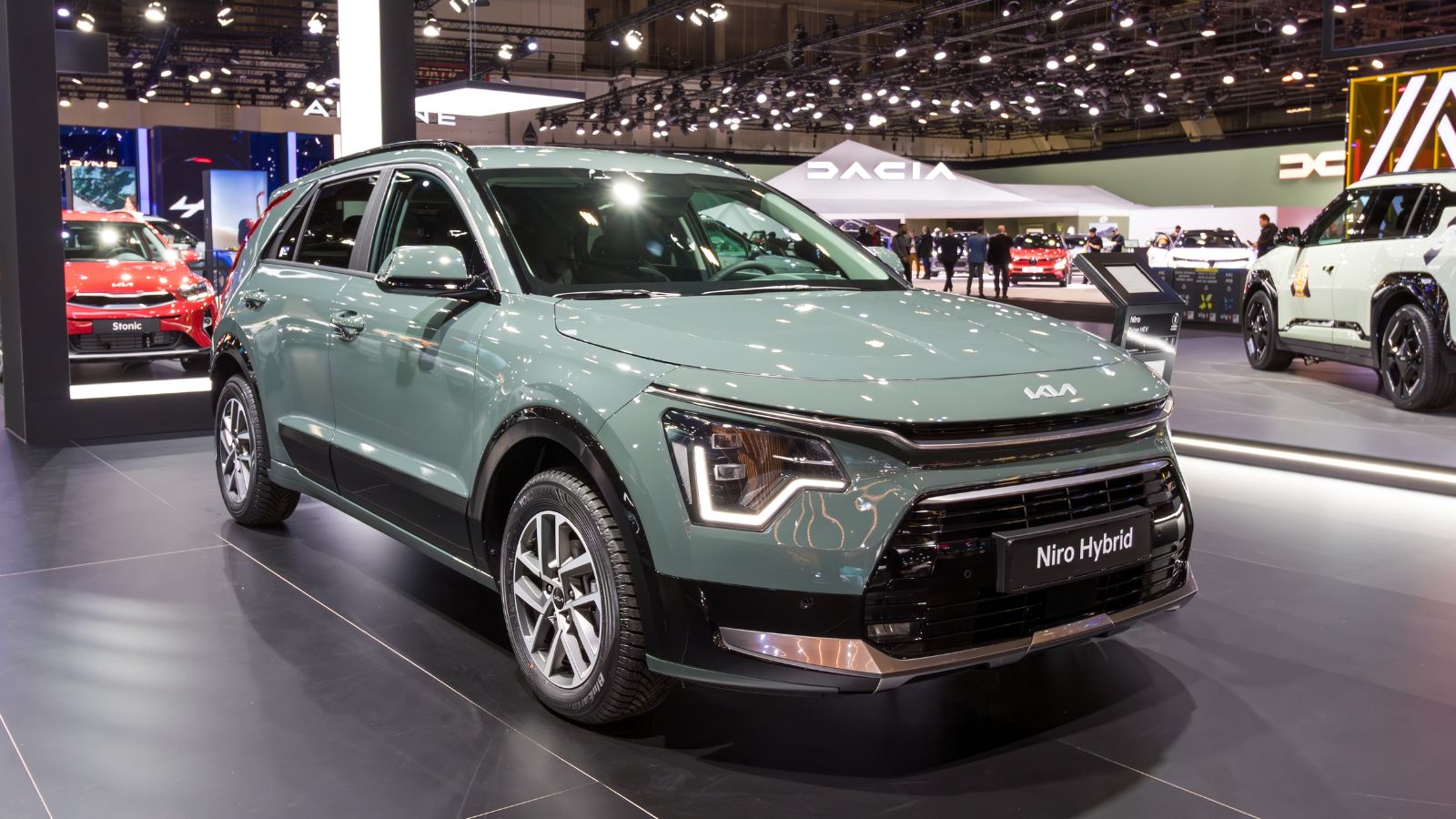
Public charging networks are expanding across Canada, but most were designed around battery-electric vehicles that need energy to continue a trip. Many PHEVs rely mainly on Level 1 or Level 2 charging and cannot accept DC fast charging. The exception list is growing, yet capability remains model-specific. A driver may therefore occupy a public charger for a modest amount of electric range while a battery-electric owner waits for the plug.
That can create social friction. CAA data show PHEV drivers obtain a larger share of their electric kilometres from public Level 2 charging than battery-electric drivers. At a grocery store, arena, or downtown garage, the PHEV owner may spend hours adding enough energy for one short commute. The electricity can still be worthwhile, but the time-to-range equation feels weak beside either filling a gasoline tank quickly or fast-charging an EV. Useful infrastructure growth alone does not guarantee a satisfying match.
Charging Time Can Feel Out of Proportion
A small battery does not always mean a quick refill. Charging speed depends on the vehicle’s hardware, power source, temperature, and battery management. Mitsubishi lists about 6.5 hours on a 240-volt charger for the 2026 Outlander PHEV and roughly 16.5 hours from a household outlet. That produces up to 72 kilometres of rated electric range. For households, overnight charging is perfectly adequate; for others, the turnaround feels surprisingly slow.
The frustration appears on busy schedules. A parent returns from a morning commute, plugs in for two hours, then leaves for evening activities with part of the range restored. The gasoline engine handles the rest, but the owner may wonder why the charging ritual delivered so little distance. Faster PHEVs are arriving, including models with DC capability, yet shoppers must read specifications. “Plug-in” describes the connection, not the speed, and two similar-looking vehicles can provide very different charging experiences.
The Purchase Premium Is Harder to Rationalize
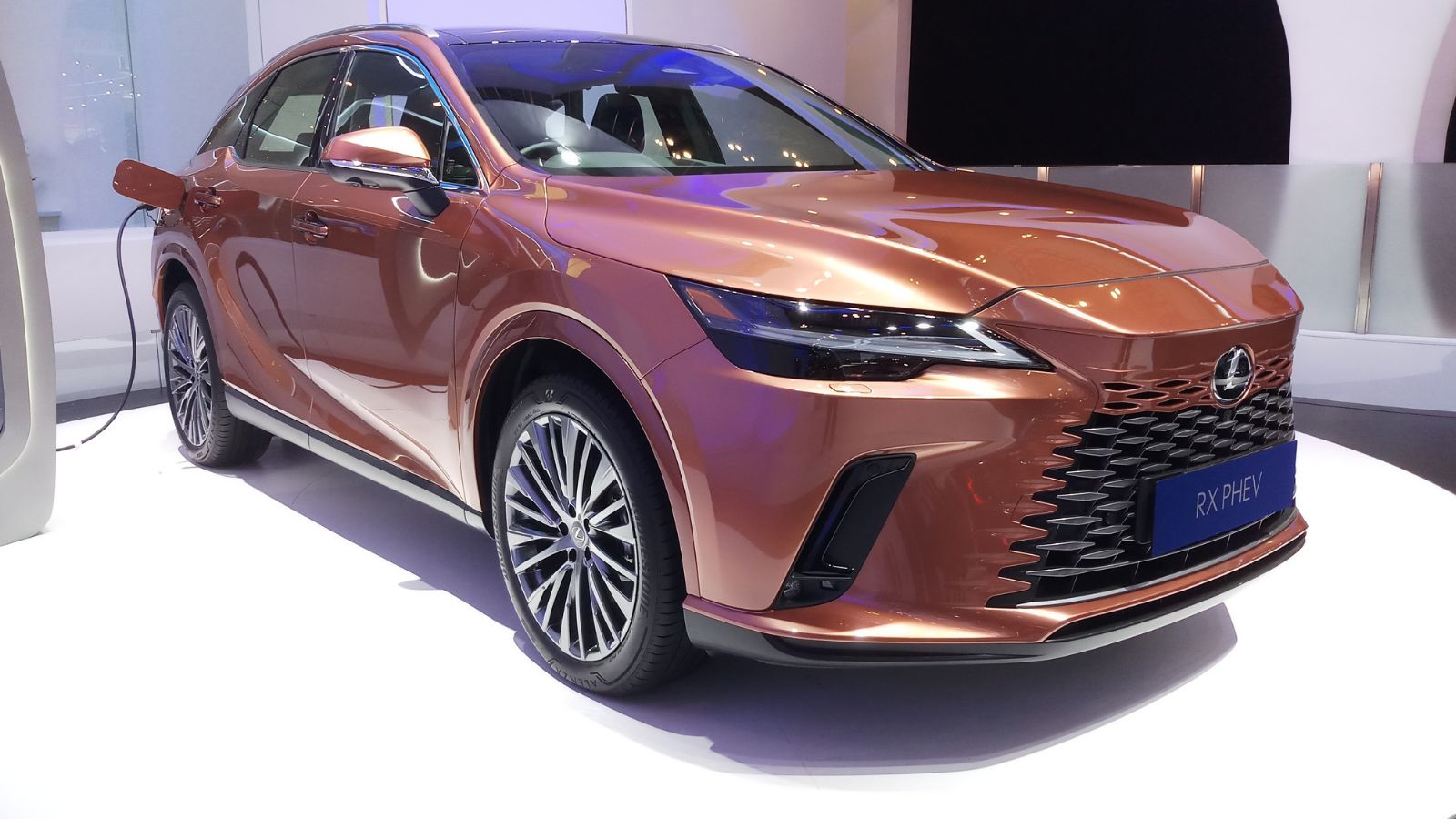
Plug-in hybrids cost more than comparable conventional hybrids because they add a larger battery, charging hardware, and electric components. Toyota’s 2026 Canadian pricing illustrates the calculation: the RAV4 hybrid starts at $37,500, while the RAV4 Plug-in Hybrid starts at $48,750. The federal Electric Vehicle Affordability Program can provide up to $2,500 for a PHEV, but that leaves a gap before taxes and financing.
Recovering that premium requires enough electric driving and a favourable difference between electricity and gasoline costs. A household with a short commute, home charging, and years of ownership may make the numbers work. A driver covering long highway distances or charging inconsistently may not. The comparison becomes sharper when ordinary hybrids deliver strong fuel economy without a cord, while eligible battery-electric vehicles can receive up to $5,000 federally. Flexibility still remains valuable, but buyers increasingly ask how much that flexibility is actually worth.
Long Highway Trips Reveal the Gasoline Reality
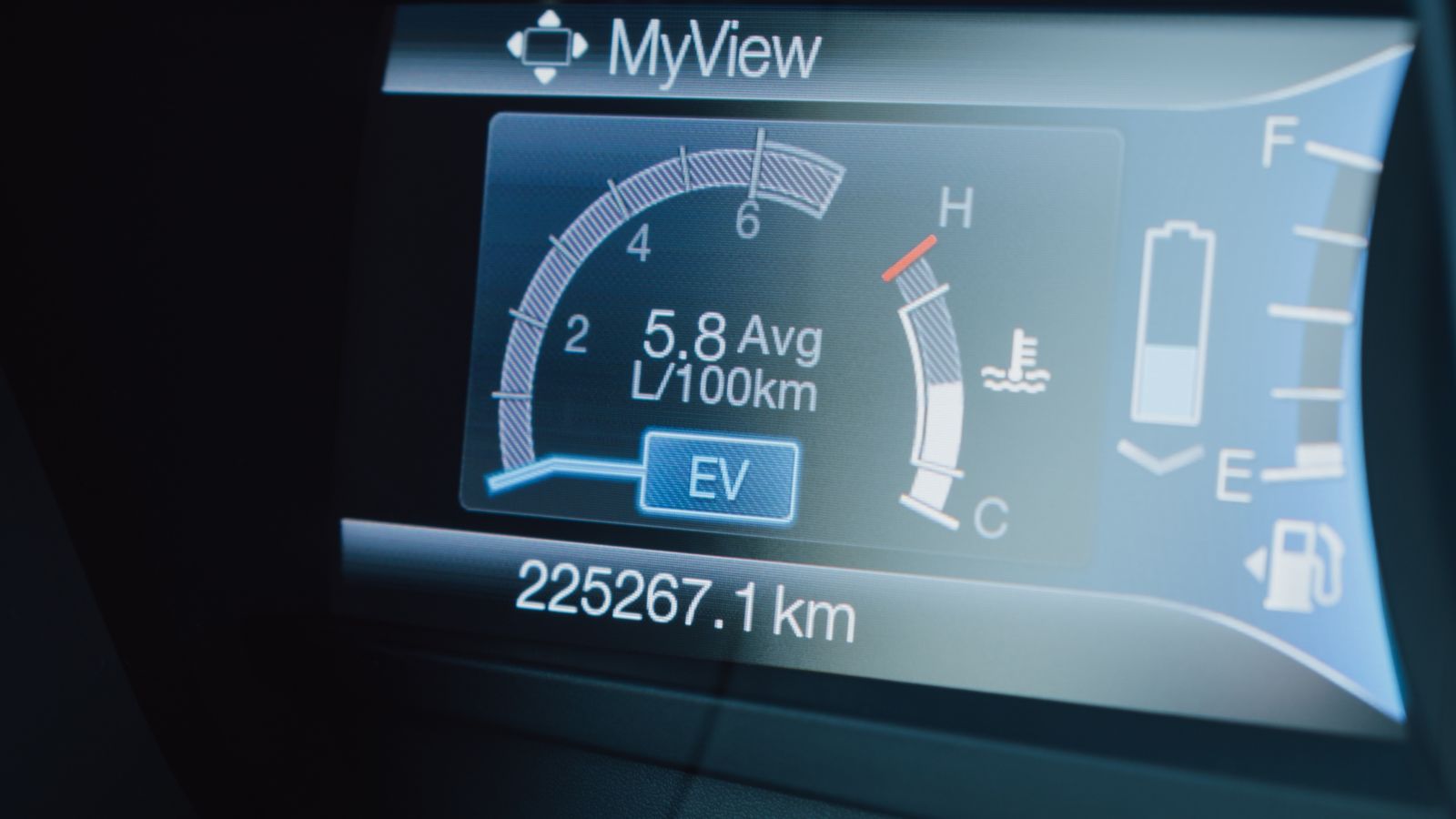
PHEVs are most impressive when daily travel fits inside the battery range. Once that energy is depleted, the vehicle operates as a hybrid while carrying a battery and hardware. Natural Resources Canada gives plug-in models separate ratings for blended electric-and-gasoline operation and for gasoline operation. The distinction matters on Canadian road trips, where hundreds of kilometres may pass between chargers.
The 2026 Mitsubishi Outlander PHEV provides an example. Its combined electric-equivalent rating is 3.2 Le/100 km, but its gasoline-only rating is 8.6 L/100 km. Neither figure is deceptive; they answer different questions. A family leaving Toronto with a full battery may enjoy an efficient first hour, then spend most of a trip to northern Ontario burning fuel at the second rate. The gasoline backup removes range anxiety, yet frequent long-distance drivers can discover that the headline efficiency describes only a small portion of their annual kilometres.
Extra Hardware Can Steal Space and Add Weight

Packaging two energy systems into one vehicle requires compromises. A PHEV needs a traction battery, fuel tank, gasoline engine, electric motors, power electronics, cooling equipment, and charging components. The hardware still occupies volume and adds mass. Toyota lists 951 litres of cargo capacity for the 2026 RAV4 Plug-in Hybrid, compared with 1,070 litres for the 2026 RAV4 hybrid. Its gross vehicle weight rating is higher.
Those numbers become tangible during daily family use. The missing space may equal a stroller, cooler, or stack of grocery bags that no longer fits under the cargo cover. Added weight can influence payload, tire wear, handling feel, and efficiency after the battery is depleted, although outcomes vary by model. Some PHEVs preserve their cabins well, and buyers may gladly trade space for electric commuting. Patience fades when the compromise appears only after luggage, hockey gear, or camping equipment meets the real cargo floor.
Reliability Varies More Than the Simple Label Suggests
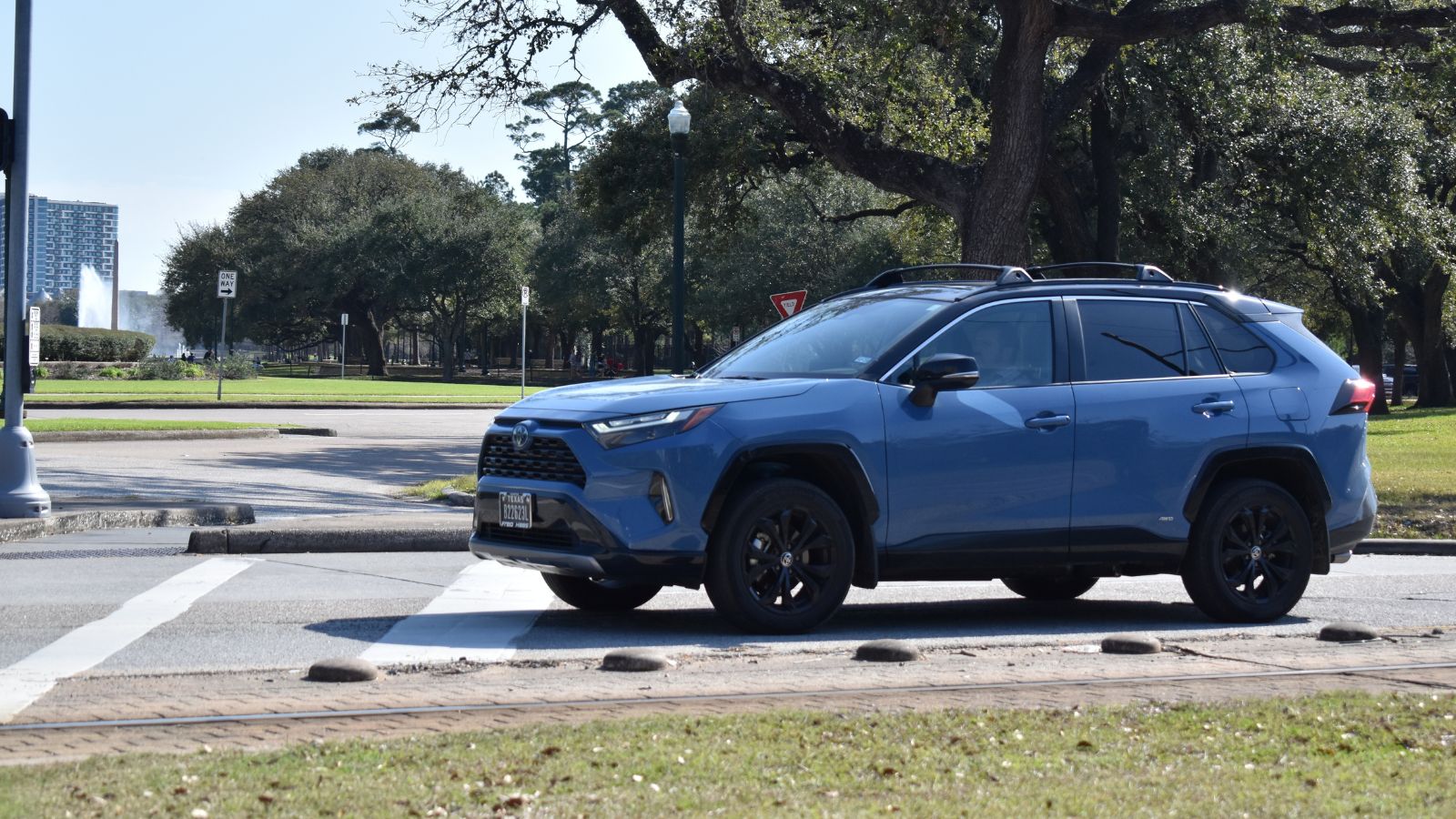
A plug-in hybrid combines gasoline technology with high-voltage propulsion, charging equipment, software, and thermal-management systems. That does not make every PHEV unreliable, and models have strong records. However, Consumer Reports’ 2025 reliability study, based on responses covering 380,000 vehicles, found plug-in hybrids tended to have more problems than conventional gasoline vehicles, while non-plug-in hybrids remained the most reliable powertrain category overall.
For owners, the concern is not merely component count but the difficulty of predicting which model has integrated them well. A dependable Toyota plug-in and a troublesome luxury PHEV should not be judged as the same machine, yet dealership messaging often presents the category as uniformly well proven. Repairs may involve engine knowledge, high-voltage certification, or software diagnosis in one visit. Canadians keeping vehicles beyond warranty can become wary of carrying both systems into older age, especially when a simpler hybrid provides similar everyday convenience without external charging.
Real-World Emissions Can Miss the Marketing
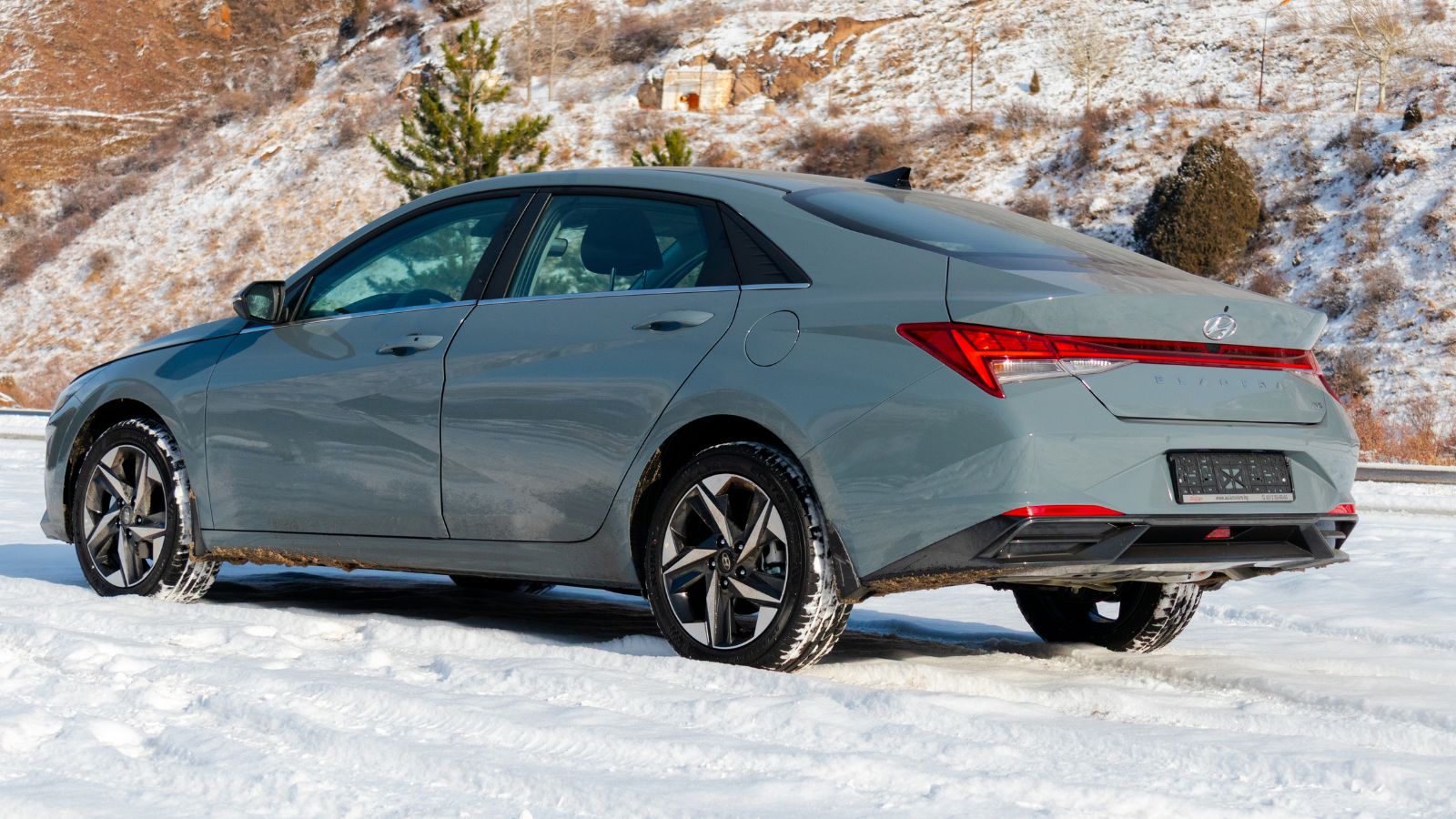
PHEVs can cut fuel use and emissions when they are charged often and driven mostly within electric range. The problem is that official test cycles assume specific usage patterns. International studies have found that real-world PHEV fuel consumption and emissions can be several times higher than type-approval values, especially when charging is infrequent. The International Energy Agency stresses that environmental benefits depend heavily on charging behaviour.
That evidence has weakened the category’s green image. A driver may purchase a PHEV to reduce climate impact, then discover that winter heating, long trips, and missed charges keep the engine running regularly. The vehicle can still outperform a comparable gasoline model on charged local trips, but the outcome is no longer automatic. For some Canadians, the need to manage behaviour can feel disappointing. Some would rather choose an EV with no tailpipe emissions or a simpler hybrid with more predictable real-world fuel use.
Regular Hybrids and EVs Are Squeezing the Middle
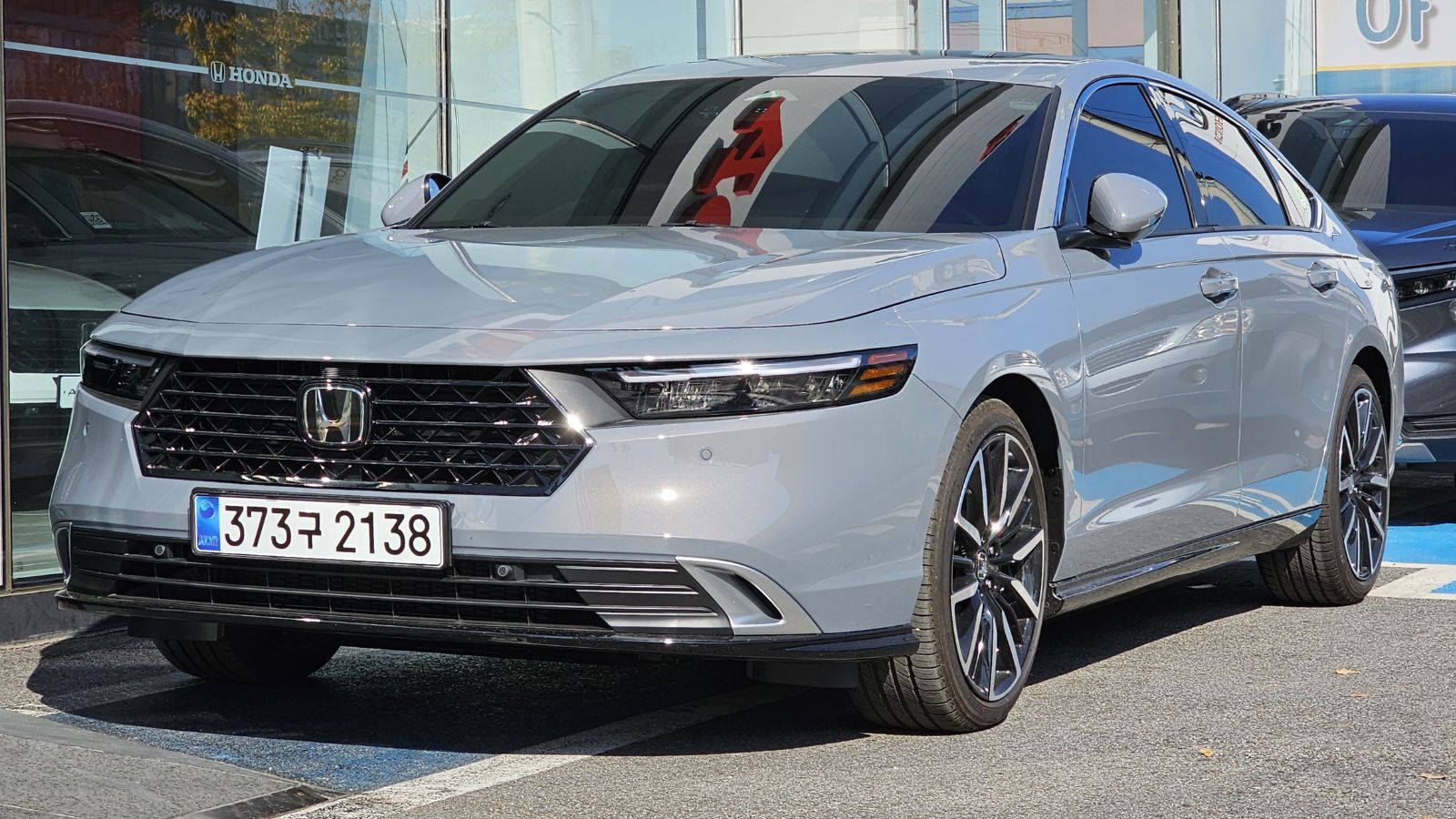
The PHEV was designed as a bridge between gasoline and fully electric driving. That bridge now faces competition from both ends. Conventional hybrids have become efficient and easy to operate, while battery-electric vehicles offer longer ranges, faster charging, and lower maintenance needs. Canada’s federal program also offers up to $5,000 for eligible battery-electric vehicles, compared with up to $2,500 for plug-in hybrids.
Data reflect the pressure. Statistics Canada reported that conventional hybrid registrations rose 36.1% in 2025, while plug-in hybrid registrations fell 10.0%. Battery-electric registrations also declined, so the shift cannot be reduced to an EV victory. Instead, buyers may be choosing clearer propositions: a hybrid with no charging requirement or an EV that eliminates gasoline entirely. PHEVs remain excellent for some households, especially those combining charged commutes with occasional remote travel. The category simply demands a more exact lifestyle match than its compromise branding suggests.
22 Things Canadians Do to Their Cars in Spring That Mechanics Hate

Spring brings relief to many Canadian drivers after months of snow, freezing temperatures, and icy roads that put serious strain on vehicles. As temperatures rise across the country, drivers begin washing cars, switching tires, and preparing vehicles for warmer weather and upcoming road trips. However, mechanics across Canada notice the same mistakes every spring when drivers attempt to recover from winter damage. Road salt, potholes, and harsh winter driving conditions often leave vehicles with hidden problems that drivers ignore. Some spring habits even create new mechanical issues that could have been avoided with proper maintenance. Here are 22 things Canadians do to their cars in spring that mechanics hate.

Alanna Rosen is an experienced content writer that focuses on many EV and educational content. Her articles are regularly published on Get CyberTrucked and syndicated on large publications.