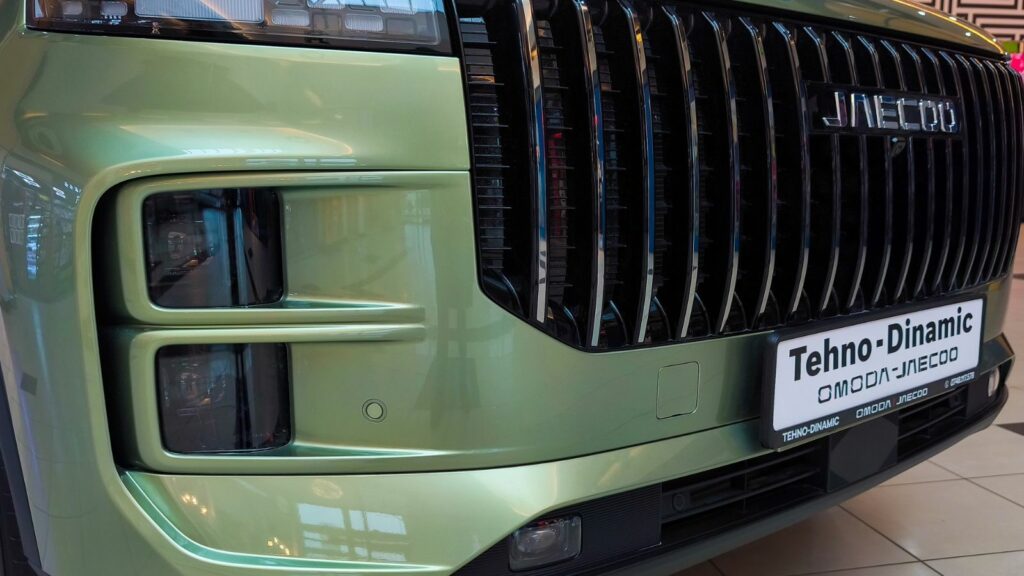
Automotive design is supposed to create desire, yet one of the industry’s boldest styling trends is pushing a noticeable group of shoppers in the opposite direction. Giant grilles can make a vehicle unmistakable, luxurious, or imposing, but they can also raise doubts about taste, efficiency, repair costs, safety, and long-term appeal. The reaction is not purely aesthetic: modern front ends often conceal sensors, shutters, cameras, and expensive components, while their height and shape influence how a vehicle is perceived on the road. These 12 reasons explain why some drivers are deliberately choosing models with calmer, smaller, or more integrated grilles—even when the oversized alternative offers competitive performance, technology, and comfort.
The Look Is Too Polarizing
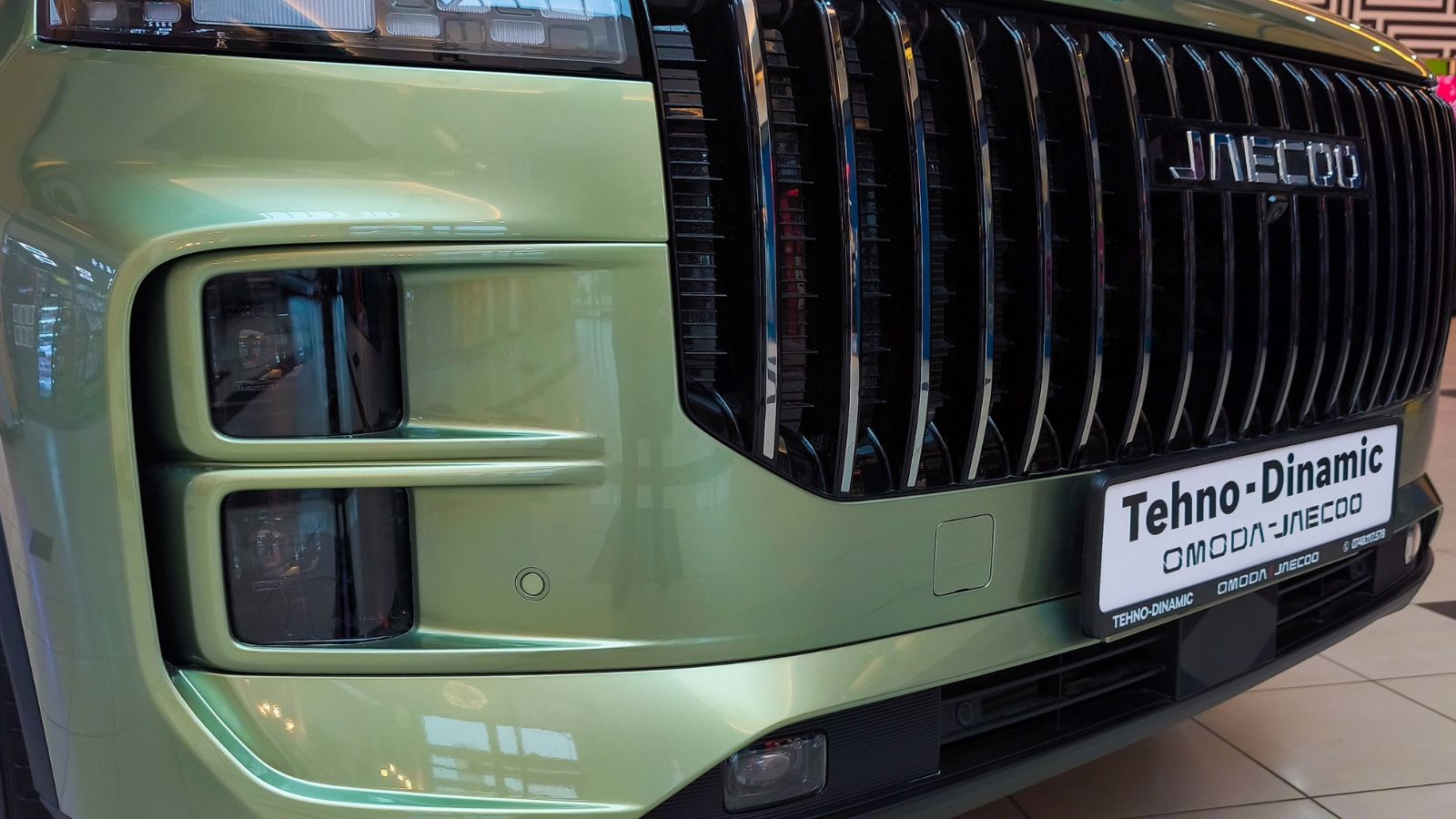
There is a difference between being distinctive and being difficult to love. Giant grilles are designed to make a vehicle recognizable from half a block away, but that same visual force can split shoppers into immediate admirers and immediate rejecters. The grille dominates photographs, dealership lighting, and the first glance in a driveway. When one feature consumes most of the front fascia, buyers who dislike it cannot mentally edit it out. Lexus offered a revealing example when its global design leadership acknowledged that market research had found the brand’s large spindle grille was a turnoff for some consumers, particularly in the United States.
That reaction matters because exterior styling is not a minor option that can be changed after delivery. A buyer can tolerate an unfamiliar touchscreen or swap a set of wheels, but replacing the entire visual identity of a vehicle is unrealistic. Some drivers therefore eliminate giant-grille models before comparing engines, warranties, or cabin space. The decision may look emotional, yet it is practical: owners see the front of their vehicle every day, and they know friends, neighbours, and future buyers will see it too.
The Front End Can Feel Aggressive
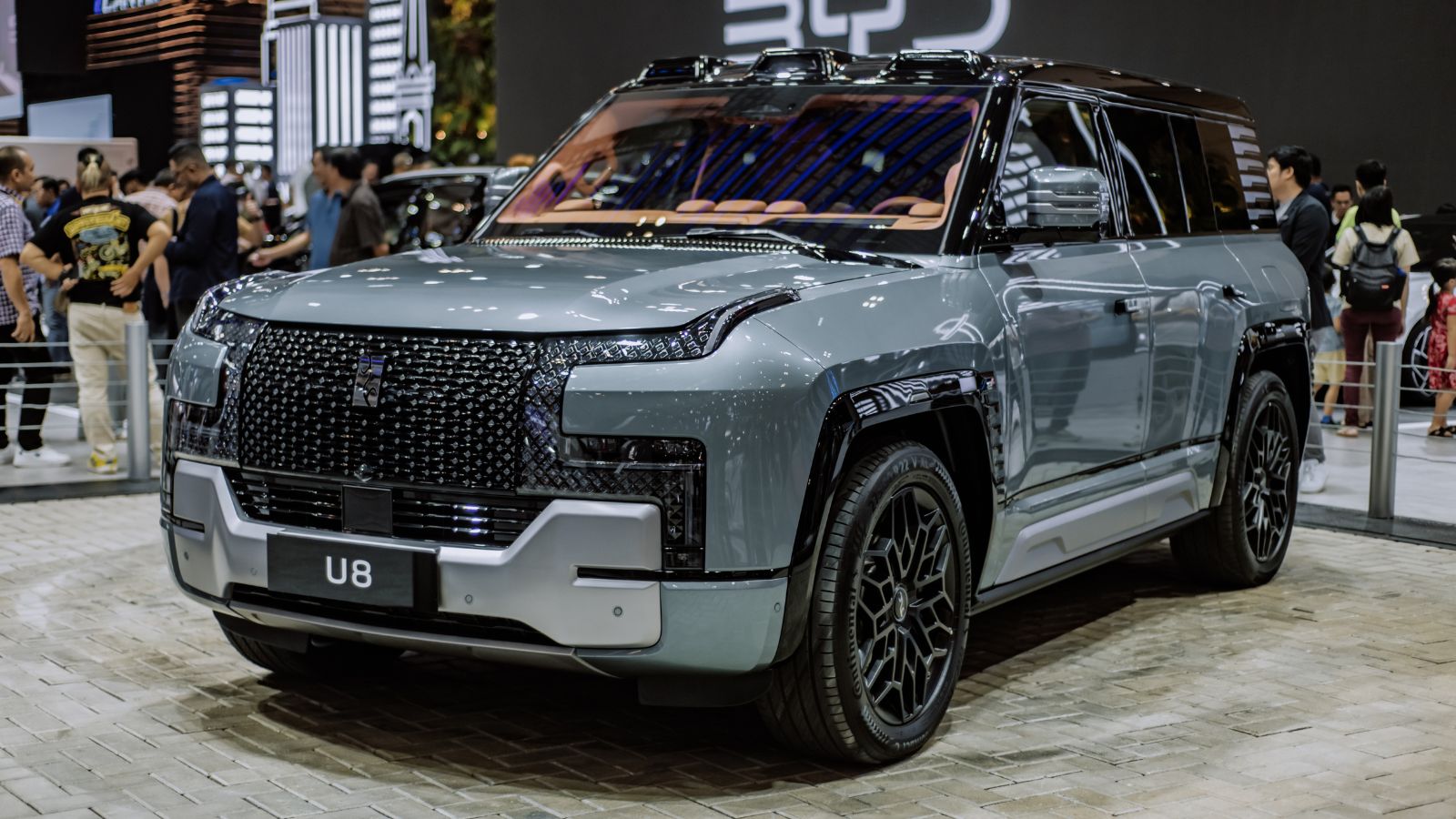
A grille is not perceived as a neutral opening. People routinely read a vehicle’s front end as a face, with headlights acting like eyes and the grille or lower intake resembling a mouth. In published research on automotive perception, more than 60 percent of participants saw a face in at least 70 percent of the car fronts they examined. The same research tradition found that people consistently attached traits such as dominance, arrogance, anger, masculinity, and hostility to certain front-end shapes. An oversized, upright grille can intensify that “power” expression even when the vehicle is parked.
That is attractive to drivers who want a commanding SUV or pickup, but it can repel those who prefer approachable or elegant design. A parent buying a family crossover may not want a front end that appears permanently angry. A professional using a car for client visits may prefer something less confrontational. These reactions are subjective, but they are not random; studies show that people broadly agree on the personality conveyed by automotive faces. For some buyers, avoiding a giant grille is simply a way to avoid driving a visual message that does not match their own.
Bold Styling May Age Faster
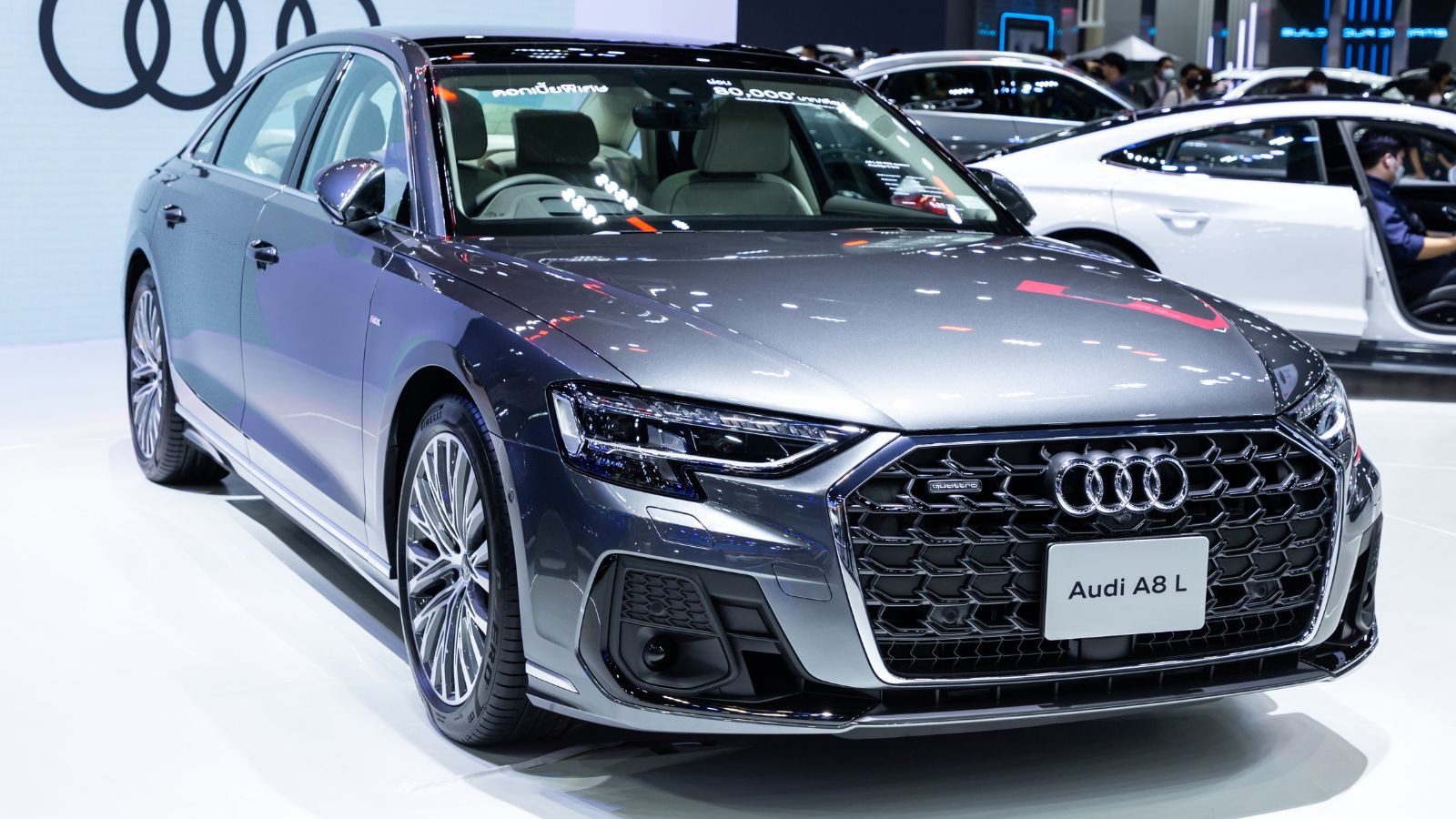
Extreme styling can create a nagging question at purchase time: will this still look intentional in five or eight years? Giant grilles emerged partly because brands needed instantly recognizable faces in crowded SUV and luxury markets. Yet automakers also revise those identities when customer tastes or product strategies change. Lexus said it intended to integrate its spindle theme more subtly after negative feedback, while BMW’s newer Neue Klasse design direction moved away from the enormous kidney-grille treatment that defined several recent models. A dramatic feature can therefore become a timestamp for one particular design era.
That does not prove a bold vehicle will depreciate faster, because resale value depends heavily on condition, mileage, reliability, demand, and supply. Still, owners often think ahead to the day a trade-in appraiser or private buyer studies the front end. A grille that already divides opinion when new may narrow the audience when used. Some shoppers would rather buy a restrained design that can blend into changing tastes than gamble on a styling statement becoming tomorrow’s punchline. The concern is less about fashion snobbery than about living with an expensive object long after the trend cycle turns.
The Car Can Look Bigger Than It Is
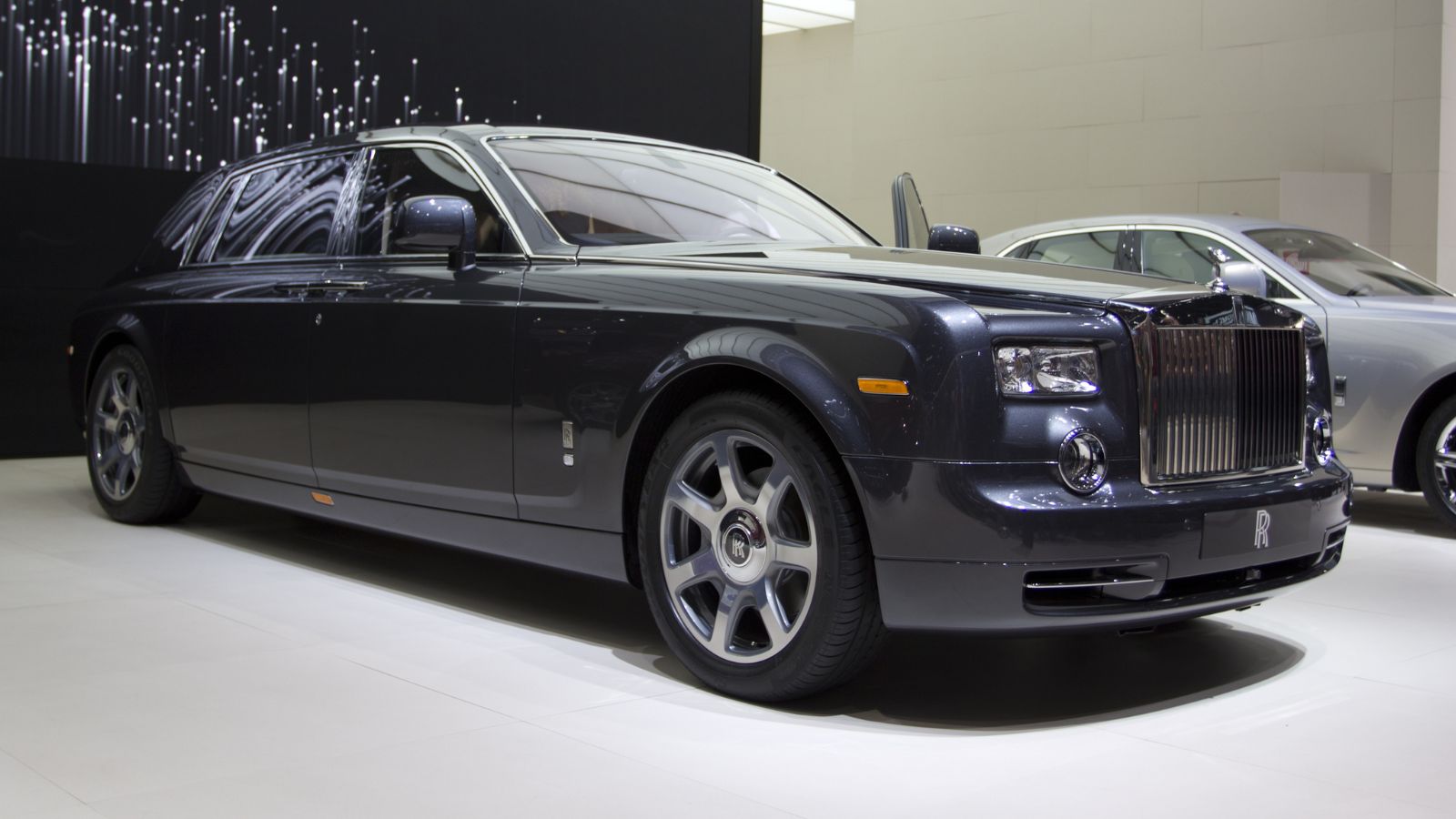
A giant grille can make a vehicle appear larger, heavier, and more imposing than its dimensions suggest. Designers use tall openings, thick borders, chrome, dark mesh, and angular surfaces to emphasize strength. Automotive design analysis has noted that these devices amplify the perception of bulk, especially when combined with high beltlines and upright bodywork. That may help a midsize crossover project the presence of a full-size SUV, but not every driver wants a machine that visually occupies more space than it physically needs.
Perceived size also affects how other road users respond. Experimental research on road-crossing behaviour found that vehicle size and a dominant-looking front design interacted to change when participants chose to cross. The study did not isolate grille area, and a large grille should not be treated as the sole cause. It does show that a vehicle’s “face” can influence behaviour beyond aesthetic preference. Some drivers dislike the social effect of arriving in something that looks intimidating in a school pickup lane, compact urban street, or shared parking garage. A smaller, calmer front end can make a vehicle feel easier to place in everyday life, even when its actual width is nearly identical.
Aerodynamic Doubts Matter
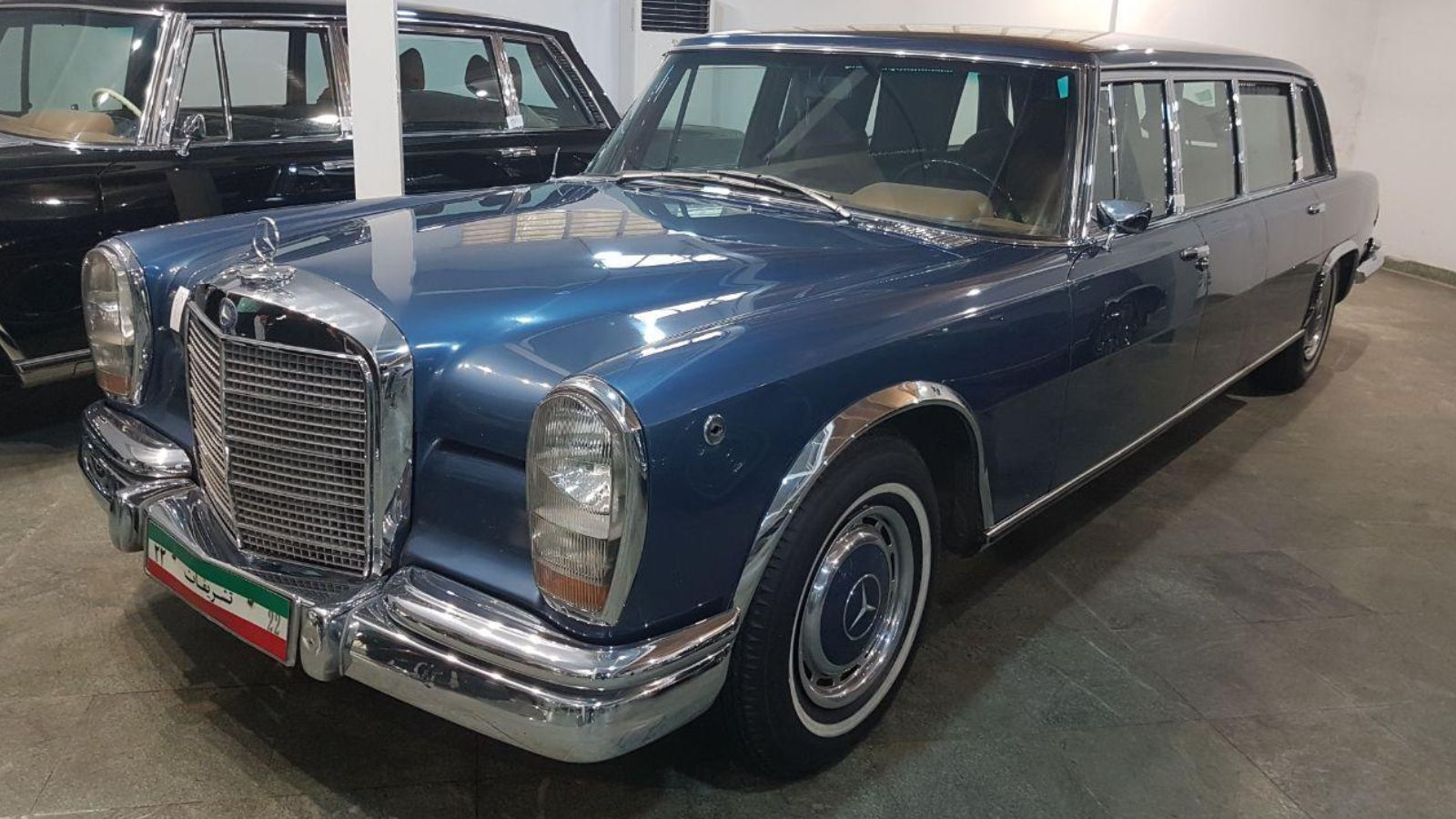
Large grilles create an understandable suspicion about aerodynamic efficiency. Air entering an open grille is routed through heat exchangers and the engine compartment, where it can add cooling drag and turbulence. A peer-reviewed computational study comparing a model with and without grille elements found that the grille increased aerodynamic drag and energy loss. Government technical assessments also identify grille shutters as an efficiency technology, while noting that relatively low-cost aerodynamic changes can reduce fuel consumption by roughly 1 to 2 percent. At highway speed, small aerodynamic penalties become more important because drag rises rapidly with speed.
The important caveat is that visible size does not equal open area. Modern vehicles may use blocked sections, carefully ducted passages, or active shutters that close when cooling demand is low. A huge grille-shaped graphic can therefore be more aerodynamic than it looks, while a smaller but poorly managed inlet can perform worse. Buyers rarely have wind-tunnel data in the showroom, however, so the design still sends a message. Drivers focused on fuel economy or electric range may prefer a smooth, obviously efficient nose rather than trusting that an enormous opening has been engineered around its visual drama.
The Cooling Story Can Feel Unconvincing
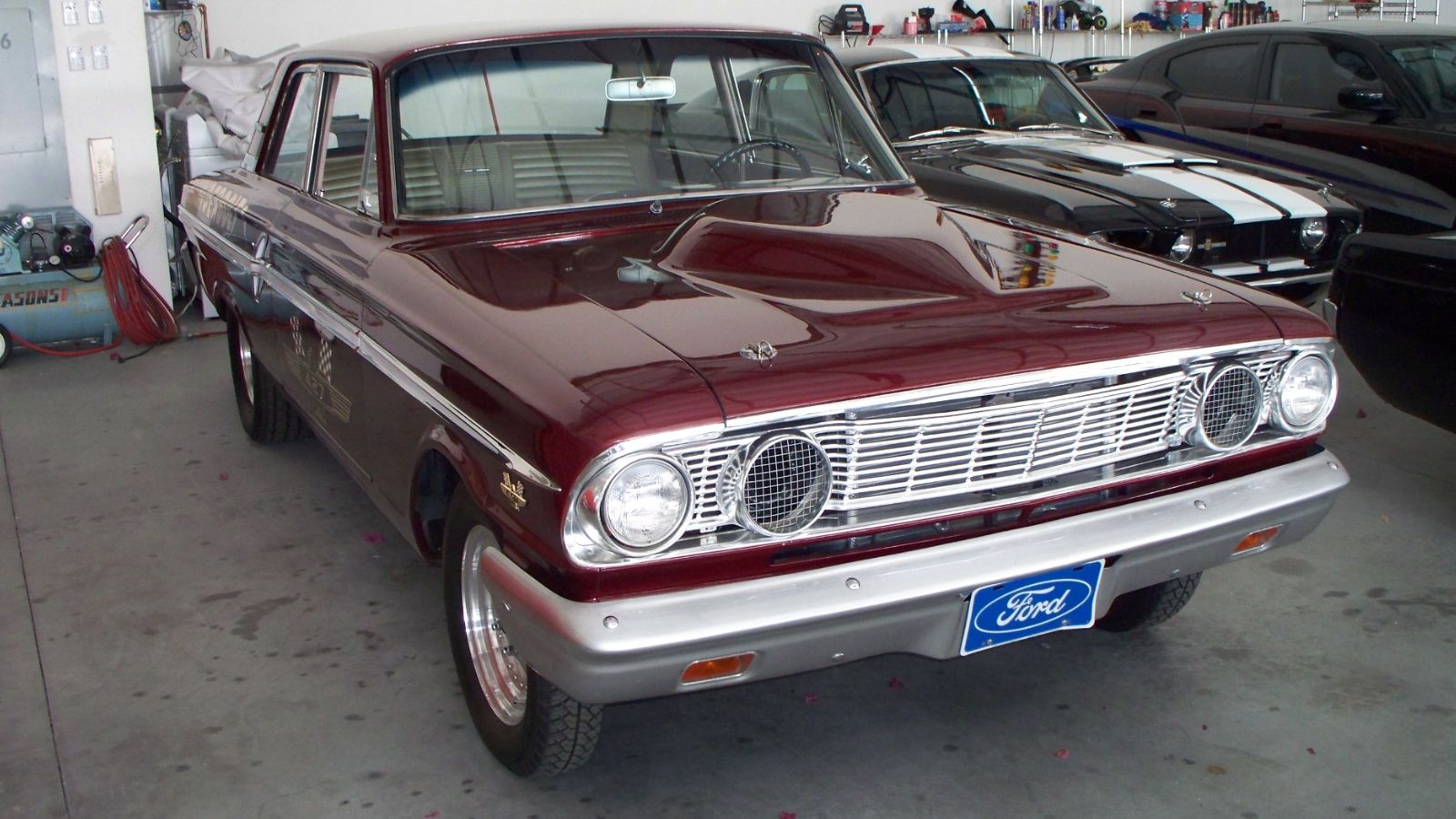
The traditional reason for a grille is straightforward: it admits air to cool the radiator and other heat exchangers. The giant-grille trend becomes harder to justify when engineering systems actively reduce that airflow. U.S. Department of Energy material describes grille shutters that close the opening whenever active engine cooling is unnecessary, specifically to improve aerodynamics. That means maximum airflow is not required during much of ordinary driving. On many vehicles, cooling demand changes with speed, load, ambient temperature, air-conditioning use, and towing rather than remaining permanently high.
This creates a credibility problem for buyers who value functional design. When the visual outline of a grille stretches from the hood to the lower bumper but the real cooling passages appear much smaller, the feature can feel like costume rather than engineering. Performance cars and tow vehicles genuinely need substantial thermal capacity, and electric vehicles still require cooling for batteries, motors, power electronics, and cabin systems. The objection is not that grilles have no purpose. It is that their scale may communicate far more cooling need than the vehicle normally has. Some drivers prefer a front end whose form makes its function immediately believable.
The Front Becomes an Expensive Repair Zone
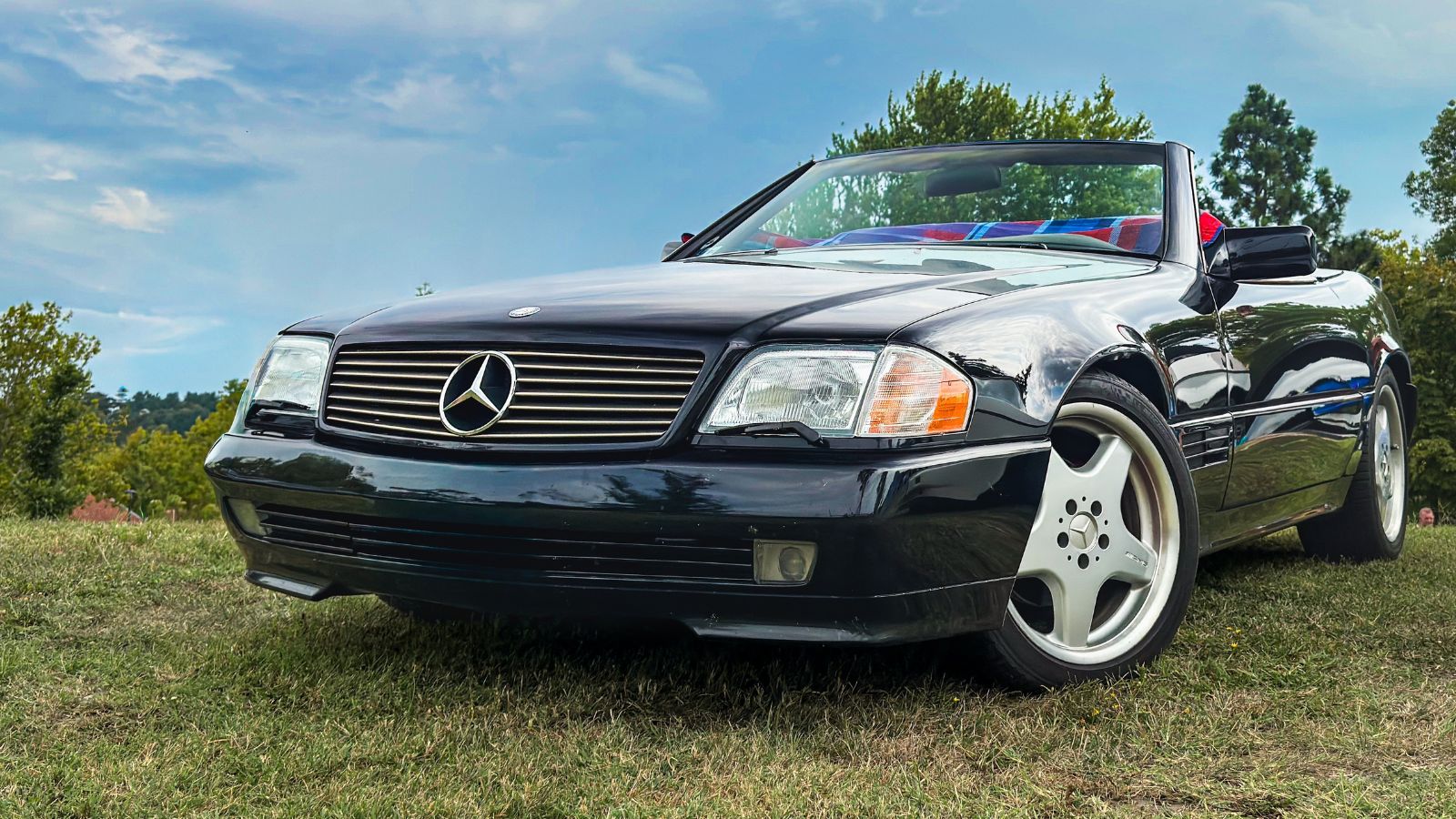
The front of a modern vehicle is no longer a simple collection of plastic trim and metal supports. It can contain active grille shutters, radar units, cameras, parking sensors, wiring, illuminated elements, and carefully finished decorative pieces. A minor impact that once cracked a bumper cover can now involve diagnosis, replacement, aiming, and calibration. In a 2023 AAA analysis of three popular vehicles, the average cost attributable to ADAS components in a minor front-collision repair was $1,540.92. The average total repair estimate in that scenario was $11,708.29, with ADAS accounting for 13.2 percent.
A giant grille does not automatically make a vehicle expensive to repair, and repairability varies widely by model. Still, the design places a large, visually prominent assembly in the exact zone most exposed to parking bumps, road debris, and low-speed collisions. Intricate mesh, gloss-black finishes, chrome frames, and integrated lighting can make a small scar difficult to ignore. A careful shopper may picture a shopping cart, a trailer hitch, or a minor winter slide striking that elaborate face. Avoiding the design can be a way of choosing fewer fragile-looking parts at the vehicle’s most vulnerable end.
Sensors Hide Behind the Grille
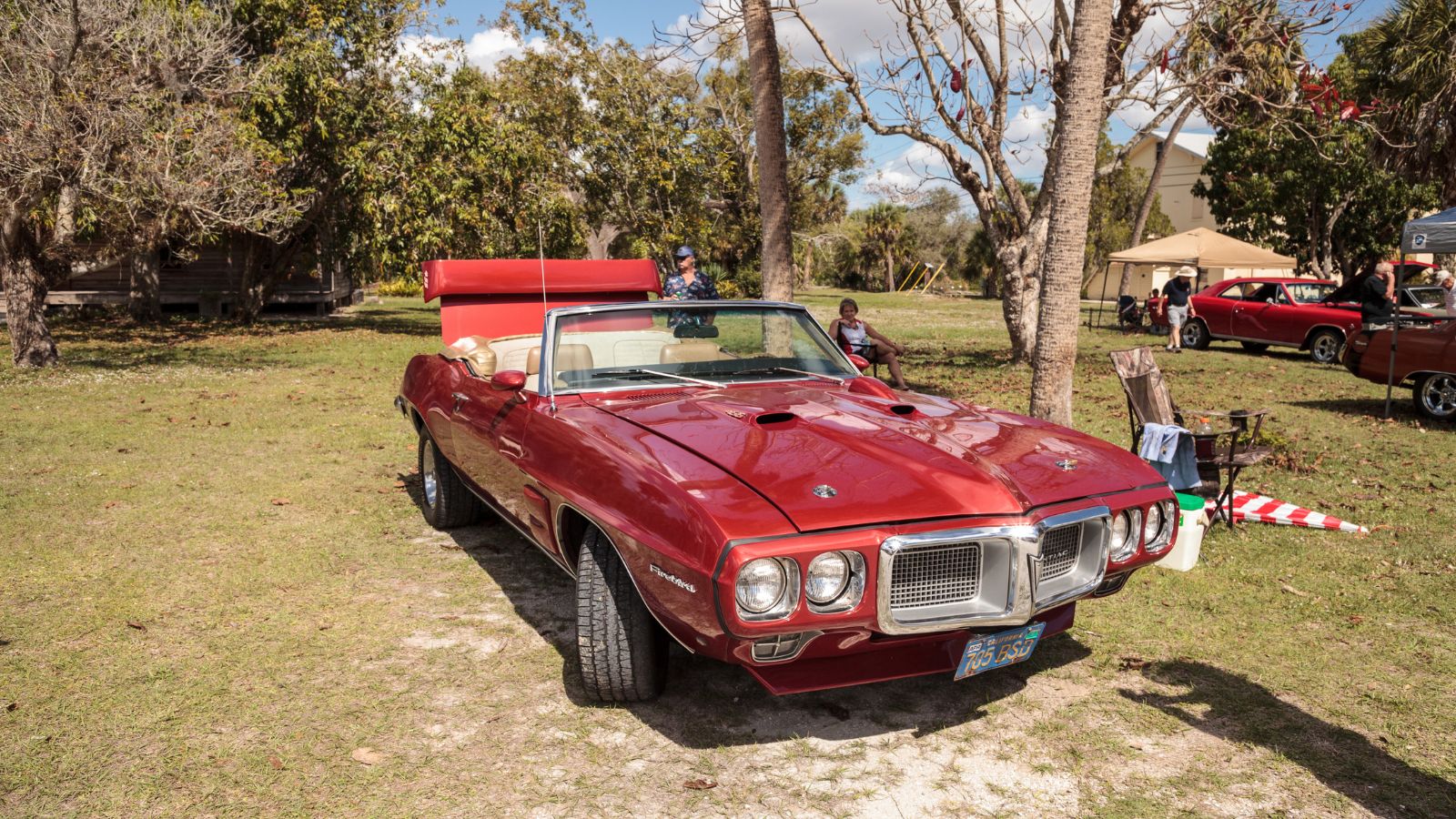
Many giant grilles double as covers for advanced safety hardware. Depending on the model, a radar unit may sit behind the grille, the emblem, or a specially designed sensor panel. Cameras and ultrasonic sensors can also occupy the surrounding bumper area. Honda owner information, for example, identifies a radar sensor inside the front grille on certain vehicles. AAA’s repair research estimated front radar sensor replacement for automatic emergency braking and adaptive cruise control at roughly $500 to $1,300, excluding unrelated body repairs. Around-view camera components in its sample ranged from $740 to $1,600.
For buyers, this changes the meaning of a grille from decoration to technology housing. A badge, plastic panel, or grille insert may need specific material properties so radar can transmit through it, and an impact can require calibration even when the car appears cosmetically repaired. Sensor placement differs, so the concern should be checked against the exact trim rather than assumed from appearance alone. Still, some drivers see a massive, complex grille and imagine hidden hardware, dealership labour, and warning lights. A simpler front design feels easier to understand, inspect, and maintain.
Winter Grime Can Disable Driver Aids
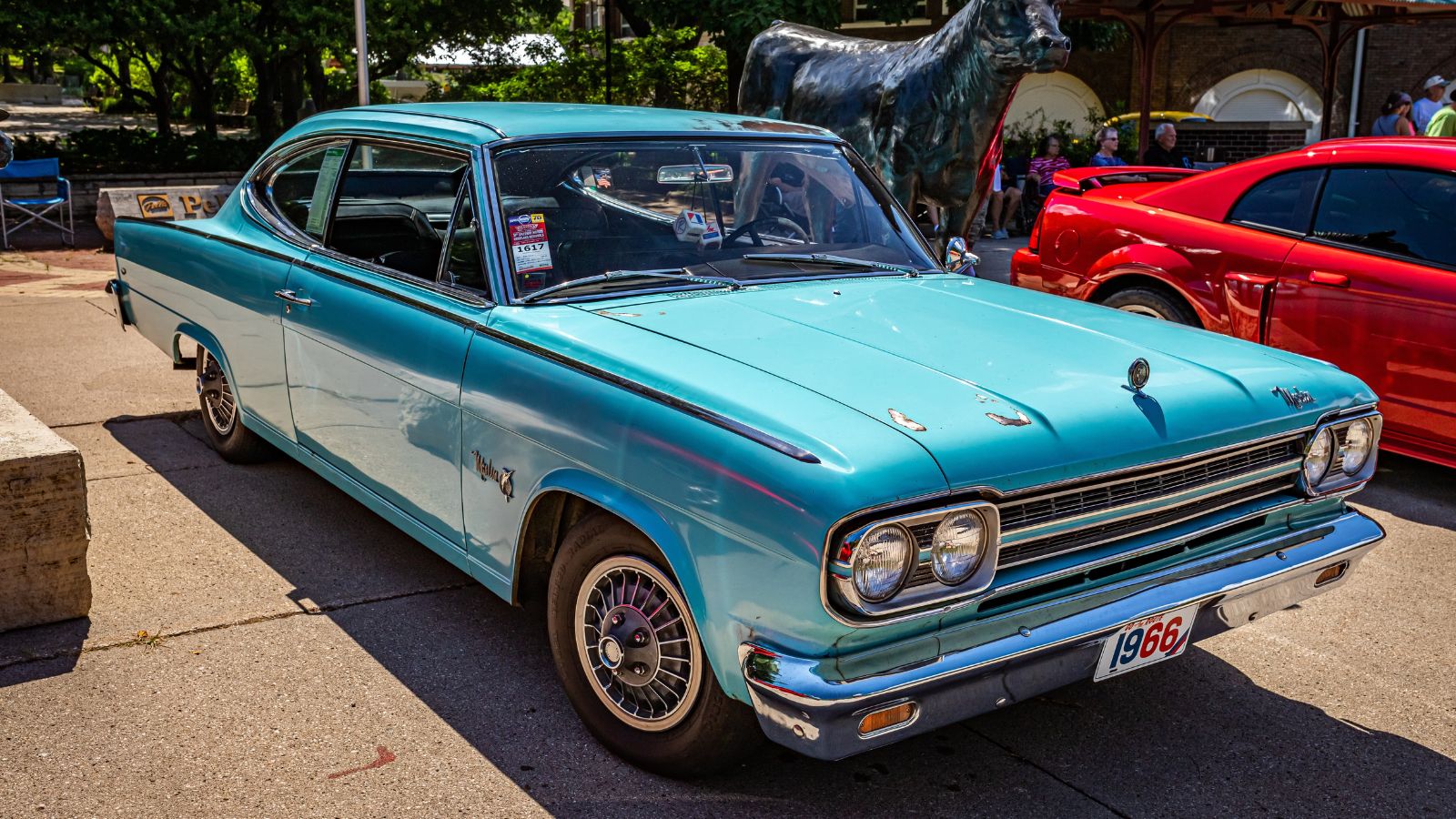
Winter weather exposes another weakness of front-mounted technology: it has to see through the mess created by the road. Honda documentation warns that collision-mitigation functions can be limited when the radar sensor inside the grille becomes dirty, while mud, leaves, wet snow, fog, and road spray can also interfere with cameras or detection conditions. On some systems, adaptive cruise control or automatic braking assistance may cancel or display a warning until the obstructed area is cleaned. The exact behaviour depends on the vehicle and system generation.
For an owner driving through slush, the issue can appear at the worst possible time. A dashboard message may arrive during a dark highway trip when stopping to locate a sensor behind an elaborate pattern is inconvenient. Giant grilles are not inherently more failure-prone, but intricate textures, deep recesses, and concealed sensor covers can make the front end feel fussy. Drivers in snowy or muddy regions may prefer a simpler surface with an obvious sensor location that can be wiped quickly. The concern is not merely keeping the vehicle attractive; it is preserving access to safety features that were included in the purchase price.
Pedestrian-Safety Concerns Shadow Tall, Blunt Fronts
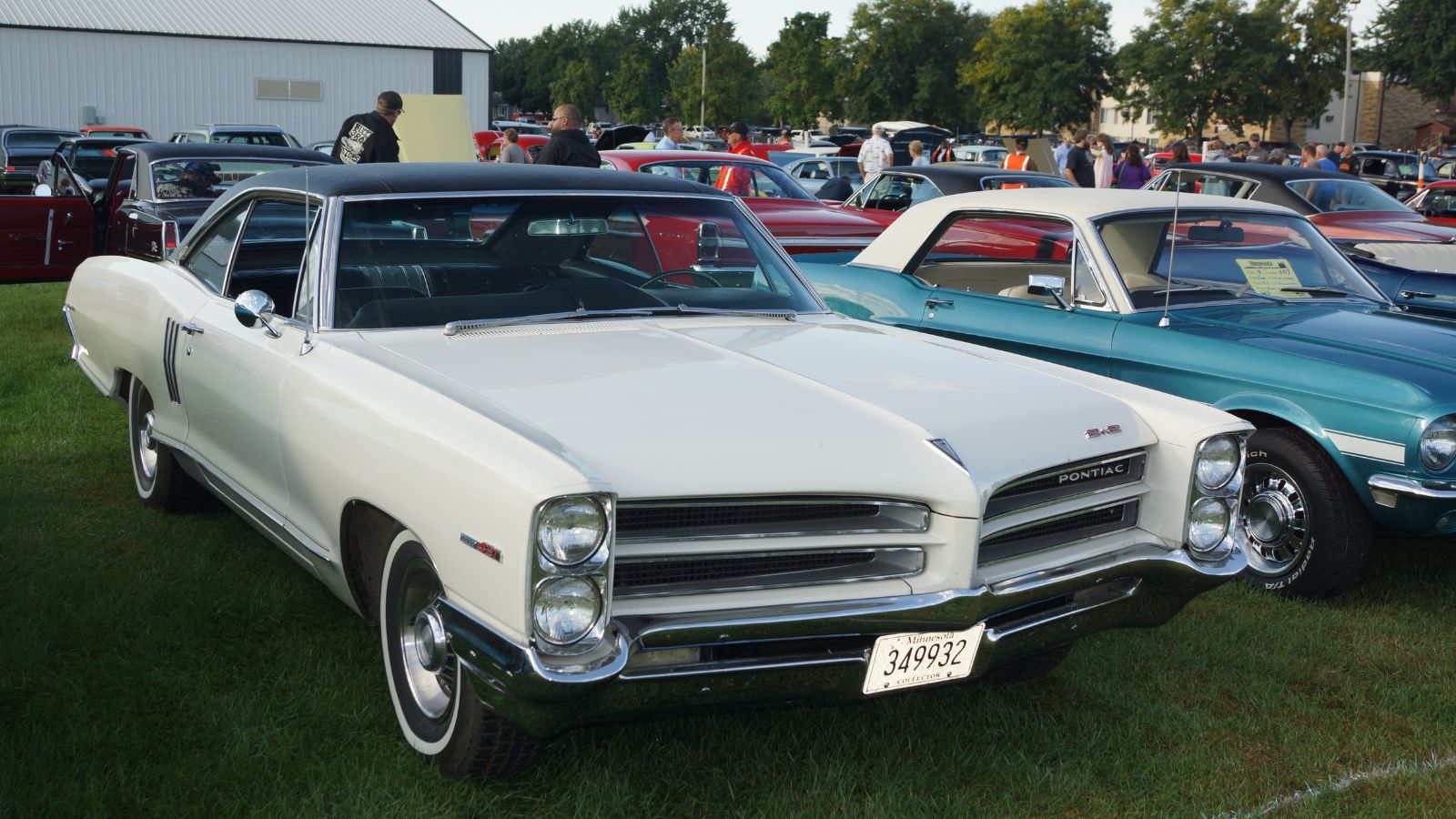
For some drivers, the giant-grille debate has become inseparable from pedestrian safety. The grille itself is not the decisive variable; hood height, leading-edge height, stiffness, mass, and the overall slope of the front end all matter. Giant grilles, however, are often paired with the tall, blunt noses used on pickups and large SUVs. An Insurance Institute for Highway Safety study of nearly 18,000 pedestrian crashes found that vehicles with hood heights above 40 inches were about 45 percent more likely to cause a pedestrian fatality than vehicles with hoods 30 inches or lower and a sloping profile.
The same research found that among vehicles with 30- to 40-inch hood heights, blunt-front models were 26 percent more likely to cause pedestrian fatalities than low, sloped vehicles. Those figures do not allow shoppers to judge safety from a grille photograph, and many vehicles with large grilles include effective crash-avoidance technology. Even so, some buyers are uncomfortable with a design language built around visual mass and verticality. Choosing a lower, more tapered front can feel more consistent with the kind of streets they want to drive on, especially in neighbourhoods filled with children, cyclists, and pedestrians.
Giant Grilles Feel Odd on EVs
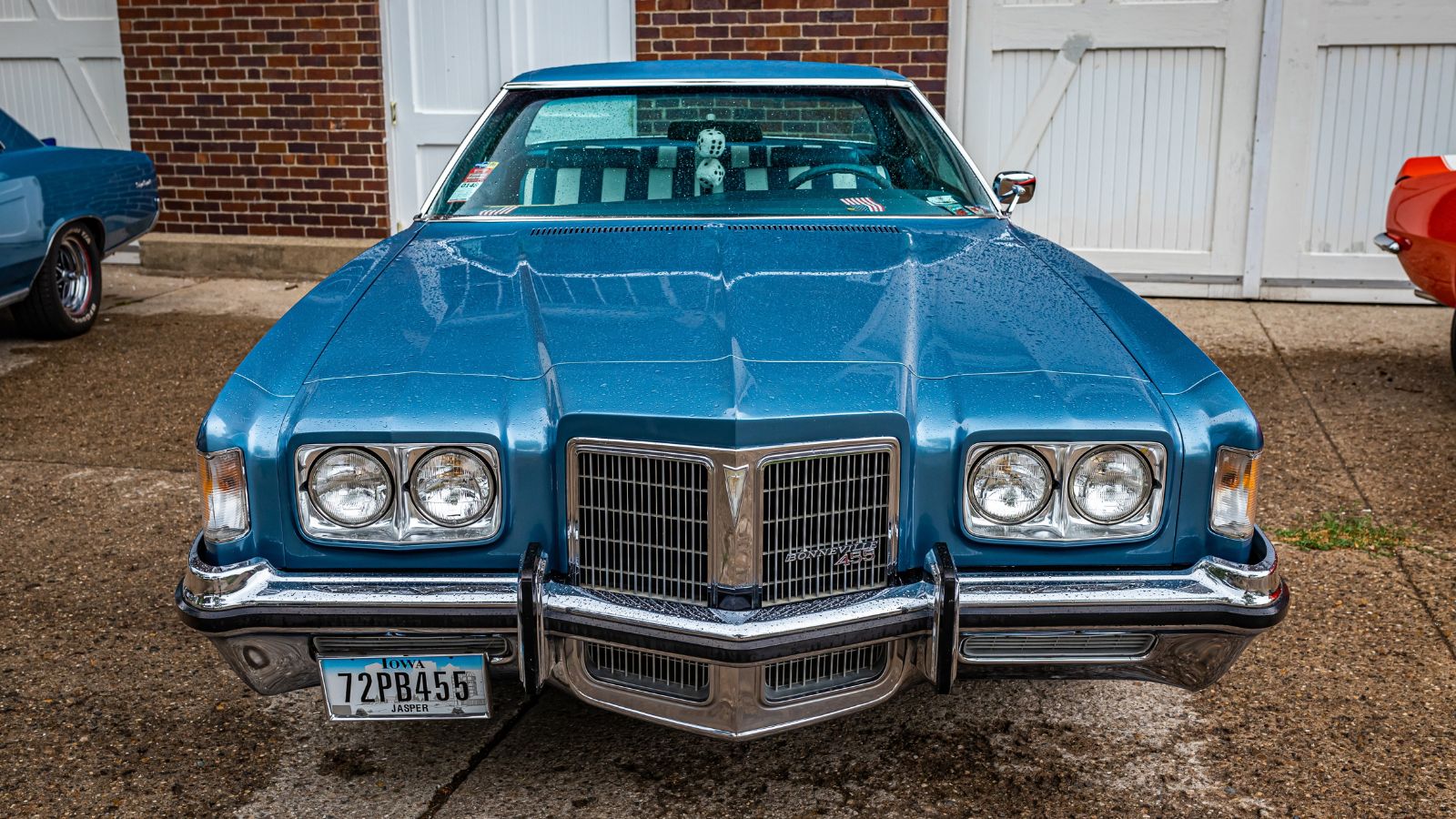
A huge grille can look especially artificial on a battery-electric vehicle. Electric motors do not require the same continuous volume of cooling air as a combustion engine, although EVs still need sophisticated thermal management for the battery, motors, power electronics, brakes, and cabin. Purpose-built EVs commonly use smoother, more closed front surfaces because reducing drag helps extend driving range. Motoring design analysis has described the grille-less or “closed mouth” as one of the clearest visual signals of an EV and linked smoother surfaces with better aerodynamic performance.
Some brands preserve an oversized grille shape because buyers recognize it instantly, replacing open mesh with a solid panel, lighting, or patterned plastic. That solution protects brand identity, but it can strike efficiency-minded drivers as visual theatre. They may ask why a new powertrain is wearing the face of an old cooling system. Other shoppers appreciate the familiarity, which shows there is no universal rule. The avoidance comes from a desire for design honesty: when the engineering changes dramatically, some buyers want the exterior to acknowledge that change rather than imitate an intake the vehicle no longer needs in traditional form.
Some Buyers Want a Car, Not a Statement
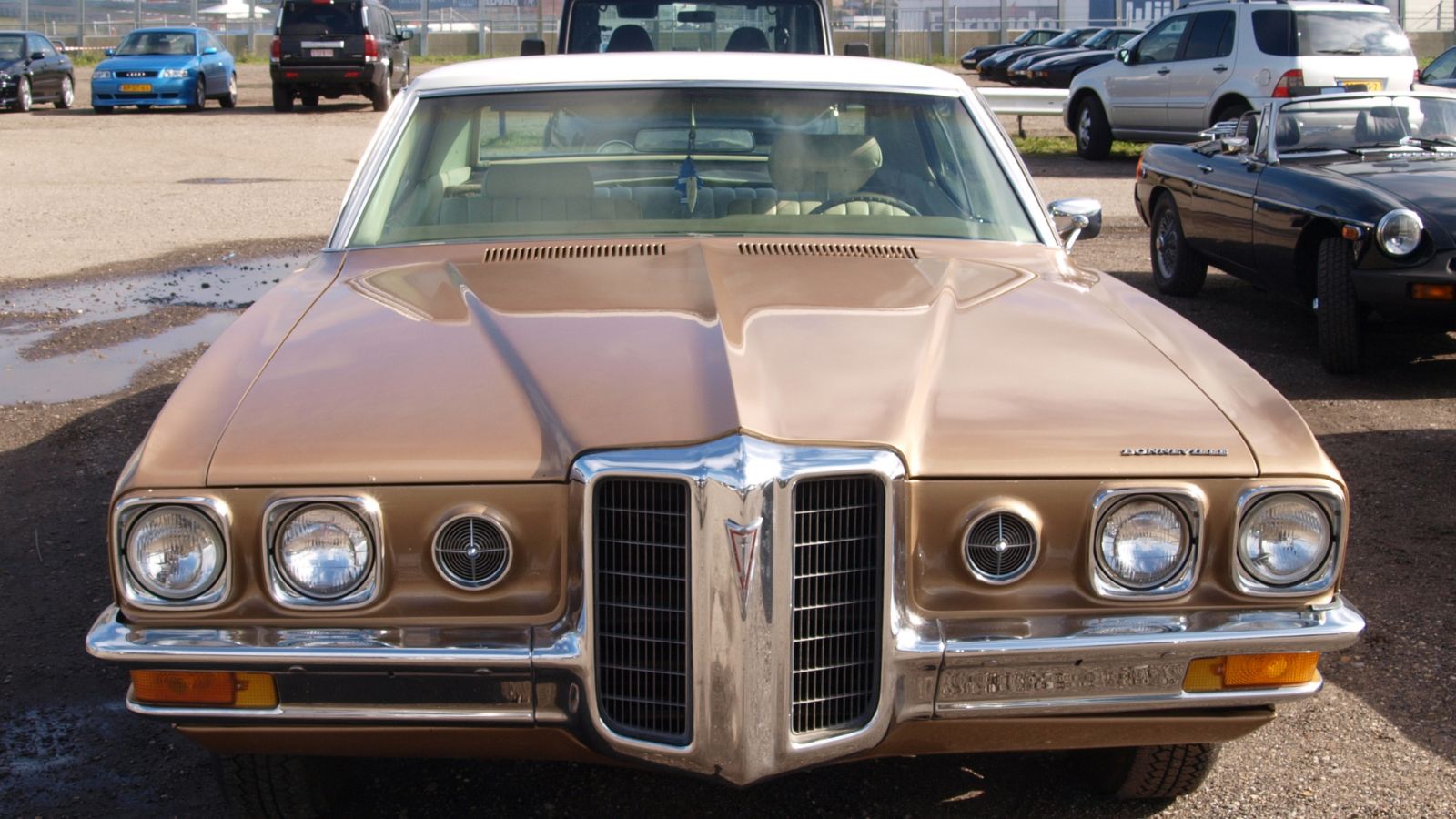
Some drivers simply do not want their vehicle to be the loudest object in every photograph. Automotive aesthetics have real commercial weight: research using consumer evaluations of 203 SUVs and a much larger image dataset described exterior appeal as critical to market acceptance and noted that stronger aesthetic design can produce major sales gains. Separate automotive-cognition research identified the overall front shape, intake-grille design, and headlamp outline as three of the most influential elements in how people visually interpret a vehicle. The grille is therefore not a trivial detail; it can dominate the entire ownership decision.
Understated buyers often value proportions that reveal themselves slowly—balanced headlights, a modest intake, clean body surfaces, and a recognizable badge—rather than a single feature engineered for instant social-media impact. They may keep vehicles for a decade, park in conservative workplaces, or share the car with family members who have different tastes. Giant grilles will continue to appeal to drivers who enjoy theatrical design and strong brand identity. The avoidance trend reflects the other side of the market: people who would rather own something confident without being confrontational, distinctive without becoming a costume, and modern without looking trapped in one moment.
22 Things Canadians Do to Their Cars in Spring That Mechanics Hate

Spring brings relief to many Canadian drivers after months of snow, freezing temperatures, and icy roads that put serious strain on vehicles. As temperatures rise across the country, drivers begin washing cars, switching tires, and preparing vehicles for warmer weather and upcoming road trips. However, mechanics across Canada notice the same mistakes every spring when drivers attempt to recover from winter damage. Road salt, potholes, and harsh winter driving conditions often leave vehicles with hidden problems that drivers ignore. Some spring habits even create new mechanical issues that could have been avoided with proper maintenance. Here are 22 things Canadians do to their cars in spring that mechanics hate.

Alanna Rosen is an experienced content writer that focuses on many EV and educational content. Her articles are regularly published on Get CyberTrucked and syndicated on large publications.