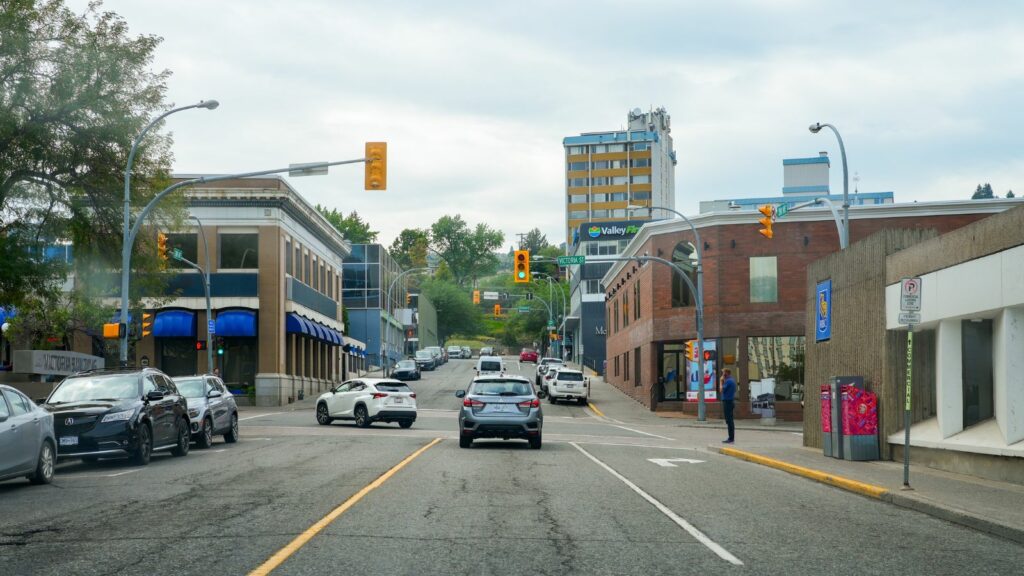
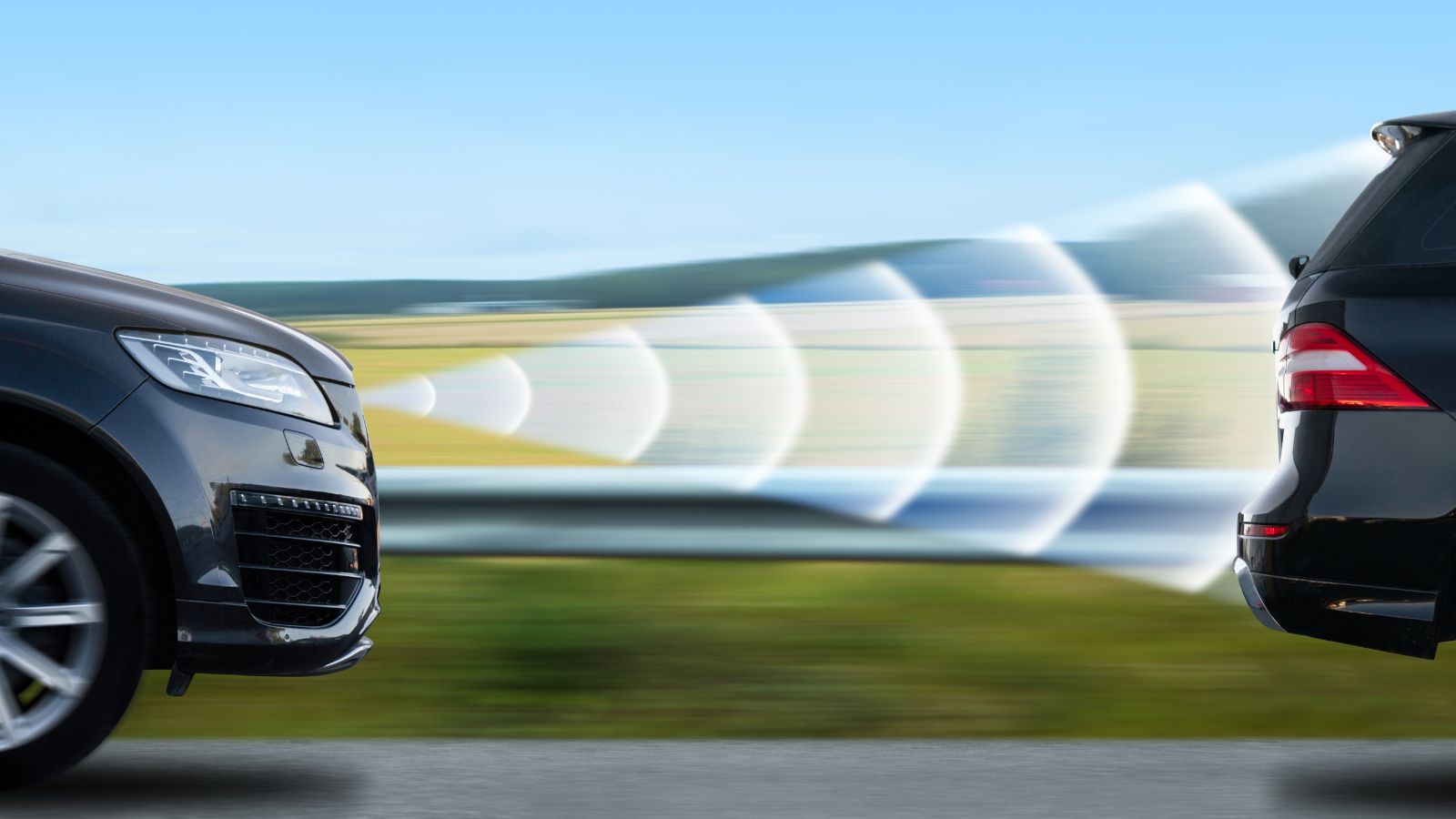
Automatic emergency braking was designed to be the kind of safety feature drivers rarely notice until it prevents a crash. In real-world data, it has delivered substantial benefits, particularly in reducing rear-end collisions. Yet confidence in the technology can weaken quickly when a vehicle brakes unexpectedly, fails to react in a situation that seems obvious, or behaves differently from another car carrying the same basic feature.
The problem is not that AEB has stopped working. Newer systems are generally becoming more capable. The problem is the gap between what drivers expect an automated safety feature to do and what today’s sensors and software can reliably accomplish. These 12 reasons help explain why some drivers are becoming more cautious about trusting automatic emergency braking completely.
False Braking Is Hard to Forget
Few experiences undermine confidence in an automated safety feature faster than having the car brake when the driver sees no reason to stop. A sudden automatic intervention can feel especially unsettling on a highway, beneath an overpass, near roadside structures, or when another vehicle is following closely. Even if the event lasts only a moment, the driver is left wondering what the sensors detected and whether the same thing could happen again at a worse time.
Concerns about inadvertent braking are not merely hypothetical. Federal defect investigations have examined thousands of reports involving vehicles whose collision-mitigation systems allegedly activated when no imminent collision was present. Earlier investigations involving other manufacturers also documented situations in which unusual roadway features, including certain railroad crossings and overhead structures, were interpreted as potential hazards. Human-factors research helps explain why those incidents have an outsized effect: false alarms can reduce trust in automated warning systems even when they are uncommon. A safety feature that behaves unpredictably can quickly start feeling less like protection and more like another risk to manage.
Performance Can Drop as Speed Rises
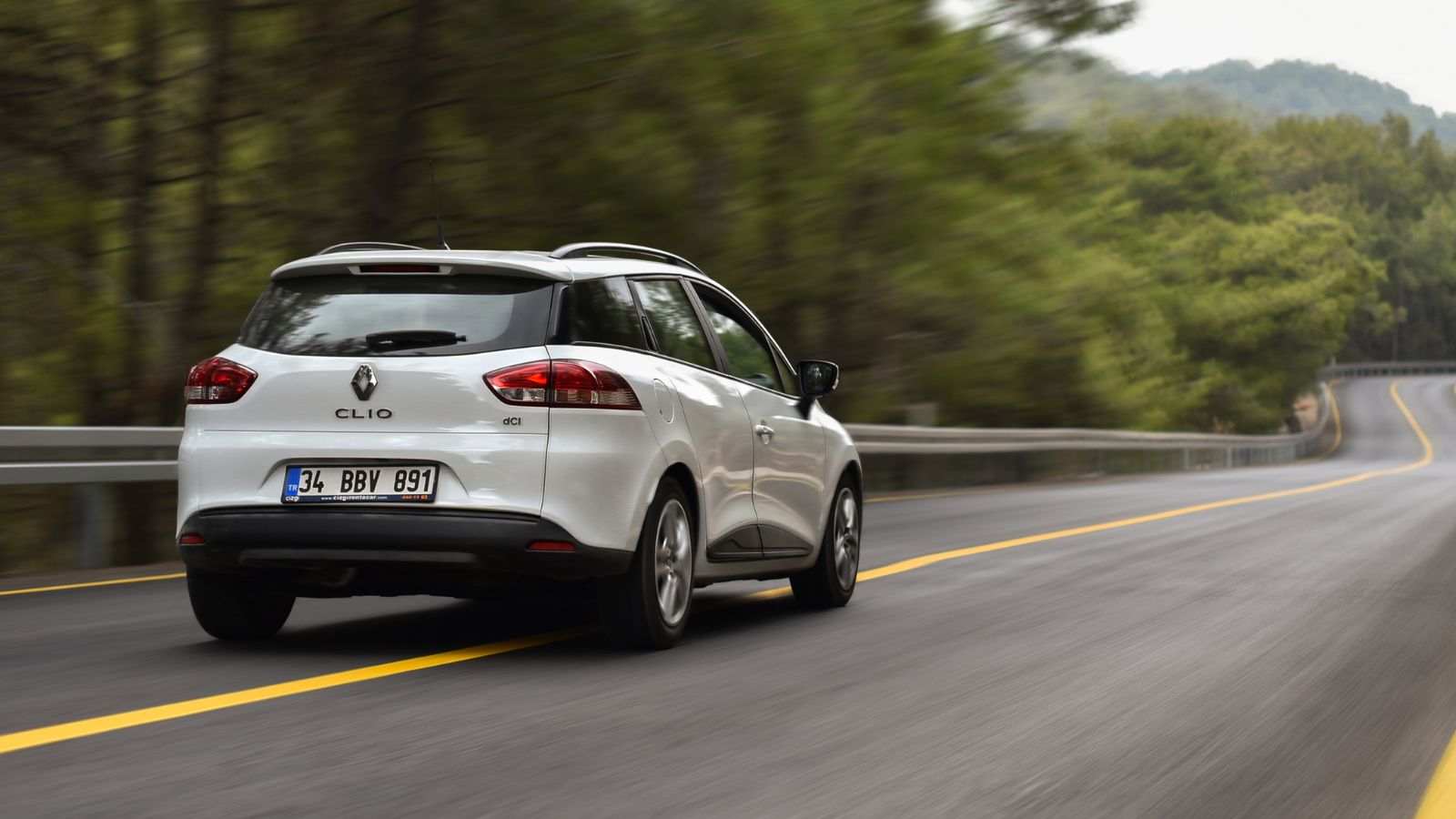
Automatic emergency braking built much of its reputation by performing well in relatively straightforward rear-end scenarios, particularly at lower urban speeds. That history can create an assumption that the system will behave similarly at highway speeds. The physics become much less forgiving, however. A vehicle traveling faster covers considerably more distance during the short period in which cameras, radar, software and brakes must identify a threat, determine that a collision is imminent and respond.
Controlled testing has shown just how important speed can be. In one comparison, newer vehicles performed extremely well against a stationary target at speeds through 35 mph, while older generations were substantially less successful. When researchers increased test speeds further, performance became less consistent, and none of the remaining vehicles in that particular evaluation prevented the collision at 55 mph. Newer testing programs now deliberately use higher speeds because earlier low-speed evaluations no longer separated strong systems from weaker ones. For a driver, that means a system that performed flawlessly during a slow commute may provide a very different result during faster travel.
Intersections Reveal a Different Kind of Challenge
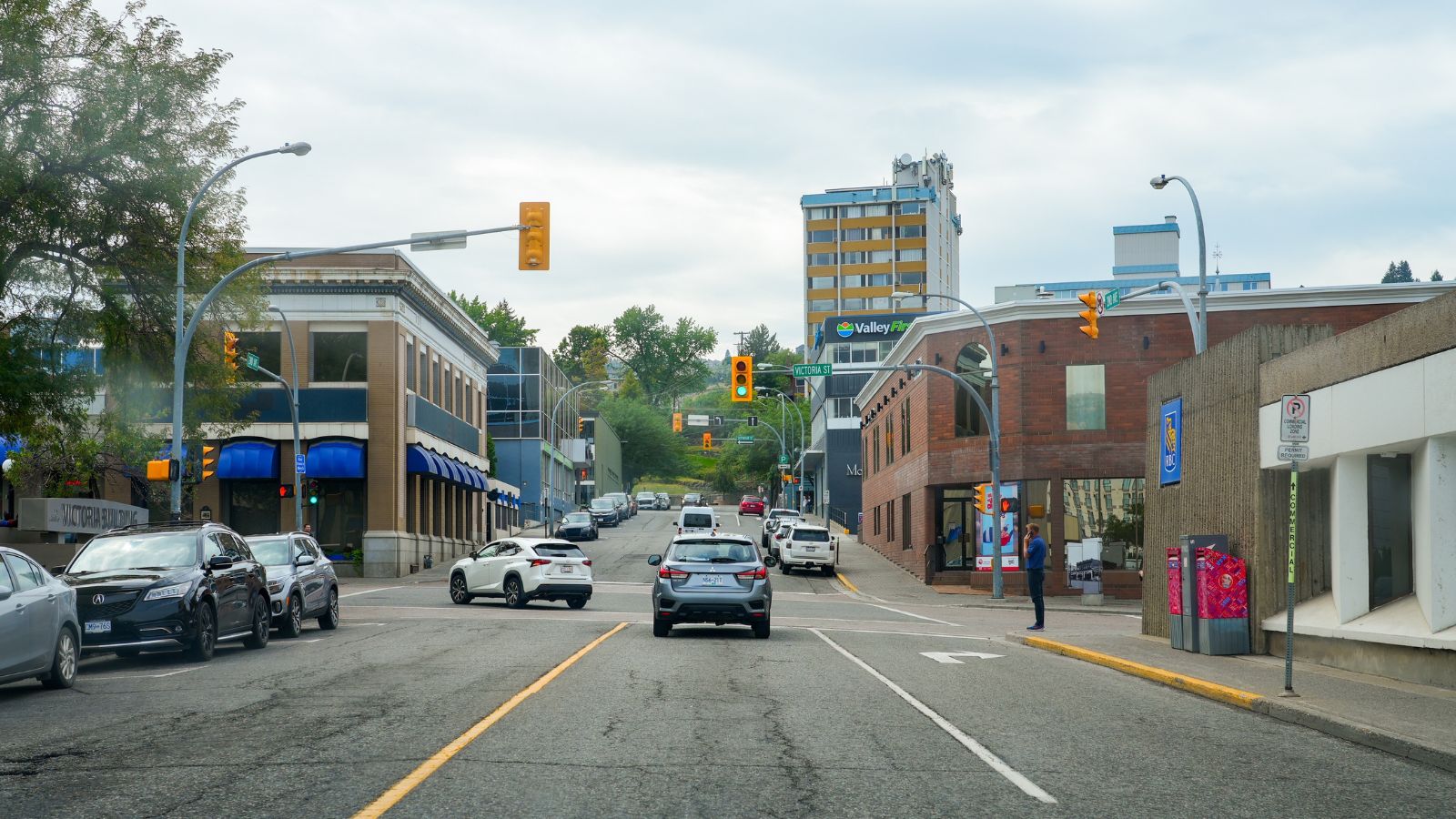
AEB is often associated with one specific problem: a vehicle ahead suddenly slowing or stopping. Intersections are far more complicated. Cars may approach from the side, turn across another vehicle’s path or appear only briefly within a sensor’s field of view. The software must recognize not only an object but also its direction, speed and likely future path quickly enough to determine whether braking is actually necessary.
That distinction has produced striking results in controlled testing. In a AAA evaluation involving four 2022 vehicles, the systems successfully prevented most rear-end impacts with a stationary target at 30 mph, although their success rate dropped at 40 mph. The same vehicles performed much worse in the study’s intersection scenarios. In simulated T-bone situations and unprotected left turns across oncoming traffic, crashes occurred in every test run, with the systems failing to provide meaningful intervention. Those results do not describe every newer vehicle or every modern intersection system, but they demonstrate why drivers can misjudge the scope of AEB. A feature that reliably recognizes a stopped car directly ahead may not interpret crossing traffic nearly as effectively.
Darkness Still Changes the Equation

MFajarH/Shutterstock.
Pedestrian-detection braking sounds particularly reassuring because it addresses situations in which a human driver may have only seconds to respond. The challenge is that many serious pedestrian crashes occur after dark, exactly when cameras and other perception systems face some of their most demanding conditions. Street lighting, headlights, clothing, background contrast and the pedestrian’s direction of travel can all influence what the system is able to recognize.
There has been genuine progress. Recent testing found that nighttime pedestrian AEB avoidance rates were substantially better than in comparable testing several years earlier. Even so, the results were not perfect. Earlier real-world research likewise found significant reductions in pedestrian crashes during daylight and on illuminated roads but little measurable benefit on dark, unlit roads. That mismatch matters psychologically. A driver may assume a pedestrian icon on the dashboard means the vehicle can identify people under most circumstances. Discovering that effectiveness can vary dramatically with lighting makes the feature feel conditional rather than dependable, particularly for people who regularly drive rural roads, poorly illuminated streets or late-night routes.
Even Safety Clothing Can Confuse the Sensors
One of the strangest challenges uncovered in pedestrian AEB research involves clothing designed specifically to make people easier to see. Reflective strips, bright workwear and high-visibility garments help human drivers identify road workers, tow operators and emergency personnel at night. Some automated detection systems, however, have not always interpreted those visual patterns in the same way a person does.
A 2025 IIHS study tested three vehicles against a pedestrian dummy wearing several types of clothing. Performance varied sharply between vehicles, and two systems failed to slow during trials in which reflective strips emphasized the dummy’s moving limbs. A later AAA evaluation also found that nighttime responses to high-visibility clothing varied from improved performance to a complete loss of detection depending on the vehicle. These studies involved limited numbers of models and controlled conditions, so they should not be generalized to every AEB-equipped car. Still, they reveal an important perception problem. When a safety system struggles with something deliberately designed to be conspicuous, drivers can reasonably wonder which other ordinary objects or visual combinations might produce unexpected results.
Motorcycles and Large Trucks Expose Recognition Gaps
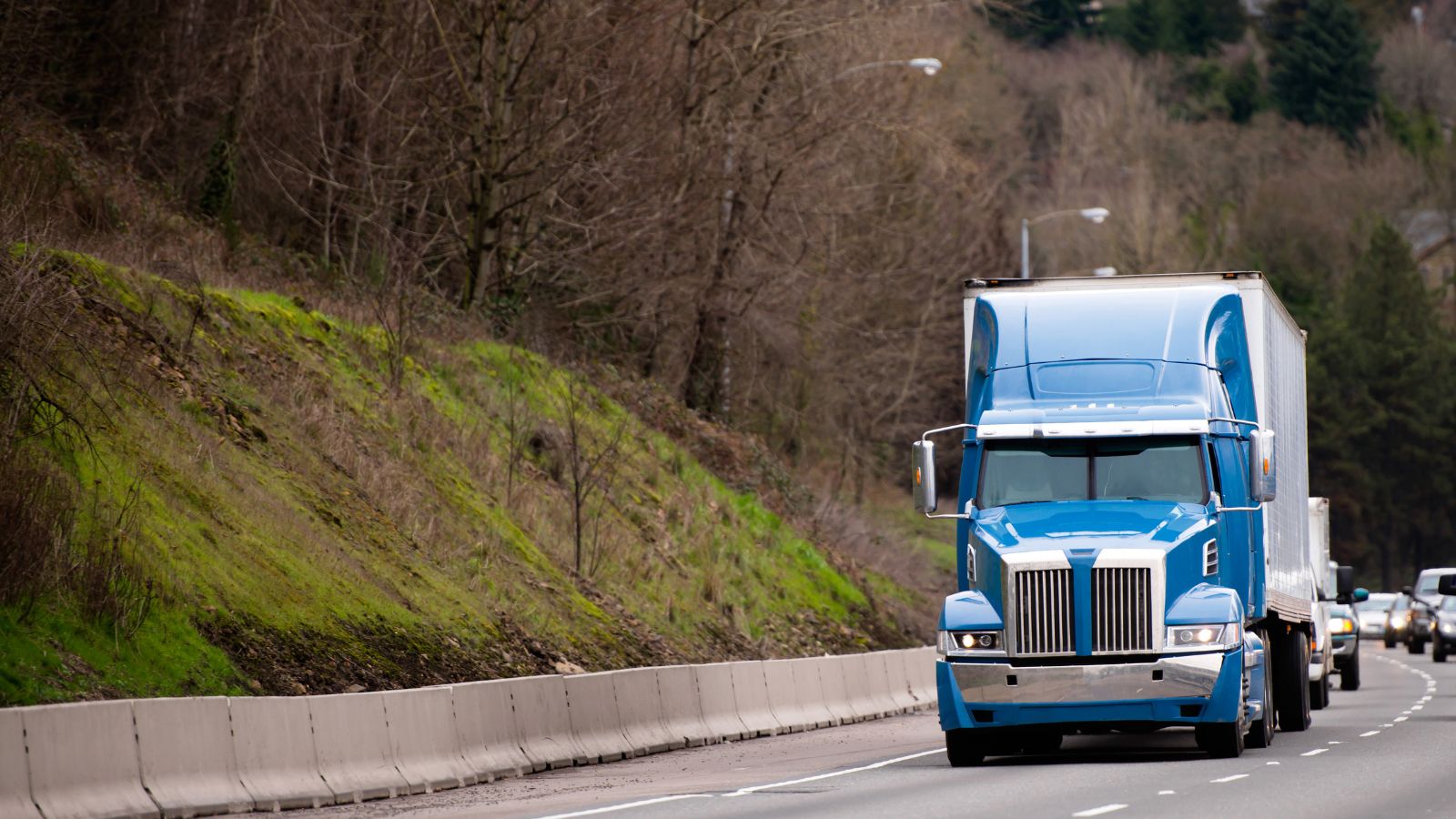
Detecting a passenger car directly ahead is comparatively straightforward because its shape, width and position are familiar to vehicle-perception systems. Motorcycles present a much narrower visual target, while the rear of a large truck can look radically different from a passenger vehicle. Researchers have consequently begun expanding AEB evaluations beyond the traditional car-shaped target to determine whether systems recognize a wider variety of road users reliably.
Real-world research has found that front crash-prevention systems reduce rear-end collisions involving passenger vehicles, motorcycles and heavier trucks, which confirms that the technology provides meaningful benefits. Yet the reductions have historically been larger when the vehicle being approached is another passenger car. Tougher IIHS testing introduced motorcycle targets and semitrailers precisely because older evaluations were no longer demanding enough. Early results revealed substantial differences between vehicles, although later test groups demonstrated rapid improvement. For drivers, the issue is consistency. A system advertised simply as “automatic emergency braking” can sound universal, while its detection performance may still depend on whether the obstacle ahead is a sedan, motorcycle, large truck or something less familiar.
Rain Can Weaken the Safety Net
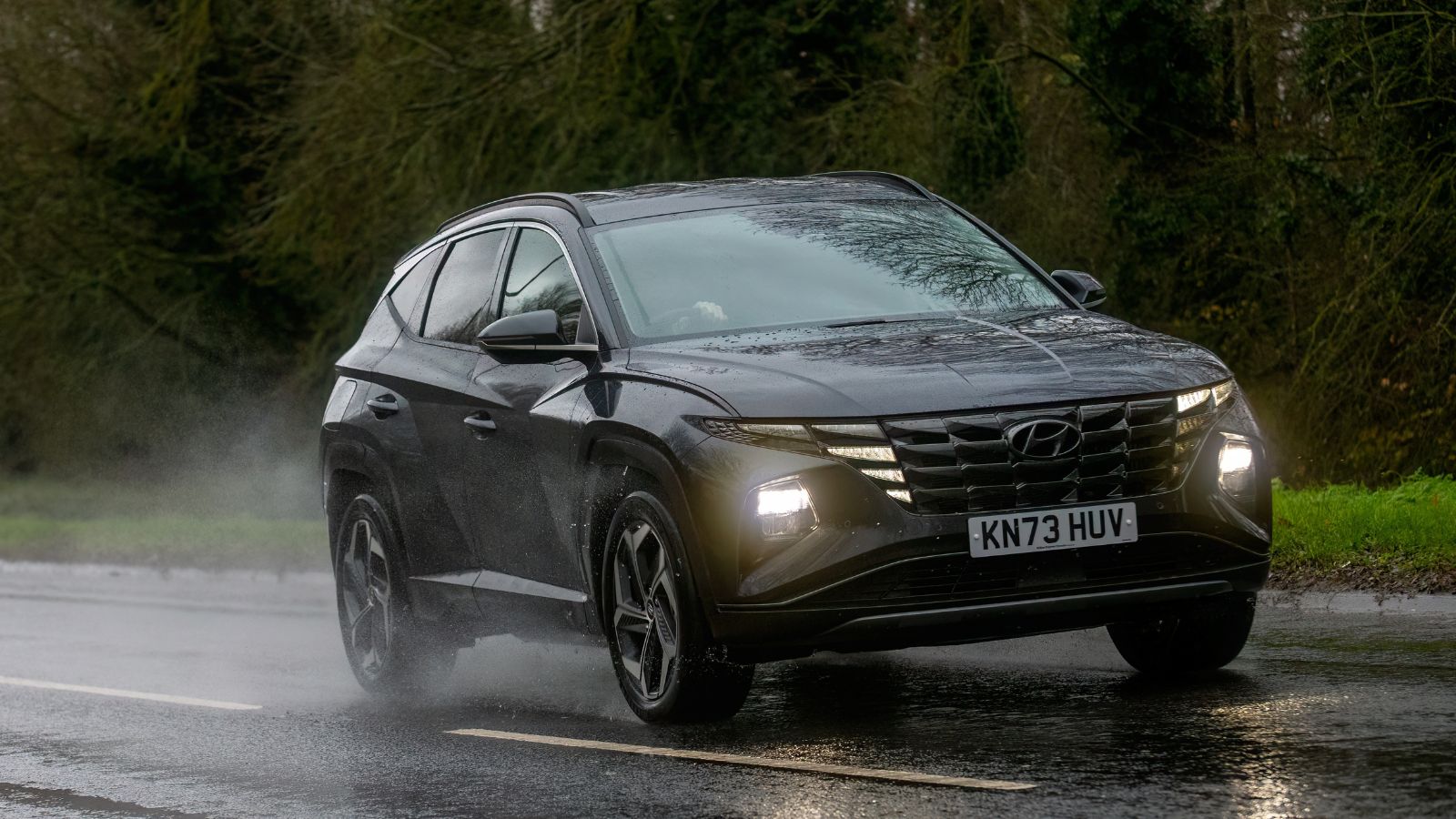
Bad weather is exactly when drivers might appreciate an electronic backup most, yet it can also make the sensors supporting AEB less reliable. Cameras have to see through rainfall and windshield moisture, while radar and image-processing software must interpret objects against changing reflections, spray and reduced contrast. At the same time, the tires themselves may have less grip, increasing the distance needed to stop even if the system detects the danger correctly.
Controlled AAA testing demonstrated the effect. Researchers evaluated AEB-equipped vehicles in simulated rainfall and found collisions occurred in 17 percent of runs at 25 mph and 33 percent at 35 mph under the test conditions. The same research emphasized that the experiment represented only moderate environmental degradation and that more severe real-world conditions could behave differently. Interestingly, the study’s deliberately dirty windshields produced far less dramatic effects than the simulated rainfall. The broader lesson is that “available” does not necessarily mean “equally capable under every condition.” If a driver has previously watched the system perform perfectly on a sunny afternoon, a weaker response during heavy rain may feel like an unexpected failure rather than a known limitation.
Repairs and Calibration Add Another Layer of Uncertainty
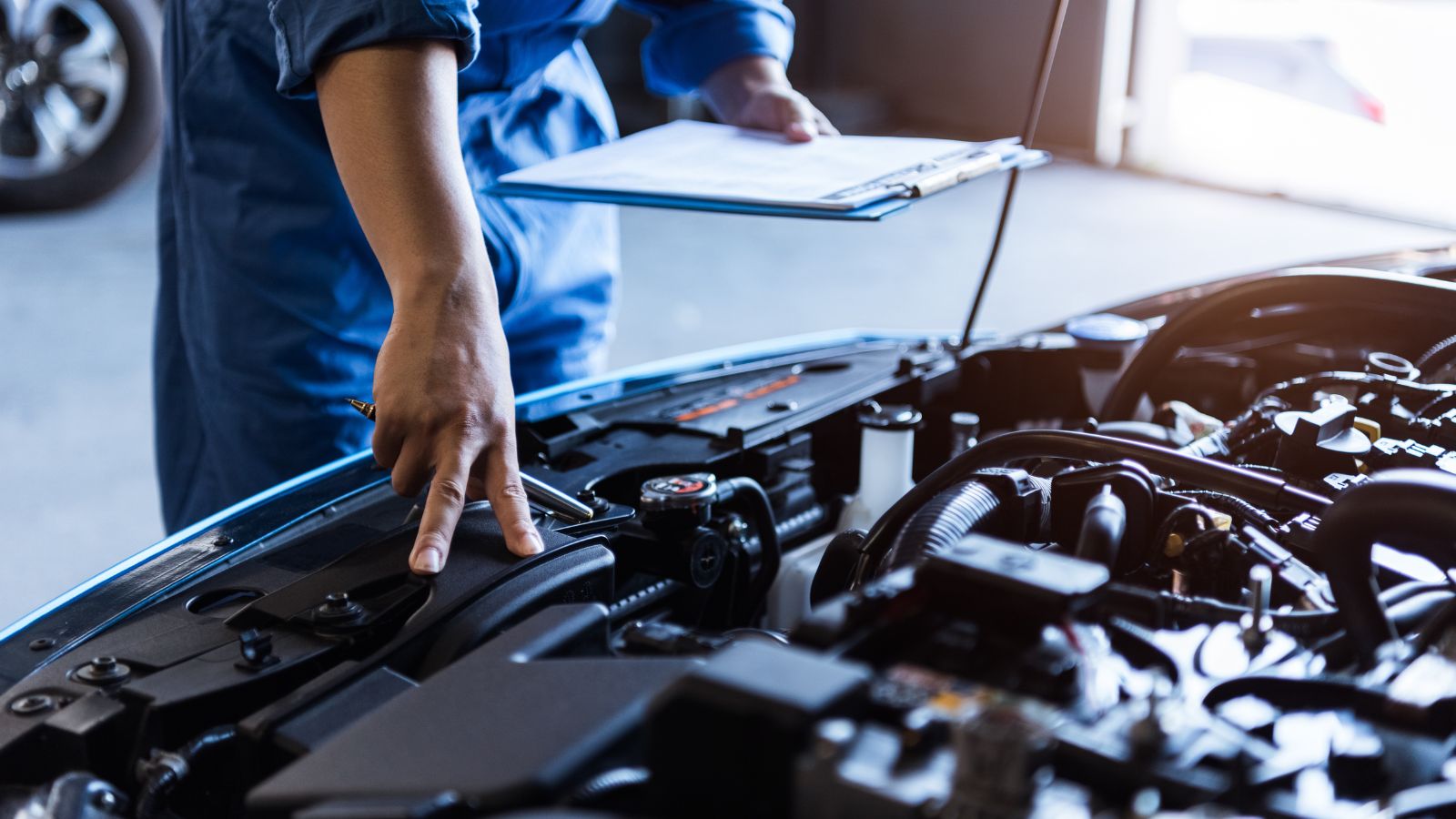
Modern AEB often depends on equipment placed in areas that are routinely damaged or replaced. A forward camera may sit behind the windshield, while radar sensors can be mounted behind bumpers or grilles. Replacing glass, repairing collision damage or moving a sensor can therefore require calibration so that the vehicle once again understands exactly where its electronic eyes are pointing.
That process has created a new source of anxiety for some owners. IIHS research involving drivers whose crash-avoidance equipment had been repaired found that post-repair problems were relatively common, particularly after windshield replacement or collision damage. Manufacturers frequently require calibration whenever certain cameras or sensors are removed, replaced or repositioned, and the procedures can involve specialized equipment, space and software. Most owners in the research still wanted the technology on future vehicles, which is important context. But an owner who has just paid for a windshield, calibration or repeated diagnostic work may understandably wonder whether the system is functioning exactly as it did before. With conventional brakes, drivers can often feel whether something is wrong; sensor alignment is far less obvious from behind the wheel.
Two Cars Can Have Very Different AEB Personalities
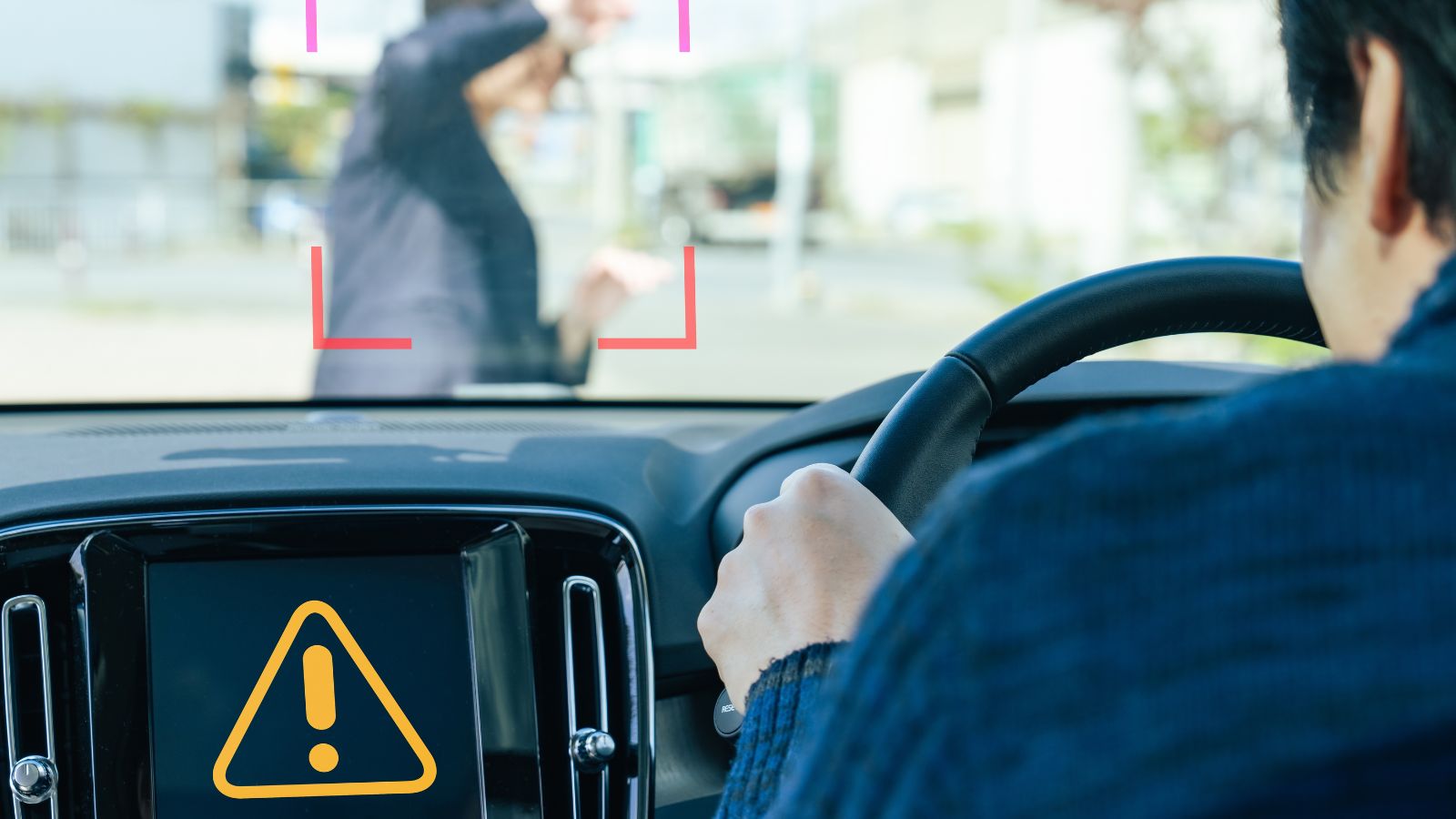
The phrase “automatic emergency braking” makes the technology sound standardized, but real-world implementation varies significantly. Manufacturers choose different combinations of cameras and radar, different warning thresholds and different software strategies for deciding when intervention becomes necessary. Some systems begin warning earlier. Others wait longer to avoid unnecessary braking. One vehicle may stop completely in a test while another merely reduces impact speed.
Modern safety testing has repeatedly exposed those differences. When IIHS introduced a tougher front crash-prevention evaluation in 2024, only one of the first 10 small SUVs earned its top “good” rating. Less than a year later, manufacturers had improved rapidly, with 22 of the next 30 vehicles receiving good or acceptable ratings. That progress is encouraging, but it also shows how much variation can exist between models and generations. Someone moving from a vehicle with an aggressive, early-intervening system to one calibrated differently may initially interpret the change as poor performance. Conversely, a driver accustomed to restrained intervention may find another vehicle’s braking intrusive. The same feature name can therefore produce surprisingly different experiences.
Many Drivers Do Not Fully Know the System’s Boundaries
Automatic emergency braking usually arrives as one component of a much larger package containing forward-collision warning, pedestrian detection, adaptive cruise control, lane assistance and other features. Owners may receive only a brief explanation at the dealership before encountering the technology in real traffic. The result is a knowledge gap between what the system actually does and what someone assumes the words “automatic emergency braking” imply.
Research involving more than 1,300 owners of vehicles equipped with driver-assistance technology found generally positive attitudes, but it also revealed substantial misunderstandings. One-third of AEB owners surveyed did not realize that cameras or sensors used by their systems could be obstructed by dirt, ice or snow. That matters because trust depends partly on expectations. If someone thinks the system should detect every obstacle at every speed and in every weather condition, perfectly normal limitations can appear to be malfunctions. Safety agencies consequently emphasize that AEB remains an assistance feature rather than an automated driver. Better education may not make the hardware more capable, but it can prevent drivers from expecting capabilities the vehicle was never designed to provide.
A Missed Intervention Can Be as Damaging as an Unwanted One

False braking gets attention because it is dramatic, but the opposite experience can be just as damaging: the vehicle does nothing when the driver expects it to react. Perhaps traffic stops abruptly and the driver brakes manually before noticing any automatic intervention. Perhaps a pedestrian, motorcycle or turning vehicle passes through a situation that seems tailor-made for the technology, yet no warning arrives. Even if the driver successfully avoids the crash, the assumption that AEB would provide backup can disappear immediately.
Human-factors researchers have studied this broader problem for years. Trust in automation is not determined simply by how often a system is technically correct. People respond differently to false alarms, missed detections and unexplained behavior, and repeated automation errors can change whether they heed future warnings or rely on the system at all. That makes AEB unusually difficult to judge from daily driving because successful interventions are rare by design. A driver may travel tens of thousands of kilometres without needing emergency braking, meaning one obvious miss or unexplained activation can dominate the entire perception of the feature.
AEB Works Best as Backup, Not as a Guarantee
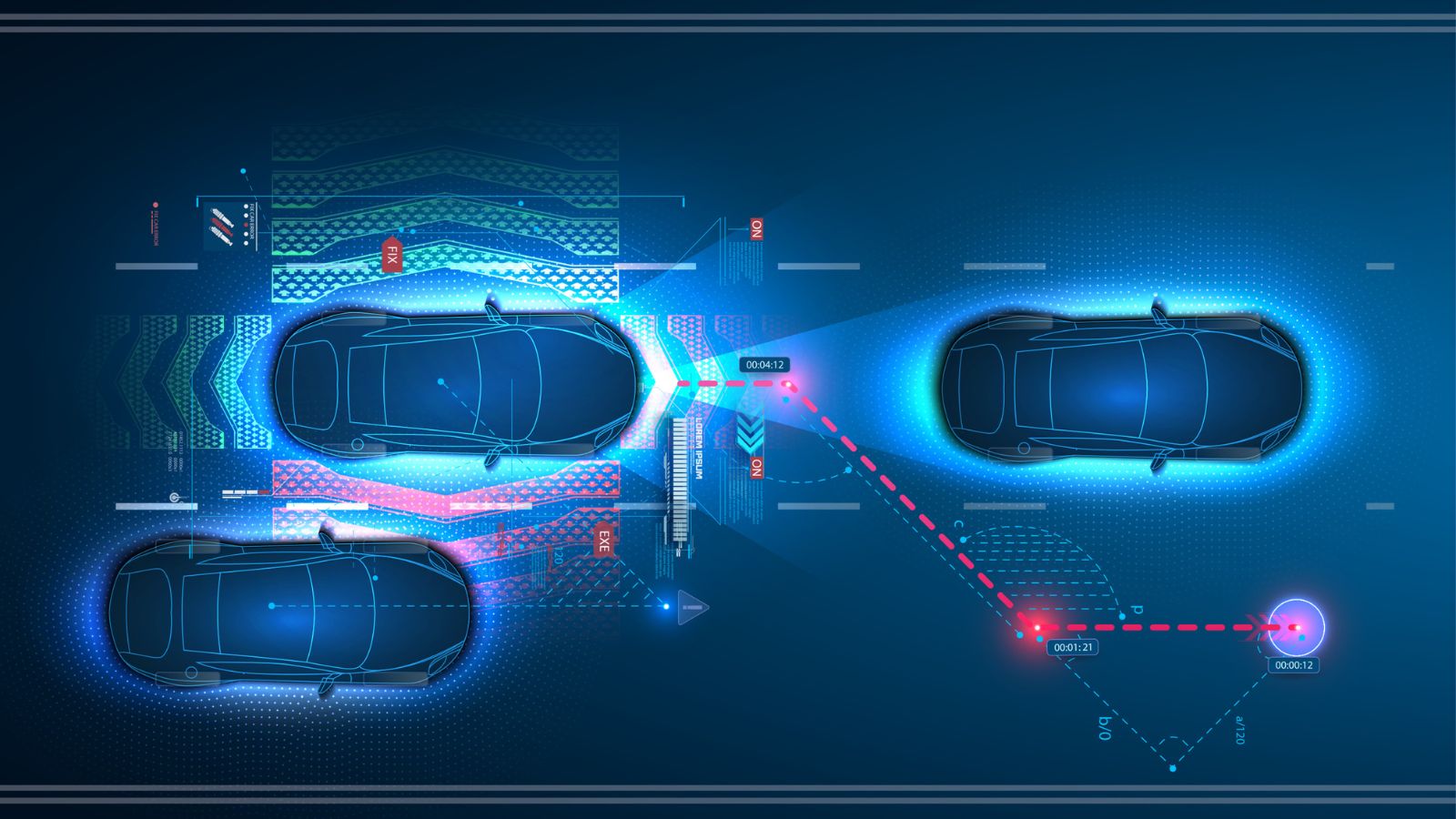
The irony surrounding declining trust is that automatic emergency braking has accumulated strong evidence that it improves safety. Large real-world analyses have found that AEB cuts rear-end crashes by roughly half, and pedestrian-detection versions have also produced measurable reductions in crashes involving people on foot. Newer generations have become substantially better in controlled testing, while tougher assessments are pushing manufacturers to improve performance with motorcycles, trucks, pedestrians, nighttime conditions and higher speeds.
What AEB cannot provide is certainty. It is an emergency layer intended to intervene when a collision appears imminent, not permission to shorten following distances, look away from traffic or assume the car will recognize every hazard. That distinction may ultimately determine whether trust rebounds. Drivers do not need to believe the technology is infallible to benefit from it; they need a realistic understanding of what it can and cannot do. The most useful form of confidence is therefore calibrated confidence: enough trust to value the system when it helps, but not so much that responsibility for braking quietly shifts from the person behind the wheel to the software.

Alanna Rosen is an experienced content writer that focuses on many EV and educational content. Her articles are regularly published on Get CyberTrucked and syndicated on large publications.