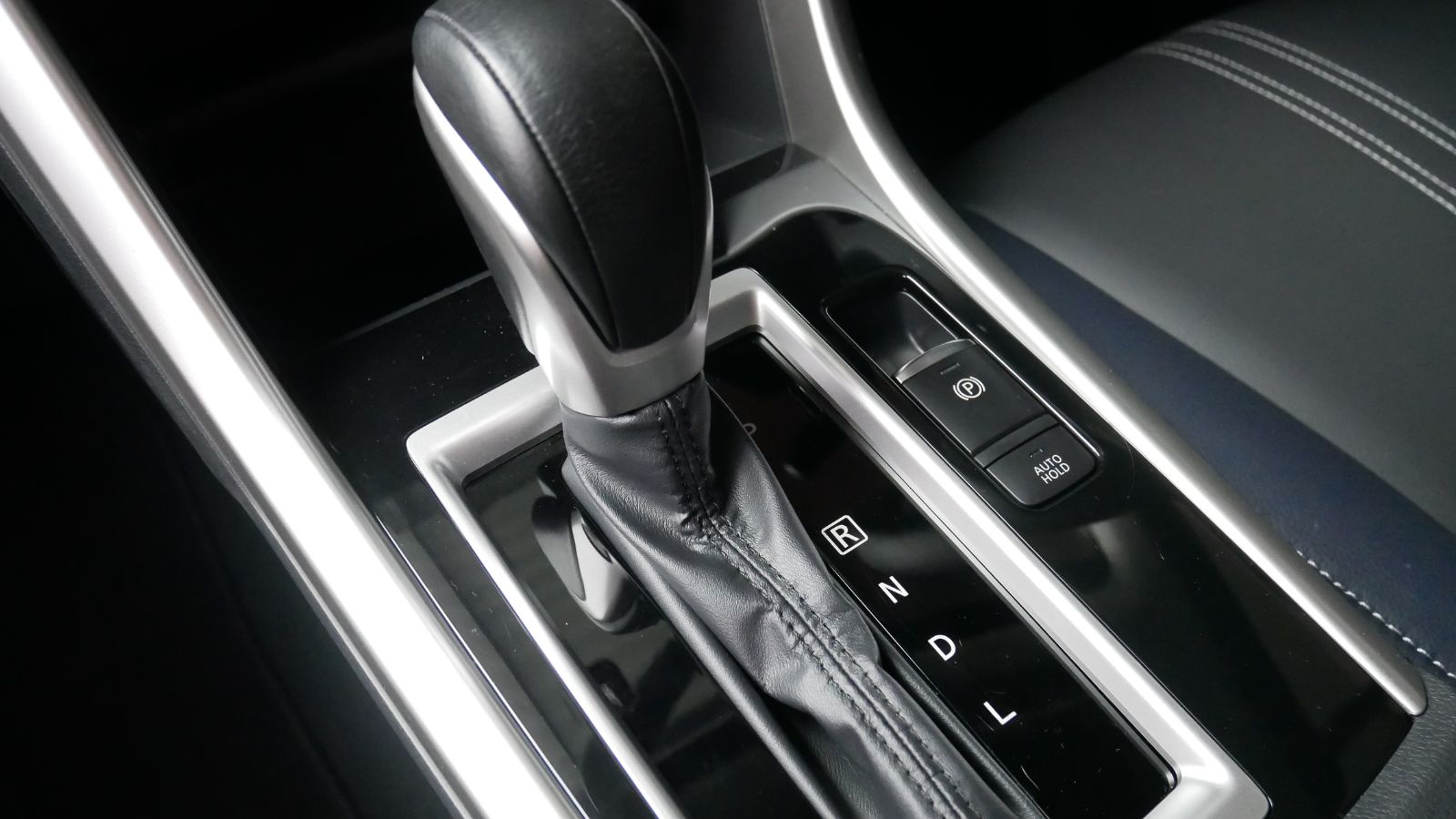
The traditional handbrake lever is disappearing from modern cabins, replaced by a small switch that can apply the parking brake with barely any effort. Electronic parking brakes bring genuine advantages, including automatic operation, cleaner interior packaging and integration with features such as Auto Hold. Yet the technology also changes a once-simple mechanical function into one involving motors, control modules, sensors and software logic.
For most drivers, that difference may barely register until something goes wrong. These 12 reasons explain why some owners are beginning to miss the simplicity of the old-fashioned parking brake.
A Dead Battery Can Become a Much Bigger Inconvenience
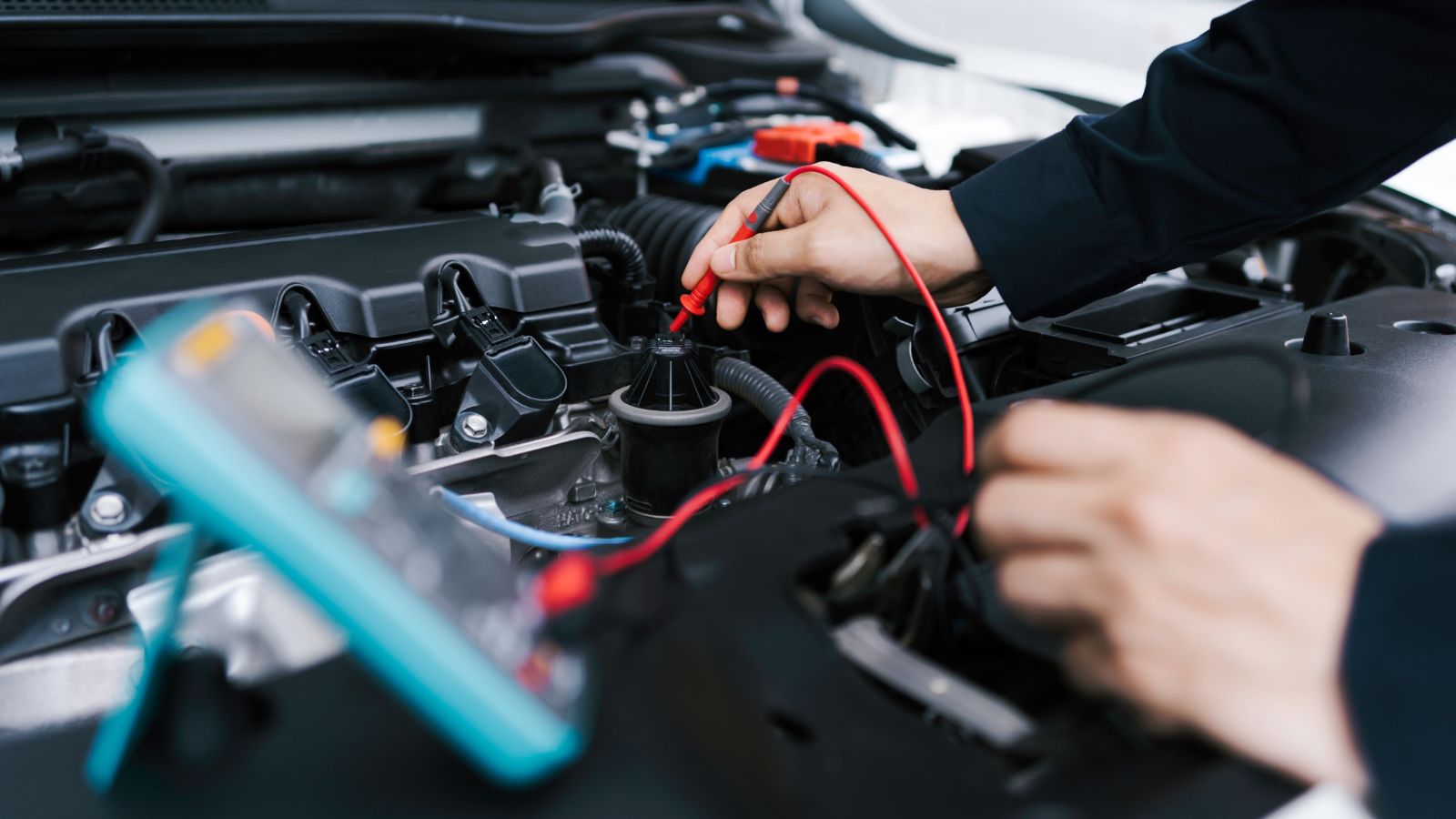
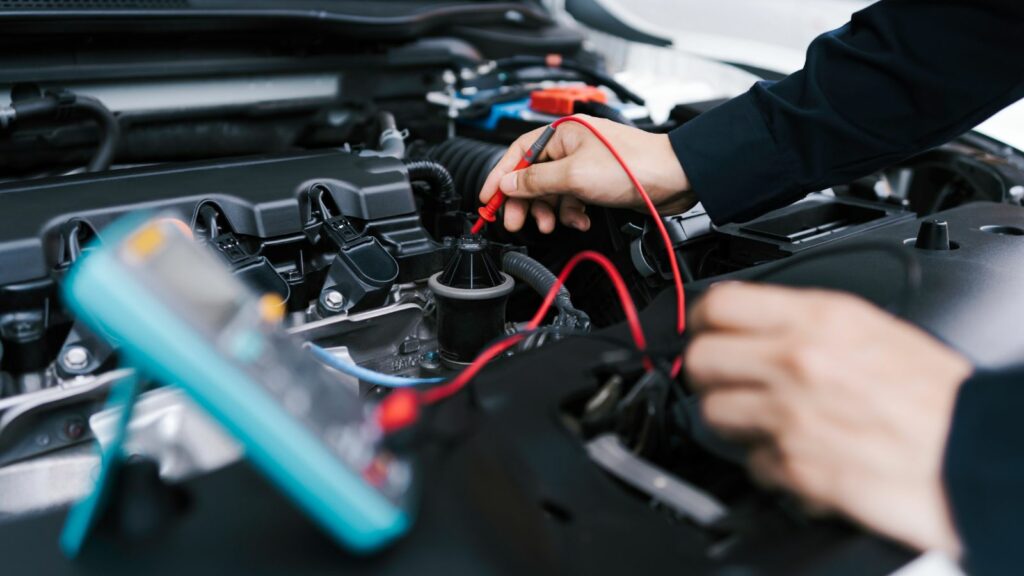
A conventional parking-brake lever does not normally require the vehicle’s 12-volt electrical system simply to move the lever. An electronic parking brake is different. The switch sends an electrical command to actuators that apply or release the brake, meaning available electrical power can become essential. Ford, for example, warns in some owner manuals that its electric parking brake will not operate when the vehicle battery has run out of charge. Its prescribed solution can involve connecting a booster battery before the brake can be released.
That distinction can feel insignificant until a vehicle is sitting in a driveway, underground garage or awkward parking space with a completely discharged battery. Instead of simply releasing a mechanical lever and preparing the vehicle to be moved, an owner may first have to restore electrical power. Kia documentation similarly notes that an EPB may be unable to apply or release after the battery is drained. For drivers accustomed to mechanical controls that function regardless of battery voltage, that extra dependency can make a simple breakdown feel surprisingly complicated.
Routine Rear Brake Work May Require a Special Service Mode
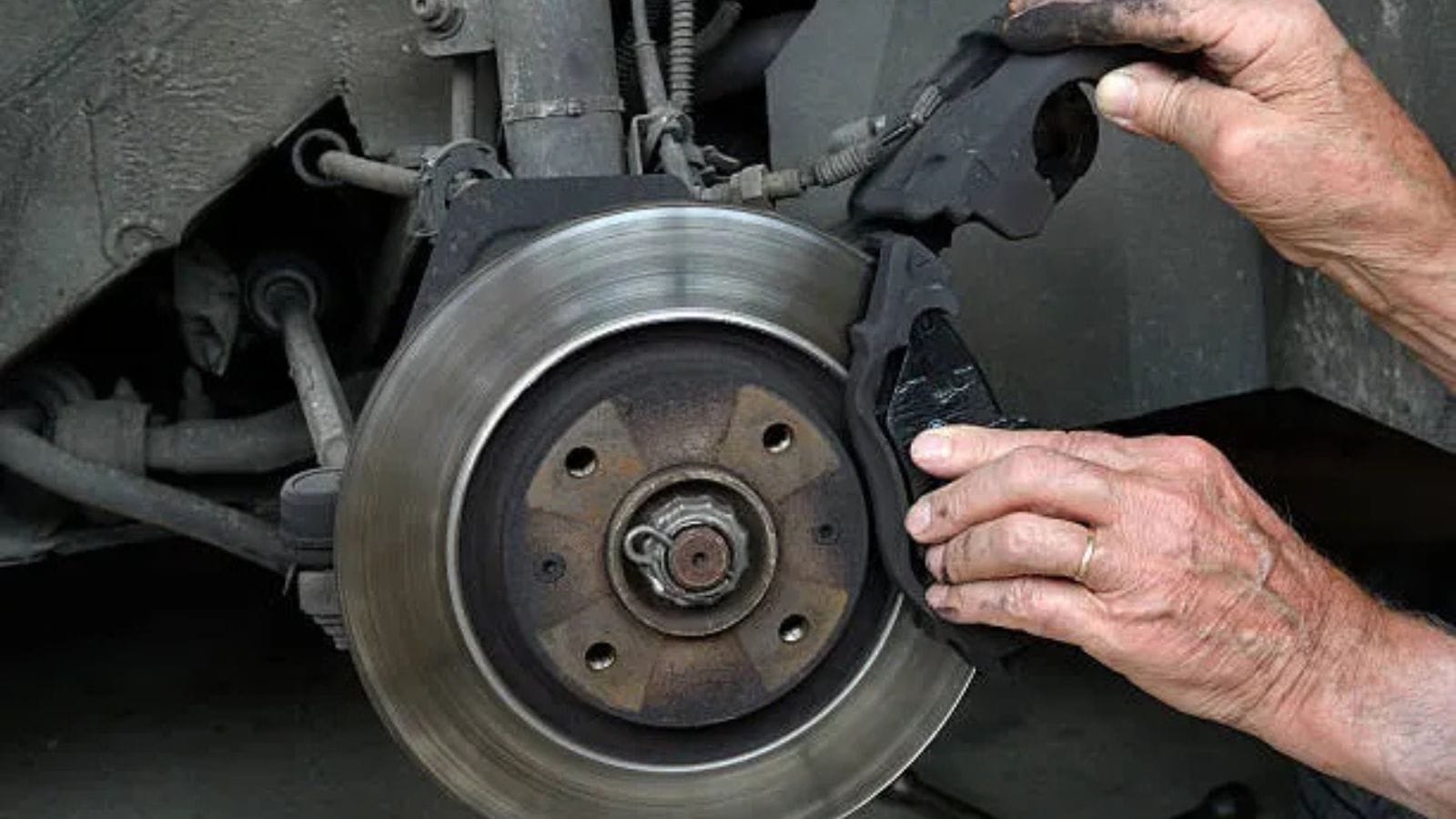
Replacing rear brake pads used to be one of the more approachable brake jobs for experienced home mechanics. Electronic parking brakes can change that equation because the electric actuator has to be put into the correct position before the caliper piston can safely be retracted. Ford vehicles can display a specific “Park Brake Maintenance Mode” message when the system has entered the setting intended for rear-brake servicing.
Technical supplier HELLA describes an even more involved example on certain Audi systems. Its workshop guidance says a suitable diagnostic unit is required to place the system into the appropriate basic setting before rear brake pads are removed. Once new pads are fitted, additional electronic adjustment procedures are performed. Requirements vary considerably by manufacturer, and some cars provide a button-and-pedal sequence that does not require a professional scan tool. Even so, the larger point remains: a component that once involved almost entirely mechanical work can now require electronic procedures, making do-it-yourself servicing less straightforward and increasing the importance of model-specific instructions.
A Parking-Brake Fault Can Leave the Vehicle Immobilized
Drivers sometimes assume an electronic parking brake will simply stop working if something fails. The reality can be more inconvenient: certain faults can leave the brake stuck on. A U.S. safety recall involving electronic parking-brake hardware described a defect that could cause the system either to fail to engage or fail to disengage. The latter condition could immobilize the vehicle, according to the official recall documentation.
Toyota has also documented a software-related campaign involving certain 2022 and 2023 Tundra models in which the EPB could engage and become unable to release under particular conditions. Transport Canada records provide additional examples of electronic parking-brake problems involving connectors, actuators and wiring. These recalls do not mean electronic parking brakes routinely fail, nor are conventional handbrakes immune to broken cables or seized components. The frustration is different. When an electronic system refuses to release, there may be no obvious mechanical lever or cable that a stranded owner can easily understand, inspect or operate.
Canadian Winters Can Expose an Awkward Weakness
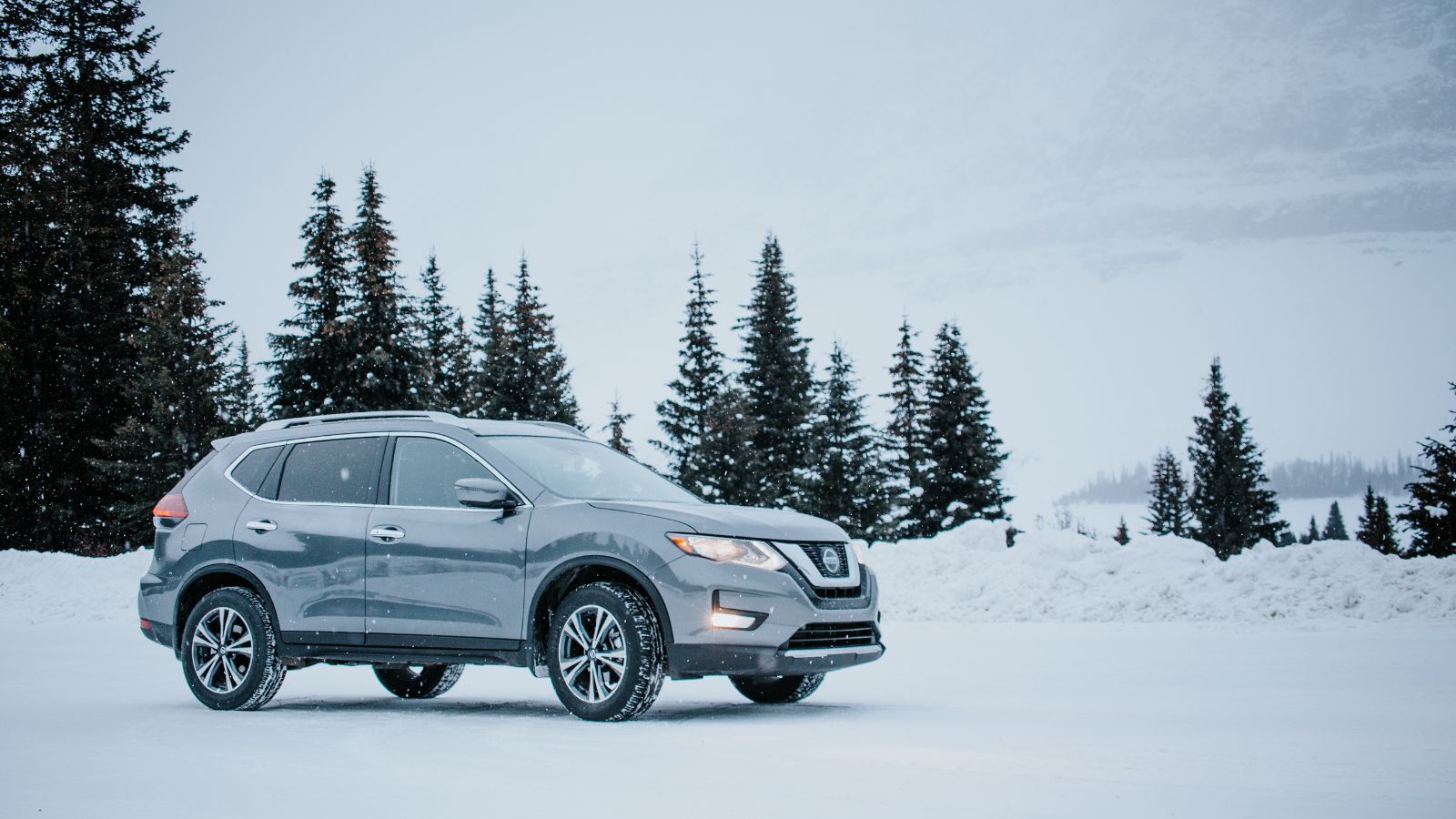
Cold weather has always been hard on parking-brake mechanisms, and electronic systems have not eliminated the freezing problem. Hyundai explicitly warns in some current owner manuals that EPB-related components may freeze during winter and become impossible to release. Under the conditions described by the manufacturer, drivers may be advised to park on a flat surface in Park and use wheel chocks rather than leave the electronic brake applied.
Mazda similarly tells owners of certain models that the automatic parking-brake operation can be cancelled when there is a risk of the brake freezing in cold weather. Nissan guidance for some vehicles also cautions against leaving the electronic parking brake applied in cold climates because it could freeze and fail to release. For Canadian owners, this is more than an obscure theoretical concern. A frozen parking brake on a dark January morning can transform a normal commute into a troubleshooting exercise. Electronic actuation adds convenience, but it cannot repeal the basic realities of moisture, ice and freezing brake hardware.
Automatic Operation Can Feel Unpredictable at First
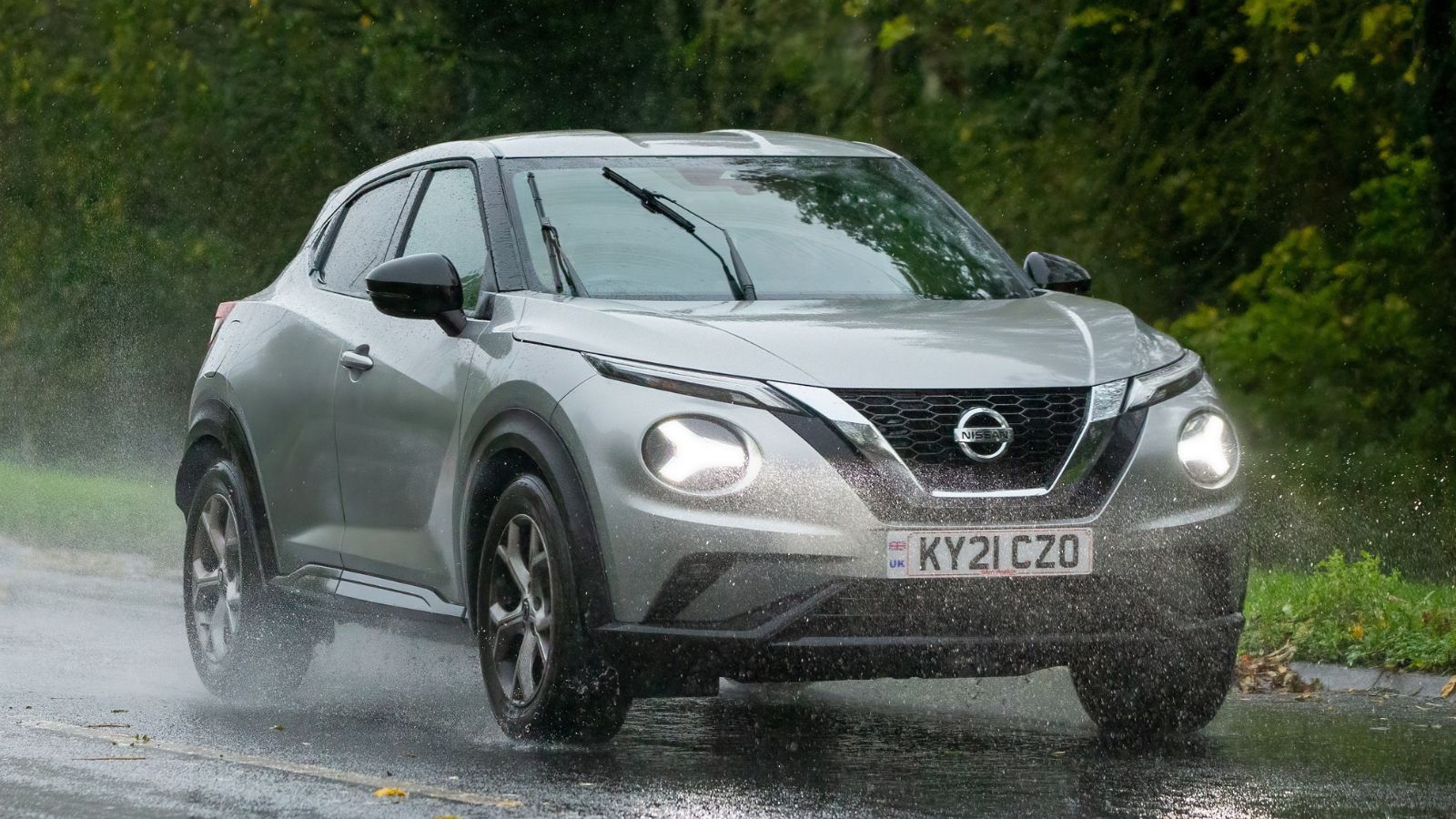
One selling point of an electronic parking brake is that the driver does not always need to think about it. Depending on the vehicle, the brake may engage automatically when the transmission enters Park, when Auto Hold is active and the vehicle is switched off, or when certain doors are opened. That automation is convenient once the behaviour becomes familiar, but it can surprise someone moving between different vehicles.
Kia manuals illustrate how many conditions can influence automatic application and release. Some systems consider the driver’s seat belt, door, hood, tailgate, gear selection and Auto Hold status. A driver who expects the brake to release simply because Drive has been selected may instead see a warning telling them to press the brake pedal or close a door. None of this necessarily indicates a malfunction; it can be normal system logic. Yet that is precisely what irritates some owners. The old lever was visually obvious: up meant applied and down meant released. Modern systems can make the same basic task dependent on several electronic conditions.
Automatic Car Washes Can Require Another Procedure to Remember
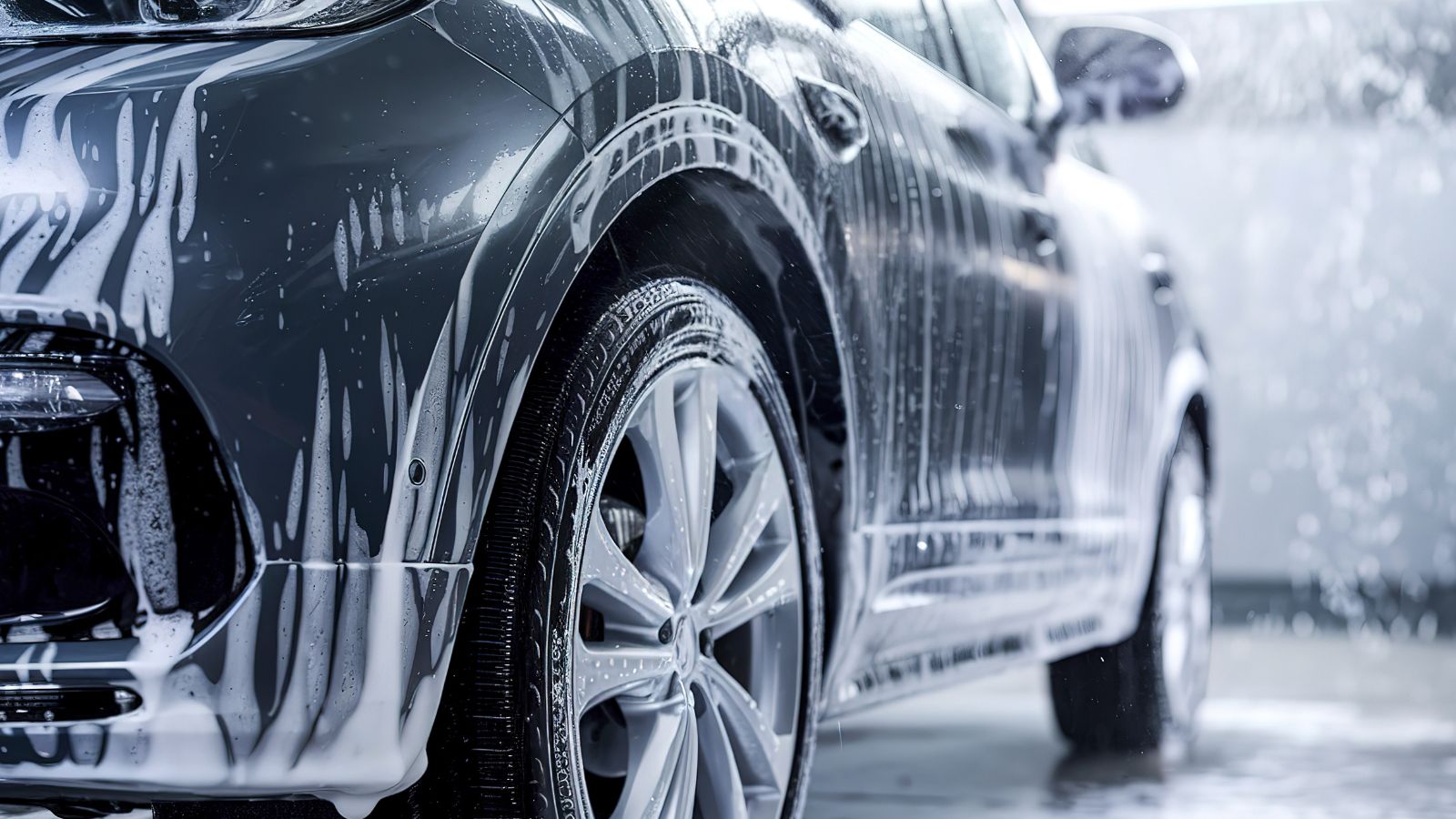
A conveyor-style automatic car wash often needs the vehicle left in Neutral with the wheels able to roll freely. That simple requirement can clash with vehicles programmed to apply their electronic parking brake automatically. Kia specifically cautions that on some models, shifting to Neutral while the EPB is applied will not automatically release it. The company warns that entering a tunnel-style car wash without releasing the brake could damage the vehicle or washing equipment.
Mazda likewise provides instructions for cancelling automatic parking-brake operation and using an appropriate Neutral or car-wash mode on certain vehicles. Other modern cars may automatically shift back to Park or apply the parking brake if a door is opened, creating yet another condition the driver has to understand. None of these steps is especially difficult once learned. The annoyance comes from turning an ordinary task into a procedure that can differ substantially between models. Owners who rarely use conveyor washes may have to consult the manual again because the correct combination is easy to forget.
The Tiny Switch Provides Much Less Physical Feedback
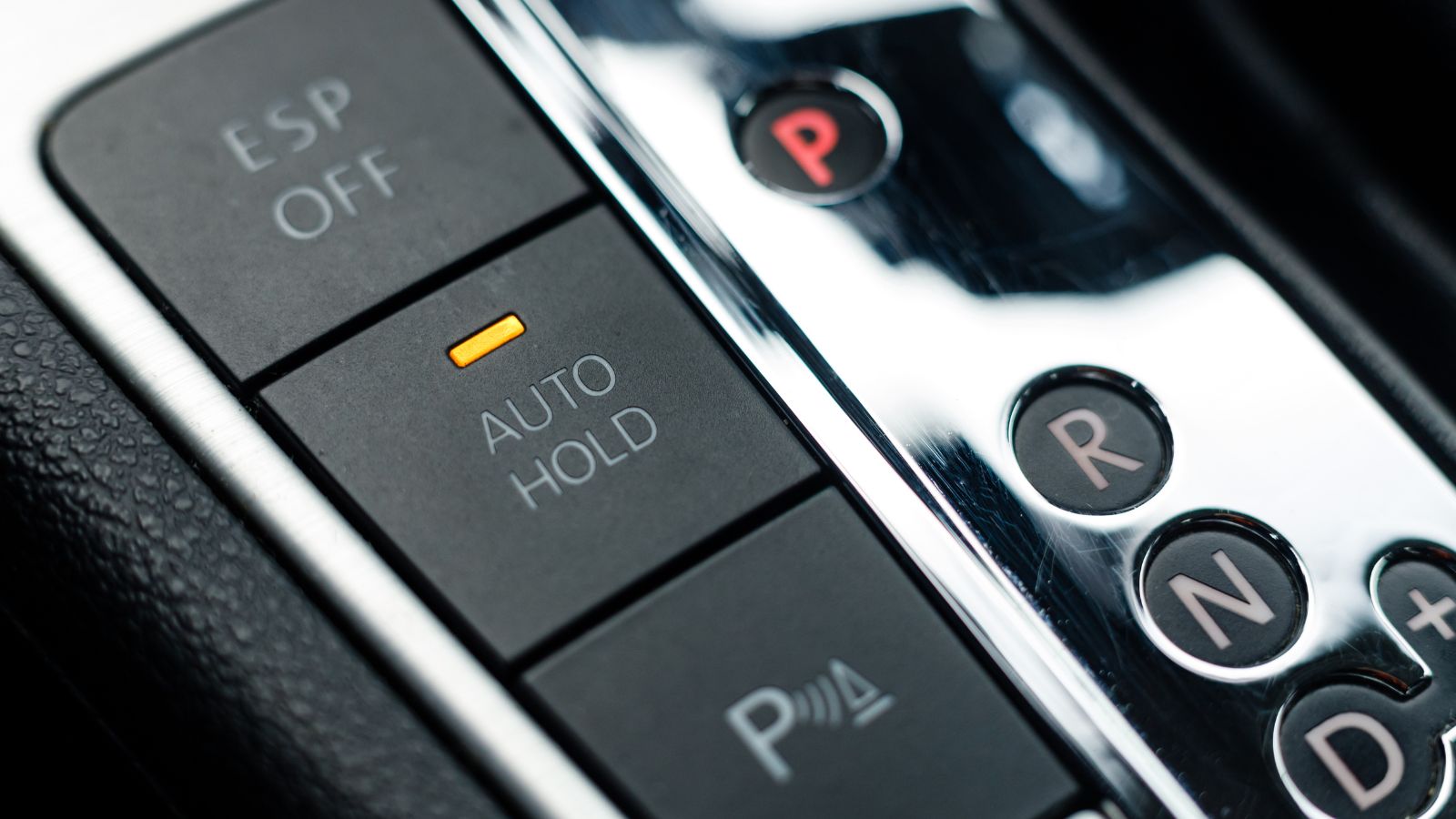
A traditional handbrake communicates its condition in an unusually direct way. Its position is visible, its movement can be felt and the resistance through the lever gives the driver immediate physical feedback. Electronic parking brakes replace that interaction with a small switch, dashboard indicators and usually the brief sound of an electric motor. Mazda even notes in its manuals that operation noises and some brake-pedal movement during EPB activation can be normal.
For most drivers, the change is easy to accept. Others miss being able to look down and instantly see that a large lever is fully raised. With an electronic system, confirmation typically comes from a warning lamp or message in the instrument cluster. Automotive publications have noted how thoroughly the physical handbrake has disappeared as manufacturers increasingly substitute compact electronic switches. The switch frees console space and requires far less physical effort, but it also turns a very mechanical interaction into another status indicator. For drivers already frustrated by increasingly digital interiors, that can feel like unnecessary abstraction.
Emergency Braking No Longer Works the Way Many Drivers Expect
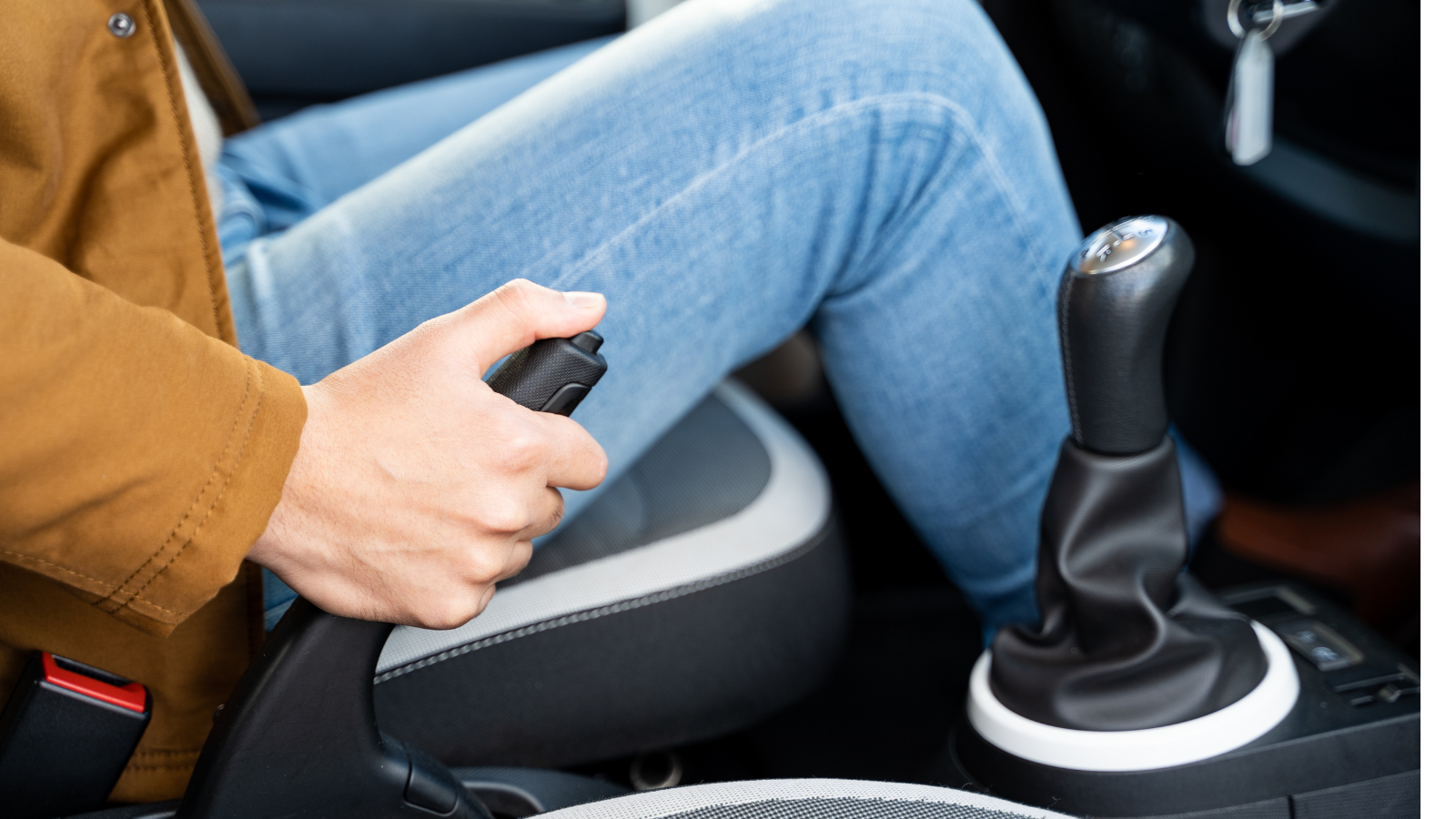
The parking brake has historically served as a secondary means of slowing a vehicle if the normal braking system develops a serious problem. Electronic systems can retain an emergency-braking function, but their operation may be very different from simply pulling a mechanical lever. Hyundai states for some models that emergency braking can be commanded by pulling and continuously holding the EPB switch if there is a problem with the brake pedal.
The company also warns that the stopping distance in that situation will be longer than during normal braking and that the EPB should not be operated while the vehicle is moving except in an emergency. Similar pull-and-hold arrangements appear in other manufacturers’ documentation. The system is designed deliberately so an accidental flick of the switch at highway speed does not instantly lock the rear wheels. That is sensible engineering, but it also means drivers should understand how their particular system behaves before an emergency occurs. A tiny switch does not necessarily communicate its backup-braking role as intuitively as a substantial mechanical lever once did.
Hill Starts and Trailer Manoeuvres Can Depend on System Logic
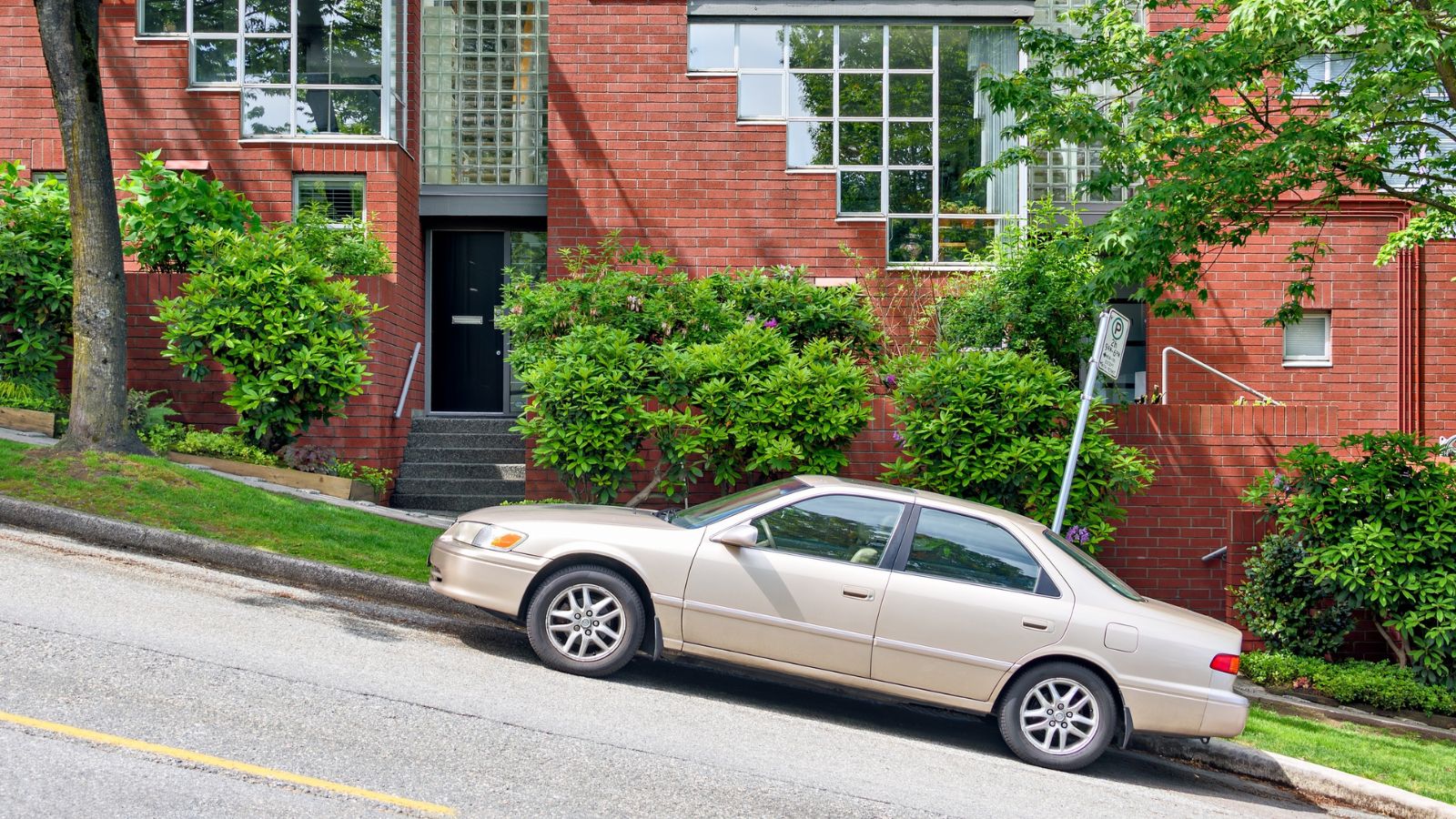
Electronic parking brakes can actually make hill starts easier because many systems release automatically once the vehicle develops enough drive force. Ford describes a drive-away release feature that can disengage the electric brake as the driver accelerates, helping prevent the vehicle from rolling backward. That is particularly useful on steep roads and can reduce the coordination once needed between the accelerator, clutch and handbrake.
The complication appears when the automatic conditions are not satisfied or when a driver is towing. Ford instructions for some models describe a specific sequence for moving away uphill with a trailer: the brake pedal is held, the parking-brake switch is pulled, the vehicle is placed in gear and sufficient drive torque is developed before the switch is released. Again, this is not inherently worse than using a manual handbrake. It is simply less universal. Someone who regularly switches between work trucks, rental vehicles and personal cars may discover that electronic systems behave differently, while the basic pull-and-release action of traditional handbrakes was comparatively consistent.
A Small Electronic Problem Can Produce an Unexpected Repair Bill
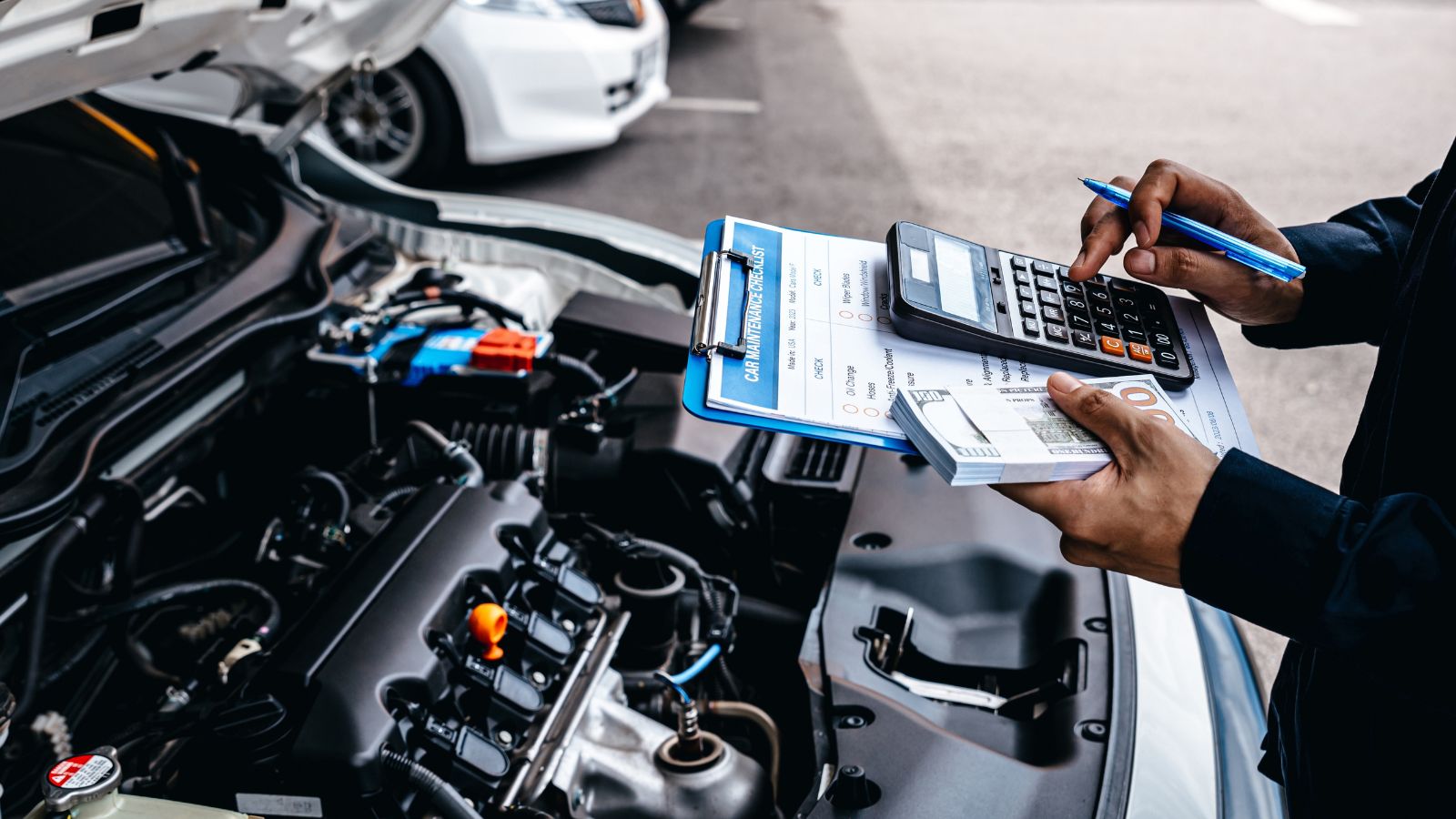
Electronic parking brakes contain parts that manual systems simply do not need, including electrical switches, wiring, control electronics and motorized actuators. RepairPal’s U.S. estimate for replacing only an electronic parking-brake activation switch averages roughly US$200 to US$240, with individual vehicle estimates varying substantially. That is the switch itself, not necessarily an actuator, damaged wiring, control module or brake-caliper assembly.
Official recall records demonstrate that failures can occur in several parts of the system. Transport Canada previously recalled certain Subaru Legacy and Outback models because components inside an EPB control unit could crack over time; the corrective action called for replacement of the parking-brake actuator. A separate Canadian recall involved an EPB connector that could disconnect, potentially preventing the brake from applying or releasing. Recalls are repaired according to the manufacturer’s campaign terms, so they should not be treated as normal ownership costs. They do, however, illustrate the broader issue: electronically operated parking brakes introduce components and failure modes beyond the familiar cables, levers and mechanical adjustment hardware of older designs.
Diagnosis Can Require More Than a Visual Inspection
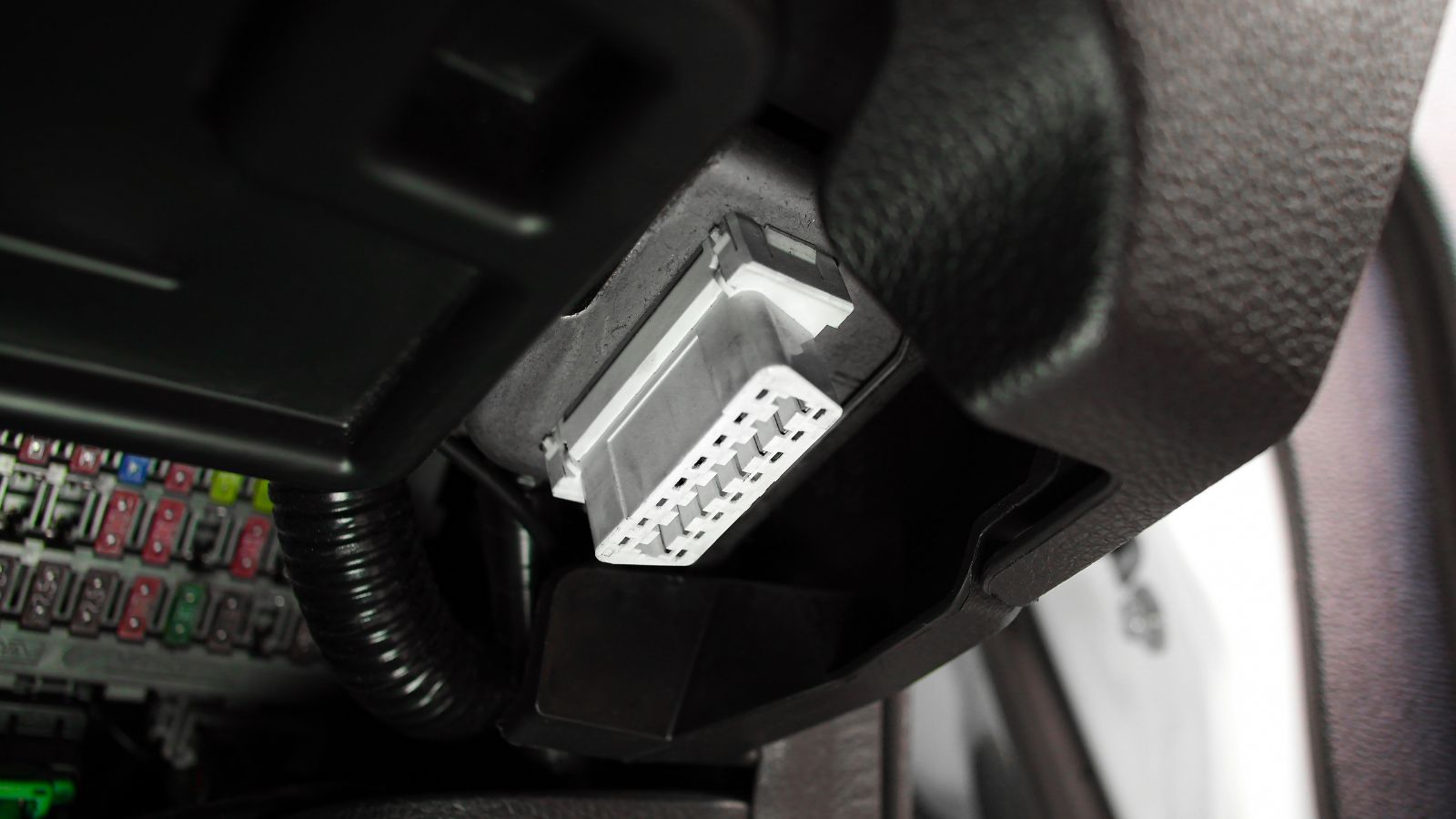
A mechanical handbrake problem can often leave visible clues: a stretched or broken cable, a seized linkage or a lever that suddenly feels wrong. Electronic systems can generate warning lamps and diagnostic trouble codes instead. HELLA’s technical guidance explains that diagnosing electromechanical parking brakes may involve reading fault memory, viewing live values and commanding components through actuator diagnostics with suitable equipment.
That does not mean every EPB problem demands a dealership visit. A failed switch or obvious wiring issue can sometimes be diagnosed conventionally, and aftermarket scan tools increasingly support electronic parking-brake functions. Still, the system introduces another layer between the driver’s finger and the brake hardware. Even rear-pad replacement may require the motors to be electronically retracted and subsequently returned to their normal operating position. For someone who bought a vehicle partly because it seemed easy to maintain at home, those procedures can be disappointing. The brake has not necessarily become unreliable; it has simply joined the growing list of vehicle systems where software access and diagnostic knowledge matter almost as much as wrenches.
Convenience Is Real, but So Is the Loss of Simplicity
There are good reasons electronic parking brakes became commonplace. Removing the large lever frees valuable centre-console space, applying the brake requires almost no physical effort, and manufacturers can integrate it with Auto Hold, automatic release and other vehicle-control systems. Automotive guides from Auto Express and Carwow both note how widespread the technology has become and highlight convenience as one of its core attractions.
The regret tends to appear when convenience collides with an unusual situation. A weak battery, frozen mechanism, rear-brake service, conveyor car wash or fault message can expose dependencies that were largely invisible during normal driving. Traditional handbrakes had problems of their own: cables could stretch, rust or seize, and drivers could forget to apply them. Electronic systems solve several old annoyances while introducing different ones. That makes the debate less about whether the technology is objectively good or bad and more about priorities. Drivers who value automation and uncluttered interiors may prefer the switch. Those who value mechanical simplicity may increasingly wish the old lever had stayed.
19 Used Cars Canadians Should Avoid in 2026 (Based on Owner Complaints)

Buying a used car in Canada can feel safe until repair bills start stacking up. Owner complaints tell a different story than glossy listings. Transmission failures, electrical problems, and weak winter reliability show up again and again in consumer reports. Many of these issues appear after warranties expire, when owners least expect them. Some vehicles look affordable upfront, but become expensive to keep on the road. Others struggle in cold weather, urban driving, or long highway commutes. Here are 19 used cars Canadians should avoid in 2026 (based on owner complaints).
19 Used Cars Canadians Should Avoid in 2026 (Based on Owner Complaints)

Alanna Rosen is an experienced content writer that focuses on many EV and educational content. Her articles are regularly published on Get CyberTrucked and syndicated on large publications.