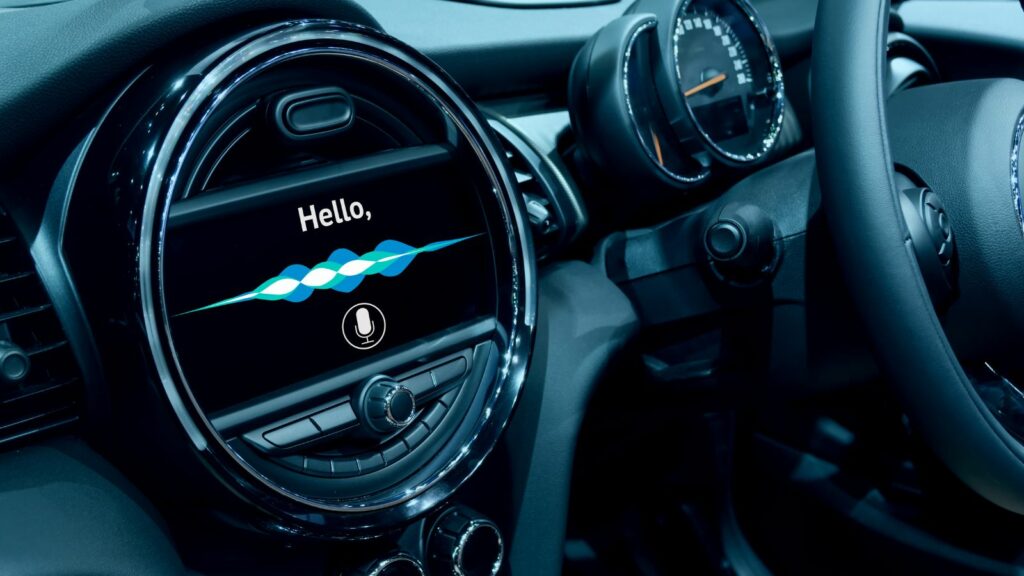
A modern car can hear a wake phrase, place a call, read a message, find a destination and summon help after a crash. Those conveniences make the cabin feel smarter, but they also create a new privacy question: how much should a vehicle be able to hear, store, transmit and connect to a driver’s identity? The answer is more complicated than the idea of a hidden microphone recording everything.
Automakers use different systems, many functions process data locally, and privacy controls vary widely by brand and model. Still, official privacy notices, regulatory actions and academic research show why the concern is not imaginary. These 12 issues explain why some drivers are becoming uneasy about voice assistants, cabin sensors, connected services and the broader data ecosystem now built into everyday vehicles.
The Microphone Is Only One Part of a Much Bigger Sensor Network
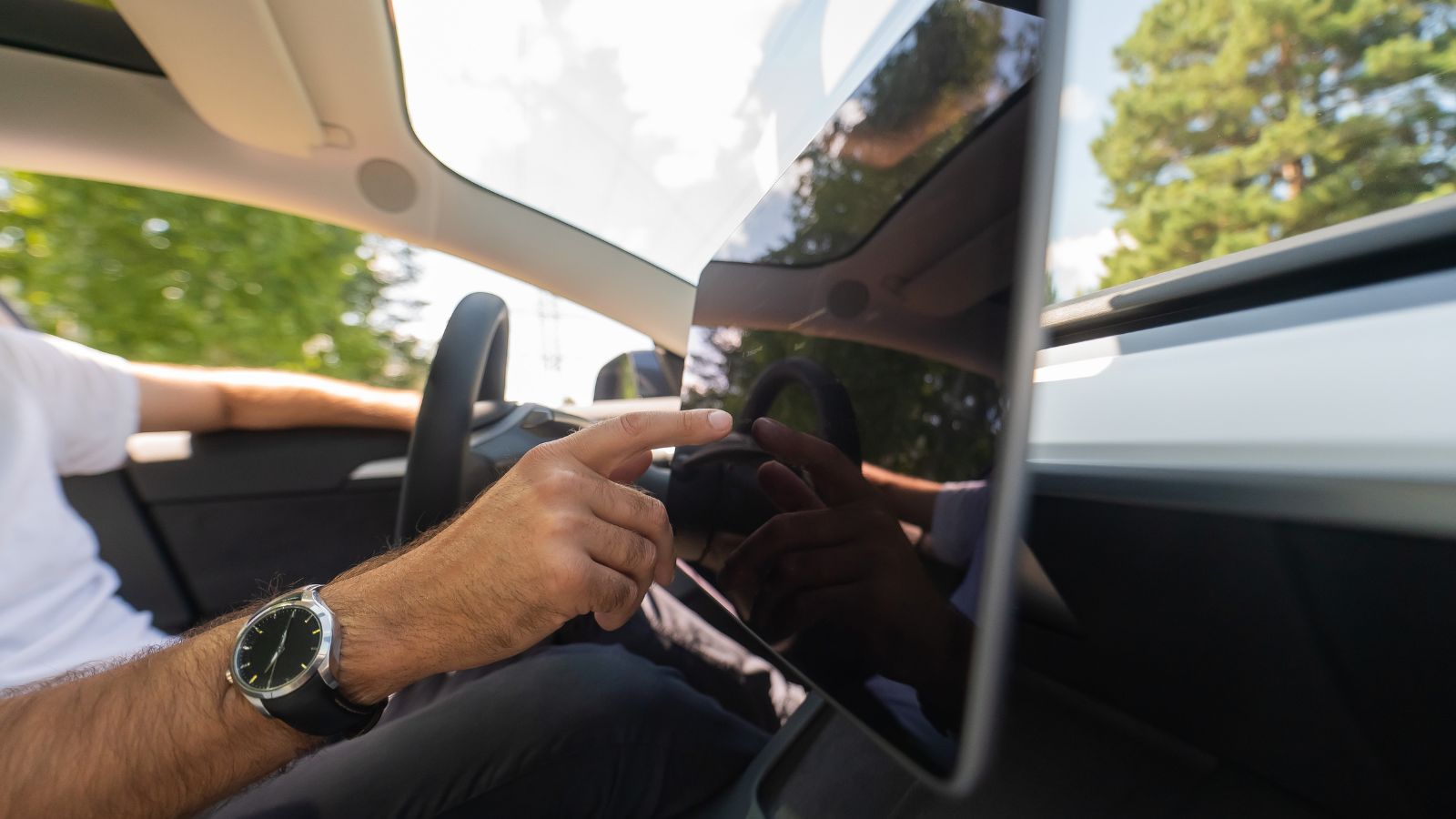
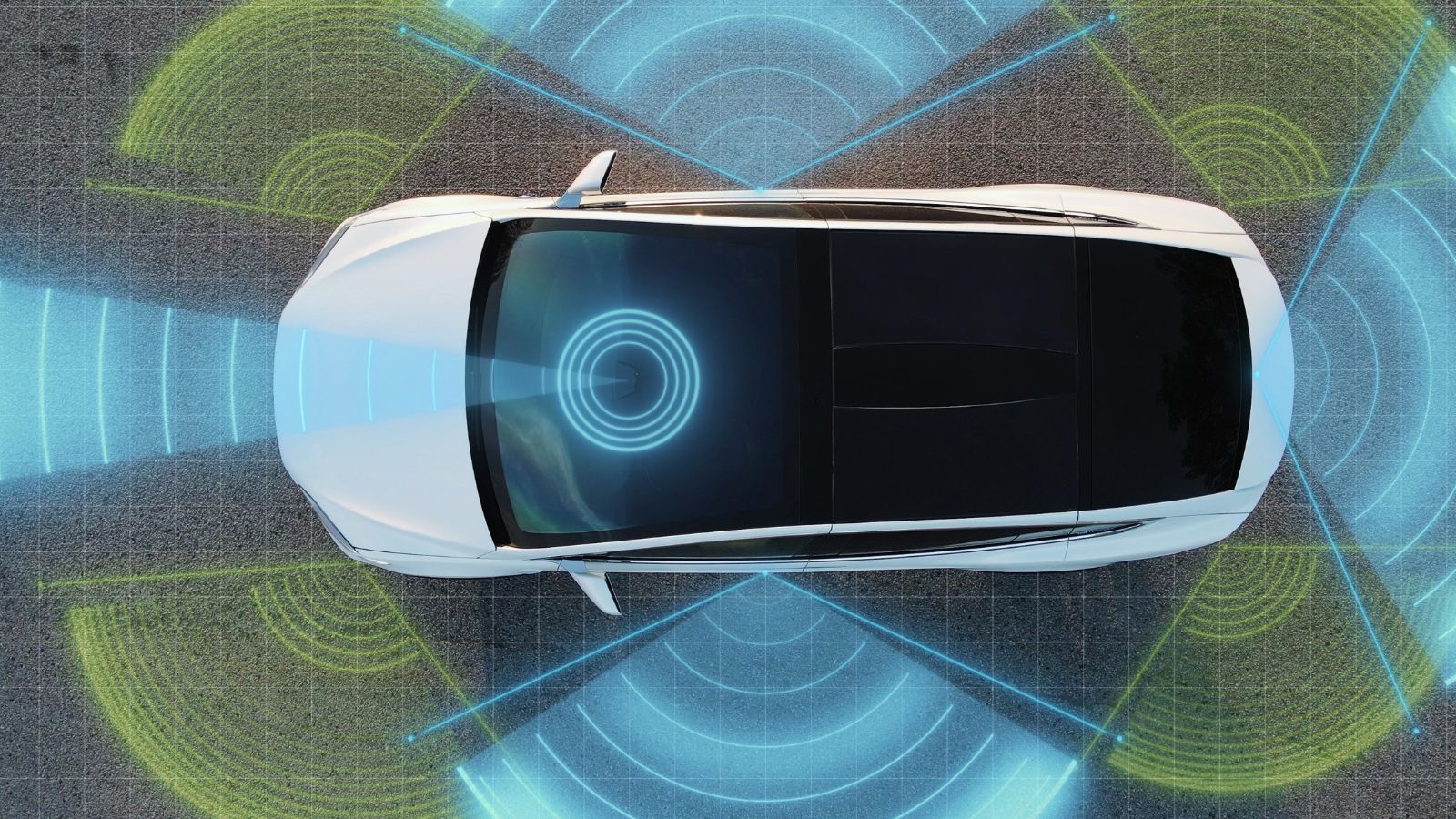
The privacy debate often starts with the microphone, but connected cars can collect far more than spoken commands. Depending on the vehicle, data can include precise location, speed, braking, steering inputs, seat-belt status, diagnostic information, media use and images from interior or exterior cameras. Ford’s current U.S. privacy notice, for example, lists driving data, vehicle location, audio or visual information, media analytics and vehicle analytics among the categories a connected vehicle may generate.
That matters because a voice command rarely exists in isolation. A request for directions can be connected with location data, a vehicle identifier, an account and other usage information. The result can be a richer picture of daily habits than a microphone alone would provide. For a driver who once viewed the cabin as a private space, the shift toward a networked sensor platform can feel like a major change in what modern car ownership means.
“Active Listen” Can Feel Uncomfortably Close to Always Listening
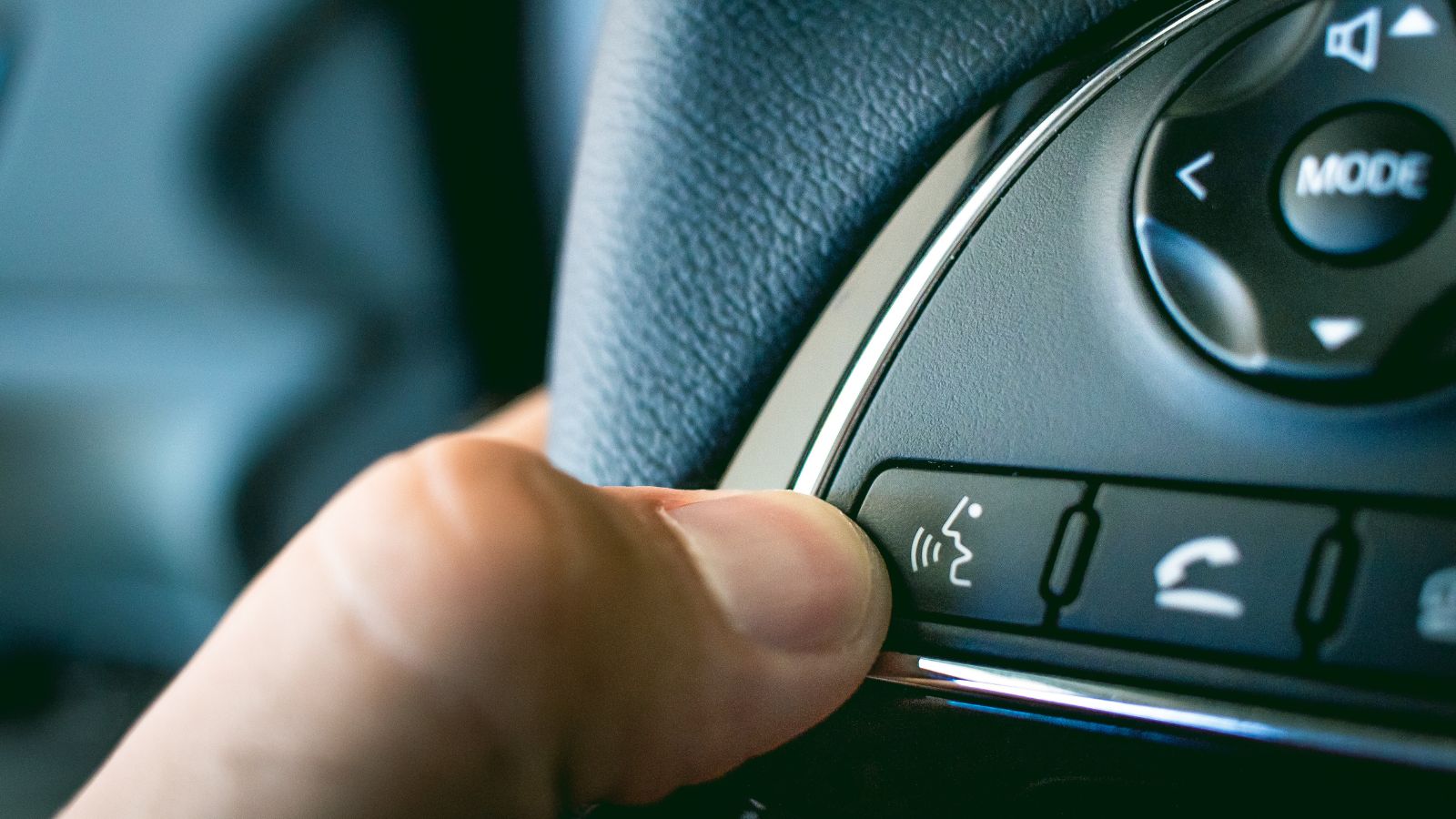
Voice assistants need some way to recognize that a person is speaking to them. Ford describes connected voice systems that can capture commands and other utterances when the system is in an “active listen” state. That does not mean every cabin conversation is automatically uploaded or stored, but it explains why some drivers feel uneasy: the system must be ready to detect speech before it can respond to a wake phrase or command.
Research on smart speakers shows why that distinction matters. A 2020 study published in Proceedings on Privacy Enhancing Technologies exposed voice assistants to 134 hours of television audio and documented unintended activations, including some lasting 10 seconds. Cars are not identical to smart speakers, and implementations differ, so the findings should not be treated as an automotive failure rate. They do show that wake-word systems can misactivate, making clear indicators and local processing important practical privacy safeguards.
Voice Commands Can Become Stored Recordings
Drivers may assume a request disappears when the navigation route appears or a call ends. Some systems can retain voice information for clearly defined periods. Toyota’s July 2026 U.S. Connected Services privacy notice says conversations with its Response Center may be recorded and stored for up to two years, while a record of the conversation may be kept for up to four years. It says select voice-service functions may collect recordings to improve performance.
That does not mean Toyota records every conversation inside vehicles. The notice distinguishes specific services and circumstances, and other manufacturers have different manufacturer policies. Retention changes a voice interaction. A sentence spoken to a car can become data held beyond the drive, processed by service providers. For privacy-conscious drivers, the key concern is not merely whether a microphone exists, but when audio leaves the vehicle, why it is retained and how long it remains available.
Passengers May Never See the Privacy Notice
The vehicle owner chooses the car, downloads the app and accepts connected-services terms. Passengers may do none of those things, yet they enter a space filled with microphones, cameras, Bluetooth connections and other sensors. Ford’s U.S. privacy notice tells owners or drivers to inform other drivers and passengers who connect mobile devices about the notice and its connected-vehicle provisions. That instruction highlights a practical consent problem inside shared vehicles.
A family member borrowing the car, a coworker getting a ride or a friend pairing a phone may have no idea what settings are enabled. The issue becomes more complicated when voice or biometric features interact with multiple occupants. Privacy regulators emphasize transparency for everyone affected by connected devices, not only the person who bought them. A dashboard indicator can help, but many drivers worry that meaningful consent should not depend on someone explaining a lengthy policy before every trip.
Location Data Can Reveal Much More Than a Destination
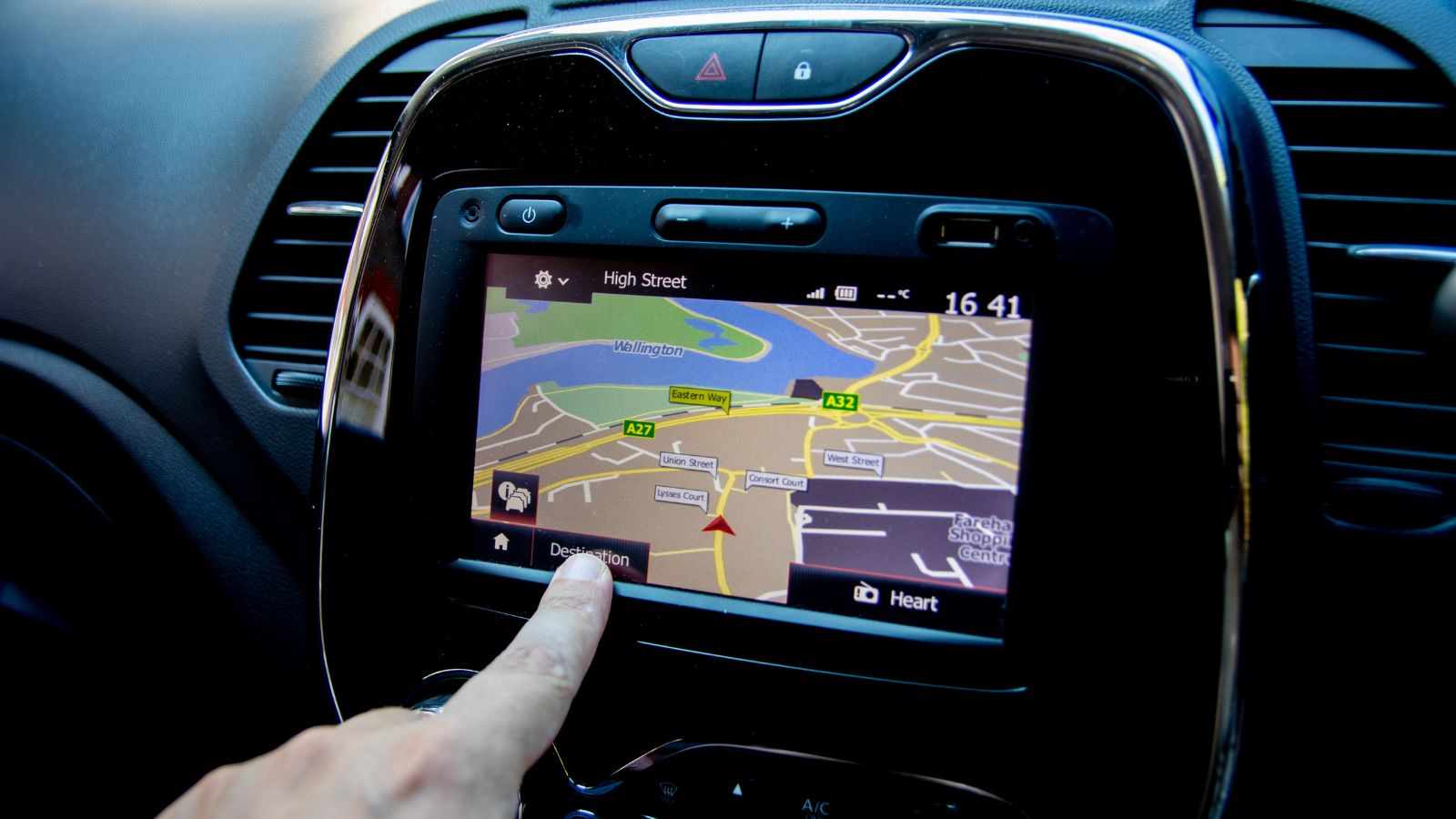
A car’s location history can expose routines far more personal than a map pin. In connected-car enforcement work, the U.S. Federal Trade Commission has stressed that precise geolocation can reveal visits to hospitals or other sensitive places and expose daily patterns. The European Data Protection Board treats connected-vehicle location information as high-risk data because repeated movements may reveal intimate aspects of a person’s life.
Voice features can add context to that location trail. A driver who asks for directions to a clinic, place of worship or private address may combine spoken intent with precise movement data. No single data point says much, but repeated records can create an informative pattern. That is why regulators focus on data minimization, consent and the ability to disable unnecessary tracking. Drivers worried about “listening” are often reacting to this combination of what the car hears, where it goes and which account is attached.
Driving Data Can Reach the Insurance World

One reason for public concern came from General Motors’ OnStar Smart Driver program. The Federal Trade Commission alleged that GM collected and disclosed precise geolocation and driving-behavior information, including data relevant to insurance decisions, without adequately informing consumers or obtaining consent. In January 2026, the FTC finalized an order barring GM for five years from disclosing certain geolocation and driver-behavior data to consumer reporting agencies and imposing broader consent and access requirements.
The case matters to drivers who never owned a GM vehicle because it shows how data created for a connected-car feature can acquire a second life. Braking, speeding and late-night driving can be useful for coaching or safety programs, but they can also affect financial decisions when routed into insurance ecosystems. That possibility changes how some people view in-car technology: a convenience feature may look harmless on the dashboard while its downstream data use has much larger consequences.
Interior Cameras and Biometrics Add Another Layer
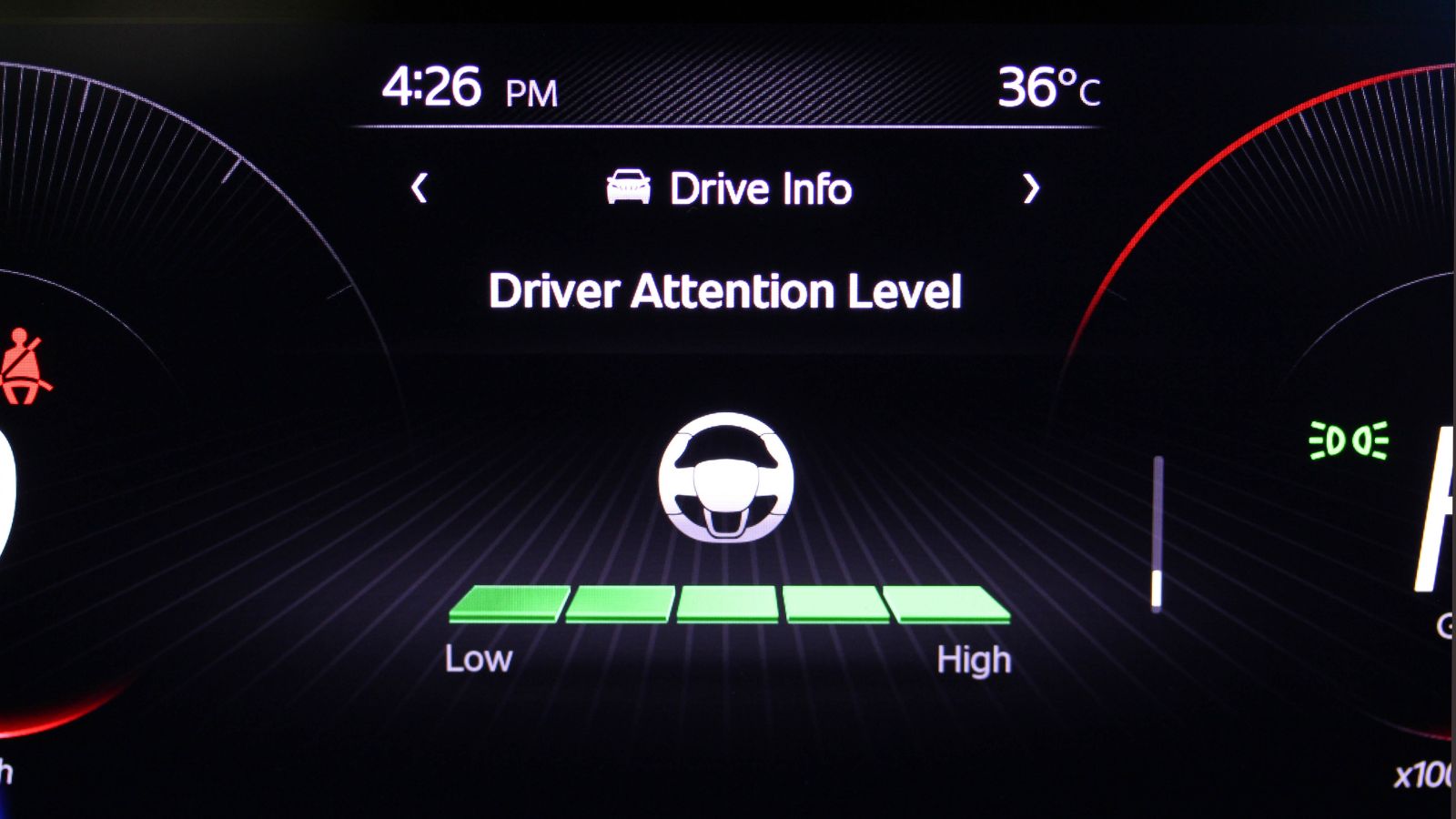
Listening is only part of the privacy equation when cabins can watch. Driver-monitoring cameras help check attention, and vehicles support facial or voice-based personalization. The European Data Protection Board’s 2026 connected-vehicle guidance treats location and biometric data as high-risk categories. It recommends that biometric templates used for functions such as unlocking a vehicle or loading a driver profile be stored locally in encrypted form and that non-biometric alternatives be available.
Manufacturers make different choices about what leaves the car. Tesla, for example, says cabin-camera data is processed on the vehicle by default and is shared only in defined circumstances or when a user opts into data sharing. That distinction matters. A camera that processes attention locally is not the same privacy proposition as one uploading identifiable footage. Drivers still must understand what mode is active, what permissions have been granted and whether passengers are captured by the same system.
Third-Party Vendors Can Expand the Data Chain
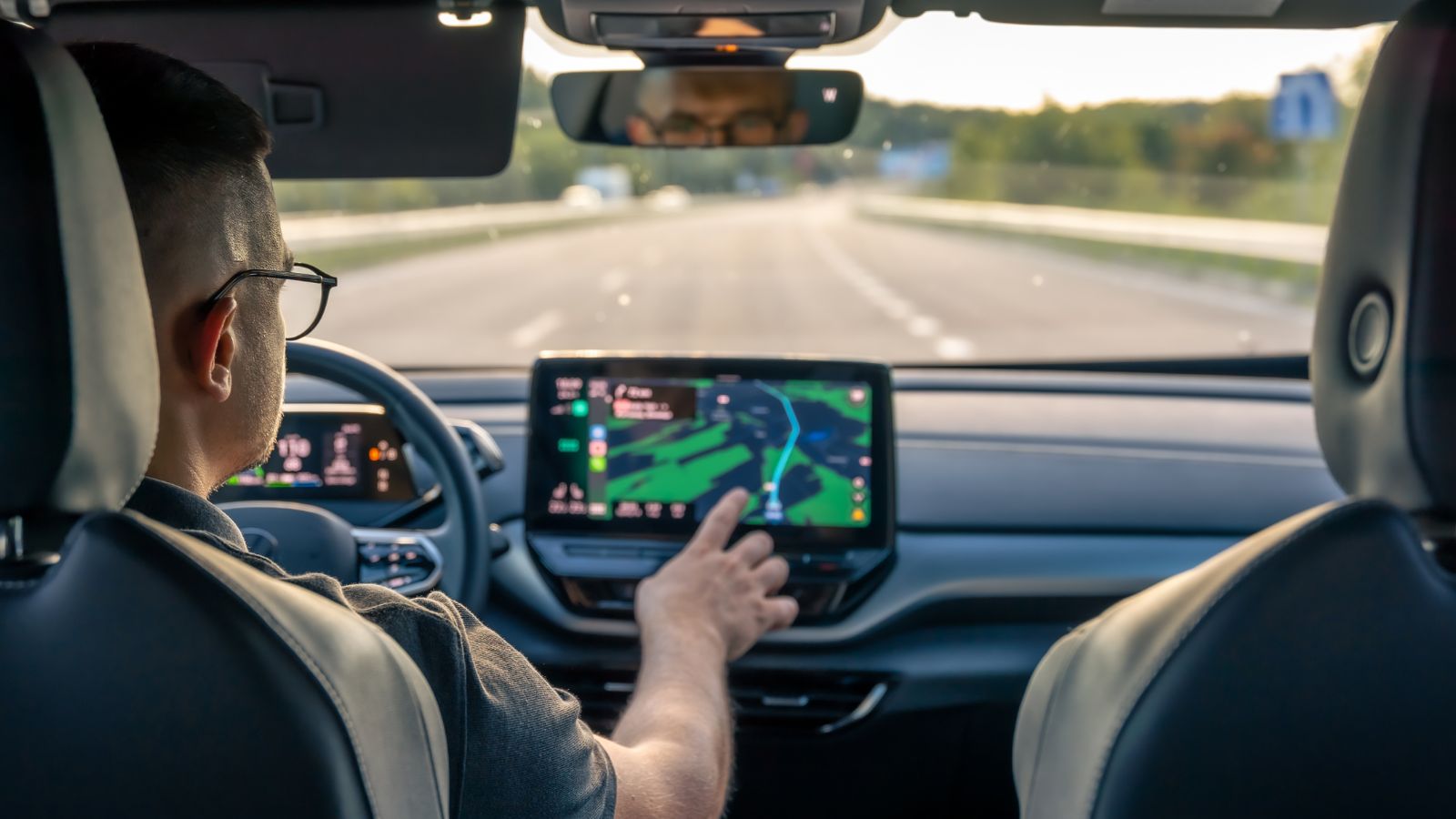
Connected-car functions are rarely provided by one company acting alone. Cloud hosting, cellular connectivity, navigation, voice processing, app integrations and subscription management can involve multiple vendors. Toyota’s current privacy notice says vehicle data may be disclosed to service providers supporting functions such as cloud hosting, marketing, voice-assistant technology, telematics software and subscription management. It also says voice recordings can be shared with service providers to deliver connected services.
That does not automatically mean data is being sold or misused. Service providers often need access simply to make a feature work, and contracts can restrict what they can do. The concern is the number of systems involved in a simple interaction. A driver may think a request stays between the person and the automaker when it travels through a larger technical supply chain. Every additional handoff raises questions about retention, security, purpose limits and who is responsible when something goes wrong.
Privacy Controls Can Mean Giving Up Useful Features

Opting out sounds simple until privacy settings are tied to services people use. Toyota’s July 2026 U.S. notice says declining its Vehicle Connectivity Consent turns off vehicle data transmission and removes access to Connected Services, including functions supporting navigation, remote access and emergency assistance. Ford similarly notes that declining connected-vehicle information needed for certain services may cause those services to become unavailable or not work correctly.
This creates a trade-off for some drivers. A person may want crash notification and remote vehicle location while preferring not to participate in data collection. Automakers can offer granular controls, but the level of choice varies by brand, model and feature. Privacy advocates argue consent is more meaningful when optional uses are separated from services necessary for safety or core functionality. For ordinary owners, the challenge is practical: protecting more data can sometimes mean disabling conveniences that helped justify buying a connected car.
Rental Cars and Trade-Ins Can Leave Personal Data Behind
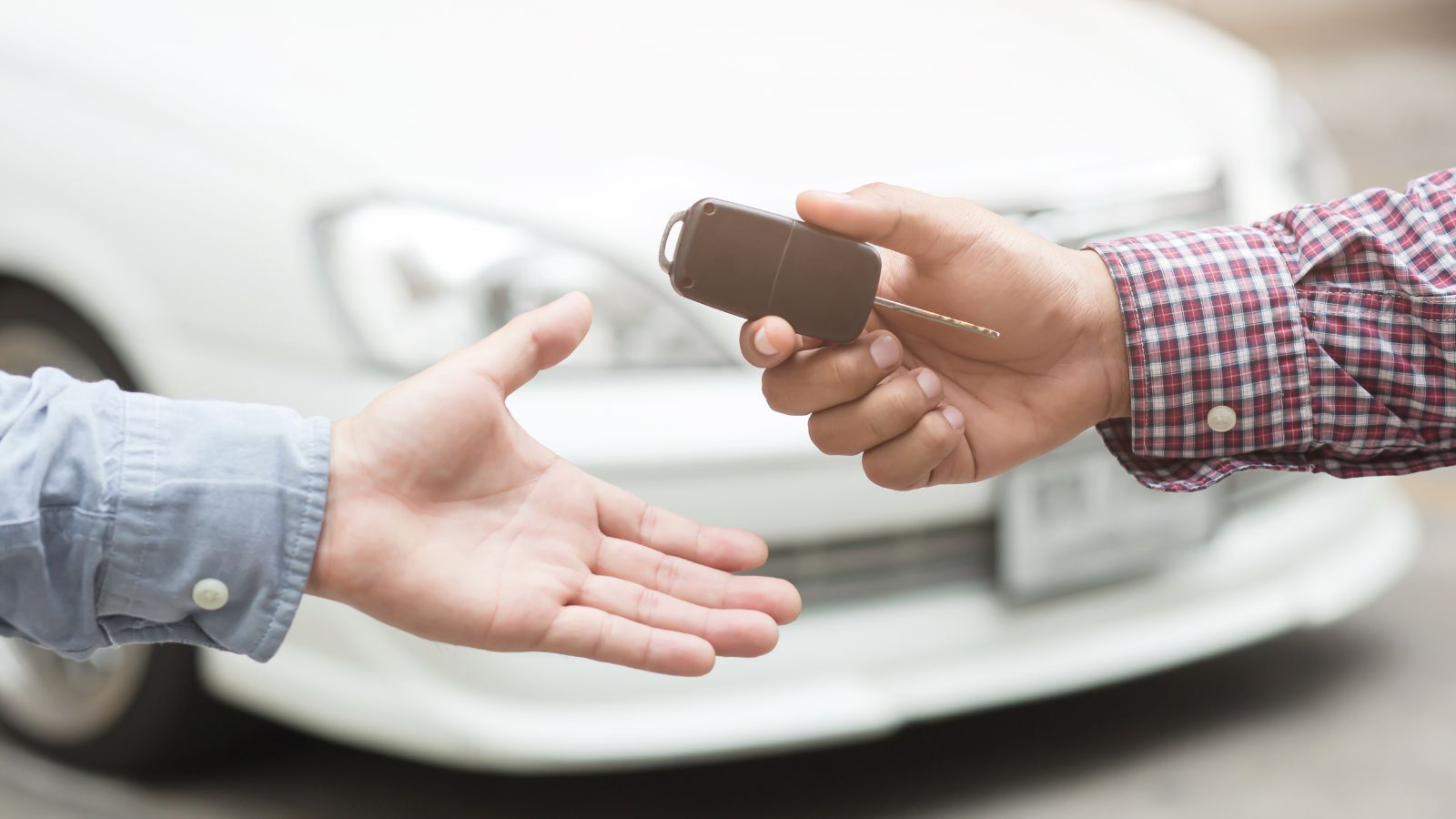
Privacy risk does not end when a trip or ownership period ends. The Federal Trade Commission warns that connected rental cars can retain information from paired phones, including GPS destinations, phone numbers, call or message logs, contacts and text messages. It advises renters to review permissions and delete devices and personal information before returning the vehicle. The FTC similarly advises people selling or donating cars, noting that navigation history and app connections can remain behind.
This is another kind of “listening” problem because no microphone needs to be active for exposure to continue. A vehicle can become a storage device for information copied during ordinary use. Anyone trading in a car after years of commuting may have saved home addresses, work locations and garage-door codes without thinking about them as data assets. Factory resets help, but account subscriptions and connected apps may need to be disconnected separately before ownership changes.
More Connectivity Creates More Cybersecurity Pressure
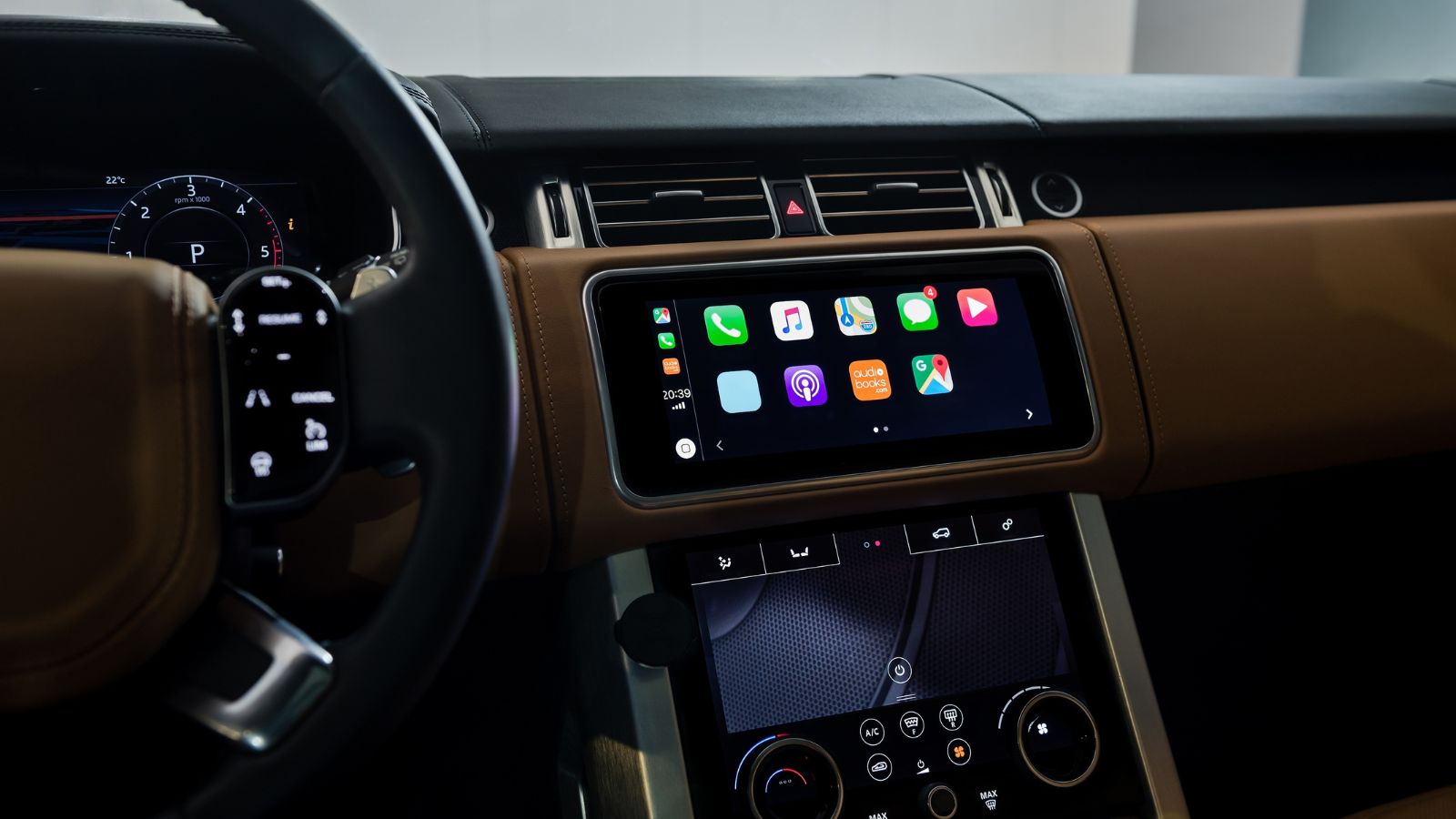
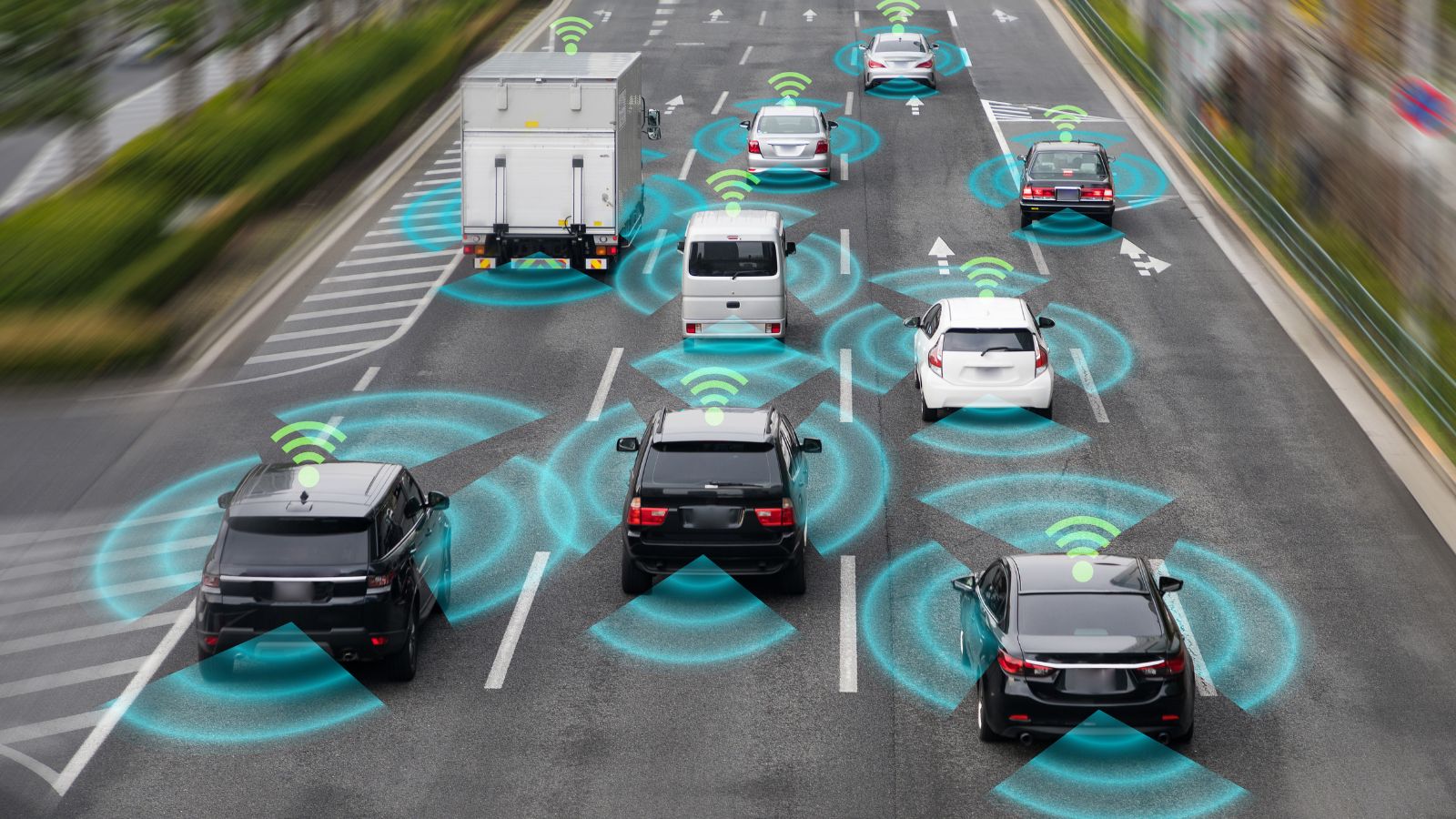
Privacy also depends on security. The more radios, apps, cloud links and software-controlled features a vehicle contains, the more carefully connections must be protected. NHTSA warns that wireless communications can expand a vehicle’s attack surface. Its cybersecurity guidance recommends measures such as authentication, network boundaries and separation of safety-critical communications, while 2025 remarks noted that nearly all new vehicles include Wi-Fi, cellular or Bluetooth-type connectivity paths.
That does not mean connected vehicles are inherently unsafe or that attackers can casually access a microphone. It means stakes rise as cars become computers with wheels, sensors and remote services. A weakness in a supplier component, backend server or account system can expose information or create broader security problems. This is why privacy notices alone are not enough. Strong modern encryption, secure software updates, access controls and vulnerability response are essential to keeping voice, location and cabin data from becoming unintended entry points.
Regulators Are Starting to Draw Clearer Lines
The legal landscape is catching up with connected vehicles. In 2025, the California Privacy Protection Agency reached a $632,500 settlement with American Honda over alleged privacy-law violations, requiring changes to how Honda handles consumer privacy requests and contracts involving personal information. In January 2026, the FTC finalized its GM and OnStar order, requiring stronger consent, access, deletion and opt-out mechanisms for certain connected-vehicle data.
Those actions do not establish that every automaker is mishandling data, and privacy laws and rules vary by jurisdiction. They show regulators treat vehicle data as a serious modern consumer-protection issue rather than a minor infotainment concern. Industry groups have adopted voluntary automotive privacy principles, including commitments around transparency and affirmative consent for certain sensitive uses. For drivers worried about cars that “listen too much,” that is the central issue: not whether technology should disappear, but whether data collection is understandable, limited, secure and genuinely optional where possible.
19 Used Cars Canadians Should Avoid in 2026 (Based on Owner Complaints)

Buying a used car in Canada can feel safe until repair bills start stacking up. Owner complaints tell a different story than glossy listings. Transmission failures, electrical problems, and weak winter reliability show up again and again in consumer reports. Many of these issues appear after warranties expire, when owners least expect them. Some vehicles look affordable upfront, but become expensive to keep on the road. Others struggle in cold weather, urban driving, or long highway commutes. Here are 19 used cars Canadians should avoid in 2026 (based on owner complaints).
19 Used Cars Canadians Should Avoid in 2026 (Based on Owner Complaints)

Alanna Rosen is an experienced content writer that focuses on many EV and educational content. Her articles are regularly published on Get CyberTrucked and syndicated on large publications.