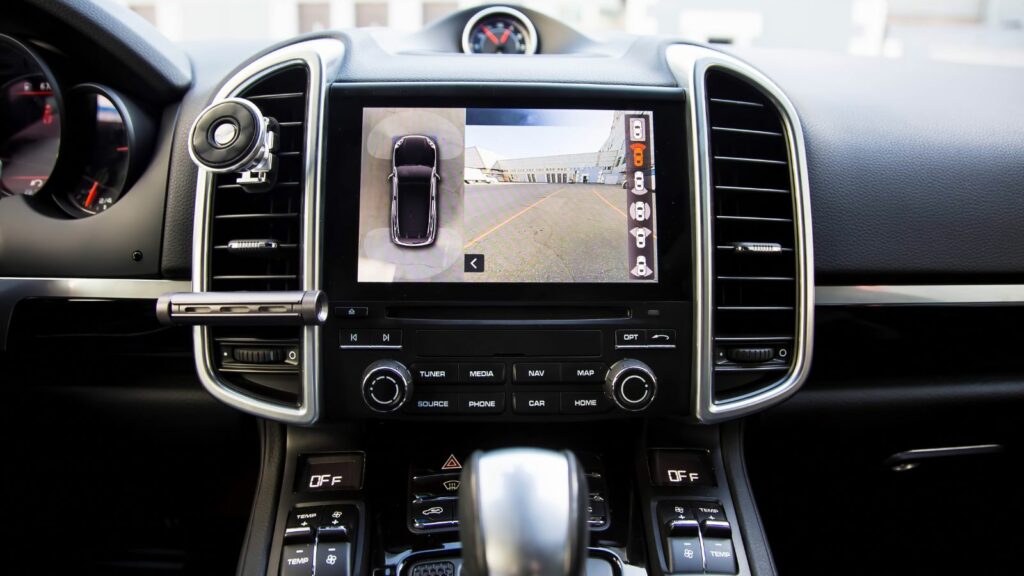
A sharply sloped roofline and narrow strip of rear glass can make a vehicle look sleek on a showroom floor. The trade-off often becomes clearer once the vehicle is driven through a crowded parking lot, backed out of a driveway, or squeezed into highway traffic. Modern cameras and warning systems have reduced some of the risks associated with poor rear visibility, but they have not made traditional sightlines irrelevant.
For some owners, that creates an everyday frustration that was easy to overlook during a short test drive. From larger blind zones to camera limitations and obstructive rear pillars, these 12 reasons explain why tiny rear windows can become a surprisingly significant ownership complaint.
Sleek Styling Can Shrink the View Behind
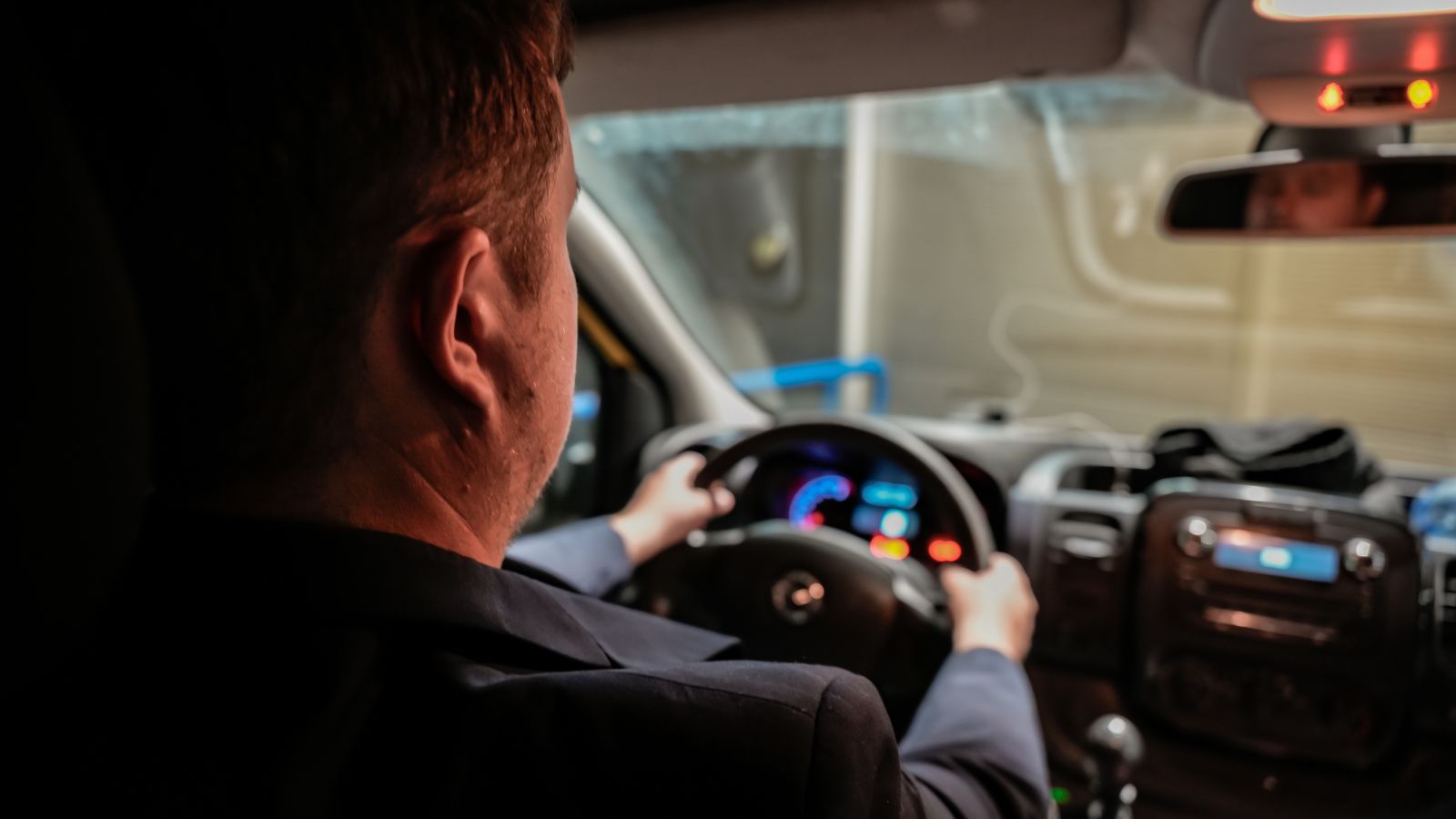
Vehicle designers have several competing priorities when shaping the rear of a car or SUV. Aerodynamics, structural strength, cargo space, roofline proportions and appearance can all influence the size and angle of the rear glass. The result can be an attractive fastback-style profile with considerably less glass than drivers might expect. Consumer Reports has specifically pointed to increasingly sloped rear windows, thicker roof pillars and other styling trends as factors that can restrict outward visibility.
Government research confirms that rear visibility is heavily influenced by physical vehicle design. National Highway Traffic Safety Administration testing has identified vehicle height, length, pillar width and rear-window dimensions among the characteristics that determine how much of the area behind a vehicle is visible from the driver’s seat. In one NHTSA assessment involving 44 vehicles, measured direct-view blind zones varied substantially among different vehicle types. That means the problem is not merely a matter of perception: changing the shape and dimensions of the glass and surrounding bodywork can genuinely change what a driver is able to see.
Parking Becomes More Work Than Expected
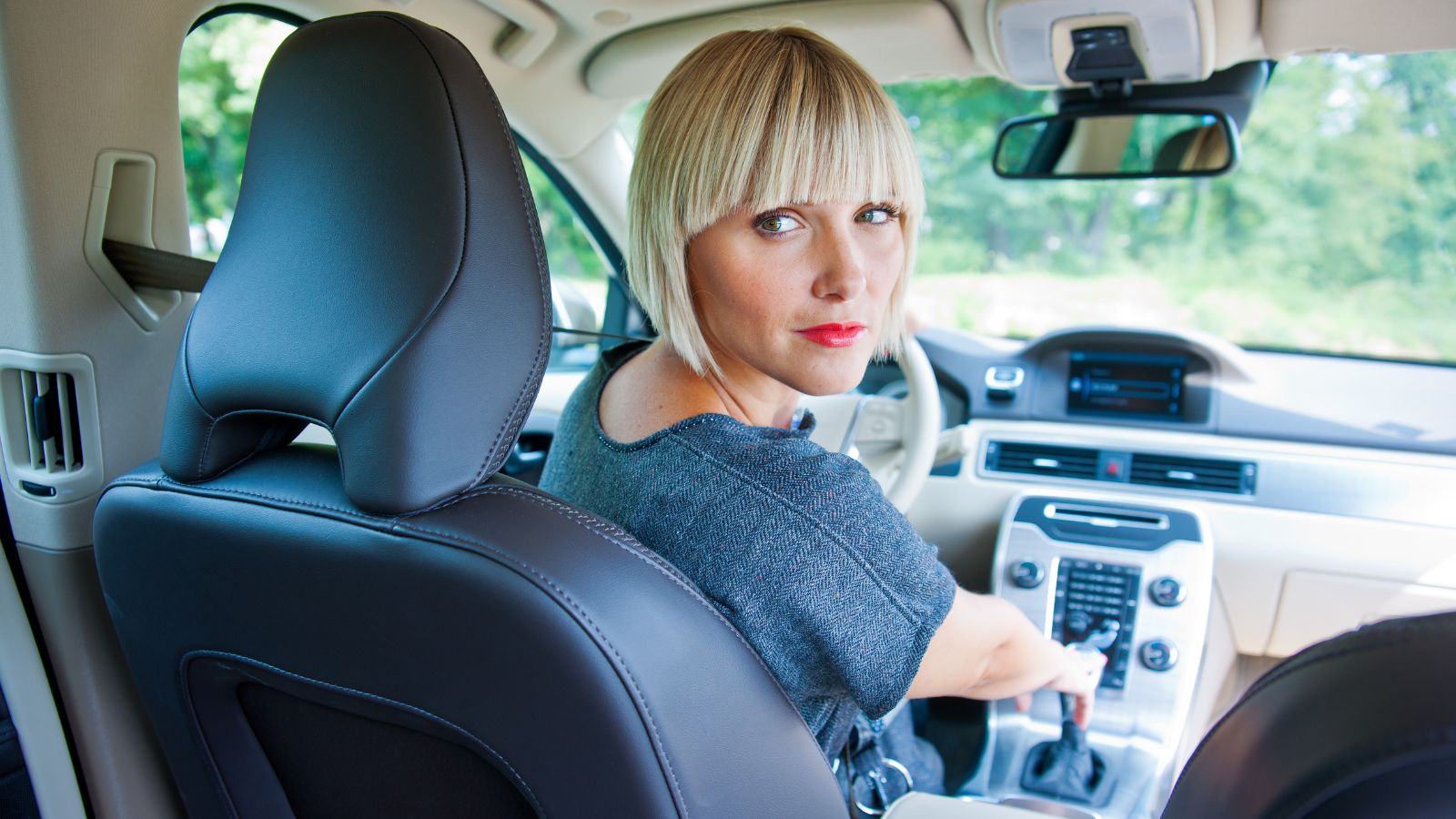
Tiny rear windows tend to make themselves known quickly in parking lots. When backing from a space bordered by two taller vehicles, a driver may have very little direct view of approaching cars, pedestrians or shopping carts until much of the vehicle has already moved outward. The same issue can appear when reversing around a tight corner or trying to judge where the rear corners are during parallel parking.
Backup cameras dramatically improve the situation, but their importance also demonstrates how large traditional rear blind zones can be. AAA tested 17 vehicles from 11 manufacturers and found that rearview cameras improved visibility into the rear blind-zone area by an average of 46 percent. Separate Insurance Institute for Highway Safety research found that rearview cameras reduced police-reported backing-crash involvement by about 17 percent across the vehicles studied. Those are meaningful benefits, yet neither finding makes poor direct visibility irrelevant. An owner can still find an otherwise ordinary parking manoeuvre unusually dependent on screens, sensors and repeated mirror checks simply because little useful information comes through the rear glass.
The Backup Camera Does Not See Everything
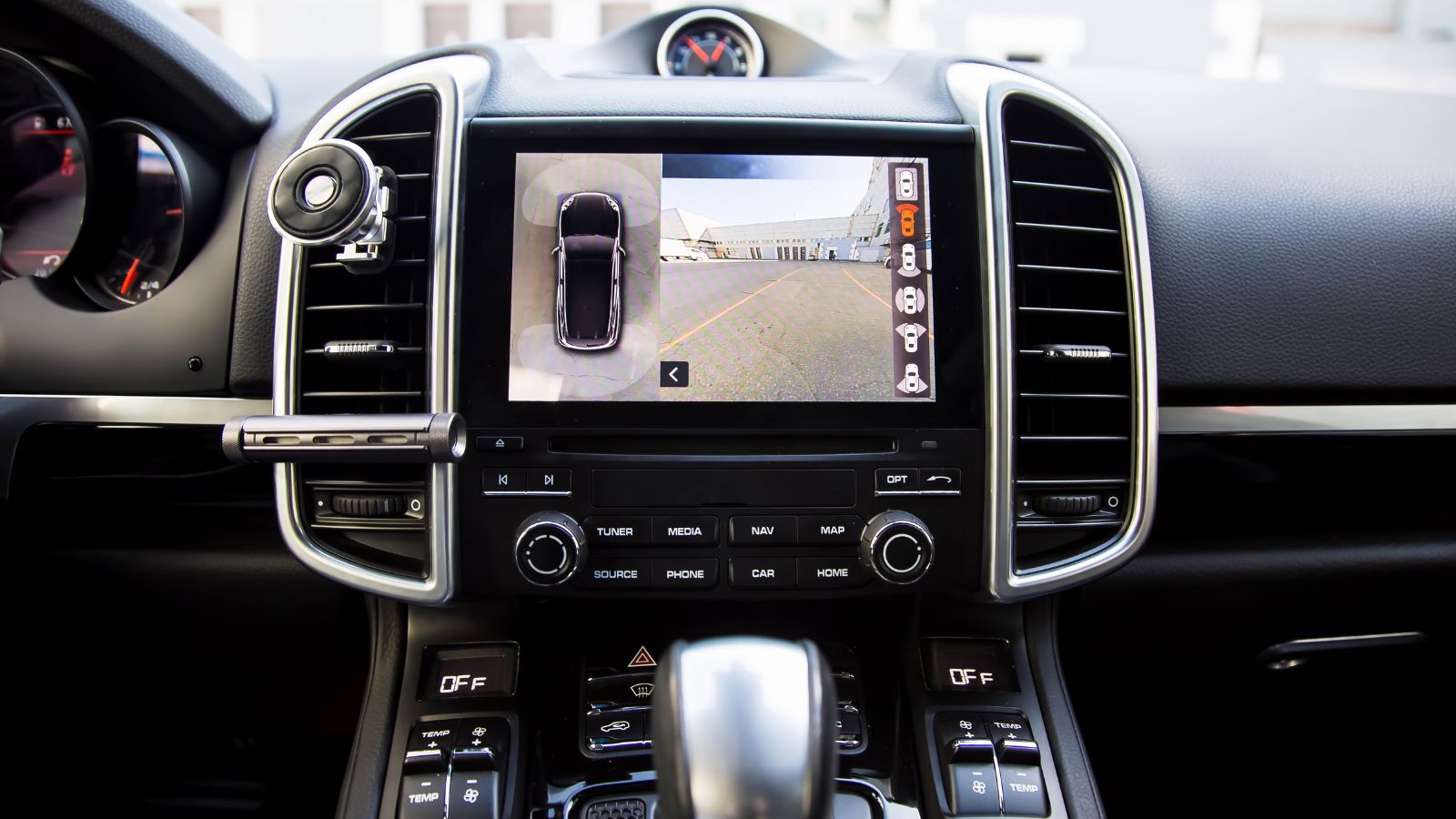
The obvious response to a tiny rear window is that nearly every modern vehicle has a backup camera. That technology is genuinely useful. In Canada, rear visibility systems are required on passenger cars, SUVs, light pickups and minivans covered by the federal standard. In the United States, comparable requirements have effectively made rearview cameras standard equipment on new light vehicles as well.
What cameras provide, however, is a specific view rather than complete awareness of everything surrounding the vehicle. AAA’s testing emphasized that rear cameras did not show 100 percent of the area behind the vehicles evaluated. Human-factors research on parking manoeuvres has similarly noted that most rearview cameras provide a broad view directly behind a vehicle but may not show the side areas and rear corners available through properly adjusted exterior mirrors. Those omissions become important when a pedestrian, bicycle or moving vehicle approaches diagonally. A generous rear window gives the driver another stream of visual information. With tiny glass, much more of that situational awareness has to be reconstructed from several separate screens and mirrors.
Bad Weather Exposes the Weak Point
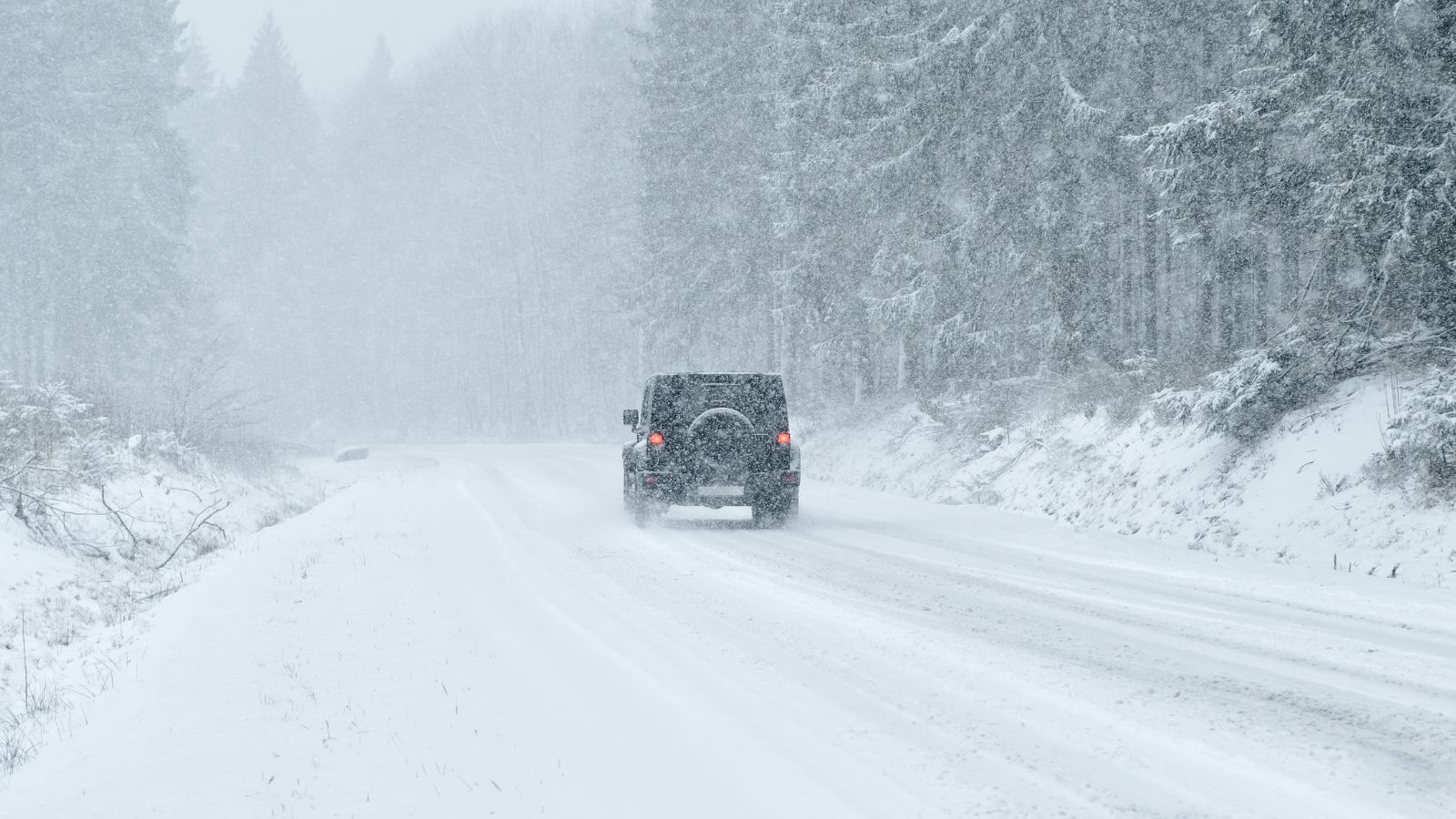
A clear backup-camera image on a dry afternoon can make limited rear glass seem almost irrelevant. Rain, snow, road spray and winter grime can change that calculation quickly. Transport Canada explicitly warns that rain, darkness, glare and dirt on a camera can make the area behind a vehicle harder to see. AAA testing has also found that rain, snow and slush can cloud a rear camera lens and produce a blurry image.
This is where owners of vehicles with poor direct sightlines may notice the trade-off most sharply. A vehicle with a large rear window still provides another viewing option when the camera becomes dirty, assuming the glass itself can be kept clear. When the physical window is little more than a narrow opening between large pillars, a contaminated camera can remove one of the driver’s most useful sources of information. Some vehicles address the problem with camera washers or sophisticated multi-camera systems, but those features are not universal. A short winter drive on salted roads can be enough to demonstrate why electronic visibility and physical visibility are best treated as complementary systems rather than interchangeable ones.
The Problem Does Not End When Reverse Does
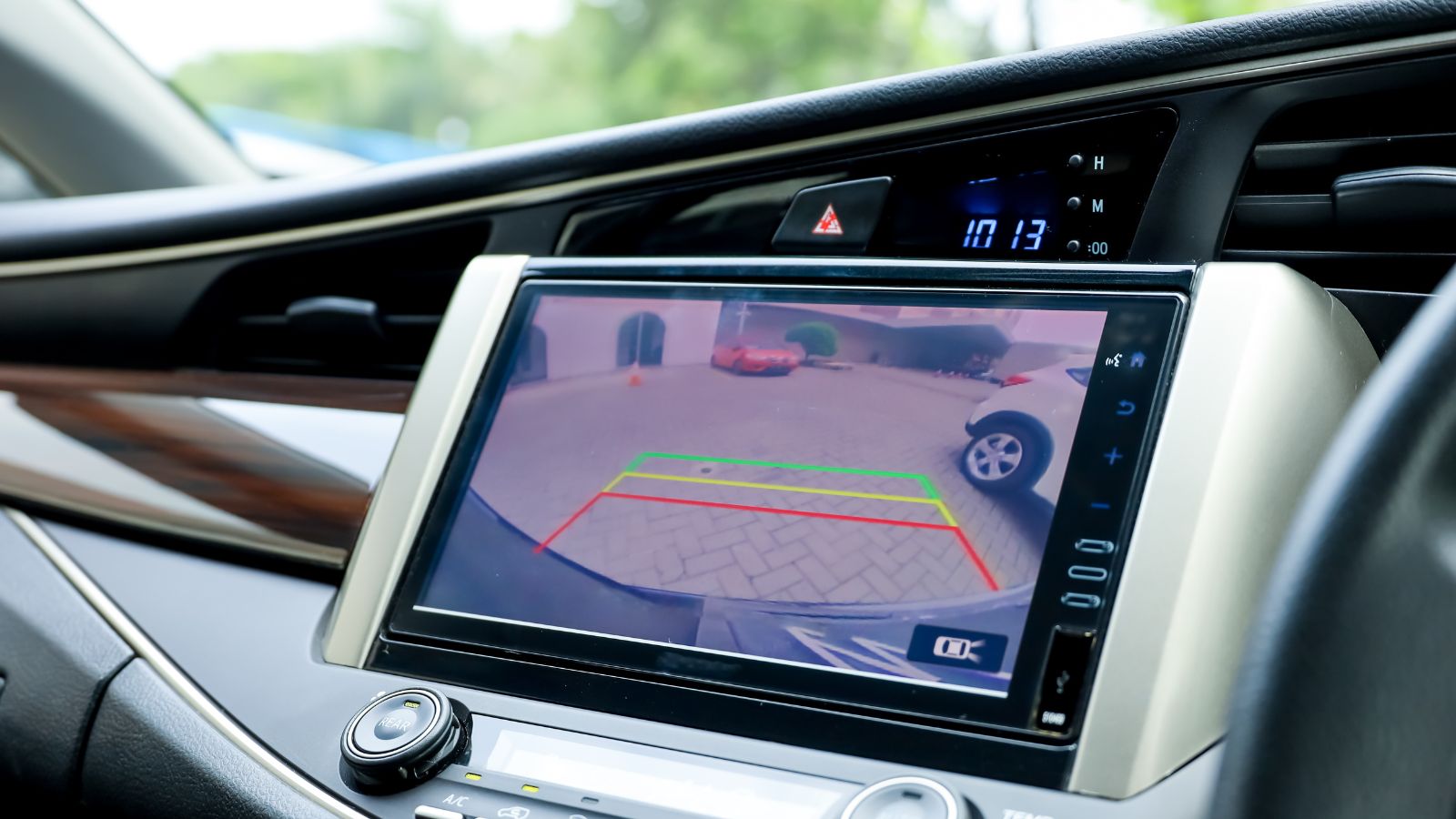
Backup cameras solve a very specific problem: they show the area behind a vehicle while it is reversing. Transport Canada describes the basic system as activating when the vehicle is placed in reverse. Once the vehicle is moving forward at normal road speeds, the quality of its windows, mirrors and other visibility features becomes important again.
That distinction matters because poor rearward visibility can make several everyday driving tasks less comfortable. Consumer Reports notes that views through side and rear glass help with changing lanes, merging, parking and other manoeuvres. It has also warned that small rear windows and thick roof pillars can create blind zones that complicate passing and lane changes. Blind-spot monitoring can provide another layer of protection, but it is still an assistance system rather than literal visibility through the body of the vehicle. Drivers accustomed to cars with large glass areas can find the difference particularly noticeable. Instead of turning the head and immediately understanding what is beside and behind the vehicle, the driver may have to combine mirror information, warning lights and brief glimpses through narrow pieces of glass.
Rear Pillars Can Swallow the Three-Quarter View
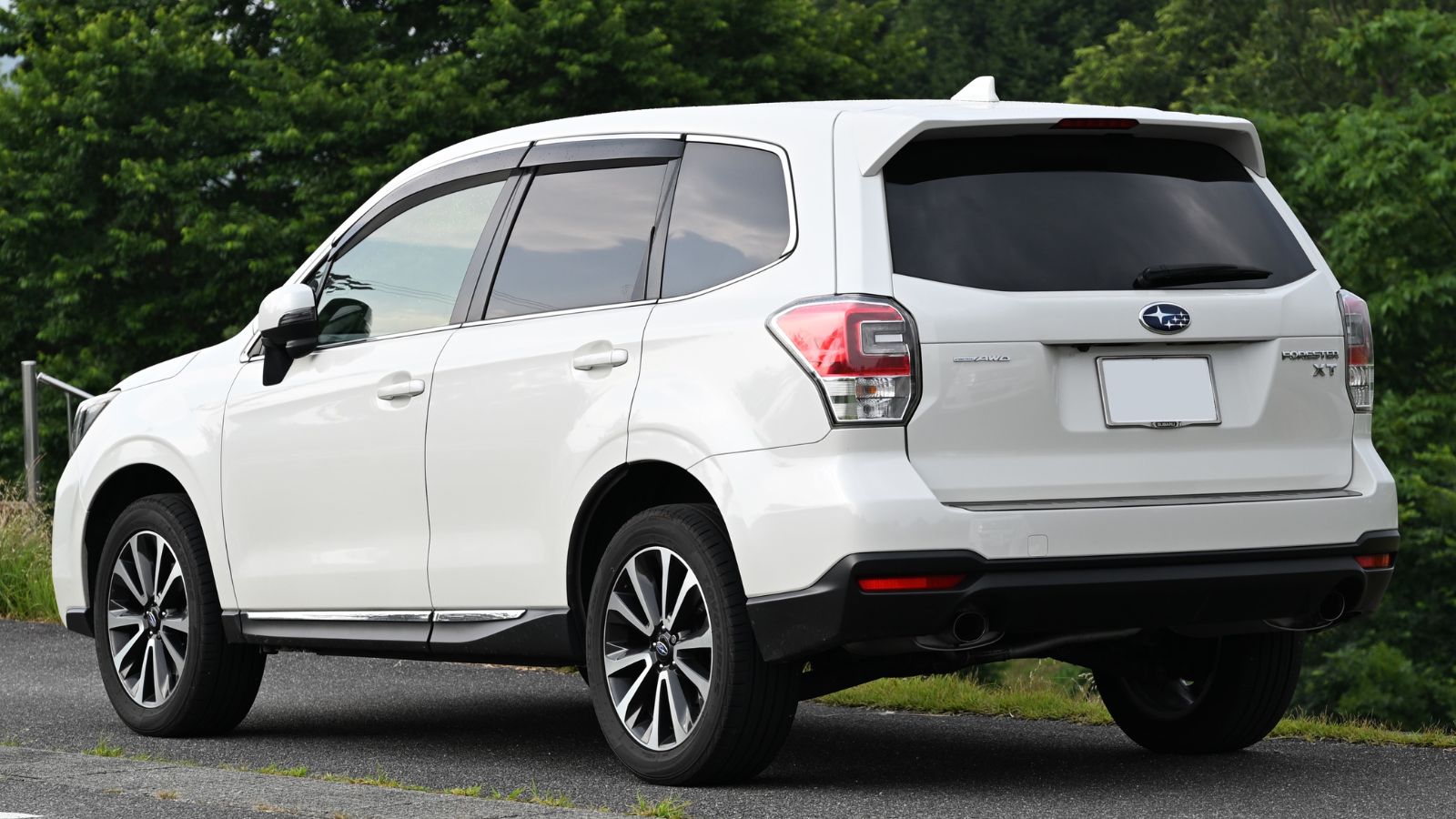
The rear window itself is only part of the visibility equation. The thick structural sections on either side of it—commonly called the rear or C-pillars, depending on vehicle design—can create substantial blind areas. A small piece of glass surrounded by thick pillars may provide an especially narrow view toward the rear corners, precisely where vehicles can appear during lane changes, reversing manoeuvres and angled intersections.
A current example comes from Consumer Reports’ testing of the 2026 Subaru Uncharted. Testers criticized the vehicle’s rear visibility, attributing much of the difficulty to its dramatically angled roof and thick, sloping rear pillars, which interfere with the rear three-quarter view. By contrast, other vehicles receive praise when manufacturers use generous glass areas and relatively slim pillars. The difference can be apparent within minutes of switching between vehicles. A driver in a glassy crossover may be able to turn slightly and see much of the adjacent lane. In a heavily styled fastback, roughly the same glance can reveal little more than interior trim and a broad structural pillar.
Passengers and Head Restraints Can Make It Worse
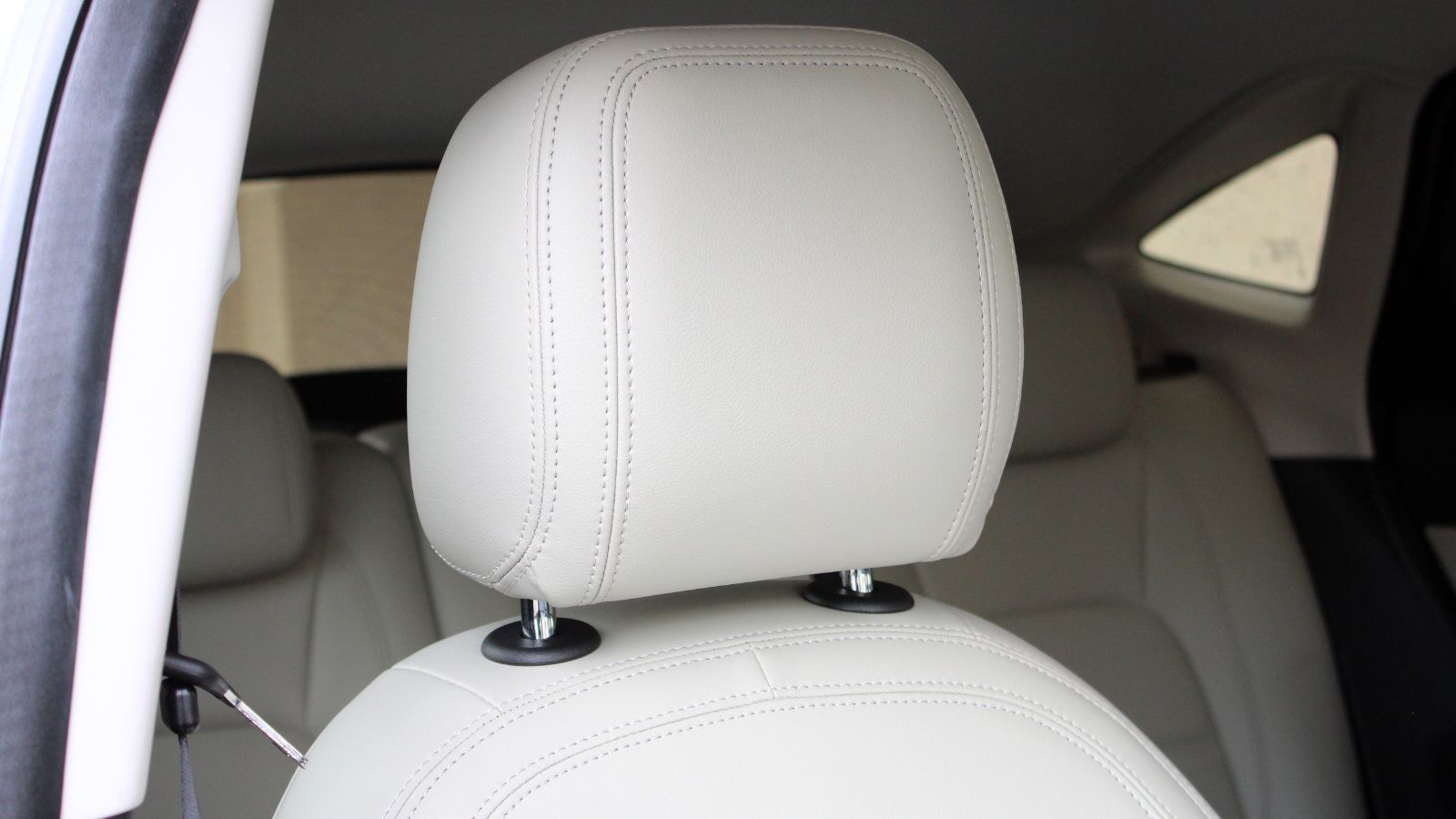
A small rear window can become effectively smaller once a vehicle is carrying people. Rear-seat head restraints occupy part of the driver’s line of sight, and passengers naturally block additional portions of the glass. Consumer Reports has noted that tall rear head restraints can interfere with rearward visibility and has found that deploying certain third-row seats can block portions of the rear window.
There is an important safety distinction here: head restraints should never be lowered or removed when doing so would leave an occupied seating position without properly positioned head protection. They are designed to help reduce neck injuries in crashes, particularly rear impacts. The practical problem is simply that a vehicle beginning with limited glass has little spare viewing area to lose. With three adults in the back, or with an occupied third row, the central rearview mirror can suddenly become far less informative. Cargo stacked high in the luggage compartment can create a similar situation. A vehicle with expansive rear glass may retain some useful sightlines around these obstructions; one with a narrow rear opening can become heavily dependent on exterior mirrors and electronic aids.
Shorter Drivers Can Lose Even More Visibility
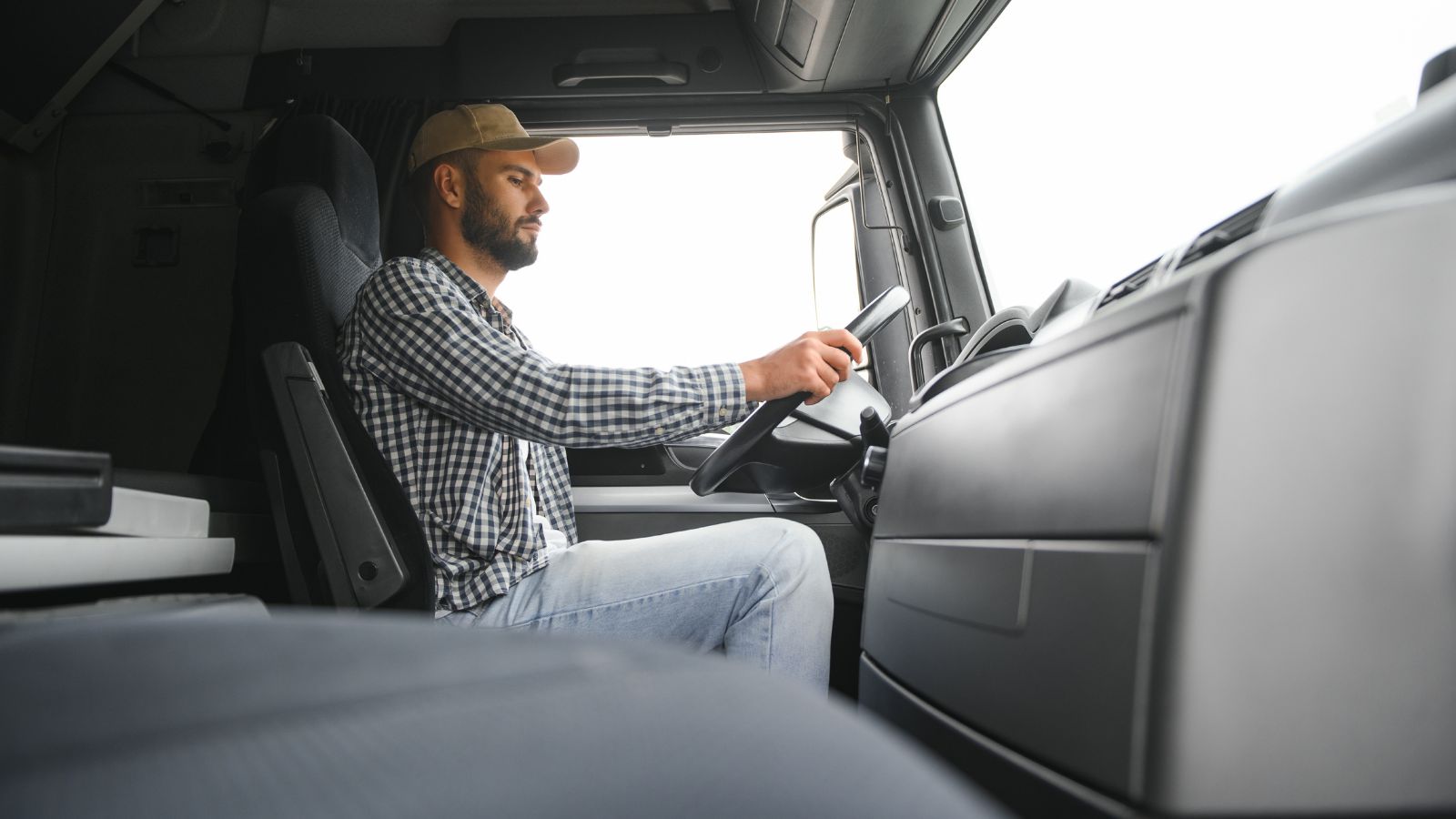
Rear visibility is not identical for every person who sits behind the wheel. Driver height, seating position and the ability to move or turn the upper body can affect how much of the area behind a vehicle can be seen. NHTSA has specifically studied rear visibility using drivers or simulated eye positions representing different statures because vehicle blind zones do not affect everyone equally.
Consumer Reports has demonstrated the difference particularly clearly. Its historical blind-zone measurements used both a 5-foot-8 driver and a 5-foot-1 driver. In the published results, shorter drivers generally faced substantially longer blind zones. For midsize SUVs, for example, the measured average was 18 feet for the taller test driver compared with 28 feet for the shorter one. Large SUVs measured 19 feet and 31 feet respectively. The exact dimensions vary greatly from one model to another, but the broader lesson remains useful: a rear window that seems merely small to one person may be seriously restrictive to another. This is one reason visibility is difficult to evaluate from specifications alone.
Darkness and Glare Can Turn Confidence Into Guesswork

Camera systems can sometimes outperform human eyes in difficult situations, particularly when manufacturers give them good low-light capability. They are not immune to environmental conditions, though. Transport Canada specifically lists darkness and glare among the circumstances that may make a backup-camera image difficult to use, along with rain and contamination of the lens.
Research conducted for NHTSA has also examined image quality, display visibility and real-world camera use. Drivers in one study reported concerns including sun glare on the video display and difficulty distinguishing objects located in shadowed areas. These issues do not mean backup cameras are ineffective; extensive crash research shows they provide genuine benefits. They demonstrate why replacing good direct sightlines with technology is not necessarily a perfect trade. Consider backing from a dark driveway while headlights from another vehicle shine toward the rear camera. A large, usable rear window gives the driver another reference point. When the glass is tiny, the screen may carry a much larger share of the visual workload precisely when conditions make that screen less useful.
Wide-Angle Images Can Be Hard to Judge
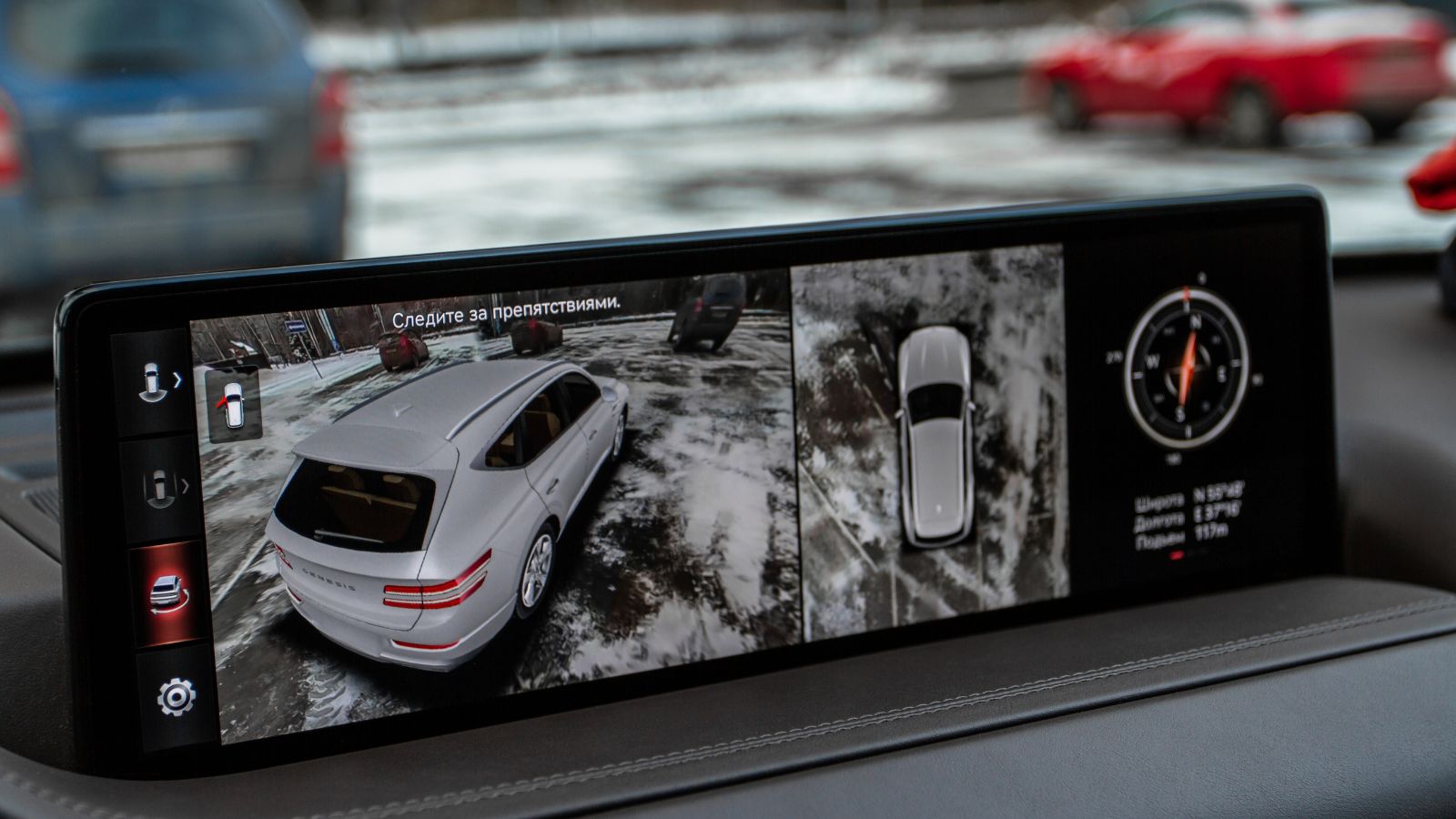
Rearview cameras need a wide field of view because they are expected to show a substantial area from a single small lens. NHTSA research into rearview image standards found that a camera with a horizontal viewing angle of roughly 130 degrees could satisfy the proposed field-of-view requirements evaluated in its testing. Wide views are excellent for revealing objects that would otherwise be hidden, but presenting a large area on a relatively small display changes how the scene looks.
Research has examined whether camera perspective, image size and camera positioning can affect judgments of distance. One experimental study found that changing the vertical location of a rear-facing camera influenced participants’ estimates of how far away another vehicle was, with the effect becoming more pronounced at closer distances. SAE researchers have likewise studied image size and distance cues in camera-based rear-vision systems. Modern systems compensate with guidelines, calibrated views and increasingly sophisticated processing, and many drivers learn them quickly. Still, direct vision offers natural depth and motion cues. A tiny rear window means drivers have fewer opportunities to compare the electronic picture with an unobstructed real-world view.
Technology Can Quietly Change Where Drivers Look
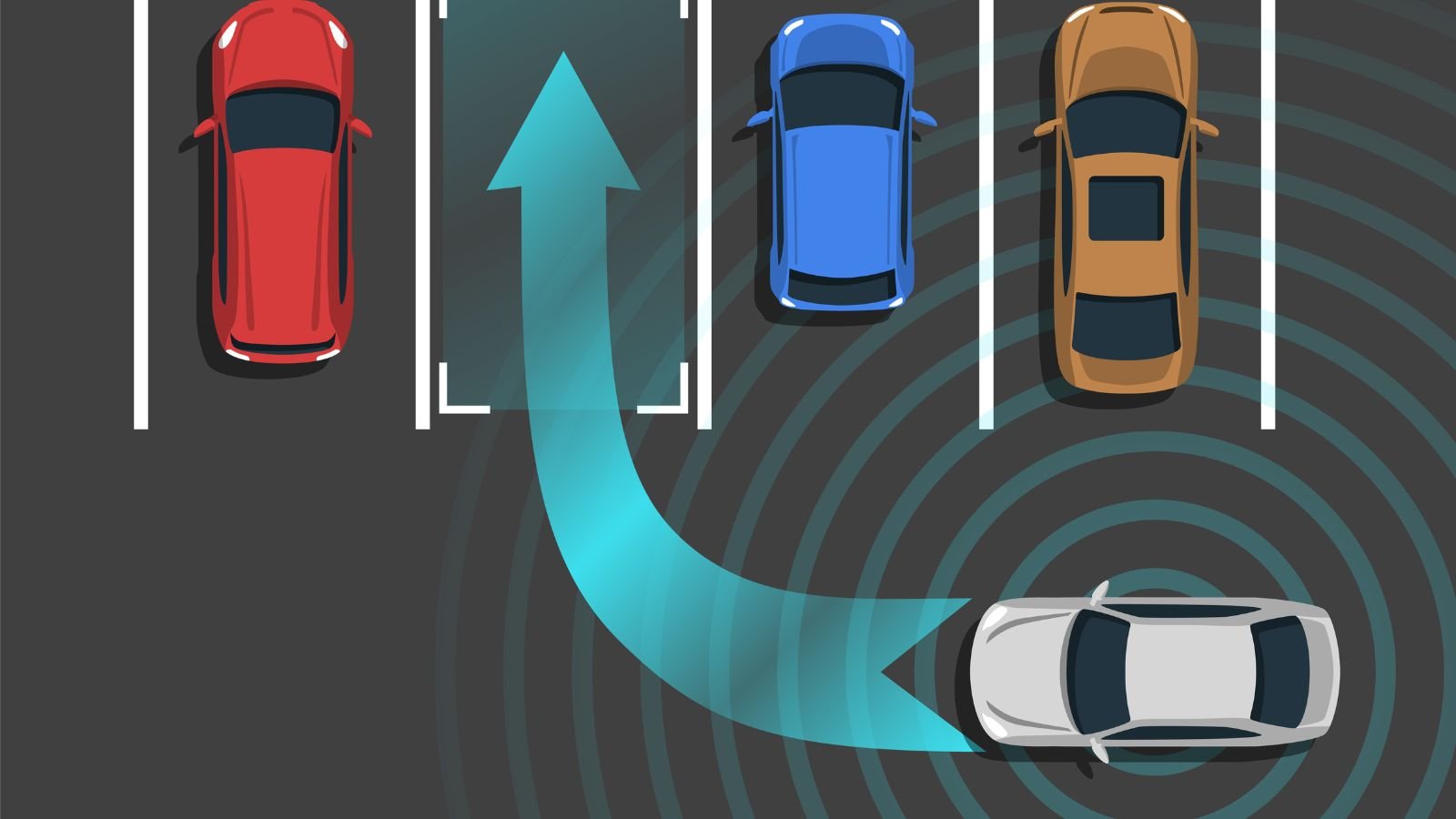
Driver-assistance technology does more than add information; it can change driving behaviour. Researchers studying low-speed parking found that drivers with rearview cameras, parking sensors or both spent less time looking over their shoulders than people performing the same manoeuvres without those technologies. Participants with cameras also used their mirrors less. The researchers noted that drivers appeared to substitute some camera and sensor information for traditional visual checks.
That adaptation is understandable because cameras can reveal an area directly behind the bumper that mirrors and windows cannot. The potential problem is assuming the camera represents the entire environment. Another backing study found that only 20 percent of participating drivers looked at the rearview camera before beginning the relevant backing manoeuvre, although drivers frequently turned to it after a parking sensor sounded. Transport Canada consequently recommends combining the camera display with mirror checks and looks over the shoulder. When a vehicle has a tiny rear window, however, that traditional shoulder check may provide relatively little information. Owners can therefore become increasingly dependent on technology simply because the vehicle gives them fewer useful alternatives.
The Issue Often Reveals Itself Only After Purchase

Visibility is difficult to appreciate from a brochure. Two similarly sized crossovers can feel completely different from the driver’s seat because pillar dimensions, window height, roof angle, mirror positioning and seating position vary considerably. Consumer Reports incorporates outward visibility into its vehicle evaluations precisely because differences remain substantial even among vehicles competing in the same segment.
Recent testing illustrates the contrast. Consumer Reports praised the 2026 Subaru Crosstrek for generous glass, relatively slim pillars and excellent outward visibility, while criticizing the 2026 Subaru Uncharted’s angled roofline and thick rear pillars for restricting rear views. Both vehicles can have modern cameras and driver-assistance technology, yet the experience of simply looking around is markedly different. That is why this particular ownership regret can arrive gradually. During a dealership drive on open roads, the narrow rear window may seem like a minor stylistic compromise. Weeks later—after reversing through crowded lots, merging through heavy traffic, driving in rain and cleaning a dirty camera lens—the everyday cost of that compromise can become much harder to ignore.
19 Used Cars Canadians Should Avoid in 2026 (Based on Owner Complaints)

Buying a used car in Canada can feel safe until repair bills start stacking up. Owner complaints tell a different story than glossy listings. Transmission failures, electrical problems, and weak winter reliability show up again and again in consumer reports. Many of these issues appear after warranties expire, when owners least expect them. Some vehicles look affordable upfront, but become expensive to keep on the road. Others struggle in cold weather, urban driving, or long highway commutes. Here are 19 used cars Canadians should avoid in 2026 (based on owner complaints).
19 Used Cars Canadians Should Avoid in 2026 (Based on Owner Complaints)

Alanna Rosen is an experienced content writer that focuses on many EV and educational content. Her articles are regularly published on Get CyberTrucked and syndicated on large publications.