
Electric vehicles can dramatically reduce routine maintenance, yet one component continues to dominate long-term ownership conversations: the high-voltage battery. Modern packs are proving far more durable than early skeptics expected, and outright failures remain uncommon in newer models. Still, the potential cost of an out-of-warranty replacement is large enough to make some shoppers hesitate.
The concern is less about batteries routinely failing and more about financial uncertainty years down the road. Warranty rules, climate, charging patterns, repairability, used-vehicle history, collision damage, and parts availability can all change the equation. These 10 factors explain why battery replacement costs remain one of the biggest questions surrounding long-term EV ownership.
A Five-Figure Repair Can Overshadow Years of Savings
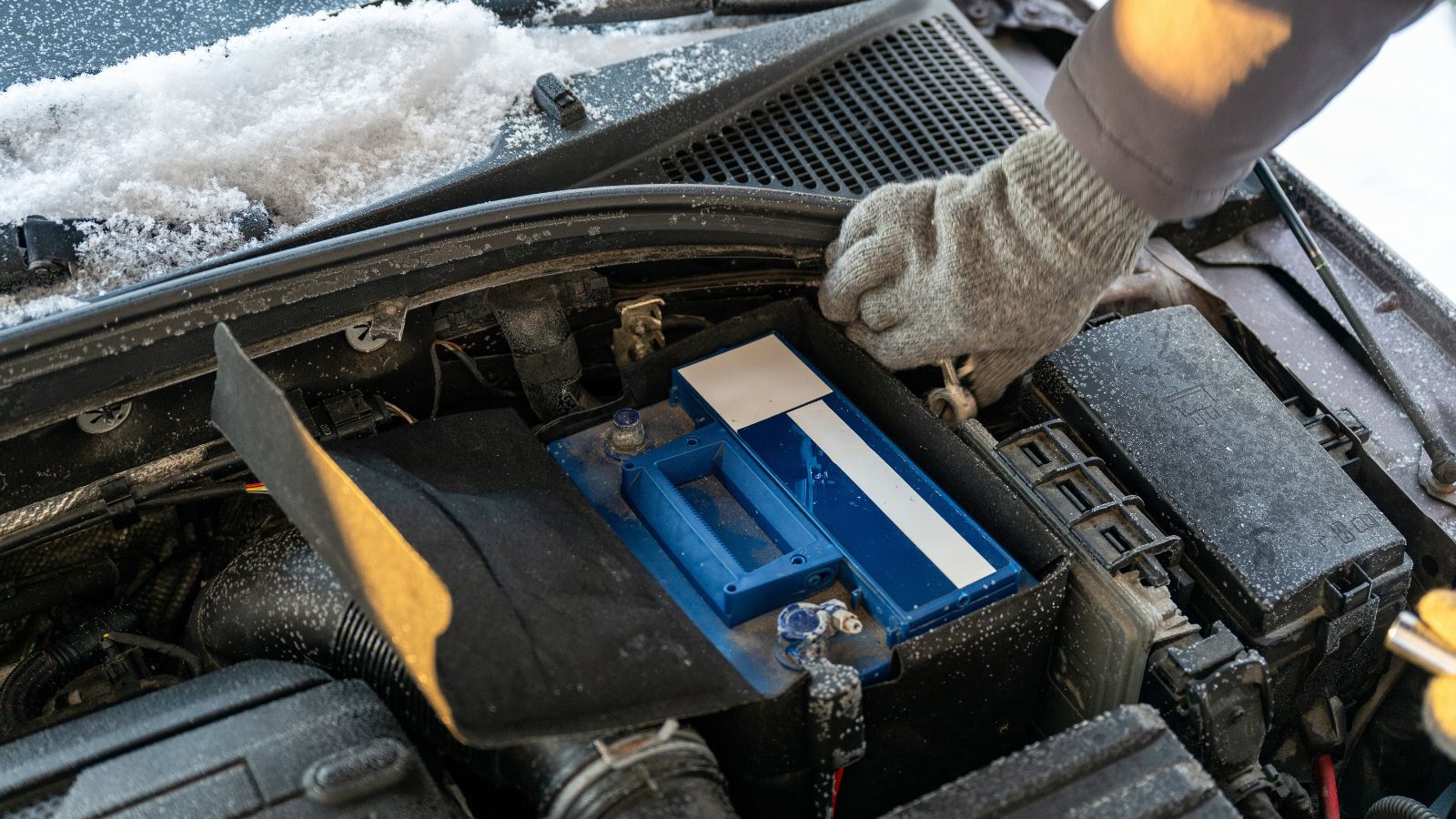
Battery replacement is frightening largely because the number can be so much larger than ordinary maintenance bills. Kelley Blue Book says an out-of-warranty EV battery replacement can range from about $4,000 to $36,000 before labor, depending on the vehicle and pack. Consumer Reports has also cited pack replacement costs in the $5,000-to-$15,000 range.
That possibility can overshadow the savings EV owners often enjoy from skipping oil changes, spark plugs, and many engine-related repairs. The concern is psychological as much as financial: a driver may go years with relatively low routine maintenance, then face one repair that resembles the cost of a major engine or transmission job. Even when the probability is low, the size of the potential bill makes buyers think carefully about how long they plan to keep the vehicle and whether battery coverage will still be active when the car is older and more heavily depreciated over time.
Battery Warranties Come With Important Fine Print
Most EV buyers receive substantial battery protection, but the details are not always as simple as “the battery is covered.” The U.S. Department of Energy says many manufacturers offer roughly eight years or 100,000 miles of battery warranty coverage. Some brands provide longer mileage limits, while capacity-retention guarantees can also differ by model.
Tesla, for example, currently promises at least 70% battery-capacity retention during the applicable battery warranty period on several models, with mileage limits ranging from 100,000 to 150,000 miles. That matters because gradual range loss is not the same thing as a total battery failure. A battery may still function while no longer delivering its original range, and warranty eligibility can depend on the manufacturer’s measured state of health and written terms. Buyers who assume every noticeable range decline automatically triggers a free replacement can therefore be surprised by what the warranty actually covers in practice for owners.
Normal Degradation Is Different From Battery Failure
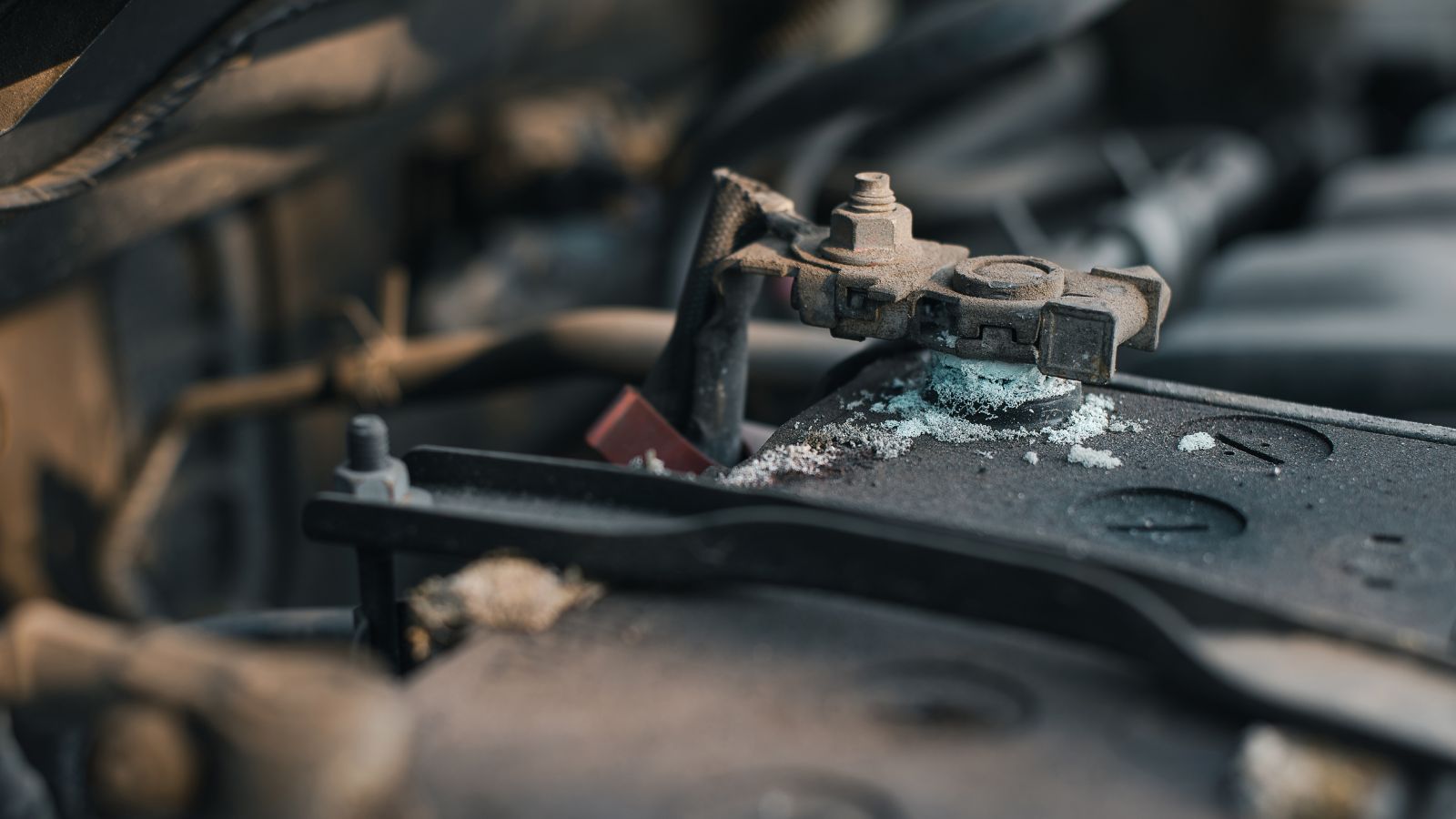
Battery packs do age, but modern data does not support the idea that most EVs are headed for early battery replacement. The U.S. Department of Energy highlighted a Recurrent study of about 15,000 plug-in vehicles in which battery replacements due to failure were only 1.5% outside recalls. For model years 2016 through 2023, the reported replacement rate was well under 1%.
Degradation is more common than outright failure. Geotab’s 2026 analysis of more than 22,700 EVs across 21 models found average annual battery degradation of 2.3%. In practical terms, that means many batteries lose usable capacity gradually rather than suddenly becoming unusable. The uncertainty still bothers buyers because individual vehicles do not all age at the same rate. Model design, chemistry, temperature, charging behavior, and use patterns can change the outcome, leaving owners to wonder whether their specific vehicle will track the average or become a financially expensive outlier.
Climate Can Change the Long-Term Equation
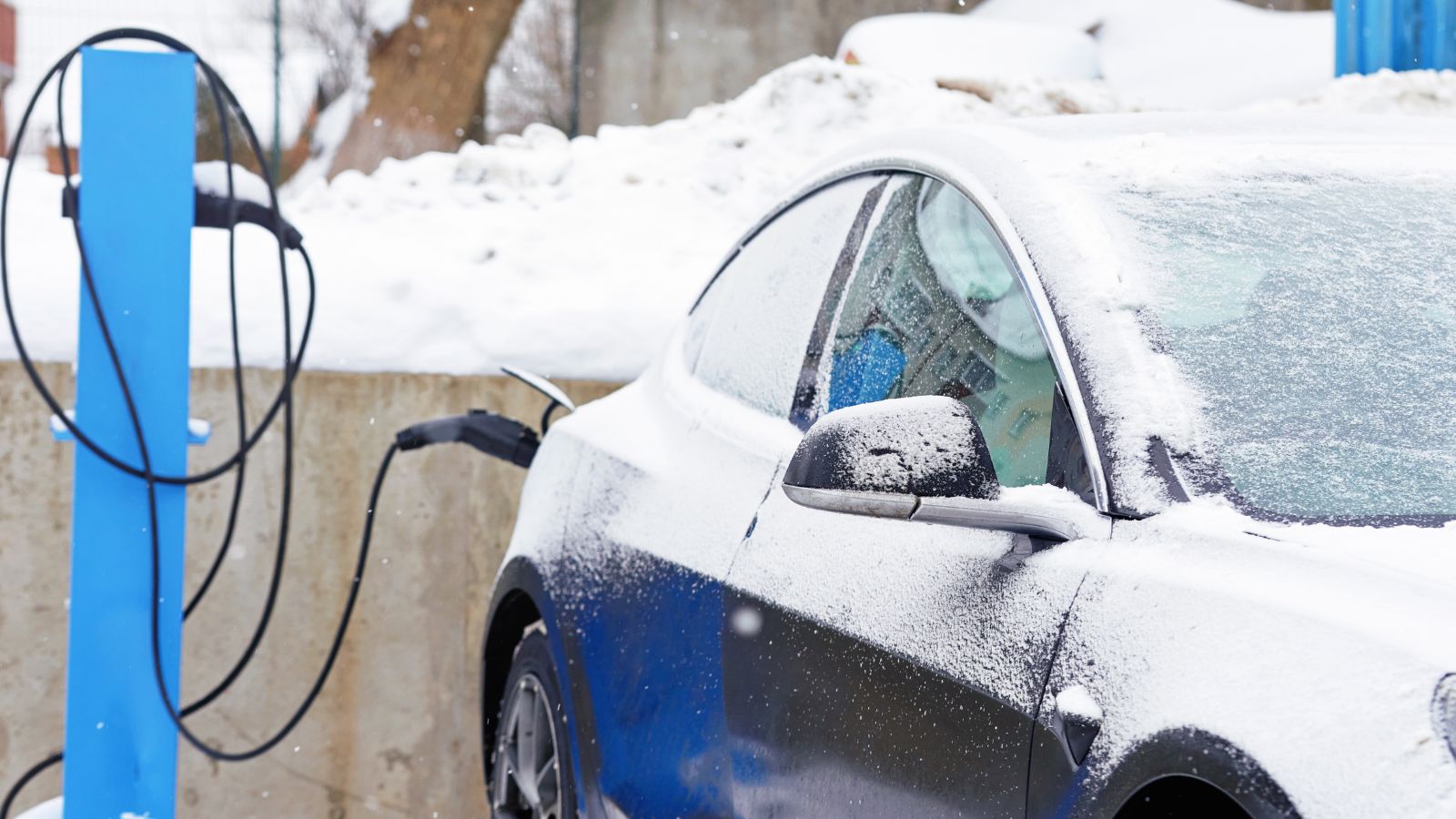
Where an EV spends its life can influence how quickly its battery ages. Lithium-ion cells are sensitive to temperature, and modern EVs use thermal-management systems to keep packs within safer operating ranges. Even with those systems, Geotab’s 2026 real-world analysis found that vehicles operating in hot climates degraded about 0.4 percentage points faster per year than vehicles in milder conditions.
That difference does not mean a hot-climate EV is destined for battery failure, but it explains why buyers in very warm regions often think more carefully about long-term battery health. NREL research also emphasizes that temperature, thermal management, battery chemistry, and usage patterns all interact when predicting battery life. For someone planning to keep an EV well beyond its warranty, climate can therefore feel like a cost variable that is difficult to price in advance. The same model may age differently in Phoenix, Vancouver, or a milder coastal climate overall.
Charging Habits Create Another Layer of Uncertainty
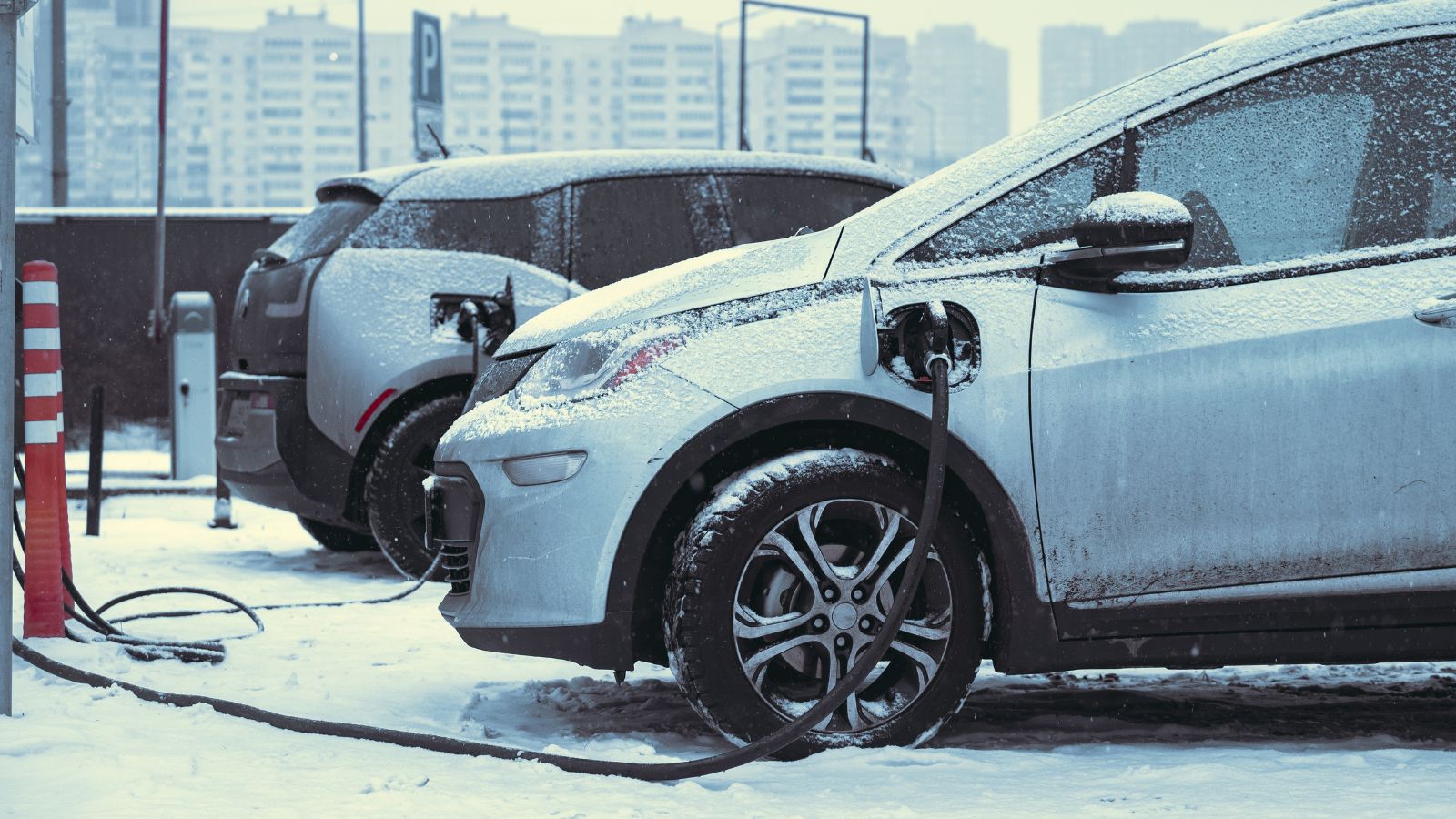
Charging behavior is another source of anxiety because owners can directly influence it but may not know how much each habit matters. Geotab’s 2026 dataset found that vehicles relying heavily on DC fast charging above 100 kW showed degradation rates around 3.0% per year, compared with about 1.5% for the lower-power charging group there.
Laboratory research adds nuance. A 2026 Journal of Power Sources study found that high state-of-charge operation and fast-charging protocols can accelerate degradation in commercial lithium-ion cells, while other research shows the exact effect depends on chemistry, temperature, charge window, and control strategy. That means there is no single universal rule such as “never fast charge.” Still, buyers who expect to rely on fast chargers every day may think more about long-term battery condition carefully than owners who mostly charge at home. The worry comes from knowing that convenience and battery longevity can pull in opposite directions.
Used EVs Make Battery History More Important
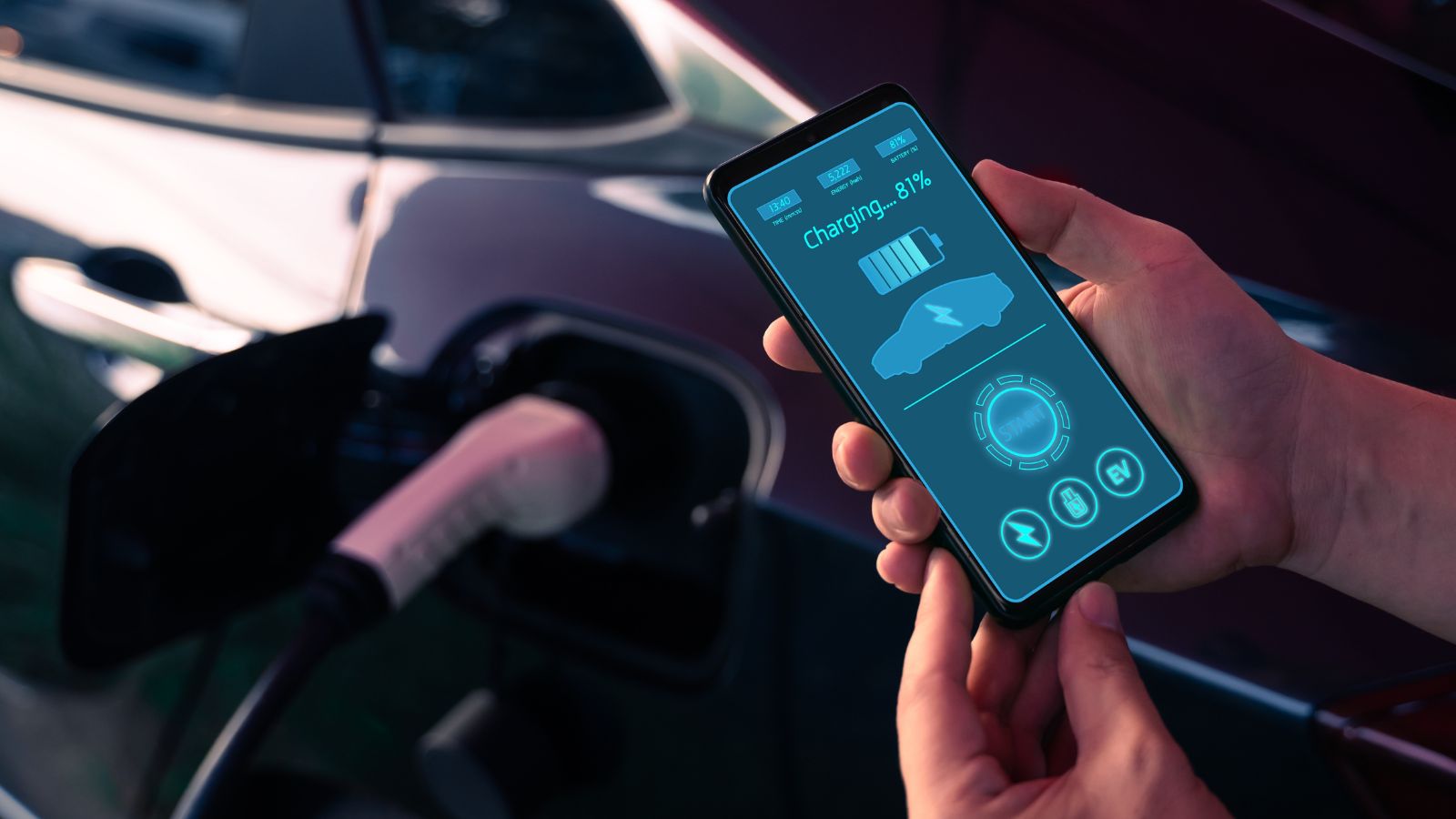
Used EVs bring a different concern: the buyer inherits a battery with a history that may be only partly visible. Consumer Reports advises shoppers to check battery health before buying because range loss, charging habits, climate exposure, software status, and warranty time remaining can all affect the value of an older electric car.
The stakes can be significant on early-generation vehicles. Consumer Reports reported that 17% of surveyed 2013 Tesla Model S owners said their cars had needed battery-pack replacements, with cited costs of $15,000. CR also notes that newer EVs have shown much lower replacement rates, so that older example should not be treated as representative of today’s market. Still, a used EV priced attractively because of depreciation can become far less attractive if its battery is already weak or near the end of warranty coverage. That is why a battery-health report can matter almost as much as mileage.
Some Battery Packs Are Easier to Repair Than Others
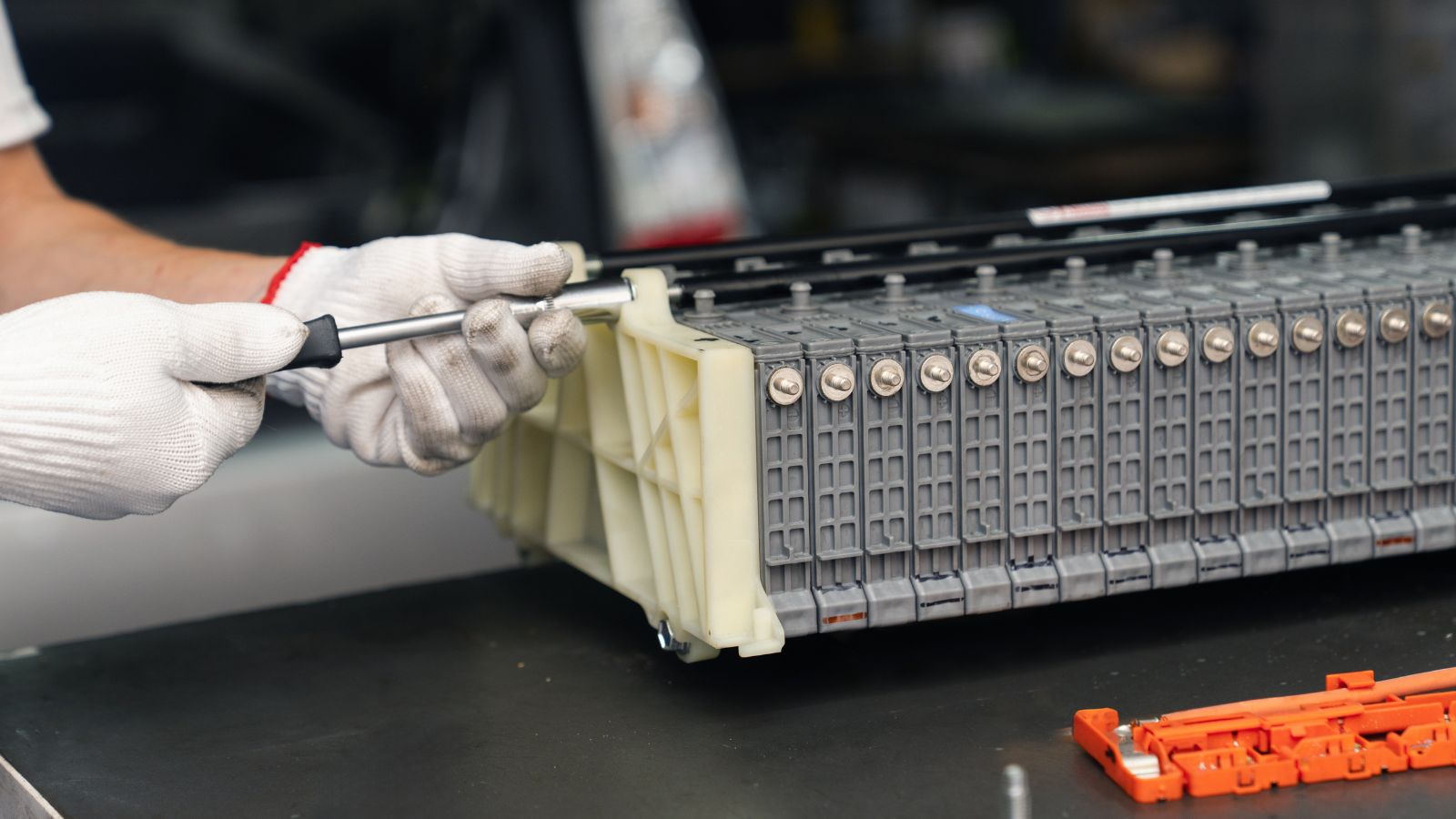
A major reason replacement costs feel unpredictable is that EV battery packs are not equally repairable. Consumer Reports notes that some packs can be serviced and individual cells or components may be replaced when faults are isolated. In those cases, a repair can avoid the cost of installing an entirely new high-voltage battery.
But battery architecture varies widely. Thatcham Research’s 2026 EV repair blueprint says some packs are difficult to dismantle because of structural design, adhesives, foams, sealants, or limited access to internal components. It warns that relatively minor damage can sometimes lead to full-pack replacement when a safe, economical repair method is unavailable. For buyers, that means two EVs with similar range and battery size may carry very different long-term repair risks. The important question is not only “How much is a new battery?” but also “Can this battery be repaired in smaller, affordable sections if something goes wrong?”
Collision Damage Can Turn Into an Insurance Problem

Battery cost worries are not limited to normal aging. Collision damage can bring the high-voltage pack into an insurance claim, especially because batteries are large structural components mounted low in the vehicle. Thatcham Research found in a 2023 study that battery-electric vehicle claims were about 25.5% more expensive than comparable internal-combustion claims and took about 14% longer to repair at that time.
The issue becomes more serious as a vehicle depreciates. Thatcham’s 2026 blueprint says a battery can represent up to 40% of a vehicle’s value and argues that poor repairability can cause otherwise repairable EVs to be written off. That does not mean a minor crash normally destroys an EV battery; the organization specifically notes that batteries are heavily protected and often avoid damage. The concern is economic: if the pack is involved and replacement is required, the repair bill can exceed what an older depreciated vehicle is worth.
Falling Battery Prices Do Not Equal Cheap Dealer Repairs
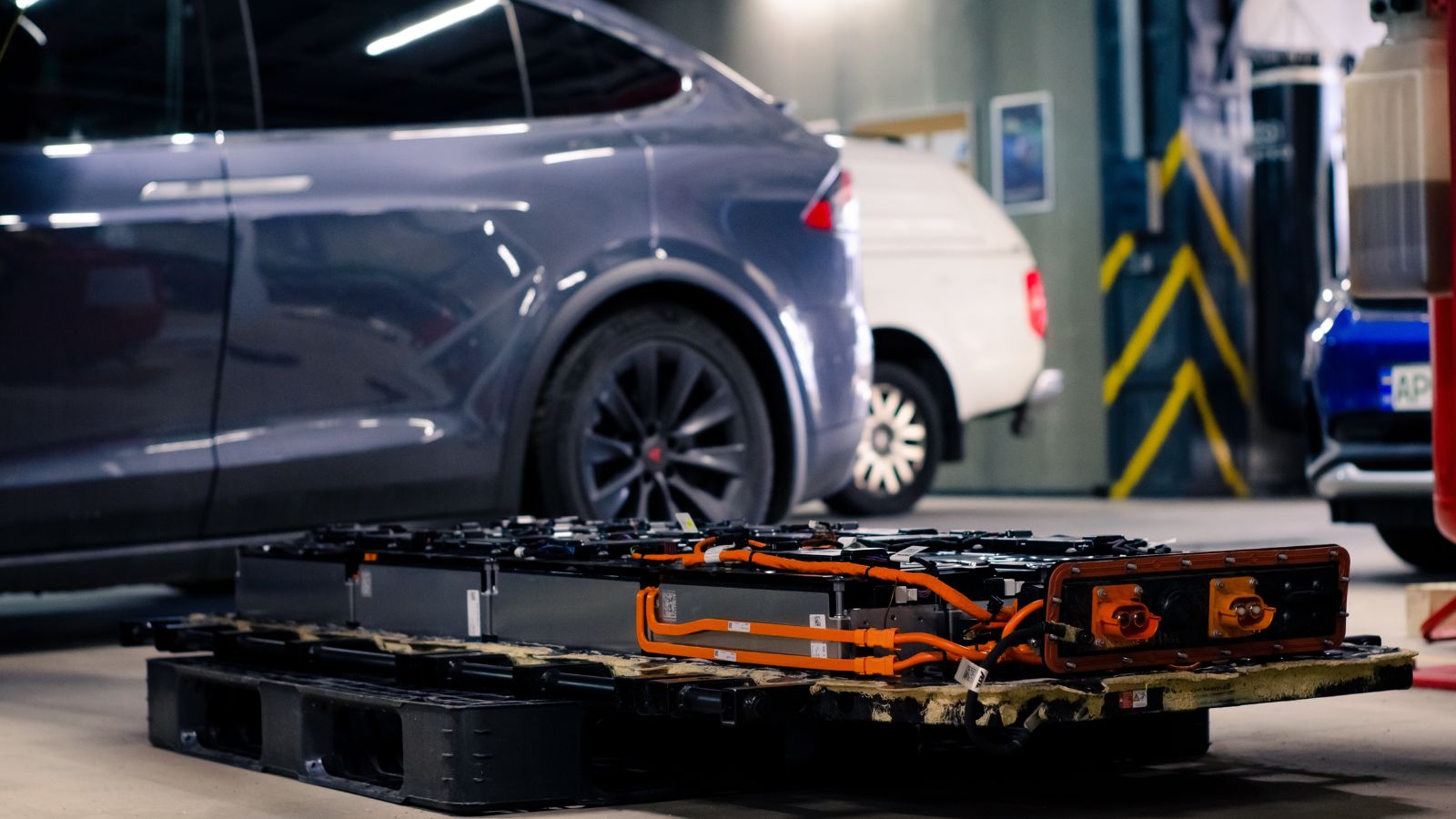
Battery manufacturing costs have fallen dramatically, which should help future EV affordability, but factory pack prices are not the same as the bill a vehicle owner receives at a service counter. BloombergNEF reported that average battery-electric vehicle pack prices fell to about $99 per kilowatt-hour in 2025, while the broader lithium-ion pack average reached $108 per kilowatt-hour.
Those numbers reflect large-scale industry pricing, not a finished retail replacement installed in a specific vehicle. A replacement job can include model-specific pack hardware, shipping, diagnostics, cooling components, software procedures, labor, dealer margins, and low-volume parts availability. Kelley Blue Book’s much wider consumer replacement estimate—roughly $4,000 to $36,000 before labor—shows why buyers cannot simply multiply battery capacity by an industry $/kWh figure. Falling cell and pack prices are encouraging, but they do not guarantee that an older owner will find a cheap replacement available locally when it is eventually needed locally later on.
Recycling Helps, but It Does Not Erase the Owner’s Risk

An aging EV battery is not necessarily worthless when it can no longer meet automotive demands. The U.S. Department of Energy has funded projects focused on second-life uses, including stationary energy storage, as well as recovery and recycling of battery materials. In 2024, DOE announced $44.8 million for additional projects aimed at improving the economics of recycling, dismantling, preprocessing, and second-life applications.
That circular-economy work could eventually make battery ownership less wasteful and improve the value recovered from old packs. However, it should not be confused with a guaranteed credit that cancels a replacement bill for an individual owner. The value of a used battery depends on its chemistry, remaining health, market demand, transport costs, and whether a refurbisher or recycler can economically use it. For today’s buyer, recycling is therefore reassuring from a resource perspective, but it does not eliminate the need to understand warranty coverage and replacement exposure.
19 Used Cars Canadians Should Avoid in 2026 (Based on Owner Complaints)

Buying a used car in Canada can feel safe until repair bills start stacking up. Owner complaints tell a different story than glossy listings. Transmission failures, electrical problems, and weak winter reliability show up again and again in consumer reports. Many of these issues appear after warranties expire, when owners least expect them. Some vehicles look affordable upfront, but become expensive to keep on the road. Others struggle in cold weather, urban driving, or long highway commutes. Here are 19 used cars Canadians should avoid in 2026 (based on owner complaints).
19 Used Cars Canadians Should Avoid in 2026 (Based on Owner Complaints)

Alanna Rosen is an experienced content writer that focuses on many EV and educational content. Her articles are regularly published on Get CyberTrucked and syndicated on large publications.