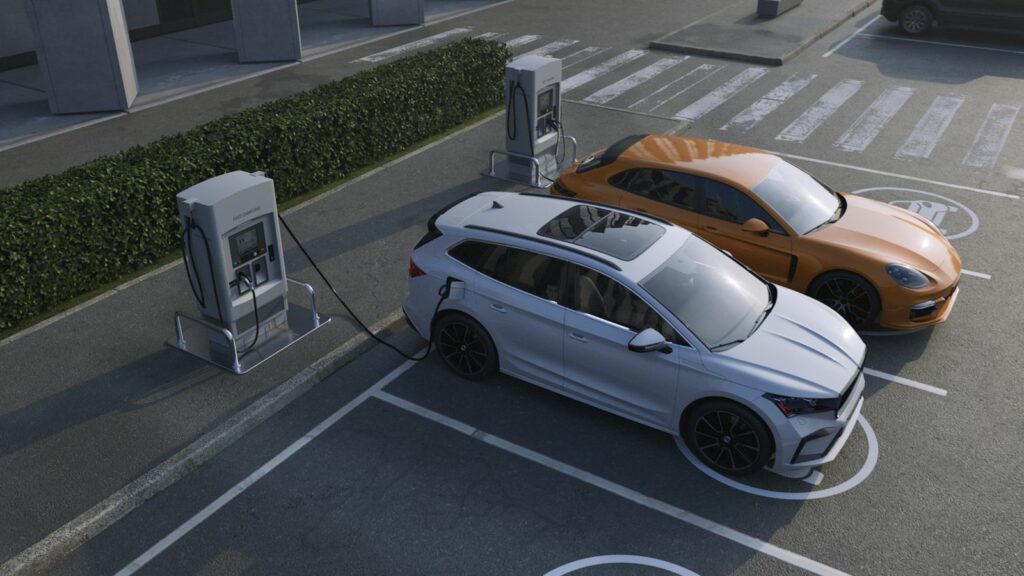
Public charging is one of the great conveniences of electric-vehicle ownership—and one of its least predictable expenses. The price on the screen can depend on far more than the amount of electricity entering the battery, especially when fast charging, memberships, location-based rates, taxes and extra fees are involved. For drivers who rarely leave the comfort of a home charger, those differences may be occasional inconveniences. For renters, apartment residents and frequent road-trippers, they can shape the monthly transportation budget.
These 12 concerns explain why some EV drivers remain nervous about public charging costs even as charging networks expand. The issue is not that electric driving has suddenly become uneconomical; it is that the final price of a public session can be harder to forecast than many drivers expect.
Public Fast Charging Is a Different Cost Tier
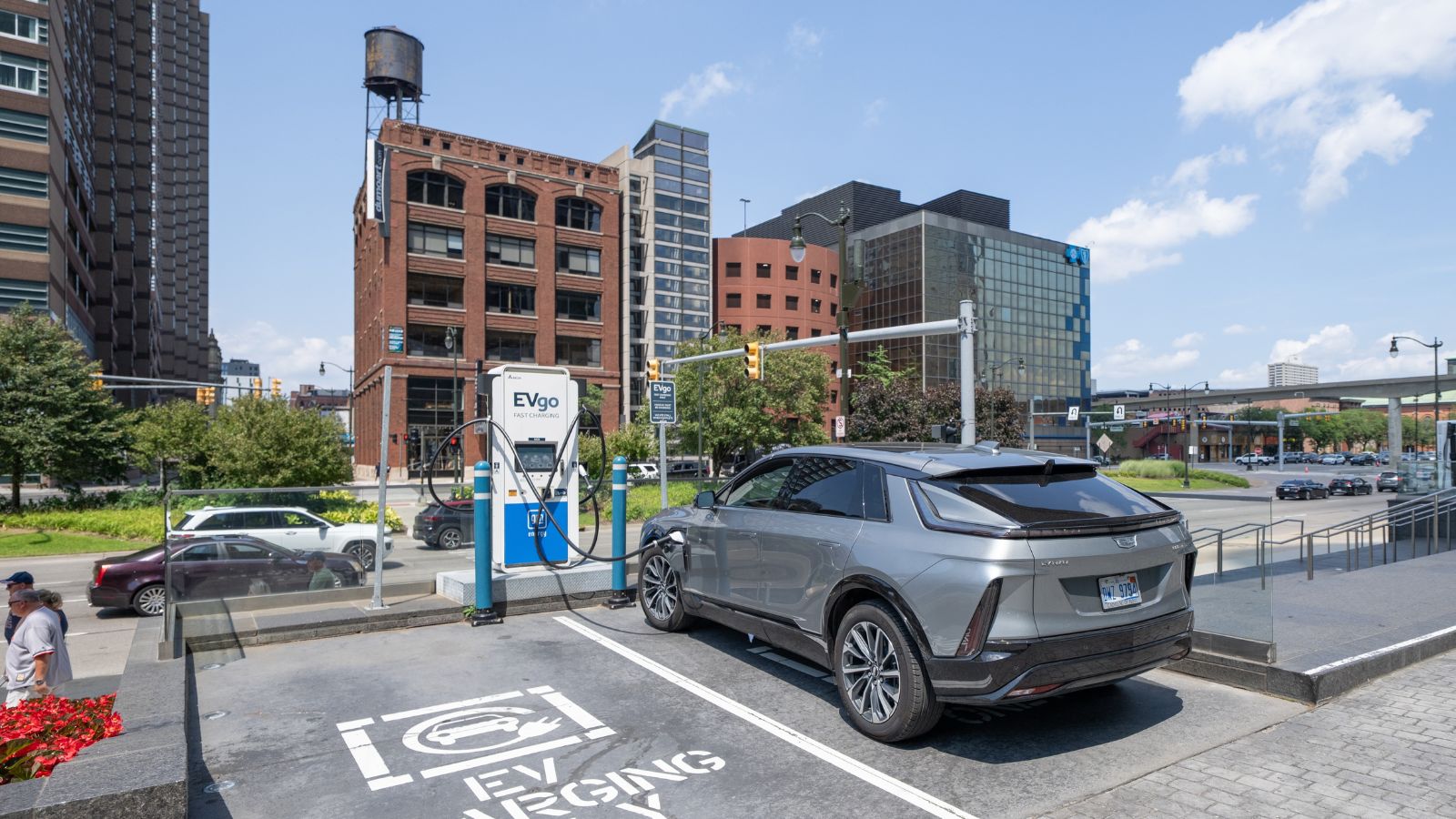
Public charging is not one product. A driver plugging into a slow Level 2 unit at a shopping centre is buying a very different service from someone using a high-power DC fast charger beside a highway. U.S. Department of Energy guidance says drivers should normally expect public charging, especially DC fast charging, to cost more than charging at home. Home charging also benefits from residential electricity rates and long dwell times, while public fast charging adds expensive equipment, networking, site work, maintenance and convenience.
That gap matters because many EV savings estimates assume a large share of charging happens at home. DOE modeling for 2030 expects most charging energy to come from Level 1 and Level 2 sources, with single-family homes accounting for the largest share. A commuter who usually plugs in overnight may barely notice public prices. A road-tripper, renter or apartment resident who relies heavily on fast chargers can experience a much different cost picture.
The Billing Method Can Change the Meaning of “Cheap”

Public charging can be billed by energy, time, session, parking duration or a blend of several fees, depending on the network and jurisdiction. ChargePoint says station owners can set prices by kilowatt-hour, by hour, with flat charges, minimums, maximums or idle fees. In Canada, Measurement Canada has been moving the market toward energy-based billing, with temporary dispensation programs allowing eligible chargers to bill by the kilowatt-hour while metering rules continue to evolve.
The difference is more than administrative. Energy-based pricing tells a driver what each kilowatt-hour costs, much like paying by litre or gallon at a fuel pump. Time-based pricing makes the vehicle’s charging speed part of the bill. Two cars connected for the same 30 minutes may receive very different amounts of energy because battery temperature, state of charge and vehicle hardware affect power acceptance. That makes price comparison harder and can leave slower-charging vehicles feeling financially unfairly penalized.
The Same Network Can Have Different Prices at Different Sites
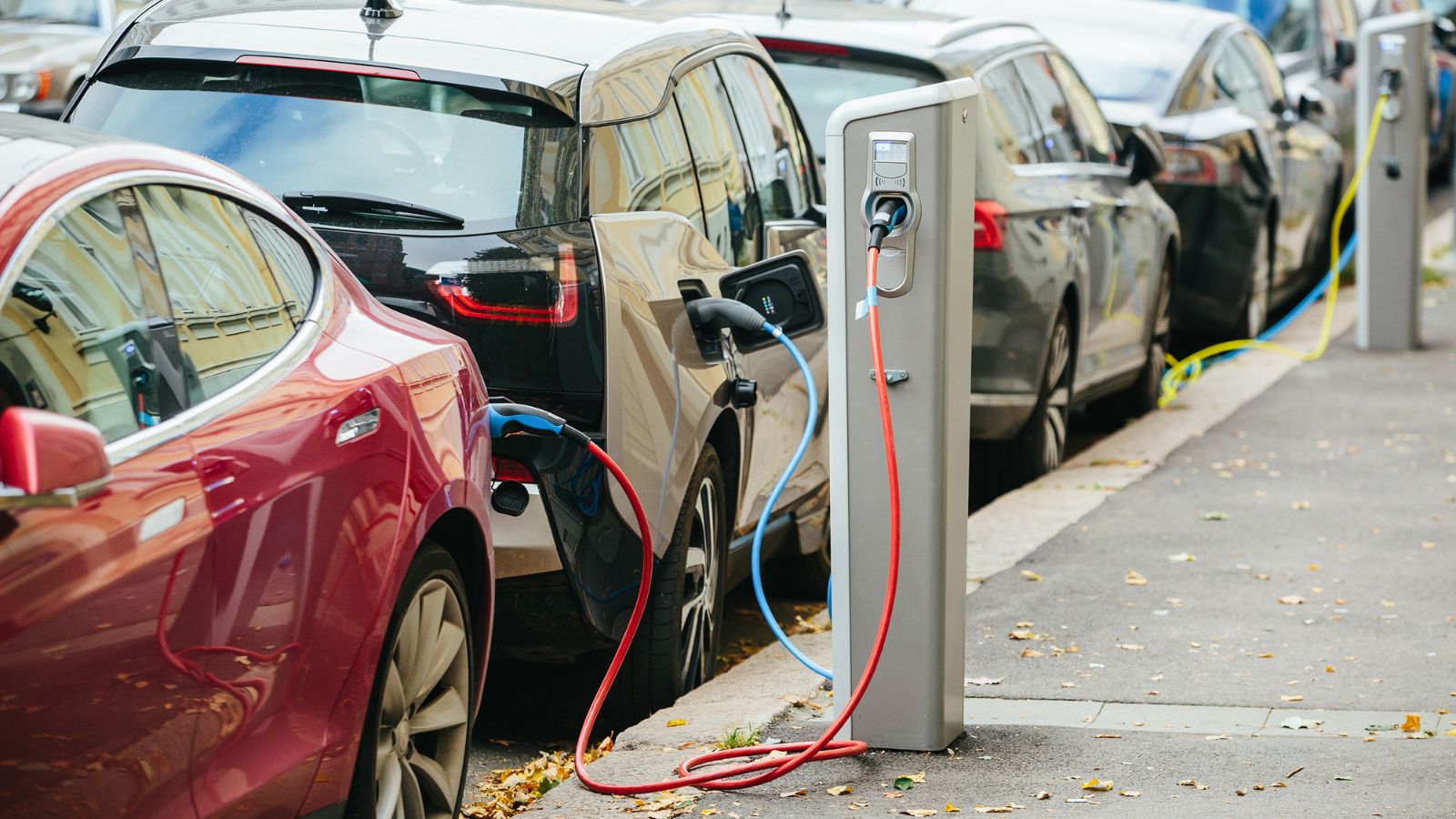
Even when billing is based on kilowatt-hours, the rate may change from one station to another. Electrify Canada says its DC fast-charging price is determined by charger location and the customer’s plan, with real-time pricing shown in its app or on the charger. ChargePoint similarly notes that independently owned stations and roaming partners decide what their locations cost. In other words, seeing the same logo on two chargers does not guarantee the same bill.
That creates a road-trip planning problem that gasoline drivers rarely face in quite the same way. Some U.S. networks also use time-of-use pricing, so the clock can matter alongside the location. Drivers who want the lowest cost may need to compare apps, routes and arrival times before plugging in, turning what seems like a simple fuel stop into a small pricing exercise. For budget-conscious households, that variability can matter as much as the average advertised rate.
Membership Discounts Add Another Calculation

Membership programs can lower the charging rate, but they also make the headline price harder to understand. Electrify Canada currently advertises a monthly Pass+ plan that reduces charging prices for members, while EVgo offers several plans with different monthly fees, discounts and session-fee structures. Frequent users can save enough to justify a subscription; occasional users can end up paying for a benefit they barely use.
The nervousness comes from having to calculate a break-even point. A driver who fast-charges several times a month may quickly recover a membership fee, while someone who only takes two long trips a year may be better off paying the non-member rate. Households that travel across regions can also accumulate accounts with multiple networks instead of relying on one universal price. The result is familiar to anyone managing streaming subscriptions: each individual fee looks modest, but the total cost becomes less obvious when several services, discounts and renewal dates overlap.
Idle and Congestion Fees Can Turn Up Quickly
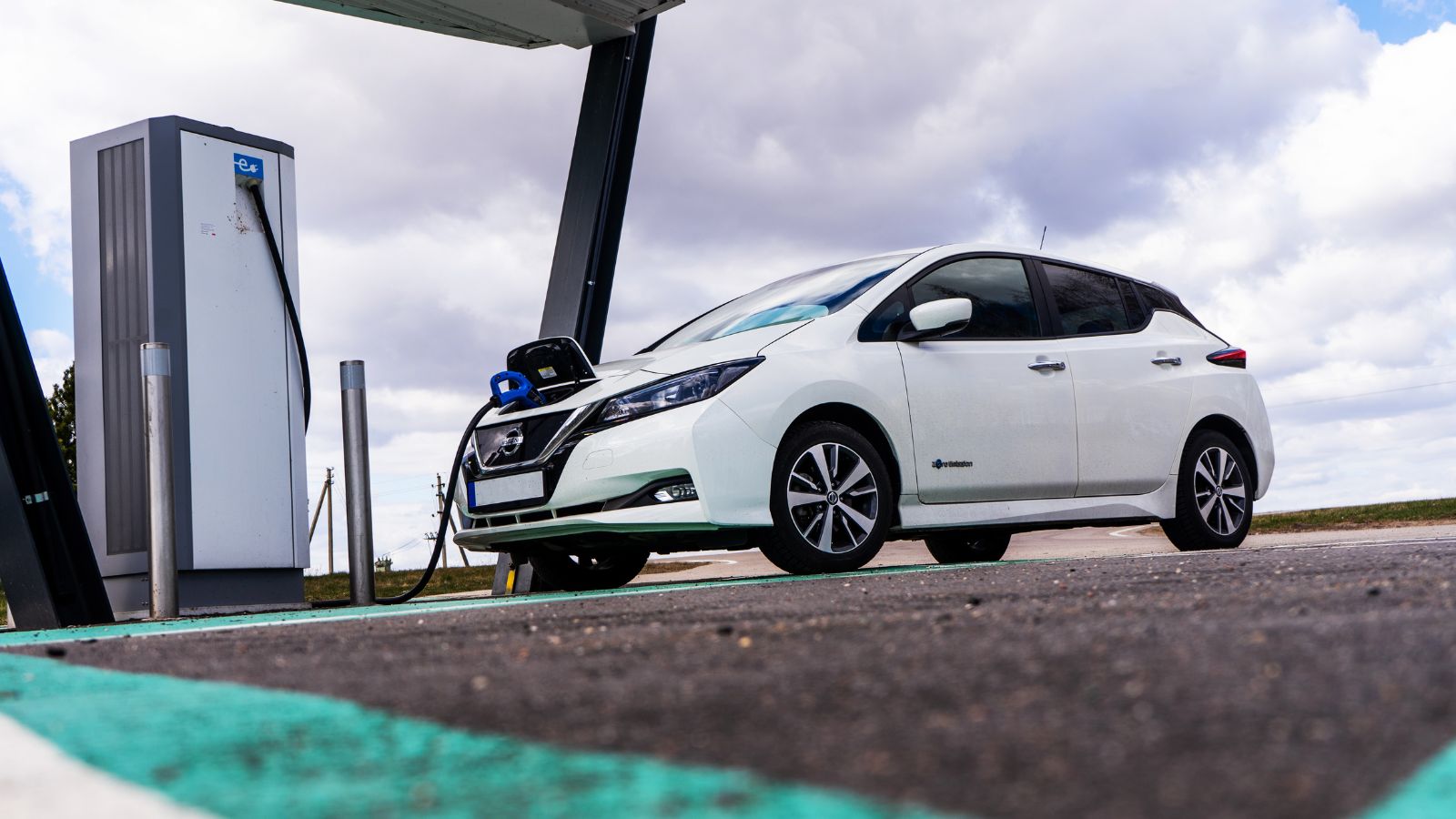
The charging session may be finished, but the meter does not always stop there. Networks increasingly use idle or congestion fees to discourage vehicles from occupying high-demand stalls after charging is complete or after a battery reaches a specified threshold. Electrify Canada states that an idle fee can apply after a grace period, while Tesla uses congestion fees at busy Supercharger sites. These policies are designed to improve charger availability, not simply to raise revenue.
Still, the practical effect can be stressful. A driver charging during dinner or a meeting may need to monitor the app and return on time. A few extra minutes can turn an otherwise predictable energy purchase into a higher bill. The anxiety is especially noticeable at crowded stations, where charging speed slows near a high state of charge and the incentive to move the vehicle becomes stronger. Public charging therefore carries a parking-management element that home charging does not.
Temporary Card Holds Can Look Like Extra Charges

A credit-card statement can briefly make a charging stop look much more expensive than it really was. Major networks use pre-authorization holds to confirm that a payment method is valid and has sufficient funds. Electrify Canada says it may place temporary holds in $20 increments, while EVgo says a card-reader transaction can trigger a temporary hold that may remain pending for several business days. ChargePoint also uses authorization holds before certain sessions.
For someone using a debit card, prepaid card or tight monthly budget, the temporary reduction in available funds can be meaningful. The final charging charge may be modest, yet the pending amount can create confusion until the bank releases it. That is one reason public charging can feel financially unpredictable even when the energy rate itself is clearly posted: the payment system can temporarily affect cash flow. Several network stops can also produce overlapping pending holds before earlier ones disappear.
Cold Weather Can Increase the Amount of Electricity Needed
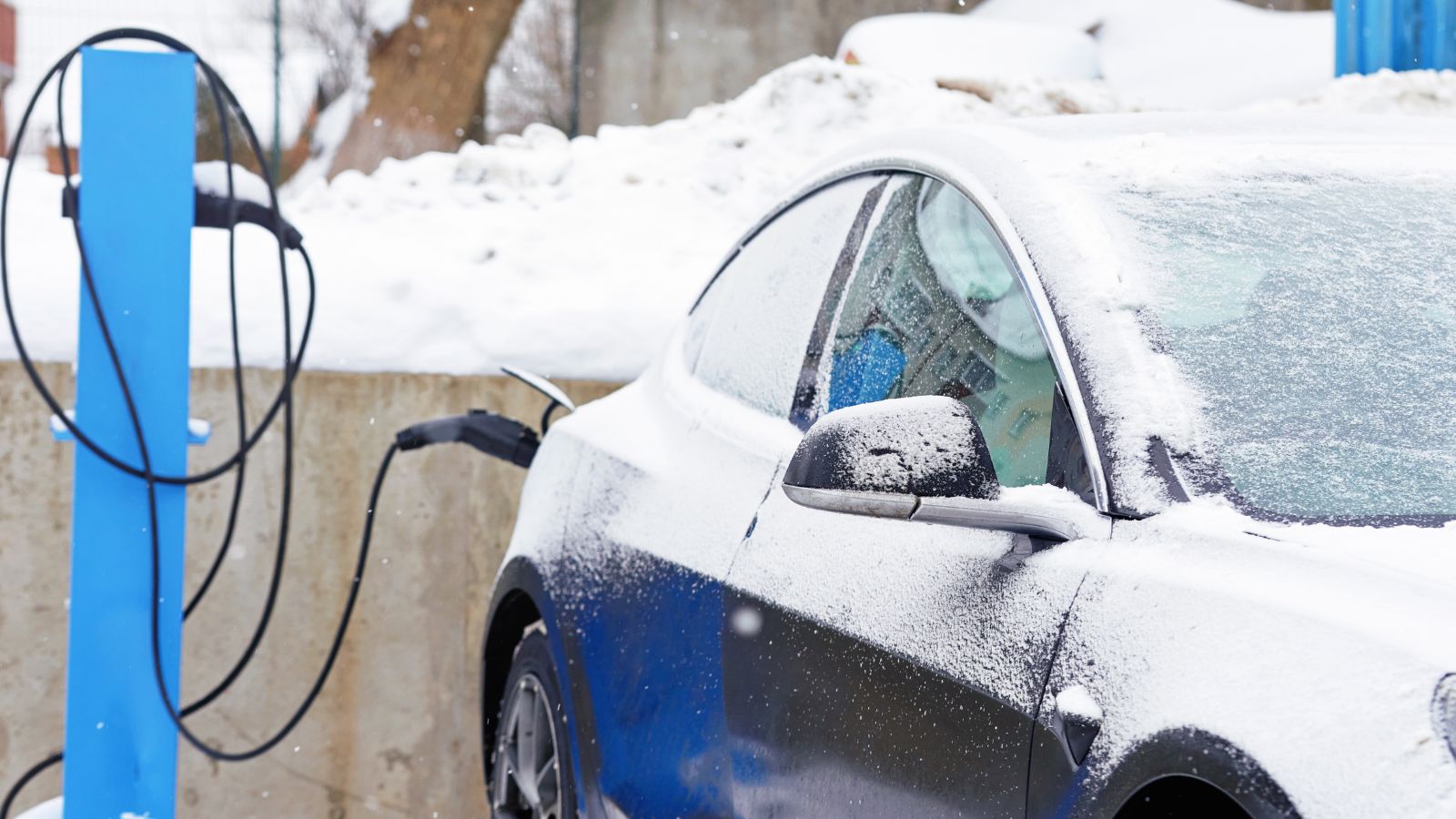
Cold weather changes the economics of an EV trip even if the charger’s posted price stays exactly the same. Batteries are less efficient in low temperatures, cabin heating consumes energy, and U.S. Department of Energy guidance notes that winter conditions affect range and charging behaviour. Real-world data from Recurrent also show meaningful range reductions across many EV models in freezing conditions, with losses varying by vehicle.
That means a winter road trip can require more purchased electricity to cover the same distance than a mild-weather trip. A driver who normally arrives with a comfortable reserve may need an extra charging stop, a longer session or a higher state of charge before leaving. The effect is especially visible in Canada and the northern United States, where public fast charging often becomes most important precisely when cold weather is reducing efficiency. The price per kilowatt-hour may not rise, but the number of kilowatt-hours needed can.
Charging Speeds Usually Slow Near a Full Battery
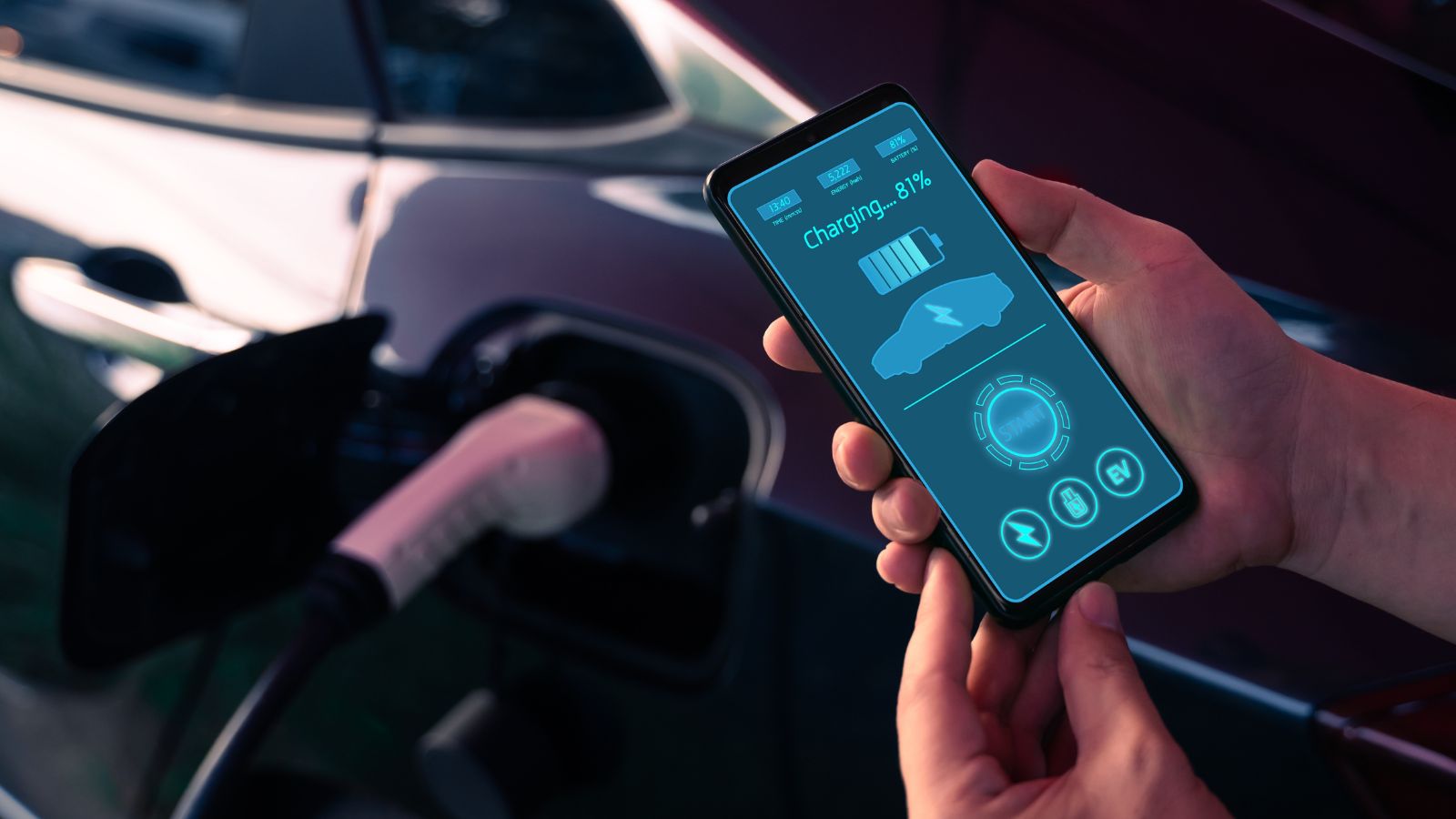
Fast chargers advertise impressive peak power, yet an EV does not accept that maximum rate for an entire session. Charging speed depends on the vehicle, battery temperature and state of charge. Federal guidance notes that charging power varies with battery state of charge, and Tesla tells drivers that reaching 100% typically takes significantly longer than reaching 80%. That charging curve is why road-trip planners often target shorter stops instead of filling completely.
This matters most where a site still bills by time, but it can affect perceived value even under energy-based pricing. The last portion of a charge may add kilometres slowly while the driver waits longer, occupies a stall and potentially approaches an idle or congestion-fee threshold. The experience can feel expensive because time, not just electricity, has value. Public charging costs therefore include both the posted rate and the opportunity cost of waiting. On long trips, that trade-off can feel costly.
Large, Heavy EVs Can Produce Much Bigger Charging Bills
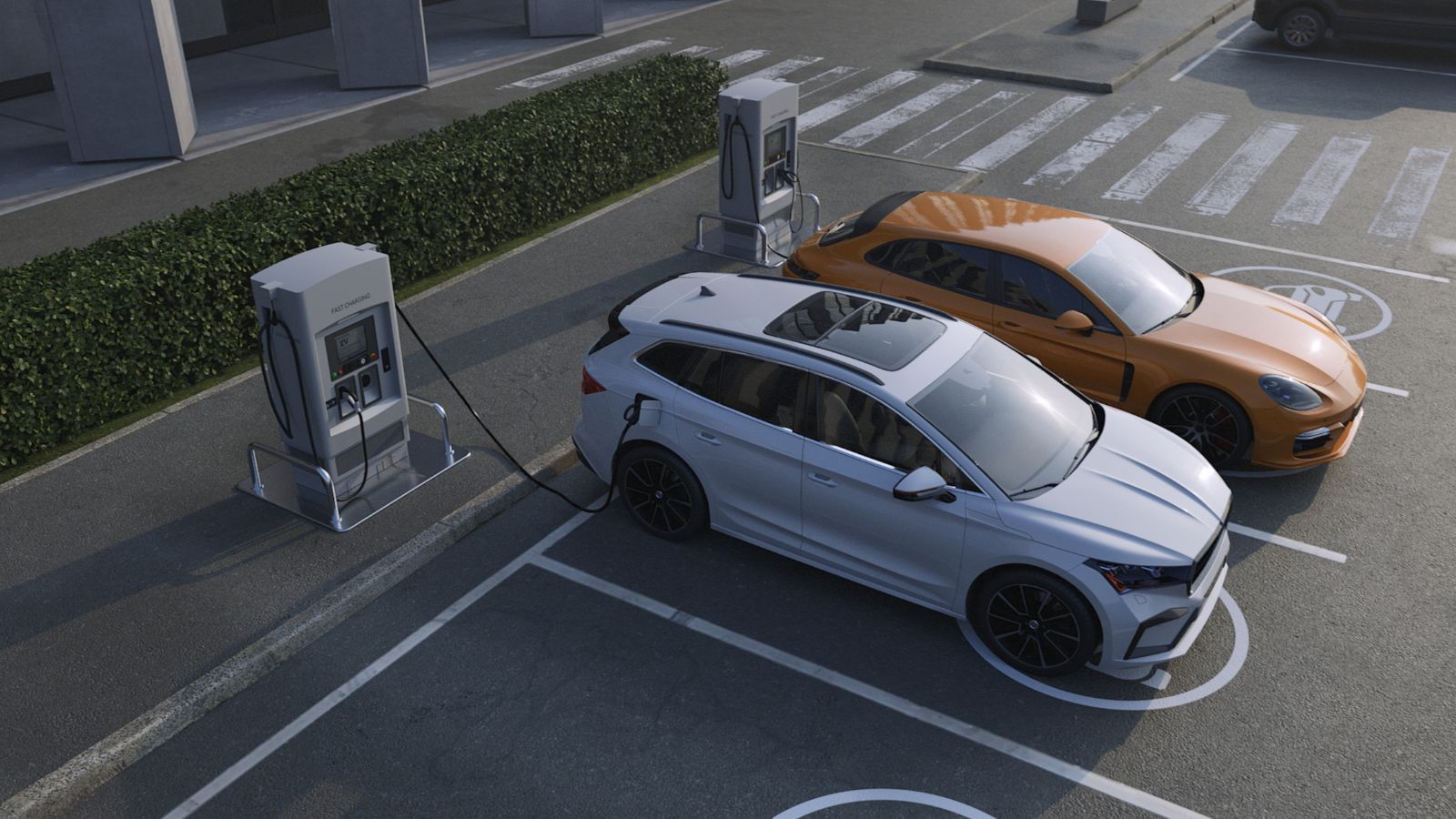
The size and efficiency of the vehicle can make the same public rate produce very different receipts. DOE data show that light-duty EV energy consumption commonly falls within a broad kilowatt-hour-per-100-mile range, and the market has been adding larger electric SUVs and pickups with bigger battery packs. Recurrent’s 2026 market analysis found that average EV efficiency has declined compared with 2018 as larger and heavier models became more common.
At a charger priced by kilowatt-hour, arithmetic is unforgiving: a vehicle that uses more energy per kilometre costs more to move. A compact EV and a large electric pickup can therefore face different road-trip bills at the same station. Bigger batteries can reduce how often a vehicle needs to stop, but they also make a large refill more expensive in absolute dollars. Drivers accustomed to judging EV costs only by the posted rate may be surprised by how strongly vehicle choice shapes the final session total.
Taxes and Road-Funding Charges Are Appearing
Public charging prices can also include government-imposed taxes or transportation fees. U.S. states have increasingly explored or adopted per-kilowatt-hour charges on public EV charging as a way to replace some road revenue that gasoline taxes traditionally collect. The National Conference of State Legislatures reported that at least nine states had imposed charging taxes by 2024, generally using a cents-per-kilowatt-hour approach.
The amounts may look small on a single stop, but frequent fast-charging users see them repeatedly. Crossing several states can also mean different tax treatment, making one nationwide cost estimate unreliable. Government and DOE comparisons still show strong potential fuel-cost advantages for electric vehicles. It does mean, however, that public electricity is increasingly being treated as transportation fuel, and policymakers are adding road-funding mechanisms that can narrow the gap between the charger’s base energy price and the final amount paid. The pattern is evolving, so interstate travelers cannot assume identical charging taxes everywhere automatically.
Fast-Charging Stations Are Expensive to Build and Operate
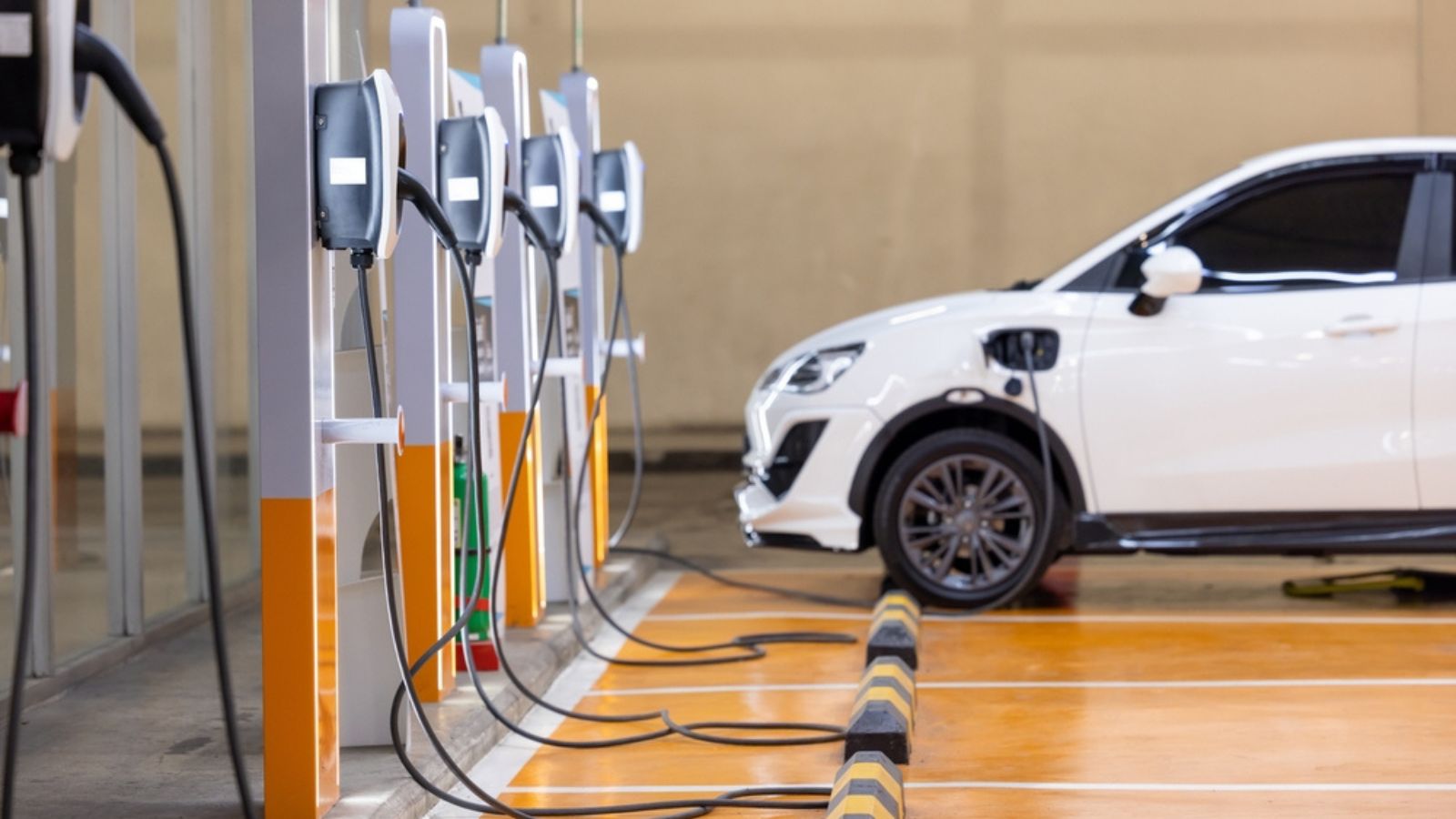
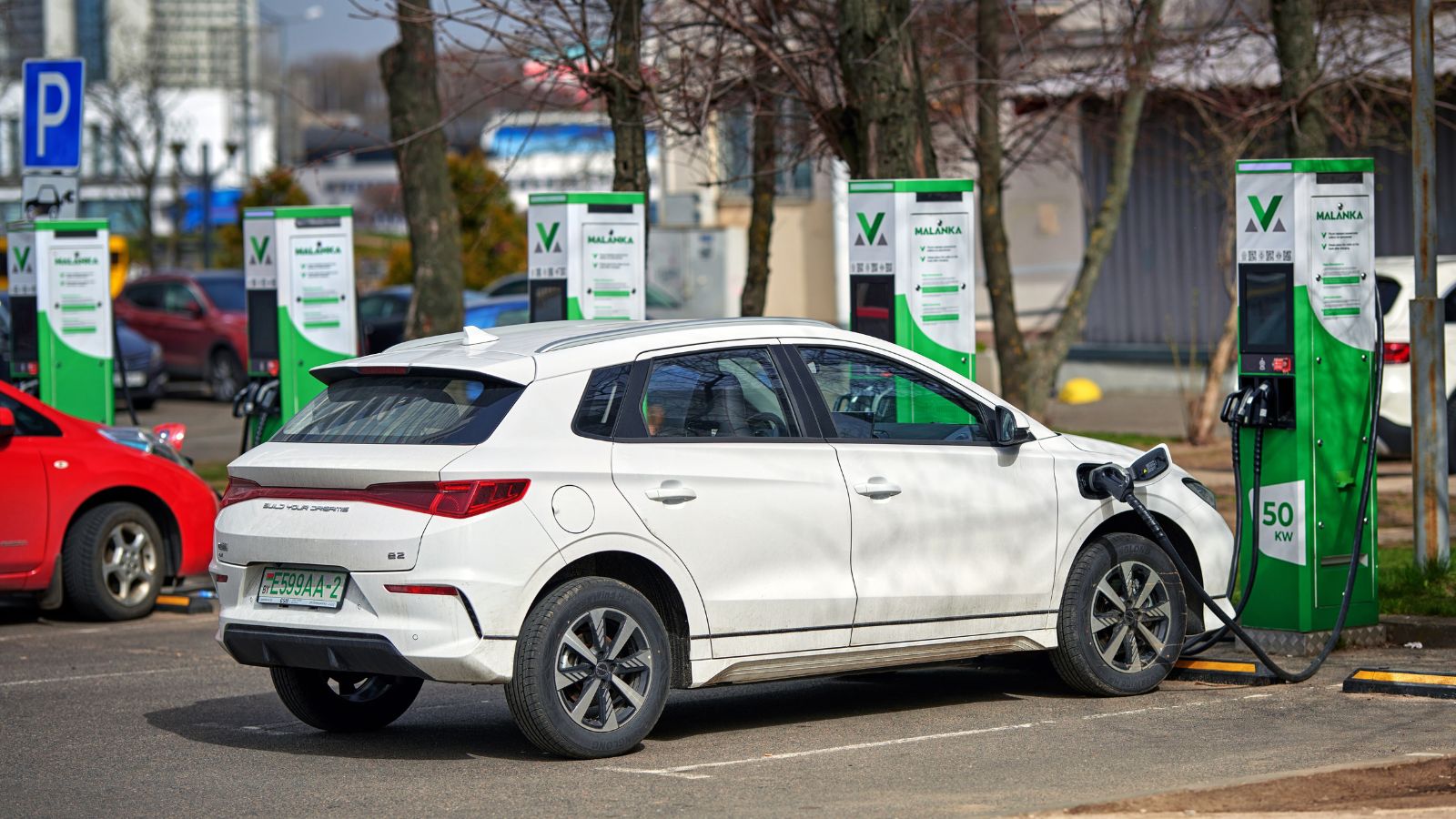
A fast charger is expensive infrastructure, and part of that economic reality eventually reaches the customer. Federal guidance puts DC fast-charger installation costs far above typical Level 2 equipment. Operators must also pay for electricity, network services, maintenance and repairs. High-power sites can trigger utility demand charges based on short periods of peak electricity use, which can be especially painful when a station has low utilization.
That helps explain why a highway fast charger should not be compared directly with the wholesale or residential price of electricity. The customer is paying for far more than electrons: high-voltage equipment, parking access, communications, payment processing, uptime, maintenance and the ability to add substantial range quickly. U.S. transportation guidance notes that demand charges can increase individual charging-session prices. The result is a cost structure more complex than plugging into a garage overnight. Low utilization can spread those costs across fewer sessions, making cheap pricing harder.
Drivers Without Home Charging Carry More of the Risk
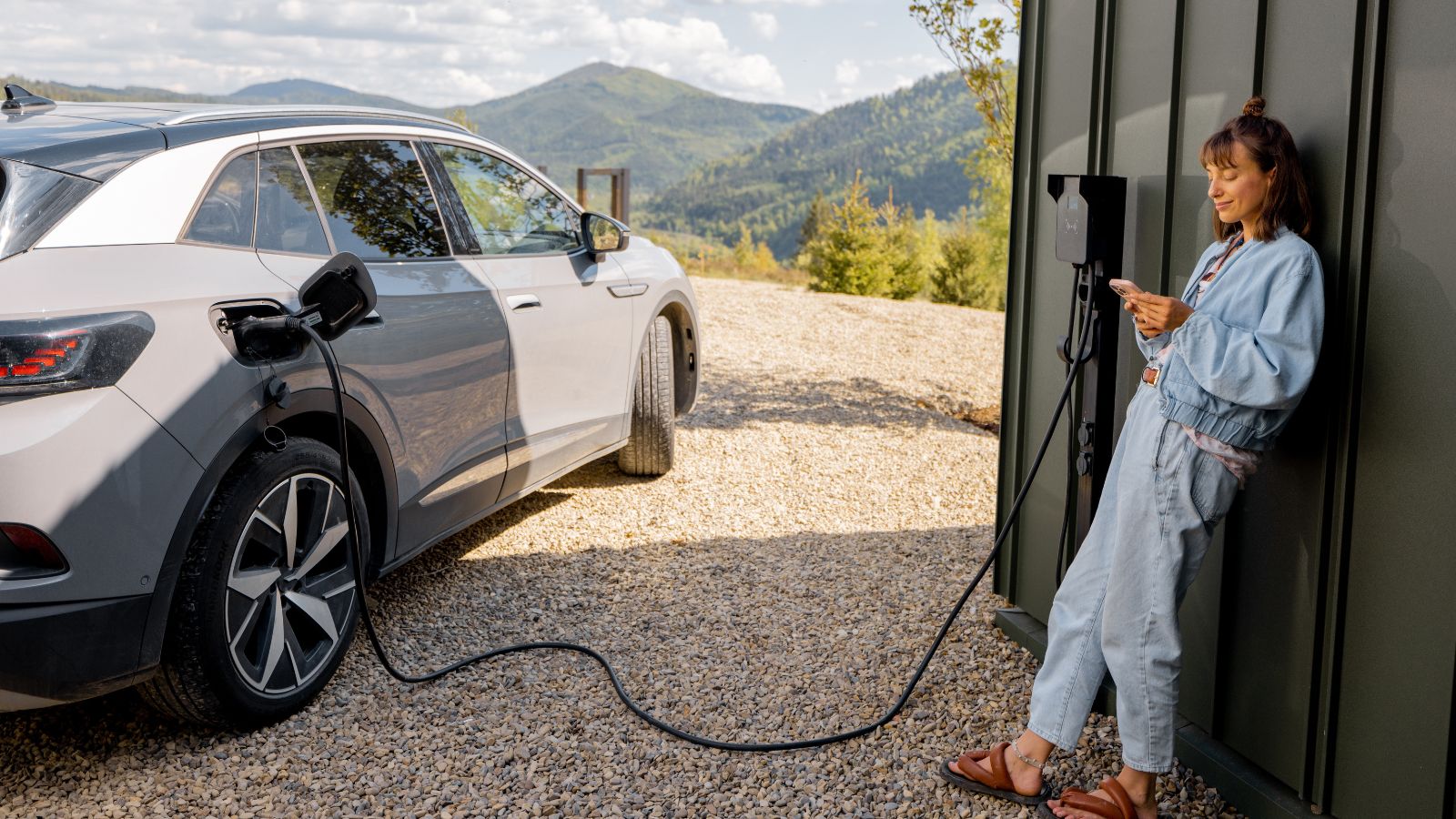
Public charging costs are most unsettling for drivers who cannot fall back on a private plug. DOE guidance says home charging is typically cheaper, while people in multifamily housing often face additional installation and access barriers. Federal modeling assumes most future EV drivers will have reliable residential charging, leaving those without it more dependent on public charging.
For that group, every pricing complication carries more weight. Location-based rates, subscriptions, authorization holds, winter efficiency losses and idle fees are not occasional road-trip issues; they can become part of the regular household transportation budget. Reliability also matters because an unavailable charger may force a driver to detour to a different network with a different price. The concern, then, is less about electricity being inherently expensive and more about lacking a stable, predictable home baseline. Two owners of the same EV can therefore report different monthly fueling costs simply because their charging access differs.
19 Used Cars Canadians Should Avoid in 2026 (Based on Owner Complaints)

Buying a used car in Canada can feel safe until repair bills start stacking up. Owner complaints tell a different story than glossy listings. Transmission failures, electrical problems, and weak winter reliability show up again and again in consumer reports. Many of these issues appear after warranties expire, when owners least expect them. Some vehicles look affordable upfront, but become expensive to keep on the road. Others struggle in cold weather, urban driving, or long highway commutes. Here are 19 used cars Canadians should avoid in 2026 (based on owner complaints).
19 Used Cars Canadians Should Avoid in 2026 (Based on Owner Complaints)

Alanna Rosen is an experienced content writer that focuses on many EV and educational content. Her articles are regularly published on Get CyberTrucked and syndicated on large publications.