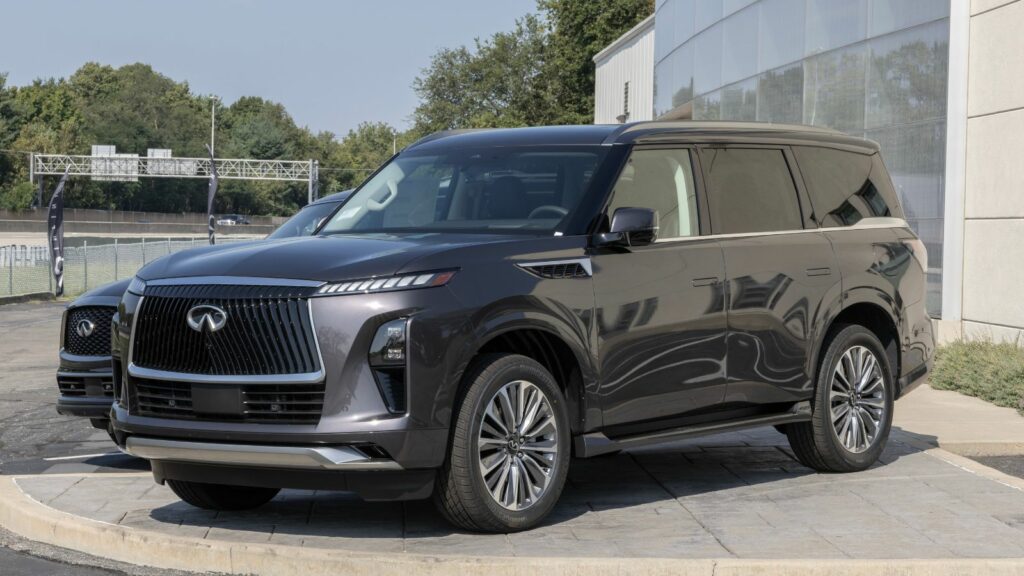
A five-year-old flagship sedan can sometimes cost less than a new economy car, creating one of the most tempting bargains in the used-car market. The leather, powerful engine, elaborate cabin and prestigious badge remain, but much of the original price has vanished. That dramatic discount is rarely random.
Luxury vehicles combine heavy depreciation with sophisticated components, expensive consumables and ownership costs that do not necessarily fall alongside market value. Some are excellent used purchases, while others become inexpensive precisely because the next owner inherits risks the previous owner no longer wants. These 12 reasons explain why certain luxury cars lose value so aggressively—and why the lowest advertised price can sometimes be the least important number in the buying decision.
Depreciation Can Be Brutal
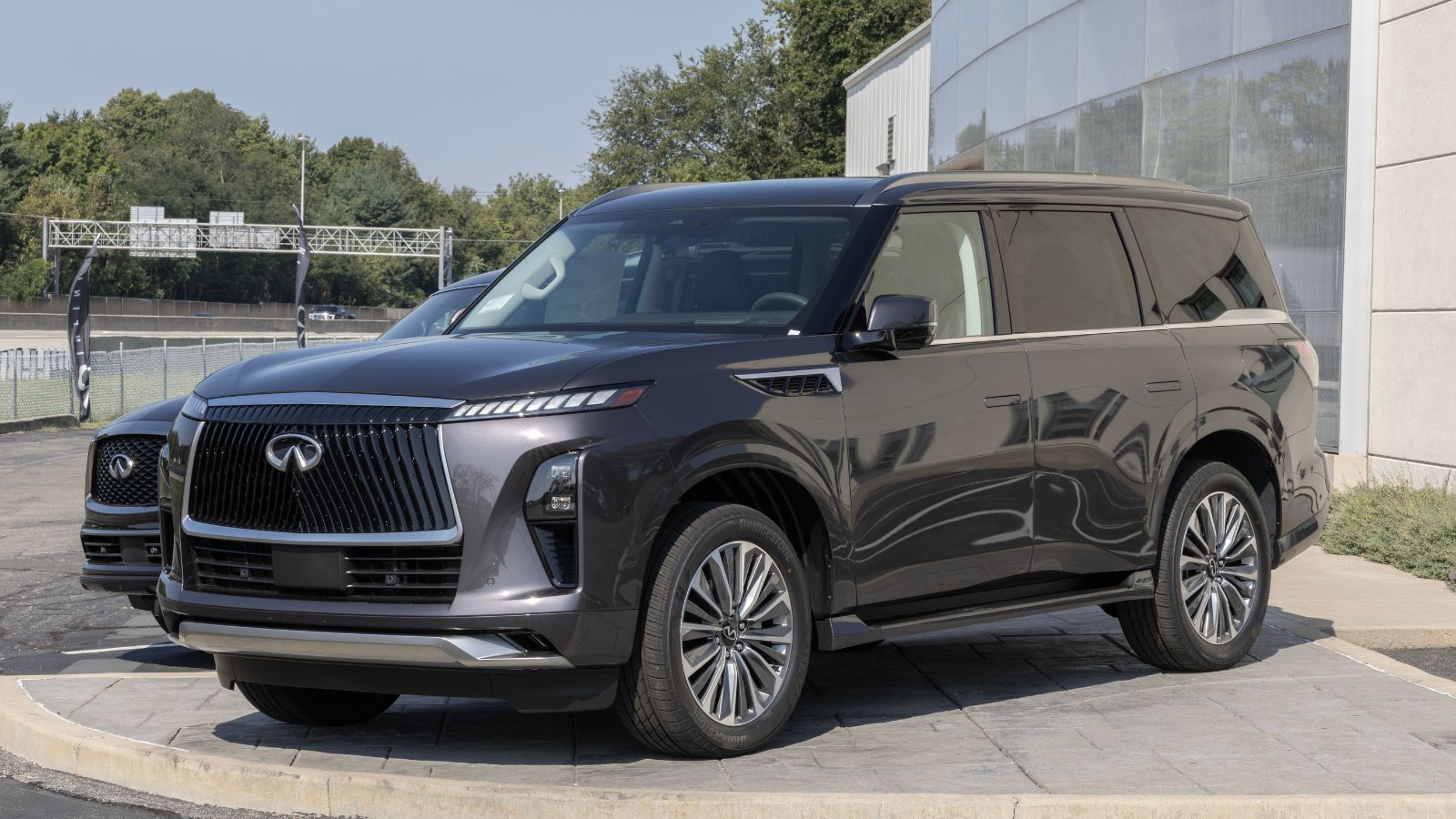
Luxury vehicles often begin life with exceptionally high transaction prices, meaning even an ordinary percentage decline can erase tens of thousands of dollars. The effect becomes dramatic in models that also suffer weak used-market demand. In iSeeCars’ 2026 depreciation analysis, luxury vehicles represented 18 of the 25 models with the greatest five-year depreciation. The Infiniti QX80 lost an estimated 62.8% of its value, while the Range Rover fell 61.7%.
That creates advertisements that seem almost unbelievable several years later. A vehicle that originally occupied the premium end of the market can suddenly overlap in price with an ordinary crossover. Depreciation alone does not prove that a car is unreliable, however. Porsche’s 911 and 718 Cayman ranked among the strongest value-retaining vehicles in the same research. The important signal is therefore unusually severe depreciation for a particular model, because it can indicate that used buyers have already priced ownership concerns into the market.
The Purchase Price Falls, but the Car Is Still a Luxury Machine
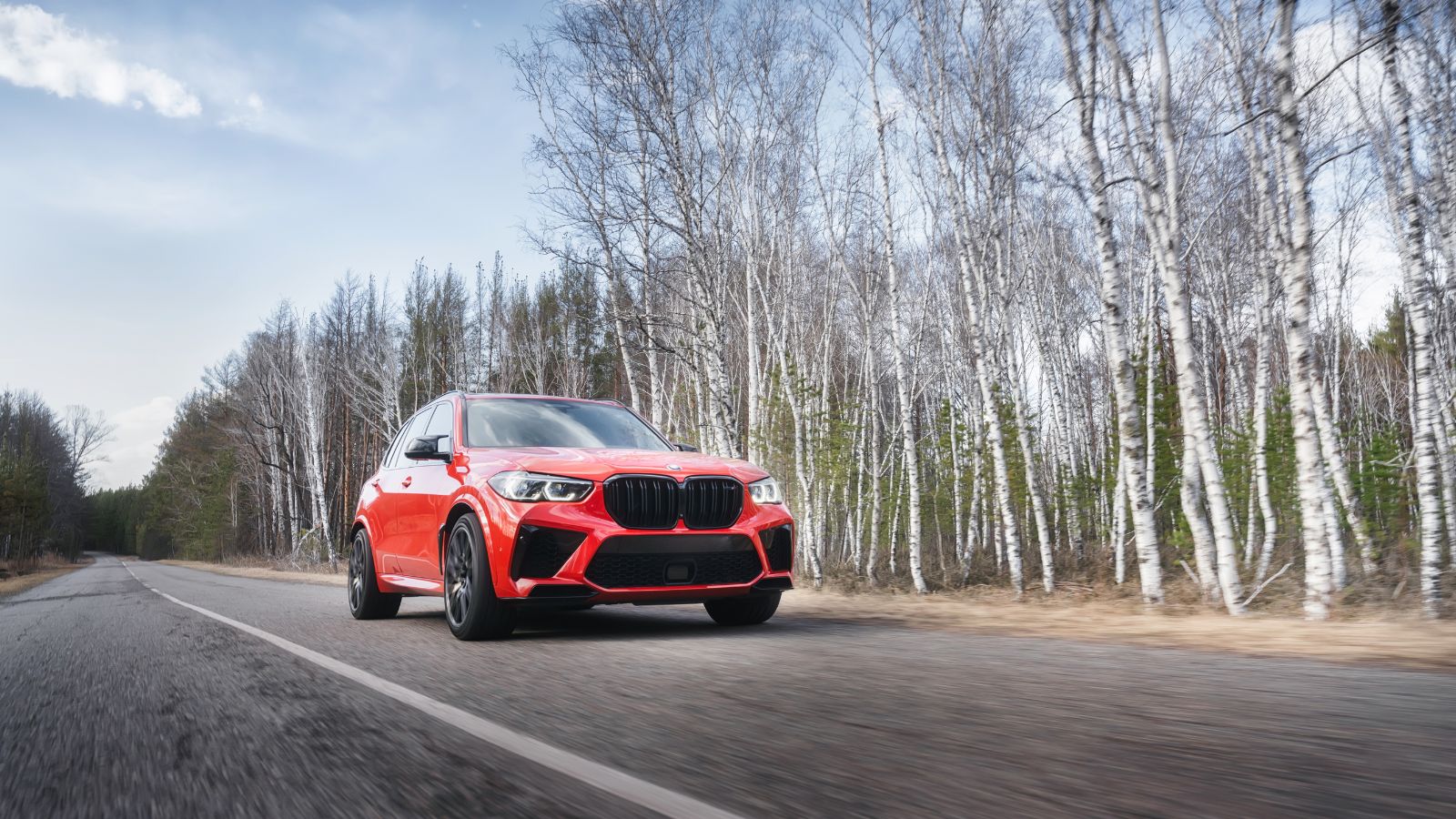
A $100,000-class vehicle does not mechanically transform into an economy car simply because depreciation has pushed its used value far lower. It still contains the engineering, components and servicing requirements designed for a premium vehicle. Specialized suspension components, elaborate climate-control systems, powerful engines and sophisticated electronics remain installed regardless of what the second or third owner paid.
Consumer Reports’ analysis of maintenance and repair expenses illustrates why that distinction matters. Several European premium manufacturers—including Audi, BMW, Land Rover, Mercedes-Benz, Porsche and Volvo—appeared among the more expensive brands to maintain over a 10-year period. Consumer Reports also found differences of thousands of dollars between brands as vehicles aged. A heavily depreciated luxury car can consequently become inexpensive to acquire while remaining expensive to preserve. That mismatch is one of the central reasons buyers sometimes discover that the bargain was merely an inexpensive admission ticket to premium-car operating costs.
The Warranty Expiration Changes the Economics
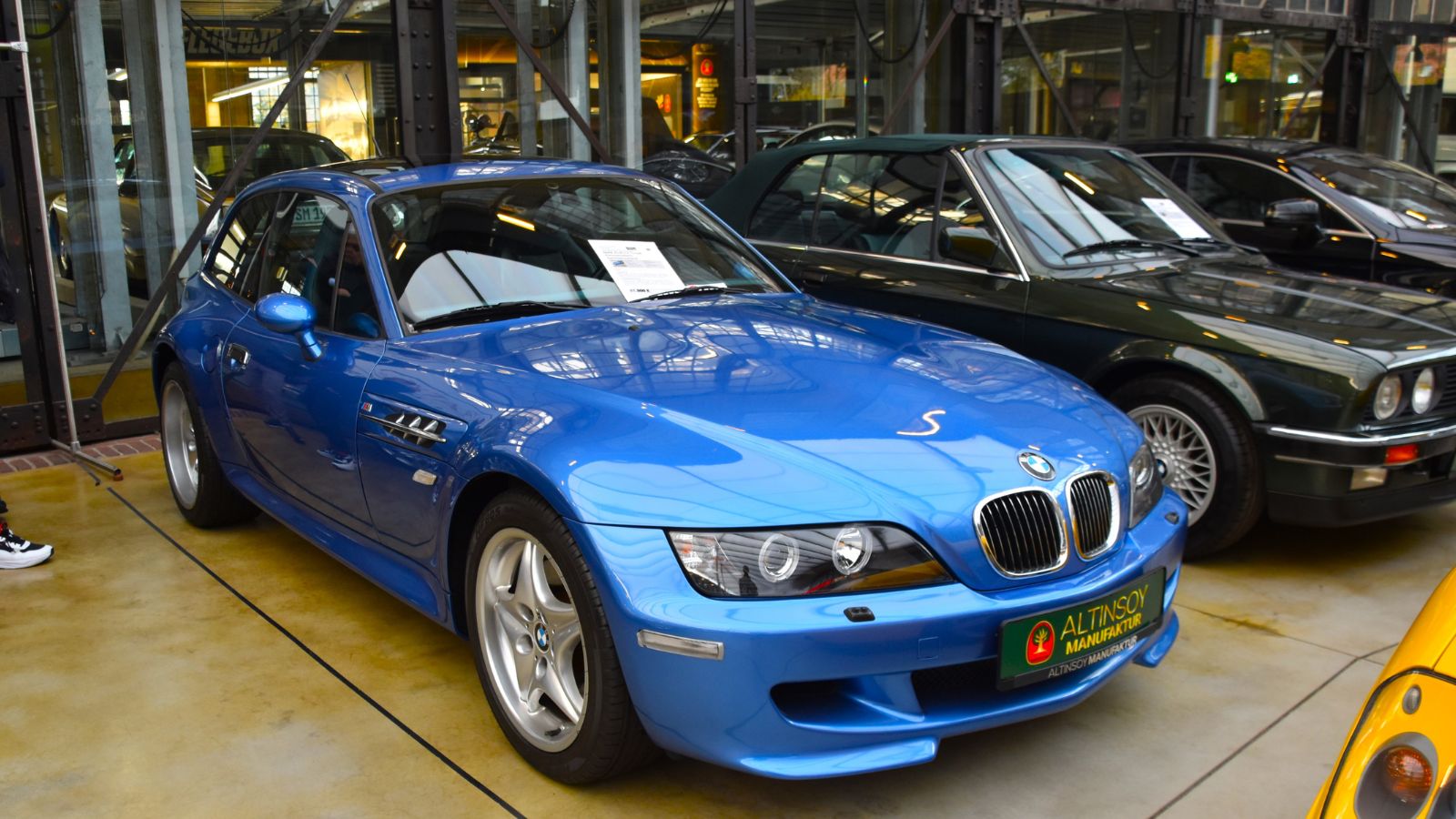
Luxury cars can appear remarkably manageable when new because much of the financial risk is temporarily hidden. Factory warranties cover qualifying failures, while some manufacturers provide complimentary maintenance during the early ownership period. Consumer Reports notes that newer cars generally require little beyond routine servicing during their first years, and warranty coverage absorbs many repair expenses when something unexpectedly fails.
The calculation becomes very different several years later. Consumer Reports found that maintenance and repair costs rise substantially as vehicles age, particularly after warranties and complimentary maintenance programs expire. That period often overlaps with the point when the first owner is considering a replacement and the vehicle is entering the used market. The next buyer may therefore encounter an attractive price at precisely the moment expensive components are becoming solely the owner’s responsibility. A low asking price can compensate for that risk, but only when enough money remains in the budget for the repairs that warranty coverage previously concealed.
Air Suspension Can Turn a Bargain Into a Repair Bill
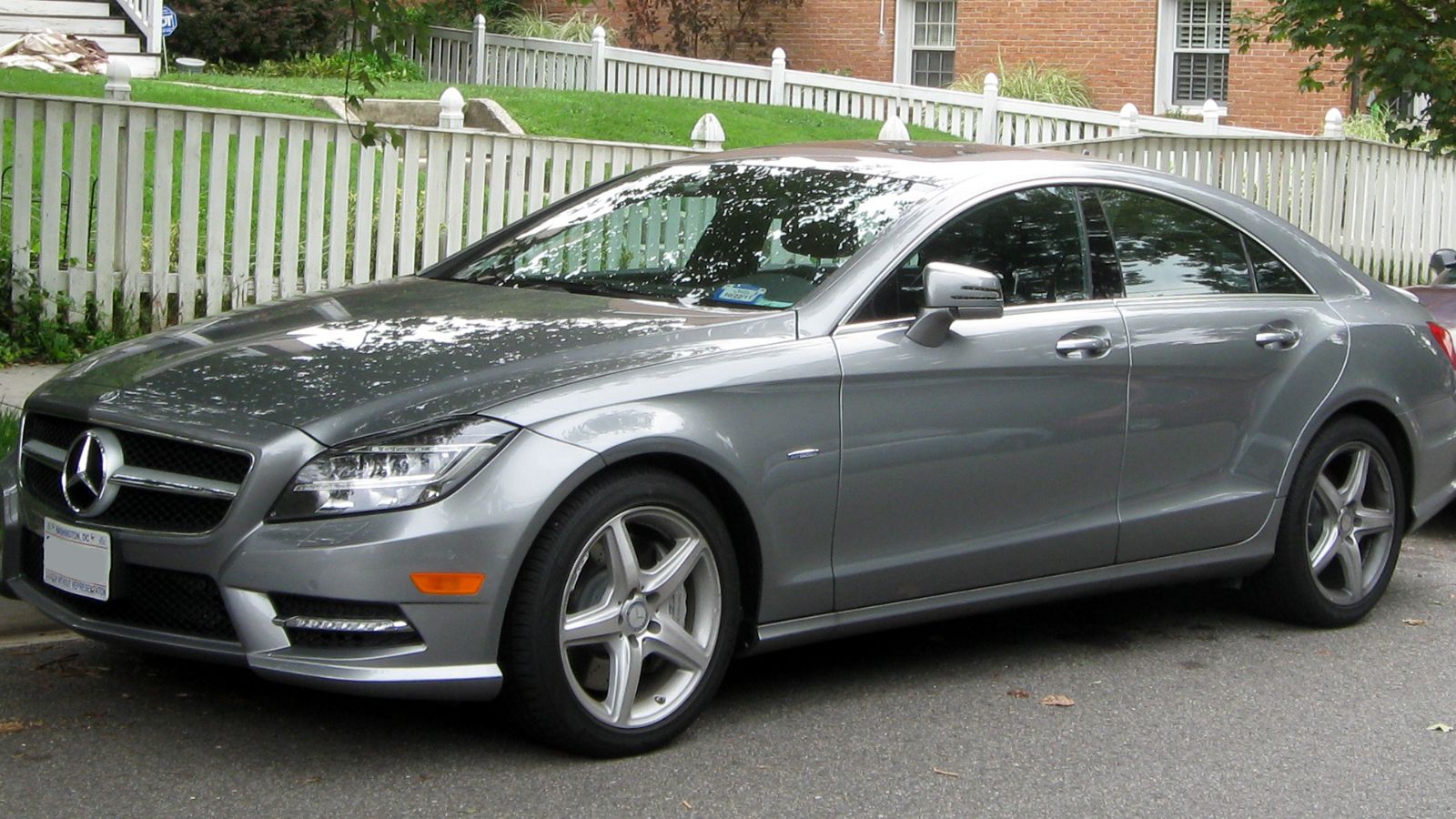
Air suspension demonstrates why sophisticated luxury-car equipment can become financially intimidating with age. The technology can deliver an impressively smooth ride, automatic leveling and adjustable ride heights, advantages that help expensive sedans and SUVs feel special when new. But air springs, compressors, valves, sensors and pneumatic lines create more potential failure points than a conventional steel-spring arrangement.
Current RepairPal estimates show the scale of the issue. Replacing the active-suspension air compressor on a Mercedes-Benz S550 is estimated at roughly $1,361 to $1,441 before taxes, location adjustments or related repairs. A Range Rover active-suspension air spring replacement is estimated at about $1,227 to $1,335 on average, with some model years approaching $2,000. One problem does not make every air-suspended luxury car a poor purchase. It does show why a seemingly inexpensive older flagship deserves careful suspension inspection: a vehicle sitting unusually low after being parked may be advertising more than an impressive discount.
Large Wheels Keep Charging Luxury-Car Prices
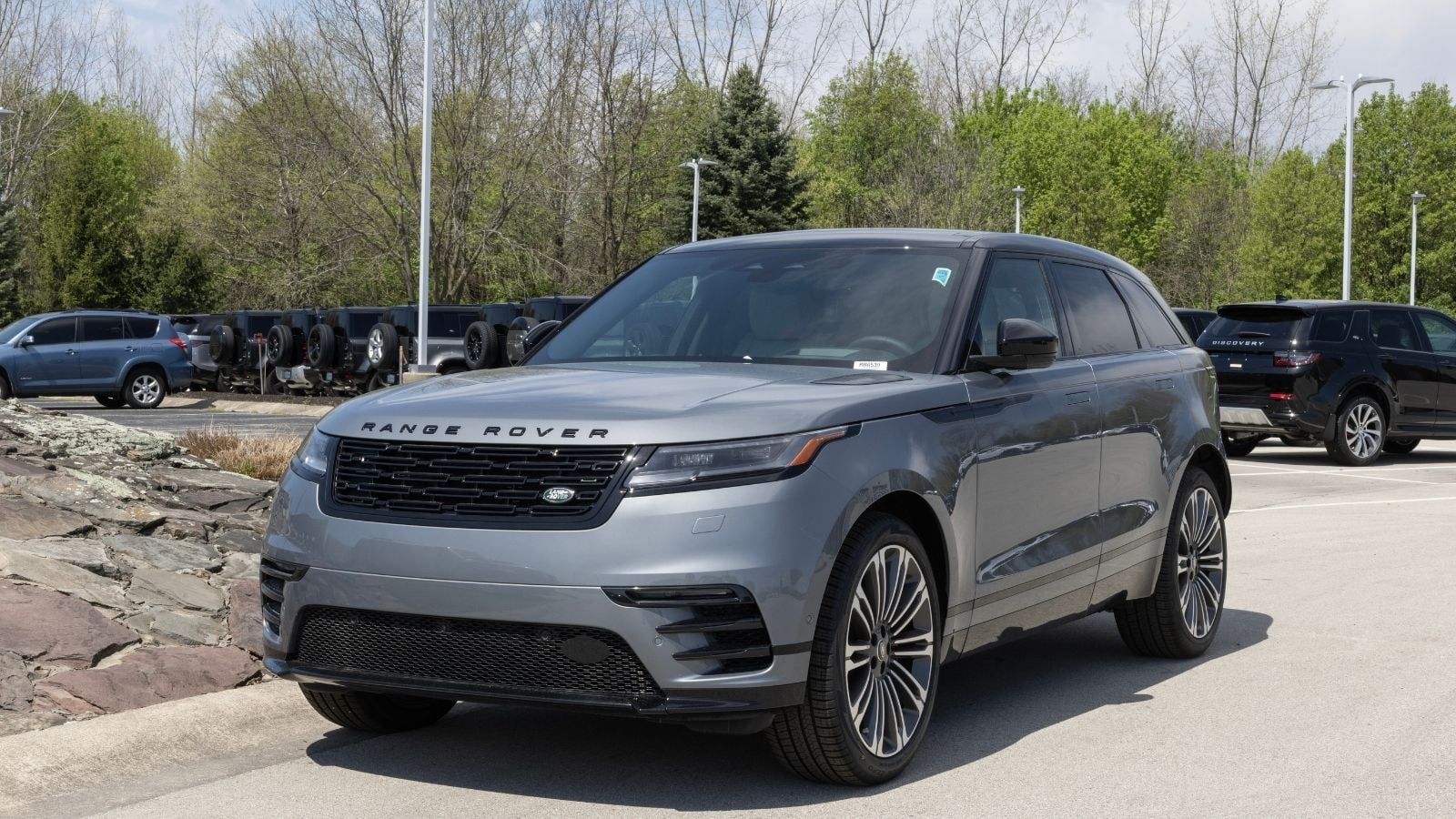
Oversized alloy wheels and low-profile performance tires help give expensive cars their stance and handling characteristics. Unfortunately, depreciation does not make those components physically smaller or cheaper. Consumer Reports warns that larger wheels can increase replacement costs, reduce ride comfort and make tires more vulnerable to damage. Performance tires may also wear faster than conventional alternatives.
Road damage can make the problem particularly painful. Consumer Reports, citing AAA research, reported in 2026 that roughly one in 10 drivers experiences pothole damage serious enough to require repair, with the average repair around $600. Low-profile tires are especially vulnerable because their short, stiff sidewalls provide less cushioning between the road and wheel. On a used luxury model with staggered tire sizes, run-flats or specialized acoustic tires, replacement choices may be even more restrictive. A discounted luxury car wearing nearly worn-out premium rubber can therefore arrive with a substantial near-term expense before any mechanical problem appears.
Aging Technology Can Become a Liability
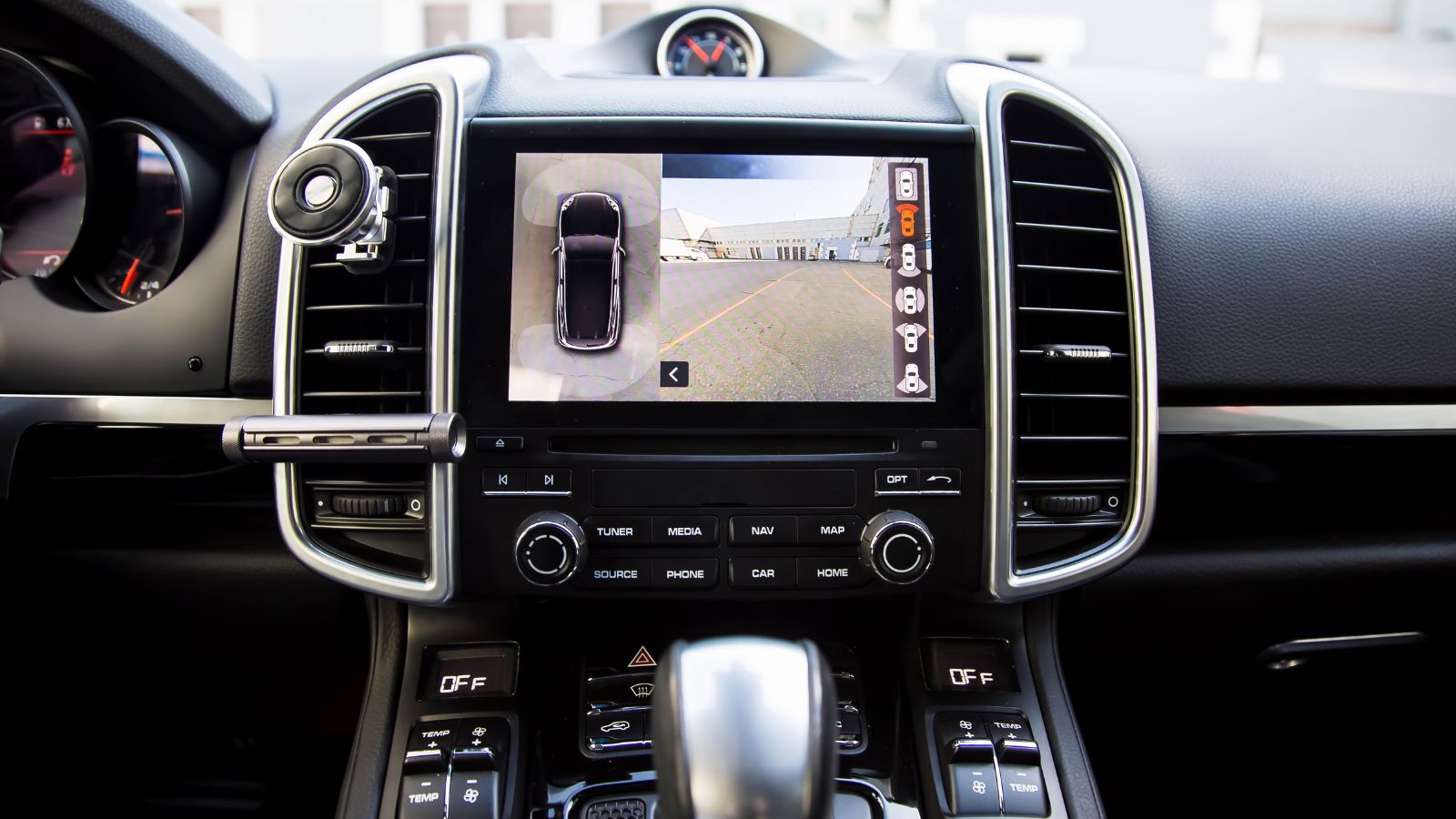
Luxury manufacturers frequently introduce advanced technology before it becomes commonplace in mainstream cars. That can make an older flagship feel surprisingly modern, with elaborate infotainment, digital displays, electronically controlled comfort features and numerous driver-assistance systems. The drawback is that more technology creates more opportunities for glitches, particularly as software, connectivity standards and electronic hardware age.
J.D. Power’s 2026 U.S. Vehicle Dependability Study found premium vehicles averaging 217 reported problems per 100 vehicles after three years, 17 more than the mass-market segment. Infotainment was the industry’s most troublesome category at 56.7 problems per 100 vehicles. The research does not mean every electronic complaint requires an expensive component replacement; many problems involve connectivity or software. Still, a bargain luxury car with malfunctioning screens, cameras, powered equipment or warning messages deserves more attention than a short test drive provides. Electronics that were impressive showroom features can become frustrating—and potentially expensive—troubleshooting projects years later.
Premium Fuel Can Make the Cheap Car Expensive to Commute In

Fuel requirements are easy to overlook when an expensive vehicle suddenly becomes affordable. Many luxury cars use turbocharged, high-compression or performance-oriented engines, and Consumer Reports notes that most models in the luxury category require premium gasoline, including some hybrids. Whether premium is required or merely recommended should always be confirmed in the owner’s manual rather than guessed from the badge.
The price difference is significant over enough kilometres or miles. U.S. Energy Information Administration figures show that premium gasoline averaged about 93 cents per gallon more than regular fuel nationally in 2025. Consumer Reports calculated in February 2026 that, at the price spread then prevailing, a vehicle achieving 20 mpg could cost roughly $526 more annually if premium were used over 12,000 miles. Fuel prices vary by region, and some vehicles operate safely on regular when premium is only recommended. Still, unusually thirsty models can erase part of their purchase-price advantage every time the tank is filled.
Insurance May Still Treat It Like an Expensive Car

Market depreciation can dramatically reduce what a luxury vehicle costs to buy, but insurance pricing considers much more than the amount shown on a used-car advertisement. Repair complexity, parts prices, vehicle performance, theft risk, driver characteristics and claim history can all affect premiums. A modest purchase price therefore does not automatically produce modest insurance costs.
Bankrate’s 2026 analysis, using Quadrant Information Services data, illustrates the difference. It reported average annual full-coverage premiums of $3,088 for an Audi Q5 and $3,309 for a BMW 330i, compared with $2,697 for a Toyota Camry under its assumptions. Actual premiums can vary dramatically by driver and location, so those numbers should not be treated as universal quotes. They do demonstrate why insurance deserves checking before purchase rather than afterward. A luxury car discounted by thousands of dollars can still contain expensive headlights, sensors, body panels and structural components that insurers know will cost more to restore after a collision.
Luxury EVs Can Lose Value Especially Quickly
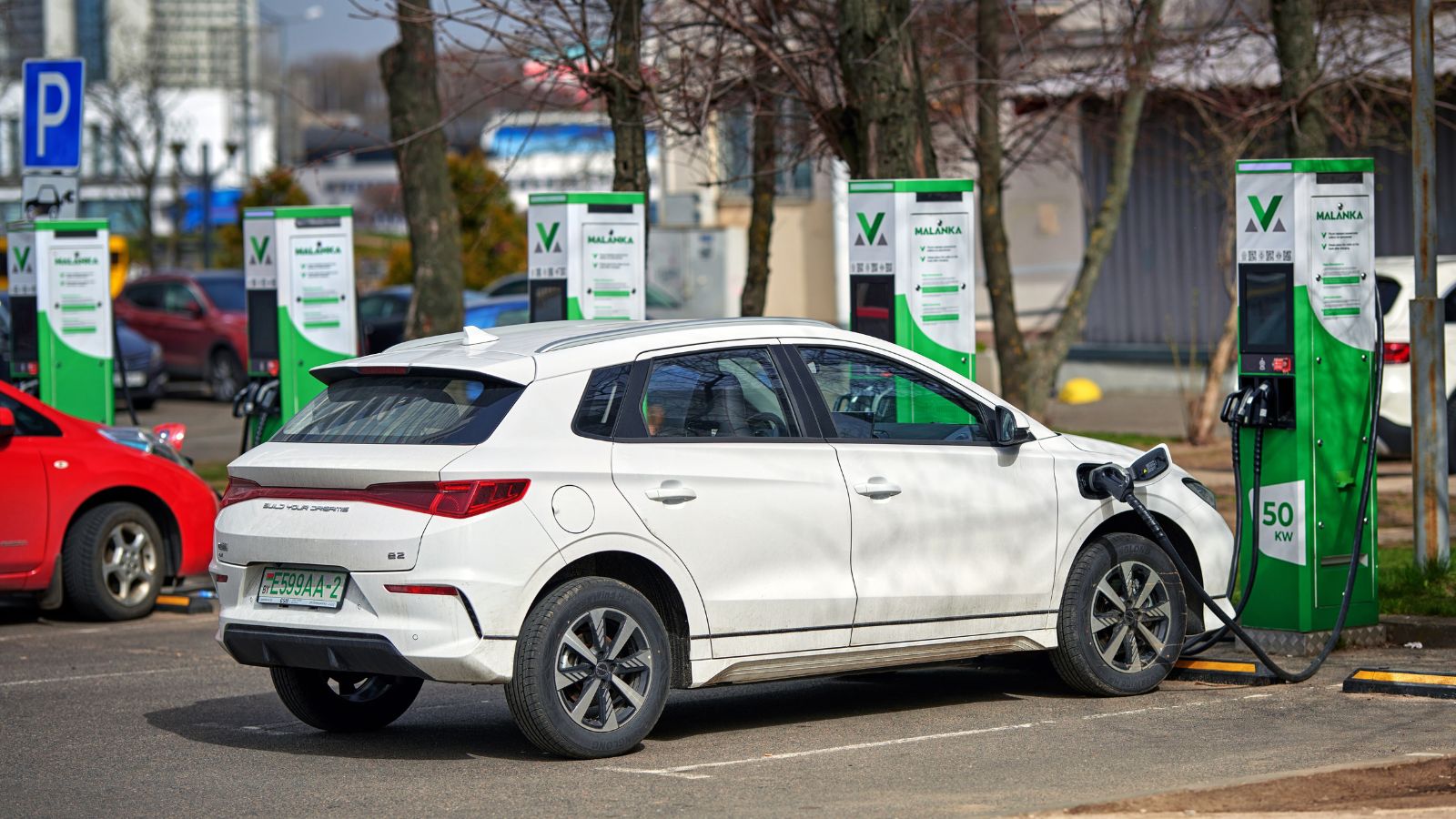
Electric luxury cars have created some of the used market’s most dramatic price gaps between new and several-years-old examples. Part of the explanation is broader EV depreciation rather than luxury status alone. Rapid technological improvement, changing incentives, new-vehicle price cuts and buyer concerns about older battery technology can all influence what shoppers are prepared to pay.
The numbers are striking. iSeeCars’ 2026 study found electric vehicles lost an average 57.2% of their value after five years, more than any other powertrain category examined. EVs accounted for eight of the 25 vehicles with the greatest depreciation, while luxury models also heavily populated that list. Even the Porsche Taycan, one of the stronger-retaining luxury EVs in iSeeCars’ category rankings, retained about 45% of its value after five years in standard form. That depreciation can create genuine used-car opportunities, but battery condition, remaining warranty coverage, charging capability and changing technology deserve considerably more attention than the original MSRP.
Electrified Luxury Can Bring Additional Complexity
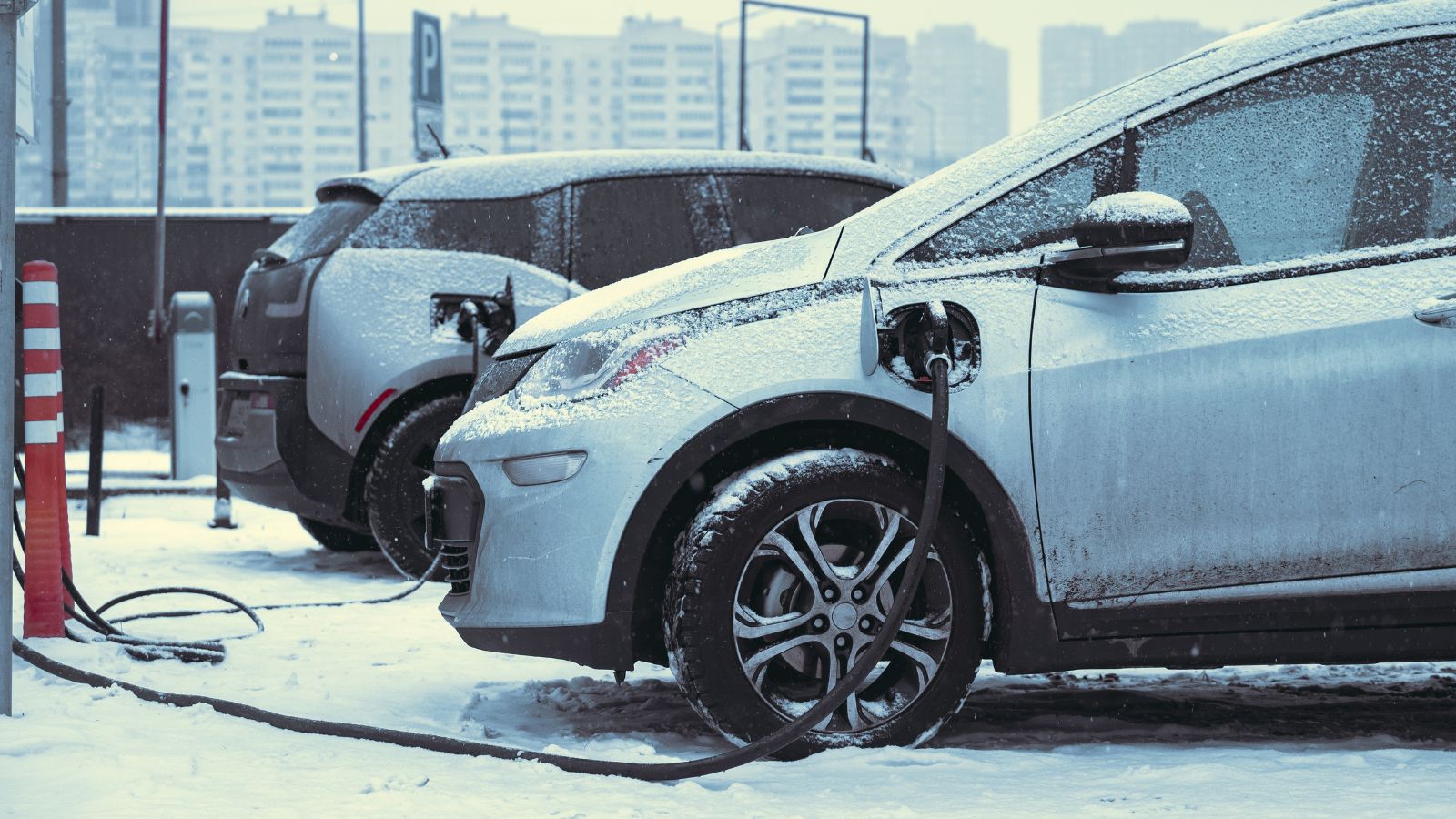
Plug-in hybrids promise an appealing combination: electric driving for shorter trips with a combustion engine available for longer journeys. In a premium vehicle, manufacturers can add substantial performance and refinement on top of that. Mechanically, however, a PHEV combines elements of two propulsion systems along with power electronics, charging hardware, battery thermal management and extensive software.
J.D. Power’s 2026 Vehicle Dependability Study found plug-in hybrids recording 281 problems per 100 vehicles after three years, the highest rate among the powertrain categories in that study. Battery-electric vehicles measured 237, hybrids 213 and gasoline vehicles 198. Those figures represent owner-reported problems across many categories and do not prove that every problem is severe or expensive. They do provide a useful reason for extra diligence when a complicated electrified luxury model looks suspiciously inexpensive. Diagnostic scans, charging tests, battery-health information and confirmation of remaining high-voltage warranty coverage can matter far more than how polished the leather looks during the test drive.
A New Generation Can Make the Old One Look Ancient Overnight

Used-car prices depend partly on desirability, and desirability can change sharply when a manufacturer finally replaces an aging model. An outgoing luxury vehicle may still be comfortable and mechanically sound, yet buyers can suddenly perceive it as dated once a redesigned version arrives with fresh styling, newer electronics, improved efficiency and updated safety technology.
The 2026 iSeeCars depreciation analysis offered a useful example with the Infiniti QX80. The company noted that the previous generation remained fundamentally unchanged for approximately 15 years before a complete redesign arrived. It attributed the combination of an unusually long model cycle and a newly redesigned successor as contributing to the older QX80’s severe depreciation; the model lost an estimated 62.8% over five years. This phenomenon can produce excellent bargains when the old generation is dependable. It can also leave buyers holding a vehicle for which demand continues weakening. Cheap sometimes reflects mechanical danger, but occasionally it simply reflects yesterday’s design becoming unmistakably yesterday’s design.
Deferred Maintenance May Be the Real Reason for the Low Price
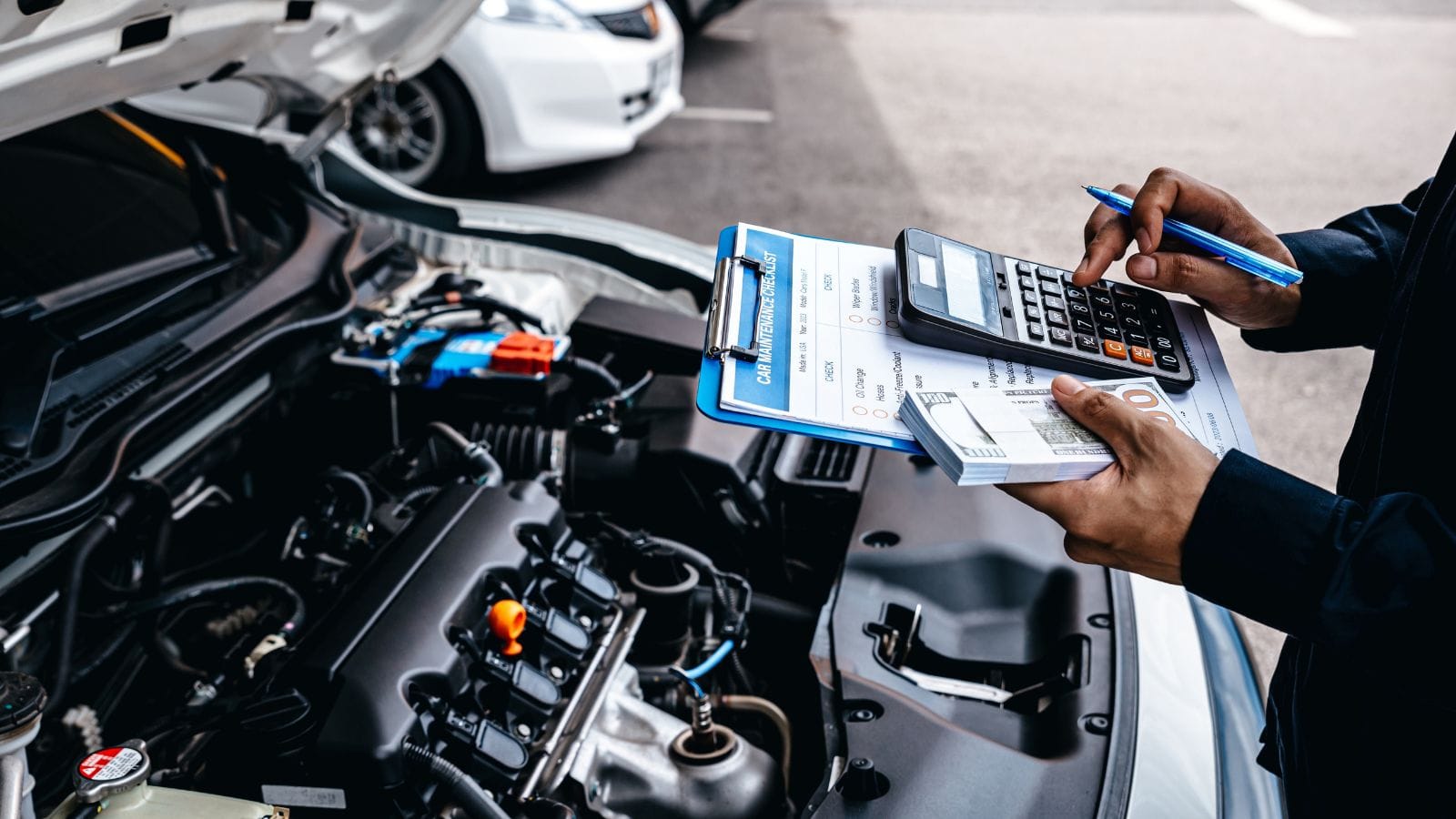
The most dangerous bargain is not necessarily the model with a poor reputation. It can be a desirable luxury car whose previous owner stopped maintaining it once repair estimates exceeded the vehicle’s declining value. Worn tires, suspension faults, warning lights, fluid leaks and overdue services can accumulate quietly until selling the vehicle becomes cheaper than restoring it.
That is why documentation and an independent inspection matter so much. The U.S. Federal Trade Commission advises used-car shoppers to obtain a vehicle-history report but specifically warns that history reports are not substitutes for mechanical inspections because they typically do not reveal every mechanical problem. The FTC recommends having an independent mechanic inspect a used vehicle and provide a written report with estimated repair costs. NHTSA also allows buyers to check a VIN for unrepaired safety recalls. On an aging luxury car, these steps can separate legitimate depreciation from a seller simply transferring a backlog of expensive problems to somebody else.
19 Used Cars Canadians Should Avoid in 2026 (Based on Owner Complaints)

Buying a used car in Canada can feel safe until repair bills start stacking up. Owner complaints tell a different story than glossy listings. Transmission failures, electrical problems, and weak winter reliability show up again and again in consumer reports. Many of these issues appear after warranties expire, when owners least expect them. Some vehicles look affordable upfront, but become expensive to keep on the road. Others struggle in cold weather, urban driving, or long highway commutes. Here are 19 used cars Canadians should avoid in 2026 (based on owner complaints).
19 Used Cars Canadians Should Avoid in 2026 (Based on Owner Complaints)

Alanna Rosen is an experienced content writer that focuses on many EV and educational content. Her articles are regularly published on Get CyberTrucked and syndicated on large publications.