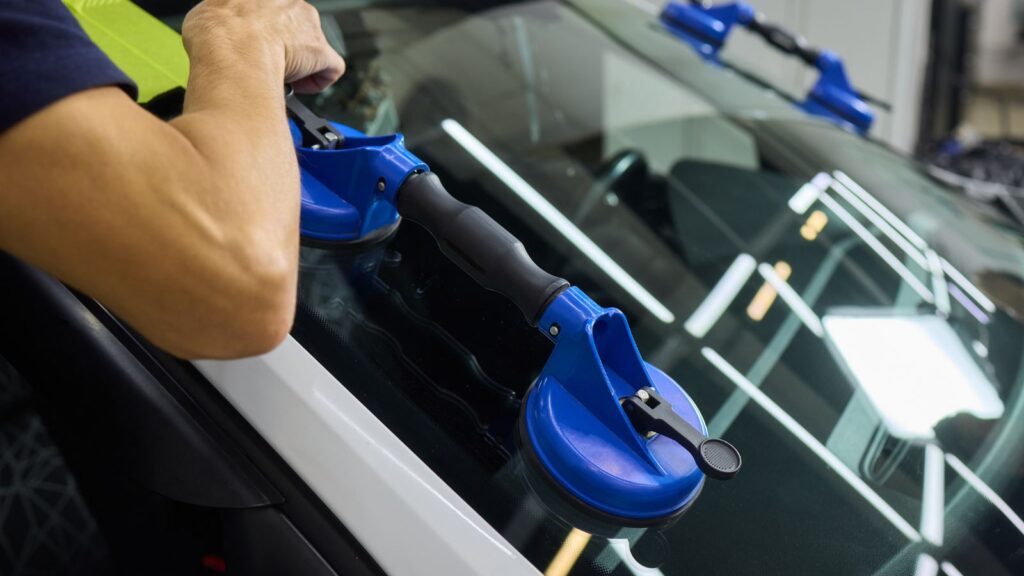
Frameless doors can make an ordinary car feel considerably more special. With the window lowered, there is no metal frame surrounding the glass, giving coupes, convertibles, performance sedans and even some crossovers a cleaner, more dramatic appearance. The trade-off is that removing the frame makes the window itself responsible for functions that a conventional door structure handles more simply.
Modern systems are impressively engineered, and frameless doors should not automatically be considered unreliable. Still, their dependence on precise glass positioning, weather seals, electronics and automatic window movement creates additional ways for small problems to become irritating. These 12 ownership frustrations help explain why some drivers admire frameless doors in the showroom but become less enthusiastic after years of winter mornings, highway driving, repairs and everyday use.
Freezing Weather Can Stop the Door From Working Normally
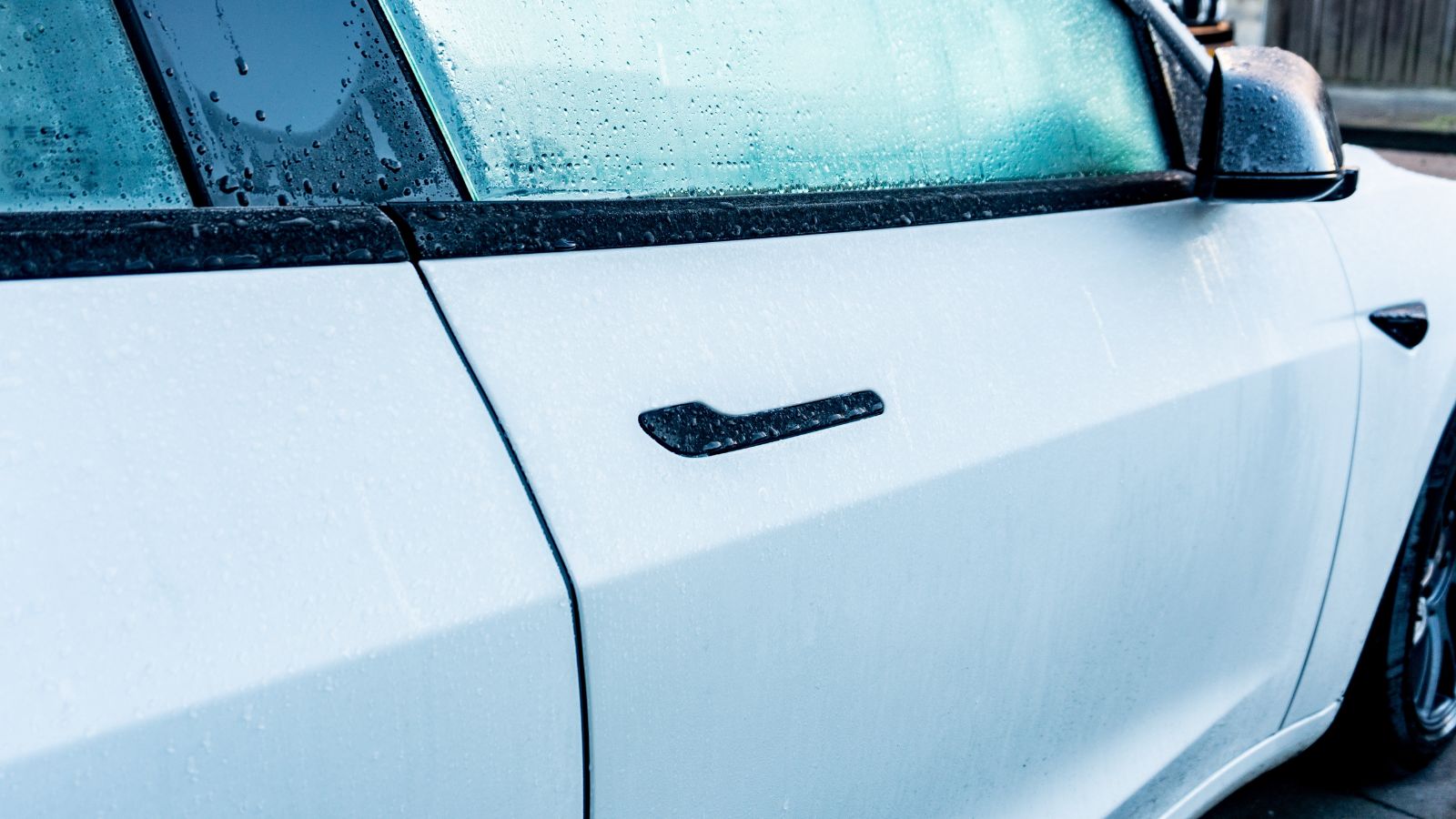
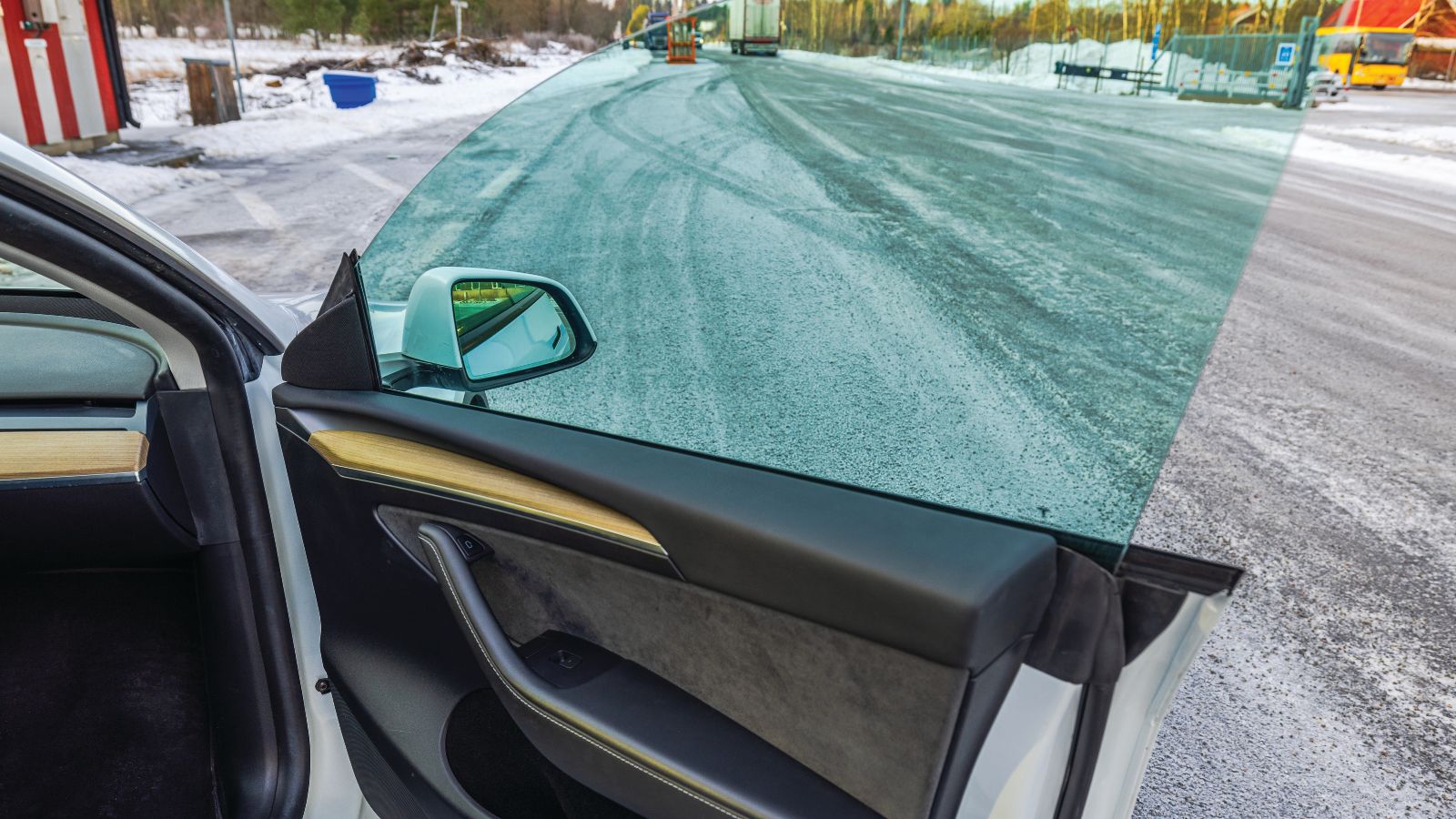
One of the clearest disadvantages appears when temperatures fall below freezing. Many frameless windows automatically drop a small distance when a door handle is operated so the upper edge of the glass can clear the body seal. Ice can prevent that movement. Audi has documented cases in which snow and ice collecting between the glass and outer window seal stopped the auto-drop function, leaving front or rear doors difficult or impossible to open or close normally.
That turns an elegant feature into a winter-morning ritual. Instead of simply brushing snow from the roof and leaving, an owner may need to carefully clear ice from the glass and seals first. Tesla also accounts for cold-weather interference in its window programming, with some models deliberately leaving the glass slightly below the trim in low temperatures. For drivers in Canada and other cold climates, that extra sensitivity can become much more noticeable than it seemed during a warm-weather test drive.
Every Door Opening Depends on a Small Automatic Window Movement
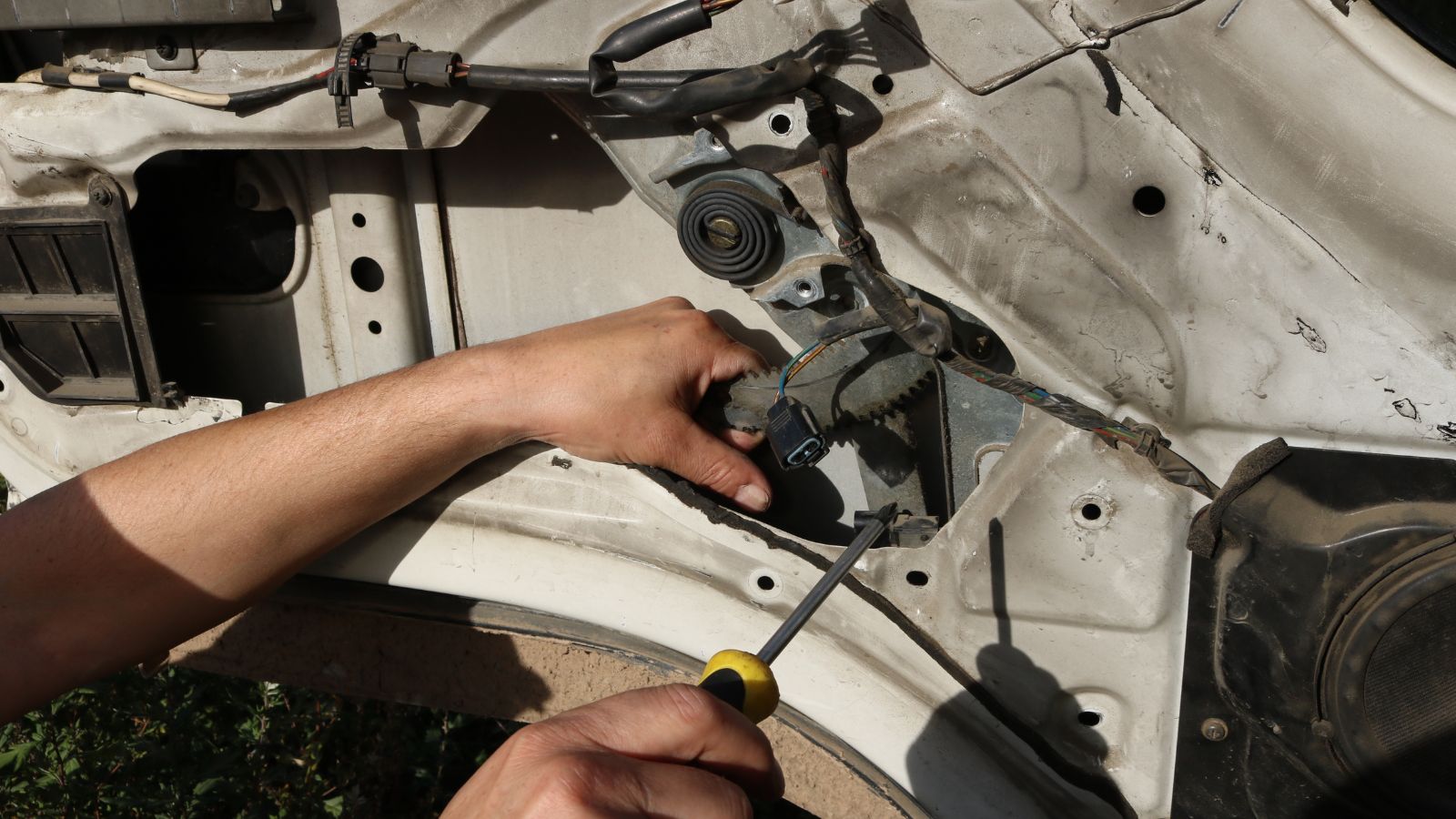
Conventional framed doors can generally open without moving the window at all. Frameless systems often work differently. BMW technical documentation identifies automatic side-window lowering as a design feature of its frameless-door vehicles, while Tesla similarly explains that its glass lowers slightly as the door opens or closes. That tiny movement allows the glass to disengage from the upper weather seal and then return to its tightly sealed position once the door is shut.
It works so seamlessly when everything is healthy that many owners barely notice it. The downside is that opening a door now depends on more than a latch and hinge. Window motors, regulators, switches, door-position sensing and software all become part of what should be a routine action. None of those components is automatically unreliable, but there are simply more steps involved. When the glass hesitates, drops too far or fails to move at all, a basic task suddenly feels surprisingly complicated.
Small Alignment Changes Can Create Annoying Wind Noise
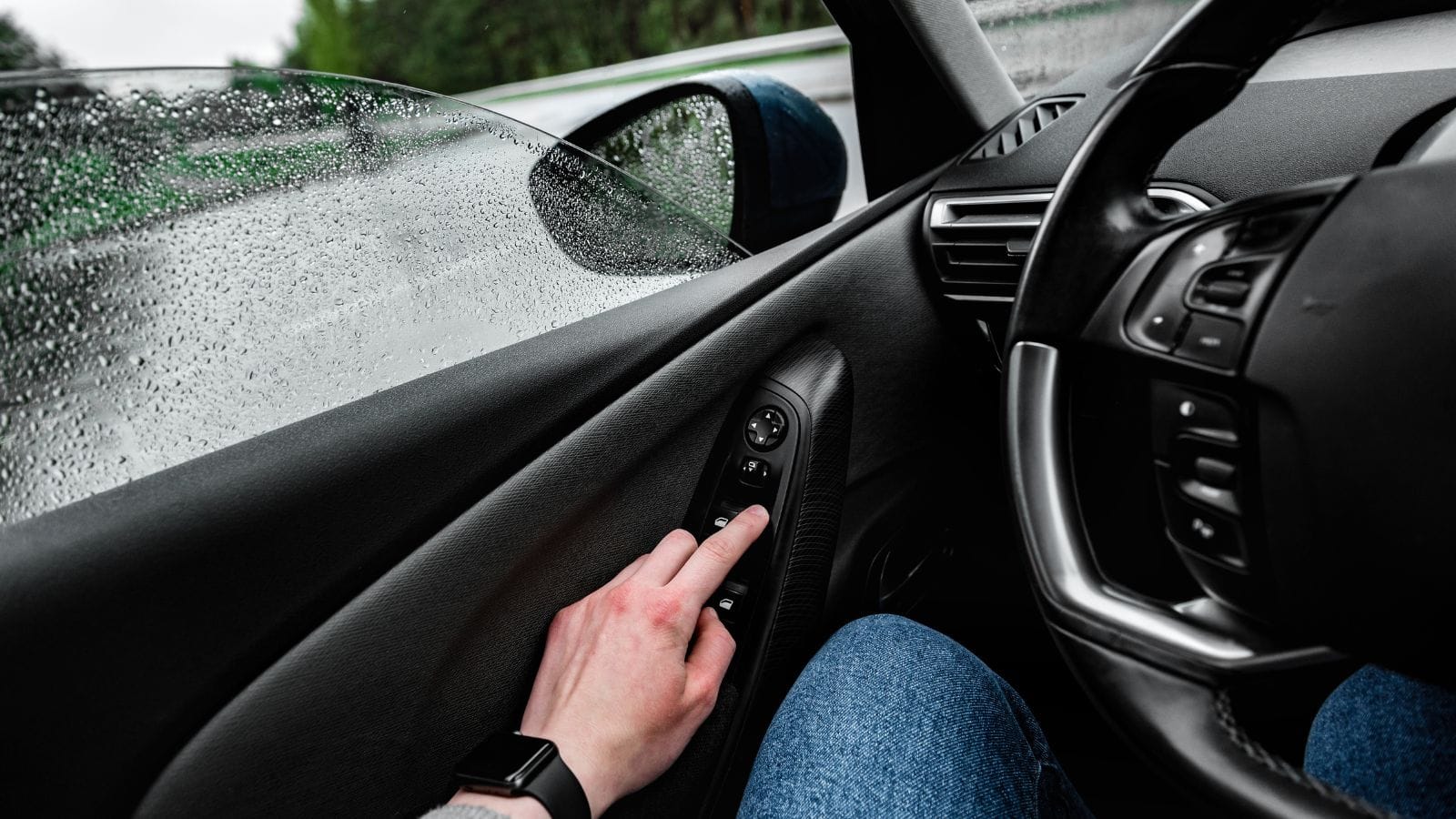
A frameless window has to meet the roof or upper body seal at precisely the right position and pressure. BMW’s technical training material stresses that the correct adjustment of frameless side windows is important specifically for maintaining leak-tightness and preventing wind noise. Unlike a framed window, where much of the glass perimeter sits inside a rigid channel built into the door, the exposed upper edge of a frameless pane must seal directly against the vehicle body.
That precision can become noticeable as a car ages or after door, regulator or glass work. A window that is only slightly out of position may still close and appear perfectly normal in a driveway, yet produce a faint whistle at highway speeds. Such noises can be maddening because they may change with speed, temperature or crosswinds. Tracking them down can require technicians to inspect glass height, inward pressure, weatherstrip condition and door alignment rather than replacing one obviously failed component.
The Same Misalignment Can Allow Water to Enter
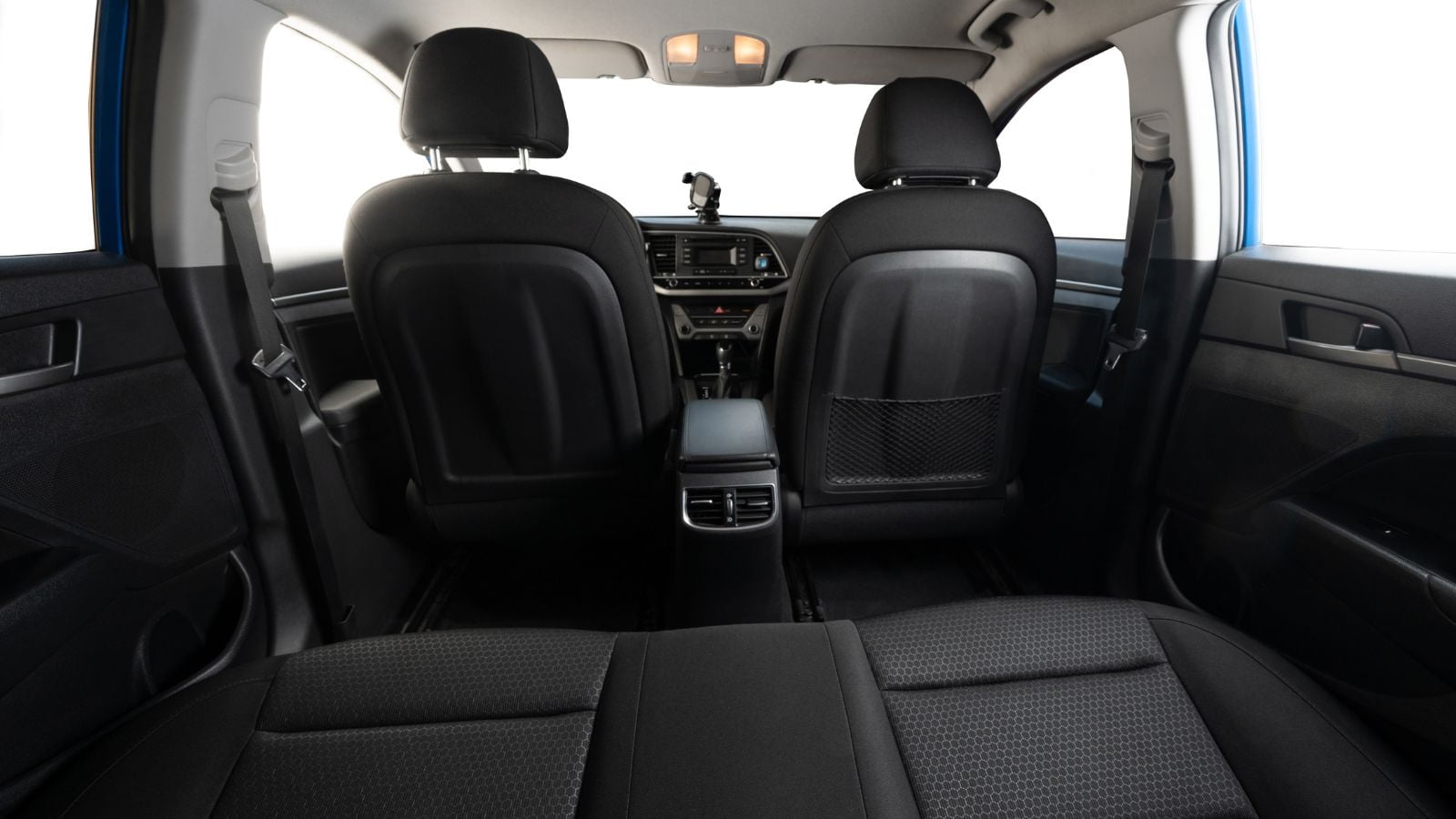
Keeping wind out and keeping water out rely on many of the same sealing surfaces. BMW specifically lists protection against water ingress as one of the reasons precise frameless-window adjustment matters. The glass needs to press evenly against the upper gasket without being so tight that it binds. Too little contact pressure or an incorrect angle can leave a path for moisture, particularly during prolonged rain, car washing or water running down the roof.
The frustrating part is that the leak may not appear every time it rains. A slightly misaligned pane can remain dry in light weather but allow droplets inside when rain is driven sideways by wind. Water can also travel along seals before becoming visible, making the source appear farther away from the actual problem. Owners may first notice a damp door panel, a drop of water on a seat or an occasional wet spot rather than a dramatic leak. That inconsistency often makes diagnosis more time-consuming.
Rattles and Creaks Can Develop Around the Glass
Frameless glass does not merely need to keep weather outside. It must remain stable enough that it does not chatter, shift or rub noisily against nearby seals and trim. BMW’s technical material explicitly states that correct adjustment helps prevent rattling and creaking in vehicles using frameless side windows. Those noises can become especially noticeable on rough pavement, driveway entrances or roads that twist the body slightly over uneven surfaces.
A small creak is hardly a catastrophic mechanical failure, but it can become disproportionately irritating in a quiet or expensive vehicle. Frameless doors are frequently associated with sporty or premium cars, where owners reasonably expect a tightly assembled cabin. Hearing glass or rubber make noise every time the body moves can quickly undermine that impression. Repair may involve more than tightening a visible screw; the technician may need to check window position, seal contact pressure and adjustment in several directions before the source disappears.
The Anti-Pinch System Can Make the Window Bounce Back Down
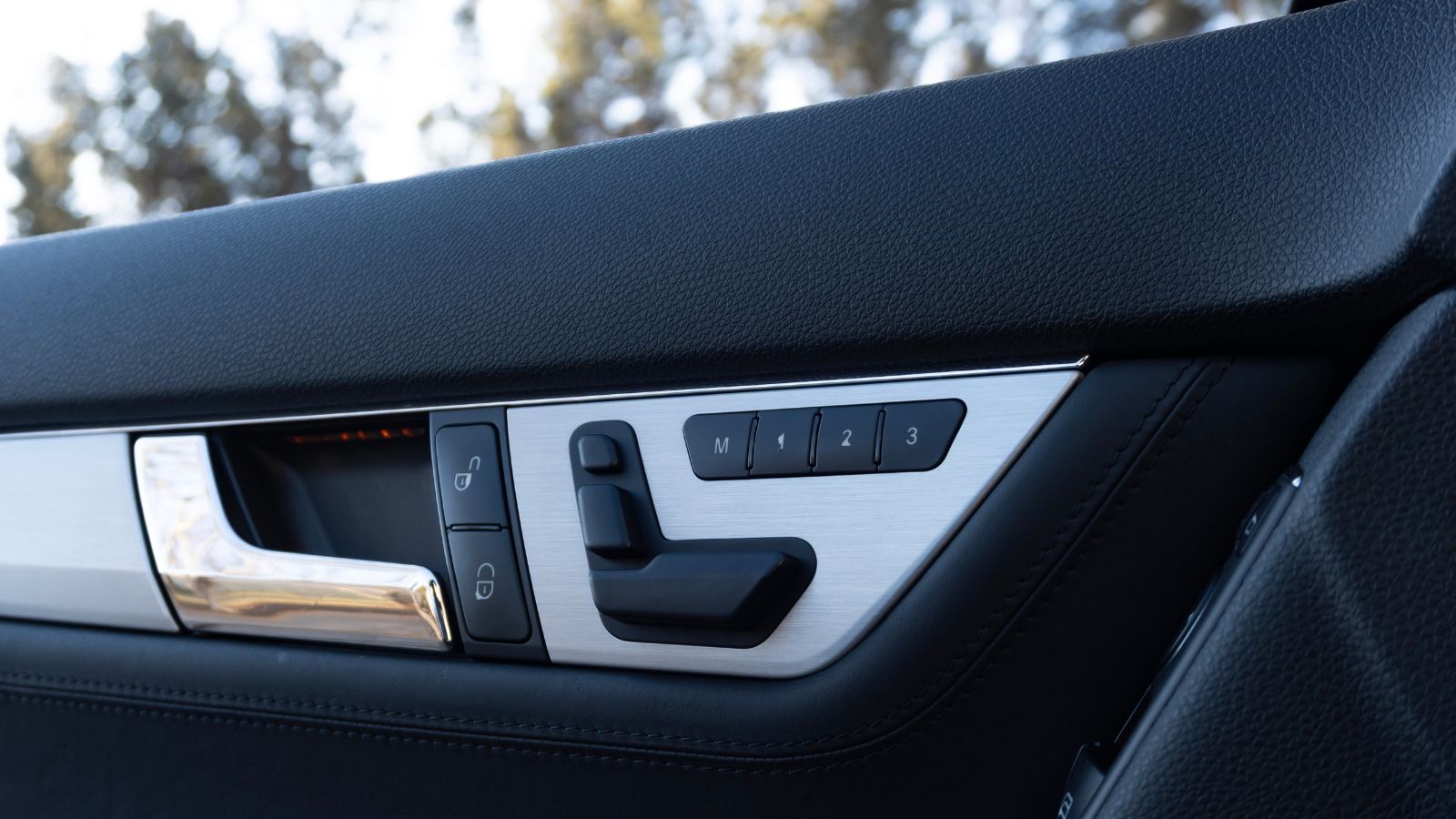
Power windows include anti-trap or anti-pinch protection designed to stop or reverse the glass if excessive resistance is detected. That is an important safety feature, but frameless systems add another complication because the glass must travel into a tightly controlled sealing position. BMW notes that correct frameless-window adjustment helps prevent undesirable reversal while the glass is closing. Its service information also describes situations where a window reaches the top before immediately moving downward again.
For an owner, the symptom can look bizarre. The window appears to close successfully, only to retreat as though an invisible object were blocking it. Repeatedly operating the switch may not solve the underlying issue if the system believes normal seal resistance represents an obstruction. Depending on the cause, recalibration, cleaning, adjustment or repair may be required. It is another example of sophisticated protective technology creating a nuisance when the mechanical and electronic sides of the system stop agreeing perfectly.
Window Calibration Becomes Another Maintenance Procedure
Modern frameless-window systems need to know exactly where the glass is in its travel. When that learned position becomes incorrect, the window may touch trim, fail to close properly or drop farther than intended when the door opens. Tesla provides owners with a specific window-calibration procedure for such behaviour, involving fully raising and lowering the affected window so the system can relearn its limits. Service procedures also include electronic calibration routines after certain repairs.
Calibration is usually straightforward, but its existence illustrates the additional complexity hidden behind a seemingly simple piece of glass. A conventional window can have problems too, yet it does not ordinarily need to move every time someone opens the door. Frameless systems depend more directly on accurate position information because a poorly indexed pane may interfere with trim or fail to seal correctly. Owners accustomed to purely mechanical door operation can find it strange that a window occasionally needs what amounts to a reset procedure.
A Low-Voltage Power Failure Can Complicate Opening the Door
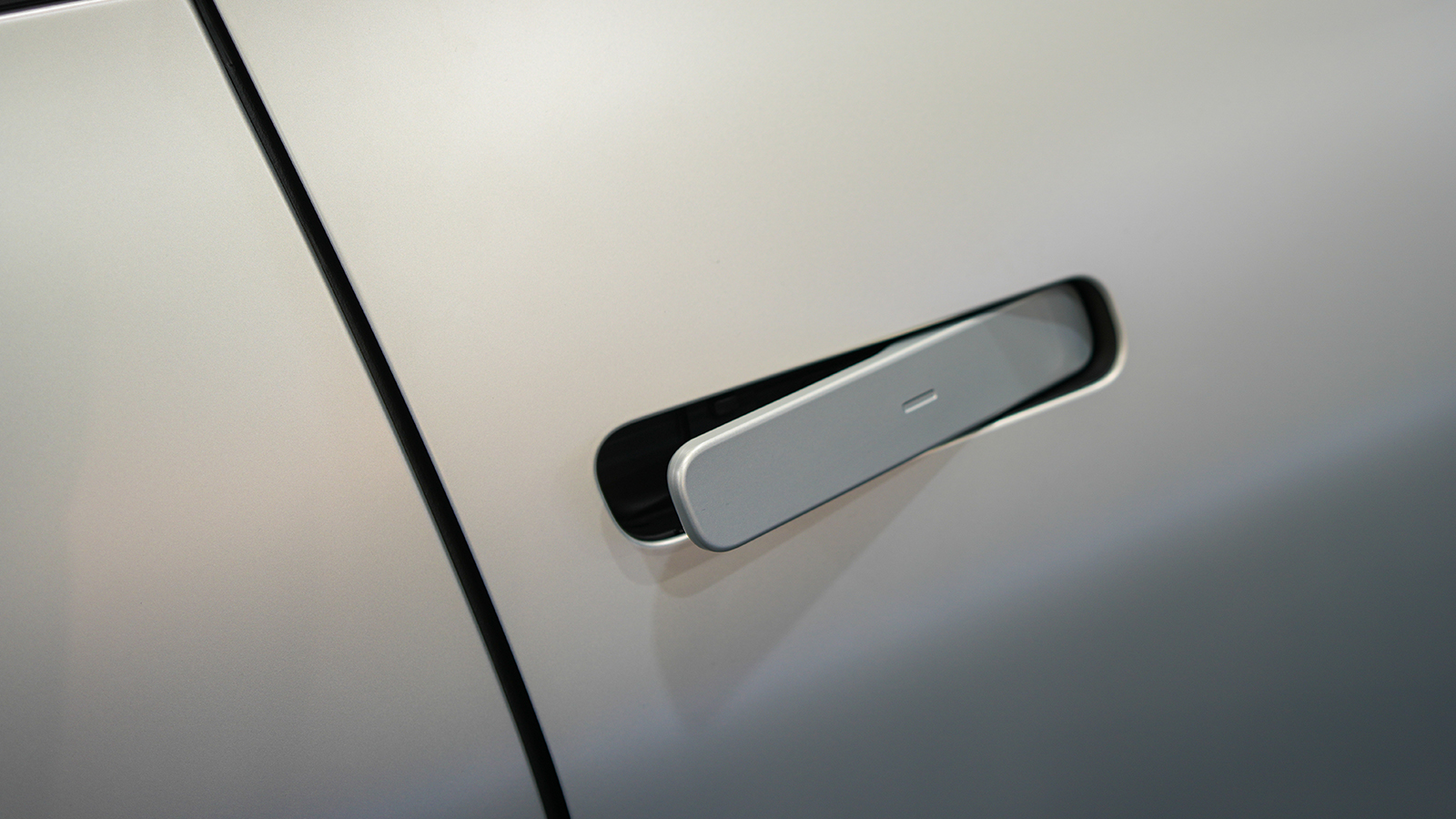
The dependence on automatic glass movement becomes especially obvious if electrical power disappears. Tesla warns that on certain models the window will not automatically lower when a manual door release is used without power, potentially damaging the glass or surrounding trim. Its service documentation for some vehicles goes further, warning technicians not to open doors with the glass fully raised after the 12-volt supply has been disconnected because the door glass can shatter.
That is an unusual concern for anyone coming from a traditional framed-door vehicle. A dead low-voltage battery is already inconvenient, but a frameless design can make the owner think about how the door itself is opened during the failure. Manufacturers provide procedures to handle these situations safely, and catastrophic damage is not inevitable. Still, the fact that electrical power can influence whether a door clears its own glass illustrates why some owners eventually prefer the simplicity of a conventional window frame.
Replacing the Glass Is More Precise Than Simply Installing a New Pane
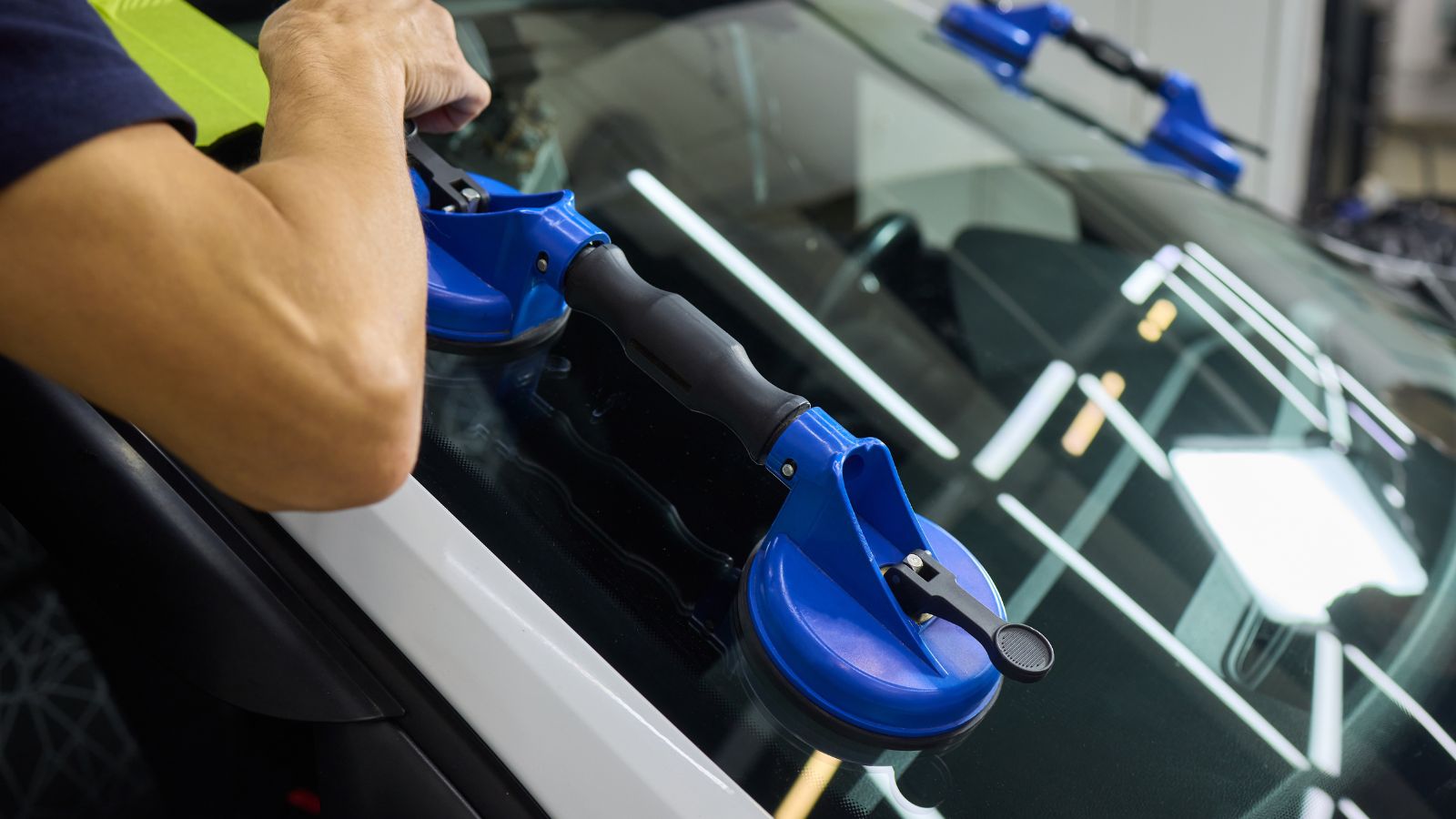
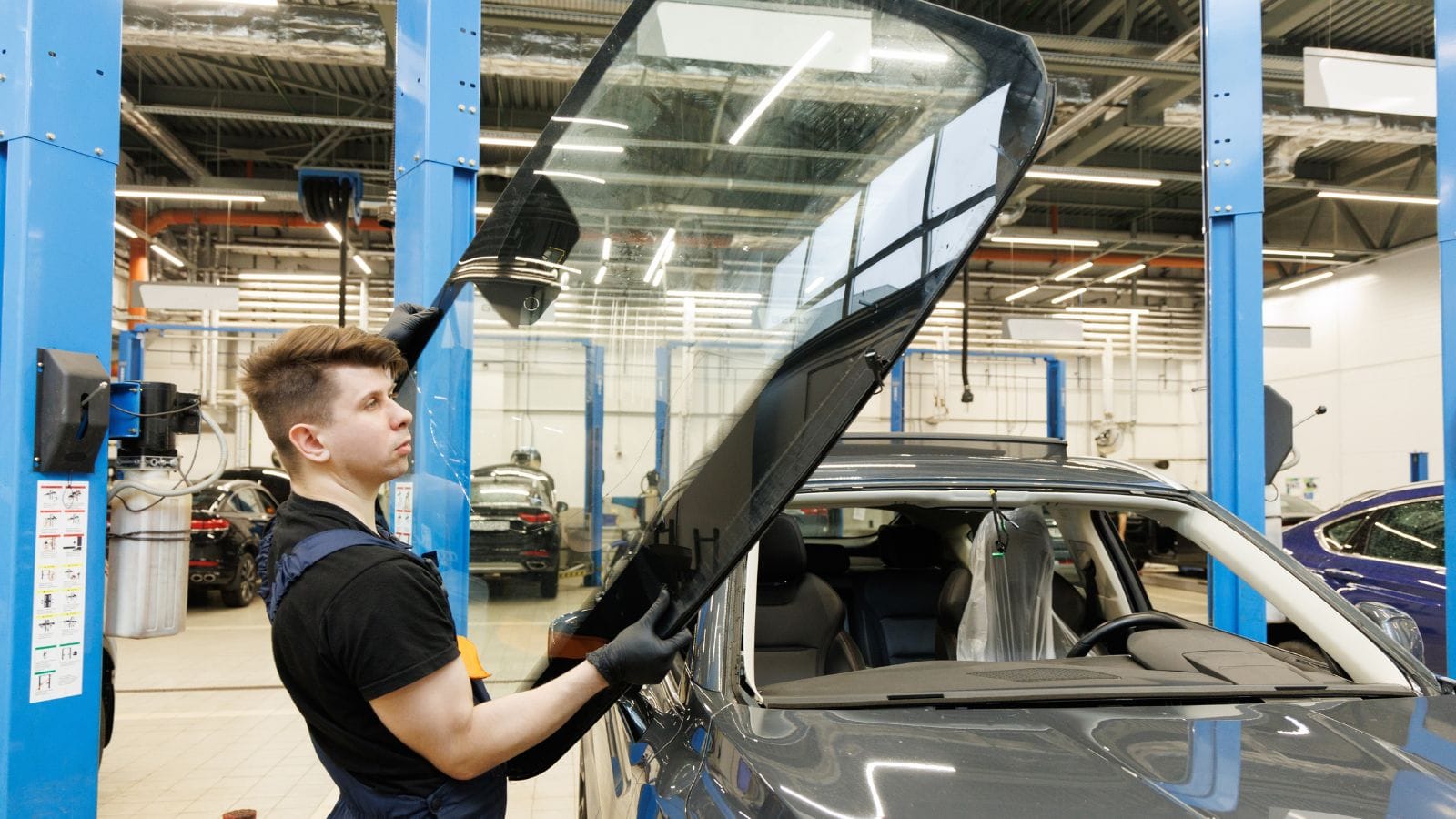
When a frameless side window is broken, replacing the glass can involve much more than fitting a new pane into the regulator. Tesla’s Model 3 service instructions specify checking the replacement glass for exact gap and flush measurements, adjusting its position at the regulator clamps when necessary, rechecking the fit after closing the door and then calibrating the window electronically. The procedure includes tolerances measured in millimetres rather than relying on appearance alone.
That precision matters because the repaired glass must do several jobs at once. It has to clear the trim when the door moves, press firmly enough against the weather seals, sit flush with neighbouring surfaces and travel correctly through its full range. A repair that looks acceptable while parked can still create wind noise or sealing problems at speed. This does not mean frameless glass is automatically expensive to replace, but it can make workmanship particularly important and give owners more reason to choose a technician familiar with the design.
Weather Seals Demand More Attention Than Many Owners Expect
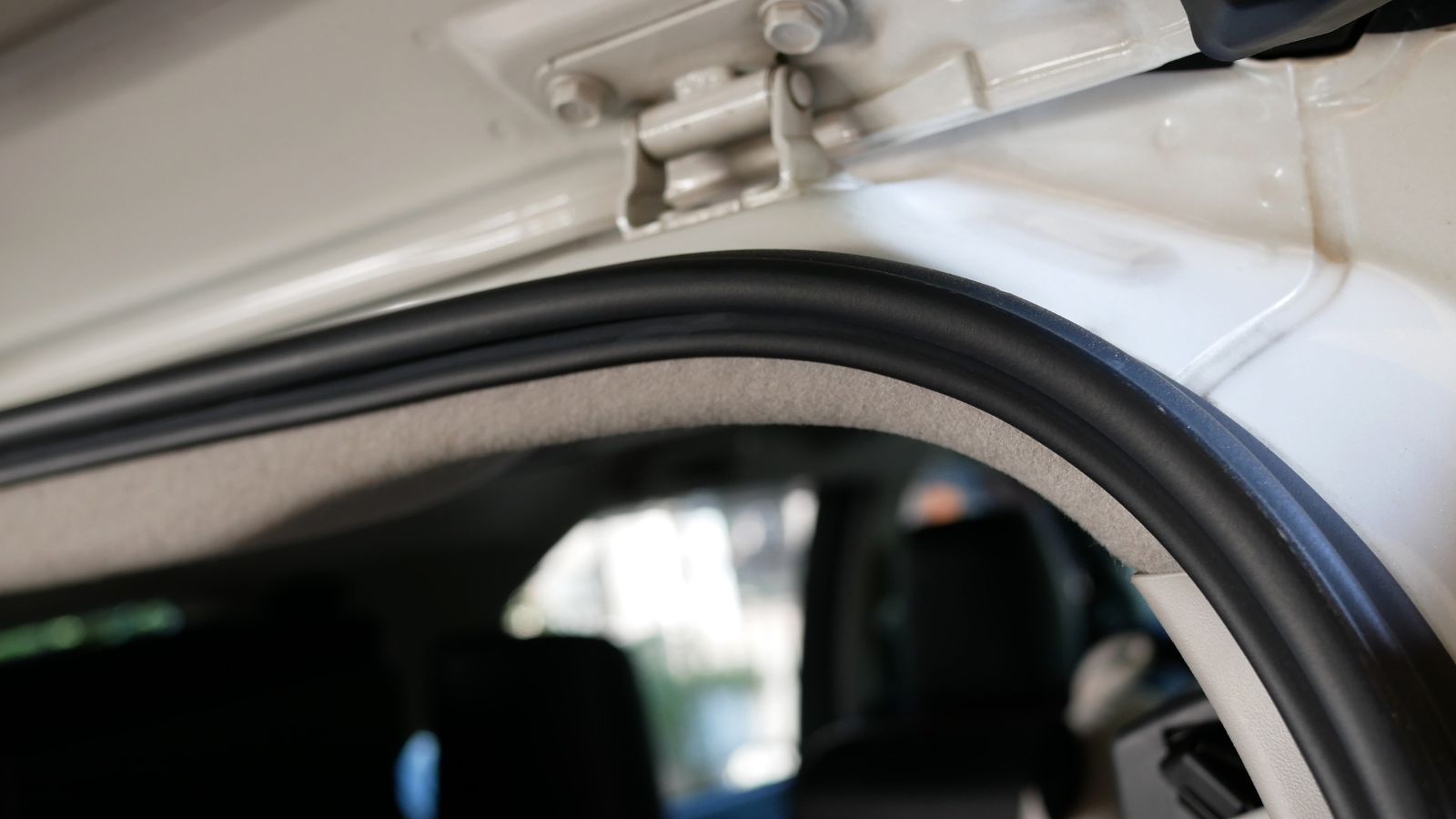
With no metal frame surrounding the upper part of the window, the relationship between the glass and rubber sealing surfaces becomes critical. BMW repair information for window-guide noise includes detailed instructions involving cleaning contact surfaces and using specified materials rather than arbitrary cleaners or lubricants. Tesla service procedures similarly treat door, belt and glass-run seals as carefully positioned components, with some seals requiring precise placement around the door perimeter during replacement.
That can surprise owners who normally think of weatherstripping as something that receives almost no attention until a vehicle is very old. Dirt, contamination, damaged rubber or poor seal positioning can contribute to unwanted noise and sealing issues. Aggressively applying whatever lubricant happens to be available is not necessarily the right solution either; manufacturer procedures can specify particular cleaning or installation products. Frameless doors therefore reward owners who keep glass edges and sealing areas clean and who investigate new noises before assuming they are simply unavoidable characteristics.
High-Pressure Washing Around the Seals Requires Some Restraint
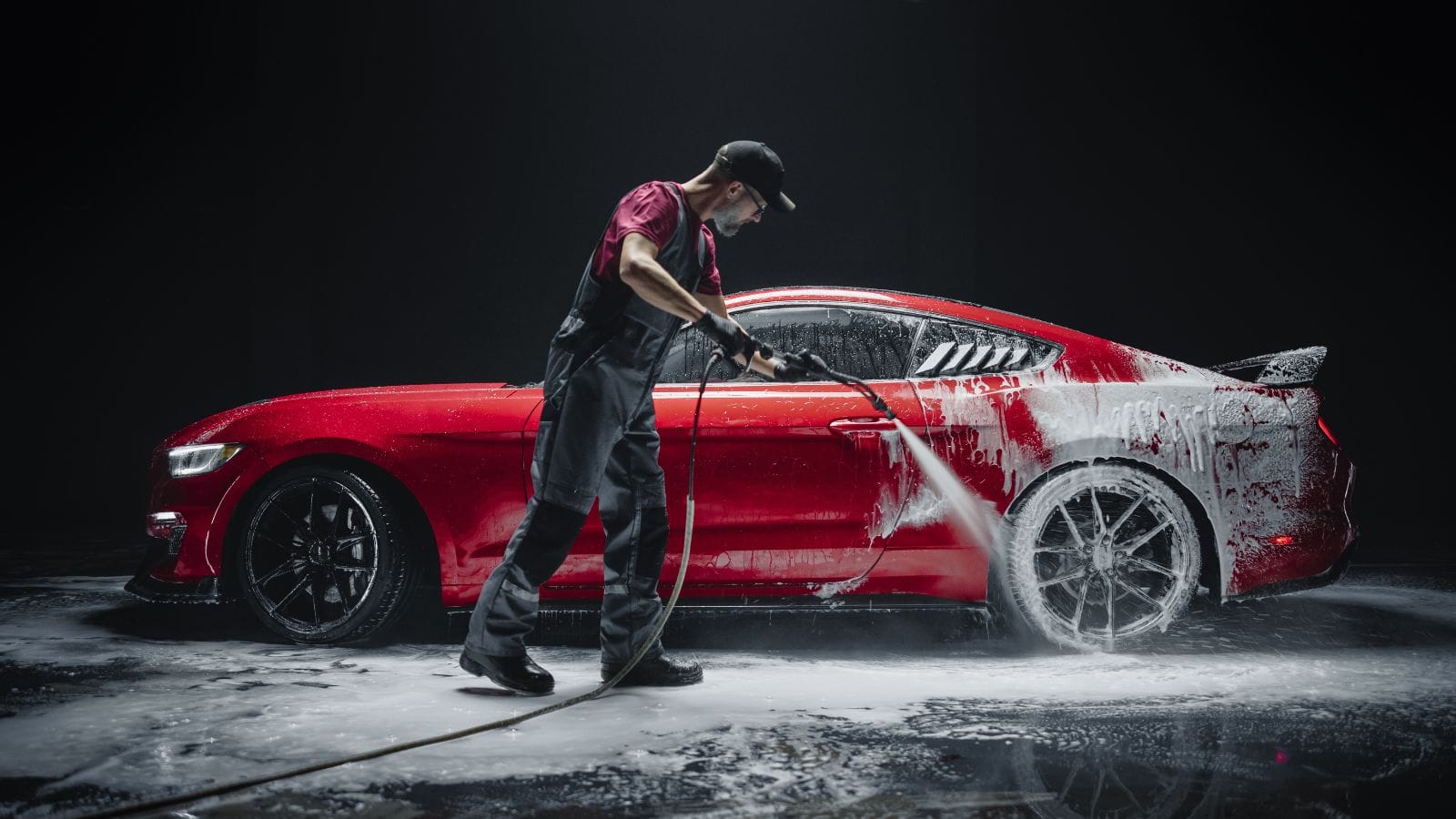
A pressure washer makes cleaning road grime and winter salt much easier, but manufacturers warn against concentrating high-pressure water around vehicle seals. Tesla’s cleaning guidance, for example, tells owners not to aim water hoses directly at window or door seals and specifies minimum-distance precautions when using pressure-washing equipment. Those instructions apply to protecting sealing systems generally, but they are worth remembering on a frameless design where the exposed glass-to-body seal is particularly visible.
This does not mean a frameless-door car cannot survive rainstorms or normal washing. Properly adjusted systems are designed to remain weather-tight under everyday conditions. The frustration is more about adding another detail to the ownership routine. Blasting the upper glass edge from a few centimetres away in pursuit of stubborn dirt is not a good test of the seal. For an owner who wants a vehicle that can be washed with little thought about nozzle direction, exposed frameless sealing surfaces may feel needlessly fussy over time.
Collision and Door Repairs Can Create Extra Adjustment Work

Even repairs that do not involve broken glass can affect a frameless window. BMW body-repair material explains that frameless-door glass can be adjusted separately from the door and that proper settings depend on specified dimensions and procedures. Tesla’s service documentation similarly requires door and window gap-and-flush checks, glass adjustments and, in some procedures, window calibration after door-related work. That means body alignment and glass alignment can become interconnected parts of getting the vehicle back to factory condition.
This matters after anything from a parking-lot impact to more substantial collision repair. A replacement door may fit the body correctly while its glass still requires additional adjustment to meet the roof seal properly. If that final setup is rushed, an owner could leave the repair shop with new wind noise, water intrusion or awkward window operation despite otherwise excellent paint and panel work. Frameless doors can look wonderfully clean, but repairing them properly demonstrates just how much precision sits behind that simple appearance.
19 Used Cars Canadians Should Avoid in 2026 (Based on Owner Complaints)

Buying a used car in Canada can feel safe until repair bills start stacking up. Owner complaints tell a different story than glossy listings. Transmission failures, electrical problems, and weak winter reliability show up again and again in consumer reports. Many of these issues appear after warranties expire, when owners least expect them. Some vehicles look affordable upfront, but become expensive to keep on the road. Others struggle in cold weather, urban driving, or long highway commutes. Here are 19 used cars Canadians should avoid in 2026 (based on owner complaints).
19 Used Cars Canadians Should Avoid in 2026 (Based on Owner Complaints)

Alanna Rosen is an experienced content writer that focuses on many EV and educational content. Her articles are regularly published on Get CyberTrucked and syndicated on large publications.