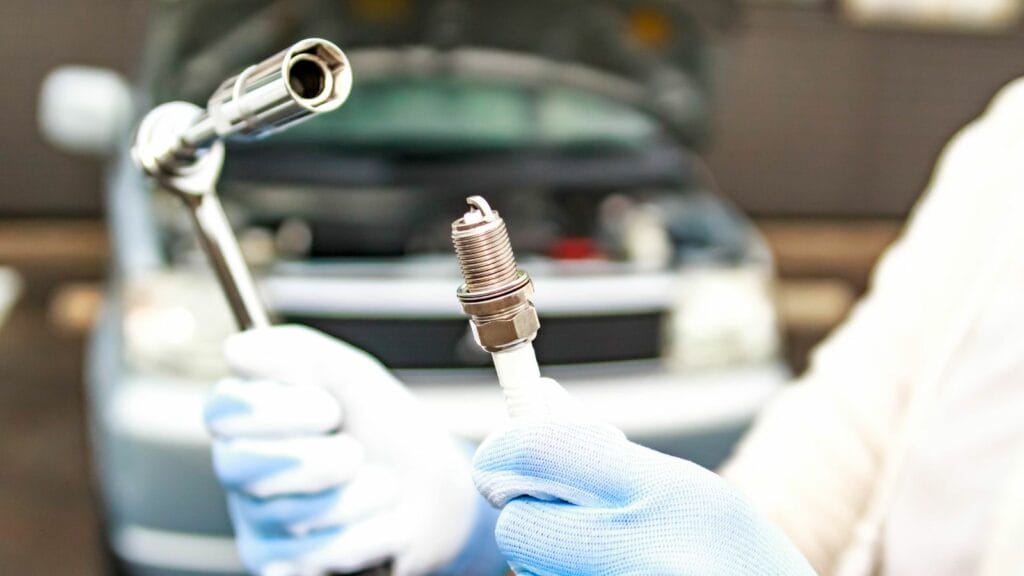
Used hybrids often look like the sensible middle ground: lower fuel consumption than a comparable gasoline vehicle, familiar refuelling, and a long record of dependable service. In fact, conventional hybrids remain among the most reliable vehicle types in Consumer Reports data. The trouble begins when that reassuring reputation is applied too broadly to every used example.
Age, maintenance history, climate, battery cooling, accident repairs, warranty status, and even the exact model year can change the risk dramatically. Plug-in hybrids add another layer because their hardware and reliability profile differ from conventional hybrids. These 12 issues explain why some used hybrids can become expensive surprises—and why the best bargain is rarely the one judged only by mileage, fuel economy, or a clean test drive.
Low Mileage Does Not Guarantee a Healthy Hybrid Battery
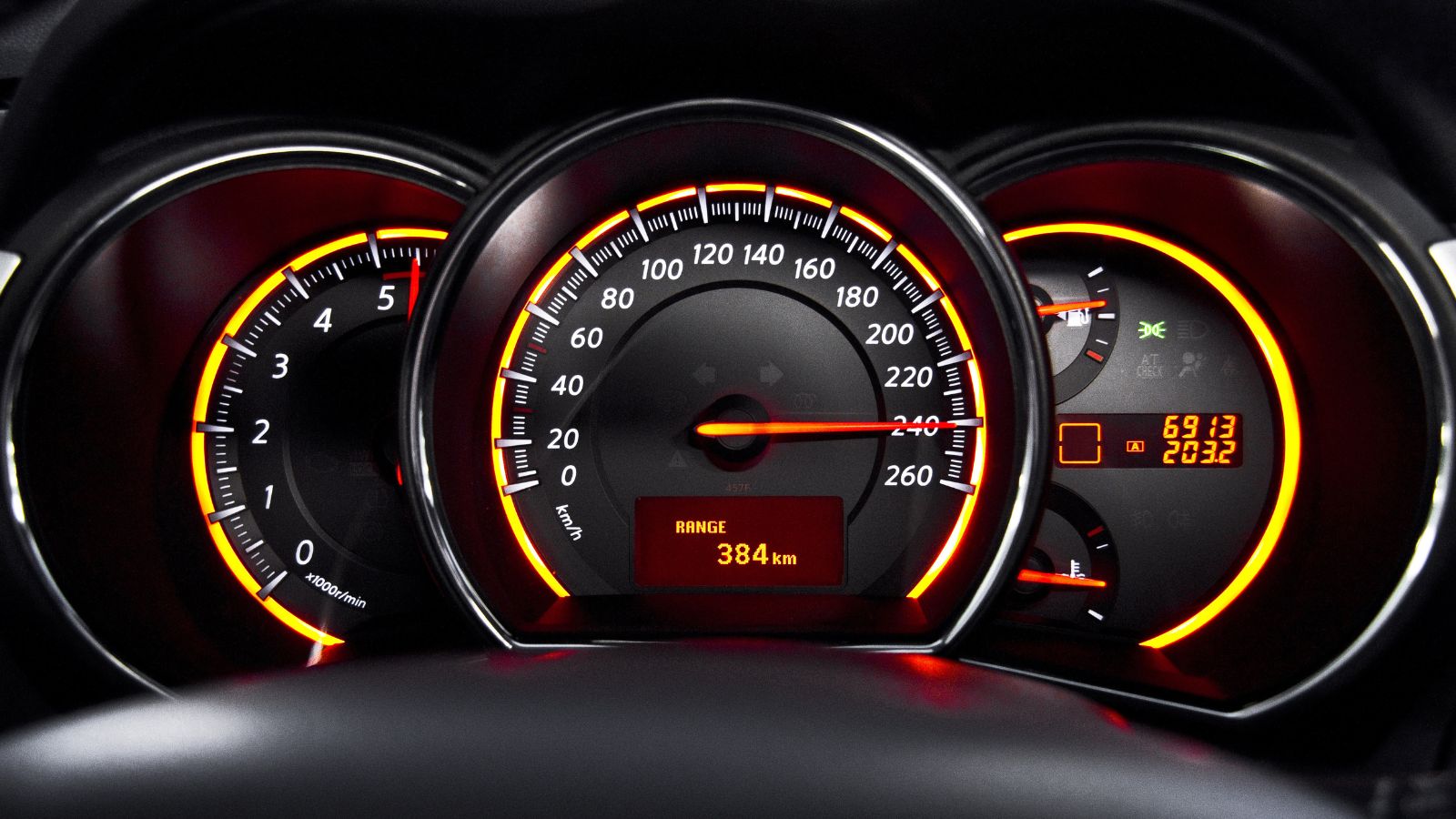
A low odometer reading can make an older hybrid look unusually safe, but traction-battery condition is not measured by mileage alone. Battery packs age through time, temperature exposure, charge cycling, and operating conditions. U.S. Department of Energy guidance notes that batteries are designed for long service, while acknowledging they eventually wear out and climate affects expected life. A ten-year-old hybrid with modest kilometres may therefore deserve more battery scrutiny than a newer example driven regularly and maintained well.
That does not mean an old battery is automatically failing. Many hybrids run for years without pack replacement, and Consumer Reports continues to rate conventional hybrids highly for reliability. The mistake is treating the odometer as a battery-health certificate. A buyer should look at age, warning lights, fuel economy, service history, climate history, and, where the model allows it, battery diagnostic data before assuming low mileage guarantees a healthy high-voltage pack.
A Neglected Battery Cooling Vent Can Matter More Than It Looks
Hybrid batteries depend on temperature control, and some vehicles cool the traction pack by drawing cabin air through vents and filters. Those openings can collect dust, pet hair, lint, or debris. Toyota’s owner information for models such as the RAV4 Hybrid instructs owners to remove dust from the battery air-intake vent and filter. Honda likewise warns that obstructing a hybrid battery air intake can allow the high-voltage battery to become too hot.
That makes a minor housekeeping detail relevant on a used car. A vehicle that carried pets, operated in dusty conditions, or went years without the vent being checked may have had less effective cooling. Buyers need not assume damage, but they should inspect the intake area and ask whether hybrid-specific maintenance was performed. A clean cabin and polished dashboard reveal little about what has been happening inside a hidden cooling passage beside or beneath the rear seating area.
The Warranty Cliff Can Change the Financial Risk Overnight

A used hybrid can be attractively priced because its most expensive electrified component is nearing the end of factory coverage. Warranty terms vary by brand, model year, market, and component. In Canada, Toyota extended the hybrid-battery warranty on model-year 2020 hybrids to 10 years or 240,000 kilometres, while Honda lists eight years or 160,000 kilometres for its hybrid system. Other manufacturers use different limits.
That matters because a battery problem appearing just before a coverage deadline can be financially different from the same problem afterward. Replacement is not routine—Consumer Reports says hybrid battery replacements remain relatively rare—but a major pack repair can still cost thousands. Before buying, the original in-service date matters as much as the model year. Buyers should confirm which components remain covered, whether coverage transfers, and whether a special warranty-extension program applies to that exact VIN rather than relying on a salesperson’s reassurance.
A Weak 12-Volt Battery Can Create Misleading Symptoms
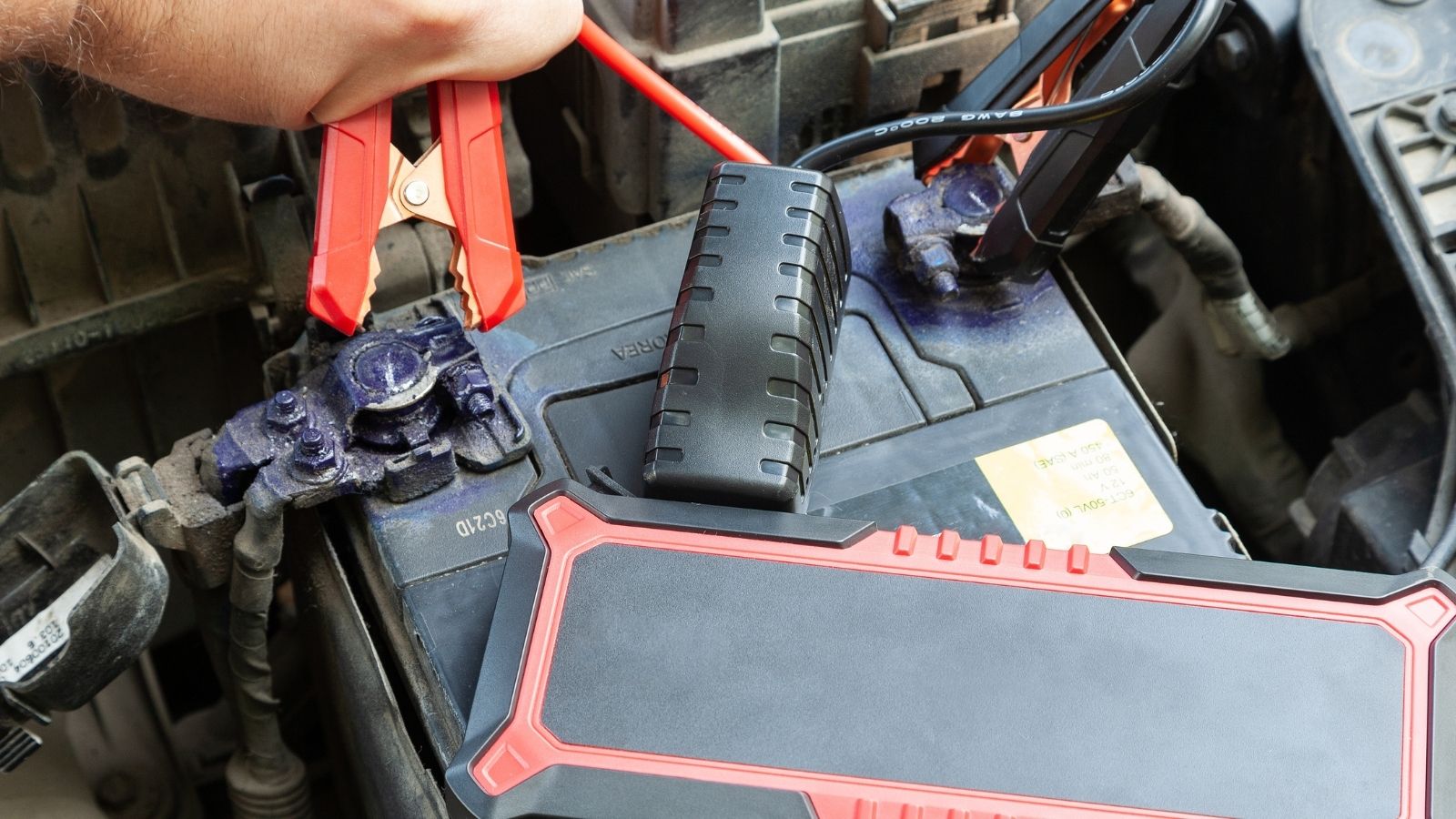
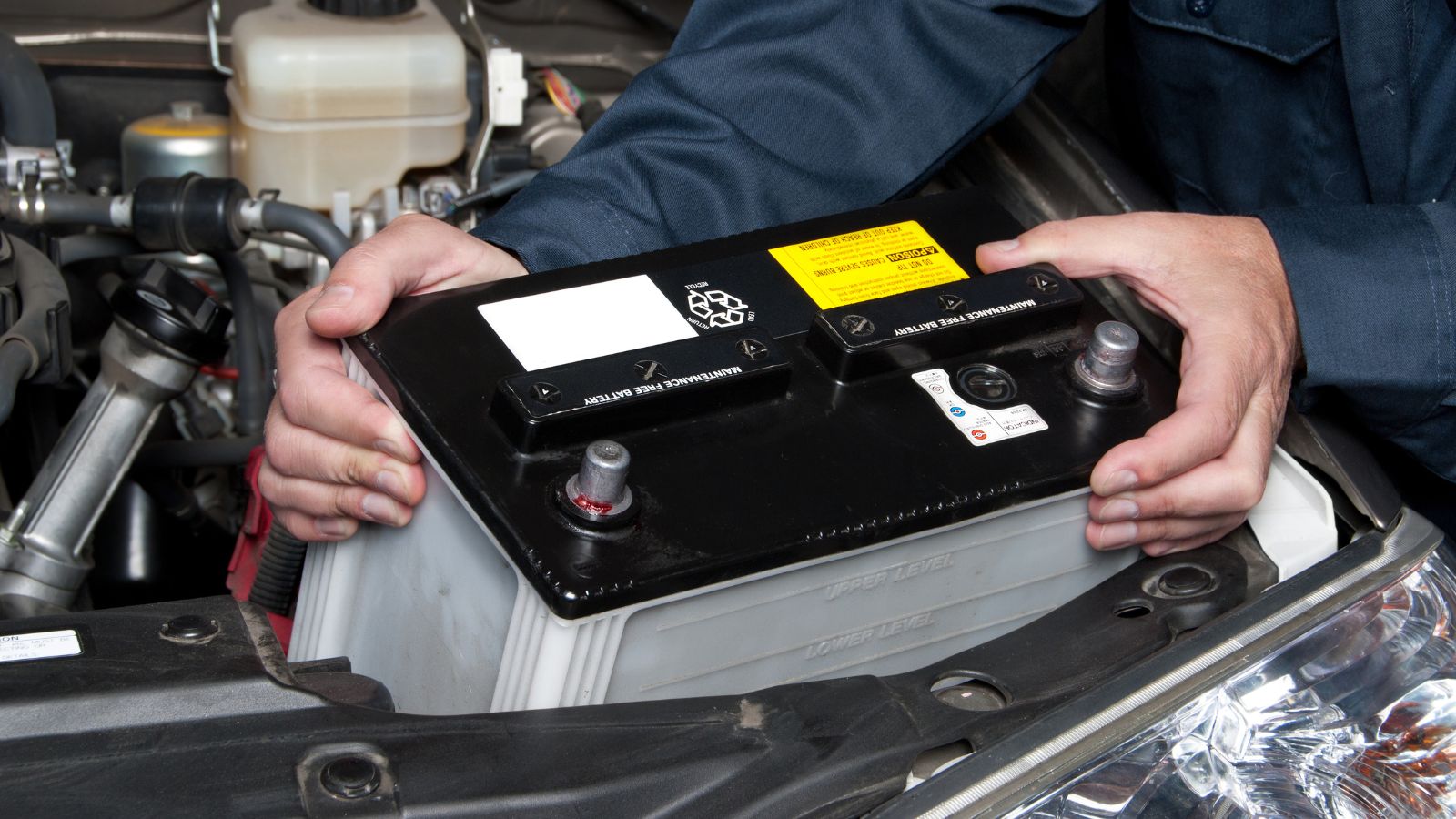
Hybrids still use a conventional 12-volt battery to wake computers, close relays, and bring the high-voltage system online. When that smaller battery weakens, the symptoms can look more dramatic than the component involved: warning messages, no-start conditions, flickering electronics, or a vehicle that will not enter ready mode. Honda’s hybrid owner information includes procedures for jump-starting a discharged 12-volt battery and notes situations in which low 12-volt power can prevent normal operation.
For a used-car shopper, this creates two risks. A tired 12-volt battery can make a healthy hybrid appear seriously defective, while repeated boosting can also hide an unresolved drain or electrical problem. The response is not to dismiss every warning as “just the small battery.” Its age and test results should be checked, and stored diagnostic trouble codes should be read. A fresh 12-volt battery is inexpensive compared with guessing at hybrid-system faults and replacing parts unnecessarily later.
Extremely Low Use Is Not Always a Good Sign

Very low annual mileage can sound ideal, yet long periods of inactivity are not automatically kind to a vehicle. Toyota publishes long-term storage guidance for vehicles that will sit, while Consumer Reports advises owners of infrequently driven cars to maintain fluids, exercise the brakes, and follow a regular care routine. Batteries, tires, brakes, fuel, seals, and conventional 12-volt systems can be affected when a car spends months barely moving.
For hybrids, “grandparent-owned and hardly driven” should prompt questions rather than instant confidence. Was the car stored indoors? Was it started and driven properly, or merely idled briefly? Did the 12-volt battery repeatedly go flat? Did surface rust accumulate on the brakes? Service records can reveal whether time-based maintenance continued even when kilometres stayed low. A lightly used hybrid may be excellent, but inactivity should be treated as part of its history, not as proof that every system experienced less wear.
Regenerative Braking Can Hide Neglected Friction Brakes
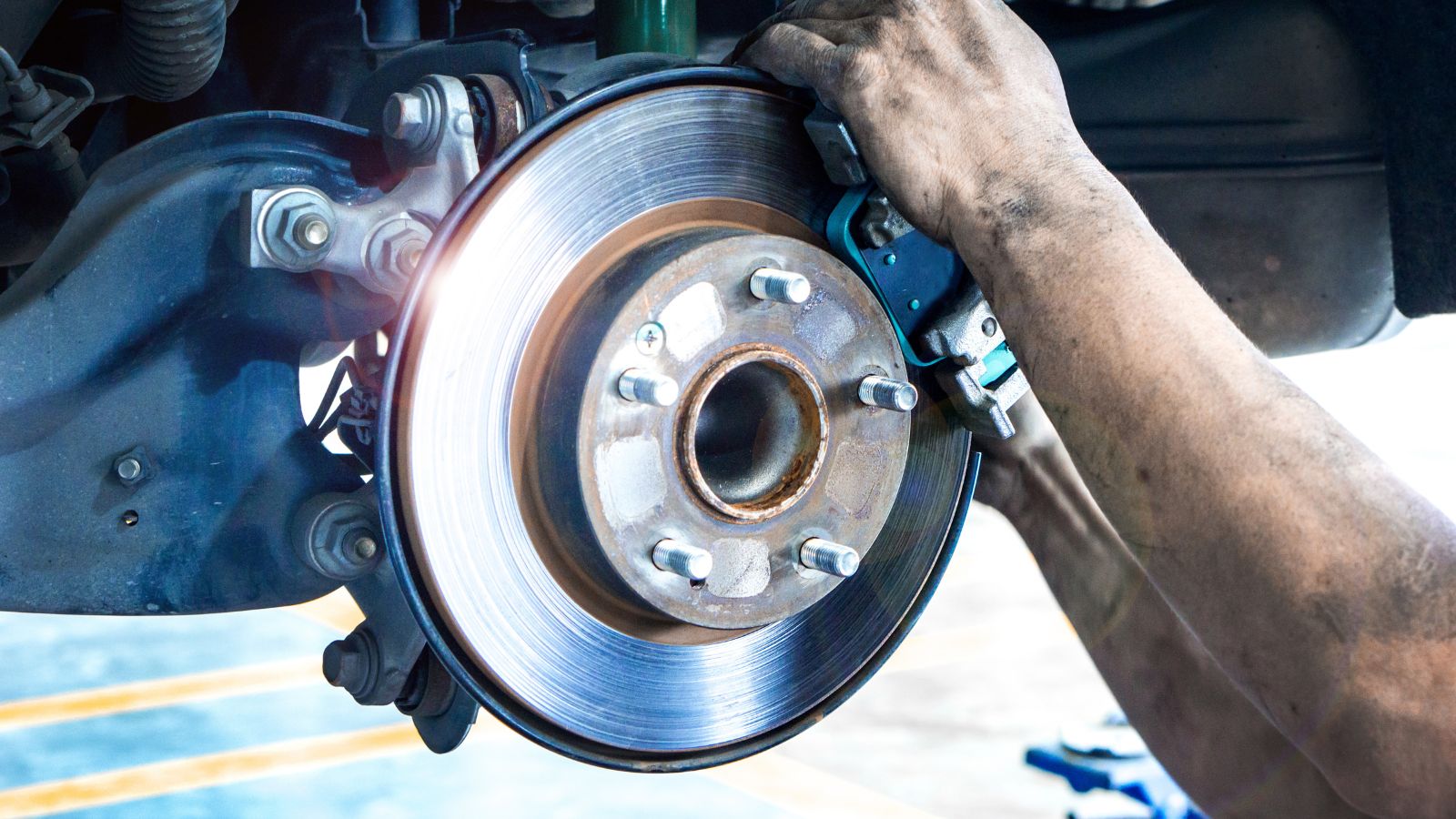
Regenerative braking is one reason hybrids can be easy on friction brakes. The electric motor helps slow the vehicle while recovering energy, so pads and rotors may be used less heavily in routine driving. That advantage can create a misleading impression during a used-car inspection: thick brake pads do not automatically mean the braking system has been well maintained. Rotors can rust, calipers can stick, and brake fluid requires attention.
The issue becomes more relevant in wet, snowy, or road-salt climates and on cars that sit for long stretches. Consumer Reports advises owners of infrequently driven vehicles to use the brakes enough to remove rotor rust, while AAA notes that electrified vehicles still require inspection and brake-fluid maintenance despite regenerative braking. A used hybrid should therefore have rotors, calipers, hoses, and fluid checked—not merely pad thickness. Saying “hybrids never need brakes” turns a benefit into a false maintenance exemption.
The Gasoline Engine Still Needs Ordinary Maintenance
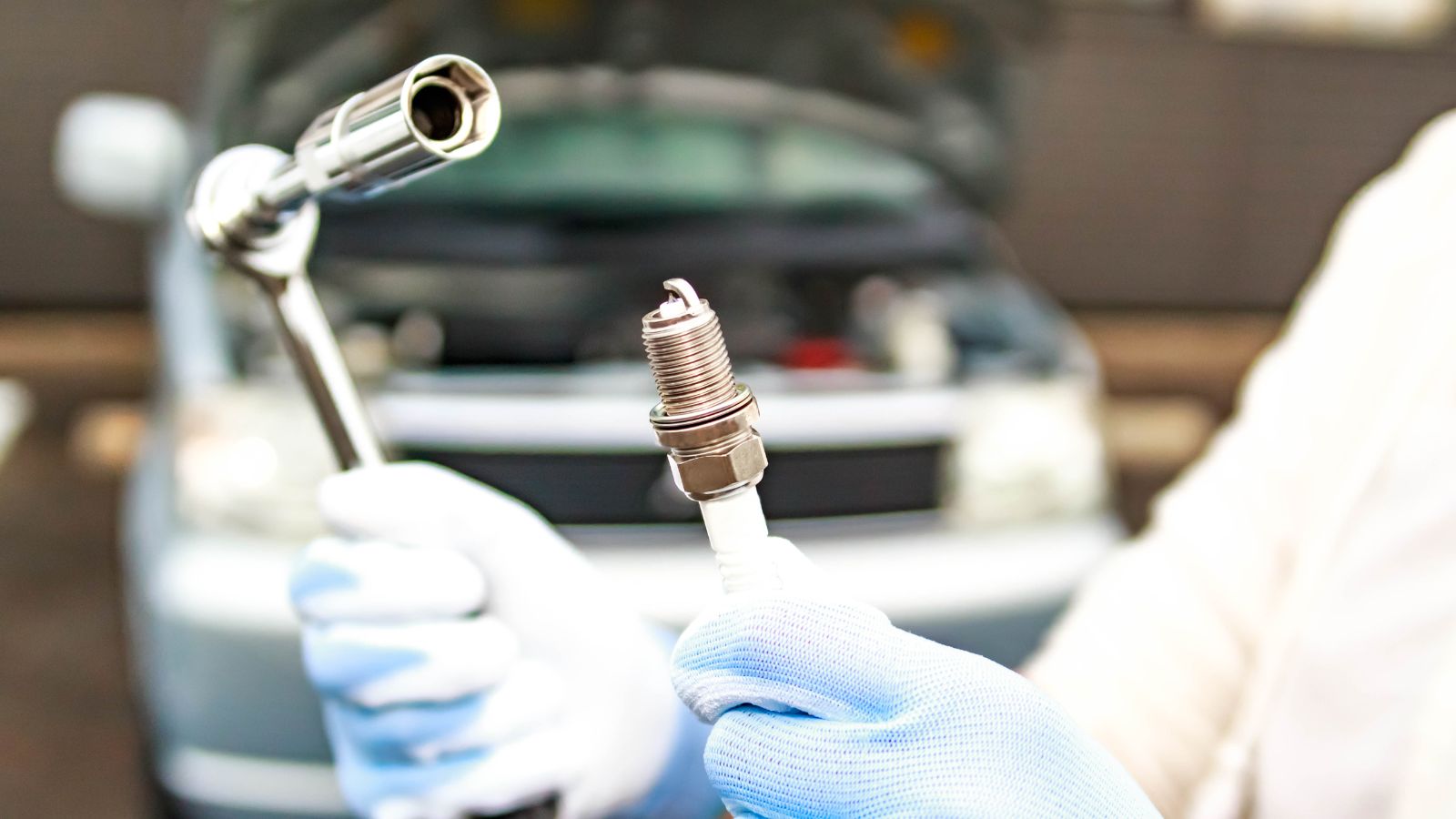
A conventional hybrid still carries an internal-combustion engine, and that engine does not become maintenance-free because an electric motor shares the workload. Honda’s current hybrid maintenance information calls for engine oil, spark plugs, engine coolant, brake fluid, and other scheduled items. Hybrid systems may reduce wear, but they add electrical cooling circuits, power electronics, and model-specific requirements alongside gasoline-vehicle needs.
Used buyers can be caught by the “low running hours” assumption. A seller may reason that because the engine shuts off frequently in city driving, skipped oil changes or old coolant matter less. Manufacturer schedules do not support that logic. Time-based service remains important even when mileage is modest, and some hybrids have separate coolant requirements for high-voltage components. The safer purchase has documented maintenance, not vague claims that hybrids need almost nothing. Fuel savings do not erase fluids, filters, ignition parts, and inspections protecting the gasoline side over time.
Plug-In Hybrids Bring a Different Reliability Equation
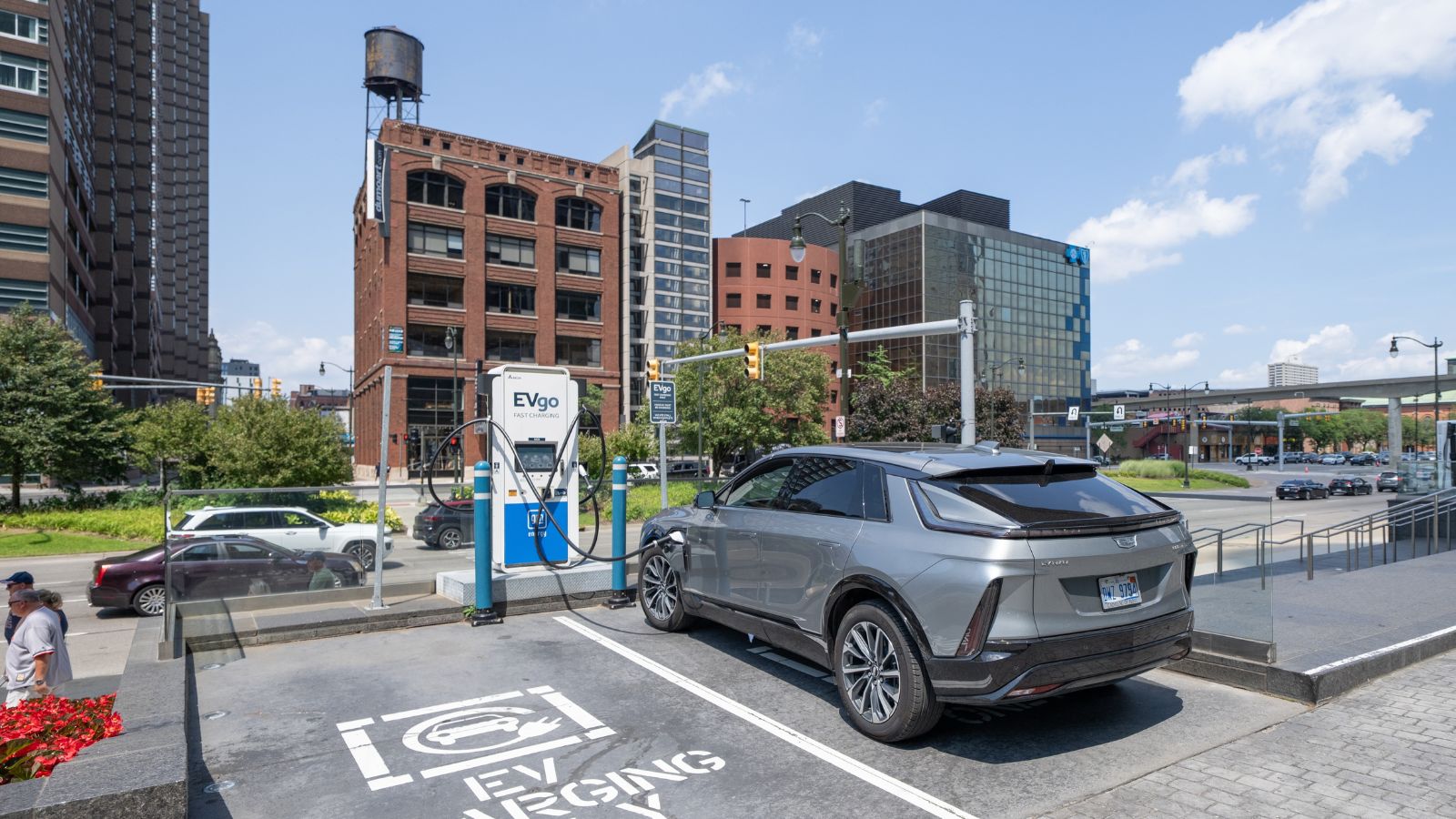
The word “hybrid” covers two used-car propositions. A conventional hybrid charges itself through the engine and regenerative braking, while a plug-in hybrid adds a larger battery, external charging hardware, and the ability to drive a useful distance on electricity. That extra capability adds systems that can fail. Consumer Reports’ 2025 reliability findings placed conventional hybrids among the most reliable vehicle types, while plug-in hybrids, as a group, showed more problems than gas-only models.
That does not make every used plug-in hybrid a poor choice. Several models have strong records, and completing short trips electrically is useful. It does mean buyers should not transfer the reputation of a mature Prius-style hybrid to every PHEV automatically. Charging-port operation, onboard charging, battery range, software, thermal management, and gasoline operation all deserve testing. A PHEV that never gets plugged in may deliver less of the efficiency advantage that justified its added weight and complexity.
Flood and Collision History Carry Extra Consequences

Accident and flood history deserve attention on an electrified used vehicle because the high-voltage system changes the consequences of hidden damage. NHTSA warns that flooded electric and hybrid vehicles can present high-voltage shock hazards and fire risks, and its guidance treats damaged high-voltage batteries and electrical components as energized until assessed. Structural repair quality also matters because cables and battery enclosures can run through areas affected by underbody or collision damage.
A clean-looking cabin is not enough to rule out water exposure. Buyers should review history reports, look for inconsistent corrosion or moisture evidence, and have suspicious vehicles inspected by technicians familiar with hybrid systems. The same caution applies to rebuilt vehicles. A professionally repaired hybrid is not automatically unsafe; the inspection standard should rise with the severity of the history. A discount can disappear quickly if hidden electrical damage surfaces after the sale, especially outside remaining warranty coverage entirely.
Road Salt Can Expose Expensive Model-Specific Weaknesses
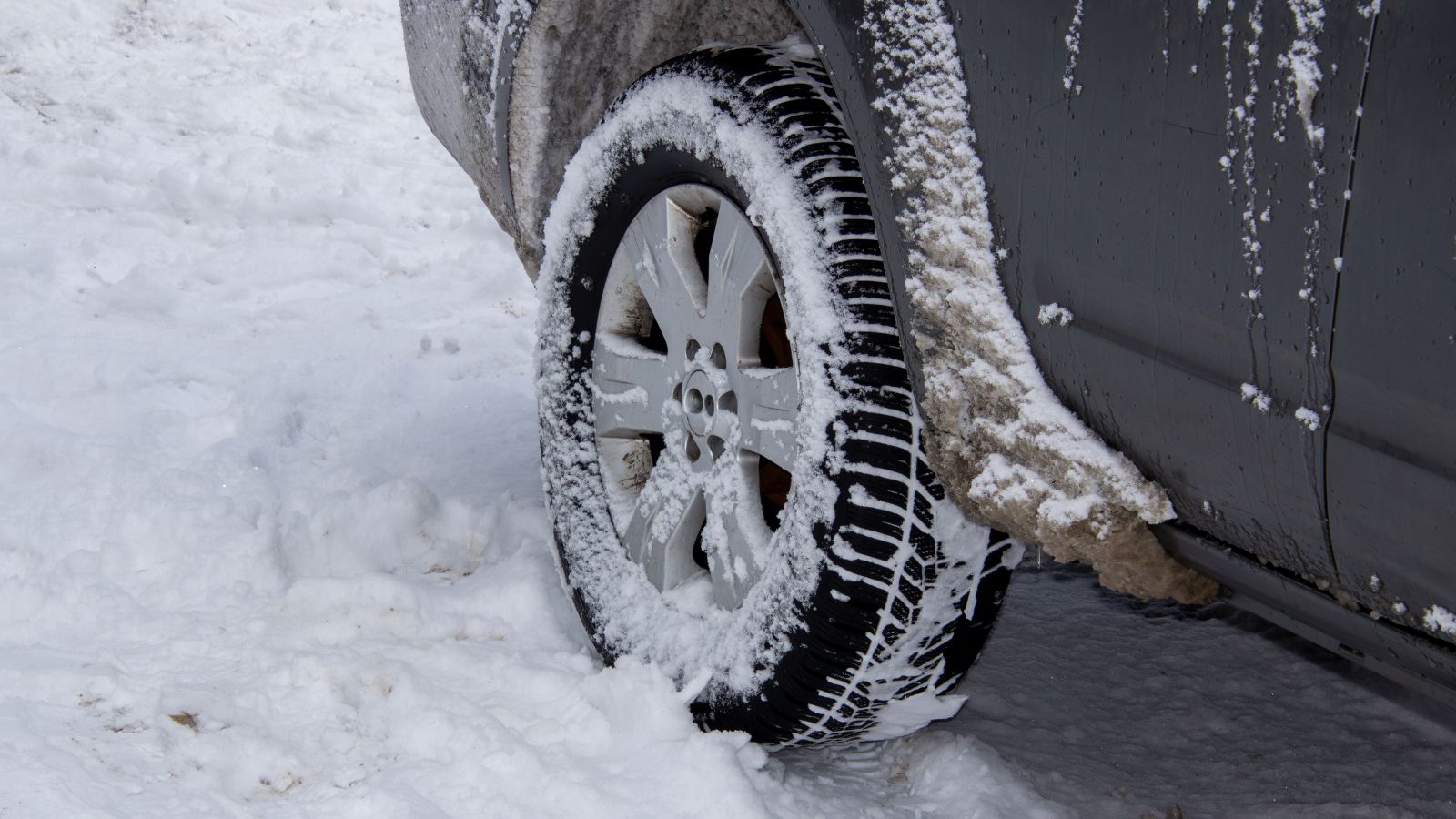
Road salt can expose model-specific weaknesses, which is why statements such as “hybrid systems are sealed, so corrosion is irrelevant” can be risky. A prominent example involves certain Toyota RAV4 Hybrid AWD models: Toyota issued a customer-support program in the United States for excessive corrosion at the high-voltage cable connection to the rear motor generator. Toyota Canada later significantly extended coverage for affected RAV4 Hybrid and RAV4 Prime cables.
The larger lesson is not that all hybrid cables corrode. Electrified drivetrains contain connectors, cables, grounds, cooling hardware, and underbody components whose exposure differs by design. A used hybrid from a road-salt region deserves a model-specific search for bulletins, warranty extensions, and campaigns. Inspectors should also look underneath rather than concentrating only on the battery pack. Two hybrids with equally good batteries can carry different repair risks if one has a known corrosion-prone connector or costly exposed rear-drive component underneath the vehicle.
Reliability Can Change Significantly From One Model Year to Another
Hybrid reliability varies by model year, not simply by the badge on the grille. Consumer Reports’ reliability work shows conventional hybrids performing strongly, yet its scoring is built at the make, model, and year level because problem patterns differ. Transport Canada maintains recall and defect information searchable before purchase, and it advises shoppers to check whether recalls apply before buying.
That makes VIN research part of due diligence. A hybrid can have a strong reputation while one production run carries a recall, software update, component campaign, or extended warranty changing the ownership picture. Buyers should check the exact year, powertrain, drivetrain, and VIN rather than relying on newer reviews. Completed recall work should be documented when possible. An unresolved safety recall may be repairable at no charge, but knowing about it before money changes hands prevents surprises and can reveal whether the previous owner followed important manufacturer service communications consistently.
A Generic Pre-Purchase Inspection May Not Go Far Enough

A standard mechanical inspection is useful, but a hybrid benefits from an inspection beyond tires, suspension, leaks, and brake-pad thickness. CAA-Quebec’s dedicated hybrid and electric inspection includes computerized checks of battery charge management, module fault records, charging equipment where applicable, plus scanner-based engine analysis. Ontario’s motor-vehicle regulator also recommends a pre-purchase inspection because it can uncover problems a seller did not disclose.
That is the final reason some used hybrids are riskier than expected: a car can drive normally during a short test even when diagnostic history points to a developing issue. The inspection should include a full-system scan, road test, cooling checks, brake inspection, 12-volt battery test, service-history review, and battery assessment where supported. No single battery “percentage” tells the whole story across brands. Spending more on a hybrid-aware inspection can be far cheaper than discovering later that the bargain price reflected a problem the usual checklist completely missed.
19 Used Cars Canadians Should Avoid in 2026 (Based on Owner Complaints)

Buying a used car in Canada can feel safe until repair bills start stacking up. Owner complaints tell a different story than glossy listings. Transmission failures, electrical problems, and weak winter reliability show up again and again in consumer reports. Many of these issues appear after warranties expire, when owners least expect them. Some vehicles look affordable upfront, but become expensive to keep on the road. Others struggle in cold weather, urban driving, or long highway commutes. Here are 19 used cars Canadians should avoid in 2026 (based on owner complaints).
19 Used Cars Canadians Should Avoid in 2026 (Based on Owner Complaints)

Alanna Rosen is an experienced content writer that focuses on many EV and educational content. Her articles are regularly published on Get CyberTrucked and syndicated on large publications.