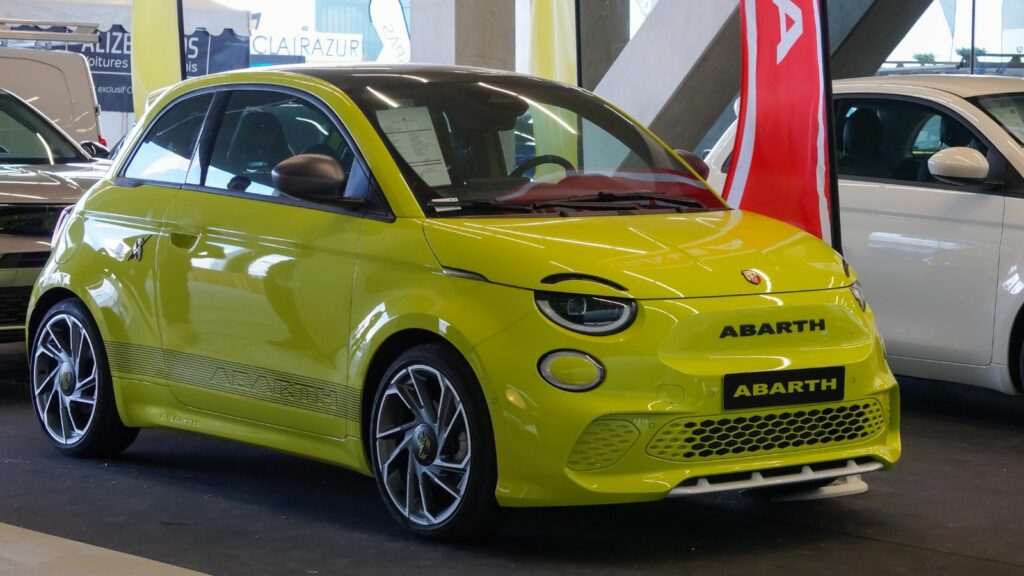
Canadian buyers tend to be pragmatic. Winter capability, long term reliability, resale value and dealer support matter more here than novelty or bold styling. When a car falls short in even one of those areas, sales can dry up fast. Some models arrived with the wrong priorities, others were simply mismatched to Canadian roads, weather or buying habits. These ten cars struggled for different reasons, but all failed to connect with Canadian drivers in a meaningful way.
Fiat 500 Never Suited Canadian Roads
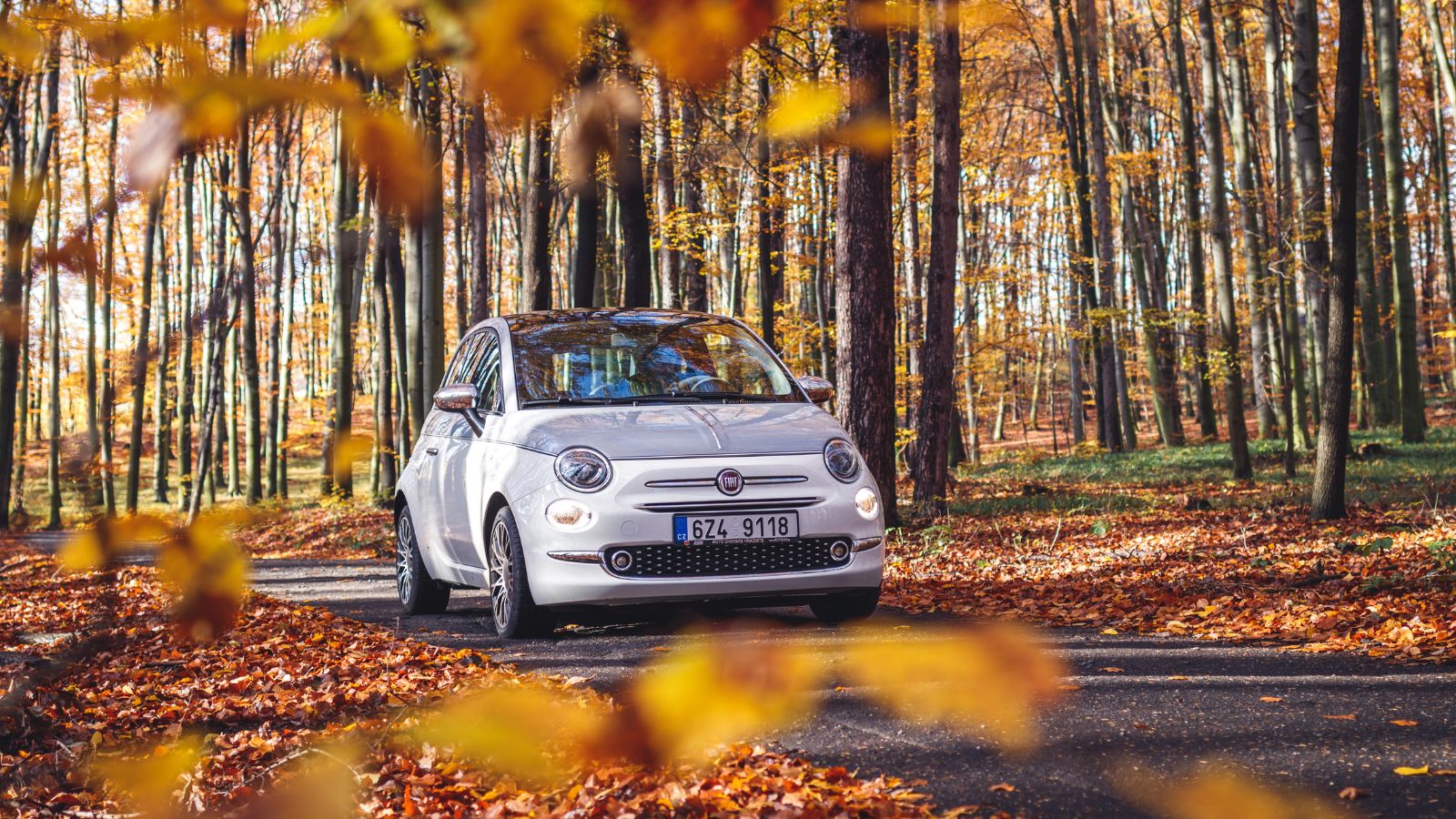
The Fiat 500 charmed buyers at first glance but disappointed in daily use. Its short wheelbase and light weight made highway driving feel nervous, especially in strong crosswinds. Winter only amplified the problem as traction and ground clearance fell short. Reliability complaints and limited dealer coverage added another layer of hesitation. Canadians liked the personality, but few trusted it as a year round car in harsh conditions.
Mitsubishi Mirage Failed to Impress Anyone
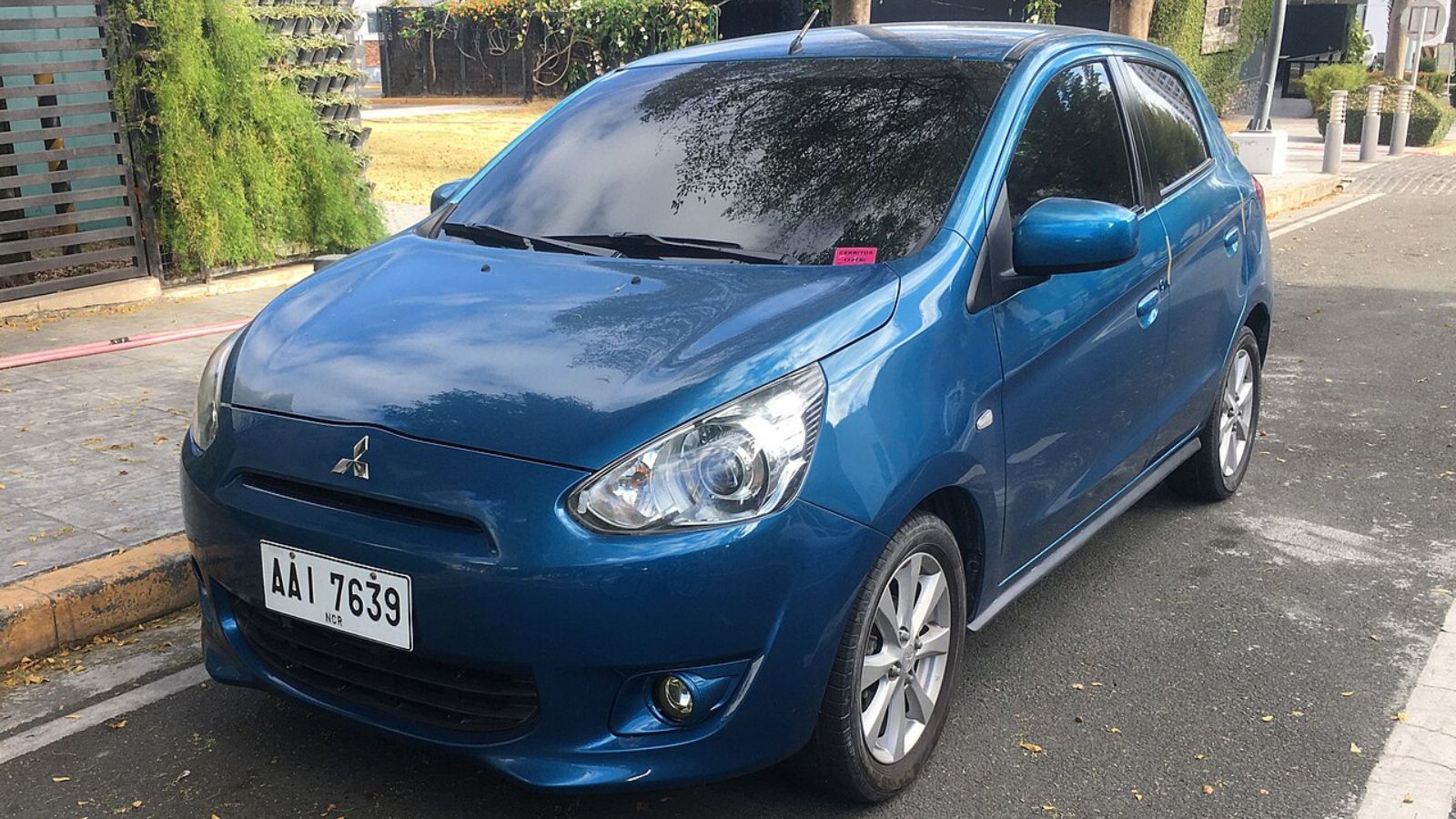
The Mirage focused almost entirely on low purchase price and fuel economy, but Canadians found the tradeoffs too severe. Acceleration felt strained even in city traffic and highway merging required planning. Cabin noise was high and winter driving confidence was limited. Buyers looking for cheap transportation often chose used cars instead, while those shopping new wanted something that felt less compromised.
Chevrolet Spark Felt Too Bare Bones
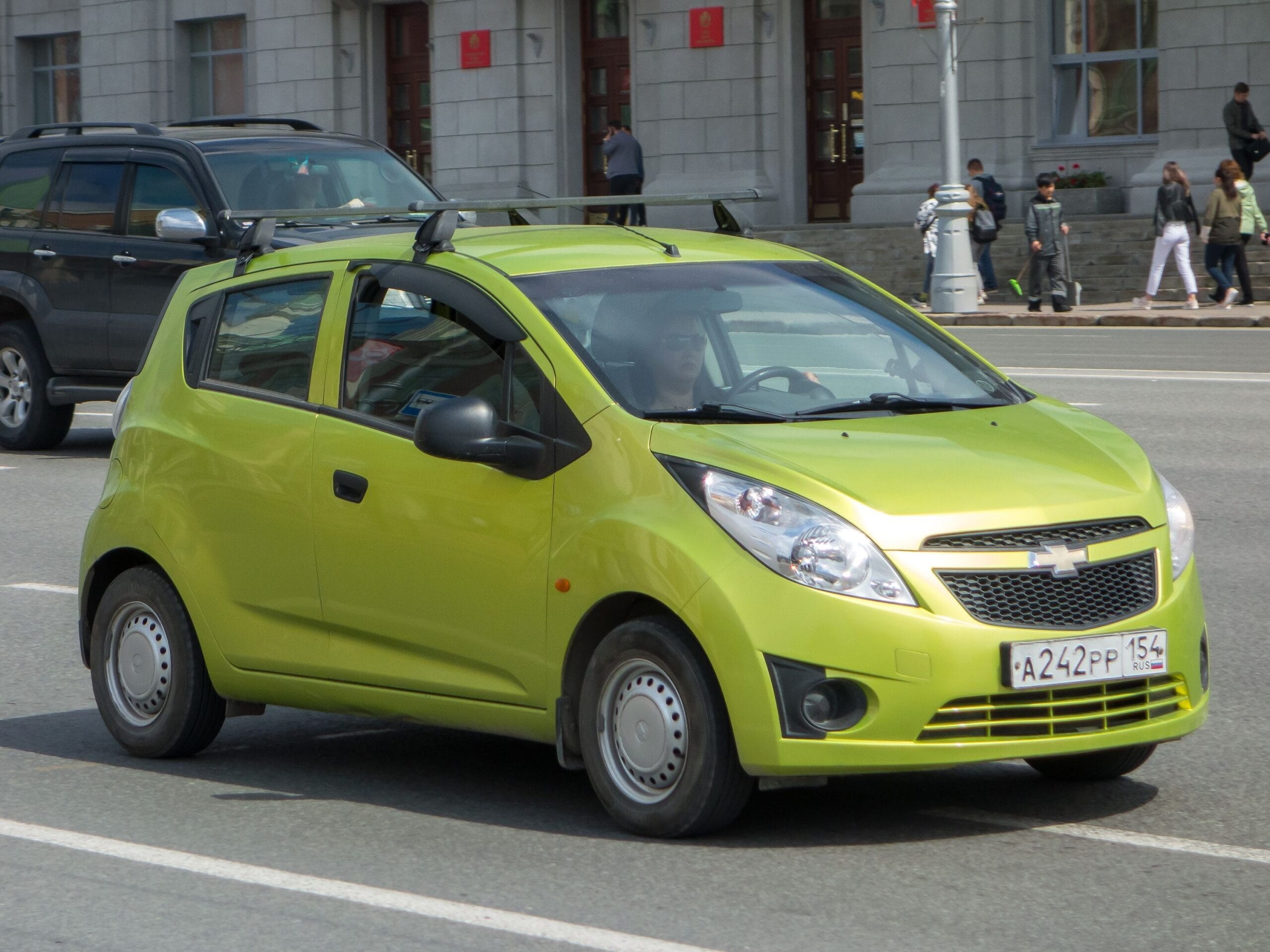
The Spark struggled to justify itself in a market filled with better used alternatives. Interior materials felt thin and insulation was minimal, which became obvious on cold winter mornings. Its small size limited practicality and buyers questioned its long term durability. Canadians who wanted a compact commuter often stepped up to a larger hatchback or skipped the segment entirely.
Smart Fortwo Was Too Impractical
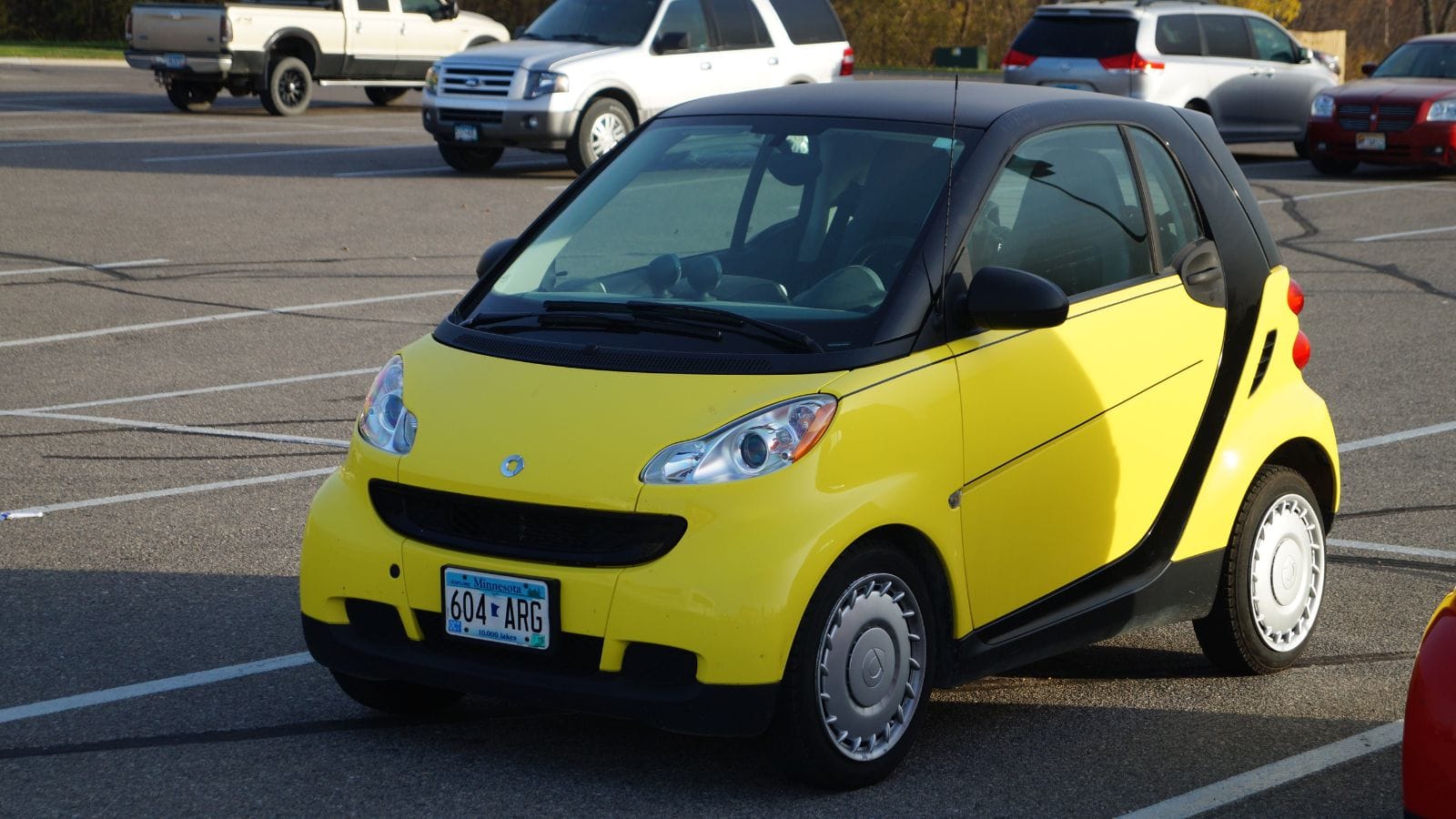
The Smart Fortwo drew attention everywhere it went, but novelty did not translate into sales. Two seats and tiny cargo space made it a poor fit for families or even active singles. On snow covered roads its short wheelbase and narrow track felt unsettled. Add limited dealer availability and high pricing for its size, and the Fortwo remained a curiosity rather than a serious choice.
Nissan Kicks Lacked Power and Identity
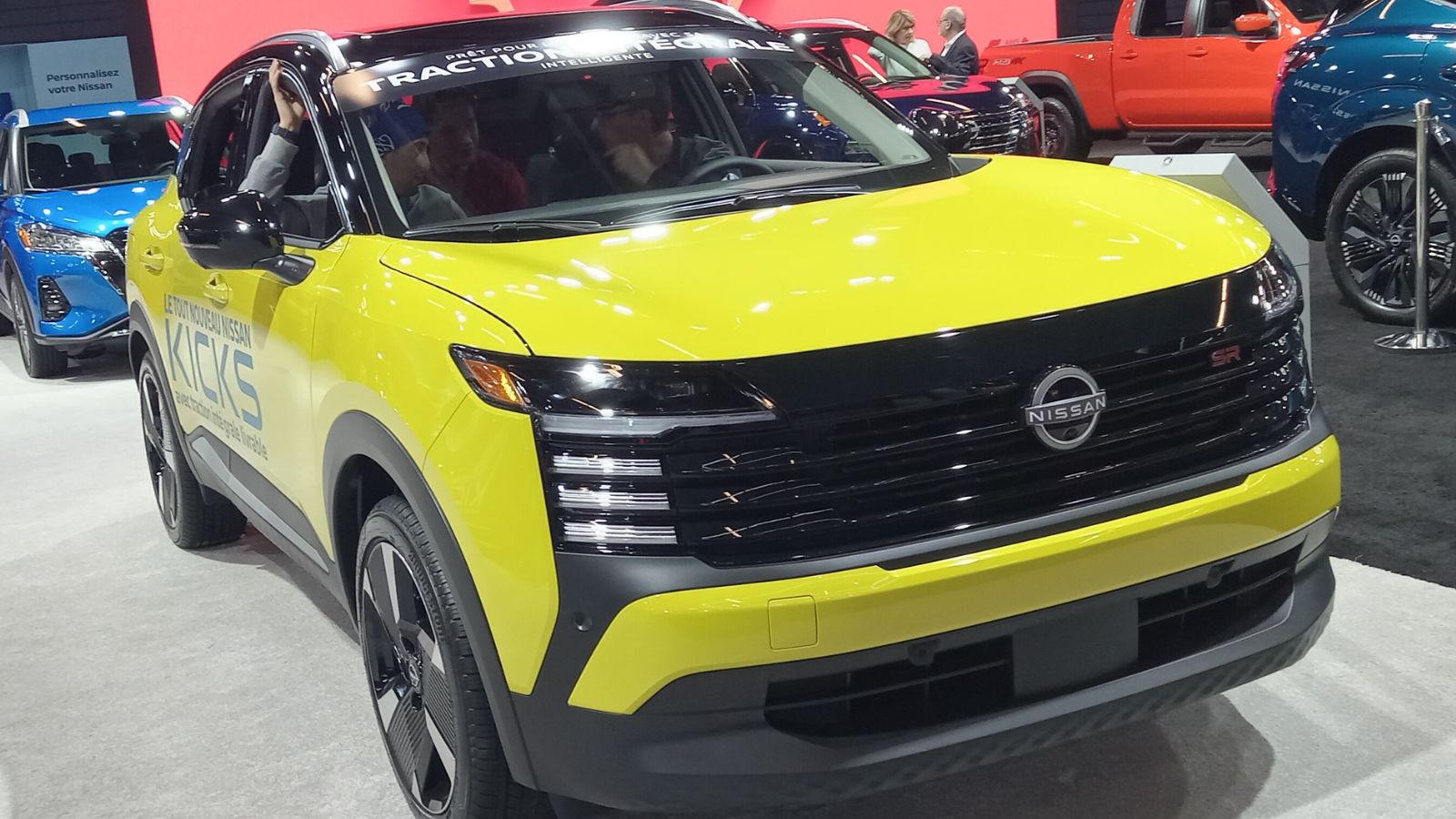
The Kicks entered the small crossover segment without a clear strength. Its engine struggled at highway speeds and winter traction disappointed compared to all wheel drive competitors. Canadians often buy crossovers for confidence in bad weather, and the Kicks did not deliver that reassurance. It felt more like a lifted economy car than the versatile vehicle buyers expected.
Chrysler 200 Arrived Too Late
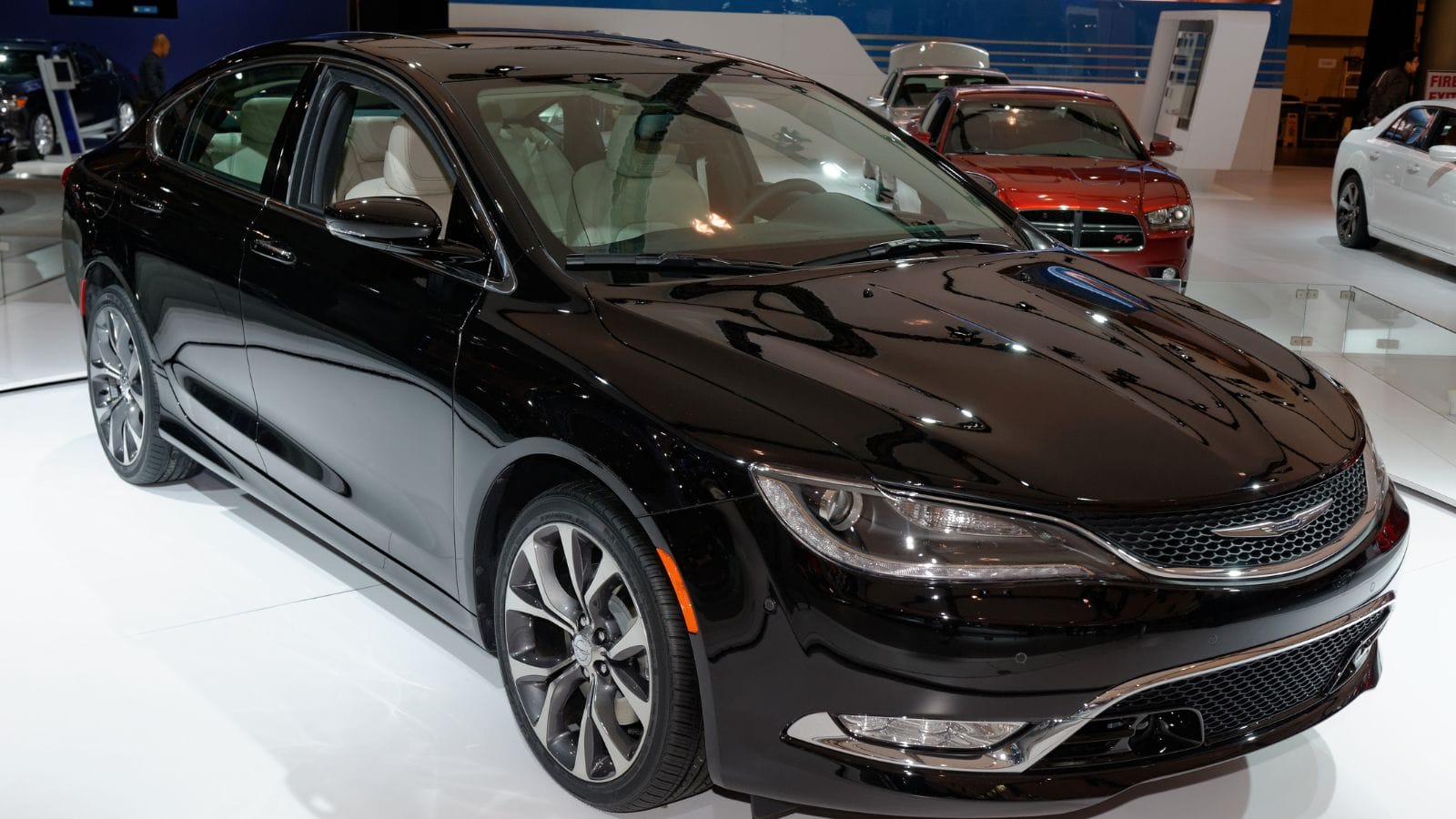
The Chrysler 200 improved significantly over its short life, but timing worked against it. Canadian buyers were already shifting toward SUVs and crossovers when it arrived. Early reliability concerns hurt its reputation before updates could change minds. By the time the car found its footing, the segment itself was shrinking rapidly.
Buick Cascada Had No Clear Audience
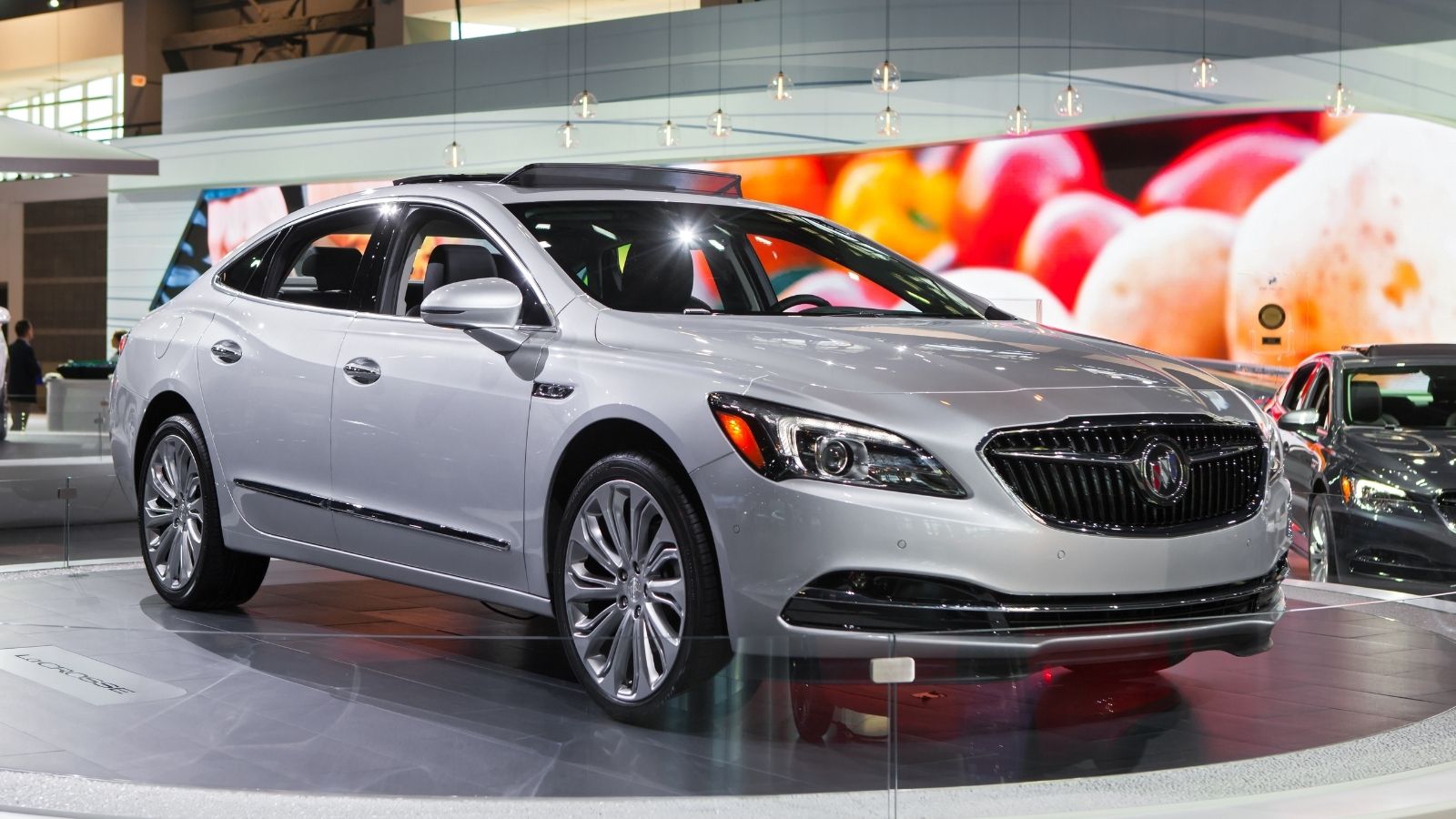
Selling a soft top convertible in a country with long winters was always going to be difficult. The Cascada also carried a premium price without offering strong performance or a sporty image. Canadians who want convertibles often buy used or choose performance oriented models instead. The Cascada ended up appealing to almost no one in particular.
Infiniti Q30 Confused Buyers
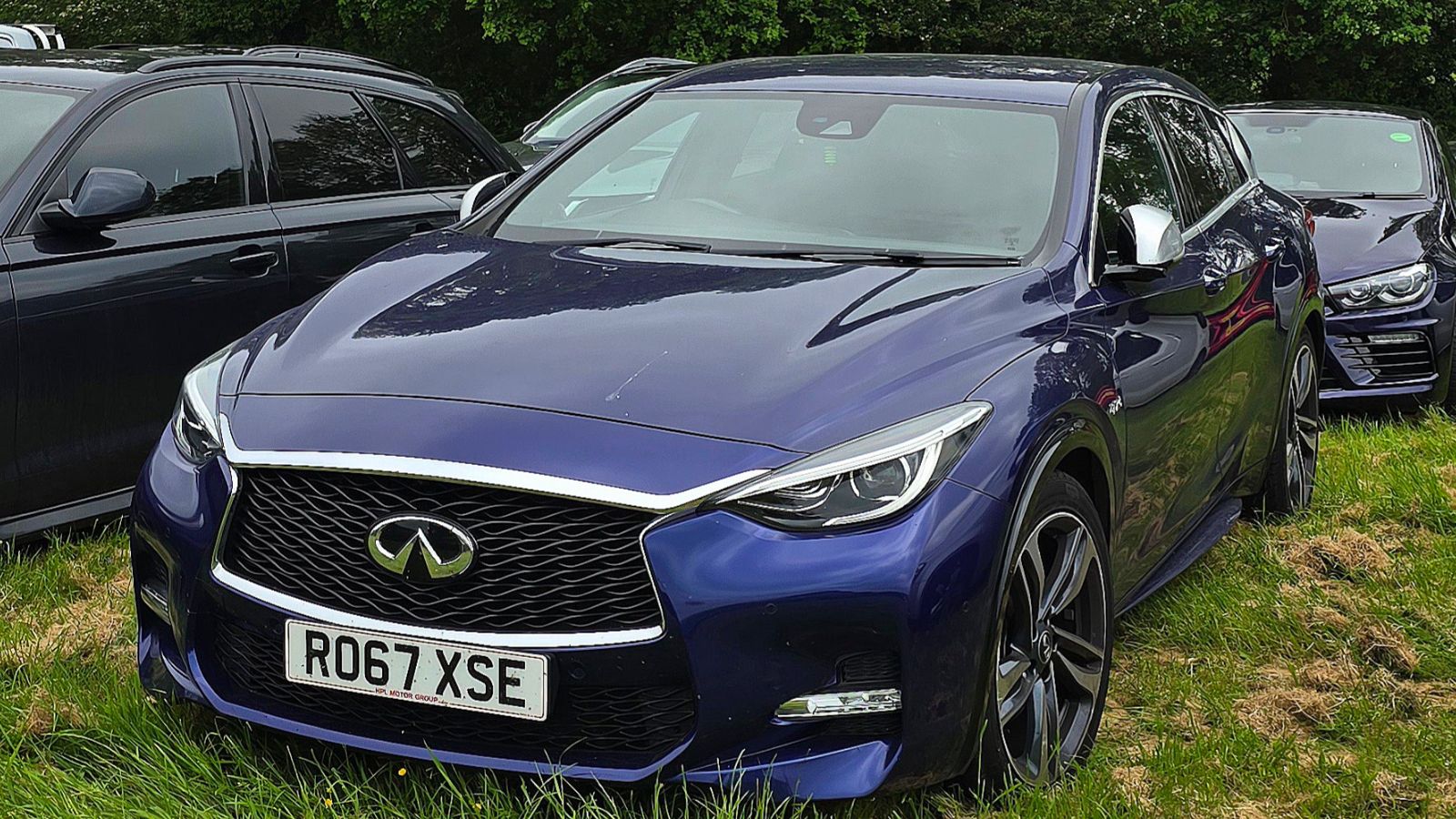
The Q30 tried to blend luxury branding with hatchback practicality, but its identity never landed. Interior space felt tight for the price and brand recognition lagged behind German rivals. Canadians struggled to see the value proposition, especially with strong competition offering better winter capability and resale strength. It disappeared before most buyers even formed an opinion.
Jaguar XE Could Not Escape Reputation
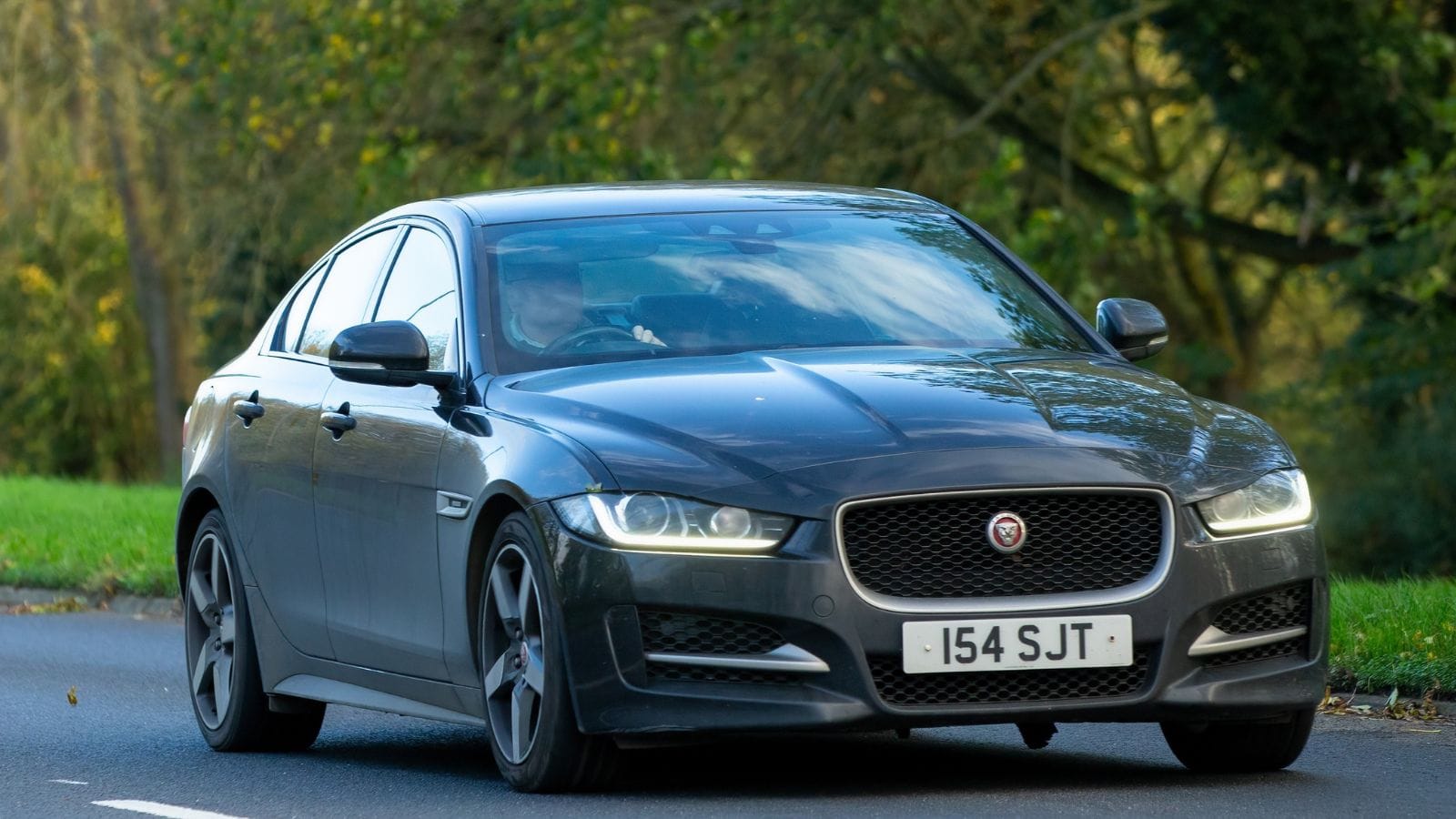
The XE impressed on the road with sharp handling and balanced steering, yet sales remained weak. Reliability concerns and ownership costs weighed heavily on Canadian buyers who value predictability. Dealer networks were thin outside major cities which increased anxiety around service and support. Admired by enthusiasts, the XE rarely made it onto actual shopping lists.
Volkswagen Arteon Missed the Market Mood
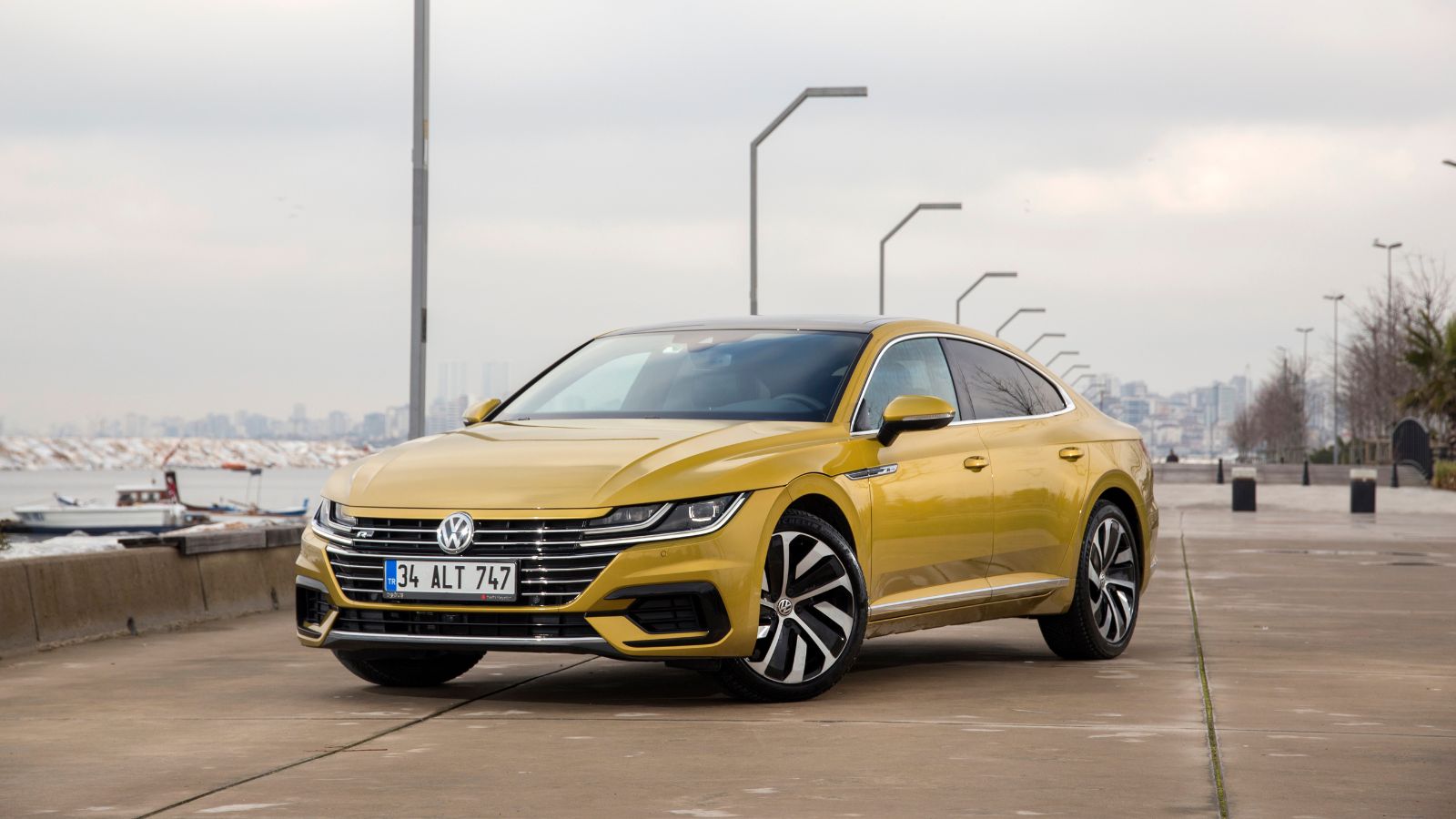
The Arteon arrived with striking design and strong road presence, but it landed in the wrong moment. Its pricing pushed it into luxury territory while the badge remained mainstream. Canadians comparing it to SUVs or true luxury sedans struggled to justify the cost. It became a car people admired in traffic but rarely walked into a dealership to buy.
25 Facts About Car Loans That Most Drivers Don’t Realize

Car loans are one of the most common ways people fund car purchases. Like any other kind of loan, car loans can have certain features that can be regarded as an advantage or a disadvantage to the borrower. Understanding all essential facts about car loans and how they work to ensure that you get the best deal for your financial situation is essential. Here are 25 shocking facts about car loans that most drivers don’t realize:
25 Facts About Car Loans That Most Drivers Don’t Realize
