
Used car prices rarely move in isolation. They respond to supply shortages, economic uncertainty, fuel prices, and consumer confidence. When global tensions escalate, those forces can collide quickly. Conflicts that disrupt supply chains, energy markets, or manufacturing often create ripple effects across the automotive industry. For buyers and sellers in Canada and the United States, those ripples sometimes show up in one place very clearly: the used car market.
New Car Supply Can Tighten Quickly
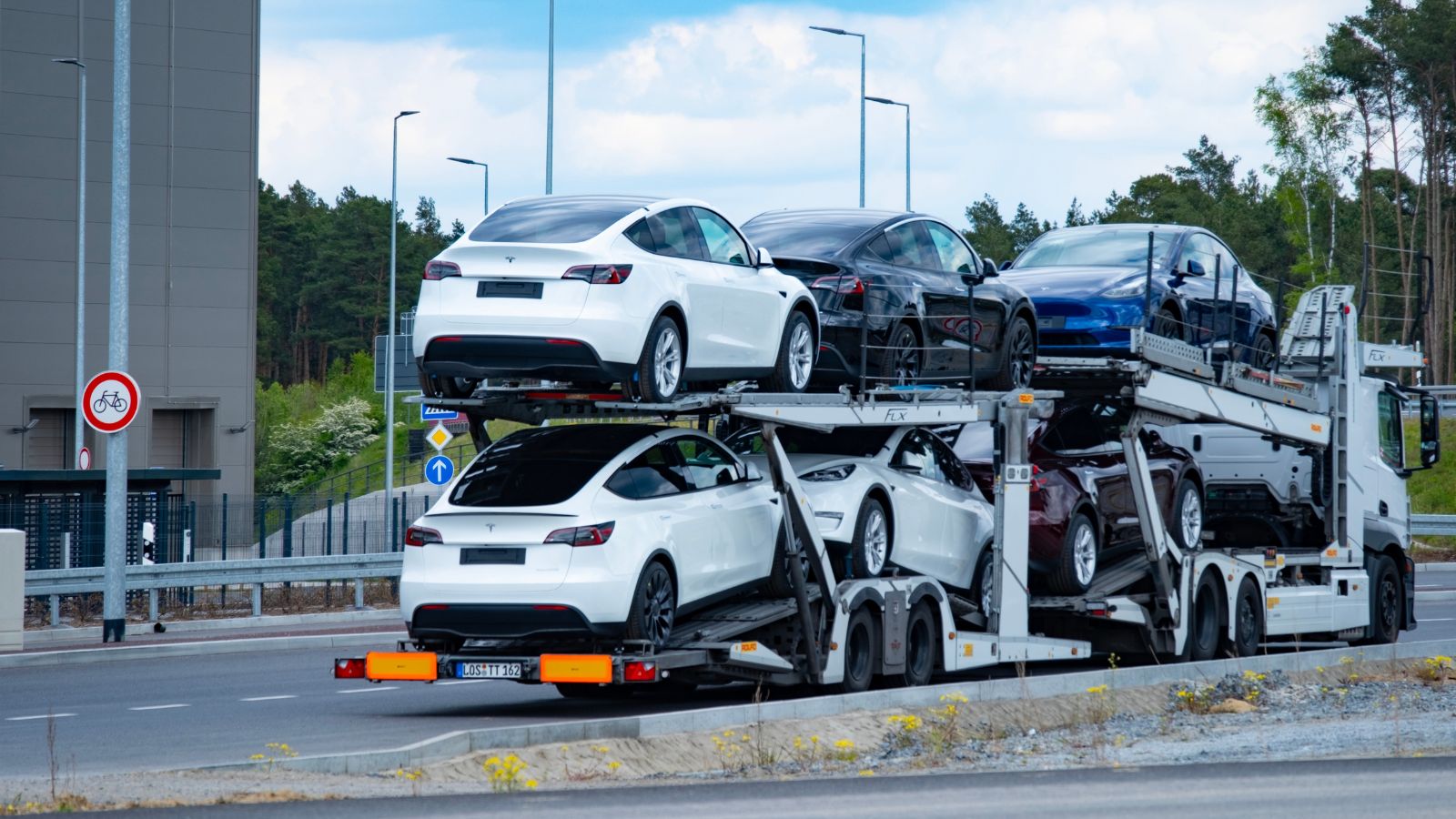
One of the biggest factors influencing used car prices is the availability of new vehicles. When global tensions disrupt supply chains, manufacturers can struggle to build enough new cars and trucks.
Modern vehicles rely on complex international networks for parts and raw materials. Electronics, wiring, metals, and semiconductors often come from different regions of the world. When instability affects those supply routes, production slows. With fewer new vehicles arriving at dealerships, many buyers turn to the used market instead.
More Buyers Suddenly Compete for Used Vehicles
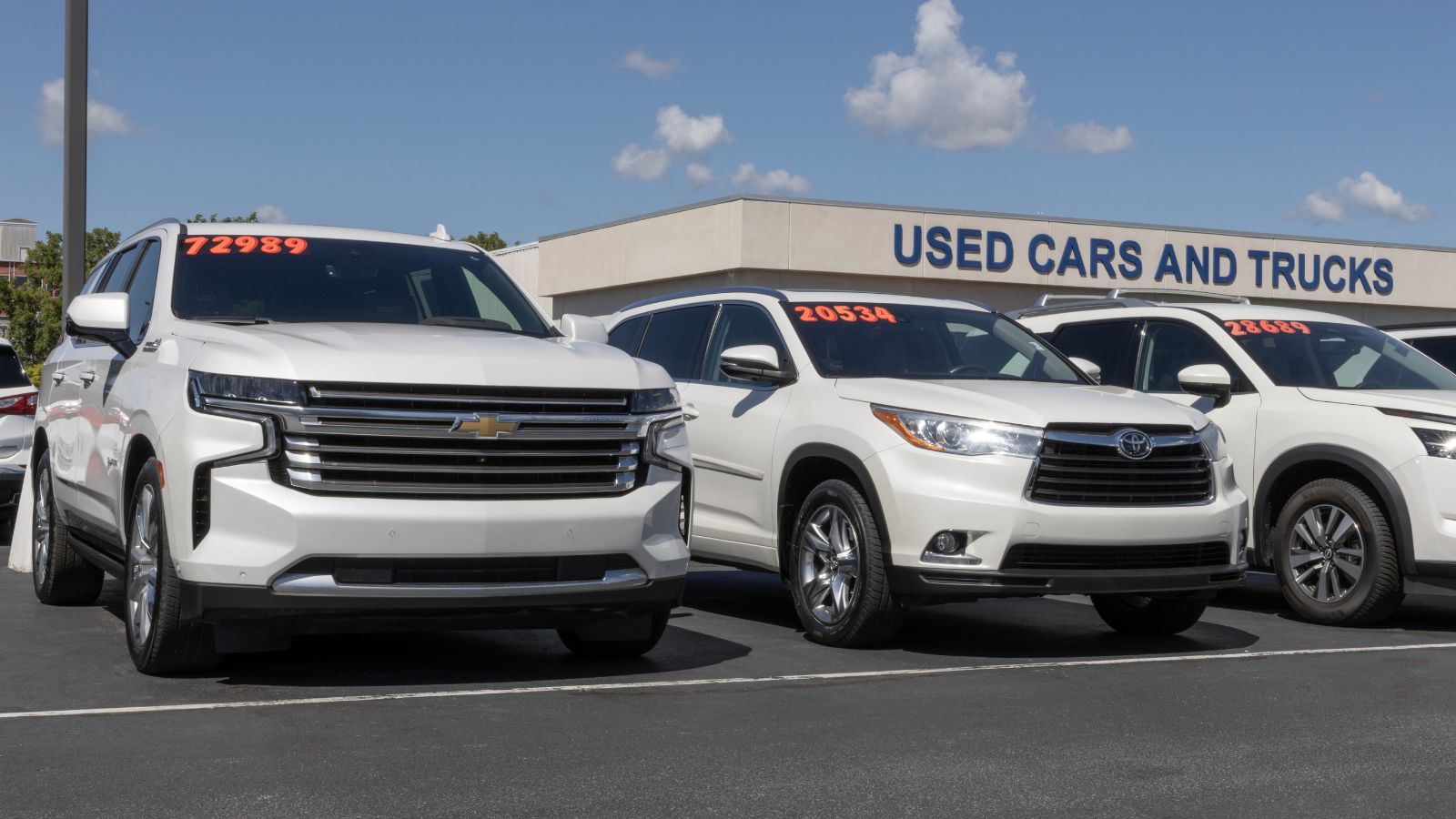
When new vehicle inventory becomes limited, the used car market absorbs the demand. Drivers who planned to buy new vehicles may begin searching for nearly new models instead.
That shift increases competition for available used cars. Dealers quickly notice stronger demand for late model vehicles, especially trucks and SUVs that remain popular with North American buyers. As more buyers enter the used market, prices can climb faster than expected.
Economic Uncertainty Changes Buying Behavior

Periods of geopolitical tension often create broader economic uncertainty. Consumers may delay large financial decisions or choose less expensive alternatives.
For many households that means reconsidering whether a new car purchase makes sense. Instead of committing to a higher monthly payment, buyers may look for reliable used vehicles with lower upfront costs. This shift in behavior can increase demand across the used car market.
Fuel Prices Can Push Demand in New Directions

Global conflicts frequently influence oil markets, which in turn affect gasoline prices. When fuel costs rise sharply, buyers often reconsider the type of vehicle they want.
In the used market, fuel efficient cars and hybrid models may suddenly become more desirable. Smaller sedans and efficient crossovers can see stronger demand if drivers expect higher fuel prices to continue. As demand rises for certain vehicles, prices often follow.
Rental Fleets and Leasing Also Play a Role

Another factor affecting used car supply is the flow of vehicles from rental fleets and lease returns. Rental companies typically rotate vehicles into the used market after several years of service.
During periods of global instability, travel patterns can change dramatically. Rental companies may delay fleet replacements or hold onto vehicles longer if new inventory becomes harder to obtain. That decision reduces the number of used vehicles entering the market and can push prices higher.
The Pandemic Offered a Recent Example

A clear example of these market dynamics occurred during the early 2020s when global disruptions limited new vehicle production. Semiconductor shortages slowed manufacturing around the world.
With fewer new vehicles available, demand for used cars surged. Prices rose dramatically in many markets as buyers competed for limited supply. While that situation was not driven solely by geopolitical conflict, it demonstrated how quickly used vehicle prices can react when supply chains are disrupted.
Prices Do Not Always Rise Immediately

It is important to remember that used car prices do not always climb instantly when tensions increase. The automotive market responds to multiple factors at once.
If economic uncertainty becomes severe enough, consumers may delay car purchases entirely. In those situations demand can weaken and prices may stabilize or even decline temporarily. The overall direction depends on how supply, consumer confidence, and fuel costs interact.
The Used Market Often Reflects Broader Global Trends

The used car market is closely tied to the broader global economy. When geopolitical tensions disrupt manufacturing, energy markets, or supply chains, those disruptions eventually influence vehicle availability and pricing.
For buyers the lesson is simple. When uncertainty spreads through global markets, the used car market can become unpredictable. Prices may rise quickly if supply tightens and demand increases, especially for popular and reliable vehicles.
Understanding those patterns can help buyers recognize when market conditions are shifting and make smarter decisions about when to buy or sell.
25 Facts About Car Loans That Most Drivers Don’t Realize

Car loans are one of the most common ways people fund car purchases. Like any other kind of loan, car loans can have certain features that can be regarded as an advantage or a disadvantage to the borrower. Understanding all essential facts about car loans and how they work to ensure that you get the best deal for your financial situation is essential. Here are 25 shocking facts about car loans that most drivers don’t realize:
25 Facts About Car Loans That Most Drivers Don’t Realize
