
Car buyers in Canada have already endured several turbulent years. The pandemic disrupted factories, the semiconductor shortage slowed production, and supply chain delays left dealership lots nearly empty. Now a new factor is adding uncertainty: rising geopolitical tensions. From conflicts affecting global shipping lanes to trade disputes and energy shocks, world events may again influence the price Canadians pay for vehicles in 2026.
Oil Prices and Energy Markets

Energy markets often react immediately to geopolitical instability. Recent tensions around the Strait of Hormuz have already pushed oil prices upward, with analysts warning that crude could reach $100 per barrel if disruptions persist.
Higher oil prices ripple through the automotive industry. Manufacturing plants rely on energy, and transporting vehicles across oceans and continents becomes more expensive when fuel costs rise. These costs often filter down to consumers through higher vehicle prices or fewer discounts.
Shipping Routes Are Under Pressure
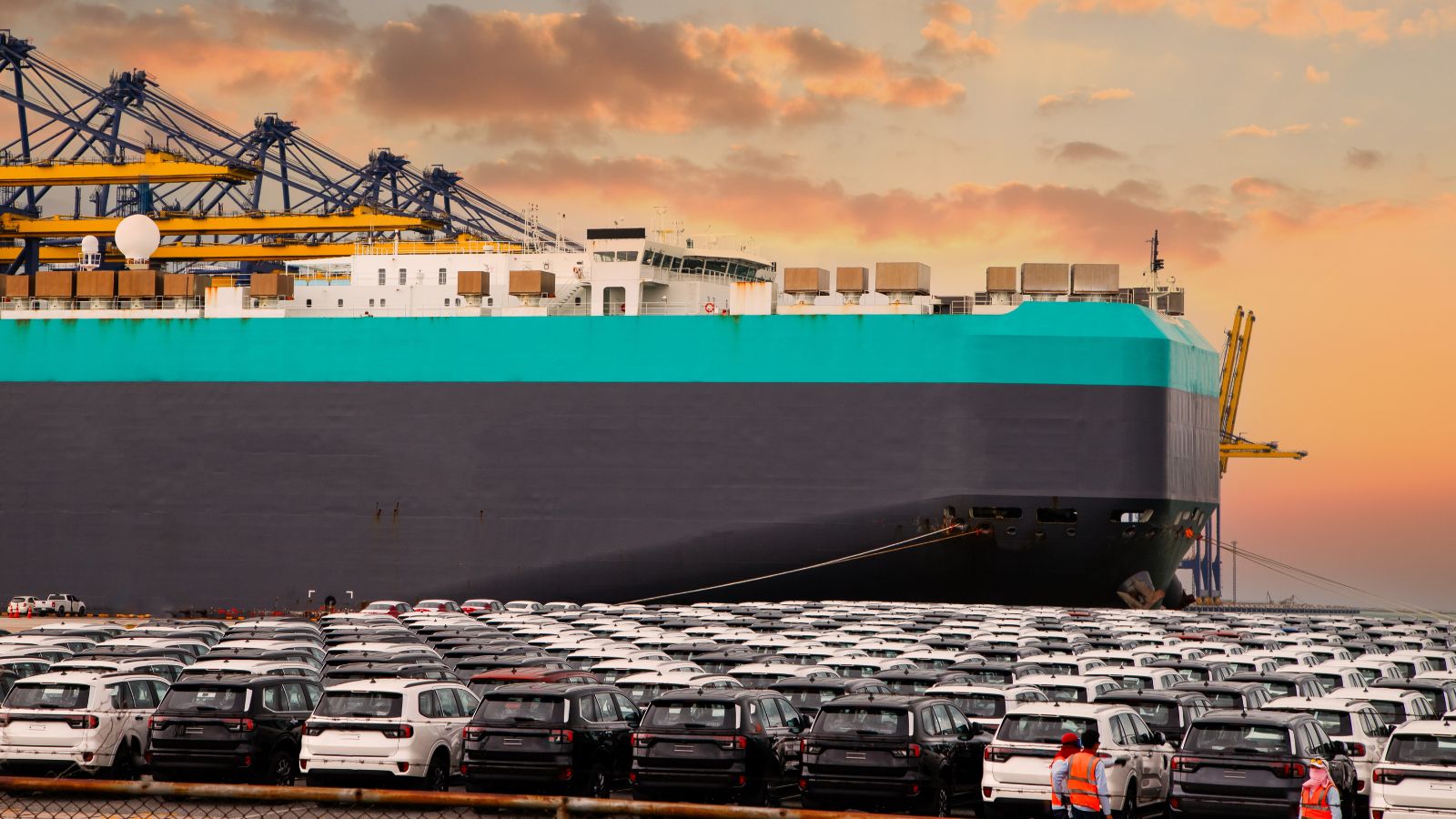
Global shipping networks are particularly vulnerable during conflict. Recent disruptions in the Middle East have stalled thousands of vessels and forced ships to reroute around Africa, adding up to two weeks to transit times and significantly raising freight costs.
When shipping slows, carmakers struggle to move vehicles and parts efficiently. Canada imports many vehicles and components from Asia, Europe, and the United States. Even minor disruptions in these shipping routes can delay deliveries and tighten supply in Canadian dealerships.
Canada’s Auto Industry Is Deeply Global

Modern vehicles are built from parts sourced across the world. Canadian manufacturers rely heavily on international trade for components and raw materials. That interconnected system makes the industry highly sensitive to global trade changes, tariffs, and geopolitical disputes.
If tensions trigger new trade barriers or tariffs, the cost of importing both vehicles and components can rise. Automakers typically pass some of those costs along to buyers.
Tariffs Could Add Additional Pressure

Trade tensions have already raised concerns in Canada. Surveys show that about three quarters of Canadians worry tariffs could push vehicle prices higher, and many are reconsidering buying a car altogether.
Tariffs on imported vehicles or parts can increase manufacturing costs across North America. Because Canada’s auto industry is closely integrated with U.S. and Mexican factories, policy changes in one country can quickly influence pricing in the others.
Supply Chains Are Still Fragile

The automotive industry has not fully recovered from recent supply chain shocks. Modern vehicles require thousands of components, including up to several thousand microchips per car.
If geopolitical tensions disrupt semiconductor production or material supplies again, factories may slow or pause production. Reduced output usually leads to fewer vehicles reaching dealerships and higher transaction prices.
Inflation and Transportation Costs
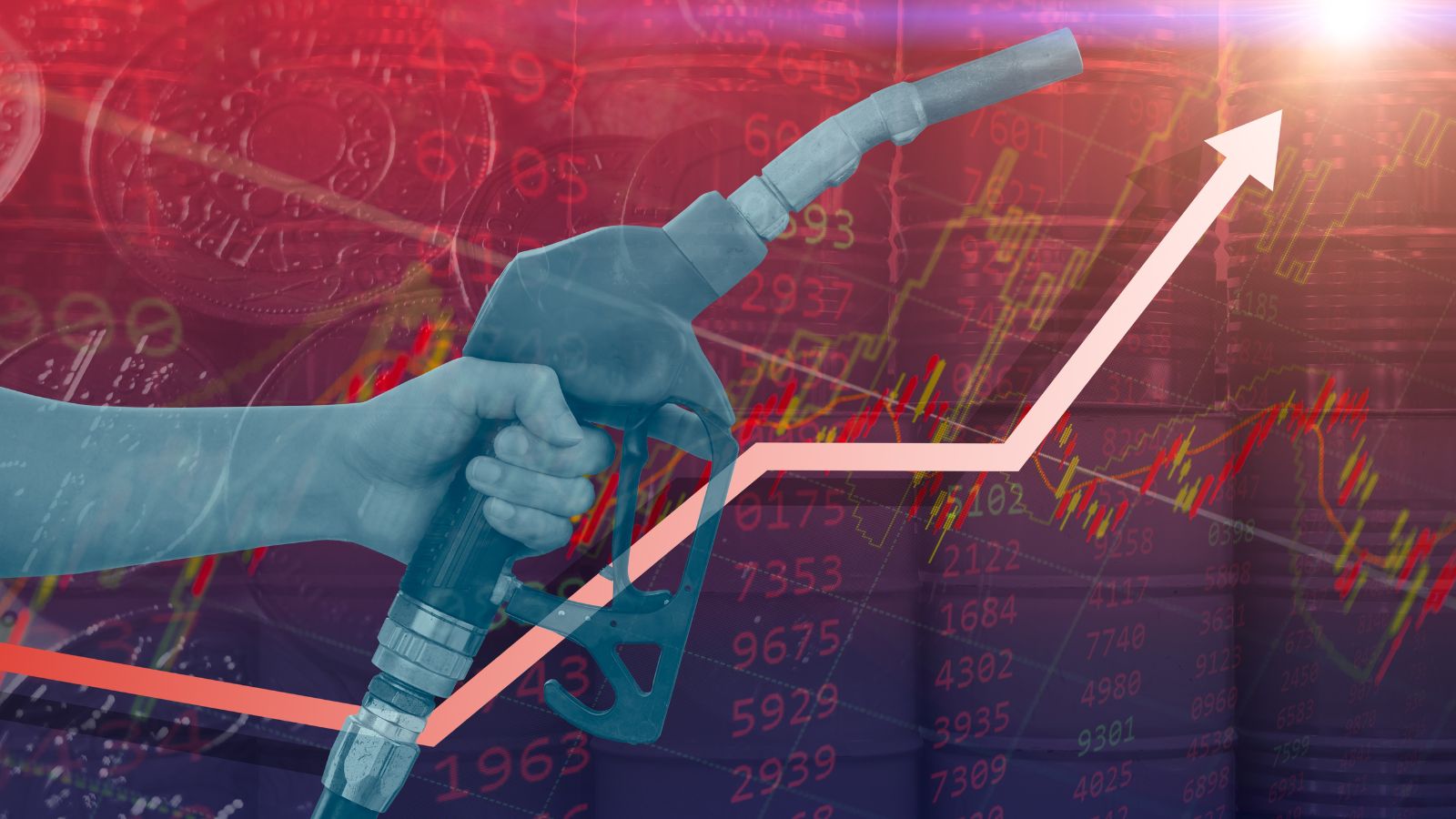
Rising fuel costs affect more than just drivers. Transportation companies face higher diesel expenses when shipping goods across continents. That increases the cost of moving parts, raw materials, and finished vehicles.
Economic analysts already warn that fuel spikes caused by geopolitical conflicts can drive broader inflation across global markets. When inflation rises, manufacturers often adjust vehicle prices to maintain profit margins.
Used Car Prices Could Rise First

Historically, the used vehicle market reacts faster than the new car market. If supply of new vehicles tightens due to production or shipping delays, buyers quickly turn to the used market. Increased demand pushes resale prices upward.
This pattern was clearly visible during the pandemic when used vehicle values surged across Canada.
Some Vehicles May Be Less Affected
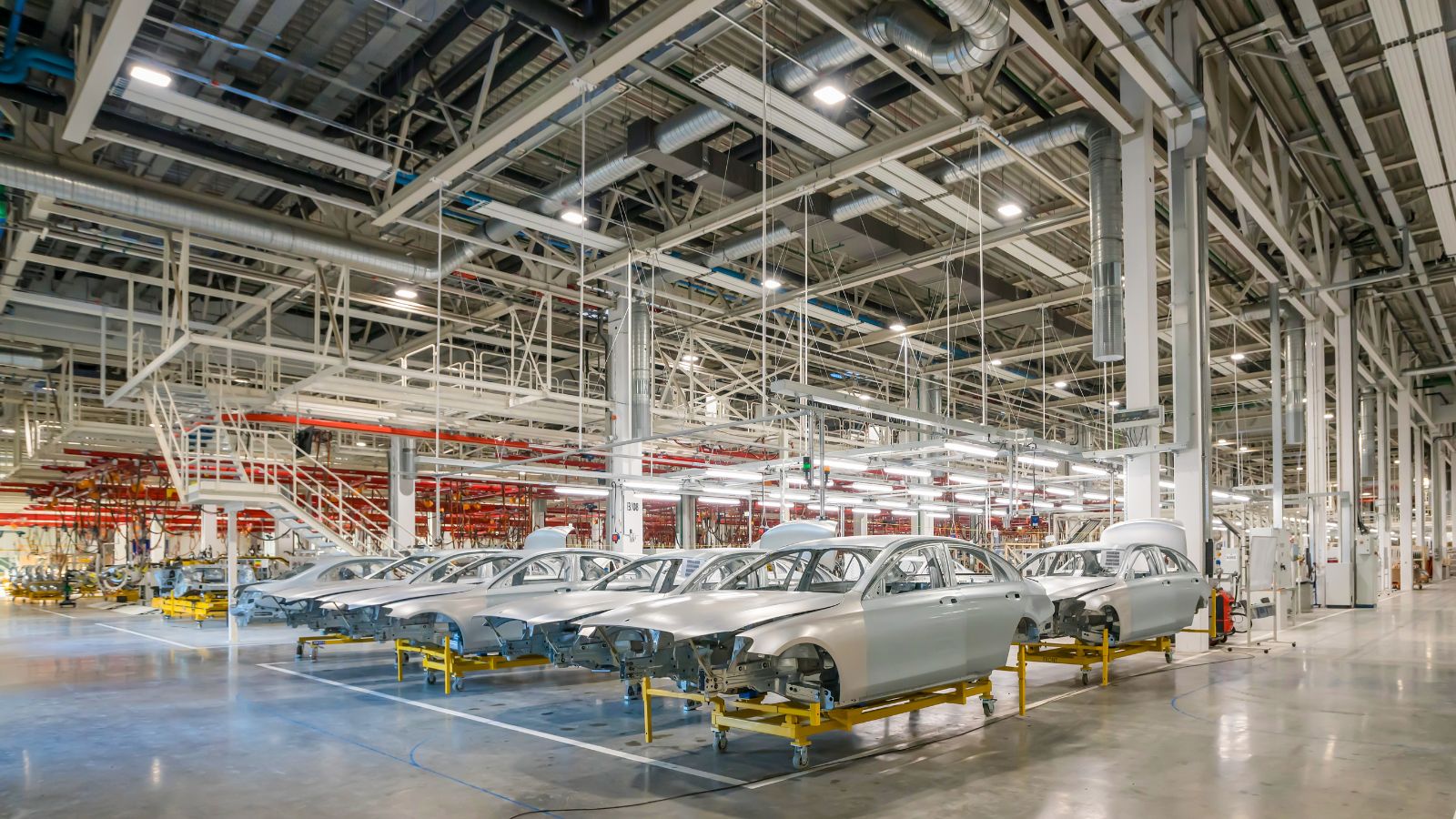
Not every segment will respond the same way. Vehicles produced within North America may experience smaller price increases than those imported from overseas. Locally assembled models often benefit from shorter supply chains and fewer shipping risks.
Electric vehicles could also face unique pressures depending on the availability of battery materials and global supply chains.
Demand Psychology Plays a Role
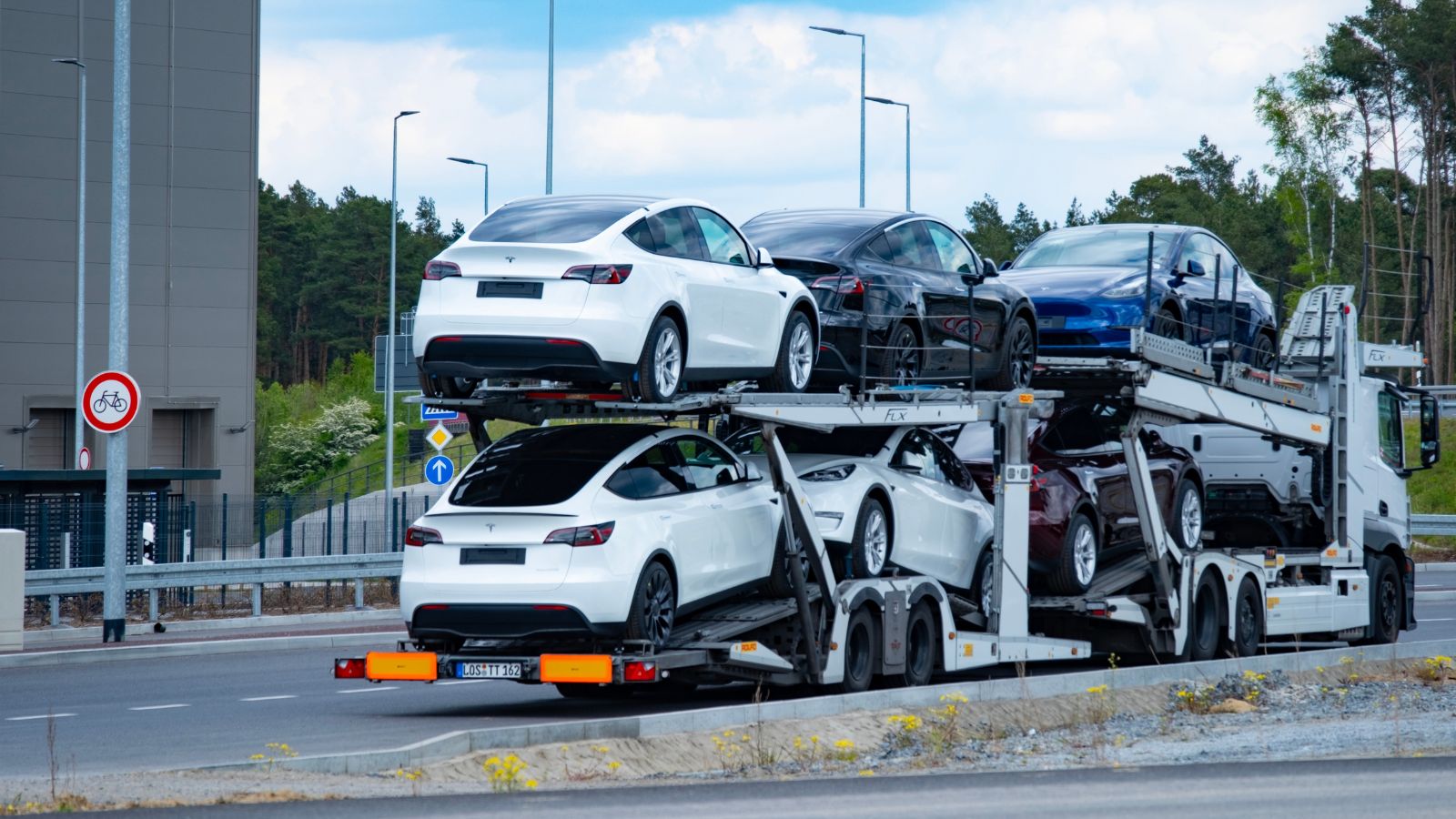
Market psychology can amplify these effects. When consumers fear future shortages or price increases, they often accelerate purchases. That surge in demand can tighten inventory even further and push prices higher.
Dealerships experienced exactly this phenomenon during the pandemic, when buyers rushed to secure vehicles before prices climbed further.
The Big Picture for Canadian Buyers

Rising global tensions do not guarantee that car prices will surge in Canada, but they increase the risk. Higher oil prices, disrupted shipping routes, tariff pressures, and fragile supply chains all point in the same direction: higher costs and tighter supply.
For Canadian buyers considering a vehicle this year, the global situation could influence timing. If tensions continue to disrupt energy markets and supply chains, the car market may once again shift from a buyer’s market to a seller’s market.
25 Facts About Car Loans That Most Drivers Don’t Realize

Car loans are one of the most common ways people fund car purchases. Like any other kind of loan, car loans can have certain features that can be regarded as an advantage or a disadvantage to the borrower. Understanding all essential facts about car loans and how they work to ensure that you get the best deal for your financial situation is essential. Here are 25 shocking facts about car loans that most drivers don’t realize:
25 Facts About Car Loans That Most Drivers Don’t Realize
