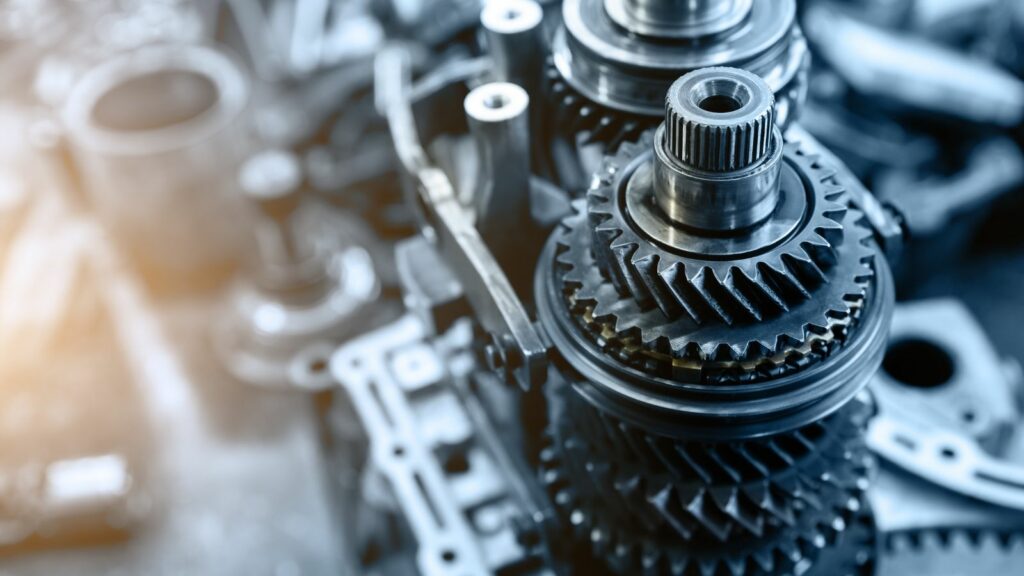
A car that felt perfectly normal during an August commute can seem oddly different after sitting through a crisp fall night. Steering may feel heavier, the engine can sound busier, shifts may arrive at different moments, and even the brake pedal can seem less familiar for the first few minutes. Often, nothing has suddenly failed. Cooler air changes tire pressure and rubber flexibility, slows fluids, increases electrical demand, and can alter how engines, transmissions, brakes, hybrids, and EVs behave before they warm up. Those effects become especially noticeable when daytime temperatures remain mild but mornings turn sharply colder. Here are 12 reasons a familiar vehicle can feel different on cold fall mornings—and how to tell a normal seasonal change from something that deserves attention.
Tire Pressure Drops Before Anything Looks Wrong
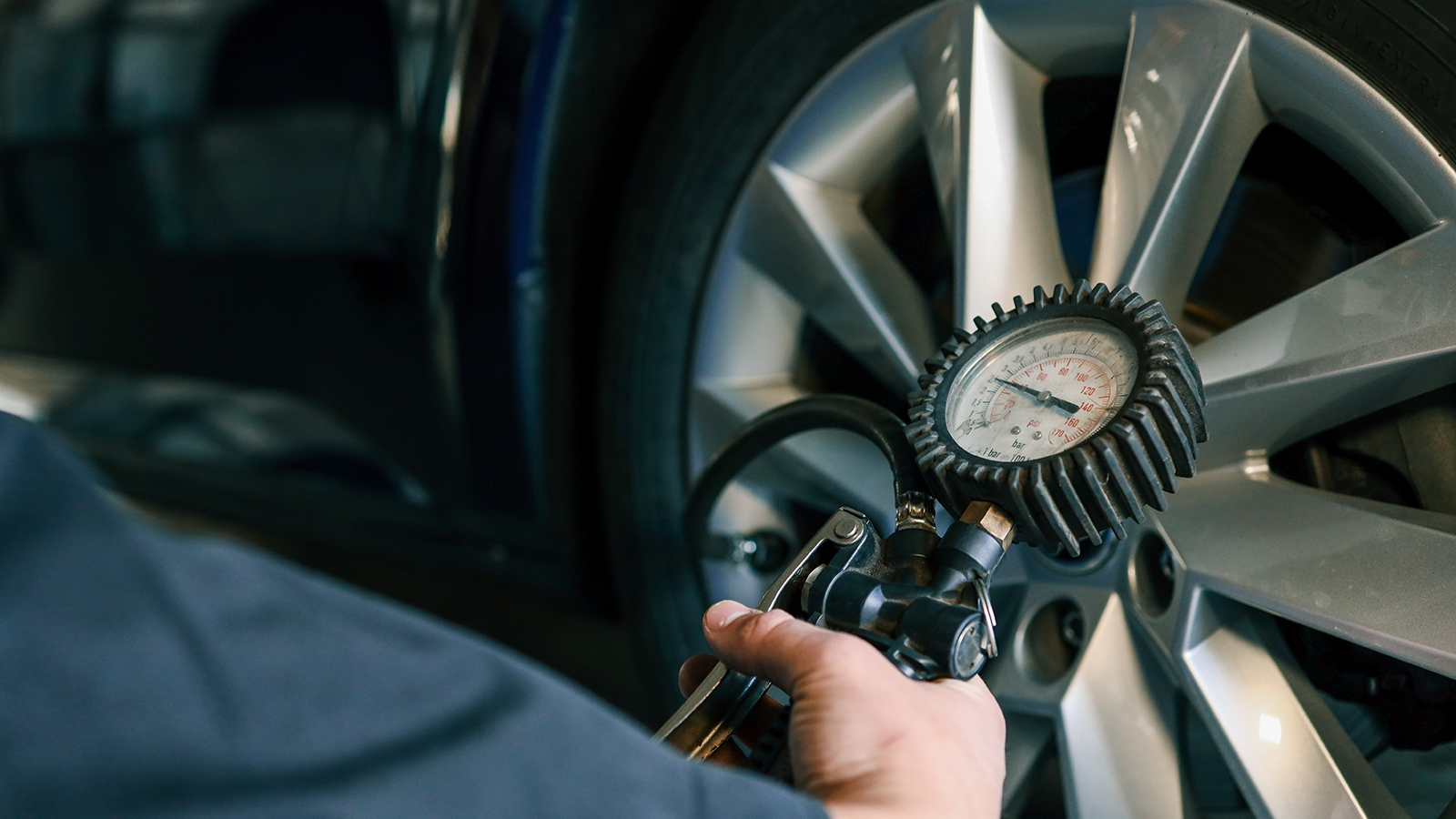
A cool overnight temperature drop can change how a car feels before it even leaves the driveway. Transport Canada notes that tire pressure falls by about 1 psi for every 5°C decrease in air temperature. That means a tire set correctly during a warm afternoon may be several psi lower after a string of chilly mornings, even if there is no leak.
Lower pressure increases tire flex and rolling resistance, which can make steering feel less crisp and acceleration slightly more reluctant. The change may be subtle, but drivers who know their car well often notice it first through the steering wheel. Natural Resources Canada also warns that significant underinflation raises fuel consumption and shortens tire life. September is therefore a good month to start checking pressures more often, using the vehicle manufacturer’s recommended cold-pressure specification on the door placard rather than the maximum number printed on the tire sidewall.
Tire Rubber Starts Getting Firmer
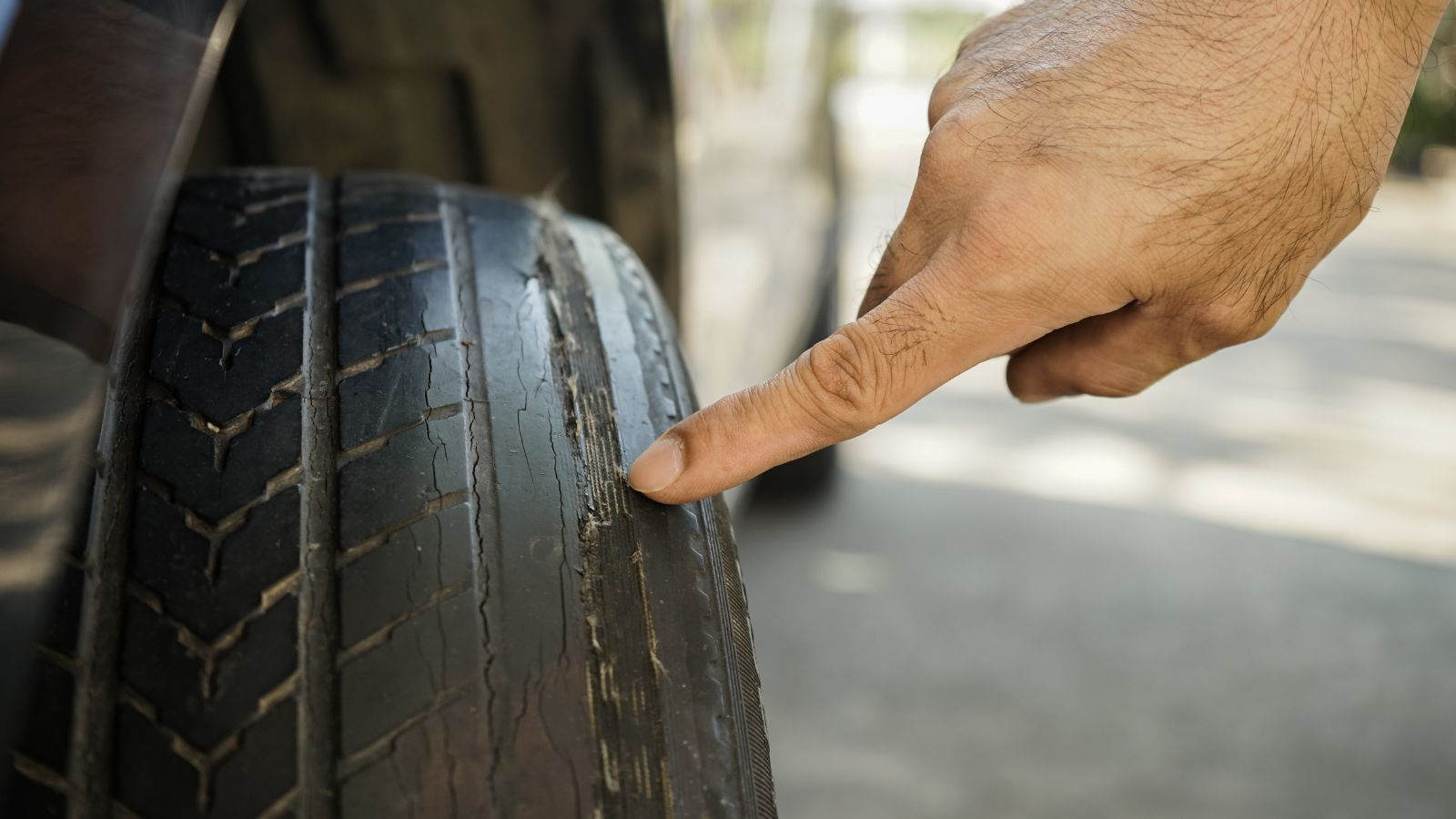
Pressure is only part of the tire story. The rubber itself also responds to temperature. Transport Canada says summer and all-season tires begin to lose elasticity below about 7°C, which reduces available traction. A vehicle that felt planted on a warm afternoon can therefore seem firmer, less compliant, or less eager to grip on a cold early-morning turn.
That 7°C threshold is one reason the fall can produce surprisingly noticeable changes even when roads are dry and there is no frost. The difference is not the same as driving on snow, but tire response can feel less forgiving as temperatures fall. Winter tires are designed to retain more flexibility at lower temperatures, which is why the seasonal changeover is about temperature as well as snowfall. A suddenly “wooden” feel from the front end on a cold morning may be the tires reacting to the thermometer rather than a new suspension problem.
Cold Engine Oil Creates More Resistance
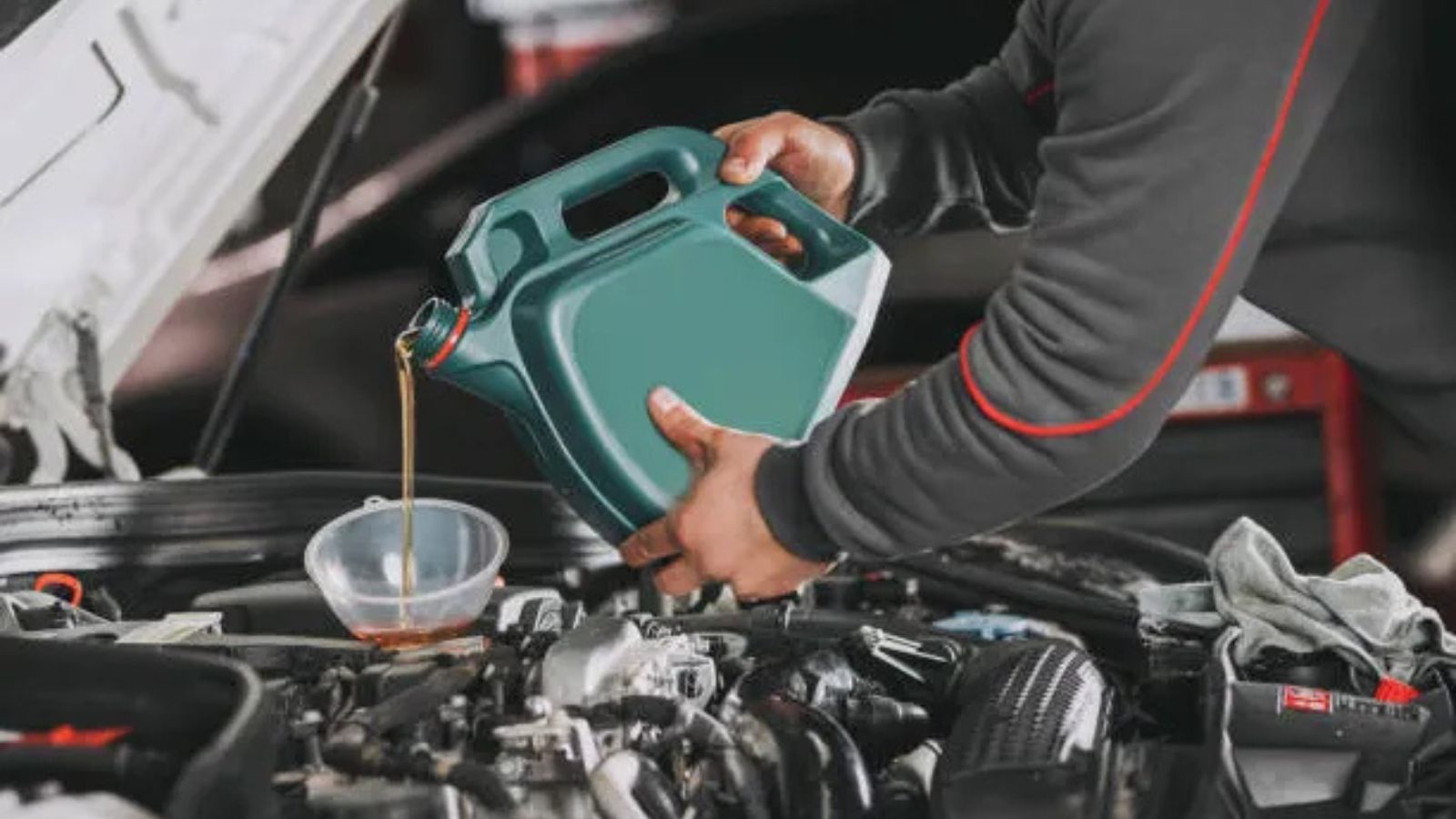
Engine oil is formulated to work across a wide temperature range, but it still changes viscosity as temperatures fall. Cold oil is thicker and circulates more slowly than warm oil, so the engine works through more internal resistance immediately after startup. Modern multigrade oils are engineered to reduce that problem, which is why the first number in grades such as 0W-20 or 5W-30 refers to cold-temperature behaviour.
For a driver, the difference can show up as a busier engine note or a less free-revving feel during the first few minutes. It should fade as the oil warms. This is why substituting a heavier grade because an engine has high mileage can be a mistake unless the manufacturer allows it. The owner’s manual remains the correct reference. Fall mornings are not severe winter conditions, but they are often the first time since spring that an engine experiences an overnight temperature drop.
The Engine Has Not Reached Its Preferred Temperature Yet
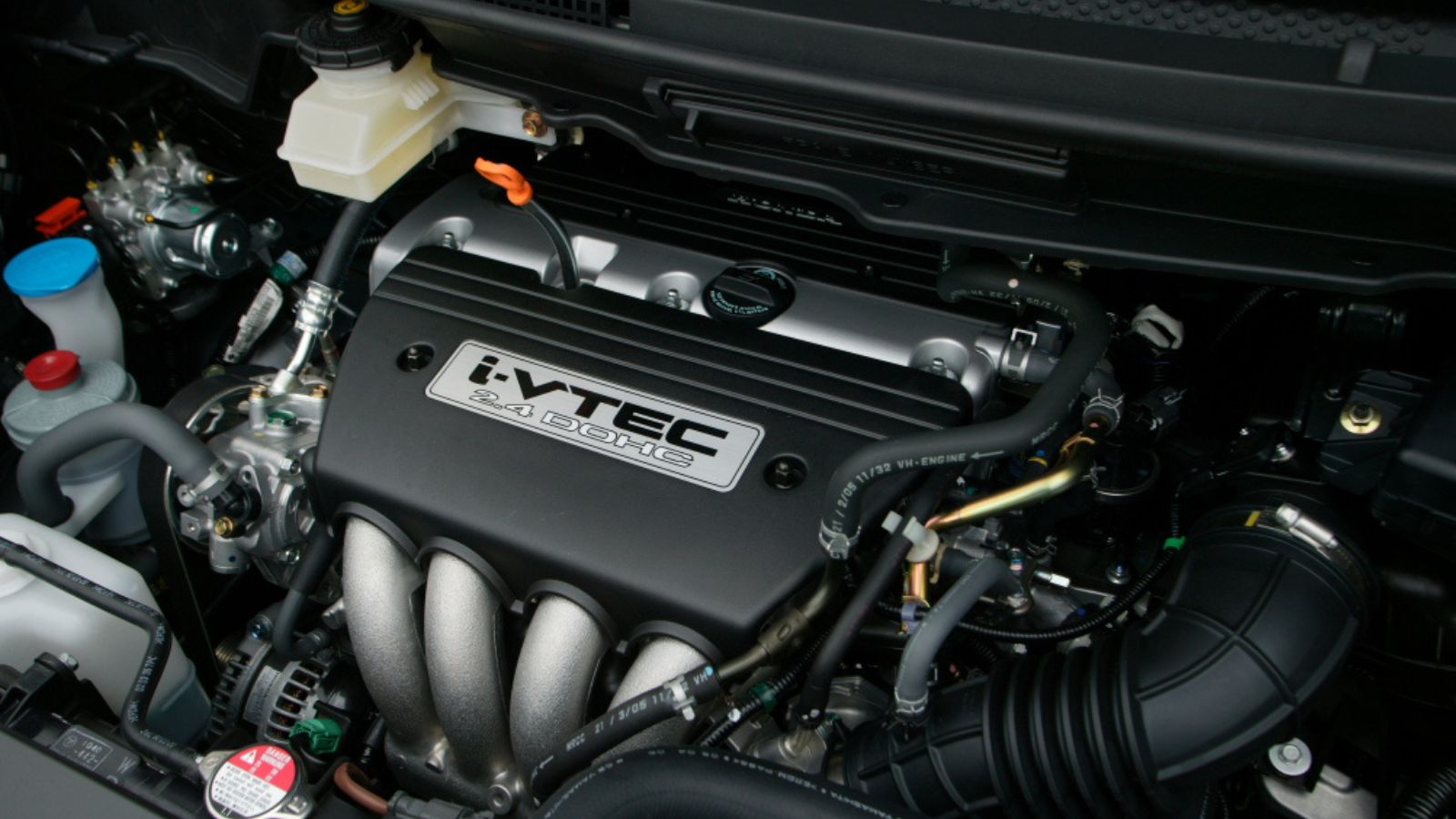
A cold engine is not operating at its most efficient temperature the moment it starts. Natural Resources Canada says a drop in ambient temperature from 24°C to 7°C can increase fuel consumption on urban commutes by 12% to 28%. The engine, drivetrain, and emissions systems all need time to reach normal operating conditions, so the car can feel more deliberate while that warm-up is happening.
The temptation is to let the vehicle idle in the driveway until everything feels normal, but that is generally inefficient. Natural Resources Canada says idling for more than about 30 seconds provides no vehicle benefit in ordinary conditions, while driving gently warms the engine, drivetrain, and cabin more effectively. In practice, that means the first few kilometres may sound or feel different without indicating trouble. Smooth acceleration and moderate load give the systems time to stabilize while avoiding unnecessary fuel use and extended cold-idle time.
The Transmission May Deliberately Shift Differently
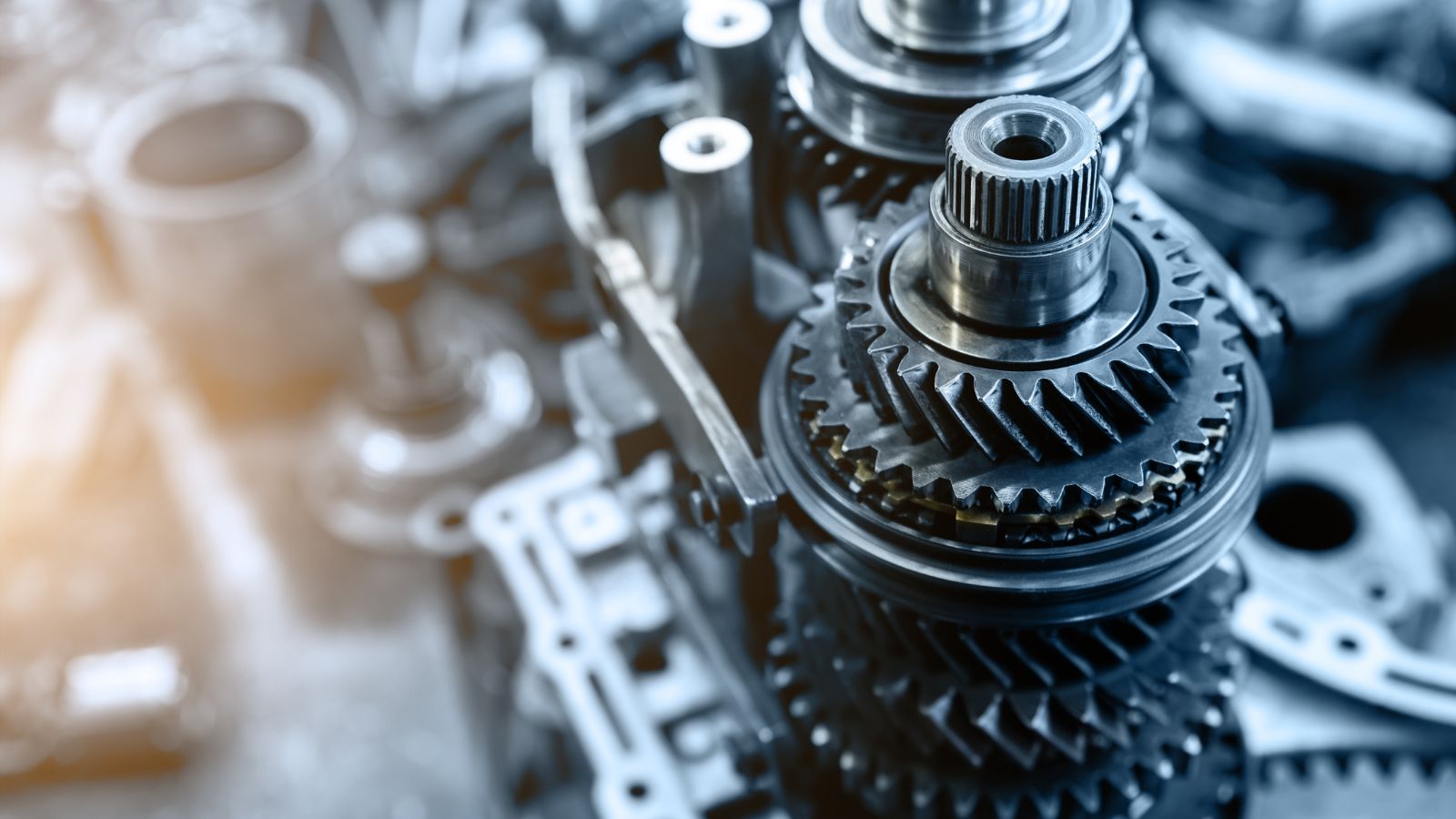
Automatic transmissions can behave differently when their fluid and internal components are cold. This is not just driver imagination. Stellantis owner information for some Ram vehicles states that transmission operation may be modified according to engine temperature, transmission temperature, and vehicle speed, with normal operation returning once the fluid reaches a suitable temperature. Some calibrations even delay torque-converter lockup or certain higher gears during warm-up.
The result can be a vehicle that holds a gear longer, runs at a higher engine speed, or seems noticeably less eager to settle into its usual low-rpm cruise. The exact behaviour varies by transmission design, so it should not be treated as universal. What matters is whether the change is temporary and consistent with cold starts. A transmission that bangs into gear, slips, triggers a warning message, or continues shifting abnormally after it is warm should not be dismissed as a September temperature quirk.
A Weak Battery Suddenly Becomes Easier to Notice
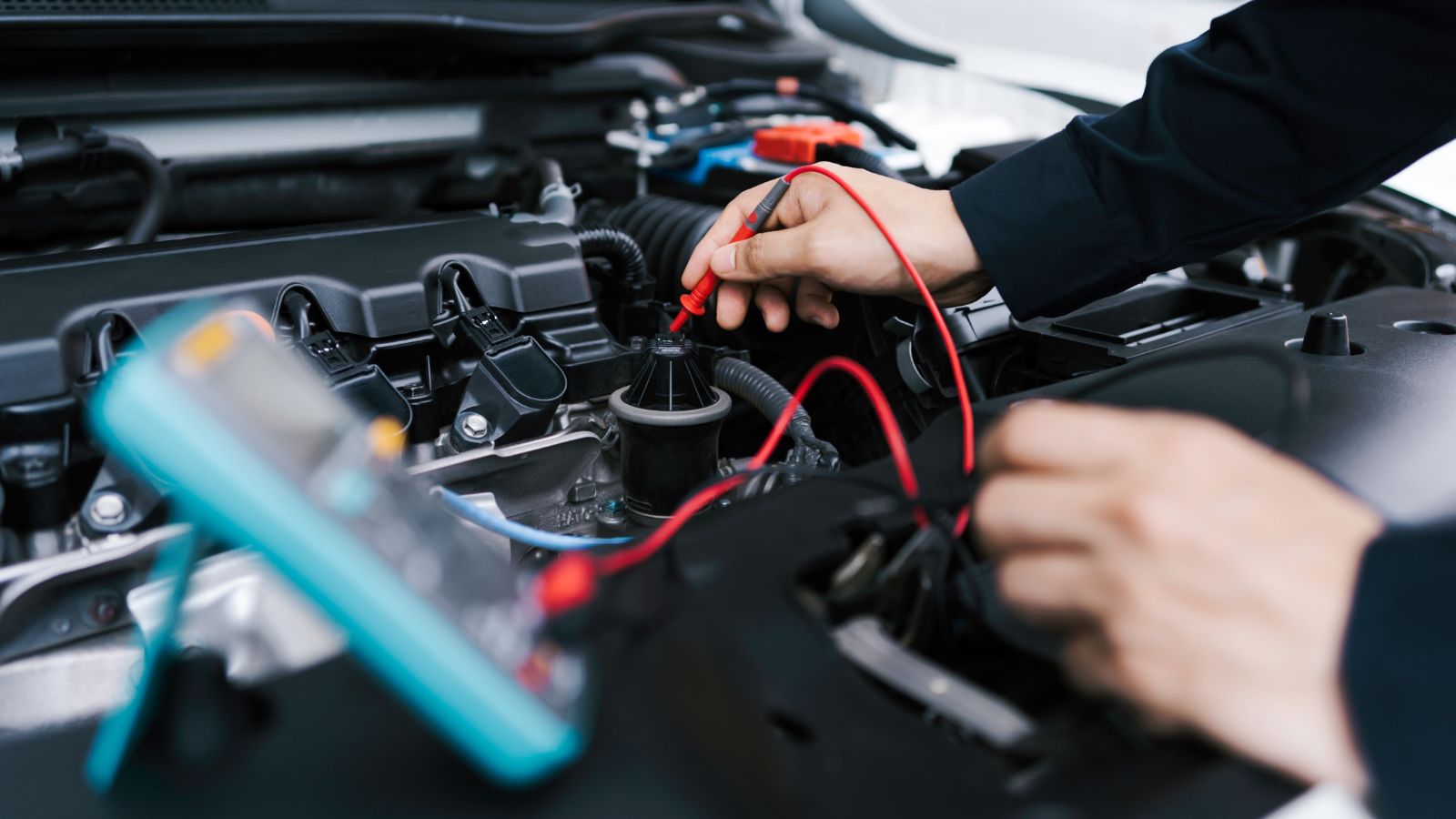
Cold weather is often when an aging 12-volt battery starts revealing weakness that was easy to miss in summer. CAA notes that batteries work harder in cold temperatures and that units in roughly the three-to-five-year range become increasingly vulnerable to failure. Lower temperatures slow the chemical reactions that produce electrical power just as the engine requires more effort to crank.
The driver may first notice a starter that turns more slowly, interior lights that dim more than usual during cranking, or a start that takes an extra second longer. Those signs are especially useful because they can appear before the battery fails completely. September’s first cold mornings may therefore expose a battery that seemed perfectly healthy in August. If starting becomes progressively slower rather than simply different for one cool morning, a battery and charging-system test is more useful than waiting for the first no-start on a much colder day.
The Brakes Can Sound Different for the First Few Stops

Cool, damp mornings can also change the first brake application of the day. Moisture on exposed iron brake rotors can create a film of surface rust while a vehicle sits, and brake specialists and motoring organizations note that this can cause temporary squeaking or light grinding when the car first moves. The sound often disappears after a few normal stops as the pads clean the rotor surfaces.
That brief noise is different from persistent grinding. AAA notes that ongoing grinding can indicate worn brake pads and metal-to-metal contact, while morning moisture can produce a temporary squeak. That distinction matters because September often brings overnight temperature swings and heavier morning condensation in many regions. If the noise clears quickly and braking remains smooth, the cause may be harmless surface moisture. If it continues, grows louder, causes pulling, or is accompanied by pedal vibration, it deserves inspection rather than a seasonal explanation.
Defrosting Adds Loads That Were Missing All Summer
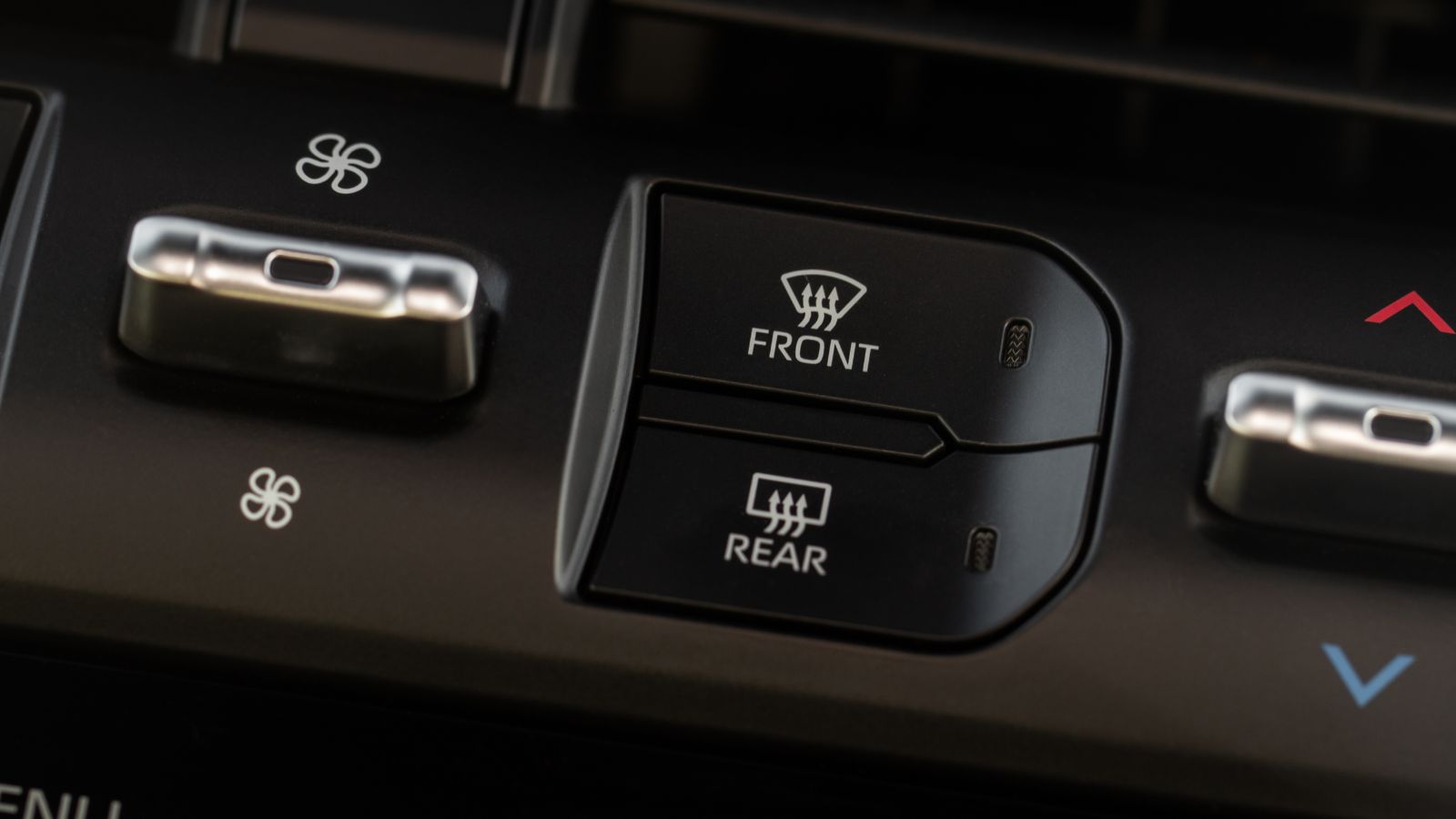
A cold, damp September morning usually brings another change: the climate-control system suddenly has more work to do. Natural Resources Canada notes that the windshield-defrost setting may automatically engage the air-conditioning system because the A/C helps remove moisture from cabin air. At the same time, blower motors, heated seats, mirrors, lights, and other electrical accessories can all add demand.
In a gasoline vehicle, those loads ultimately come from the engine through the charging system, so the engine note or idle behaviour may change slightly when major accessories switch on. In an EV, the same comfort systems draw energy from the traction battery instead. A car that feels completely normal with the climate system off can therefore seem busier once defrost, rear-window heat, seat heaters, and headlights all come on together. September is often the first month when drivers use several of those systems simultaneously after many months of warm-weather driving.
The TPMS Light May Suddenly Appear in the Morning
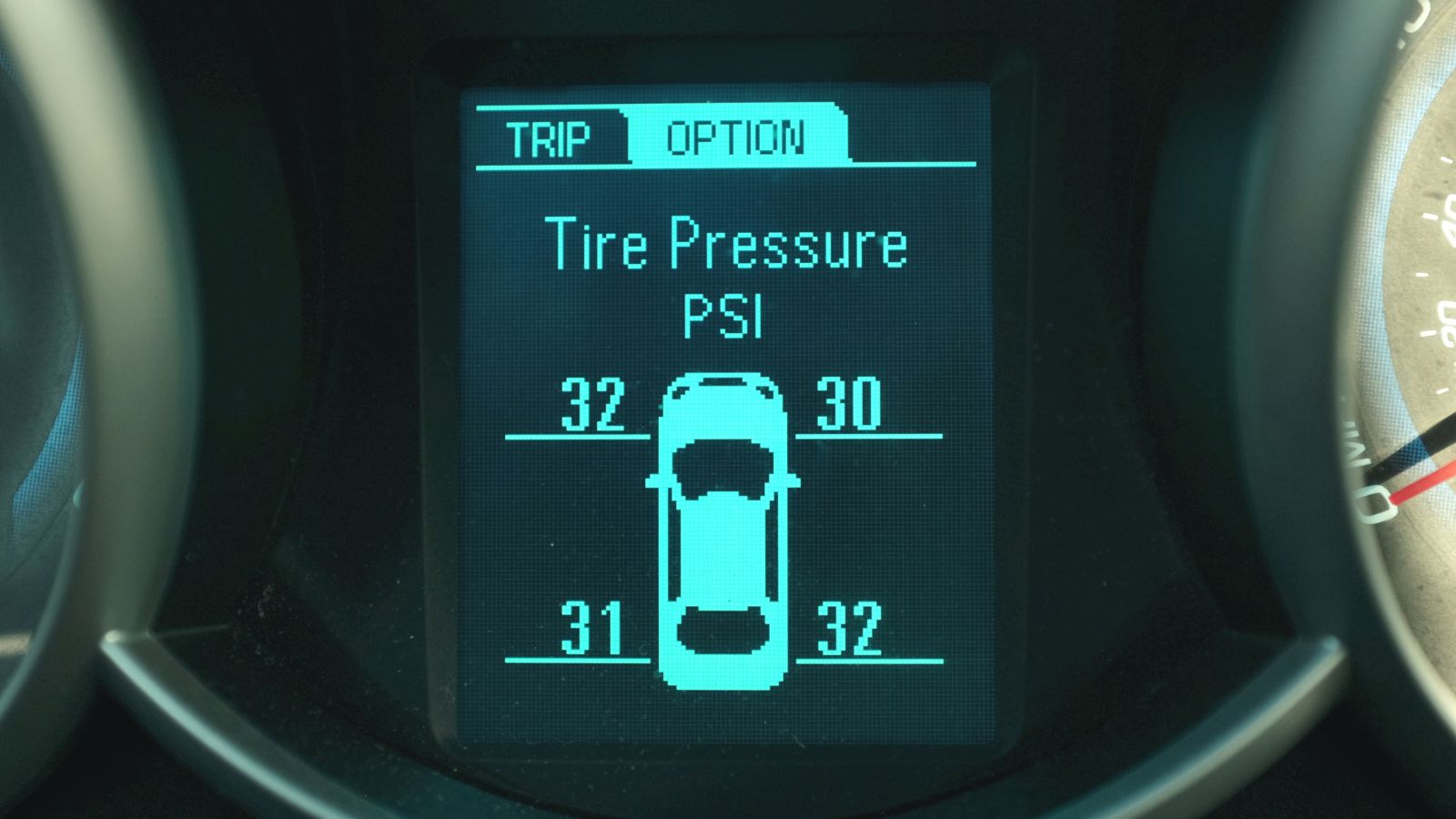
One of the clearest cold-morning clues may appear on the dashboard rather than through the steering wheel. The U.S. National Highway Traffic Safety Administration says a tire-pressure monitoring system warning can illuminate on a cold morning when a marginally low tire drops below the system’s threshold, then switch off later as the tire warms and pressure rises.
That disappearing light should not be treated as proof that everything is fine. NHTSA recommends checking the tires because the warning usually means at least one was significantly underinflated at some point. This is especially relevant during the first big temperature swings of autumn, when a tire that was already a little low can cross the warning threshold overnight. A quick manual gauge check when the tires are cold is more meaningful than waiting for the warning to disappear after several kilometres of driving and tire heating. That simple check can prevent guesswork.
Short Commutes Magnify the Cold-Start Feeling
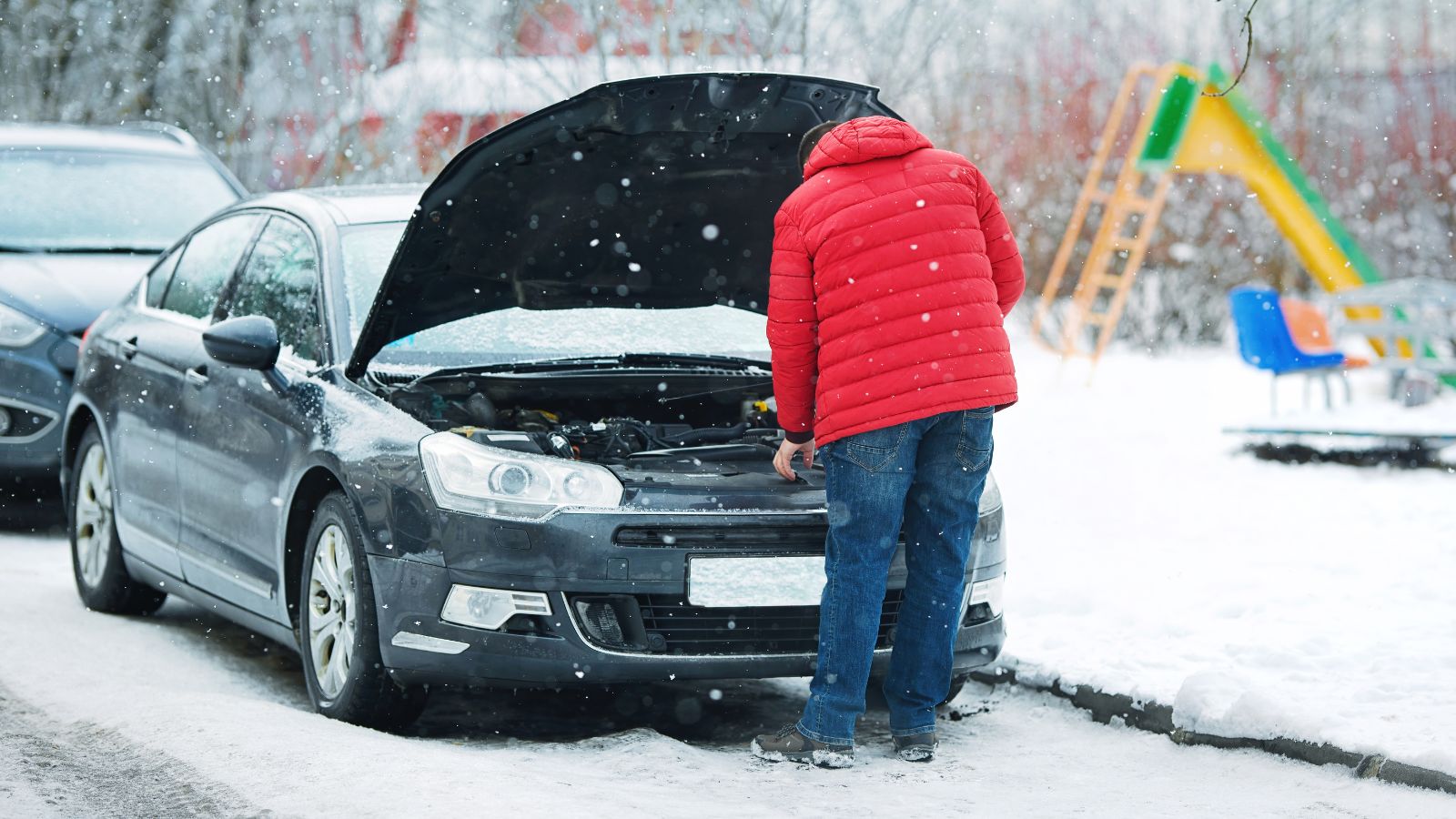
Short commutes make cold-weather differences more noticeable because a larger share of the trip happens before the vehicle reaches operating temperatures. The U.S. Department of Energy and Environmental Protection Agency fuel-economy site says cold-weather fuel economy losses are greater on short trips, partly because engine oil and drivetrain fluids create more friction while cold and the engine takes longer to reach its most efficient temperature.
That means a ten-minute September commute can feel unlike a forty-minute drive later in the day. The transmission may spend more of the trip in its warm-up strategy, the engine may never fully settle into its operating rhythm, and the heater or defroster may remain loaded the entire time. The difference does not mean short trips are harmful by themselves, but repeated cold starts make seasonal changes much easier to notice. Combining errands can reduce the number of cold-start cycles and the associated fuel penalty.
Hybrids and EVs Can Change Their Regenerative Braking
Hybrids and battery-electric vehicles can have their own version of the cold-morning personality change. Battery chemistry is temperature-sensitive, and manufacturers may temporarily limit some functions until the high-voltage pack warms. Tesla, for example, states that regenerative braking, acceleration, and charging rates can be limited when the battery is cold. Hyundai similarly notes that regenerative braking can be restricted when battery temperature is too low or too high.
That can make deceleration feel different when lifting off the accelerator, especially in vehicles where drivers are accustomed to strong one-pedal braking. Some EVs also offer dedicated battery preconditioning specifically to improve cold-weather driving or charging performance. The effect can occur before deep winter arrives because the system responds to battery temperature, not the calendar. Drivers should rely on their own vehicle’s specific indicators and owner’s manual, since the amount of reduced regeneration or power varies considerably by model, conditions, and battery-management strategy.
Cold Weather Can Expose Problems That Were Already Developing
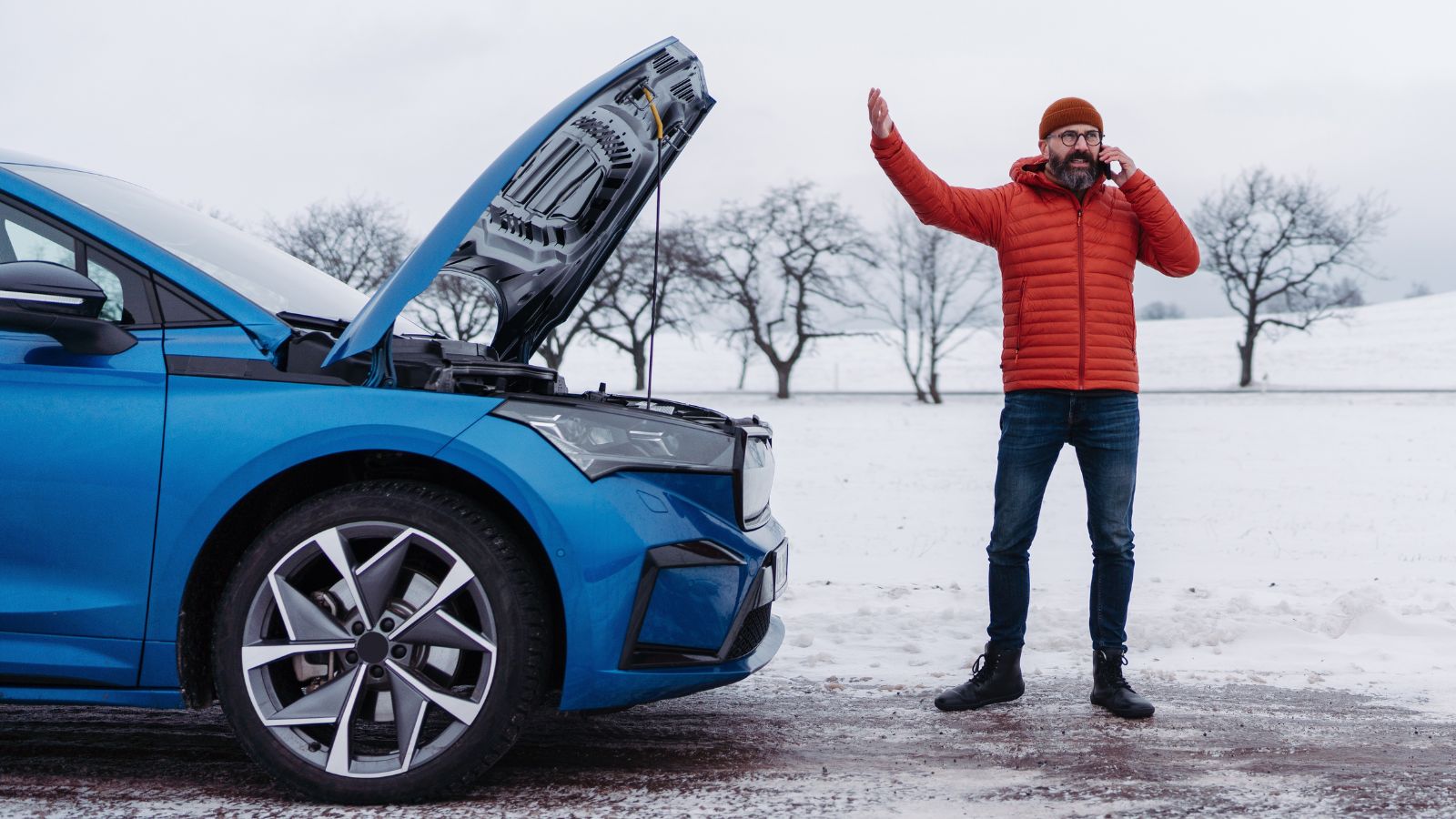
Most temperature-related changes share one reassuring characteristic: they become less noticeable as the vehicle warms or after pressures are corrected. Tire feel improves as pressure and temperature stabilize, transmissions return to their normal schedules, light rotor rust is scrubbed away, and cold batteries recover some performance. That temporary pattern is what separates many ordinary autumn effects from a developing mechanical problem.
Persistent symptoms deserve a different response. A TPMS warning that keeps returning, a starter that gets slower every morning, grinding brakes that do not quiet down, warning lights, rough running, or transmission problems after full warm-up are not things to explain away with cold weather. CAA, NHTSA, and AAA all emphasize inspection when warning signs persist or safety-related systems are involved. September’s first chilly mornings can therefore be useful: they do not just change how a car feels—they can also expose weaknesses before winter makes them harder to ignore.
19 Used Cars Canadians Should Avoid in 2026 (Based on Owner Complaints)

Buying a used car in Canada can feel safe until repair bills start stacking up. Owner complaints tell a different story than glossy listings. Transmission failures, electrical problems, and weak winter reliability show up again and again in consumer reports. Many of these issues appear after warranties expire, when owners least expect them. Some vehicles look affordable upfront, but become expensive to keep on the road. Others struggle in cold weather, urban driving, or long highway commutes. Here are 19 used cars Canadians should avoid in 2026 (based on owner complaints).
19 Used Cars Canadians Should Avoid in 2026 (Based on Owner Complaints)

Alanna Rosen is an experienced content writer that focuses on many EV and educational content. Her articles are regularly published on Get CyberTrucked and syndicated on large publications.