
Most drivers only think about oil when mileage goes up. If a car barely moves, the oil must still be good, right? That sounds logical, but engines don’t work that way. Oil isn’t just lubrication. It cleans, cools, protects against corrosion, neutralizes chemical contaminants, and creates a barrier between metal surfaces. When a car sits unused for long periods, the oil inside slowly loses the ability to do those jobs — even if the odometer hasn’t changed by a single kilometer. Understanding what happens to oil in a parked vehicle is the difference between an engine that lasts and one that wears out quietly.
Oil Breaks Down Over Time Even Without Mileage
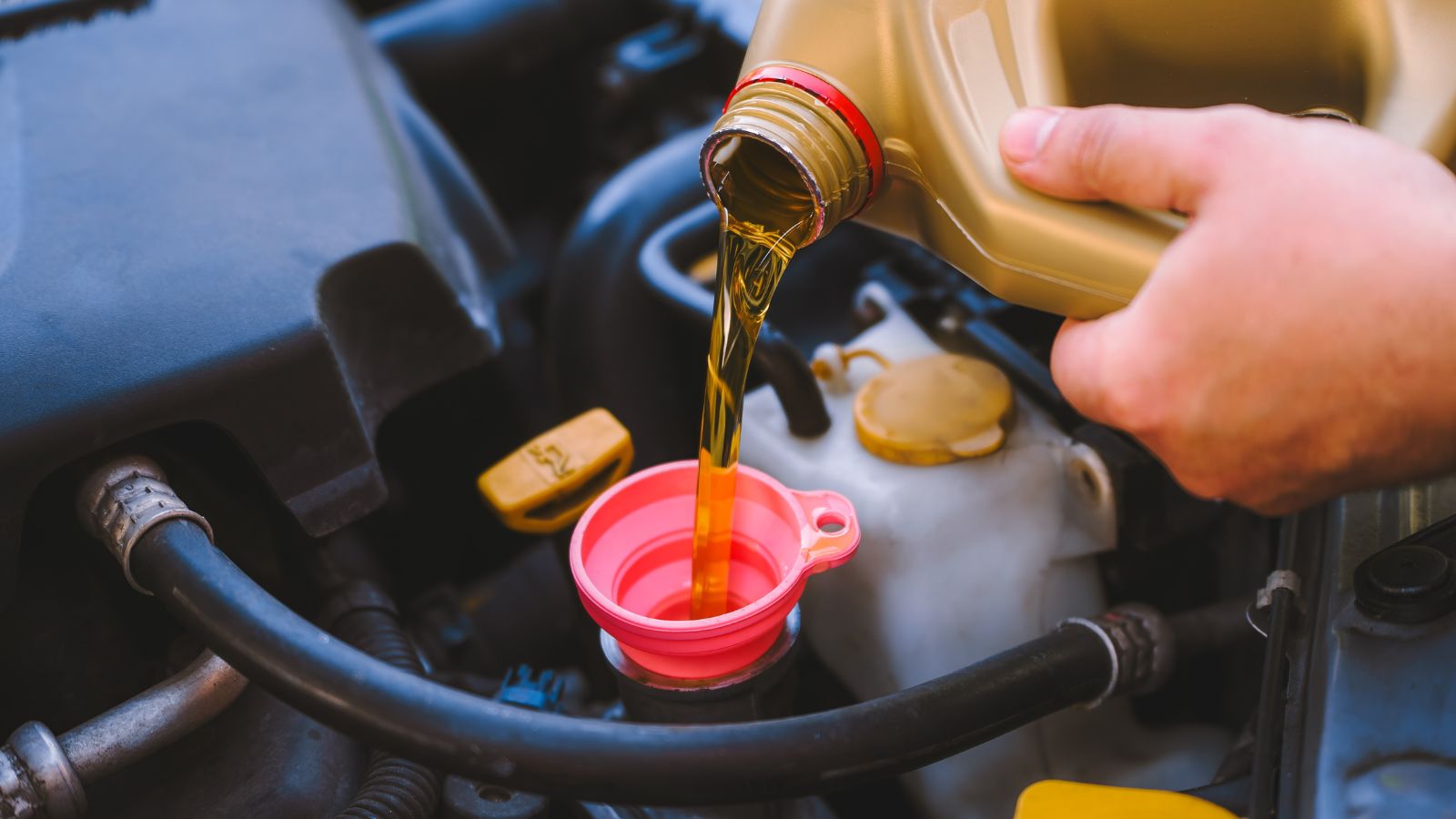
People assume oil ages only through driving, but chemical aging happens even when the engine is not running. Oil contains additives that fight oxidation, moisture, sludge formation, and acid buildup. Those additives weaken month after month, whether the car is moving or not. Air and moisture seep into the crankcase and slowly attack oil molecules. If a car sits long enough, the oil can lose its protective qualities long before the mileage says it should be changed.
Short Trips Made Before Parking Make Oil Degrade Faster

Short drives never bring the engine up to full temperature. That means moisture and fuel vapors stay inside the crankcase instead of burning off. If the last month of driving was full of ten minute errands instead of longer highway stretches, the oil was already contaminated when the car was parked. When that oil sits untouched for weeks or months, its chemical balance collapses faster, creating the perfect environment for rust and sludge to form inside the engine.
Moisture Is the Silent Killer
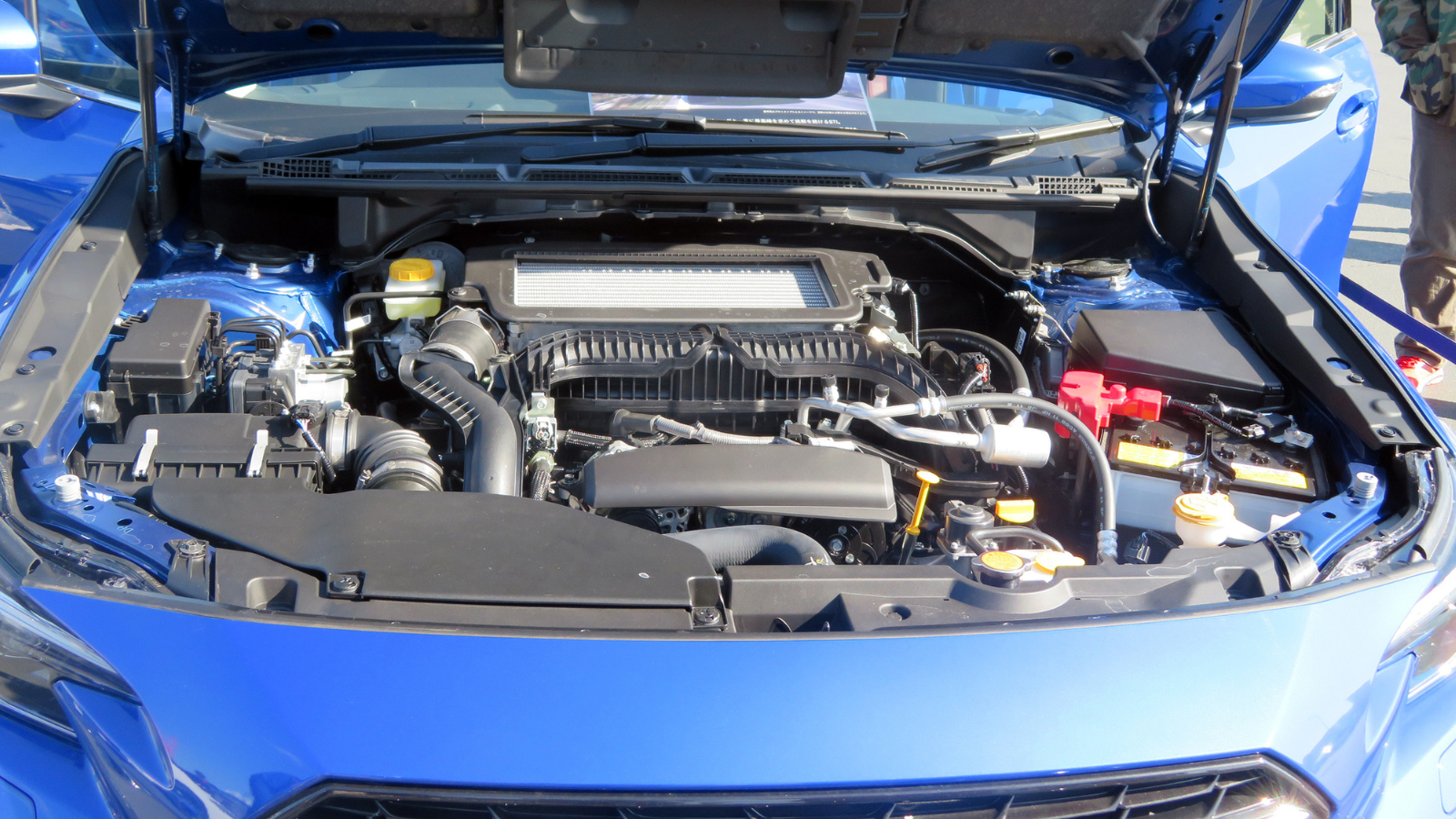
Humidity enters every engine naturally. When a car sits, condensation collects on internal parts and drips into the oil. Over time that moisture reacts with combustion byproducts and becomes acidic. Acids slowly attack the thin oil film that protects metal and the metal itself. The result doesn’t appear overnight, but months later a cold start may trigger a harsh scraping noise or low oil pressure warning. Drivers blame the season or the battery, never realizing the real culprit is stale oil.
Cold Weather Speeds Up Oil Degradation

Parked cars suffer the most during winter because oil thickens in low temperatures and moisture content rises. When temperatures jump above freezing during the day and plunge at night, condensation repeatedly forms inside the crankcase. That water mixes with oil and deteriorates protective additives. On the next startup, the engine momentarily runs with thick, weakened oil that can’t protect fast enough. Winter storage without fresh oil is one of the quietest ways to shorten engine life.
Warm Weather Isn’t Innocent Either
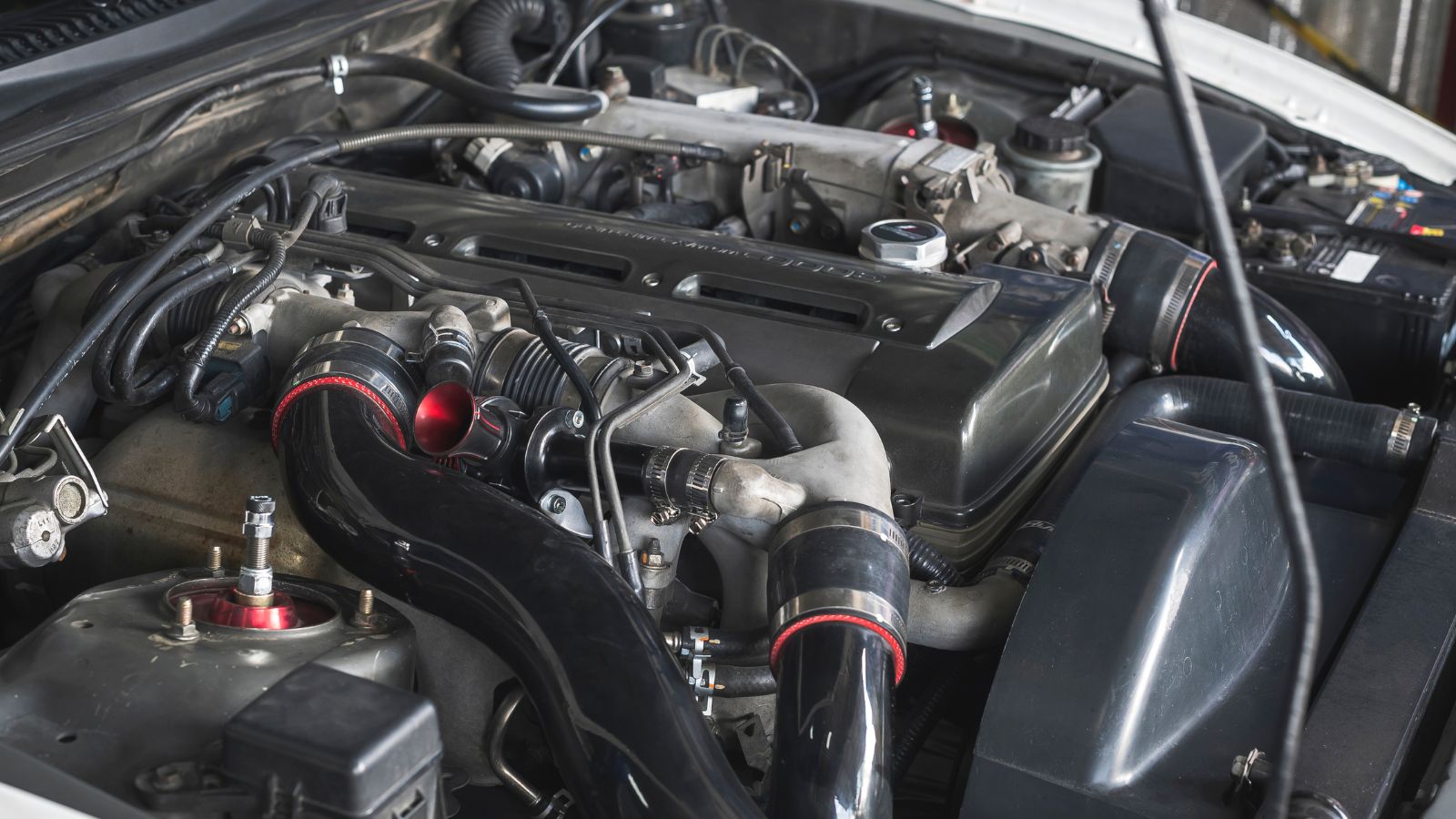
Heat accelerates chemical oxidation. Oil sitting inside a very hot garage or under constant direct sunlight ages faster than oil inside a climate controlled space. Heat also increases evaporation of lighter oil components, concentrating the heavier portion that builds sludge. Drivers who store cars through summer often think heat is harmless because engines run hot anyway, but static heat without circulation actually degrades additives more quickly.
Mileage Doesn’t Tell the Whole Story
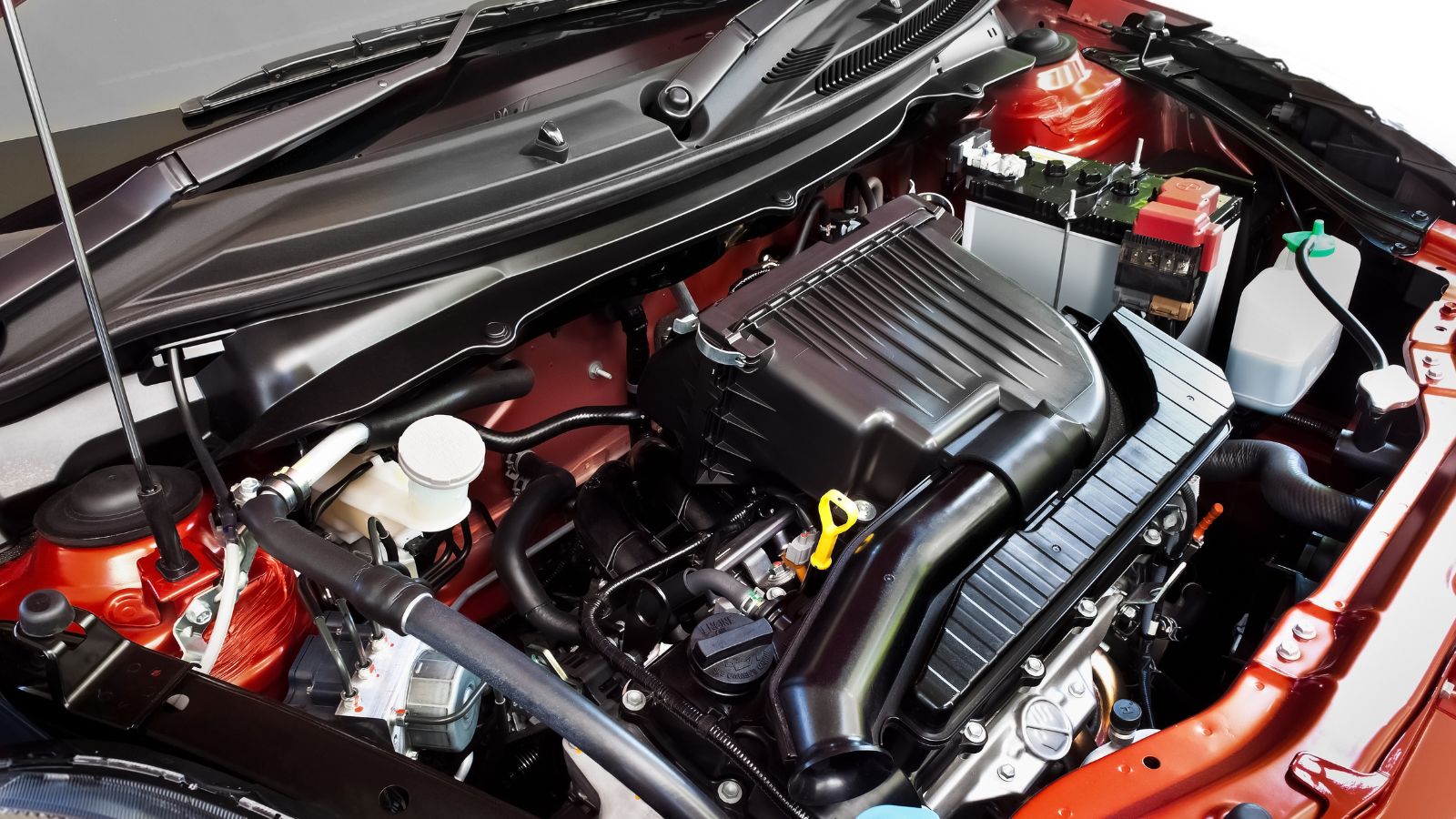
Some low mileage vehicles develop engine issues sooner than high mileage ones. That is because cars that sit for long stretches suffer chemical breakdown while engines that run consistently distribute fresh oil and burn off moisture. A vehicle that traveled five thousand kilometers on steady highway trips often has healthier oil than a car that traveled five hundred kilometers in short winter bursts and then sat for months. “Low mileage” does not automatically equal “low wear.”
How Long Can Oil Realistically Sit?
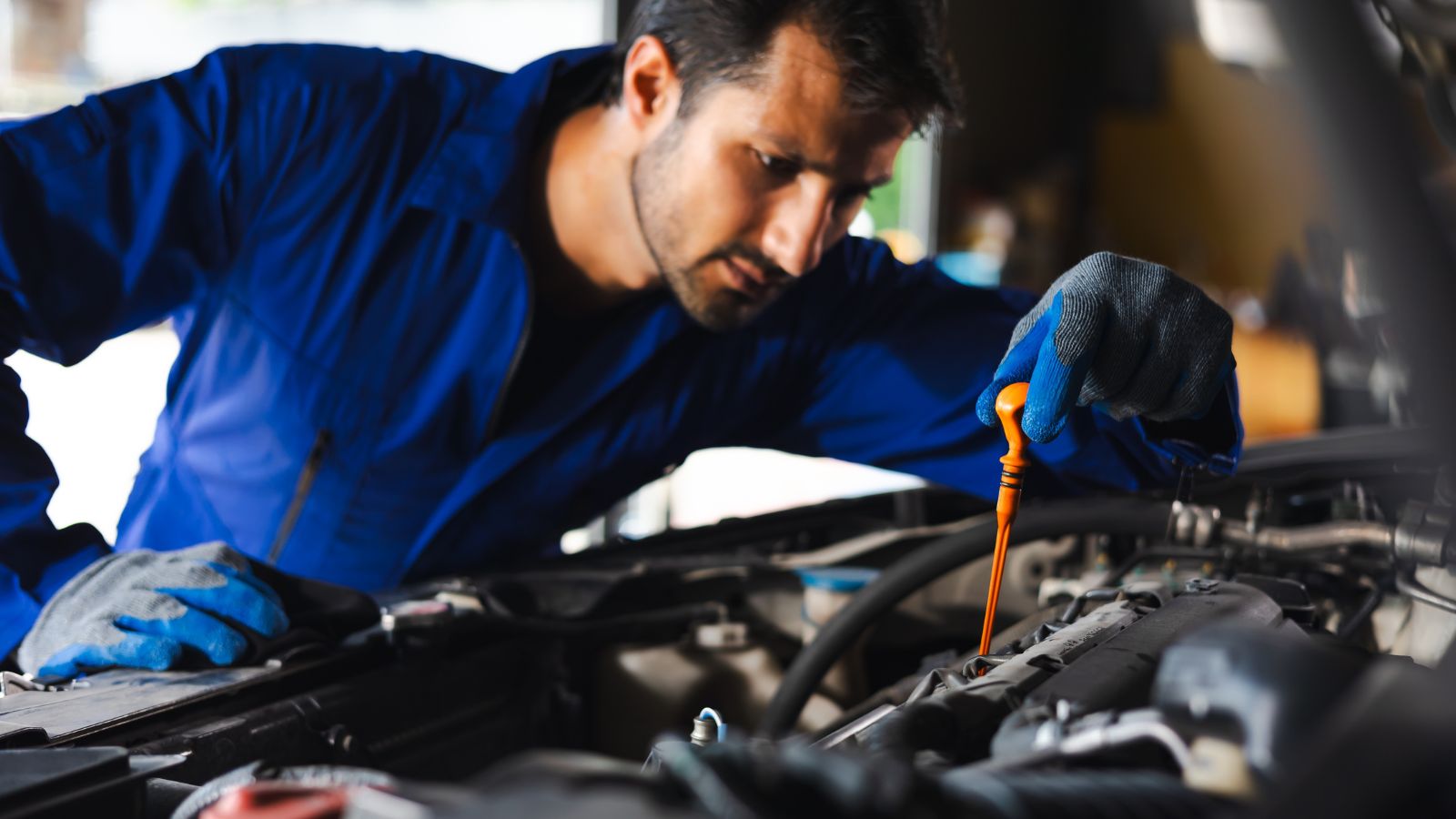
For a regularly driven vehicle, oil changes based on time are just as important as mileage. Once a year is the upper limit for most cars that sit between drives. Six months is safer for high performance engines, vehicles stored outdoors, or cars used in harsh climates. Fresh oil is much cheaper than camshaft replacements, bearing repairs, or a seized engine. Storage doesn’t ruin oil — long-term storage with old oil does.
The First Start After Long Parking Matters
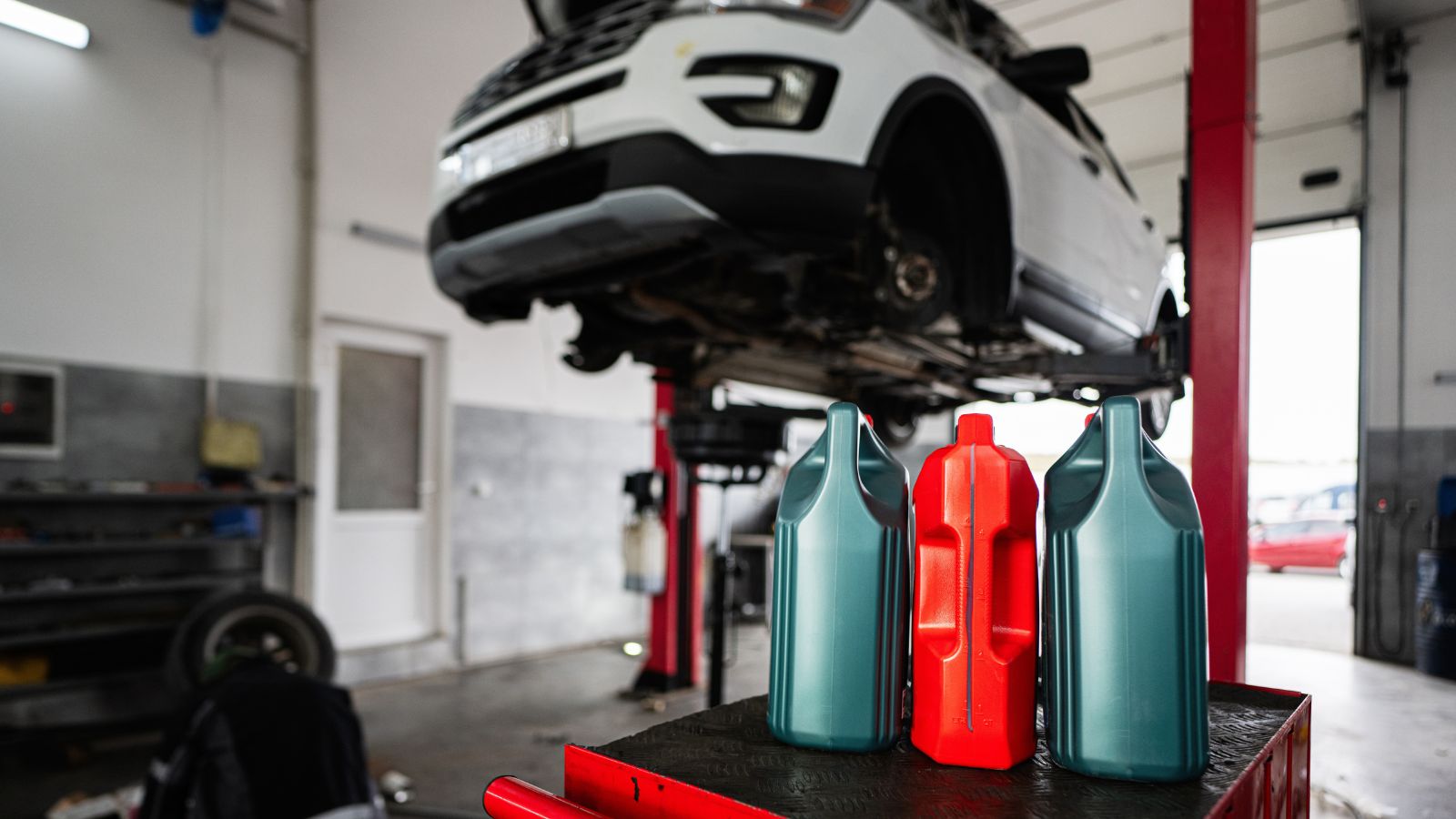
The first ignition after storage is the most important moment. That is when partly degraded oil is forced into full duty instantly. Letting the engine idle briefly and resisting the urge to rev gives the pump enough time to coat all internal surfaces. Drivers who fire up the car and drive aggressively seconds later unknowingly cause the harshest metal contact their engine will ever experience.
Storage Isn’t the Threat — Neglect Is
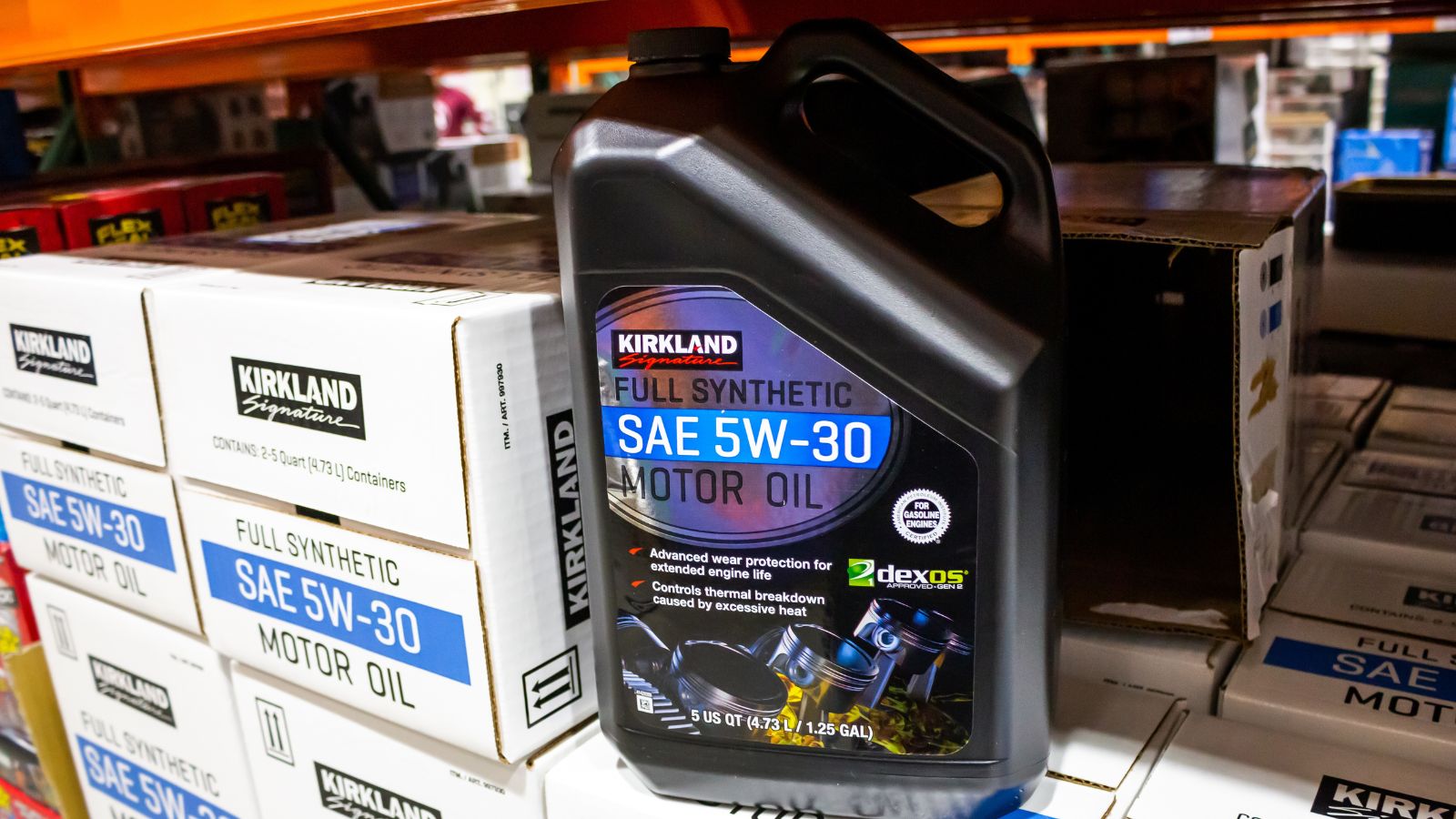
Car enthusiasts who store vehicles properly understand that oil is part of the preparation, not an afterthought. Changing oil before storage protects the engine because fresh oil contains strong additives and fewer contaminants. Even if the car will sit untouched, it is sitting in a healthier chemical environment. Long term inactivity does not destroy engines, but long term inactivity combined with old oil creates the perfect conditions for internal wear.
The Oily Truth
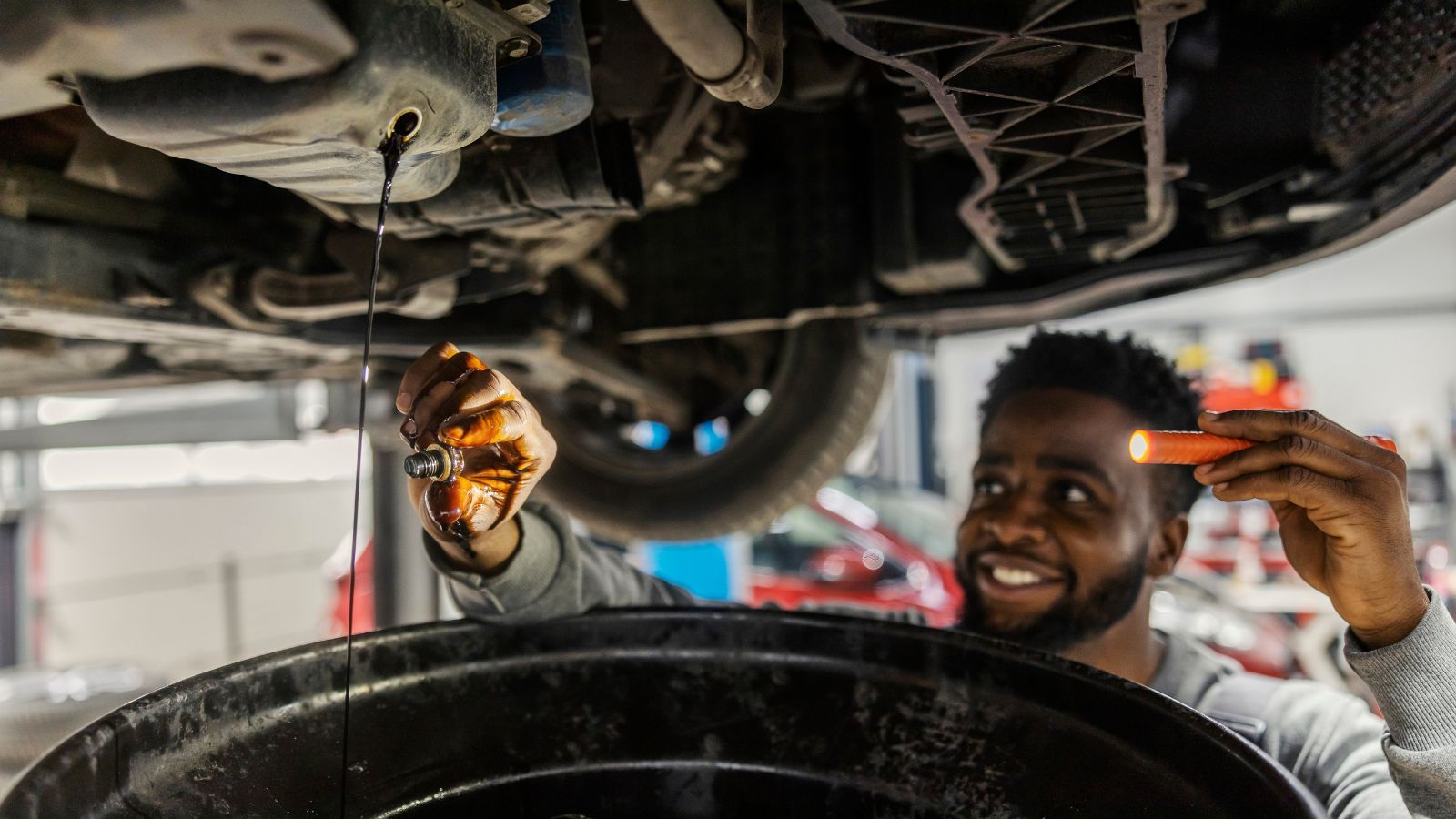
Oil ages with time, not just distance. A car with low mileage can have oil past its protective lifespan, and that weak oil slowly harms the engine without any warning lights or dramatic symptoms. Checking oil regularly and replacing it based on both time and kilometers is the simplest, cheapest way to make an engine last. Cars do not care how often they move. They care how well they are cared for.
25 Facts About Car Loans That Most Drivers Don’t Realize

Car loans are one of the most common ways people fund car purchases. Like any other kind of loan, car loans can have certain features that can be regarded as an advantage or a disadvantage to the borrower. Understanding all essential facts about car loans and how they work to ensure that you get the best deal for your financial situation is essential. Here are 25 shocking facts about car loans that most drivers don’t realize:
25 Facts About Car Loans That Most Drivers Don’t Realize
