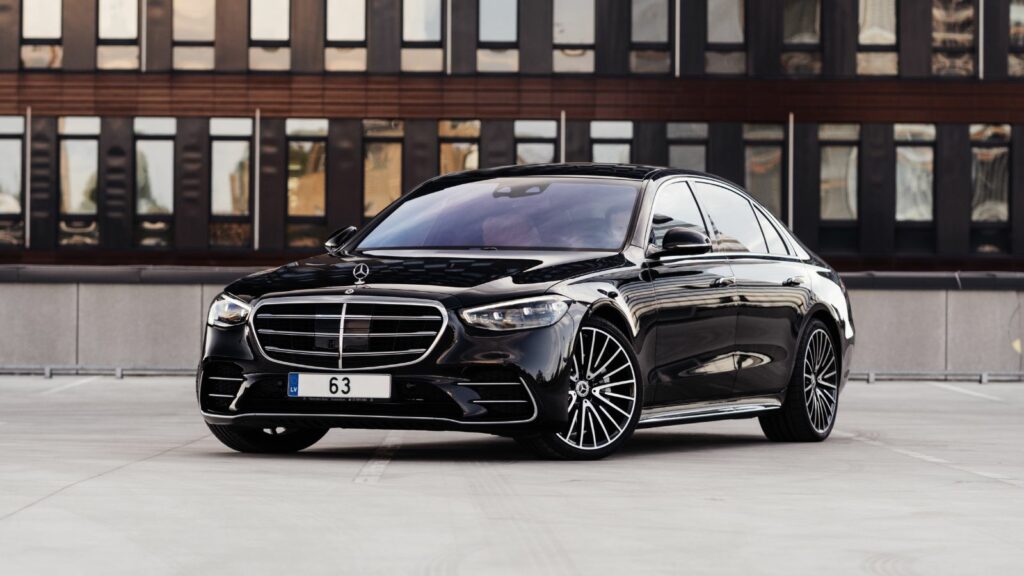
Luxury cars often represent the most complex vehicles on the road. Packed with advanced electronics, high performance engines, and specialized materials, they depend on intricate supply chains that stretch across multiple countries. European luxury brands in particular rely heavily on global logistics networks to move parts and finished vehicles around the world. When supply chains become unstable, these highly engineered cars can sometimes be more vulnerable to delays than simpler vehicles.
Luxury Cars Use Extremely Complex Components
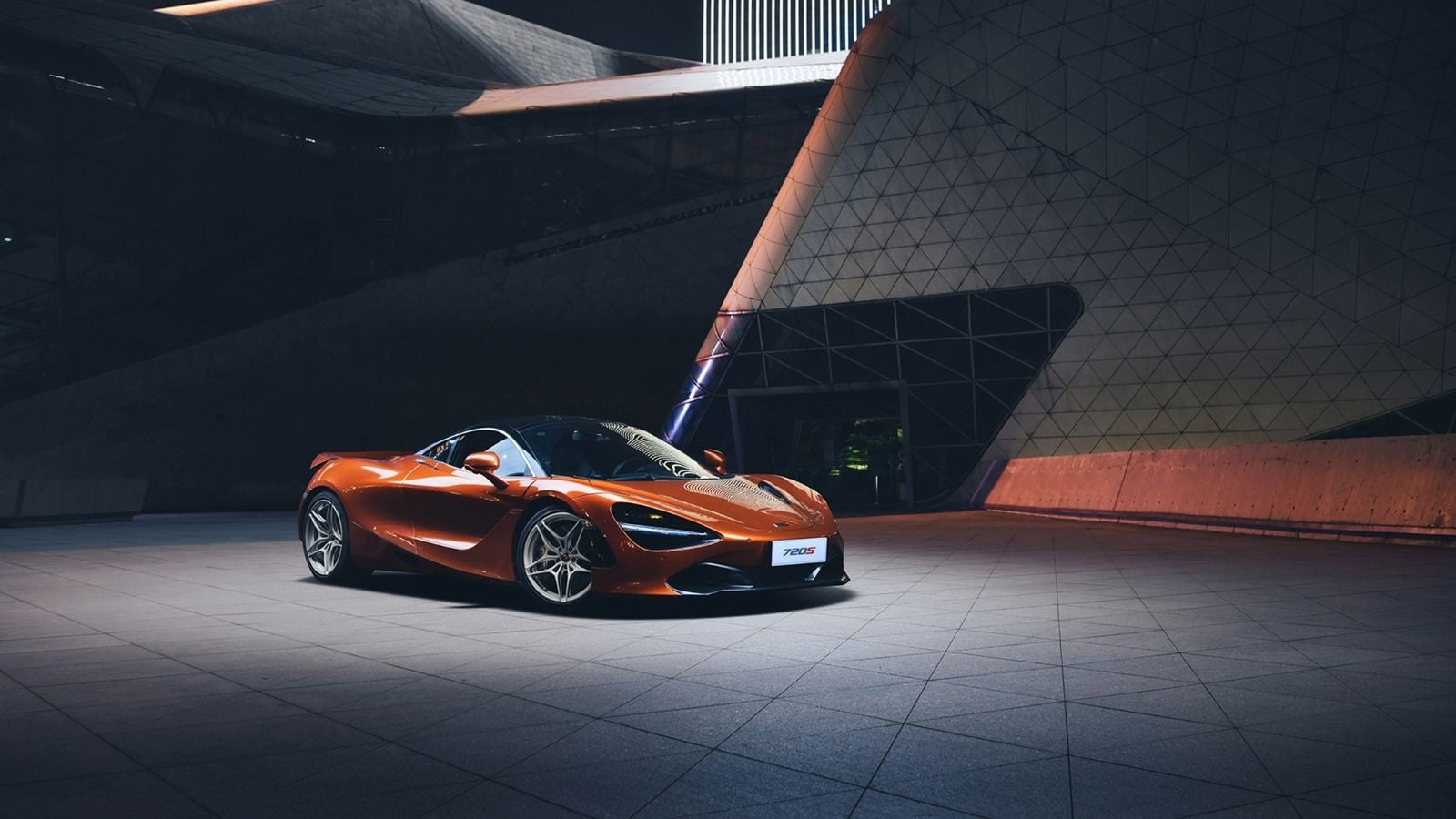
European luxury vehicles often contain far more specialized components than mainstream cars. Advanced driver assistance systems, digital displays, adaptive suspension systems, and performance engines all rely on highly specialized parts.
Many of these components come from niche suppliers located in different countries. When disruptions affect even one of those suppliers, production can slow quickly. The more complex the vehicle, the more potential points of delay exist within the supply chain.
Global Supplier Networks Increase Exposure
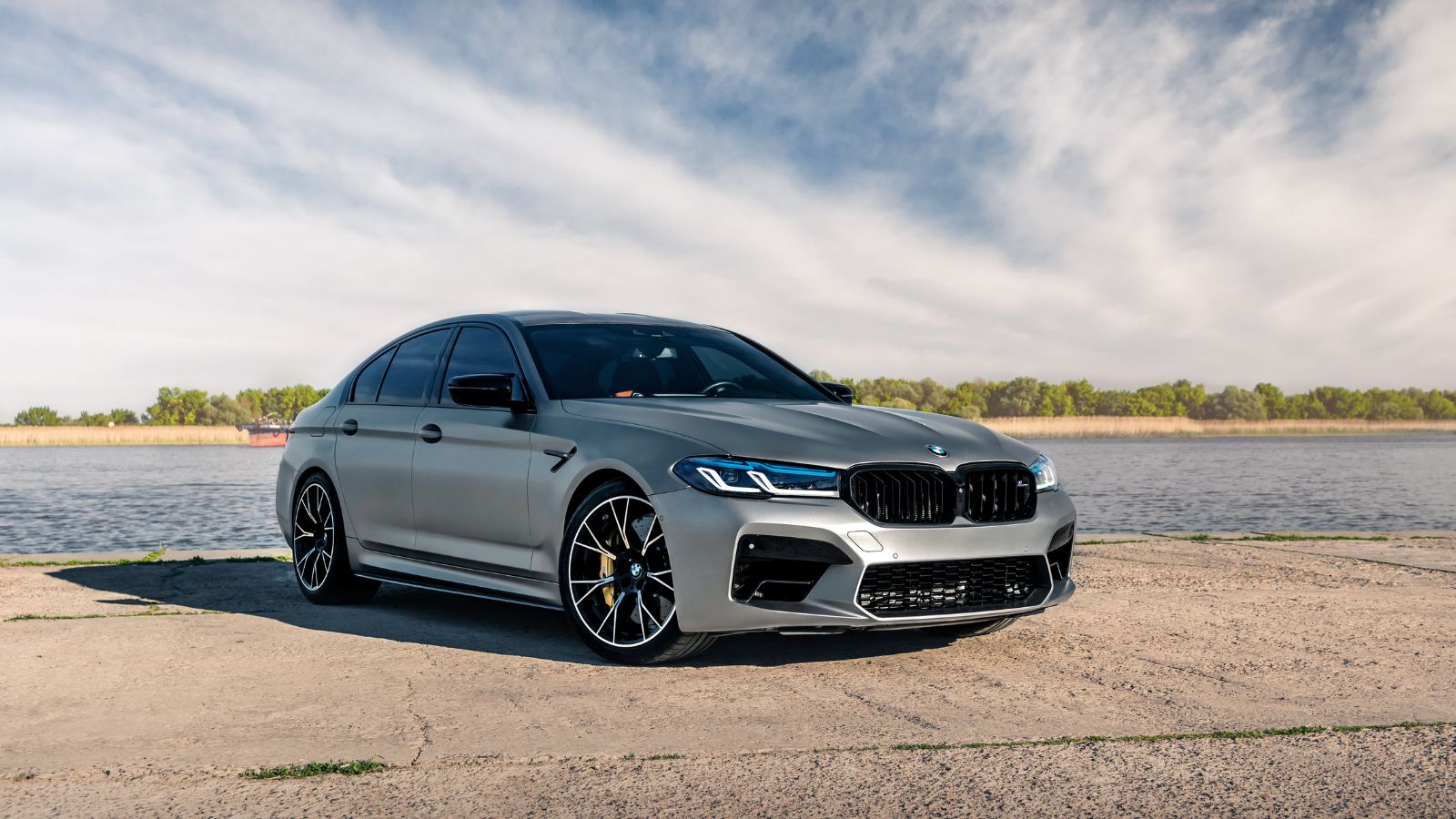
Brands such as BMW, Mercedes Benz, Audi, and Porsche operate within global manufacturing networks. Parts and components often travel between multiple countries before reaching final assembly plants.
For example, electronics may come from one supplier, precision mechanical parts from another, and specialized materials from yet another region. When shipping disruptions, factory shutdowns, or geopolitical tensions affect one part of that network, the entire production schedule can be affected.
Specialized Materials Can Be Difficult to Source
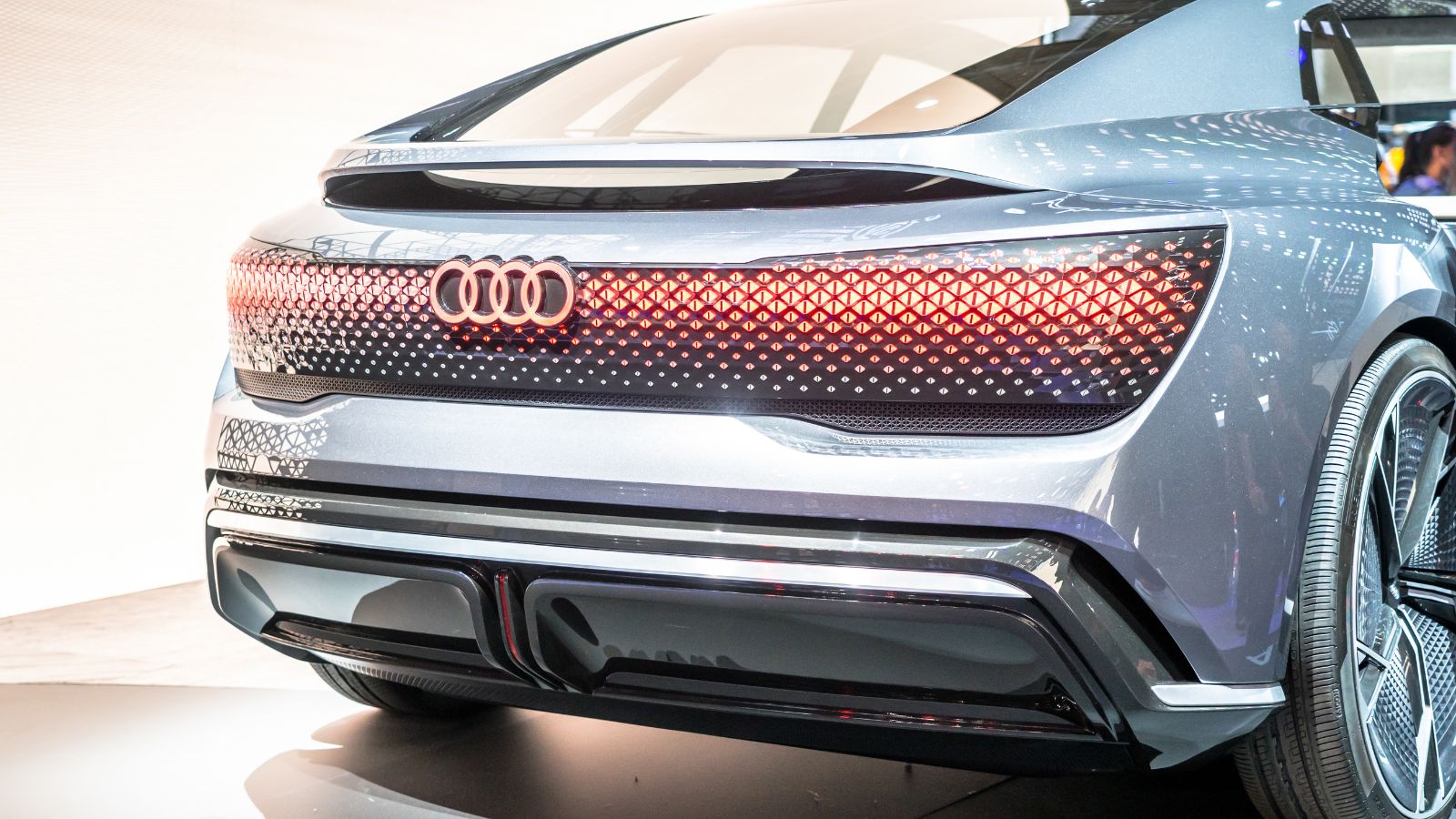
Luxury vehicles frequently use materials that are less common in mainstream vehicles. High grade aluminum, carbon fiber components, and specialized leather interiors often come from limited suppliers.
Because these materials are sourced from specific regions, disruptions in production or transportation can create delays. If a factory cannot obtain a key material, assembly lines may slow until supply resumes.
Customization Adds Another Layer of Complexity
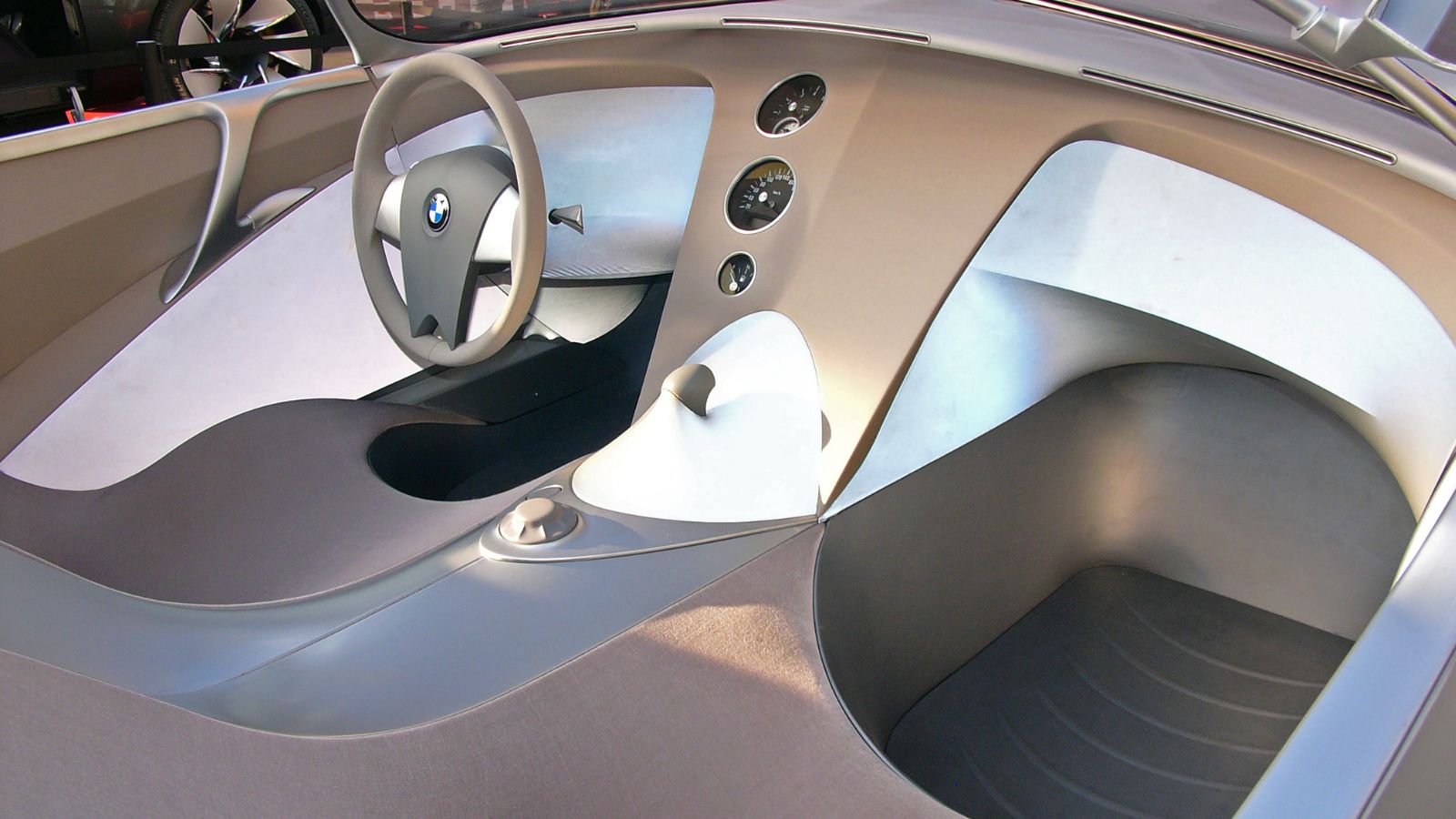
European luxury brands often offer extensive customization options. Buyers can choose unique interior materials, trim packages, and performance upgrades.
While this flexibility appeals to customers, it also complicates manufacturing logistics. Custom configurations require precise coordination between suppliers and factories. When parts arrive late, the build schedule for specific vehicles can be pushed back.
Global Shipping Plays a Major Role
Many European luxury vehicles sold in Canada and the United States are built overseas. Once production is complete, the cars must travel across oceans before reaching North American dealerships.
Shipping disruptions can extend delivery times significantly. Even when vehicles are fully built, they may wait at ports for transport if shipping schedules become congested.
Technology Heavy Vehicles Depend on Electronics
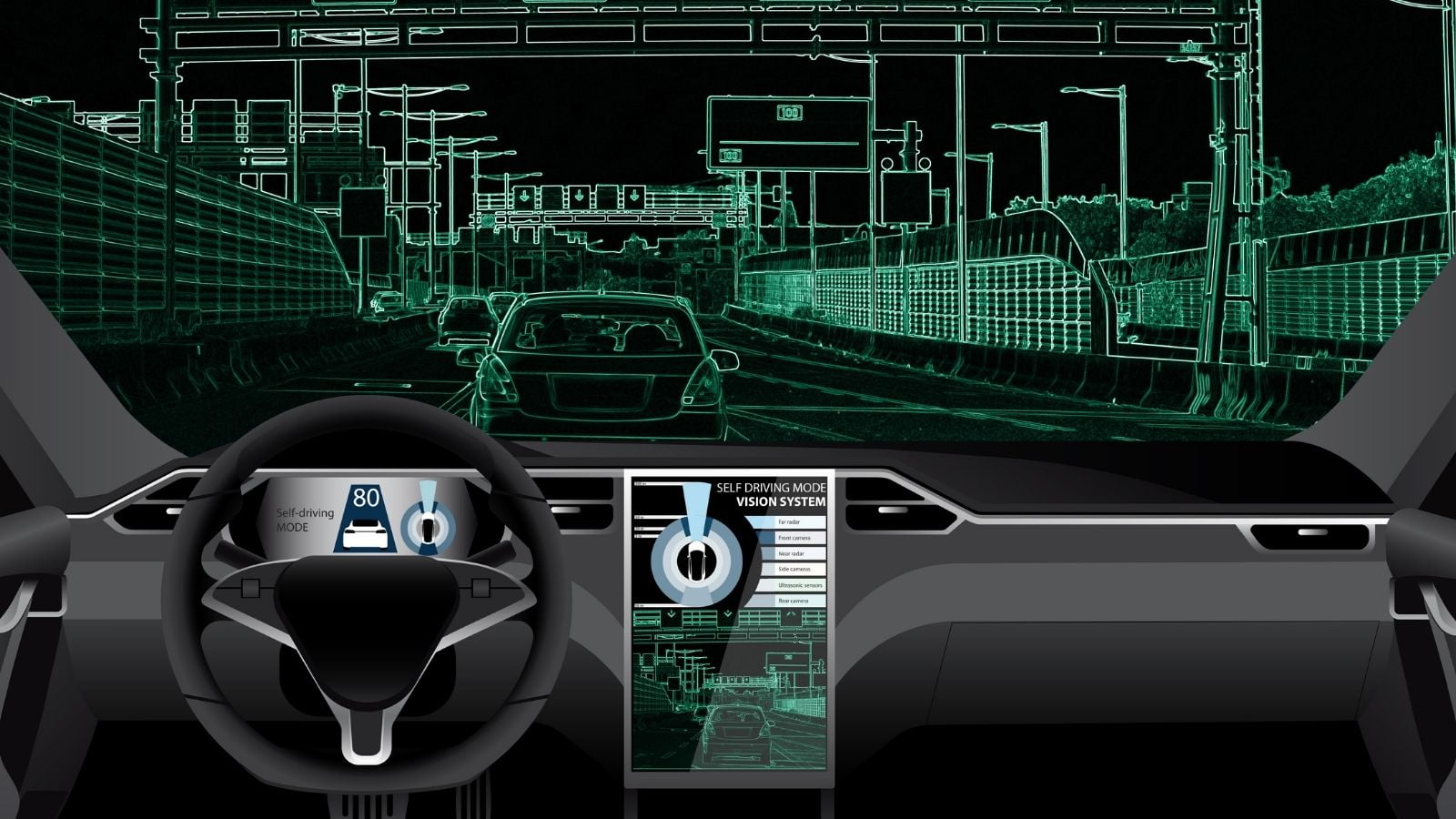
Modern luxury vehicles rely heavily on advanced electronic systems. Large digital dashboards, driver assistance technology, and sophisticated control modules require semiconductors and complex wiring.
Recent global semiconductor shortages demonstrated how sensitive the automotive industry can be to electronics supply disruptions. Luxury vehicles that rely heavily on these systems may face longer delays when shortages occur.
Premium Brands Often Prioritize Quality Over Speed
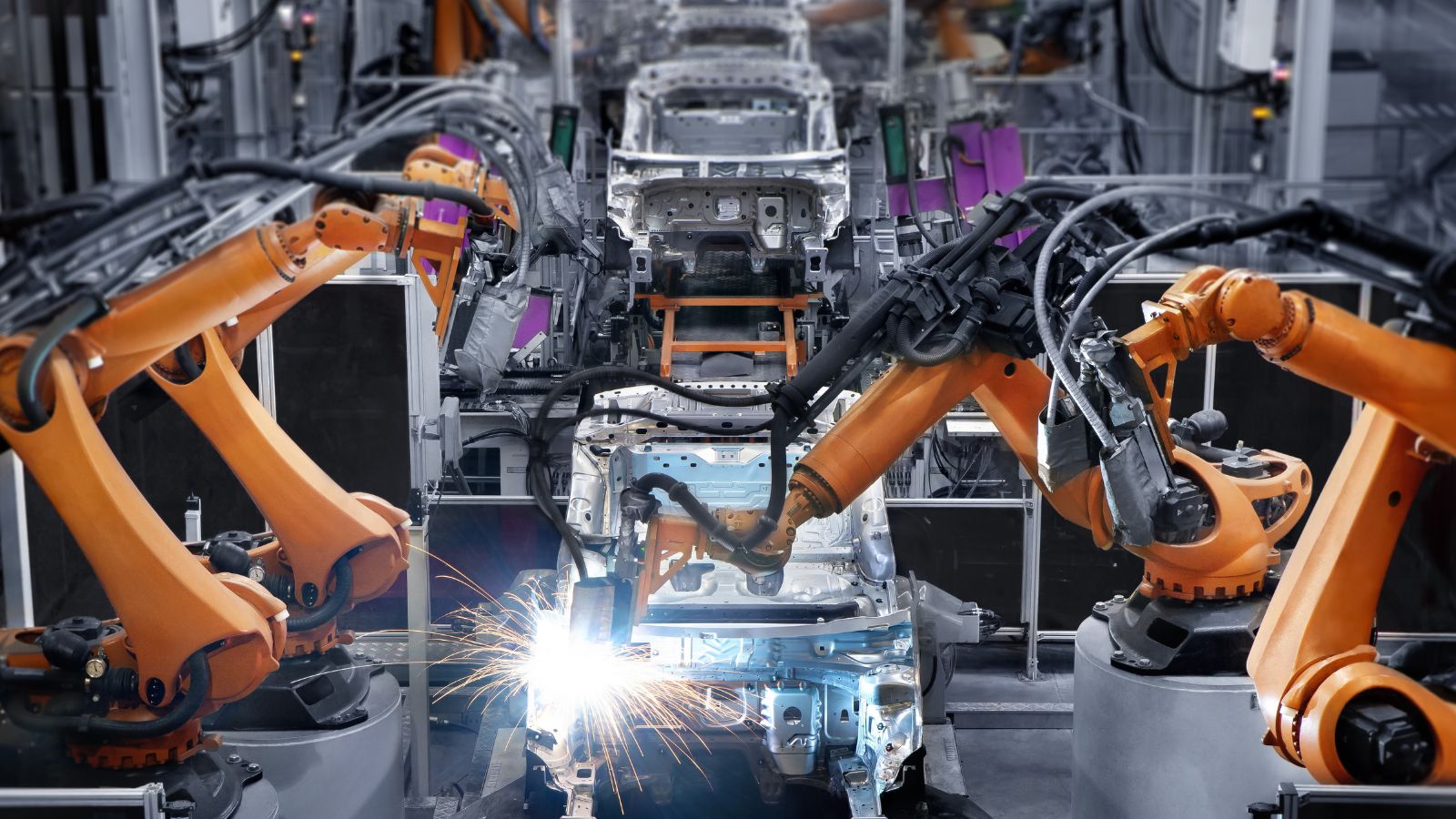
Luxury manufacturers often emphasize quality control and engineering precision. When parts shortages occur, companies may slow production rather than substitute different components.
While this approach helps maintain product standards, it can extend delivery times. Buyers ordering highly customized vehicles may experience particularly long waits.
Demand for Luxury Vehicles Remains Strong

Another factor contributing to delays is strong demand. European luxury brands often experience consistent demand in North American markets.
When supply chains tighten and demand remains strong, waiting lists can develop. Dealers may have fewer vehicles available while customers wait for incoming shipments.
Simpler Vehicles May Recover Faster

Mainstream vehicles often use more standardized components and simpler production processes. When disruptions occur, manufacturers may find alternative suppliers more easily.
Luxury vehicles, by contrast, may depend on specific parts designed for particular models. This specialization can make recovery from supply chain disruptions slower.
In the end, European luxury cars are not uniquely vulnerable to supply chain problems, but their complexity can make them more sensitive to disruptions. The combination of specialized components, global supplier networks, and overseas shipping means that when global logistics become unstable, these sophisticated vehicles can sometimes take longer to reach eager buyers.
25 Facts About Car Loans That Most Drivers Don’t Realize

Car loans are one of the most common ways people fund car purchases. Like any other kind of loan, car loans can have certain features that can be regarded as an advantage or a disadvantage to the borrower. Understanding all essential facts about car loans and how they work to ensure that you get the best deal for your financial situation is essential. Here are 25 shocking facts about car loans that most drivers don’t realize:
25 Facts About Car Loans That Most Drivers Don’t Realize
