
A vehicle can feel like an asset until the loan balance tells a different story. Negative equity happens when the amount owed on a car, truck, or SUV is higher than its current market value, and it has become a more common problem as prices, interest rates, loan terms, and trade-in habits collide. The gap can appear quietly, even when every payment has been made on time.
Twelve factors explain why a vehicle may be worth less than the debt still attached to it, from fast early depreciation and long financing terms to accident history, market swings, add-ons, and insurance limits.
Depreciation Can Move Faster Than the Loan Balance

The first major reason is simple: vehicles usually lose value faster than borrowers build equity. A new vehicle can drop sharply in value soon after purchase, while the loan balance falls slowly at first because each payment also includes interest. That early mismatch is where many owners first become upside down, especially when the vehicle was financed close to the full purchase price.
A practical example is a $45,000 vehicle that loses thousands in market value during its first year while the borrower has mostly covered interest, taxes, and fees. Even without missed payments, the vehicle may be worth less than the payoff amount. This is why negative equity often feels surprising. The owner sees a reliable vehicle in the driveway, but the market sees a used asset with depreciation already baked into the price.
Long Loan Terms Delay the Break-Even Point
Longer loans can make a vehicle feel affordable month to month, but they often slow the path to positive equity. When a loan stretches across six or seven years, the payment is spread out, so the principal balance may decline gradually. During those same years, the vehicle continues aging, accumulating mileage, and losing value in the used market.
This becomes especially risky when the owner trades in early. A person who takes an 84-month loan and returns to the market after three or four years may still owe a large share of the original balance. Recent auto-finance data show average terms near six years for both new and used vehicles, and underwater trade-ins are heavily concentrated in loans of 72 months or longer. The lower payment can hide a longer financial shadow.
A Small Down Payment Leaves Little Cushion

A down payment acts like a buffer against depreciation. When the down payment is small, or when the purchase is financed with little or nothing upfront, there may be almost no equity cushion from day one. The vehicle does not need to suffer a dramatic value drop to fall behind the loan; normal depreciation may be enough.
This is especially common when buyers focus on approval and monthly payment rather than the starting loan-to-value ratio. A financed amount that includes nearly the whole price of the vehicle can quickly exceed what the vehicle would bring in a trade-in or private sale. A 20 percent down payment is often discussed because it can absorb a meaningful early value drop. Without that cushion, the loan may start too close to the edge.
Rolling Old Debt Into a New Loan Deepens the Hole

Negative equity often becomes a cycle when old debt is rolled into the next vehicle loan. Instead of paying the difference between the trade-in value and the old loan balance, the borrower adds that shortfall to the new amount financed. The next vehicle then begins life with debt that has nothing to do with its own value.
For example, a driver who owes $28,000 on a vehicle worth $22,000 may roll $6,000 into the next purchase. Even if the next car is fairly priced, the new loan may already be underwater before the first payment is due. Industry data show that a large share of underwater trade-ins now carry thousands of dollars in negative equity, and some exceed five figures. That rollover can make the next payment larger and the next trade-in harder.
Taxes, Fees, and Add-Ons Do Not Always Add Resale Value
The amount financed is often larger than the vehicle’s actual market value because it may include sales tax, documentation fees, registration charges, service contracts, wheel-and-tire coverage, paint protection, or other add-ons. Some products may be useful in specific circumstances, but they rarely increase what a dealer or private buyer will pay for the vehicle later.
This is where the paperwork matters. A buyer may think a $38,000 vehicle was financed, only to find that the loan started closer to $43,000 after taxes, fees, and optional products. The market value still follows the vehicle, not the full contract total. Consumer regulators have warned that add-ons can raise the total cost quickly, and many are optional. Financing them can make negative equity worse because interest may be paid on items that do not improve resale value.
Paying a Peak-Market Price Can Hurt Later

Vehicle values do not move in a straight line. Buyers who purchased during tight-inventory periods, when discounts were limited and prices were elevated, may later face a market where similar used vehicles are cheaper. The loan was based on the high purchase price, but the vehicle’s resale value adjusts to current demand.
This became especially noticeable after supply-chain disruptions and unusually strong used-car prices began to normalize. Some owners who bought near the top of the market discovered that the trade-in value of a three-year-old vehicle no longer matched the optimistic assumptions made at purchase. A vehicle bought at a premium can still be reliable and desirable, but the debt attached to it may reflect yesterday’s market rather than today’s pricing reality.
Higher Interest Rates Slow Principal Paydown

Interest rate matters because it determines how much of each payment goes toward borrowing cost instead of the vehicle balance. With a higher annual percentage rate, the borrower may make steady payments while the principal falls more slowly than expected. This can keep the loan above the vehicle’s value for longer, particularly early in the term.
The effect is easy to underestimate. Two buyers may purchase similar vehicles at similar prices, but the one with the higher rate may owe more after two years even if both have paid on time. Recent market data show underwater borrowers often have higher average APRs than the broader new-vehicle market. Higher payment-to-income pressure also leaves less room for extra principal payments, which are one of the faster ways to escape negative equity.
Mileage and Condition Can Pull Value Down Quickly
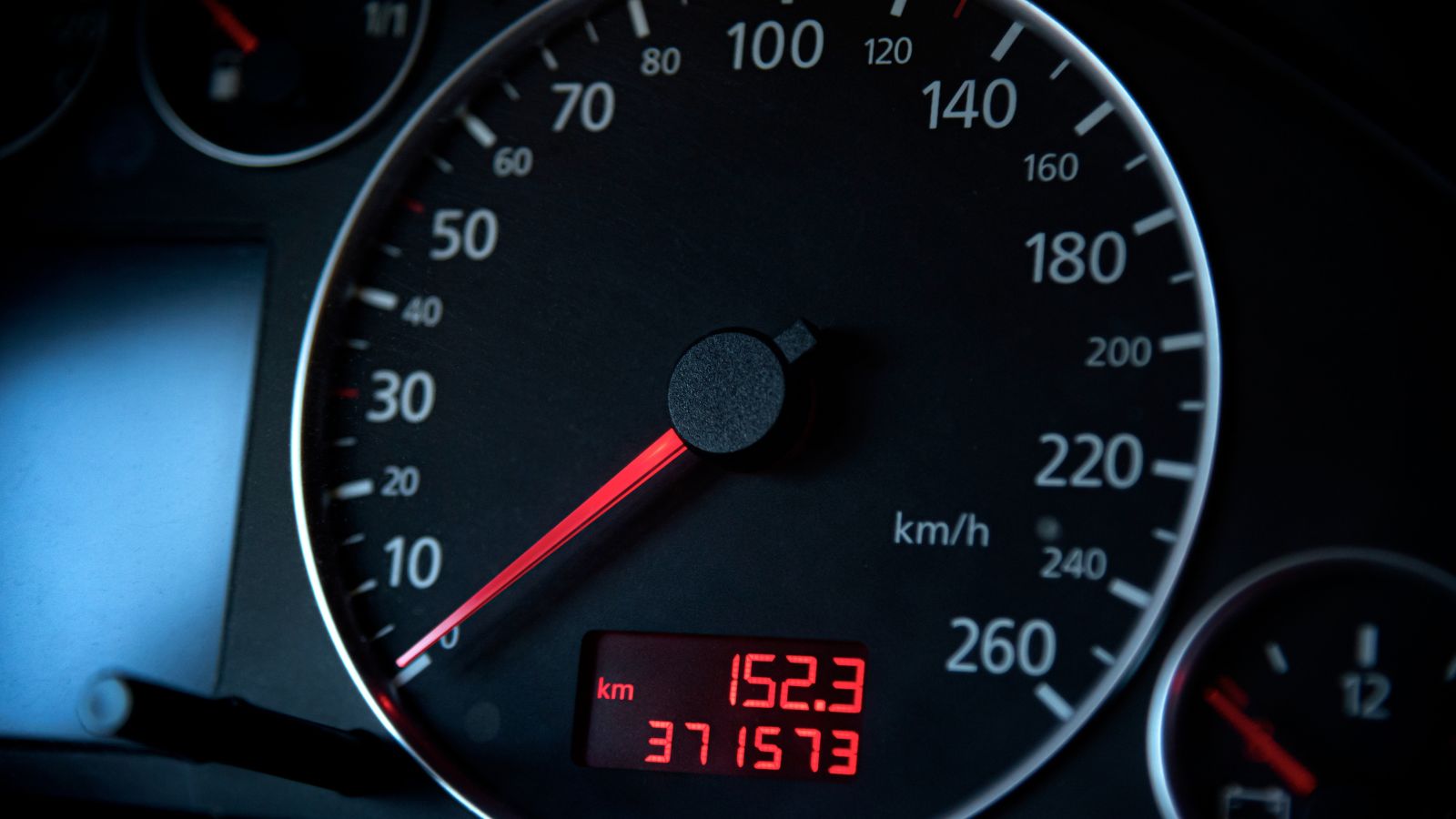
A loan balance does not know whether a vehicle has been driven 8,000 miles or 28,000 miles in a year, but the used-car market does. Mileage, condition, service history, and vehicle use all influence appraisals. A long commute, delivery work, rideshare use, missed maintenance, worn tires, or visible interior wear can reduce value faster than a standard depreciation estimate suggests.
This is why two identical vehicles from the same model year can have very different values. One may have clean service records, low mileage, and personal-use history, while the other may show heavy wear and multiple owners. The loan payoff could be similar, but the resale value may not be. Owners often feel this at trade-in time, when an appraiser turns everyday wear into a lower number.
Accident History Can Reduce Value Even After Repairs

A repaired vehicle can still be worth less after a collision. The problem is not always the quality of the repair; it is the record attached to the vehicle. Once accident history appears in a valuation tool or vehicle history report, many buyers discount the vehicle because they worry about hidden damage, future problems, or weaker resale demand.
The value hit can be modest for minor damage and much larger for severe damage. A driver may assume insurance made everything whole because the bodywork looks perfect, yet the market may still price the vehicle below comparable accident-free examples. That difference can matter greatly when the loan balance is already close to the vehicle’s value. Even a few thousand dollars of diminished value can push a borderline loan underwater.
Some Vehicle Types Depreciate Much Faster Than Others

Negative equity risk is not the same across every model. Some trucks, hybrids, and high-demand mainstream vehicles tend to retain value better, while certain luxury vehicles and electric vehicles can lose value more quickly. Higher original prices can also create larger dollar losses, even when the percentage depreciation looks similar.
This matters because buyers often compare monthly payments rather than resale behavior. A luxury SUV with a high sticker price may look manageable on a long loan, but if it loses tens of thousands of dollars over five years, the owner may remain underwater for much longer. Some recent depreciation studies show electric vehicles and luxury models dominating the highest-depreciation lists, while trucks and hybrids often perform better. The badge on the hood can affect the loan math years later.
Insurance May Pay Market Value, Not the Loan Balance
A total loss can expose negative equity immediately. Standard comprehensive or collision coverage generally pays based on the vehicle’s actual cash value, not the remaining loan balance. If the car is worth $22,000 and the loan payoff is $28,000, the insurer’s settlement may not clear the debt unless separate gap coverage applies.
This is one of the most painful ways owners discover they are underwater. The vehicle is gone, but the remaining balance may still exist. Gap insurance or loan/lease payoff coverage can help in some cases, though terms, limits, deductibles, and exclusions matter. The key issue is that insurance values the vehicle as a depreciated asset. The lender values the loan as a contract that still has to be repaid.
Trading In Too Soon Can Reveal the Gap

Negative equity often remains invisible until the owner tries to sell or trade the vehicle. As long as payments are current and the vehicle is being driven, the gap may feel theoretical. A dealer appraisal turns it into a number. Trade-in offers are also typically lower than what a private buyer might pay, because the dealer needs room for reconditioning, overhead, and resale profit.
That does not mean trade-ins are always a mistake. They can be convenient, especially when a payoff must be handled and paperwork needs to be simplified. But convenience can come with a lower valuation. A borrower close to break-even may become underwater once the trade-in number is lower than expected. Waiting longer, paying extra principal, or comparing private-sale value before accepting a trade-in offer can change the outcome.
22 Things Canadians Do to Their Cars in Spring That Mechanics Hate

Spring brings relief to many Canadian drivers after months of snow, freezing temperatures, and icy roads that put serious strain on vehicles. As temperatures rise across the country, drivers begin washing cars, switching tires, and preparing vehicles for warmer weather and upcoming road trips. However, mechanics across Canada notice the same mistakes every spring when drivers attempt to recover from winter damage. Road salt, potholes, and harsh winter driving conditions often leave vehicles with hidden problems that drivers ignore. Some spring habits even create new mechanical issues that could have been avoided with proper maintenance. Here are 22 things Canadians do to their cars in spring that mechanics hate.

Alanna Rosen is an experienced content writer that focuses on many EV and educational content. Her articles are regularly published on Get CyberTrucked and syndicated on large publications.