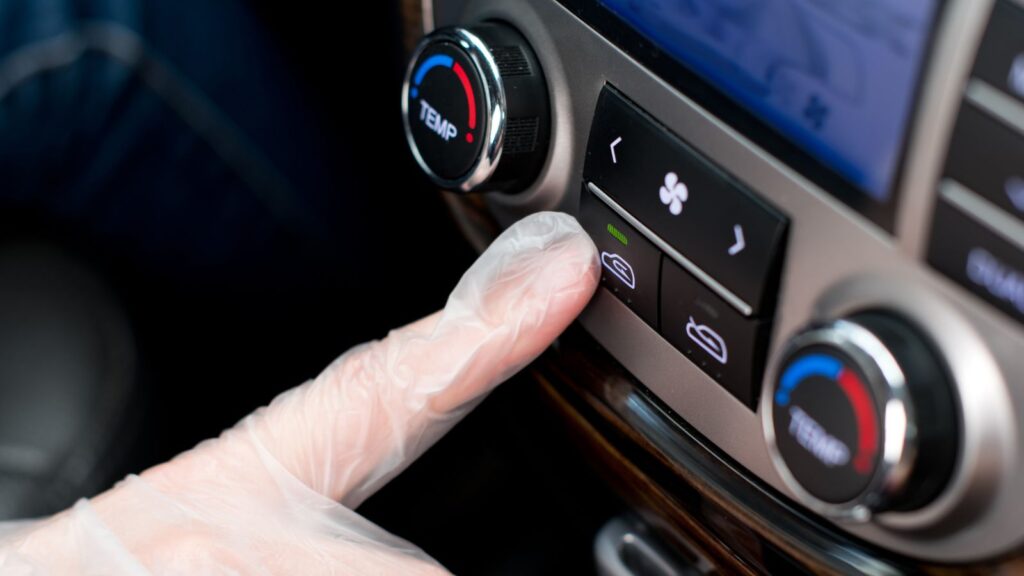
Windshield fog can seem like a minor annoyance until a cool autumn morning turns a clear piece of glass into an opaque wall within seconds. The problem becomes noticeably more common once fall arrives because several conditions begin working together: colder glass, damp weather, wet clothing, shorter days, and warm, moisture-filled cabin air.
Fog is ultimately condensation, but the conditions that create it can change surprisingly quickly inside a vehicle. Something as ordinary as climbing into a cold car after walking through the rain can be enough to trigger it. These 12 reasons explain why windshield fog becomes harder to avoid during fall, what may be adding moisture to the cabin, and why the climate-control settings that worked all summer sometimes seem ineffective once temperatures begin dropping.
The Glass Suddenly Becomes a Much Colder Surface
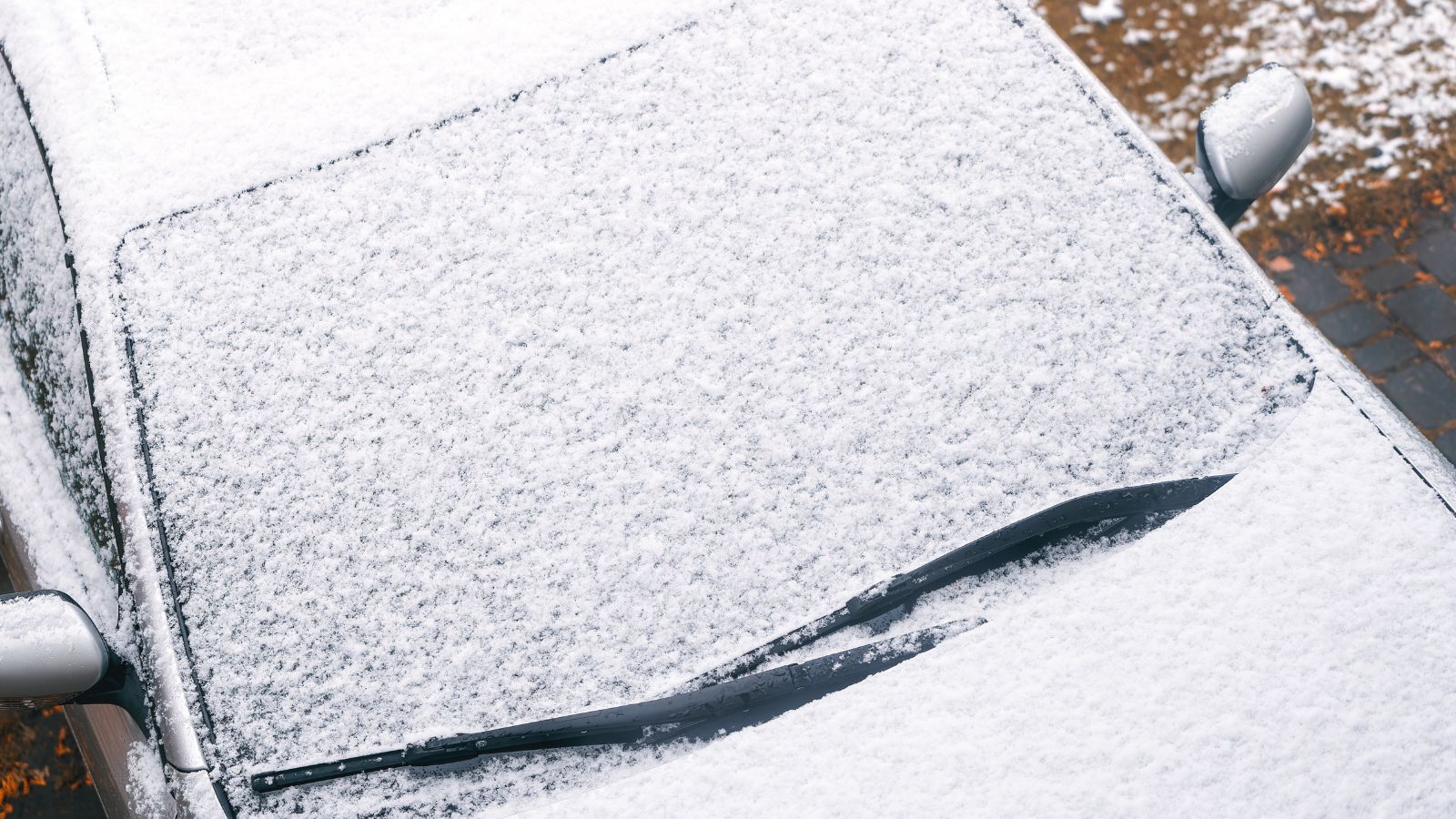
Windshield fog begins with a fairly simple physical process. Air contains water vapour, and every parcel of air has a dew point—the temperature at which that vapour begins condensing into liquid water. When warm, moisture-filled cabin air reaches a windshield cold enough to bring the nearby air to its dew point, microscopic droplets begin appearing on the glass. Enough droplets together create the familiar cloudy layer that blocks the driver’s view.
Fall makes that situation much easier to create. The windshield may have spent hours cooling outdoors before someone enters the vehicle, starts the engine and begins warming the cabin. The air around the occupants heats much faster than the windshield itself. That leaves warm, humid air repeatedly contacting a comparatively cold sheet of glass. The larger that temperature difference becomes, the easier it can be for condensation to appear, particularly during chilly mornings and evenings when the glass has had time to cool.
Fall Temperature Swings Create Ideal Fogging Conditions
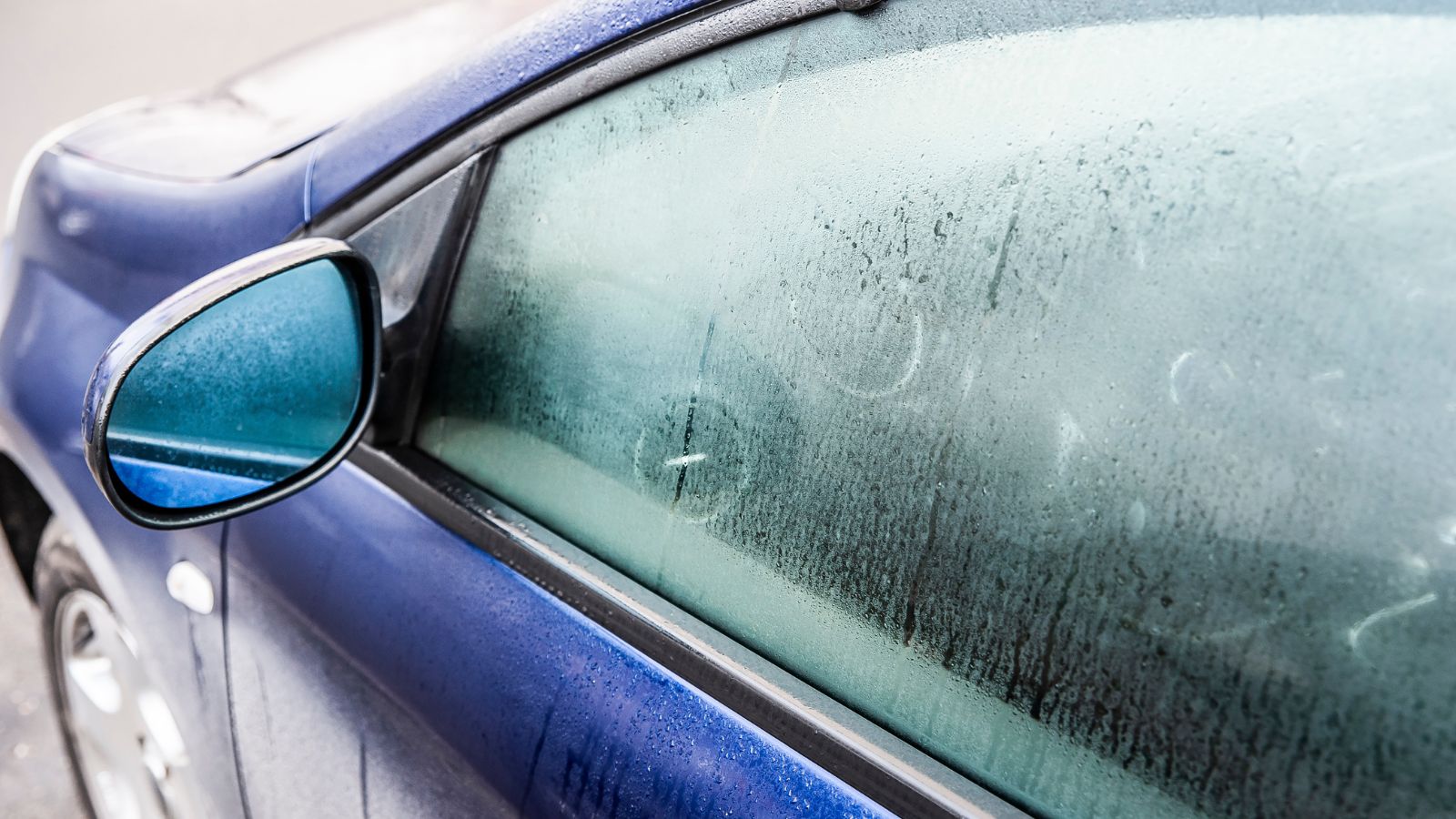
Autumn does not need to be exceptionally cold for windshield fog to become troublesome. What matters is the difference between the temperature of the glass and the moisture conditions around it. Fall frequently brings cool mornings, relatively warmer afternoons and another sharp temperature drop after sunset. Those transitions can leave vehicle glass considerably colder than the air inside the cabin once the heater is switched on.
That helps explain why a car may remain perfectly clear during an afternoon drive but fog rapidly during the evening trip home. Autumn also pushes more commuting into cooler conditions as daylight becomes shorter. Drivers may enter a cold vehicle, close the doors and immediately introduce warm air from the heater, passengers and breathing. The windshield has not yet warmed enough to resist condensation. Vehicle manufacturers therefore design defogging modes to direct substantial airflow toward the glass while adjusting temperature, air conditioning and outside-air intake to change the conditions responsible for the moisture.
Rain Comes Inside on Shoes, Jackets and Umbrellas
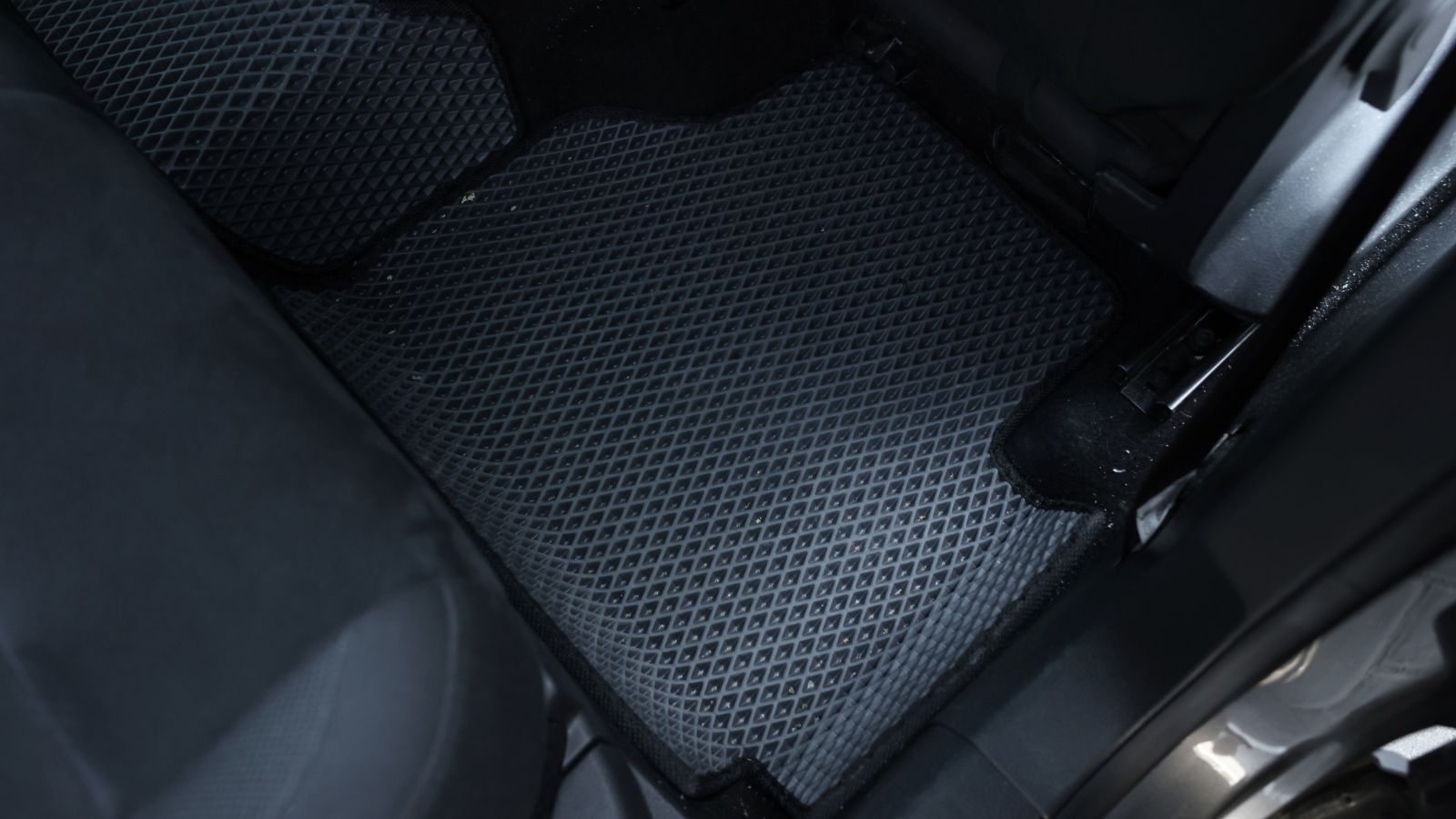
A rainy fall day does more than make the road wet. Some of that water inevitably travels into the vehicle. Damp jackets, umbrellas, shoes, backpacks and floor mats all become sources of moisture once the doors close. Water that looks insignificant on a pair of shoes can end up evaporating into a relatively small passenger compartment, increasing the amount of water vapour available to condense on cold windows.
The effects can continue well after the rain stops. Damp carpeting and fabric upholstery can retain moisture rather than drying immediately, particularly when a vehicle spends much of the day closed and cool. The result can be a windshield that repeatedly fogs during several trips even though no rain is currently falling. Motoring organizations specifically identify wet clothing, footwear, umbrellas and carpets as contributors to interior condensation. Removing soaked items when practical and allowing damp mats or carpets to dry therefore addresses the source of the moisture rather than simply clearing the glass each time fog appears.
Passengers Add Moisture With Every Breath

The occupants themselves are another important moisture source. Human exhaled air is warm and extremely humid because air is humidified as it moves through the respiratory system. Research measuring respiratory moisture shows that exhaled air can approach saturation under normal conditions. Inside a closed vehicle, that water vapour becomes part of the cabin air and can eventually reach the windshield.
This is why fog often develops faster when several people climb into a cold vehicle at once. A driver travelling alone may notice only a thin patch near the bottom of the windshield, while a vehicle carrying four or five people can develop condensation across several windows. Wet coats and shoes can add even more moisture at the same time. The effect is especially noticeable when everyone enters after standing outdoors in cool rain. The people inside are warming the cabin and adding water vapour while the glass remains cold—a combination that can produce condensation surprisingly quickly.
Recirculation Can Trap the Problem Inside
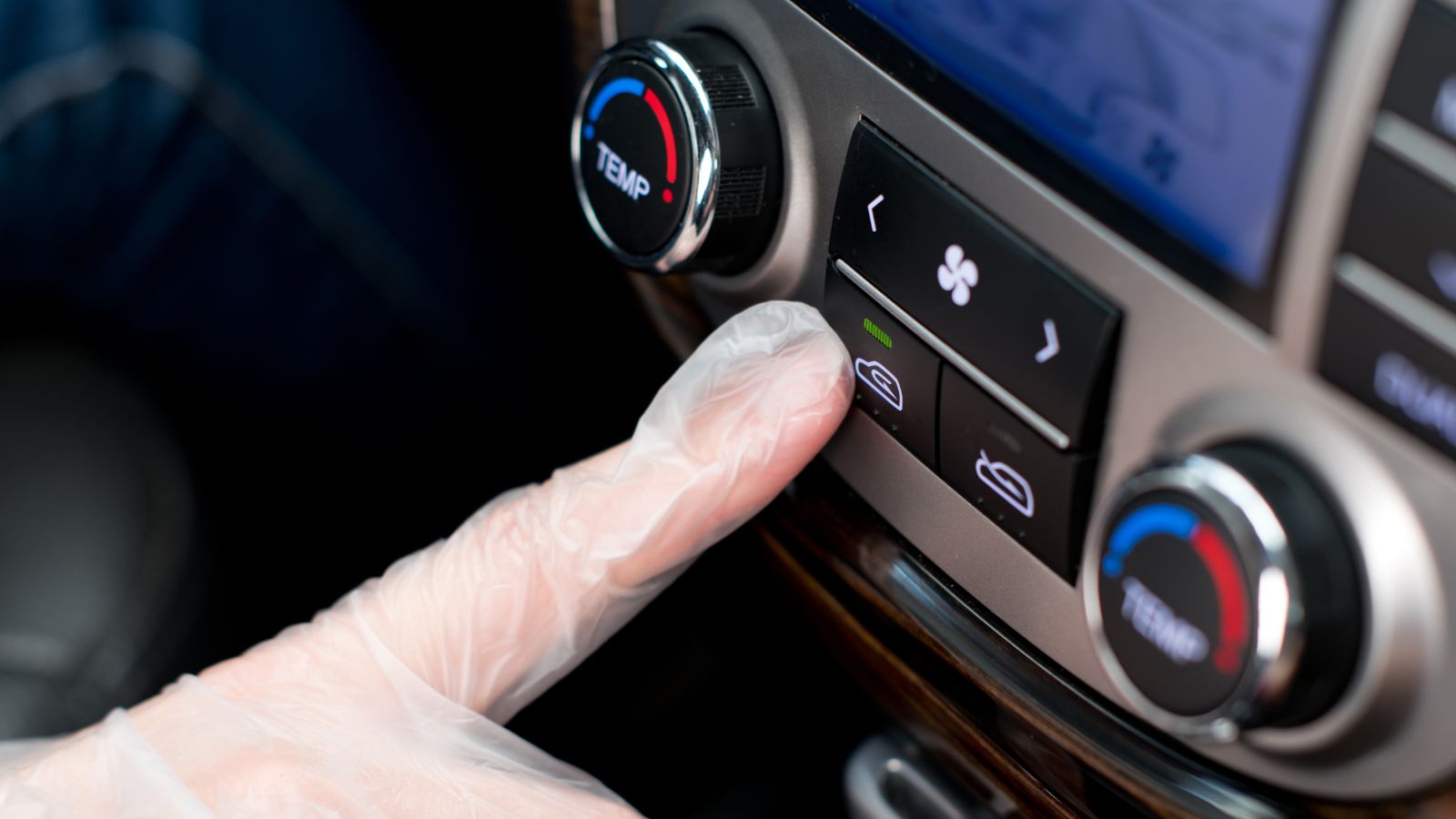
The recirculation button is useful when drivers want to keep polluted outside air out or cool an already air-conditioned cabin efficiently. During a windshield-fogging problem, however, keeping the same humid air circulating can work against the driver. Moisture from breathing, wet clothes and damp carpeting remains inside the passenger compartment instead of being exchanged with outside air.
That is why many vehicles automatically switch to fresh-air mode when the front defroster is selected. Owner manuals commonly warn that extended recirculation can allow cabin humidity to rise and contribute to condensation on the glass. Turning recirculation off gives the climate-control system an opportunity to replace moisture-laden cabin air with outside air while the defroster works on the windshield. Conditions vary—outside air itself can sometimes be very humid—but during a typical cool-weather interior-fogging event, fresh airflow is an important part of the vehicle’s designed defogging strategy rather than merely a comfort setting.
Air Conditioning Still Matters When It Is Cold Outside
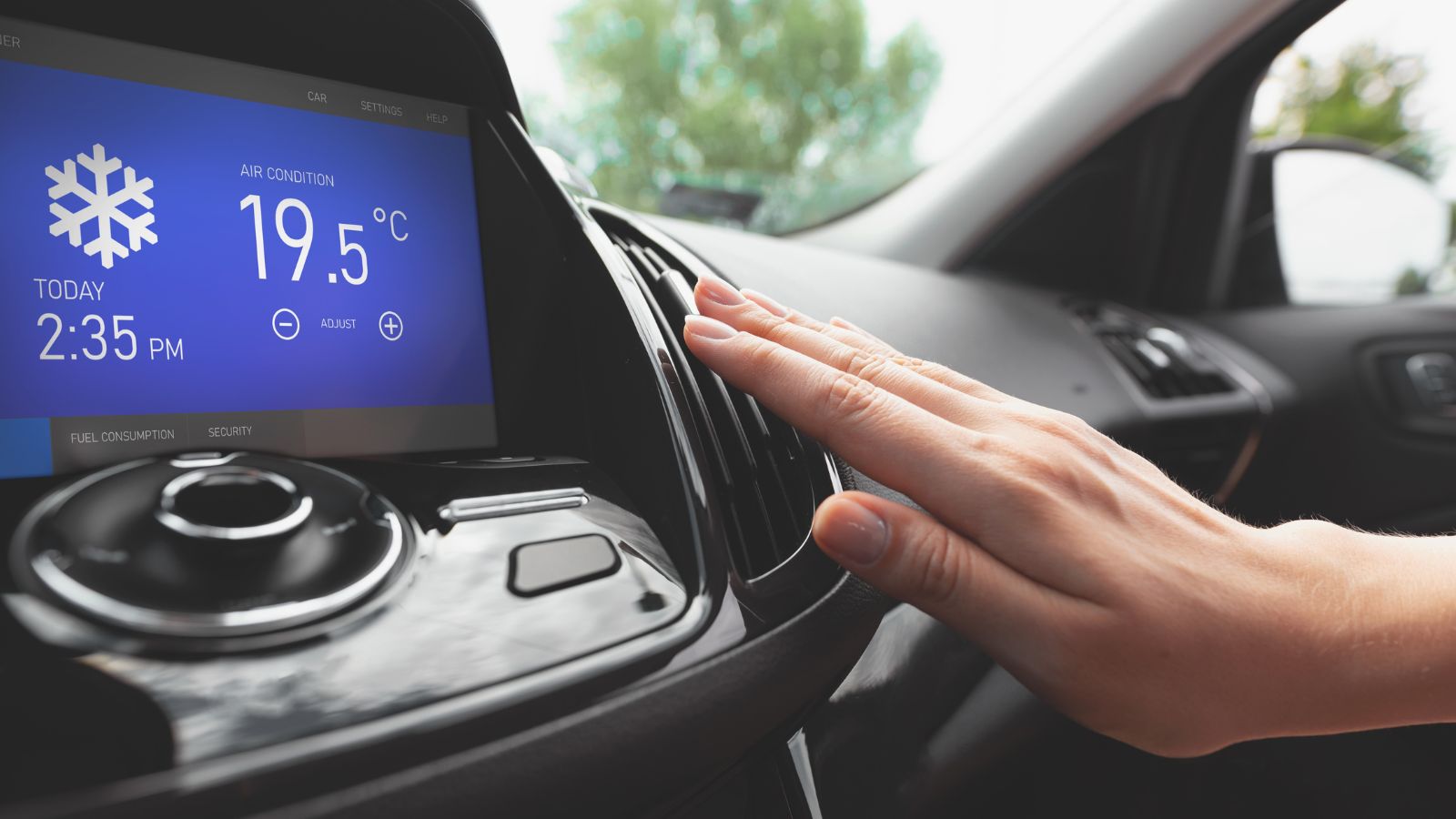
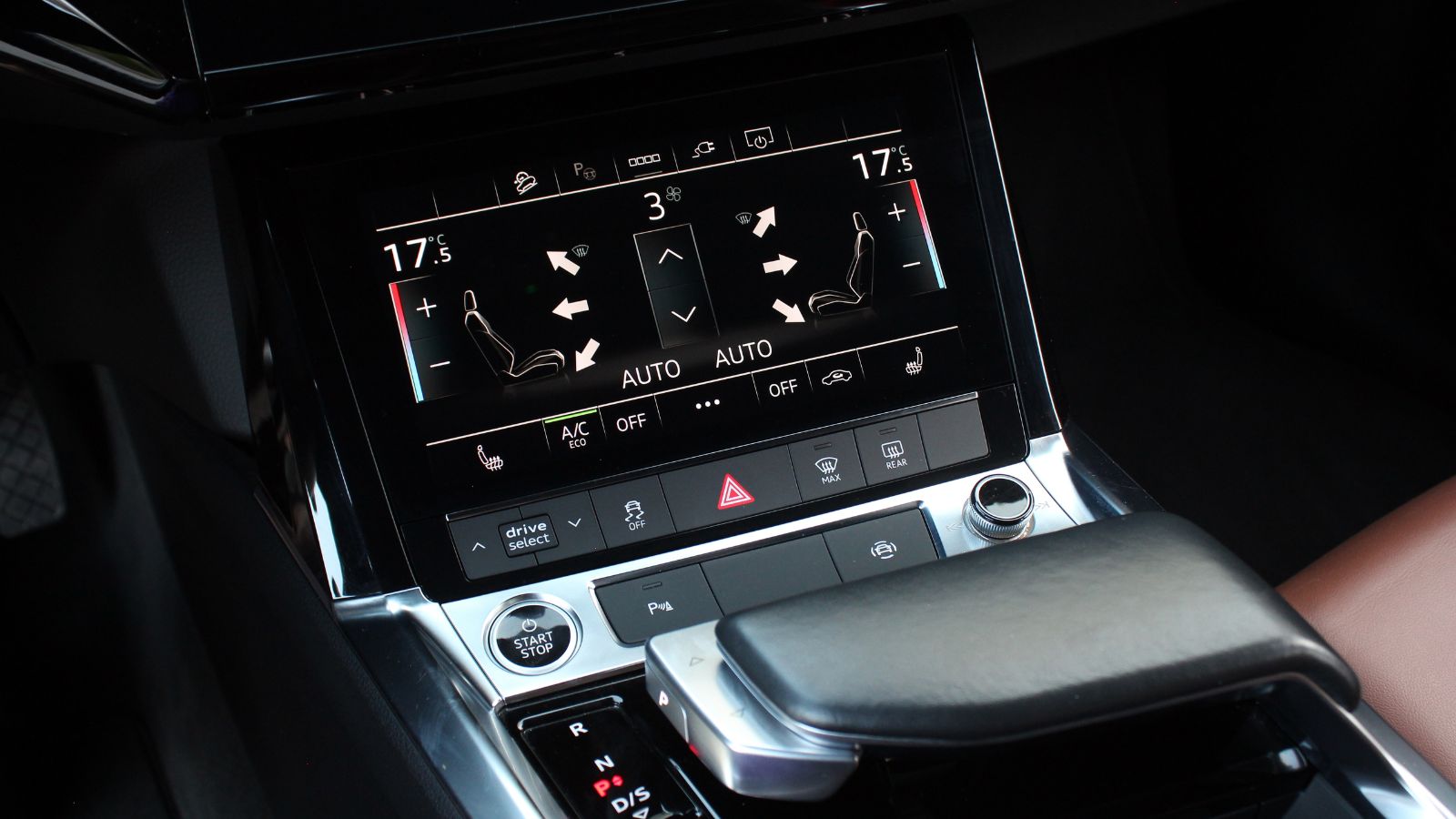
Many drivers stop thinking about air conditioning as soon as summer ends. Yet A/C plays an important role in windshield clearing because the system can remove moisture from air passing through the climate-control system. That is why pressing the windshield-defrost button on many modern vehicles automatically activates the air-conditioning compressor even when warm air is being delivered to the cabin.
The combination can seem contradictory: heat is being requested while the A/C indicator may also illuminate. In reality, the two functions can work together. The system conditions the air to reduce moisture and then directs suitably warmed airflow across the windshield. Vehicle manuals from several manufacturers specifically describe this behaviour, and motoring organizations recommend using A/C while defogging in cold or wet conditions. Drivers therefore should not assume that turning the air conditioner off will make the heater more effective. In many vehicles, doing so can remove one of the climate system’s most useful tools for clearing condensation.
Damp Carpets Can Keep Bringing the Fog Back
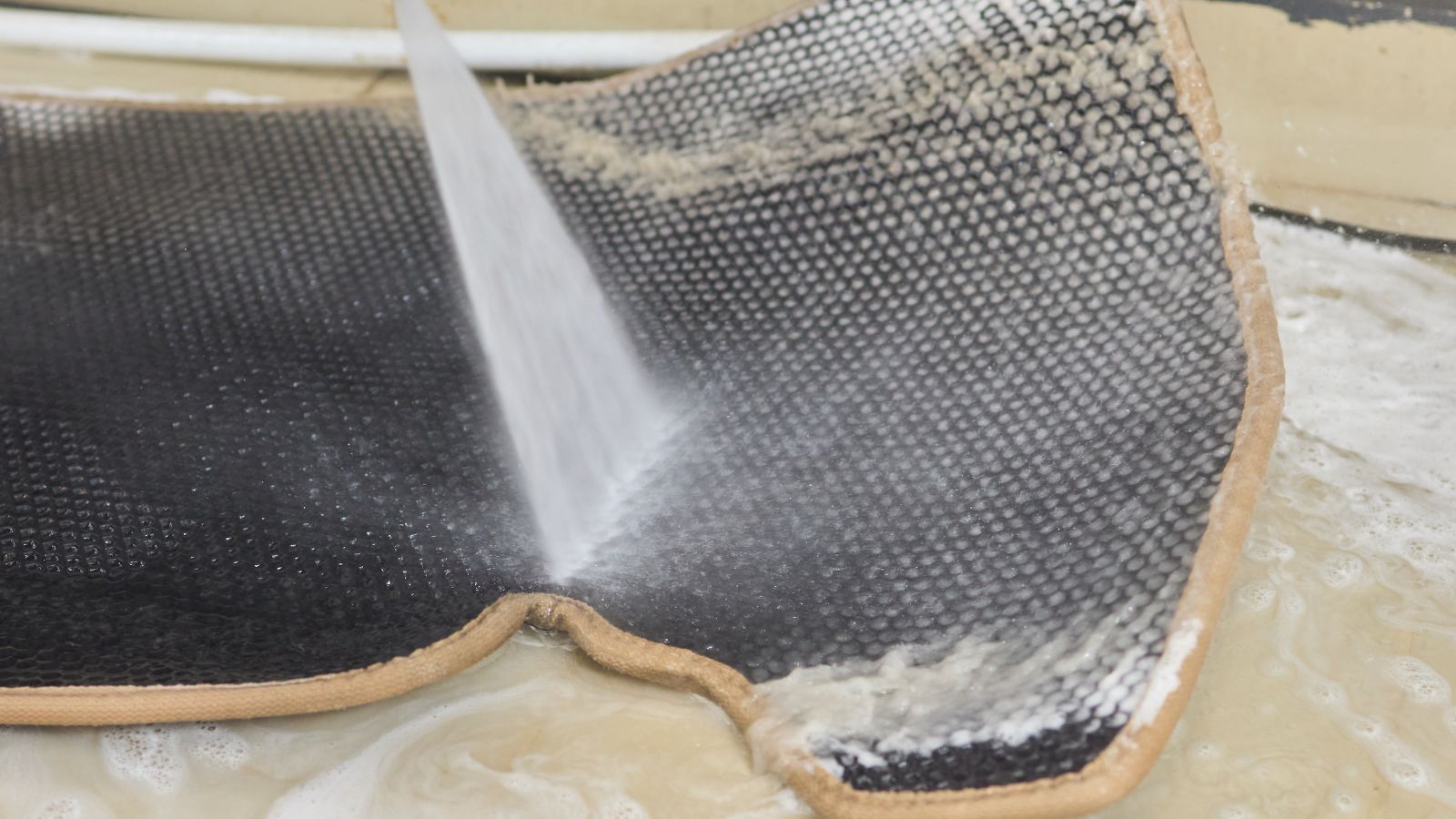
One of the frustrating things about fall windshield fog is how persistent it can become. The glass may clear completely during a drive, only for the same heavy condensation to return the next morning. Sometimes the problem is not the weather outside but moisture that remains stored inside the vehicle. Carpeting, fabric floor mats and upholstery can absorb water carried in by shoes or spilled from an umbrella.
Once the interior warms, some of that stored water evaporates back into the cabin air. After the vehicle is parked and the glass cools again, the moisture may condense on the windows. This creates a repeating cycle in which drivers keep treating the visible symptom without removing the moisture reservoir underneath it. Automotive organizations routinely point to damp carpets as a common contributor to interior condensation. After several rainy days, checking the footwells and lifting removable mats can reveal moisture that was easy to overlook. Drying those surfaces can make a surprisingly large difference to recurring fog.
A Dirty Windshield Can Make Fog More Stubborn

The inside of a windshield rarely remains perfectly clean. Dust, fingerprints and residues gradually accumulate, while materials inside a vehicle can release compounds that contribute to a faint film on the glass. Smoking or vaping inside the cabin can add further deposits. Even when that contamination is difficult to see in normal light, it may become obvious when low autumn sunlight hits the windshield or condensation begins forming.
AAA has specifically noted that fog tends to form more readily on dirty or filmed glass than on a thoroughly cleaned surface. Smearing a fogged windshield with a bare hand can compound the problem because oils from the skin are transferred to the glass. The windshield may appear temporarily clearer but develop streaks and haze later. Regular interior cleaning with an appropriate automotive glass product and a clean microfiber cloth therefore serves two purposes in fall: it improves visibility under low-angle sunlight and leaves a cleaner surface when damp, fog-prone conditions arrive.
Reduced HVAC Airflow Makes Clearing Take Longer
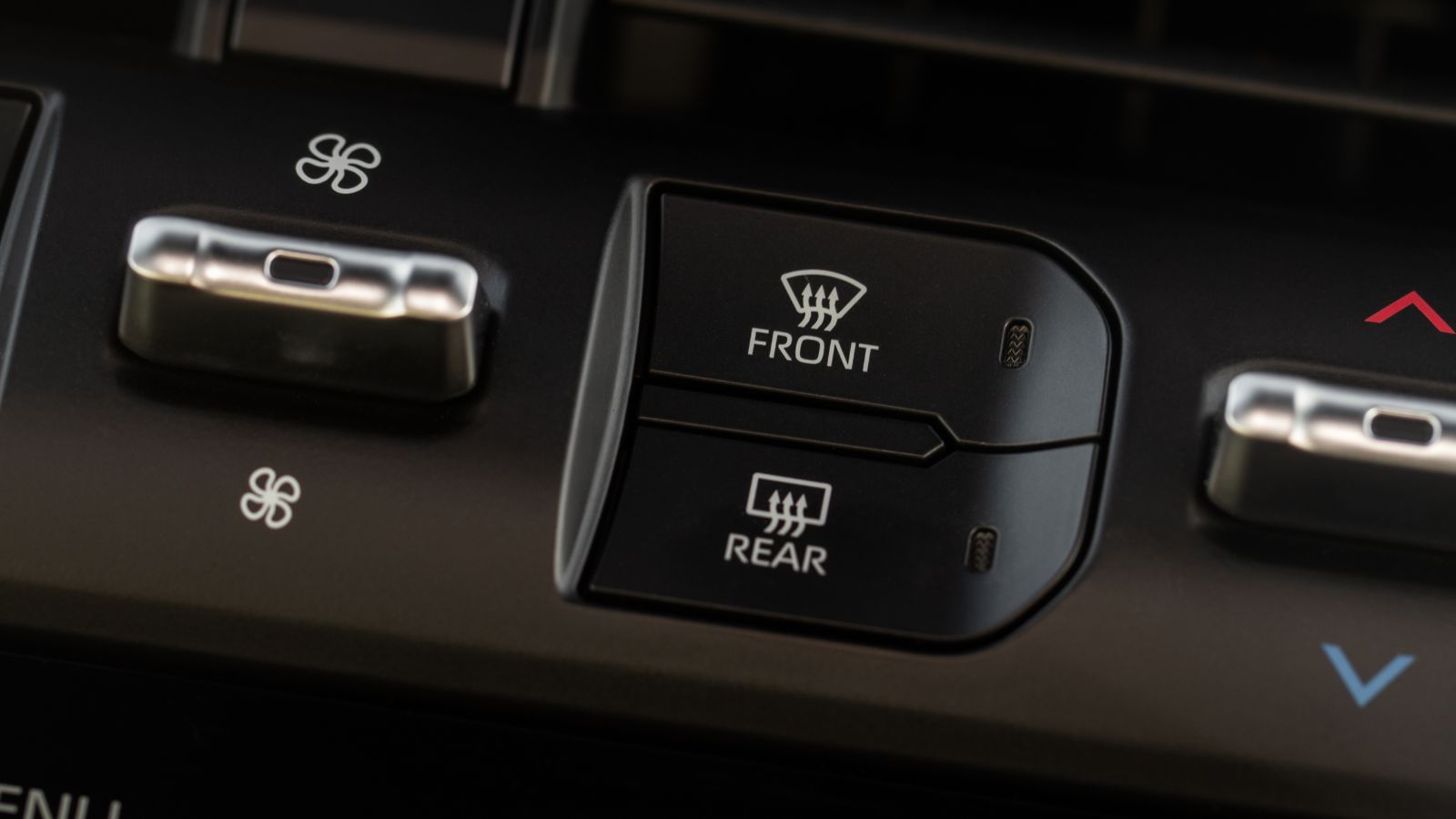
A healthy defogging system depends on airflow. Warm, conditioned air must actually reach the windshield in sufficient volume to change the temperature and moisture conditions near the glass. When airflow becomes restricted, drivers may find themselves waiting much longer for a fogged windshield to clear even though the fan sounds as though it is working.
The cabin air filter is one possible culprit. Filters collect dust, pollen and other particles before air reaches the passenger compartment, and a heavily loaded filter can reduce airflow through the ventilation system. Subaru owner information, for example, notes that an improperly maintained air filter can affect heating and defroster performance and identifies easy windshield misting as one possible sign. Bosch likewise lists fogged windows among the consequences associated with clogged cabin filters. A weak defroster is therefore not always a humidity problem alone. If airflow at the windshield vents has noticeably declined, filter condition and ventilation performance deserve attention.
Fallen Leaves Can Interfere With the Air Intake
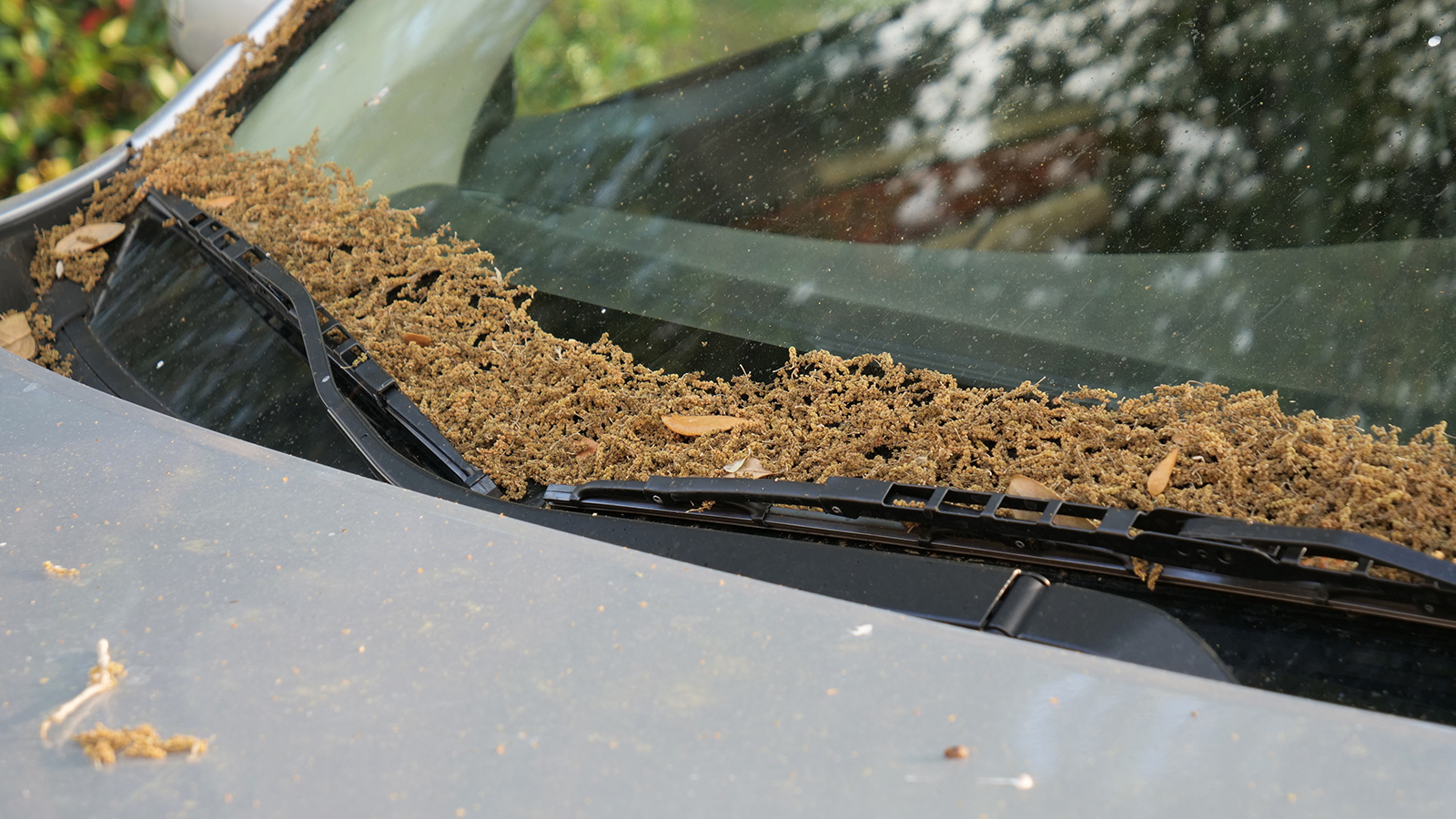
Fall brings another vehicle-specific problem that does not exist to the same degree in summer: large quantities of leaves, pine needles and other plant debris. Material can collect around the base of the windshield and the cowl area, where many vehicles draw outside air into the heating and ventilation system. Manufacturers advise keeping this intake area clear because restricted airflow can reduce heater and defroster effectiveness.
Debris can also create drainage problems. AAA maintenance guidance notes that leaves and pine needles can clog vehicle drains. The exact layout varies widely by model, but water that cannot drain as intended can contribute to damp areas that should normally remain dry. That makes leaf removal more than a cosmetic fall chore. Regularly clearing accumulated debris from around the windshield and visible cowl openings can help maintain airflow and drainage. Owners should avoid forcing material deeper into vents and should consult the vehicle manual when unsure about the location or cleaning requirements of the air inlet.
Persistent Fog Can Point to a Water Leak
Normal fall condensation should respond to proper climate-control settings and disappear as the windshield and cabin conditions stabilize. Fog that returns constantly, however, may indicate that more water is entering the vehicle than normal. Weather stripping around doors, windows and sunroofs can deteriorate, while blocked drains or body-seam leaks can allow rainwater to reach carpets and other interior materials.
Wet floor areas, a persistent musty smell or obviously damp upholstery are reasons to investigate rather than simply increasing the defroster fan speed every morning. The AA identifies damaged door, window and sunroof seals as possible causes of condensation and damp interiors. Manufacturer service bulletins also document cases in which water leaks or drainage problems have resulted in wet carpets and windshield moisture. A chronic problem therefore deserves attention, particularly if the passenger compartment stays damp after several dry days. Fixing the leak and thoroughly drying the affected material removes a continuing source of humidity that the HVAC system otherwise has to fight repeatedly.
Sometimes the Fog Is Actually on the Outside

Drivers instinctively assume that windshield fog is on the inside, but temperature and humidity conditions can also produce condensation on the exterior surface. This can happen when the air outside is warm or very humid while air conditioning cools the windshield enough for moisture in the outside air to condense against it. Vehicle manufacturers specifically warn that large temperature differences can sometimes cause exterior windshield fogging.
The distinction matters because the remedies are different. Interior fog generally calls for defogging airflow, moisture removal and ventilation. Exterior condensation may disappear with the windshield wipers and by reducing the temperature difference that caused the glass to become so cold. A quick test is often obvious: if the wipers immediately clear the haze, the moisture is probably outside. Fall’s rapid changes in temperature and humidity can create both types, occasionally during the same trip. Recognizing which surface is fogged prevents drivers from repeatedly adjusting the wrong climate-control setting while visibility continues to deteriorate.
19 Used Cars Canadians Should Avoid in 2026 (Based on Owner Complaints)

Buying a used car in Canada can feel safe until repair bills start stacking up. Owner complaints tell a different story than glossy listings. Transmission failures, electrical problems, and weak winter reliability show up again and again in consumer reports. Many of these issues appear after warranties expire, when owners least expect them. Some vehicles look affordable upfront, but become expensive to keep on the road. Others struggle in cold weather, urban driving, or long highway commutes. Here are 19 used cars Canadians should avoid in 2026 (based on owner complaints).
19 Used Cars Canadians Should Avoid in 2026 (Based on Owner Complaints)

Alanna Rosen is an experienced content writer that focuses on many EV and educational content. Her articles are regularly published on Get CyberTrucked and syndicated on large publications.