Fuel prices have always influenced how Canadians think about cars. When gasoline becomes expensive, drivers start paying closer attention to fuel economy and long term running costs. That reality raises an obvious question. If oil prices surge again, will electric vehicle sales rise in Canada? The answer is likely yes, but the relationship between fuel prices and EV demand is more complex than it might seem.
Fuel Prices Have Historically Shifted Consumer Behavior

When gasoline prices climb sharply, drivers begin reconsidering the cost of owning traditional vehicles. Higher fuel bills make alternatives such as hybrids and electric cars look more attractive.
Research examining vehicle markets shows a clear link between rising gasoline prices and EV adoption. One study found that increases in fuel prices were associated with measurable growth in electric vehicle sales because consumers reacted to the higher operating costs of gasoline vehicles.
The logic is straightforward. When fuel becomes expensive, the economic case for electric driving becomes easier to justify.
Canada’s EV Market Is Already Growing Quickly
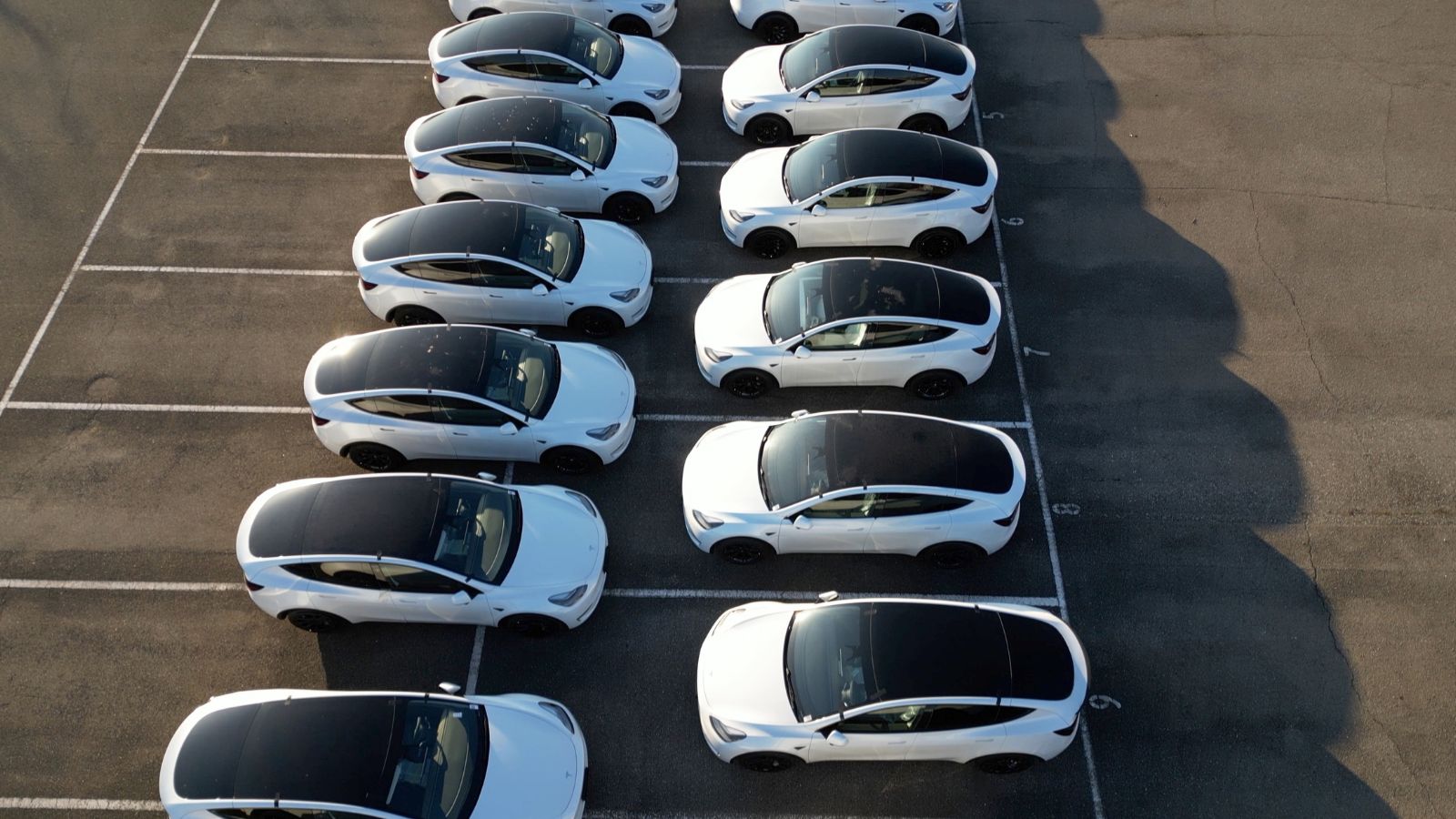
Even without dramatic oil price spikes, EV adoption in Canada has been increasing rapidly over the past few years. Zero emission vehicles represented about 11 percent of new vehicle registrations in 2023 after nearly 185,000 units were sold.
By 2024 the market share of electric vehicles reached roughly 15 percent of new vehicle sales.
Those numbers show a market that is already expanding. Higher fuel prices could accelerate that trend by making the running costs of gasoline vehicles more noticeable.
The Real Advantage Is Operating Cost

Electric vehicles are often more expensive to purchase than comparable gasoline cars. However, their daily operating costs are usually lower.
Electric drivetrains are significantly more efficient than internal combustion engines. Traditional gasoline engines typically convert only about 16 to 25 percent of fuel energy into motion, while electric vehicles use a much larger share of their energy to move the car.
When gasoline prices rise sharply, that efficiency advantage becomes much more meaningful for buyers calculating long term costs.
Hybrids May Benefit First

If fuel prices spike suddenly, hybrid vehicles often see the fastest sales growth. Hybrids offer improved fuel economy while avoiding concerns about charging infrastructure.
Many Canadian drivers still rely on long distance travel and harsh winter conditions. Because hybrids combine electric power with gasoline backup, they can feel like a safer transition for drivers who are not ready for a fully electric vehicle.
In other words, rising oil prices could boost both hybrid and electric sales rather than EVs alone.
Government Policy Still Matters

Fuel prices are only one piece of the puzzle. Canadian EV adoption has also been heavily influenced by government incentives, rebates, and regulatory policies.
Sales surged during years when federal and provincial incentives were widely available, but demand slowed when some rebate programs were paused or reduced.
This means that even if oil prices rise, policy decisions will still play a major role in how quickly Canadians shift toward electric vehicles.
Charging Infrastructure Remains a Key Factor
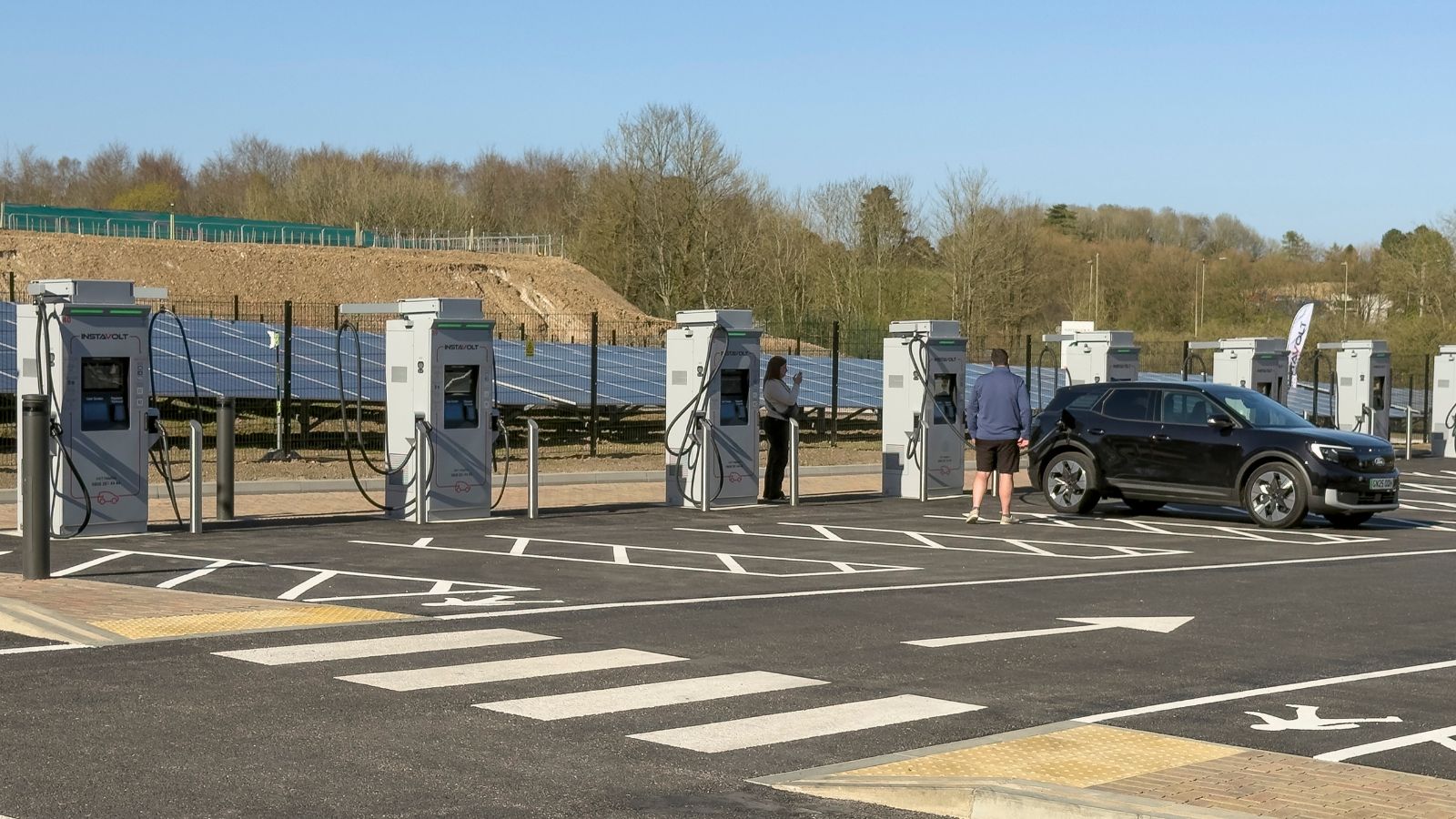
Another variable affecting EV adoption is the availability of charging infrastructure. Urban drivers often have easier access to charging stations than those living in rural areas.
Canada continues expanding its national charging network, with new investments aimed at making EV ownership more practical across the country. Recent federal programs are directing billions toward incentives and infrastructure expansion to support electric adoption.
If charging access continues improving, rising fuel prices could push even more drivers toward electric vehicles.
Oil Prices May Be a Catalyst, Not the Whole Story

Higher gasoline prices have historically encouraged consumers to look for more efficient vehicles. Electric cars clearly benefit from that shift in thinking.
However the Canadian EV market is shaped by several forces working together. Fuel costs, government incentives, vehicle prices, charging availability, and technology improvements all influence buyer decisions.
If oil prices surge significantly, EV sales will likely rise as well. But the long term transition toward electric mobility in Canada will depend on far more than just what happens at the gas pump.
25 Facts About Car Loans That Most Drivers Don’t Realize

Car loans are one of the most common ways people fund car purchases. Like any other kind of loan, car loans can have certain features that can be regarded as an advantage or a disadvantage to the borrower. Understanding all essential facts about car loans and how they work to ensure that you get the best deal for your financial situation is essential. Here are 25 shocking facts about car loans that most drivers don’t realize:
25 Facts About Car Loans That Most Drivers Don’t Realize
