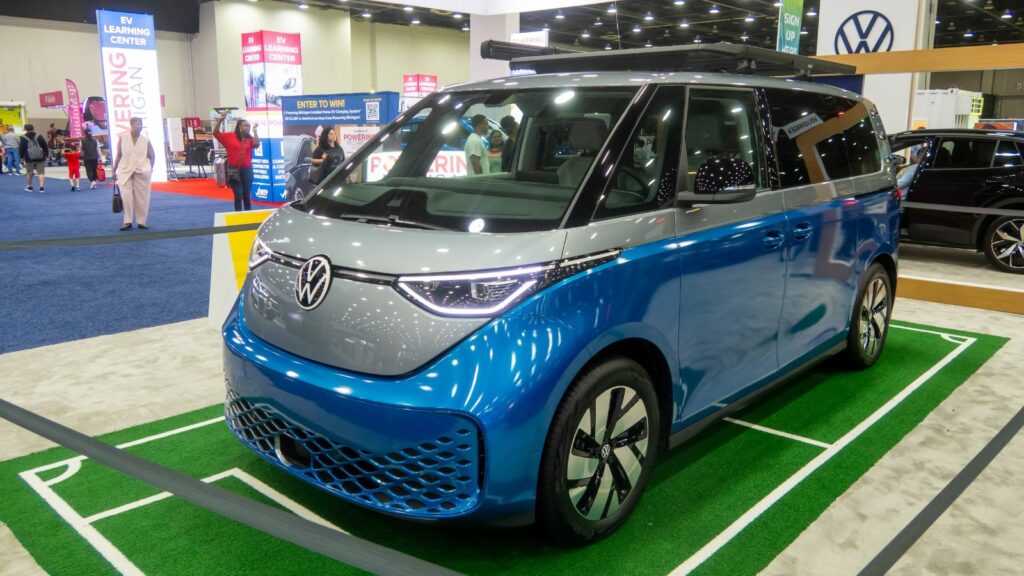
Global energy markets are closely tied to political stability in the Middle East. When tensions rise in the region, oil prices often react quickly, and drivers thousands of miles away begin to feel the effects at the pump. For Canadian consumers already facing high transportation costs, sudden spikes in gasoline prices could change how people think about their next vehicle purchase.
Oil Prices Have Always Influenced Car Buying

Fuel prices have historically shaped vehicle choices in Canada. When gasoline becomes expensive, drivers begin looking for ways to reduce long term running costs. Smaller cars, hybrids, and fuel efficient vehicles typically gain popularity during periods of high oil prices.
Electric vehicles offer a different solution. Instead of improving fuel efficiency, they eliminate gasoline entirely. If instability in the Middle East pushes global oil prices higher, the financial appeal of electric vehicles becomes much clearer to buyers who want predictable transportation costs.
Canada Is Still Highly Dependent on Gasoline Vehicles
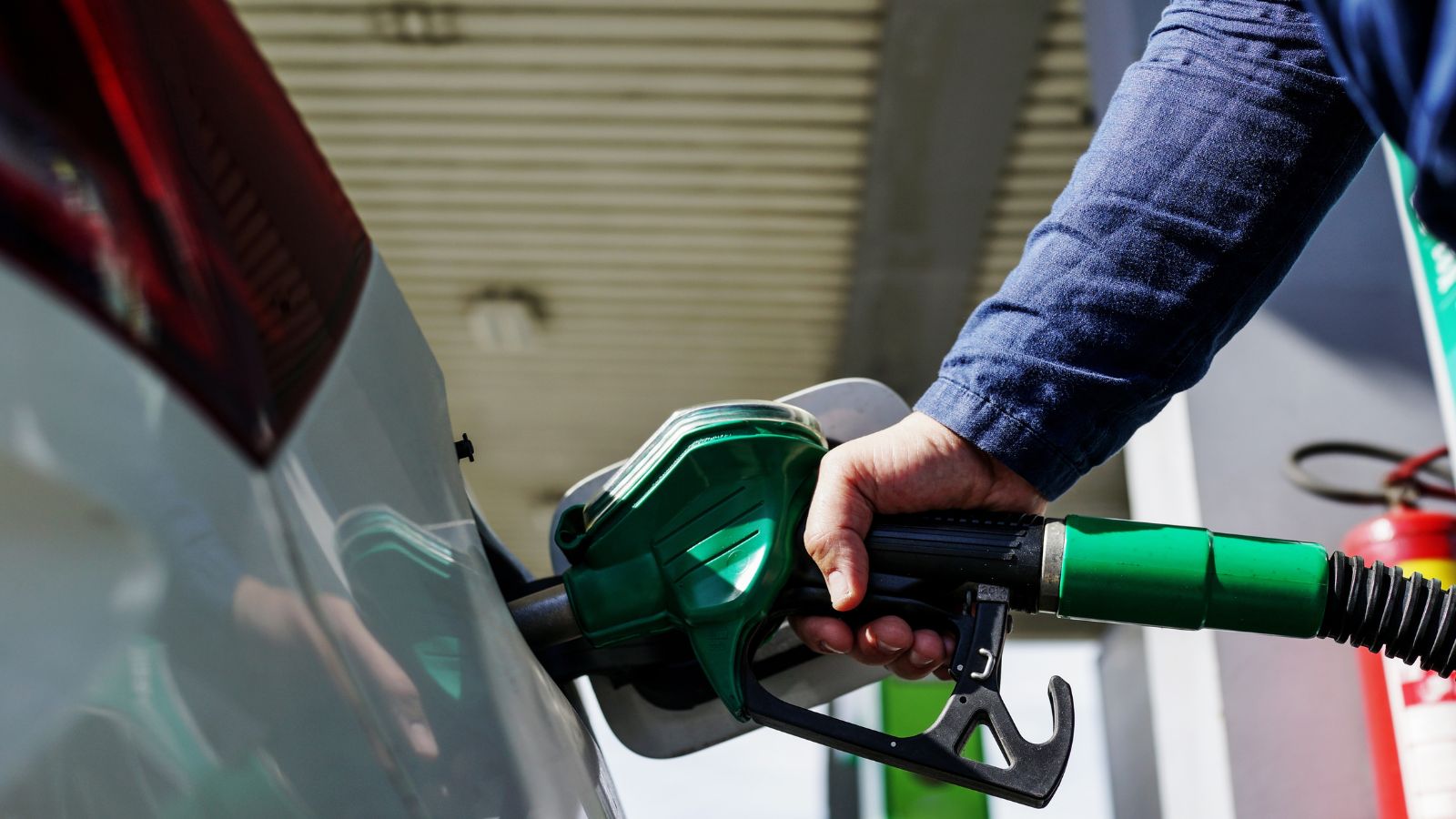
Despite growing interest in electric vehicles, most Canadian drivers still rely on gasoline powered cars, trucks, and SUVs. Large vehicles remain particularly popular because of winter conditions, long driving distances, and rural lifestyles.
This reliance on fuel means that Canadian households are sensitive to global oil price swings. When geopolitical tensions disrupt oil supply or create uncertainty in energy markets, the cost of filling a tank can rise quickly. That financial pressure often encourages drivers to explore alternatives.
Electric Vehicles Offer Predictable Energy Costs
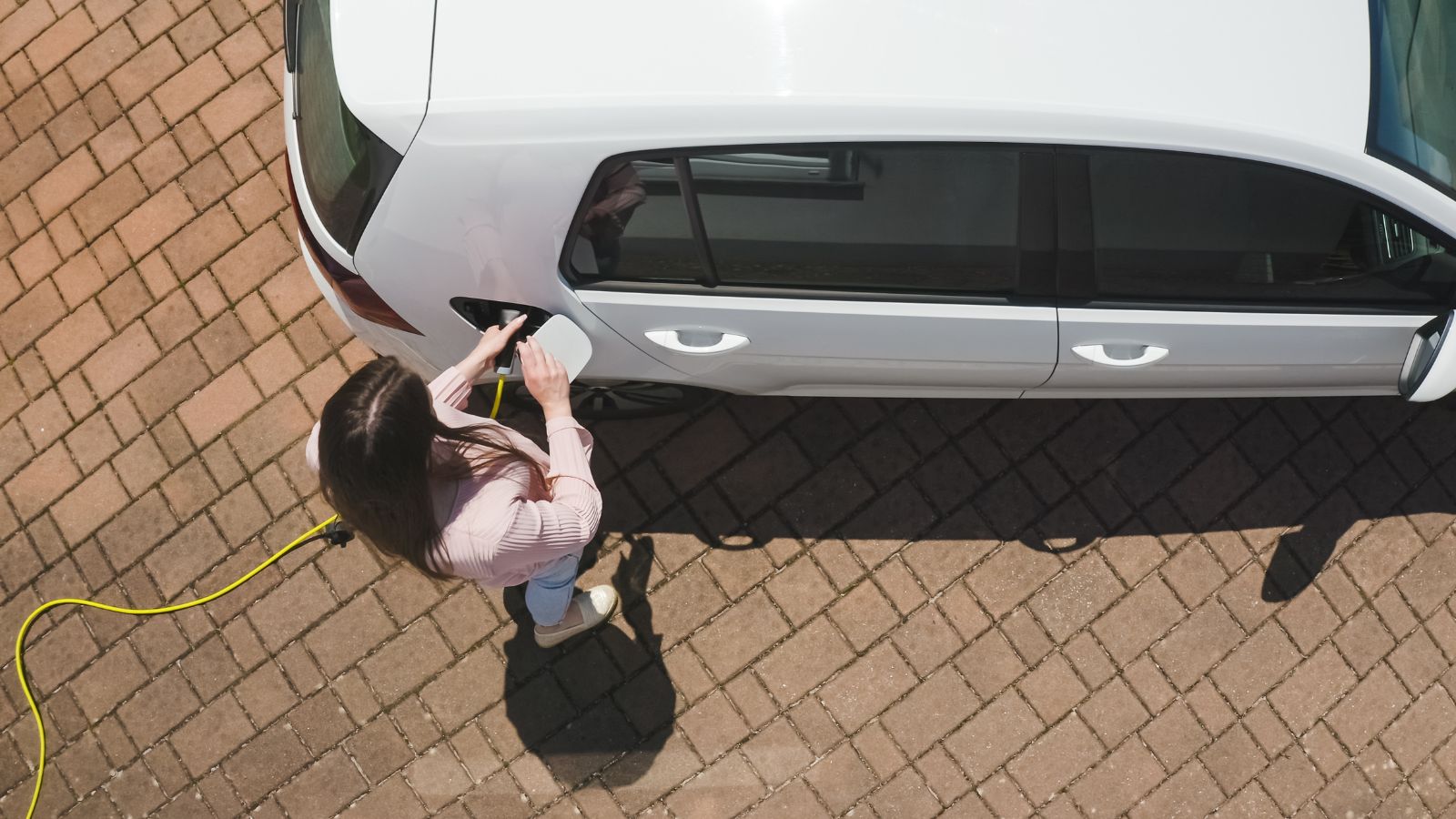
One advantage electric vehicles provide is stability in operating costs. Electricity prices tend to change far more slowly than global oil markets. For drivers who charge at home, the cost of driving can remain relatively consistent even when gasoline prices fluctuate dramatically.
This predictability becomes more attractive when global events create uncertainty around fuel supply. If Middle East instability causes oil prices to surge, many consumers may begin comparing the long term cost of gasoline vehicles with the more stable energy costs associated with electric driving.
Canadian Incentives Already Encourage EV Adoption

Government policy in Canada has already played a major role in encouraging electric vehicle adoption. Federal and provincial programs have offered financial incentives to reduce the upfront purchase price of electric cars.
These policies are designed to accelerate the transition away from gasoline powered transportation over time. If oil prices rise because of global instability, the combination of government incentives and higher fuel costs could make electric vehicles look even more attractive to potential buyers.
Infrastructure Expansion Is Changing the Equation
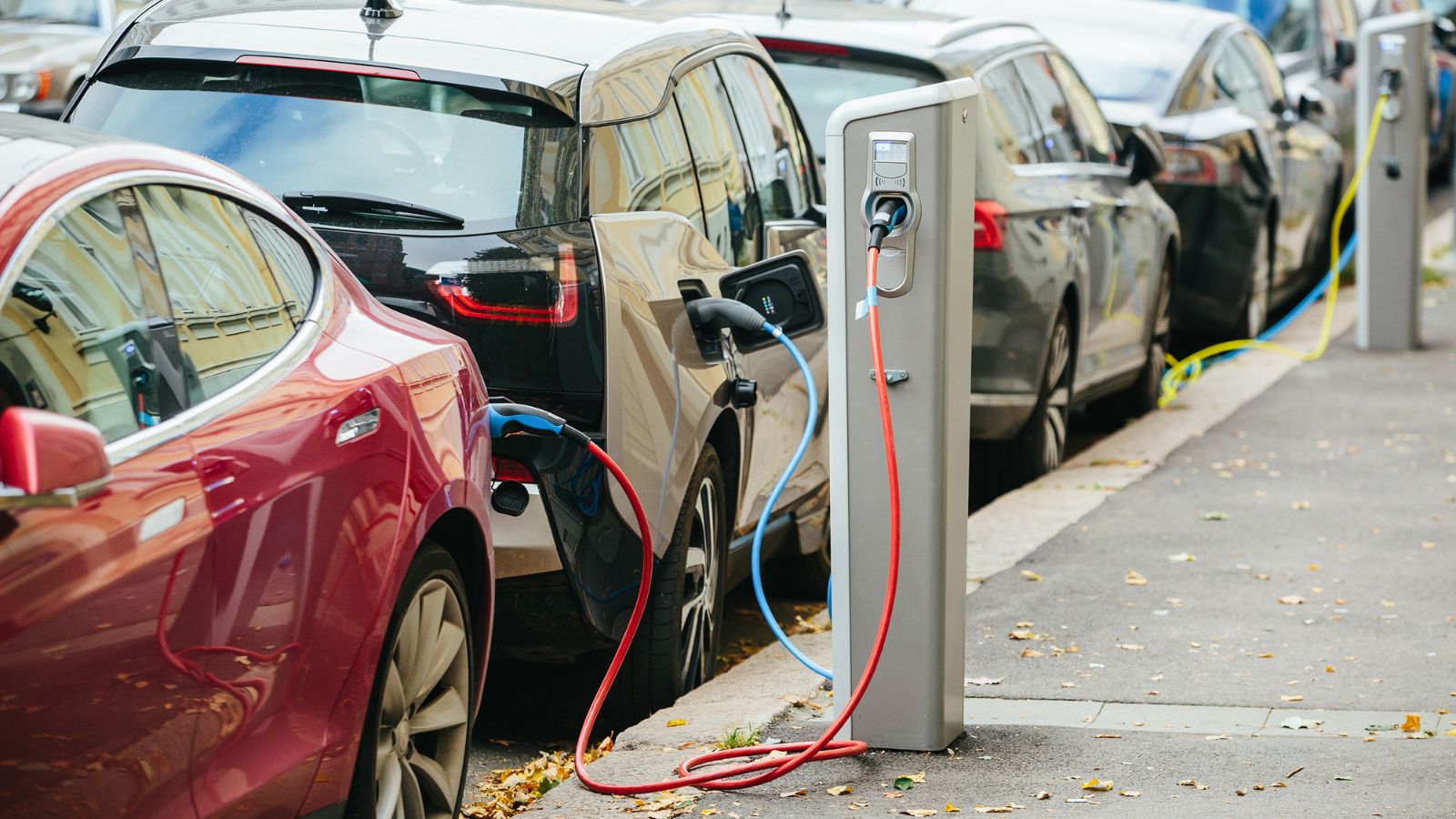
Another factor supporting electric vehicle growth is the expansion of charging infrastructure across Canada. Public charging stations are becoming more common along highways, in cities, and in many residential areas.
As charging access improves, concerns about range and convenience begin to fade. If gasoline prices spike at the same time infrastructure continues expanding, more drivers may feel comfortable switching to electric vehicles without worrying about practical limitations.
Trucks and SUVs Still Complicate the Transition

One challenge in Canada is the continued dominance of trucks and large sport utility vehicles. These vehicles are popular for good reasons including winter capability and towing ability.
Electric versions of trucks and larger SUVs are now entering the market, but they remain expensive compared with gasoline alternatives. If oil prices climb sharply, however, the high fuel consumption of large gasoline vehicles could push some buyers toward electric models that offer lower operating costs.
Energy Security May Become Part of the Conversation
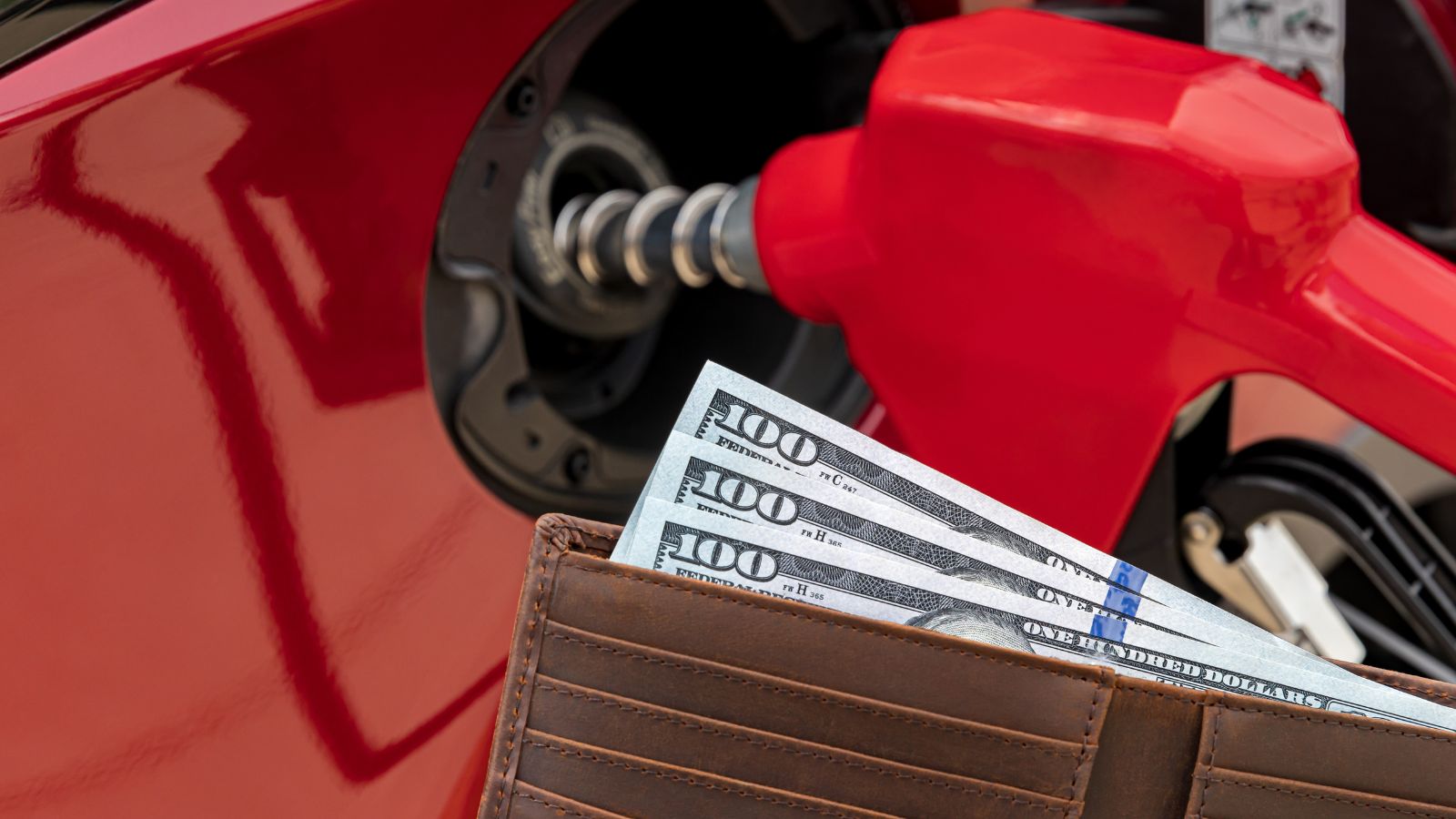
Beyond fuel prices, geopolitical instability often raises broader questions about energy security. Countries that depend heavily on global oil supply chains can feel vulnerable when disruptions occur.
Electric vehicles offer a way to reduce that dependence by relying on domestically generated electricity. Canada produces large amounts of power from hydroelectric, nuclear, and renewable sources. As global energy markets become more uncertain, the appeal of using locally produced electricity for transportation may grow.
In the end, Middle East instability alone will not determine Canada’s automotive future. But higher oil prices combined with improving electric technology and expanding charging networks could accelerate a transition that is already underway.
25 Facts About Car Loans That Most Drivers Don’t Realize

Car loans are one of the most common ways people fund car purchases. Like any other kind of loan, car loans can have certain features that can be regarded as an advantage or a disadvantage to the borrower. Understanding all essential facts about car loans and how they work to ensure that you get the best deal for your financial situation is essential. Here are 25 shocking facts about car loans that most drivers don’t realize:
25 Facts About Car Loans That Most Drivers Don’t Realize
