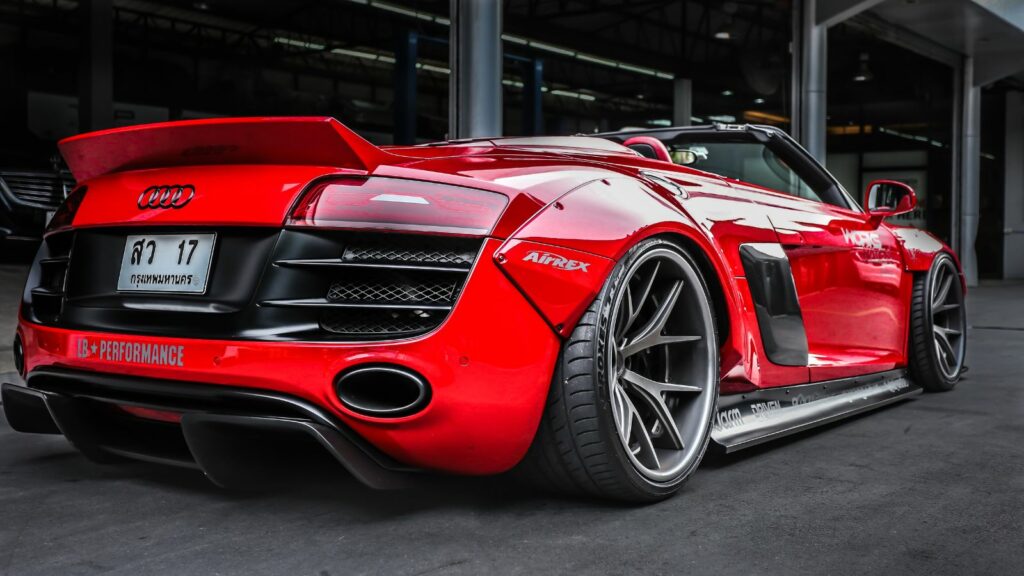
Electric cars feel smooth, quiet, and effortless, but many owners discover an unexpected downside after a year or two. Tires wear out far sooner than they did on comparable gas powered cars. Some drivers burn through a full set in half the mileage they expected. This is not bad luck or cheap rubber. It is baked into how electric vehicles deliver power, carry weight, and interact with the road.
Instant Torque Punishes the Tread
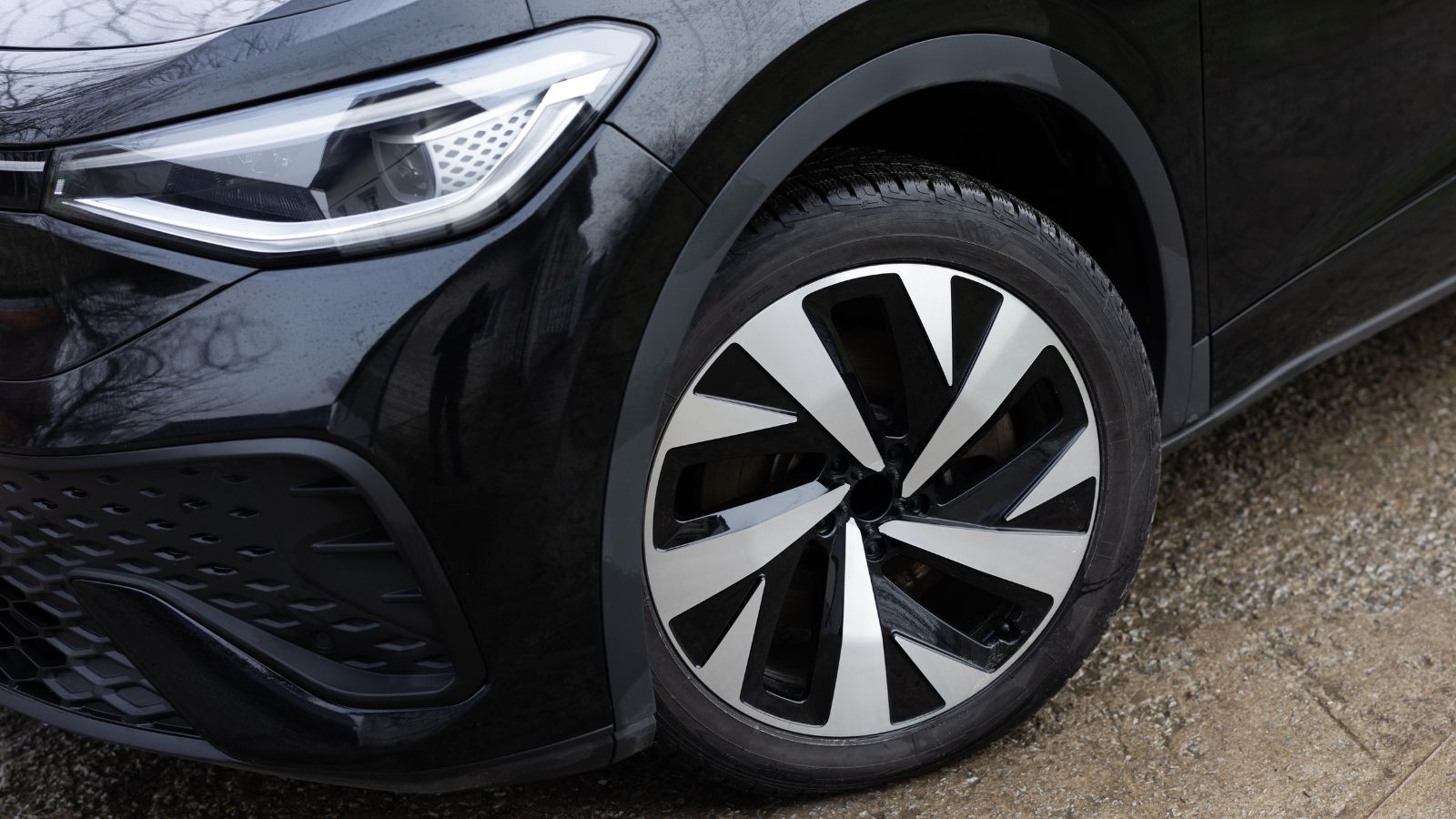
Electric motors deliver maximum torque the moment you touch the accelerator. There is no buildup, no waiting for revs, and no soft launch unless the software dials it back. Every green light becomes a mini stress test for the tires. That instant shove twists the tread blocks against the pavement, especially on the driven wheels. Even calm drivers experience this effect without realizing it. Over thousands of starts, that repeated force scrubs rubber away faster than in a traditional car with gradual power delivery.
Weight Is the Silent Tire Killer
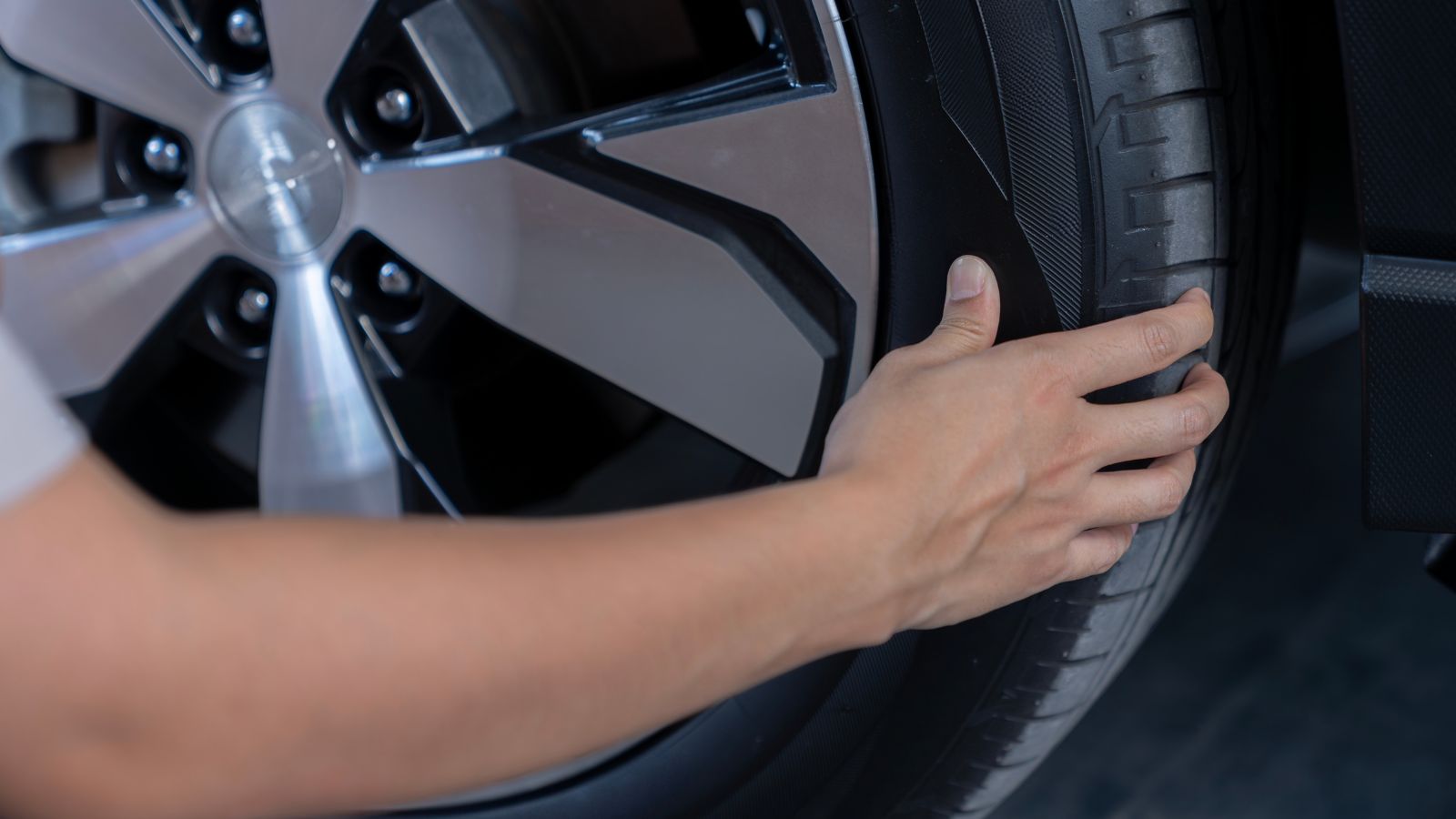
Electric cars are heavy. Battery packs add hundreds or even thousands of pounds compared to similar gas models. Tires carry that weight every second the car is moving, braking, or cornering. More mass means more load on the contact patch, which increases heat and friction. Heat accelerates wear, especially on modern low rolling resistance compounds. This is why many electric cars chew through rear tires even when driven gently. The weight never takes a break, even on the highway.
Regenerative Braking Changes Wear Patterns
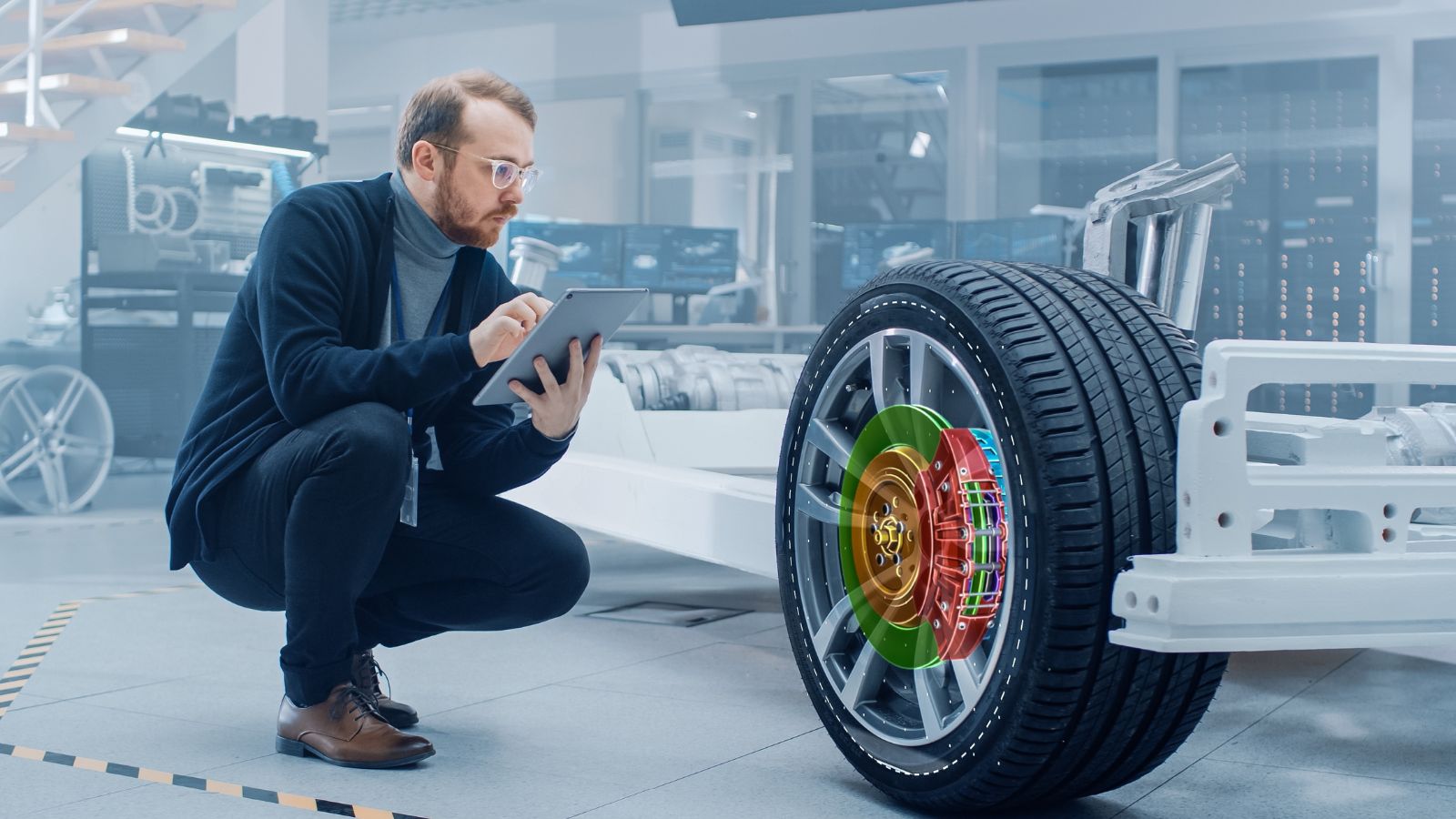
Regenerative braking feels smooth from the driver’s seat, but it works the tires differently than conventional brakes. Instead of pads clamping rotors, the motor resists rotation through the wheels. That resistance creates drag directly at the tire contact patch. In many electric cars, regen primarily affects one axle more than the other. This leads to uneven wear patterns that surprise owners during tire rotations. Some tires end up worn flat across the surface rather than showing traditional edge wear.
Performance Oriented Tires Make It Worse
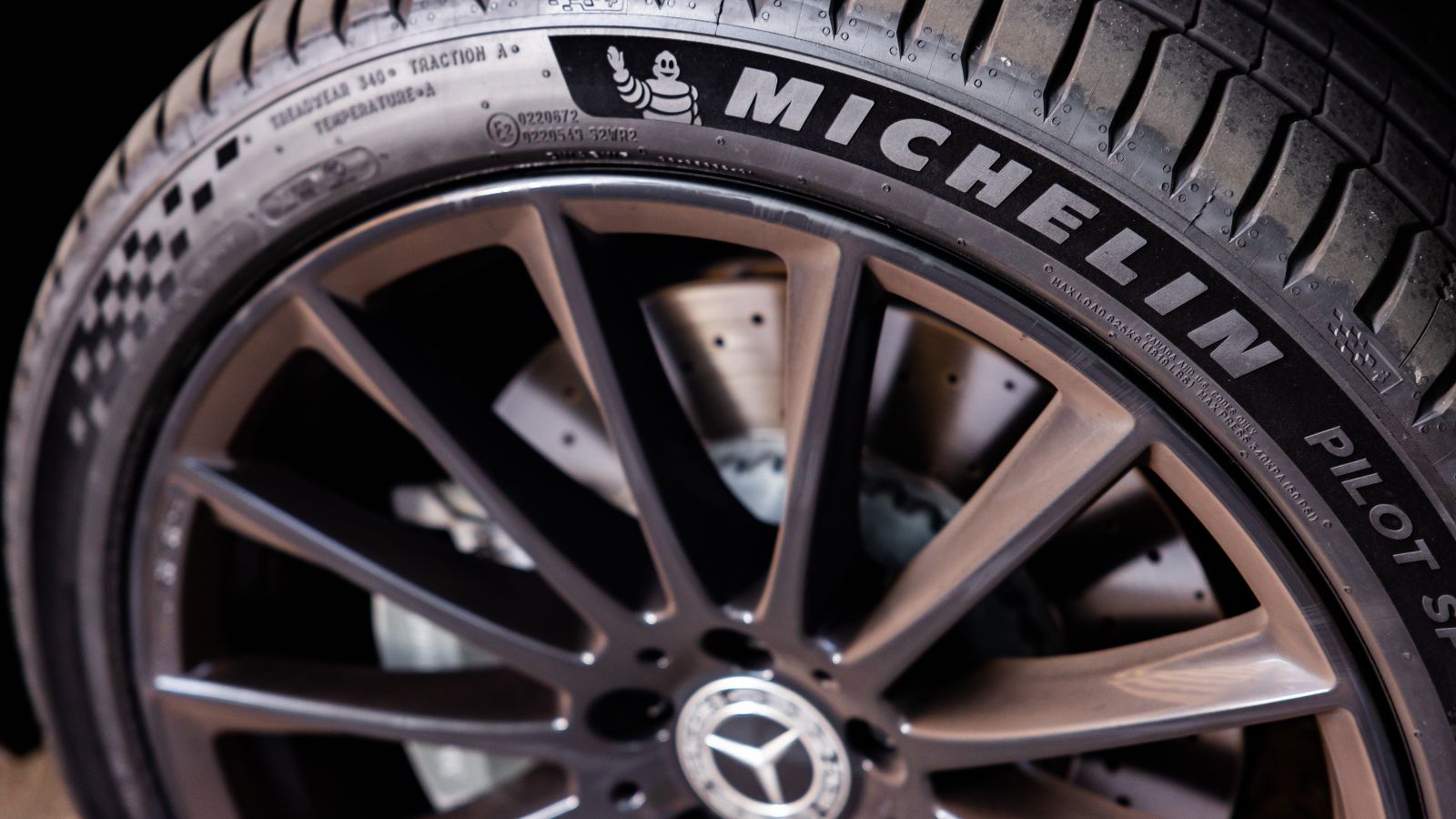
Many electric cars come factory fitted with performance focused tires to handle the extra weight and power. These tires prioritize grip, quietness, and efficiency over longevity. Softer rubber compounds wear faster by design. Wide tire widths also spread torque across a larger surface, which feels stable but increases scrub during low speed turns and parking maneuvers. Owners often replace tires with similar factory spec options, unknowingly repeating the same short lifespan cycle.
Driving Habits Matter More Than You Think
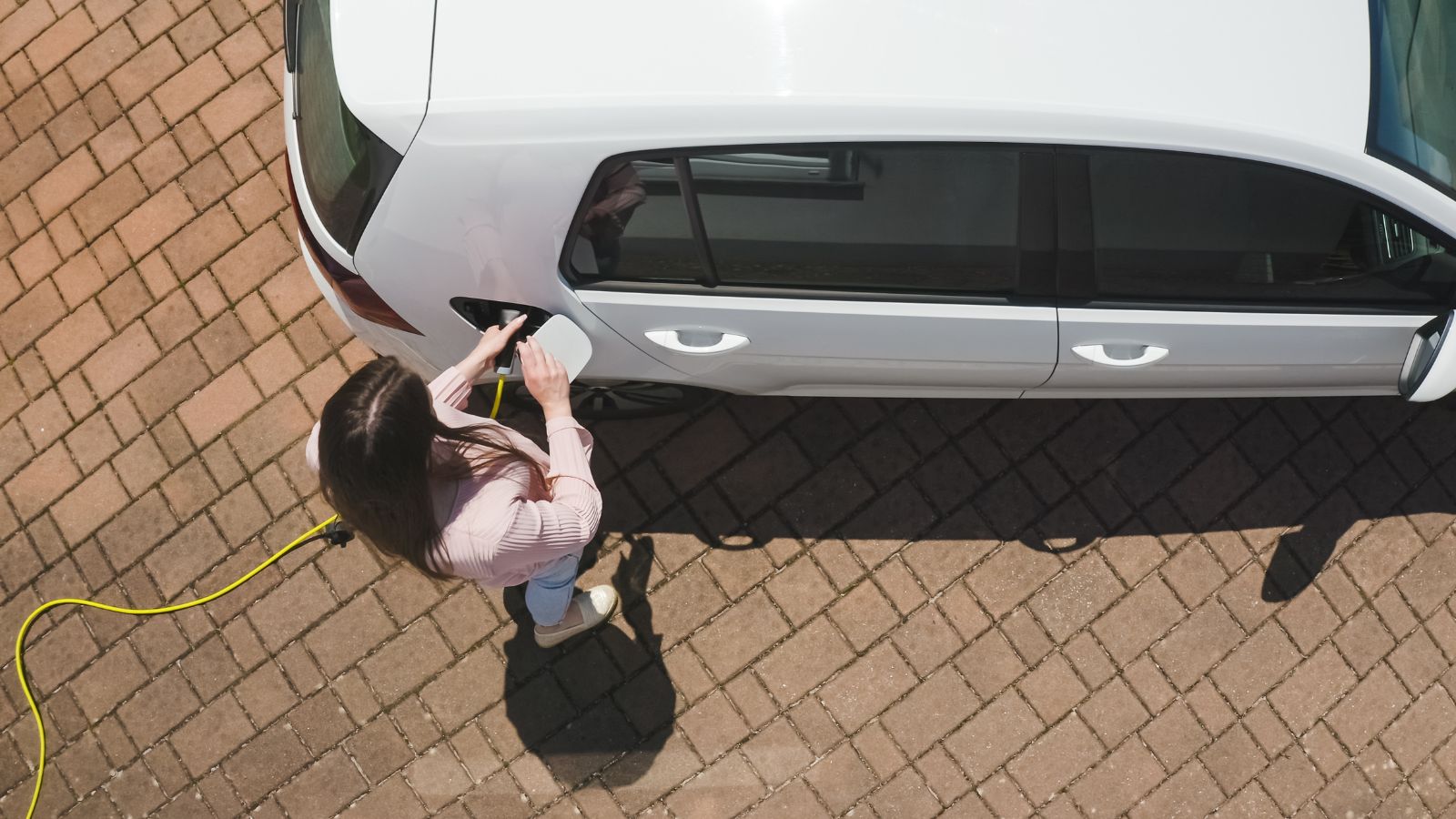
Electric cars encourage quick bursts of speed because it feels effortless and quiet. Drivers accelerate harder without the noise cues that normally signal stress. That smoothness hides how much work the tires are doing. Frequent short trips, aggressive regen settings, and urban stop and go driving all compound the issue. Tire pressure also plays a bigger role due to the weight. Slight underinflation can destroy shoulders quickly. Small habits make a big difference over time.
25 Facts About Car Loans That Most Drivers Don’t Realize

Car loans are one of the most common ways people fund car purchases. Like any other kind of loan, car loans can have certain features that can be regarded as an advantage or a disadvantage to the borrower. Understanding all essential facts about car loans and how they work to ensure that you get the best deal for your financial situation is essential. Here are 25 shocking facts about car loans that most drivers don’t realize:
25 Facts About Car Loans That Most Drivers Don’t Realize
