
Every year automakers introduce fresh tech meant to impress buyers and give their newest models a futuristic edge. Yet not all upgrades improve daily driving. Some are expensive distractions, some complicate tasks that used to be simple and others feel like gimmicks designed only for the brochure. These eight features sound innovative on paper but rarely justify the extra cost once you live with them. Most drivers would never miss them if they quietly disappeared from next year’s lineup.
Gesture Controls That Never Read Your Hands Correctly

Gesture controls promise slick hands free operation, letting you swipe through menus or adjust audio with mid air movements. In reality the sensors misinterpret simple gestures or respond a second too late. A casual hand motion can skip a song and waving to a passenger might trigger a menu change. When the system fails, drivers fall back to physical buttons or the touchscreen, proving the feature adds complexity without real convenience. It feels clever during a showroom demo but quickly becomes a nuisance on the road.
Fake Engine Sound Piped Through the Speakers
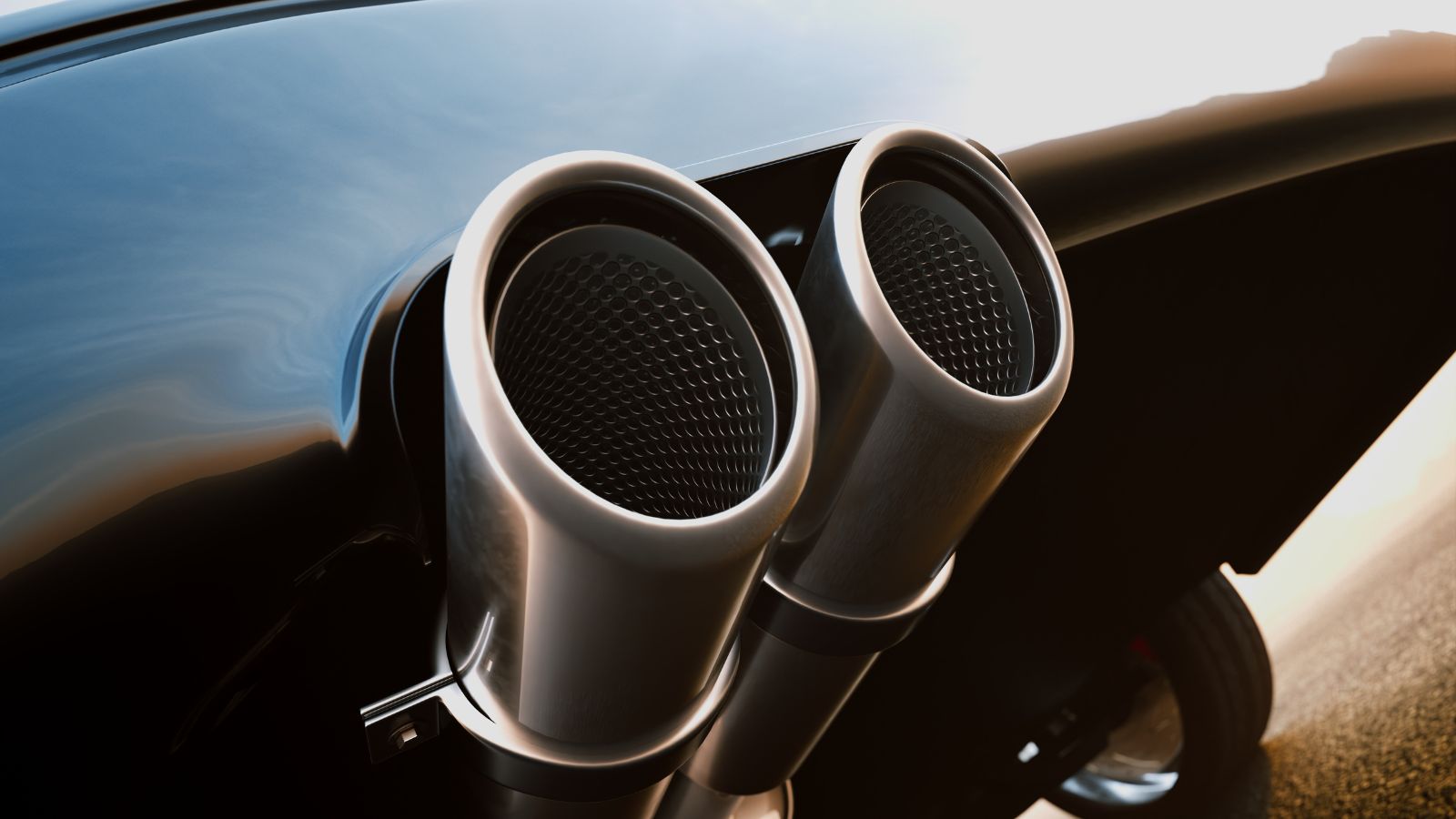
Artificial engine sound tries to make small turbocharged engines feel more dramatic by pumping synthetic noise through the cabin speakers. The problem is that the sound rarely matches what the engine is doing. It feels disconnected and often too loud, stealing the natural character of the car. Performance enthusiasts find it embarrassing, while regular drivers find it pointless. Once you hear the artificial growl a few times, the novelty fades and the feature becomes something most owners immediately switch off.
Complex Touchscreen Climate Controls That Slow Everything Down
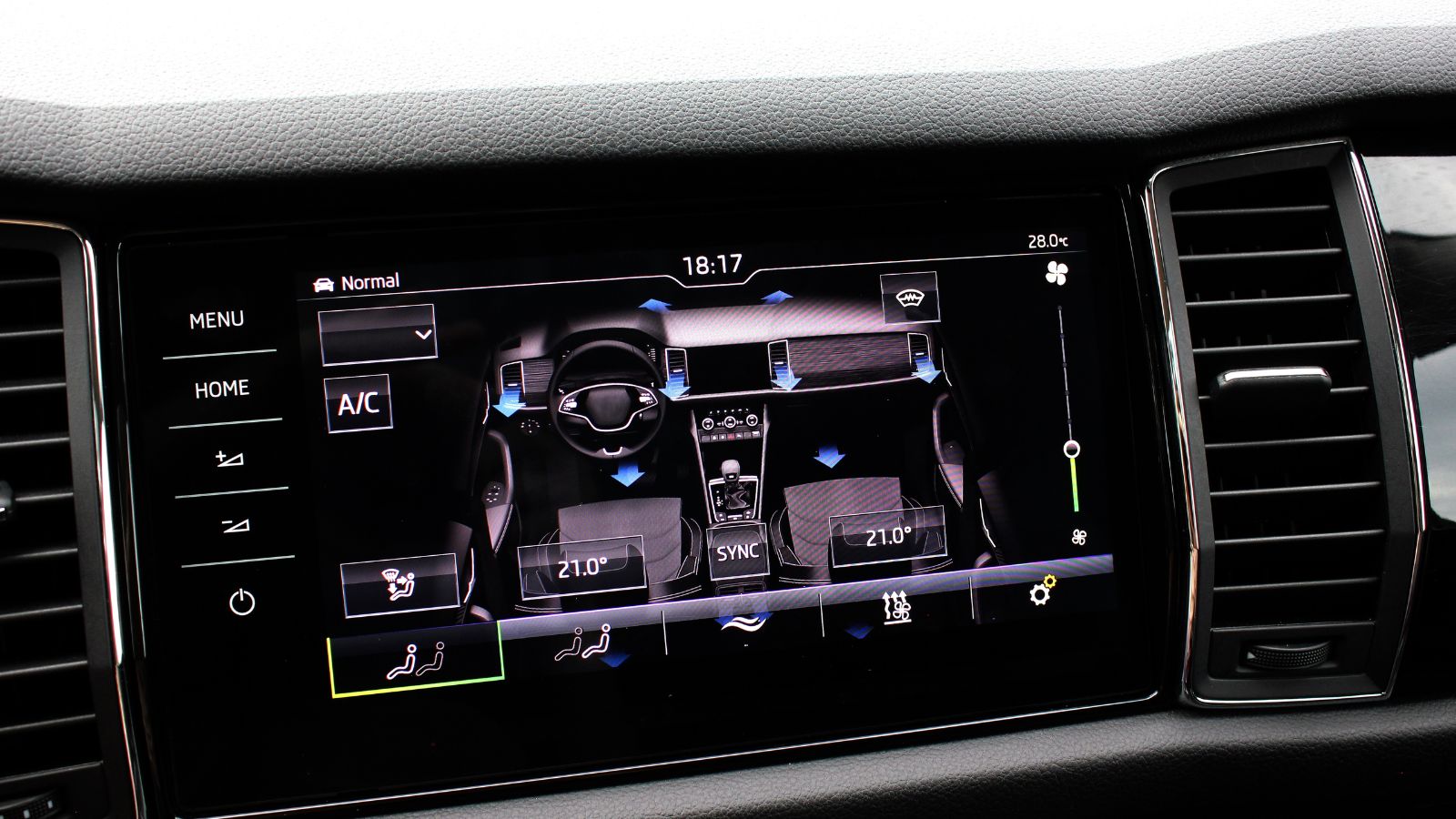
Touchscreens took over dashboards, and climate controls became buried in digital menus. Changing the temperature now requires tapping through multiple screens instead of twisting a simple knob. In cold winters or blistering summer heat this slows everything down and forces drivers to look away from the road. Physical controls allowed muscle memory and one touch adjustments. Touch menus demand attention and precision, which defeats the entire purpose of convenience. Most drivers end up longing for the days of simple dials.
Oversized Wheels That Ruin Ride Comfort
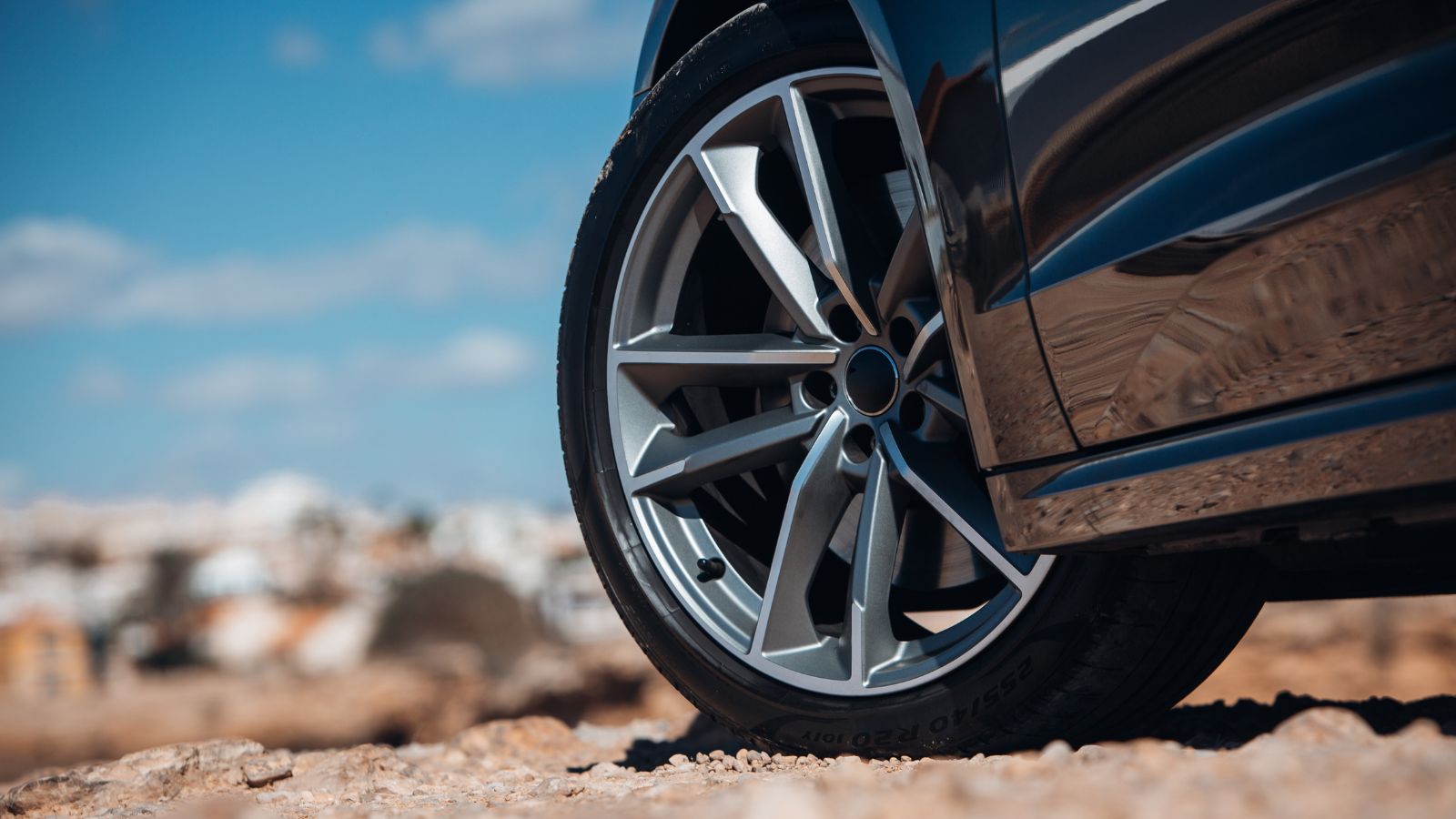
Massive wheels look fantastic in marketing photos, but owners quickly learn the downside. Larger wheels mean thinner tires, which absorb less impact from rough pavement. The ride becomes firm, noisy and sometimes harsh. Winter potholes deliver sharp hits straight into the cabin and replacement tires cost far more. Many buyers choose the big wheel package for style only to regret it months later when daily driving turns into a punishment. Smaller wheels ride better, last longer and cost far less.
Light Up Logos That Add Style but Nothing Else
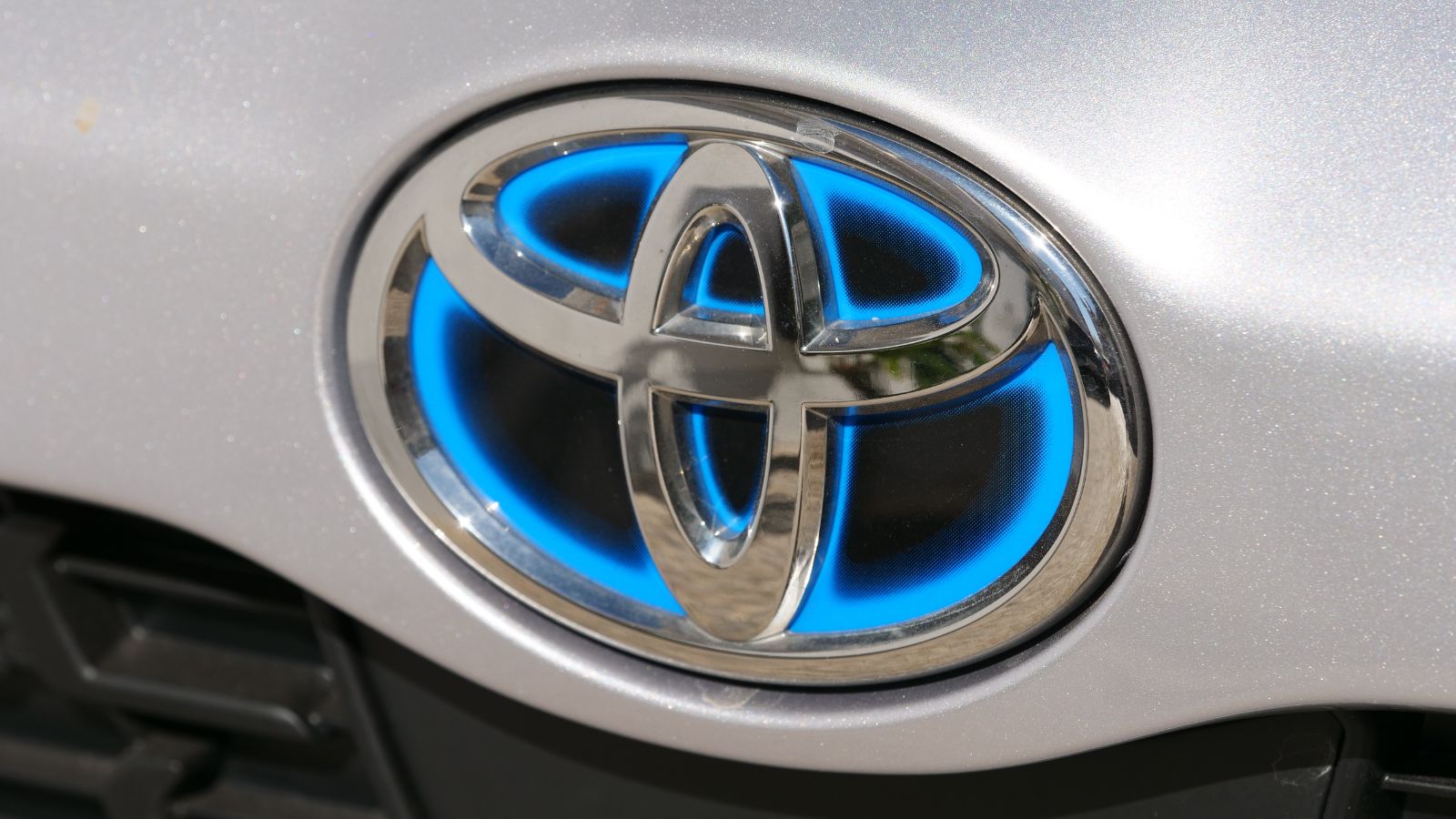
Glowing badges catch attention in dealership showrooms, but the novelty disappears almost instantly. They do nothing for safety, visibility or performance. If the illuminated logo cracks or fails, the repair costs can be surprisingly high. The feature offers pure cosmetics and nothing more, and even that limited appeal fades after a week of ownership. Drivers focused on long term value never choose this option on purpose.
Rear Occupant Alerts That Trigger Constant False Warnings

Rear occupant alerts exist for a serious purpose, but many early systems suffer from over sensitivity. The car beeps because a grocery bag slid across the seat or because the rear door was opened earlier in the day. Owners often disable the system after repeated false alarms, which defeats the entire reason the feature exists. When a safety feature becomes background noise, it becomes useless. Future versions may improve, but today many drivers view it as more annoyance than benefit.
Lane Centering Systems That Fight the Driver
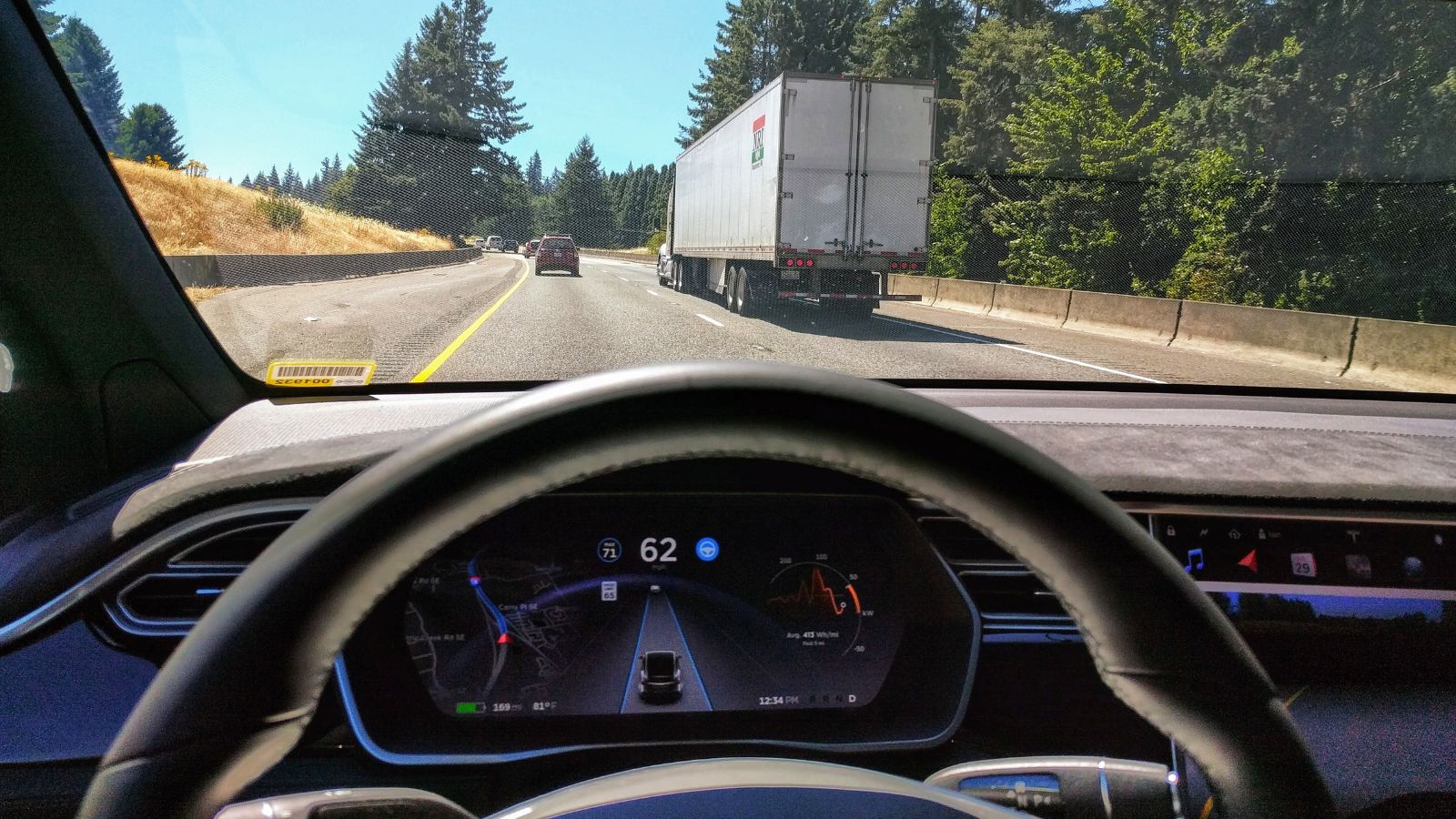
Lane assist offers gentle guidance, but lane centering goes much further by actively steering the car. Some systems feel intrusive, bouncing between painted lines or tugging at the wheel on curves. Instead of reassuring the driver, it creates a feeling of wrestling for control. Many owners turn it off permanently because the car feels unpredictable or unnatural with it active. Good assistance should support the driver, not challenge them for authority.
Built In Navigation That Is Worse Than Your Phone
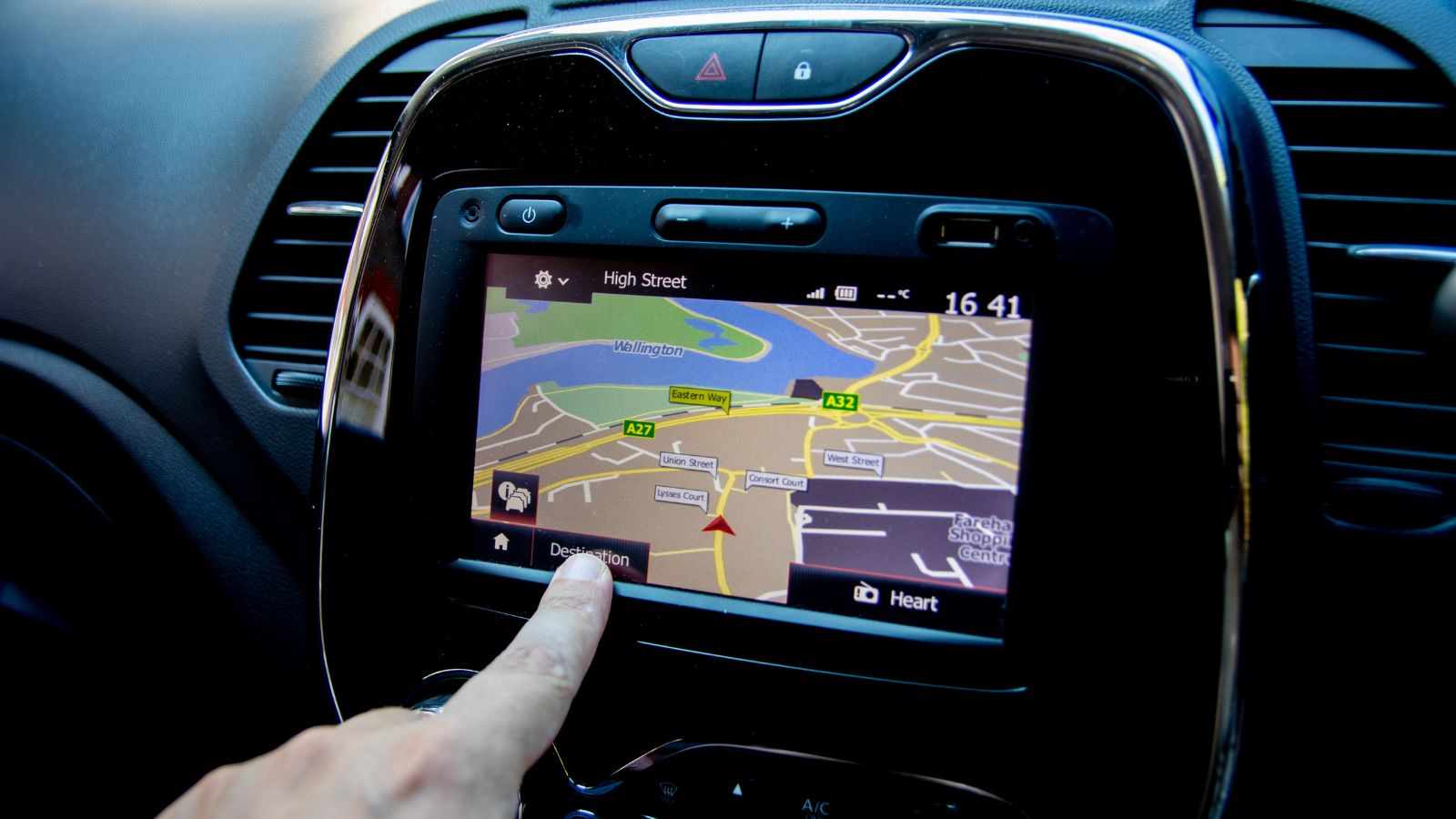
Factory navigation systems look impressive on paper, yet most fall behind smartphone apps within a year. Updates arrive slowly, the interface feels clunky and voice commands rarely work as well as they should. Meanwhile, phone apps offer live traffic, faster recalculation and constantly refreshed maps. Many drivers end up ignoring the built in system completely and rely on their phone instead. That makes the optional navigation package one of the least cost effective upgrades on the market.
25 Facts About Car Loans That Most Drivers Don’t Realize

Car loans are one of the most common ways people fund car purchases. Like any other kind of loan, car loans can have certain features that can be regarded as an advantage or a disadvantage to the borrower. Understanding all essential facts about car loans and how they work to ensure that you get the best deal for your financial situation is essential. Here are 25 shocking facts about car loans that most drivers don’t realize:
25 Facts About Car Loans That Most Drivers Don’t Realize
