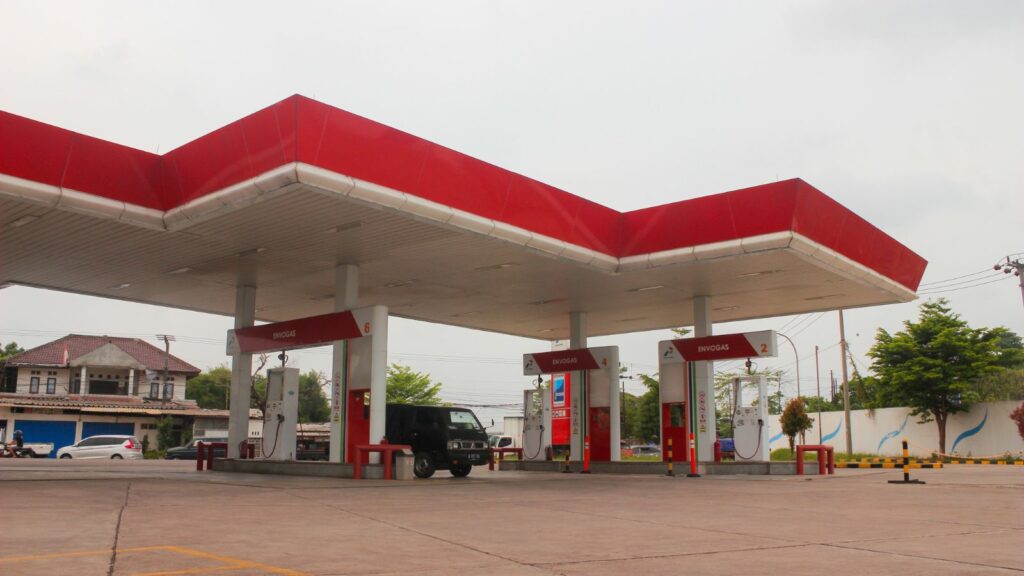
Old gasoline turns stale, loses volatility and collects moisture, which makes engines run poorly and can even damage fuel systems. But getting rid of it is not as simple as pouring it down a drain or dumping it on the ground. That is illegal and unsafe. The good news is that disposing of old fuel properly is straightforward once you know the right steps. Here is how to do it safely without causing harm or breaking any laws.
Identify Whether the Gasoline Is Truly Bad
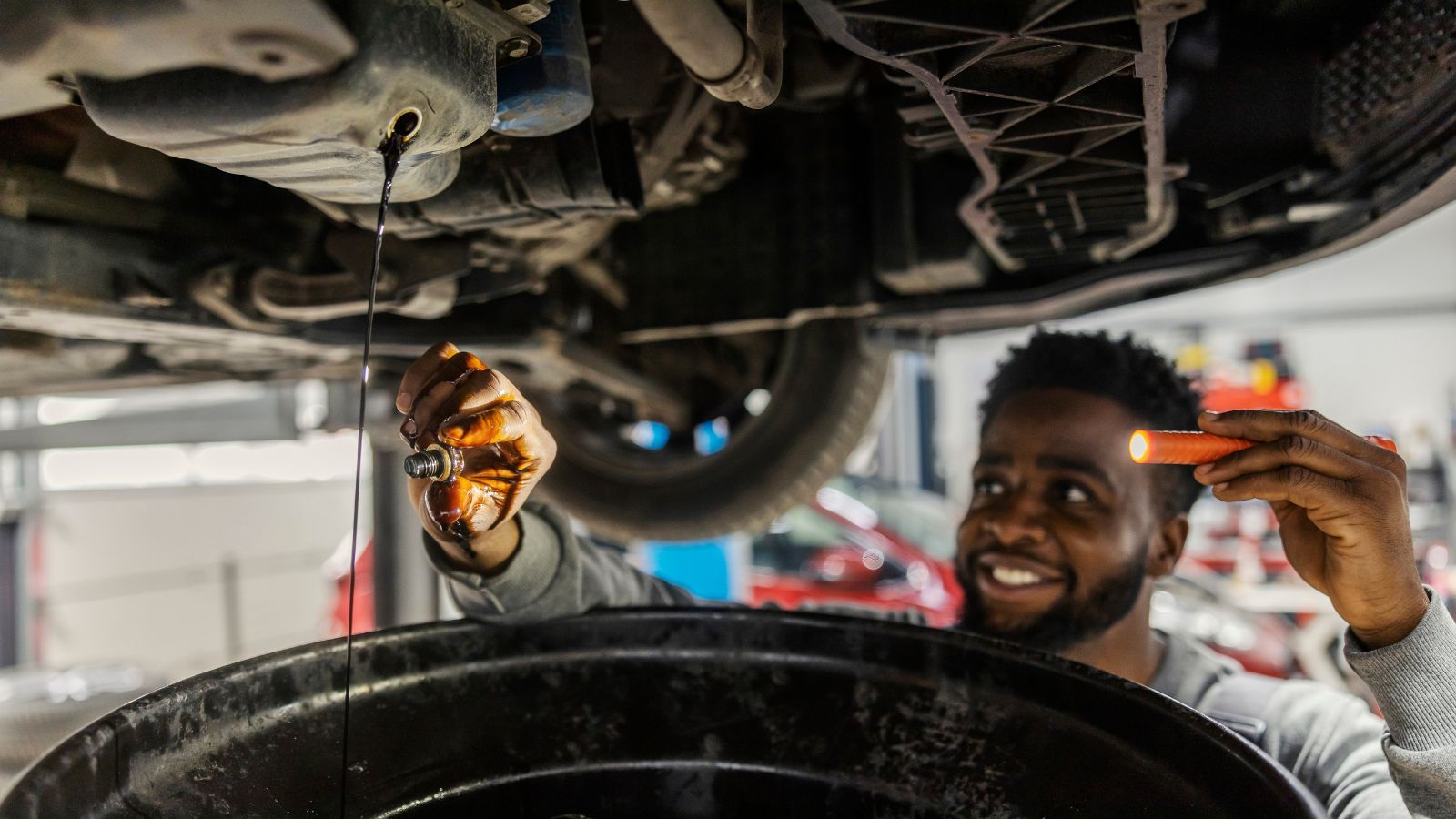
Old fuel changes color and smell. Fresh gasoline looks clear and bright, while stale gasoline darkens and takes on a varnish like odor. If the fuel sat for months or years in a can or tank, assume it is no longer usable. Bad gas can clog injectors and create hard starting. Before disposal, confirm that the fuel is genuinely past its usable life. This avoids tossing good product unnecessarily.
Never Dump Old Gas on the Ground or Down Drains
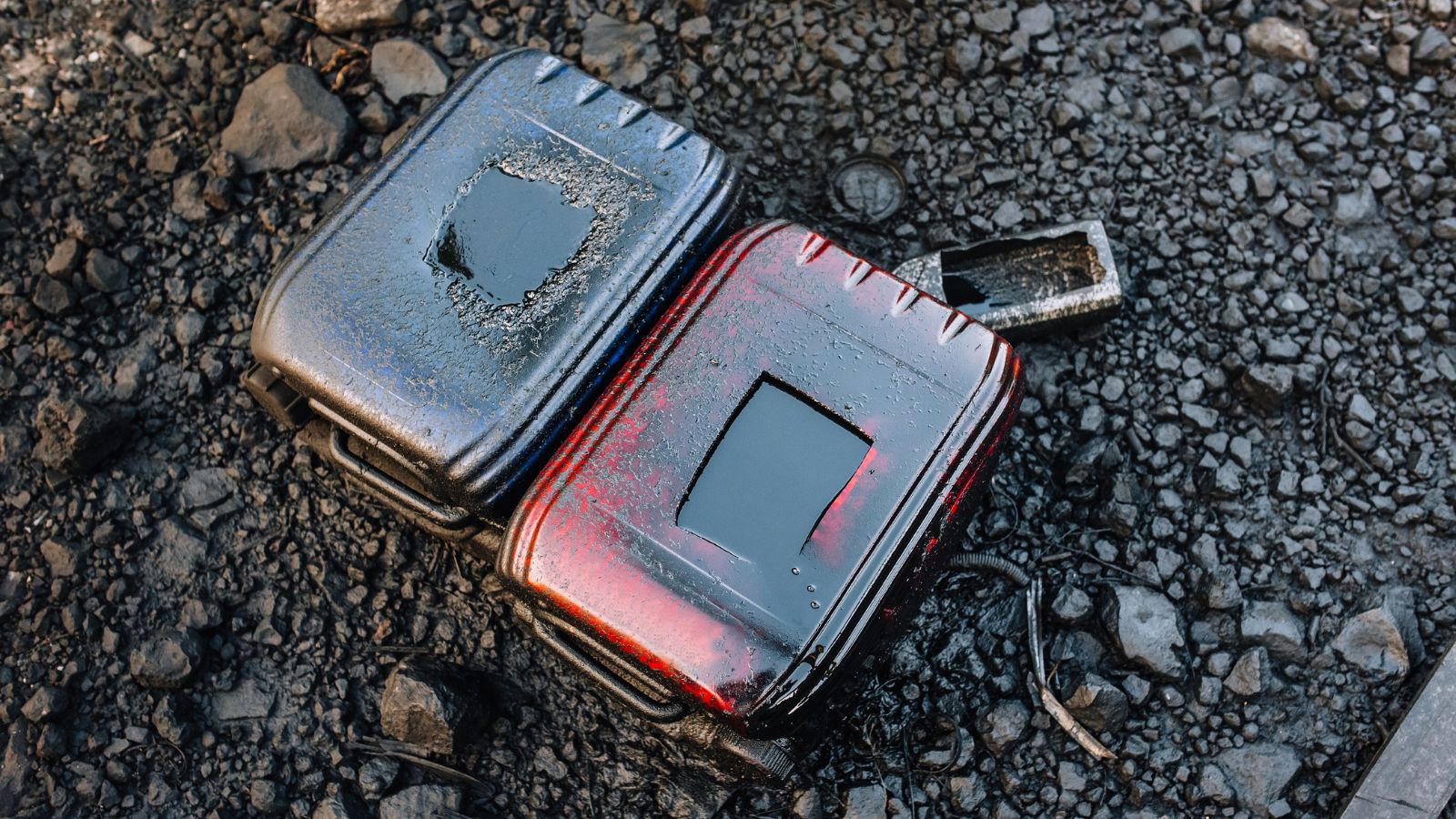
Gasoline contaminates soil, releases fumes and can enter water systems quickly. Pouring it onto the ground creates environmental damage and carries serious legal consequences. Drains are even worse because vapors can travel through pipes and ignite. Disposal shortcuts may feel quick but they create hazards that linger for years. Safe handling starts with avoiding anything that sends gas into the environment.
Store the Fuel Safely Before Disposal
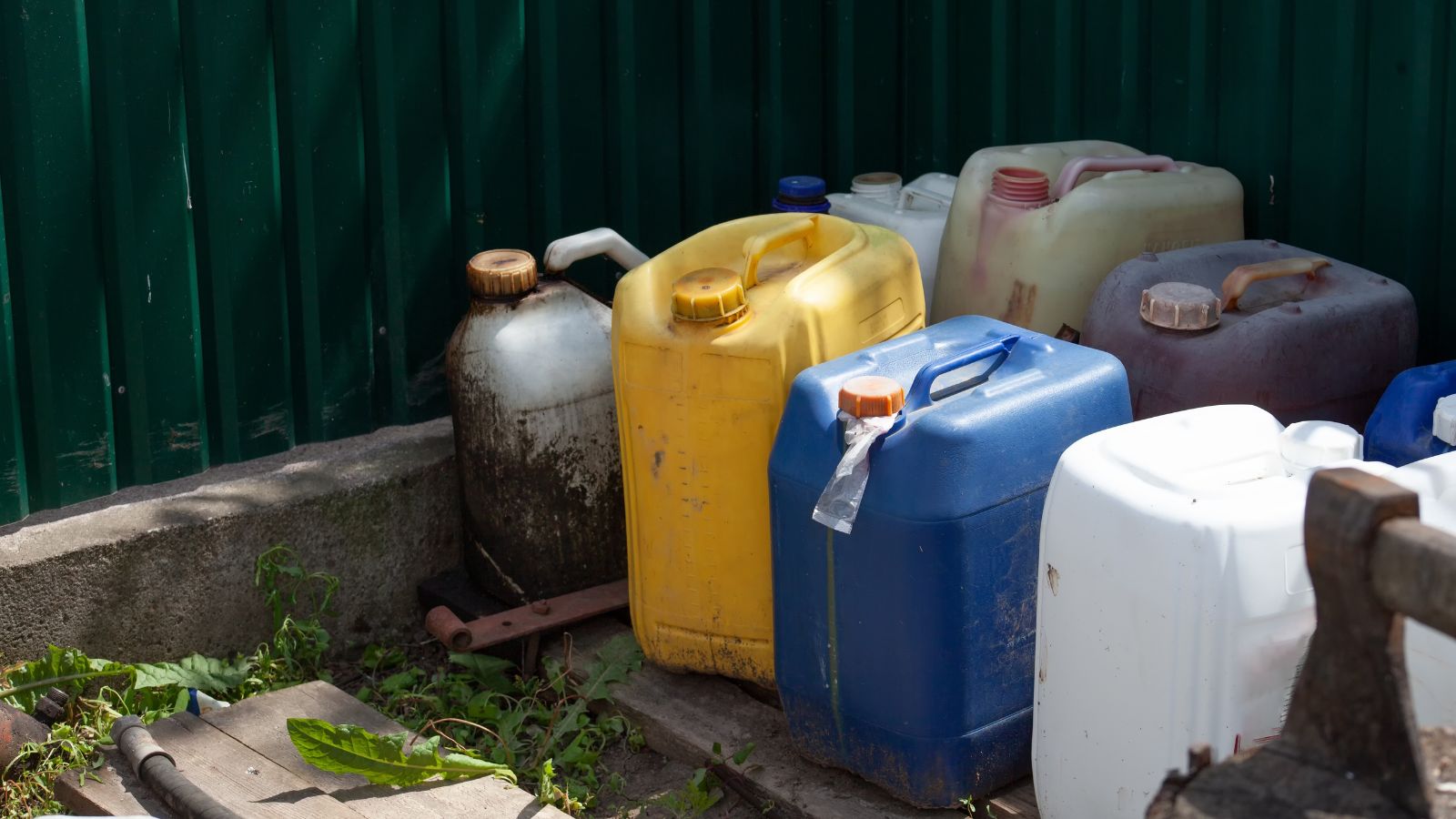
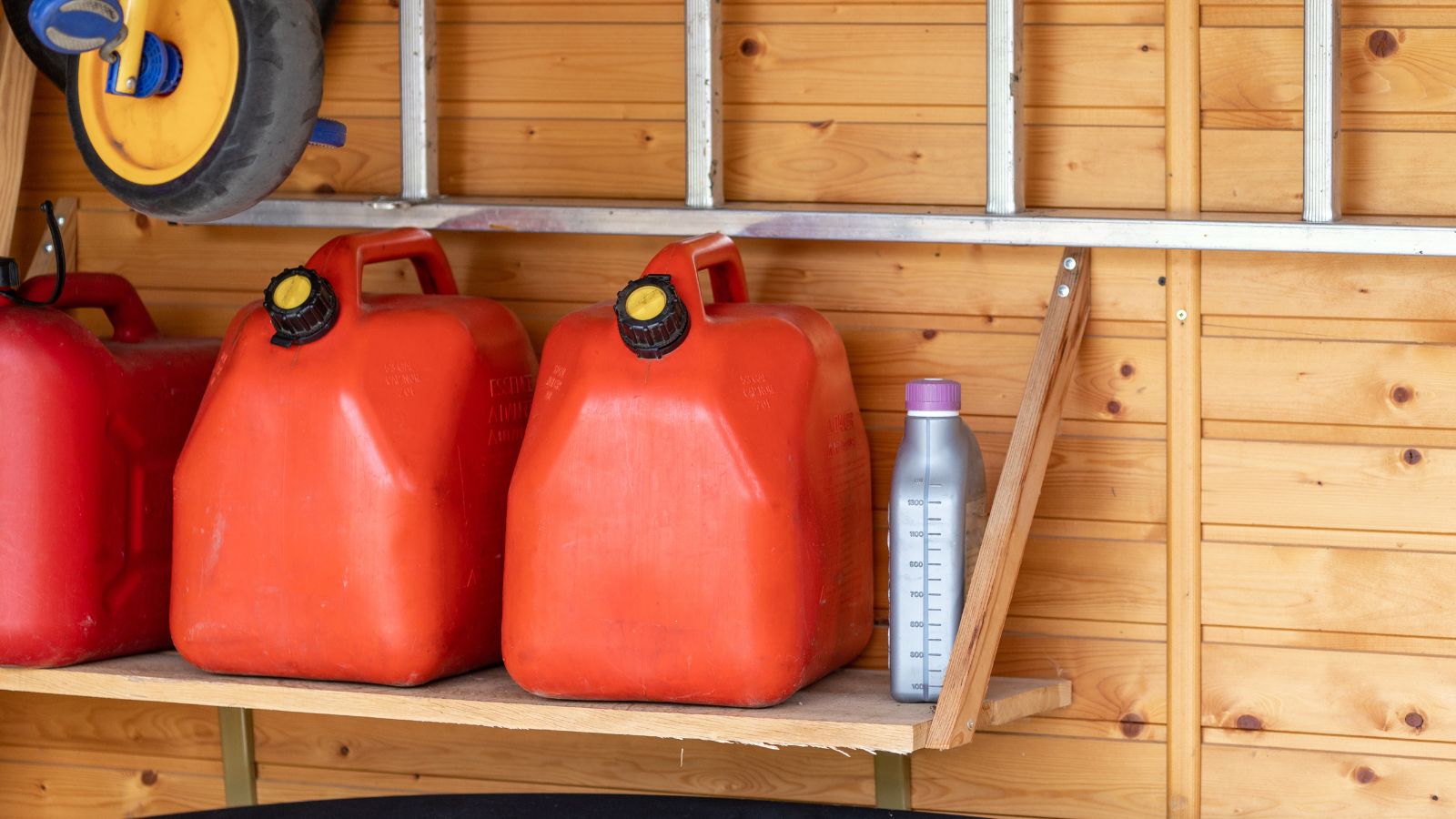
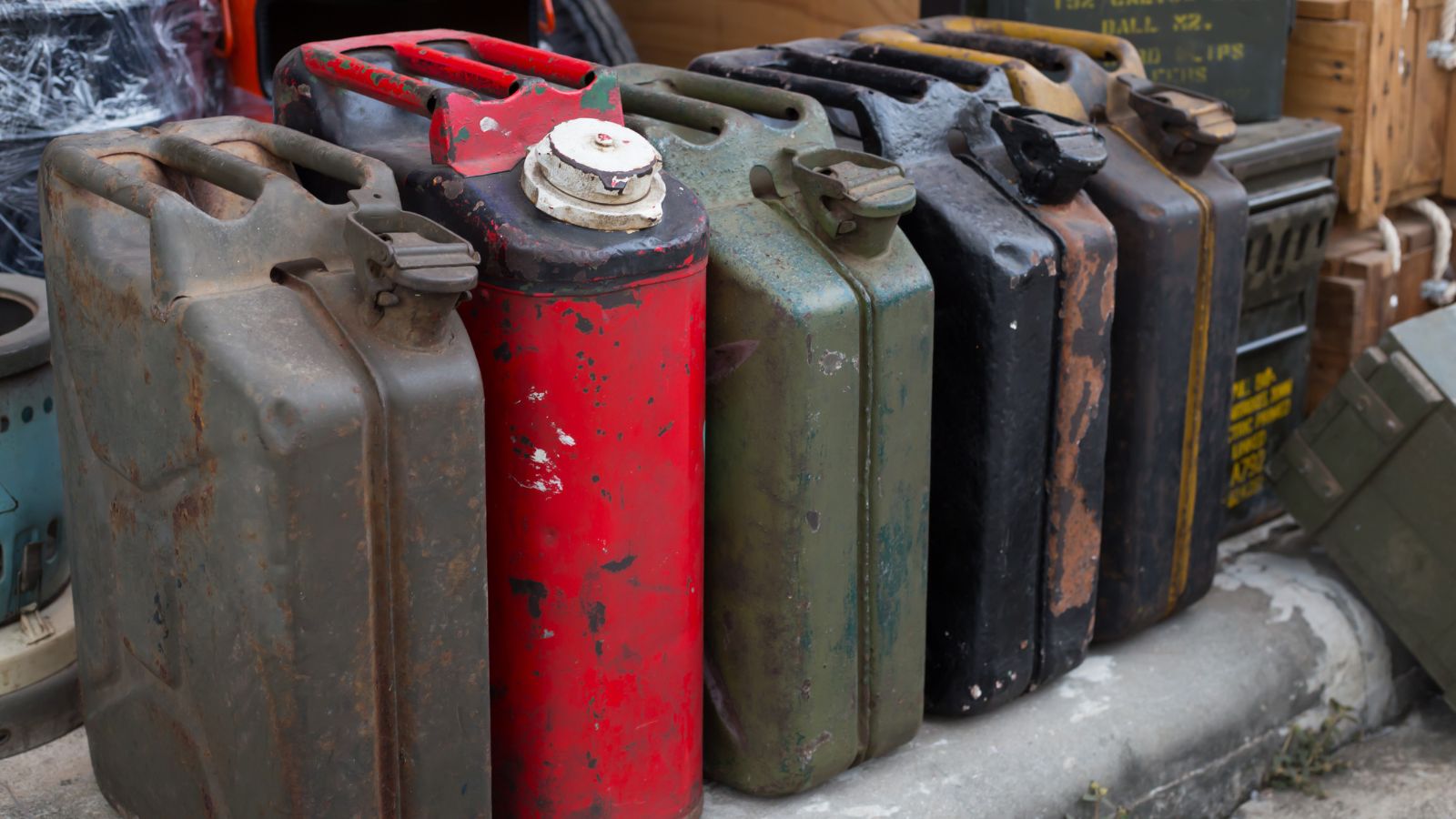
Transfer old gasoline into an approved fuel container. Never use plastic jugs meant for water or household liquids because vapors can escape or react with the material. Keep the container sealed, upright and stored outdoors in a shaded area away from flames or sparks. This short term storage step keeps you safe until you can complete proper disposal.
Use a Local Household Hazardous Waste Facility
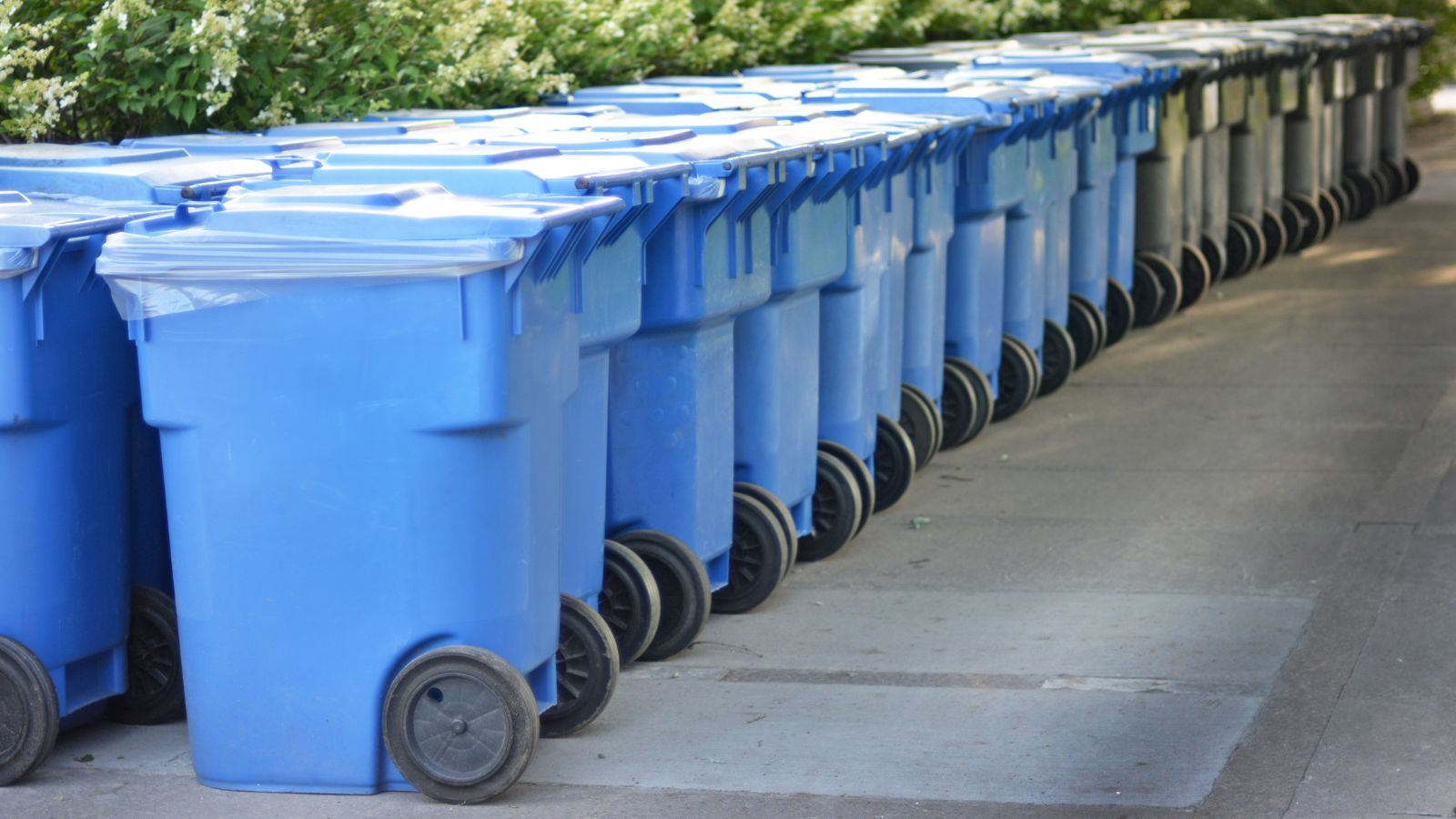
Most Canadian cities operate hazardous waste drop off centers that accept old gasoline for proper treatment. These facilities follow strict disposal rules so the fuel does not pollute soil or waterways. Bring the gasoline in its sealed container and follow staff instructions. This is the simplest, safest and most legal way to get rid of old fuel without worry.
Ask Your Local Auto Shop if They Accept Old Gasoline

Some repair shops and small engine mechanics accept limited quantities of old gasoline. They often combine it with other waste fluids in approved storage tanks before pickup. Call ahead because policies vary. This method keeps the fuel within professional handling systems and prevents amateurs from attempting unsafe disposal.
Mix Small Amounts With Fresh Fuel for Use in Yard Equipment
If the gasoline is only slightly stale and not contaminated with water or debris, small amounts can be mixed with fresh fuel at a low ratio. Yard tools like lawn mowers and trimmers tolerate modest blends as long as the mixture is diluted enough. This should only be done with small quantities and only if the fuel still looks clear and usable. It is a practical way to avoid waste while staying safe.
Never Burn Old Gasoline to Get Rid of It

Burning gasoline in a fire pit or open flame is extremely dangerous. Vapor clouds ignite instantly and can cause explosive flare ups. The fumes are toxic and drift easily. This method is unsafe and illegal in many areas. Even small amounts create a serious risk. Disposal should always follow controlled methods, not improvised burning.
Keep Fuel Away From Kids, Pets and Indoor Spaces
Store old gasoline outdoors until disposal. The vapors can cause headaches, nausea and breathing problems. Indoors, fumes can travel and ignite from pilot lights or electrical sparks. Keep the container locked away from children and pets who may not recognize the danger. Ventilation and distance are key safety principles.
Clean the Empty Gas Can Properly Before Reuse
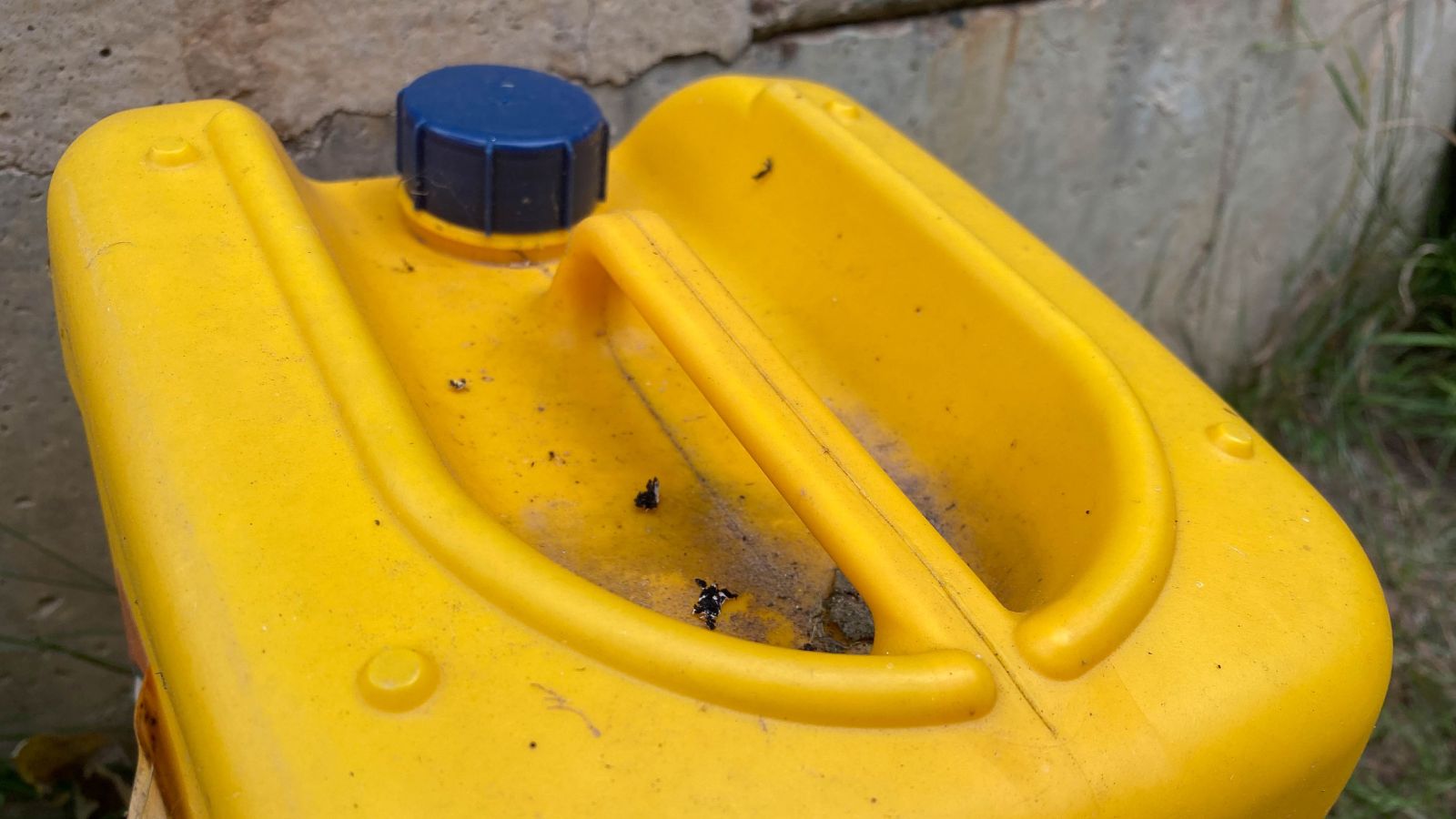
After disposal, rinse the empty gas can with a little fresh fuel to remove residue. Never rinse with water because gasoline floats and leaves flammable vapors inside. Dispose of the rinse fuel at the same hazardous waste site. Once dry, the container can be reused safely for fresh gasoline.
Dispose of Contaminated Fuel Separately From Mixed Fluids
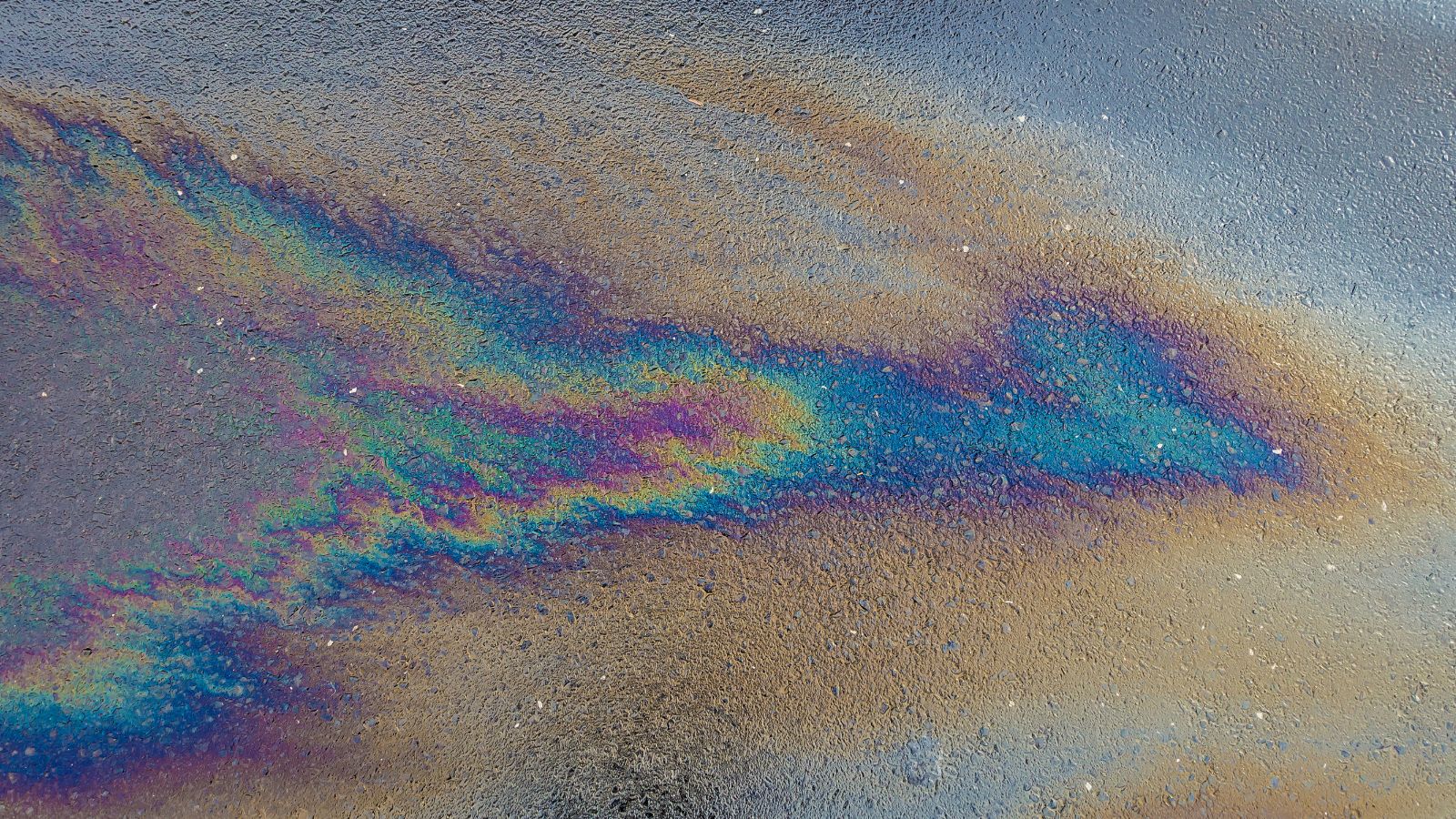
If gasoline is mixed with oil, water or other fluids, disposal rules become stricter. Waste centers need to handle it separately. Keep contaminated mixtures in their own containers and label them clearly. This avoids costly cleanup mistakes for disposal staff and ensures everything is processed according to regulations.
25 Facts About Car Loans That Most Drivers Don’t Realize

Car loans are one of the most common ways people fund car purchases. Like any other kind of loan, car loans can have certain features that can be regarded as an advantage or a disadvantage to the borrower. Understanding all essential facts about car loans and how they work to ensure that you get the best deal for your financial situation is essential. Here are 25 shocking facts about car loans that most drivers don’t realize:
25 Facts About Car Loans That Most Drivers Don’t Realize
