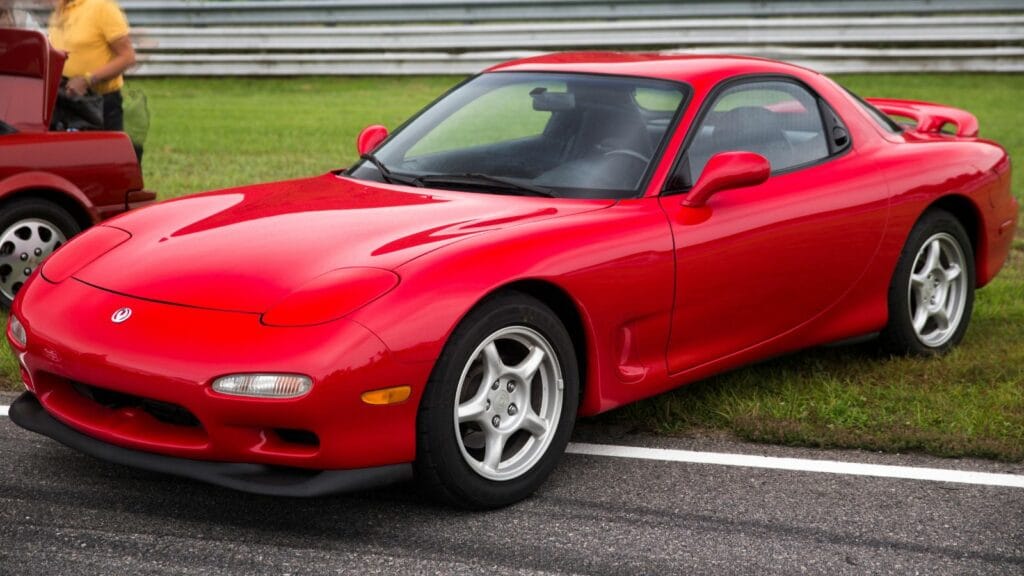
Some engines earned respect, others earned repair bills. A few became punchlines in garages across Canada and the United States. These eight engines failed not because they lacked ambition but because they were plagued by design flaws, reliability nightmares or catastrophic weaknesses that turned ownership into a slow, expensive heartbreak. They became infamous for all the wrong reasons.
Chrysler 2.7 V6
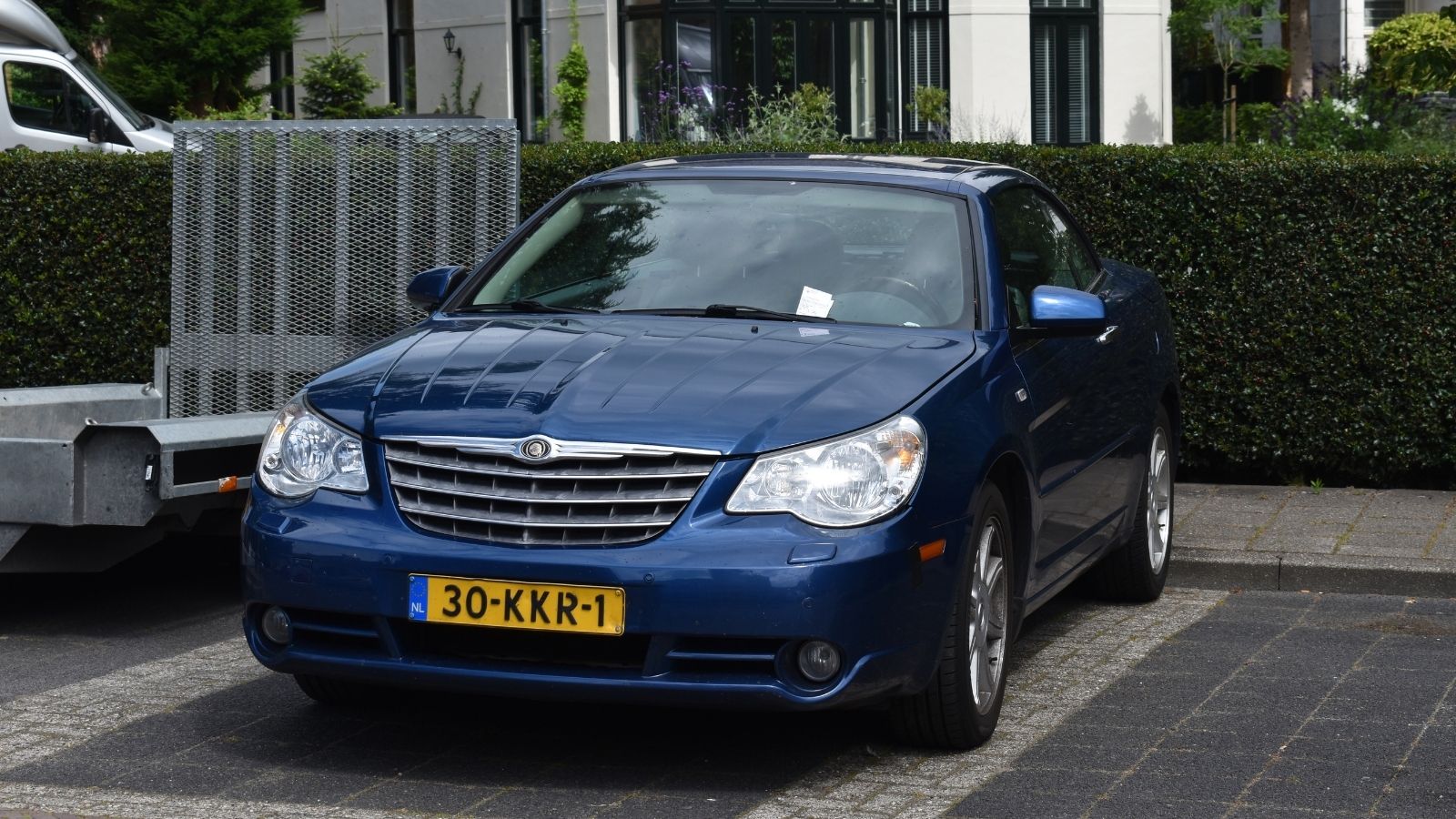
The early two thousands Chrysler 2.7 looked promising on paper, yet owners quickly learned it had one overwhelming flaw. Sludge. Thick, tar like buildup formed inside the engine because the internal oil passages were too narrow. Once sludge formed it choked lubrication and caused catastrophic failures. Drivers maintained them religiously yet still saw engines seize without warning. Mechanics dreaded seeing one arrive in their bays.
Cadillac Northstar V8
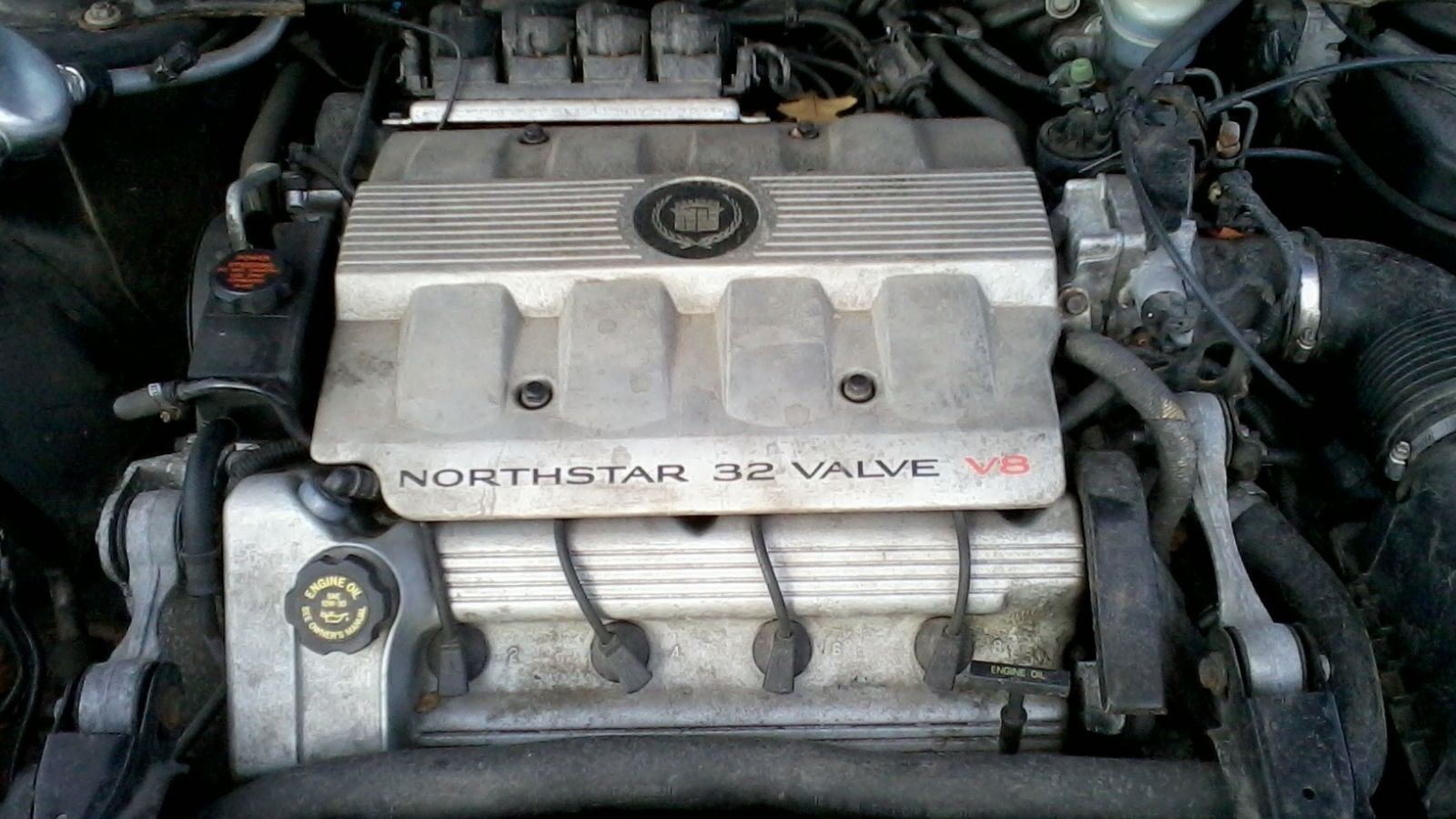
Cadillac intended the Northstar to be a luxury performance triumph. Instead it gained a reputation for head gasket failure on a scale few engines have ever matched. The aluminum block used long, delicate head bolts that pulled out of the threads, allowing coolant to flood into the cylinders. Overheating became routine and repairs cost more than the cars were often worth. Owners loved the power but feared the day steam came from the hood.
Subaru Two Point Five Boxer (Early 2000s)
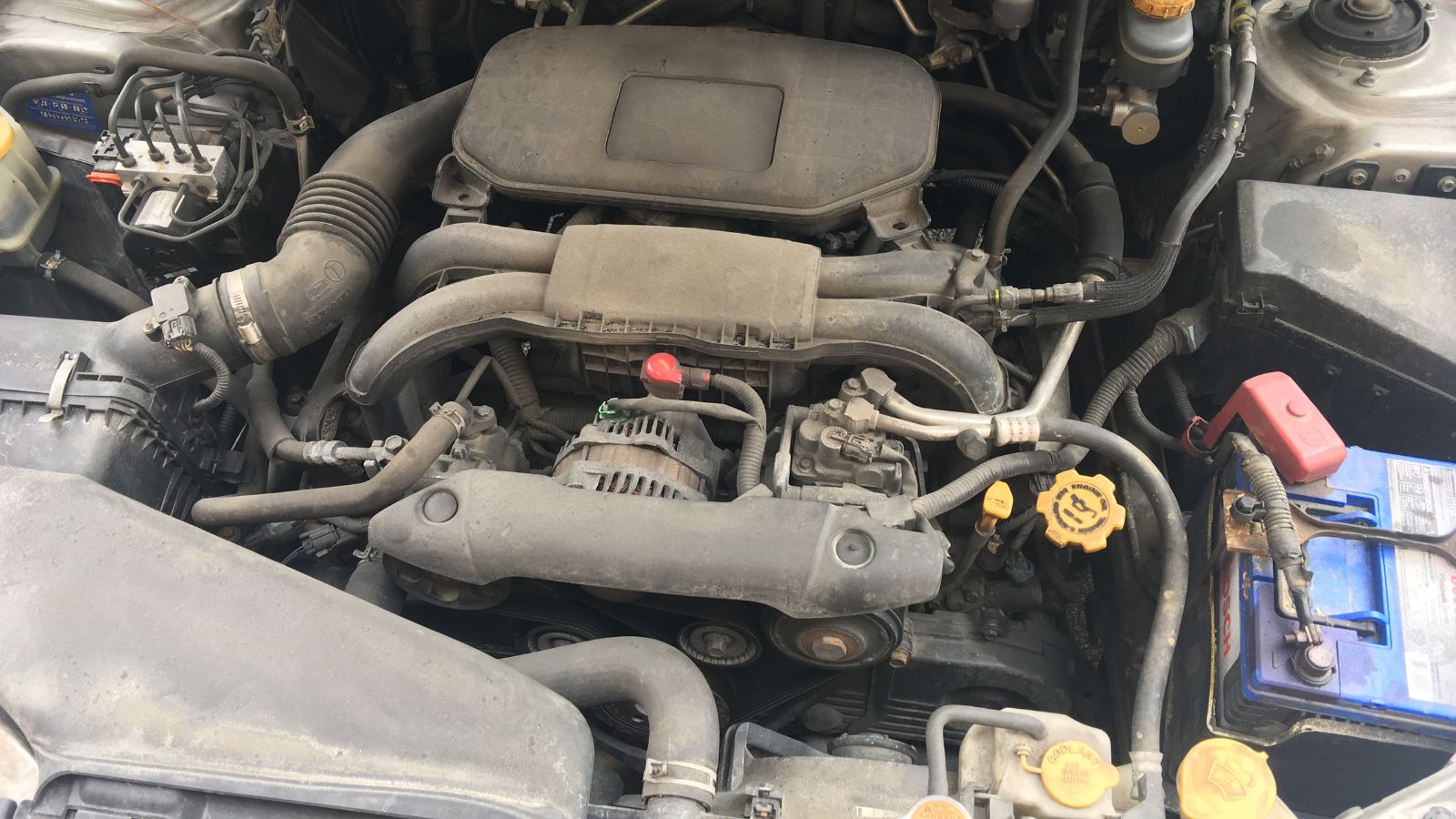
Subaru created an engine with character, but early two point five litre units also had an Achilles heel. Head gaskets. They leaked externally, internally and often repeatedly. Coolant seeped into oil passages and overheating followed soon after. While later fixes improved durability, the damage to the engine’s reputation stuck. The Boxer layout was clever, the execution during this era was not.
Mazda Rotary Thirteen B (Non Turbo Street Cars)
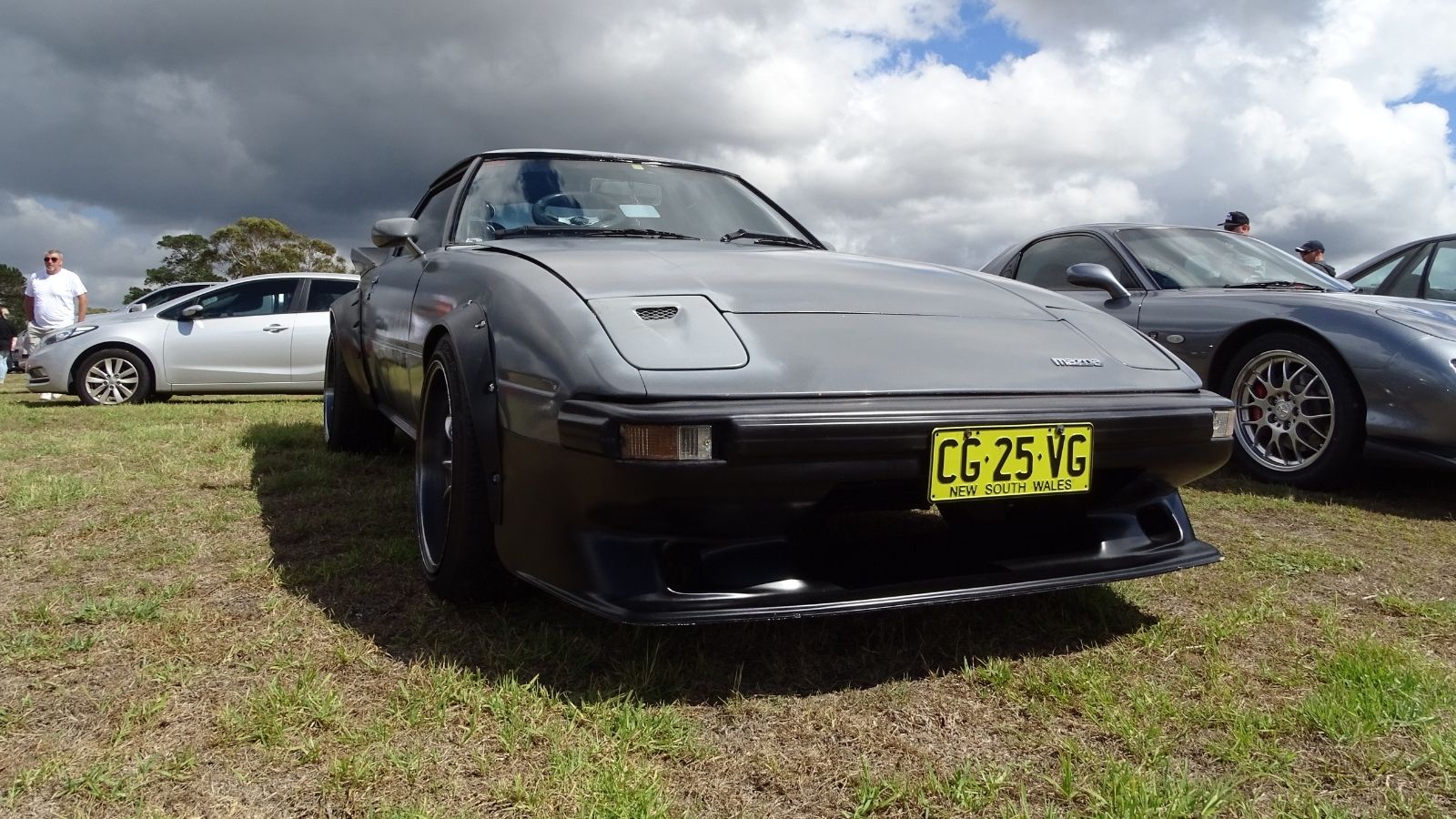
Rotaries are exciting, but the street tuned thirteen B engines in the nineties RX7 and early RX8 caused constant headaches. Apex seals wore prematurely, flooding happened easily in cold weather and fuel economy was staggering. Many engines required rebuilds before one hundred thousand kilometres. Enthusiasts loved the smooth revs but could not ignore the short lifespan and constant maintenance demands.
Volkswagen One Point Eight Turbo (Early 2000s)
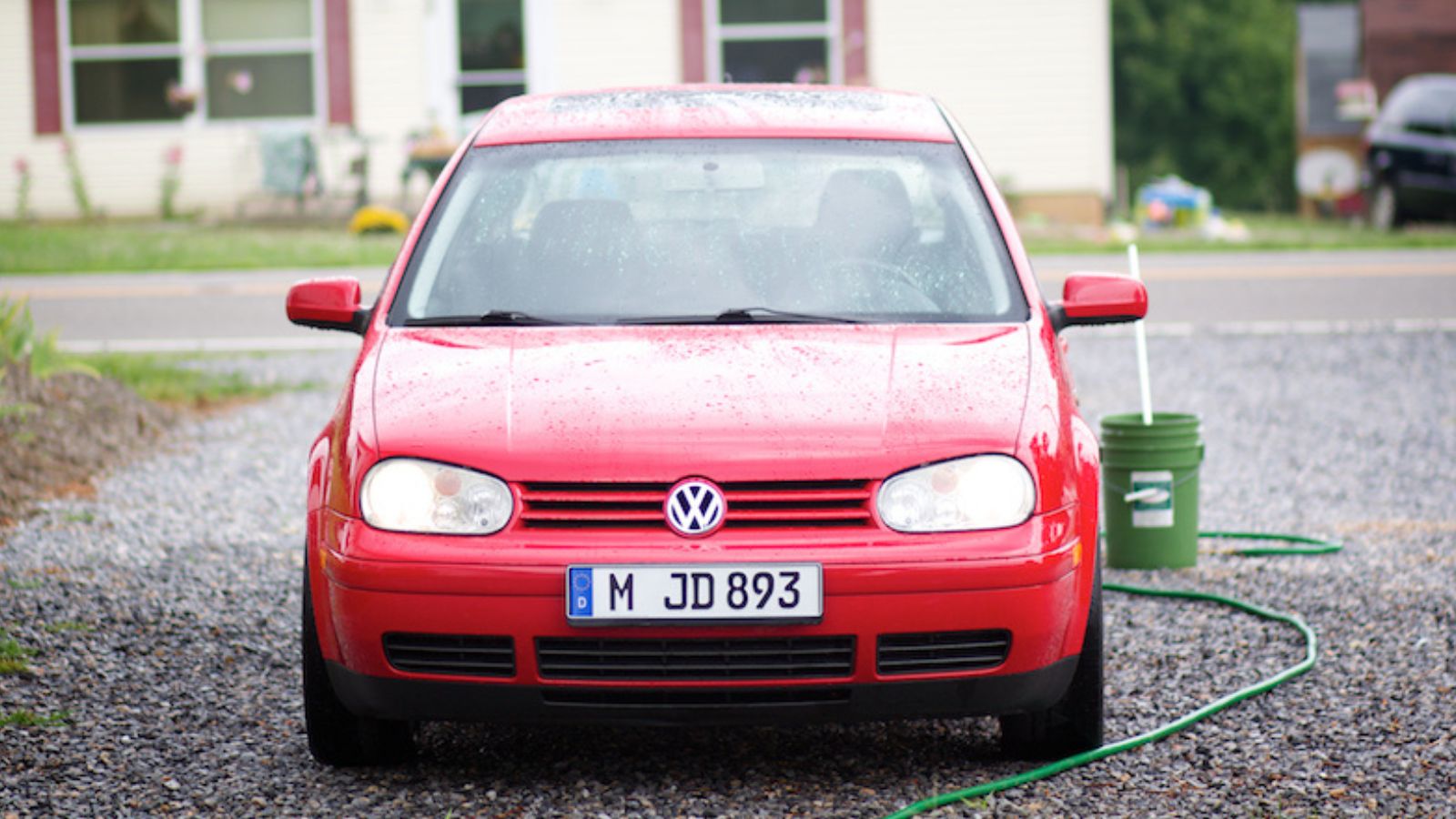
The early generation one point eight turbo offered strong performance but came with oil sludge issues, weak coil packs and turbocharger failures. Neglect was punished instantly. Even well maintained engines suffered timing belt failures that destroyed valves. The design showed promise but reliability fell far behind expectations which left owners wary and repair shops busy.
Ford Triton Five Point Four V8

Ford’s five point four from the late nineties and two thousands powered countless trucks but carried a notorious flaw. Spark plugs that seized in the heads or broke during removal. Extracting them became a full scale operation and costs soared. Some engines also experienced timing chain tensioner failures that caused rattling, misfires and internal damage. It was a strong engine brought down by expensive, avoidable design oversights.
BMW N63 Twin Turbo V8
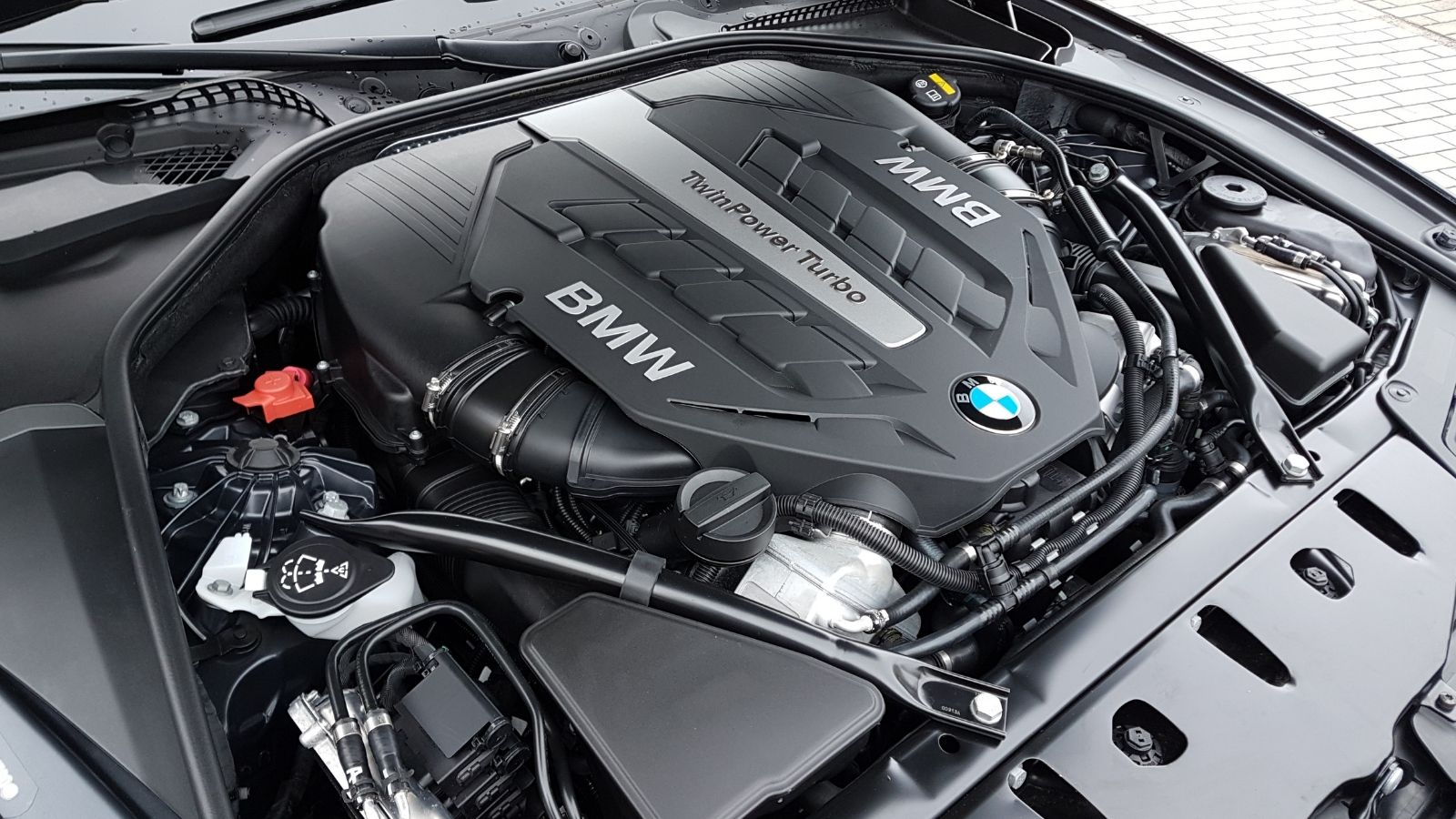
The N63 arrived with power and refinement but punished owners with extreme complexity. High oil consumption, timing chain stretch, injector failures and turbo heat soak issues turned these engines into financial traps. BMW launched multiple customer care programs to address the problems yet many owners still replaced engines far earlier than expected. Luxury buyers did not expect this level of drama.
Mini Cooper One Point Six (Early 2000s)

The early Mini one point six built by Chrysler and used in the first generation Cooper became famous for constant failures. Timing chain tensioners wore out early, oil leaks formed everywhere and the engines overheated regularly. Cold starts were inconsistent and the supercharged S models suffered premature bearing wear. Fun to drive, dreadful to maintain. Many owners swore off the brand entirely after living through one.
25 Facts About Car Loans That Most Drivers Don’t Realize

Car loans are one of the most common ways people fund car purchases. Like any other kind of loan, car loans can have certain features that can be regarded as an advantage or a disadvantage to the borrower. Understanding all essential facts about car loans and how they work to ensure that you get the best deal for your financial situation is essential. Here are 25 shocking facts about car loans that most drivers don’t realize:
25 Facts About Car Loans That Most Drivers Don’t Realize
