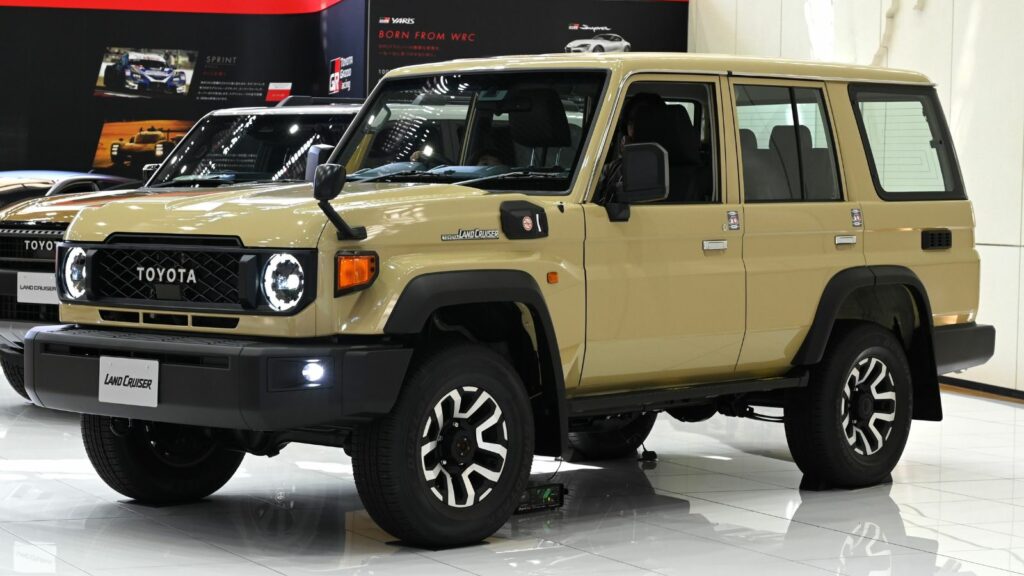
Economic uncertainty has a way of changing how people think about cars. When markets become unstable or fuel prices rise, buyers often start prioritizing reliability, operating costs, and long term durability over luxury or performance. During those periods certain automotive brands consistently gain attention in the used market. Japanese manufacturers such as Toyota, Honda, and Subaru have built reputations that often help their vehicles hold value when conditions become unpredictable.
Reliability Becomes More Important When Budgets Tighten

During stable economic periods, many buyers feel comfortable taking chances on newer brands or more complex vehicles. When uncertainty increases, that mindset often changes quickly.
Buyers begin focusing on vehicles with strong reliability records and lower maintenance risks. Brands like Toyota and Honda have spent decades building reputations for durability, and that reputation becomes especially valuable when consumers want transportation they can depend on without surprise repair bills.
Proven Engineering Builds Long Term Trust
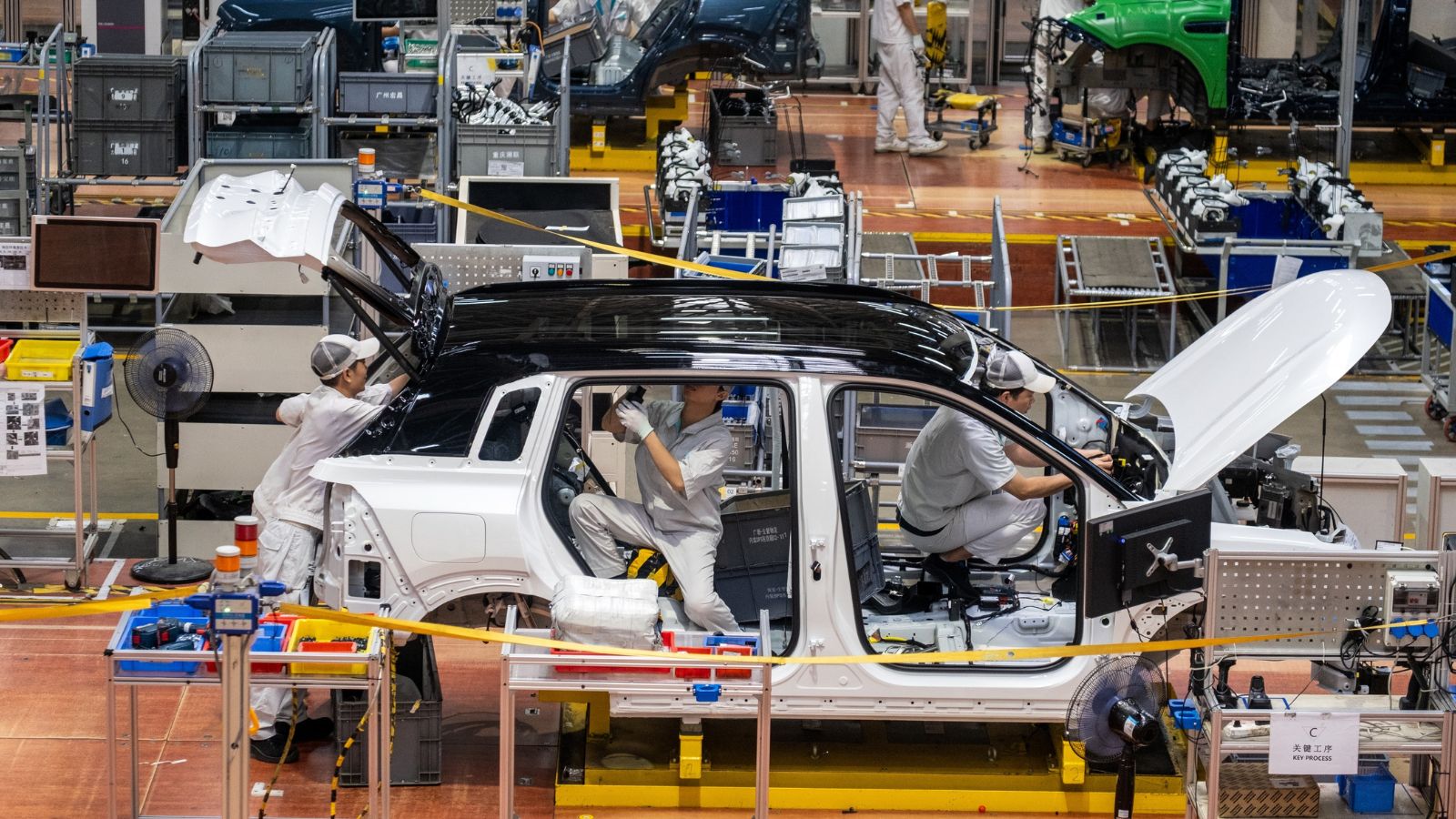
Japanese manufacturers gained their reliability reputation through decades of consistent engineering philosophy. Vehicles are often designed with long term durability and predictable maintenance in mind.
Models such as the Toyota Corolla, Honda Civic, and Toyota Camry became famous for lasting hundreds of thousands of miles with proper maintenance. That history creates confidence in the used market. Buyers who need dependable transportation often gravitate toward vehicles that have already proven themselves over time.
Lower Operating Costs Attract Practical Buyers
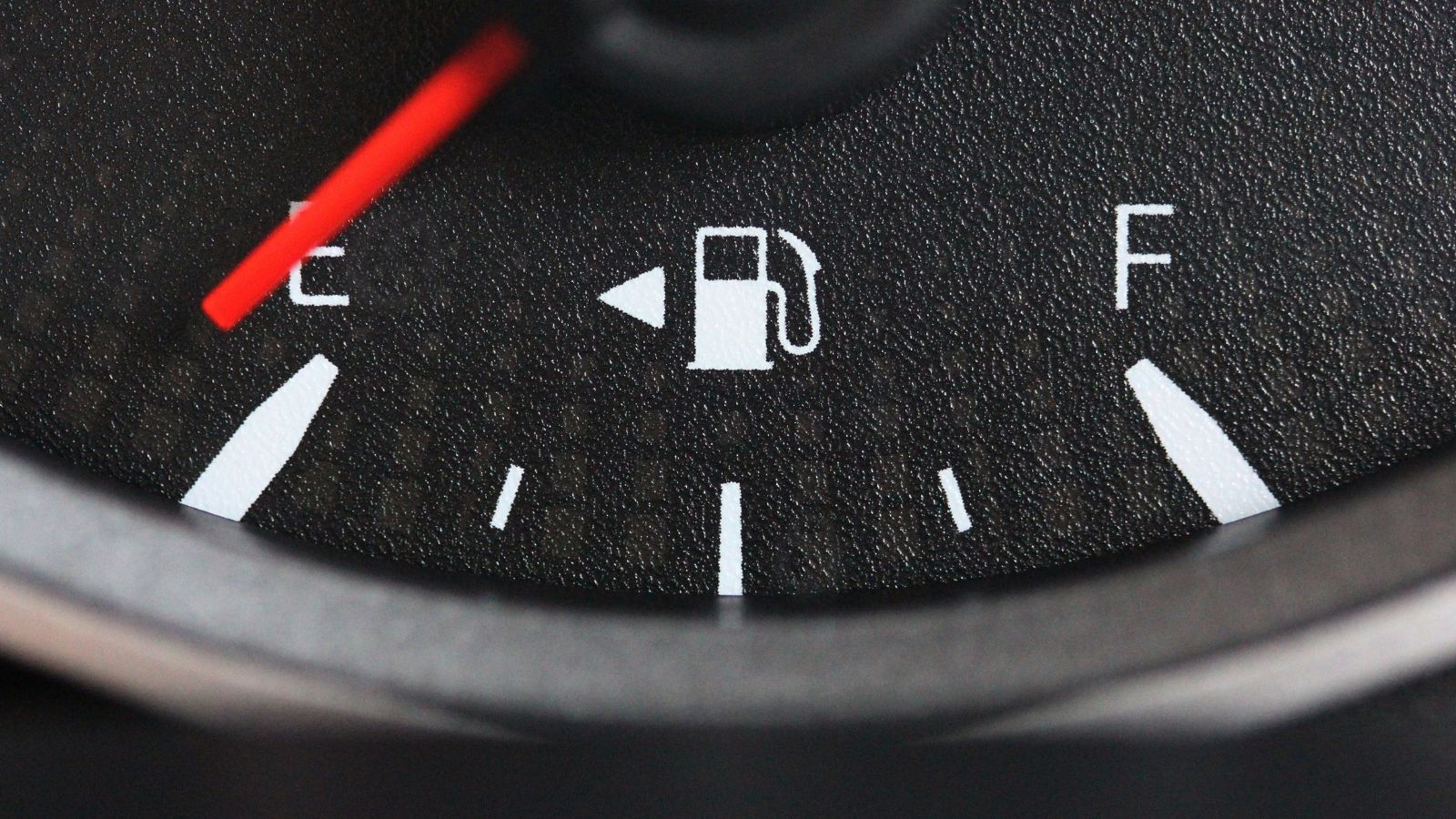
During periods of instability, operating costs can become just as important as purchase price. Drivers begin paying closer attention to fuel economy, maintenance costs, and insurance.
Many Japanese vehicles are known for delivering strong fuel efficiency and relatively affordable servicing compared with luxury or performance oriented brands. That combination makes them appealing to buyers who want to control their transportation expenses during uncertain economic periods.
Global Reputation Strengthens Resale Values

Japanese automakers have built strong reputations not just in North America but around the world. Vehicles like the Toyota Land Cruiser and Toyota Hilux are famous for durability in some of the harshest environments on the planet.
That global reputation reinforces resale values. When buyers believe a vehicle will last for many years, they are often willing to pay more in the used market. Even during economic slowdowns, demand for trusted brands tends to remain strong.
Simple Designs Can Age Better
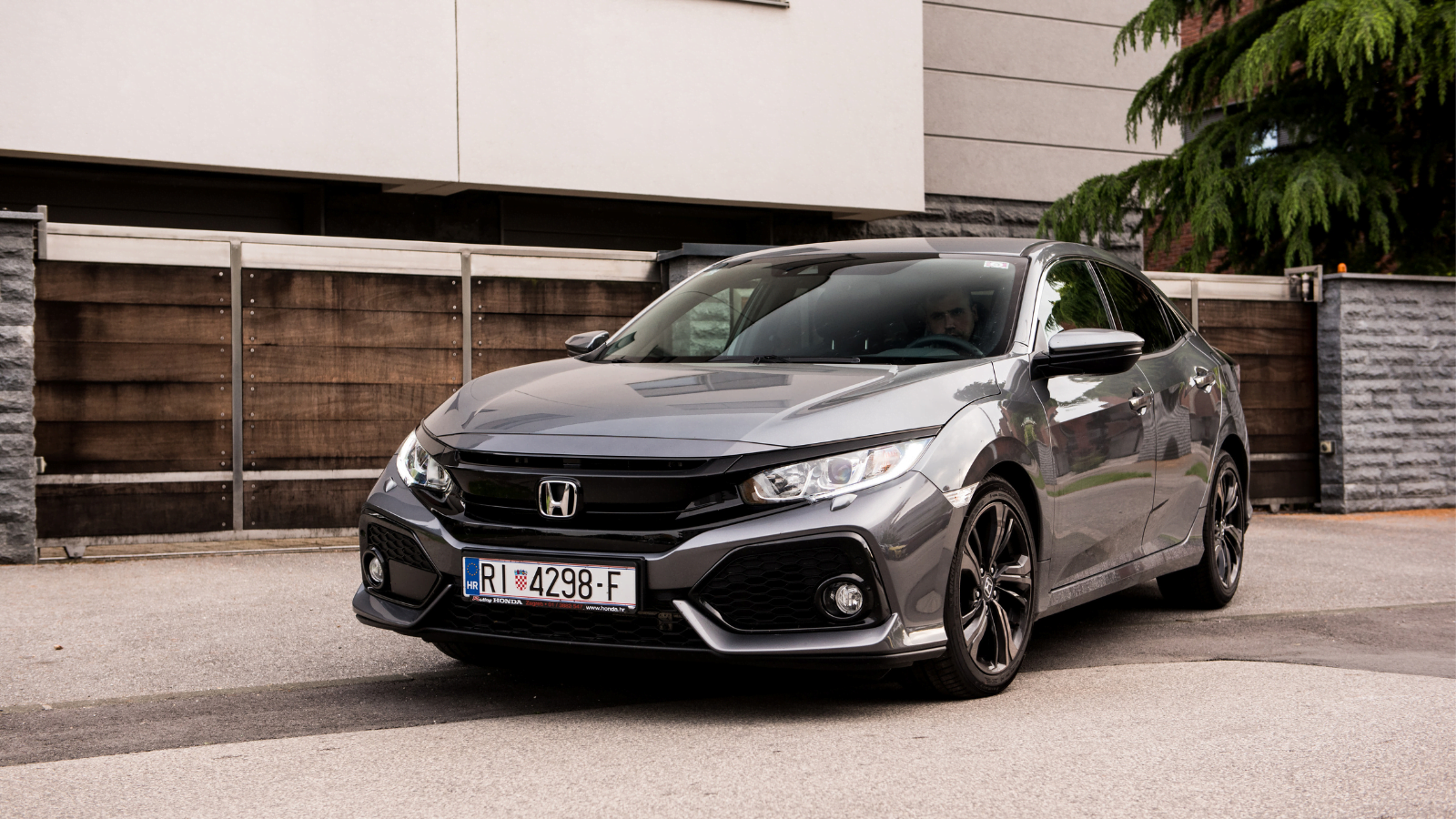
Many reliable Japanese vehicles emphasize straightforward engineering rather than extremely complex technology. While modern cars from all manufacturers have become more sophisticated, many Japanese models still focus on proven mechanical layouts.
This approach can reduce the likelihood of costly failures as vehicles age. For buyers concerned about unexpected repair bills, that simplicity becomes another reason these vehicles remain desirable in the used market.
Practical Vehicles Remain in Demand
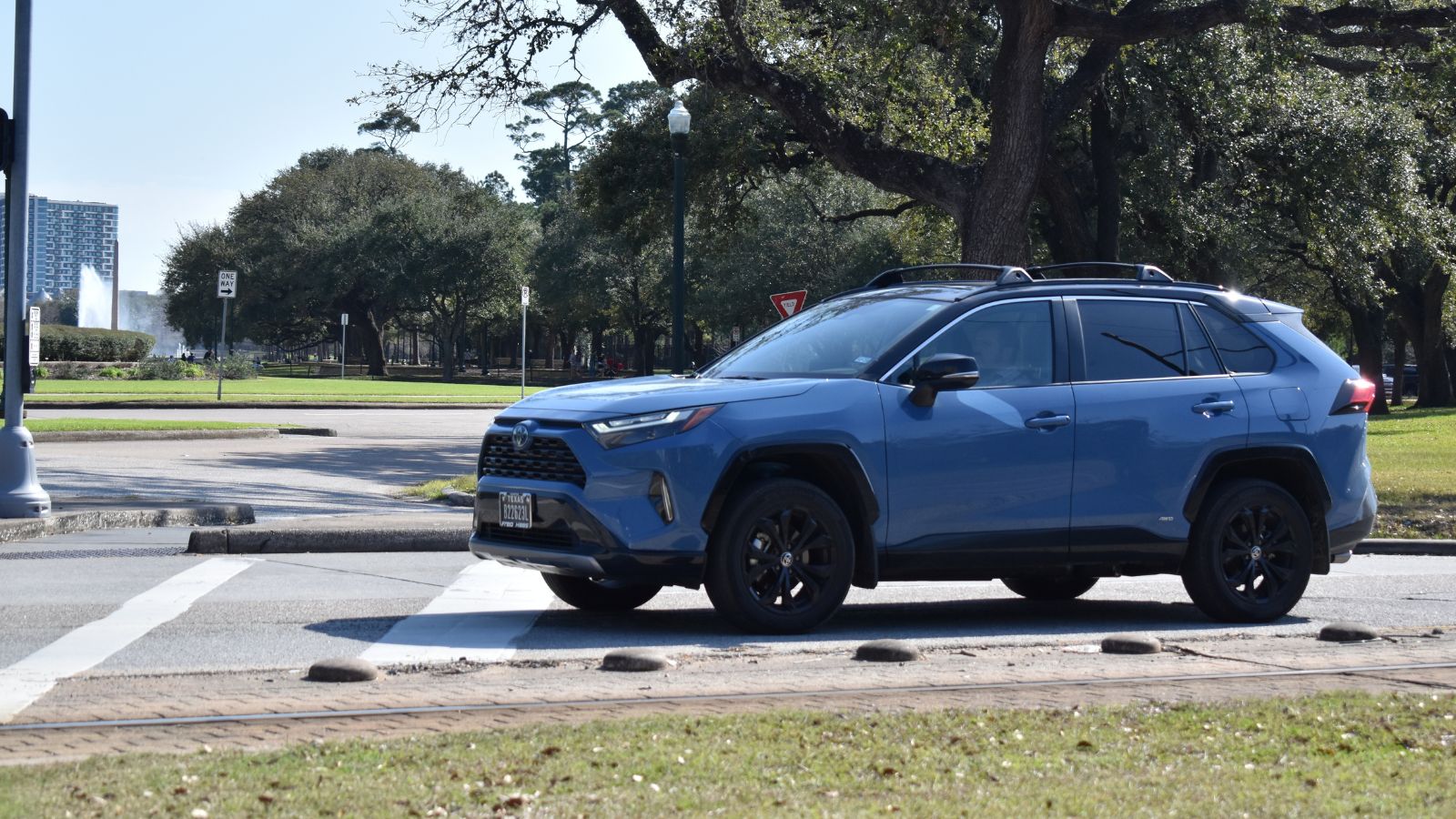
Another reason Japanese vehicles often hold value during instability is their practicality. Sedans like the Honda Accord and compact SUVs such as the Toyota RAV4 and Honda CR V offer versatility that appeals to a wide range of drivers.
Vehicles with broad appeal tend to maintain stronger resale values because demand remains steady across different types of buyers. Families, commuters, and first time drivers often look for the same qualities in a vehicle.
Supply and Demand Still Shape the Market
Even strong reputations cannot completely override basic market forces. Used car values ultimately depend on supply and demand.
However, reliable vehicles often benefit from stronger demand when economic uncertainty increases. Buyers who might normally consider luxury brands or newer technology sometimes shift toward proven vehicles with dependable track records.
Stability Matters More Than Ever
When economic conditions become uncertain, buyers tend to prioritize security and predictability in many areas of life, including transportation. Reliable vehicles offer reassurance that ownership costs will remain manageable.
For decades Japanese automakers have built their reputations around durability, efficiency, and practical engineering. That reputation often becomes especially valuable during periods when drivers want vehicles they can trust to keep running without surprises.
25 Facts About Car Loans That Most Drivers Don’t Realize

Car loans are one of the most common ways people fund car purchases. Like any other kind of loan, car loans can have certain features that can be regarded as an advantage or a disadvantage to the borrower. Understanding all essential facts about car loans and how they work to ensure that you get the best deal for your financial situation is essential. Here are 25 shocking facts about car loans that most drivers don’t realize:
25 Facts About Car Loans That Most Drivers Don’t Realize
