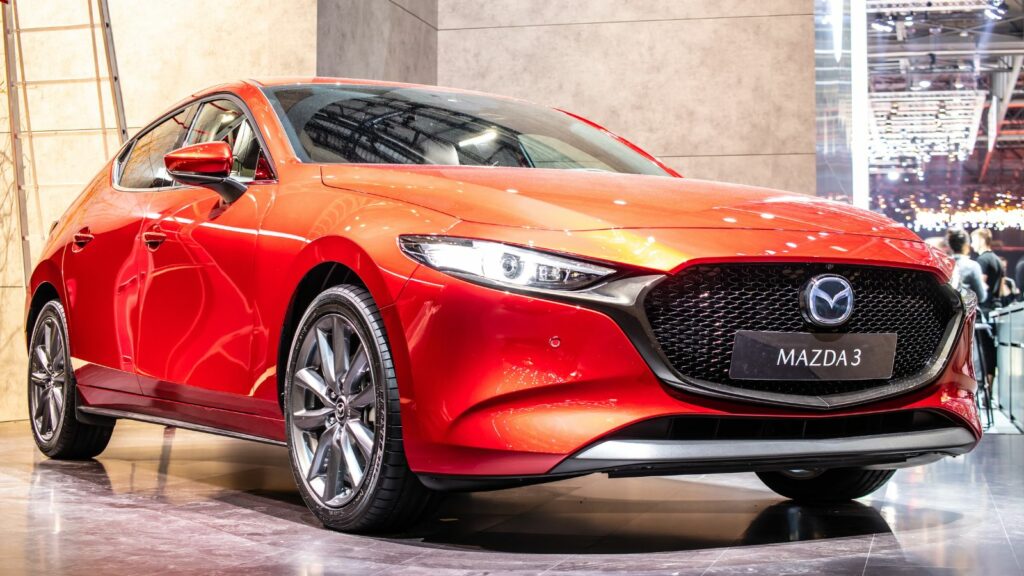
Electric vehicles may dominate efficiency headlines, but modern gasoline cars have quietly become remarkably frugal. Improvements in direct injection, turbocharging, variable valve timing, taller gearing, and smarter aerodynamics mean today’s compact and midsize sedans can travel shockingly far on a single tank. For Canadian drivers covering long highway distances between cities, that range still matters. Here are ten gasoline powered cars from today and the recent past that combine strong fuel economy with serious real world cruising distance.
Toyota Corolla
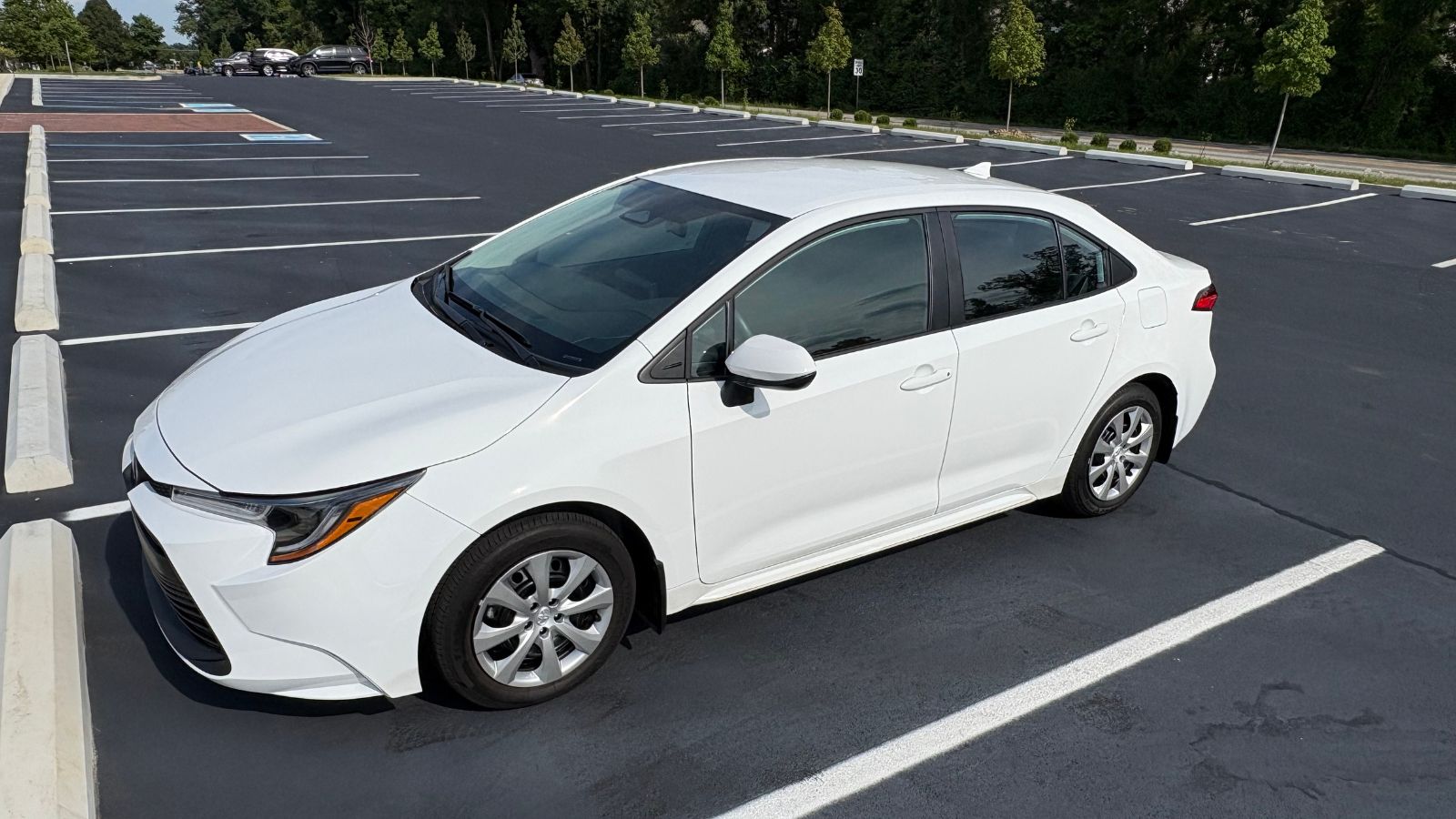
Recent Corolla models with the 2.0 litre four cylinder routinely deliver around 6.7 L per 100 km on the highway, which works out to roughly 14.9 km per litre. With a fuel tank of about 50 litres, that translates to a potential highway range of roughly 740 kilometres under steady cruising. In mixed driving, many owners still see well over 600 kilometres per tank without effort.
Honda Civic
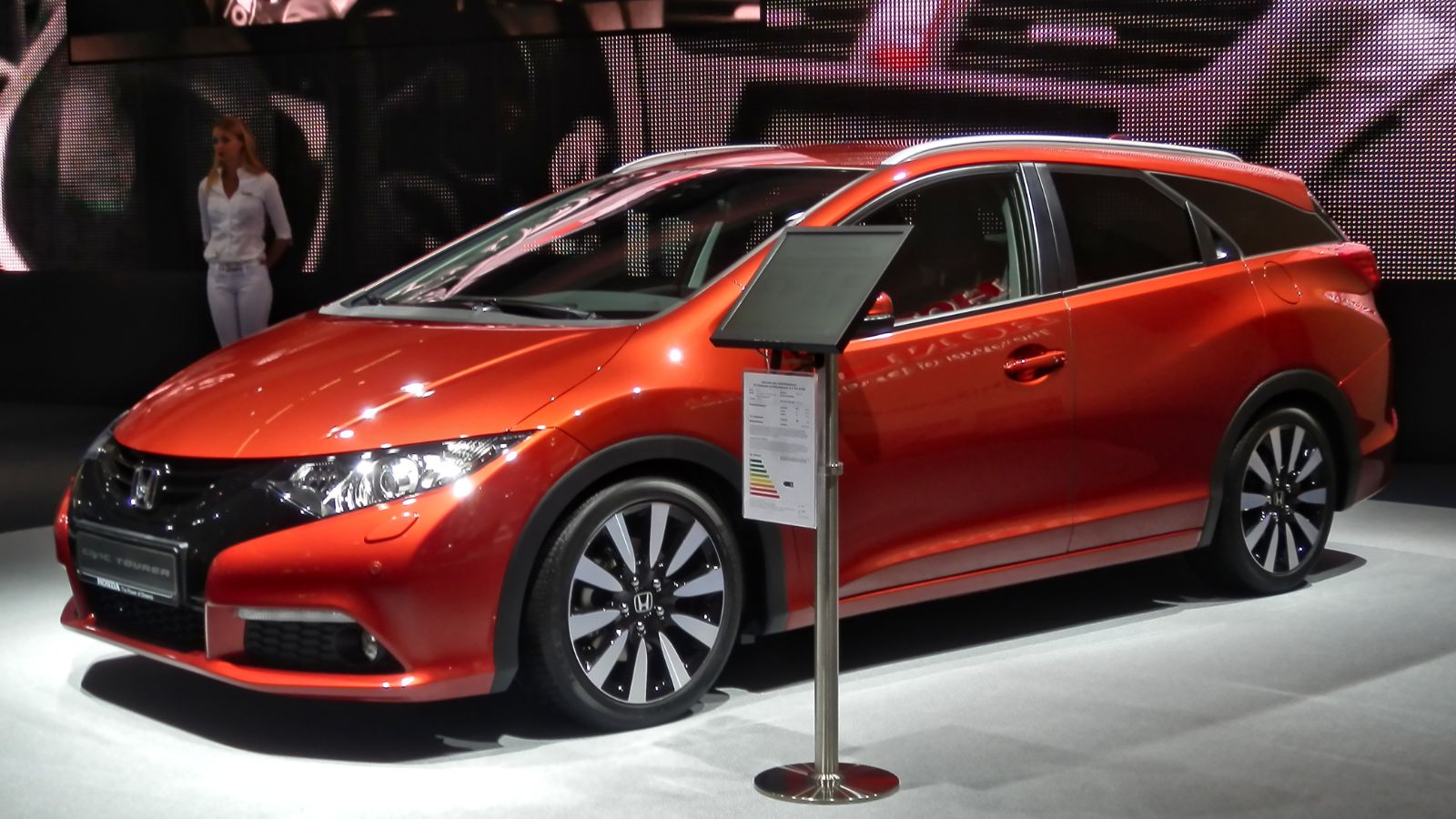
The turbocharged 1.5 litre Civic is one of the segment’s efficiency leaders. Highway consumption can dip to around 6.2 L per 100 km, or approximately 16.1 km per litre. With a tank capacity near 47 litres, realistic highway range can approach 750 kilometres. On long Ontario or Alberta highway stretches, Civics are known to push even further with conservative driving.
Hyundai Elantra
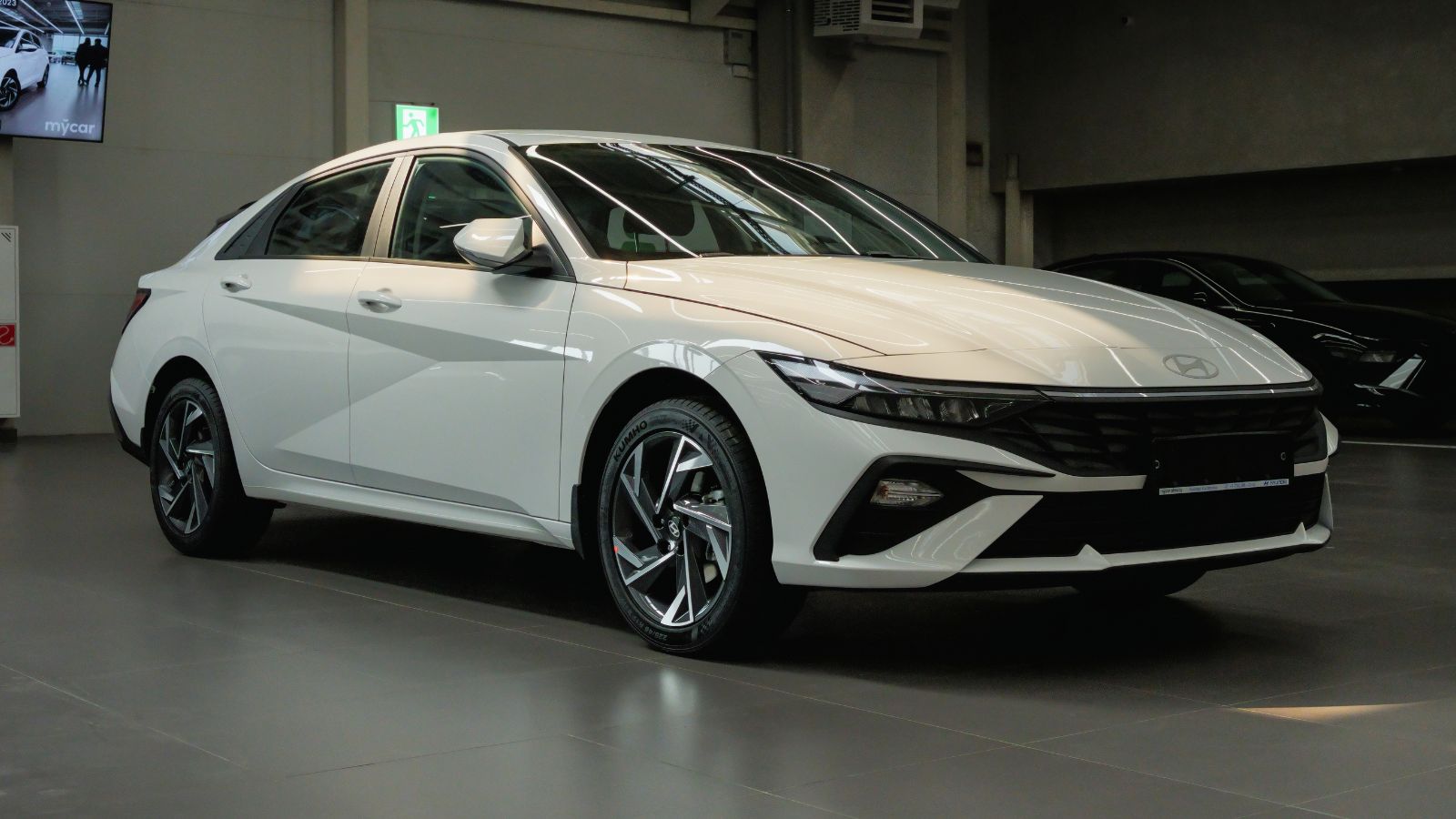
Non hybrid Elantras equipped with the 2.0 litre engine can return about 6.4 L per 100 km on the highway, which equals roughly 15.6 km per litre. Combined with a 47 litre tank, that yields a theoretical range of around 730 kilometres. In mixed use, 650 kilometres per tank is common.
Mazda3
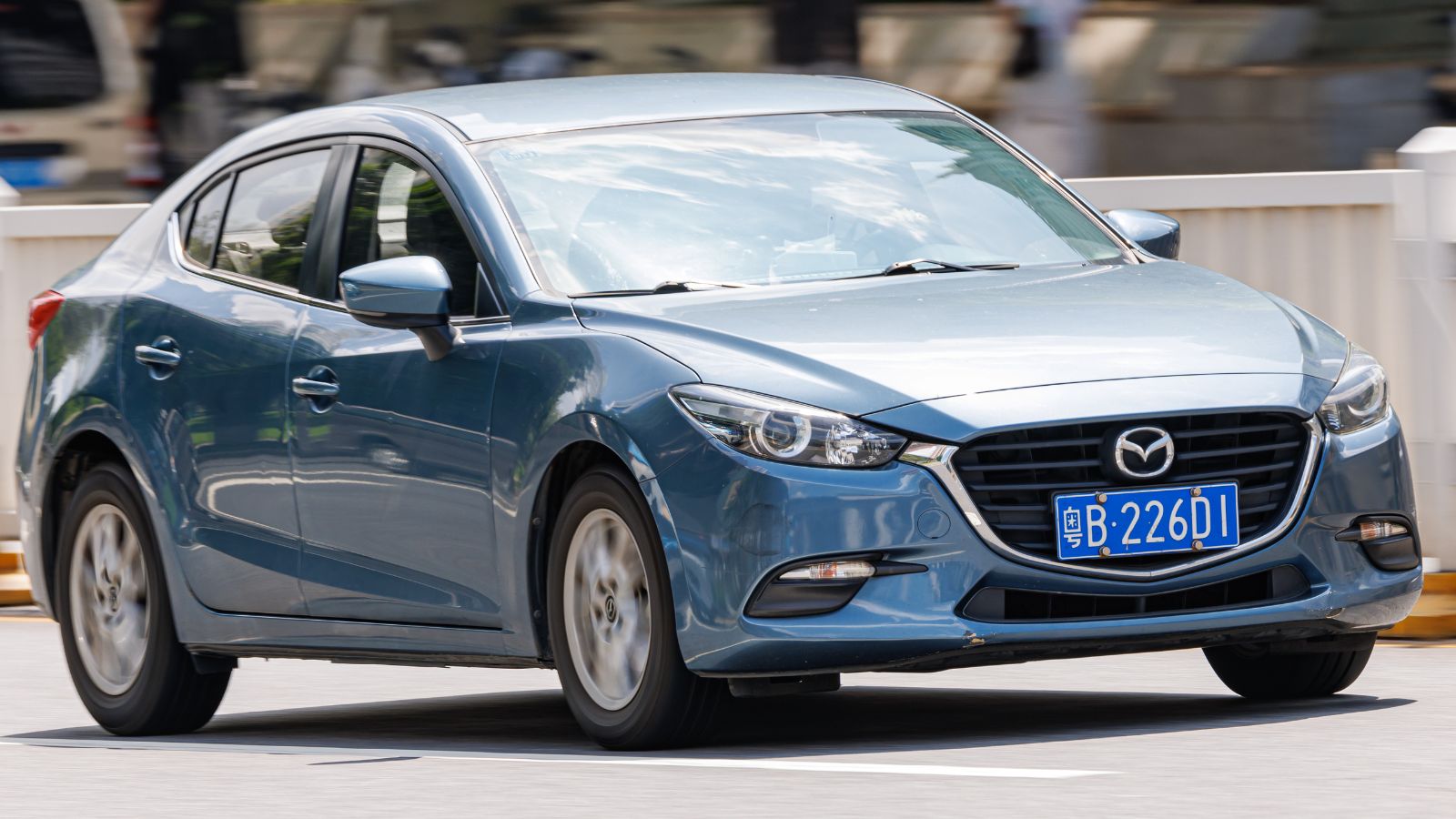
The naturally aspirated Mazda3 offers strong highway efficiency at approximately 6.6 L per 100 km, or about 15.1 km per litre. With a 50 litre tank in sedan form, that means potential range near 750 kilometres on open roads. Even the all wheel drive versions remain impressively efficient for their class.
Toyota Camry
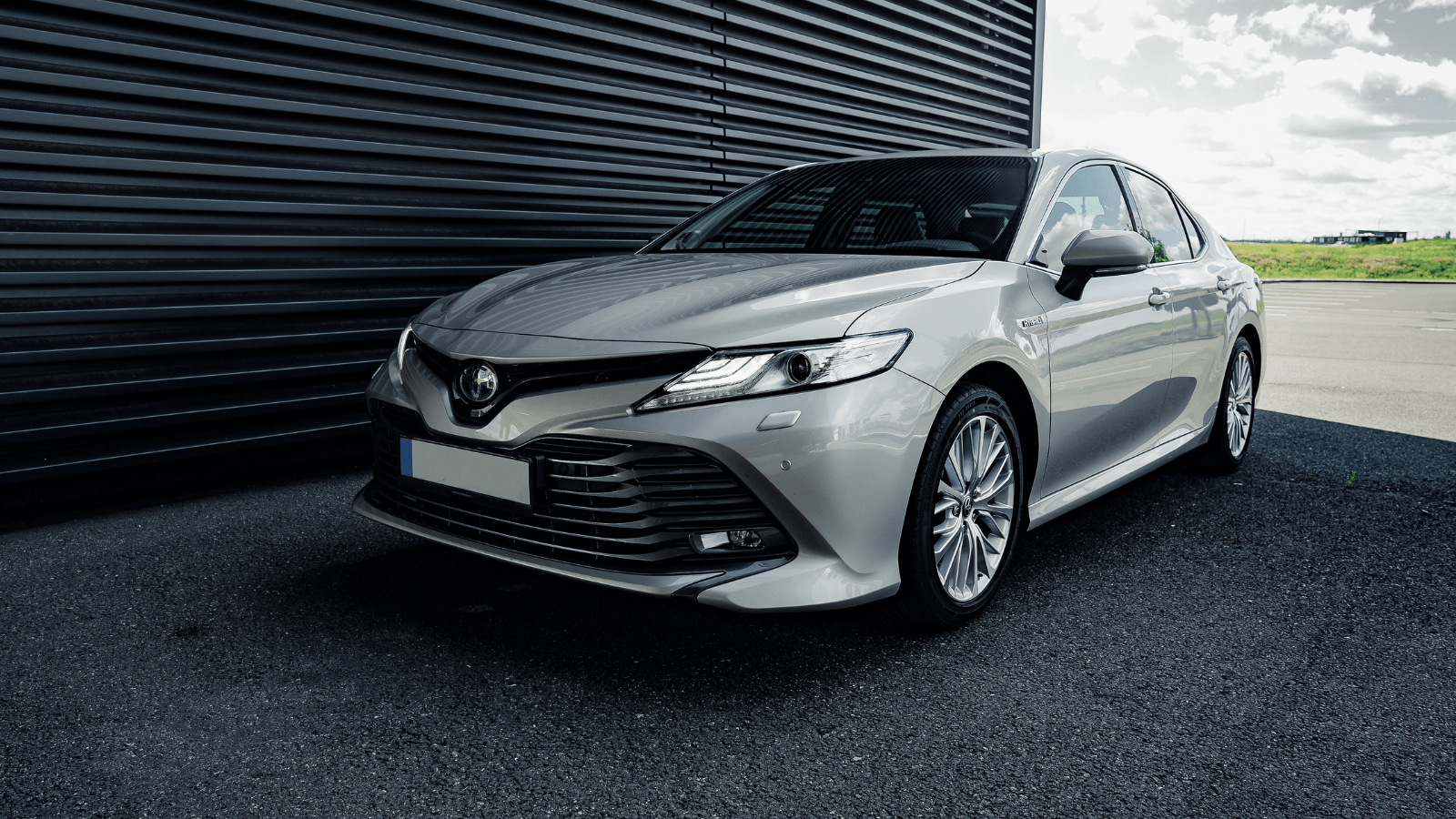
The four cylinder Camry can achieve highway ratings near 6.9 L per 100 km, equal to about 14.5 km per litre. With a 60 litre fuel tank, highway range can exceed 850 kilometres under ideal conditions. For drivers commuting between Toronto and Montreal or Calgary and Edmonton, that means fewer stops and serious convenience.
Honda Accord
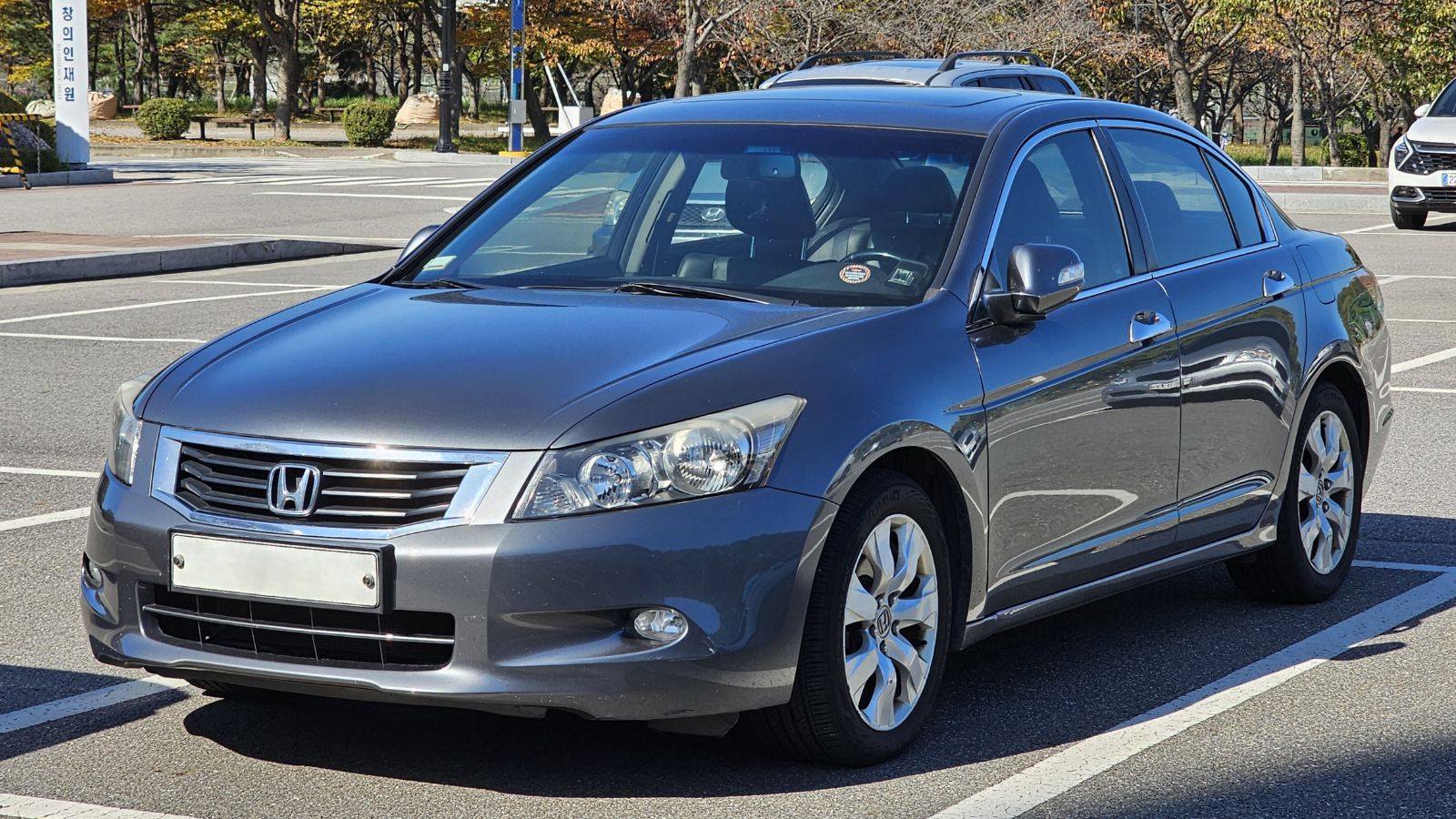
The smaller turbocharged Accord delivers highway consumption close to 7.1 L per 100 km, or roughly 14.1 km per litre. Its 56 litre tank allows for a range approaching 790 kilometres. The combination of interior comfort and long range makes it a strong long distance cruiser.
Volkswagen Jetta
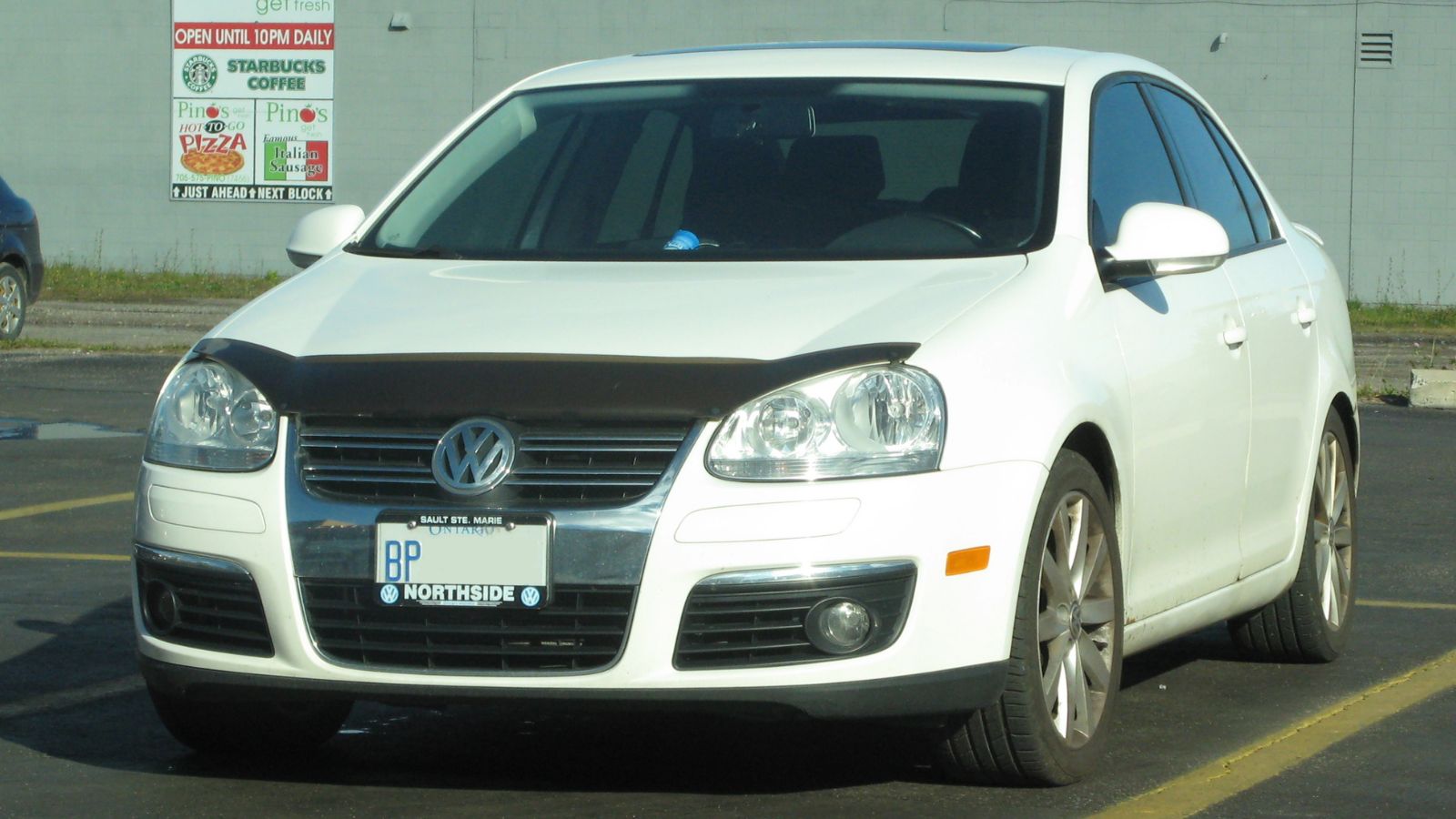
The 1.5 litre turbocharged Jetta is tuned for relaxed highway efficiency. It can achieve around 6.4 L per 100 km, translating to 15.6 km per litre. With a 50 litre tank, that gives it a potential range of about 780 kilometres. It remains one of the strongest gasoline range performers in its segment.
Nissan Sentra
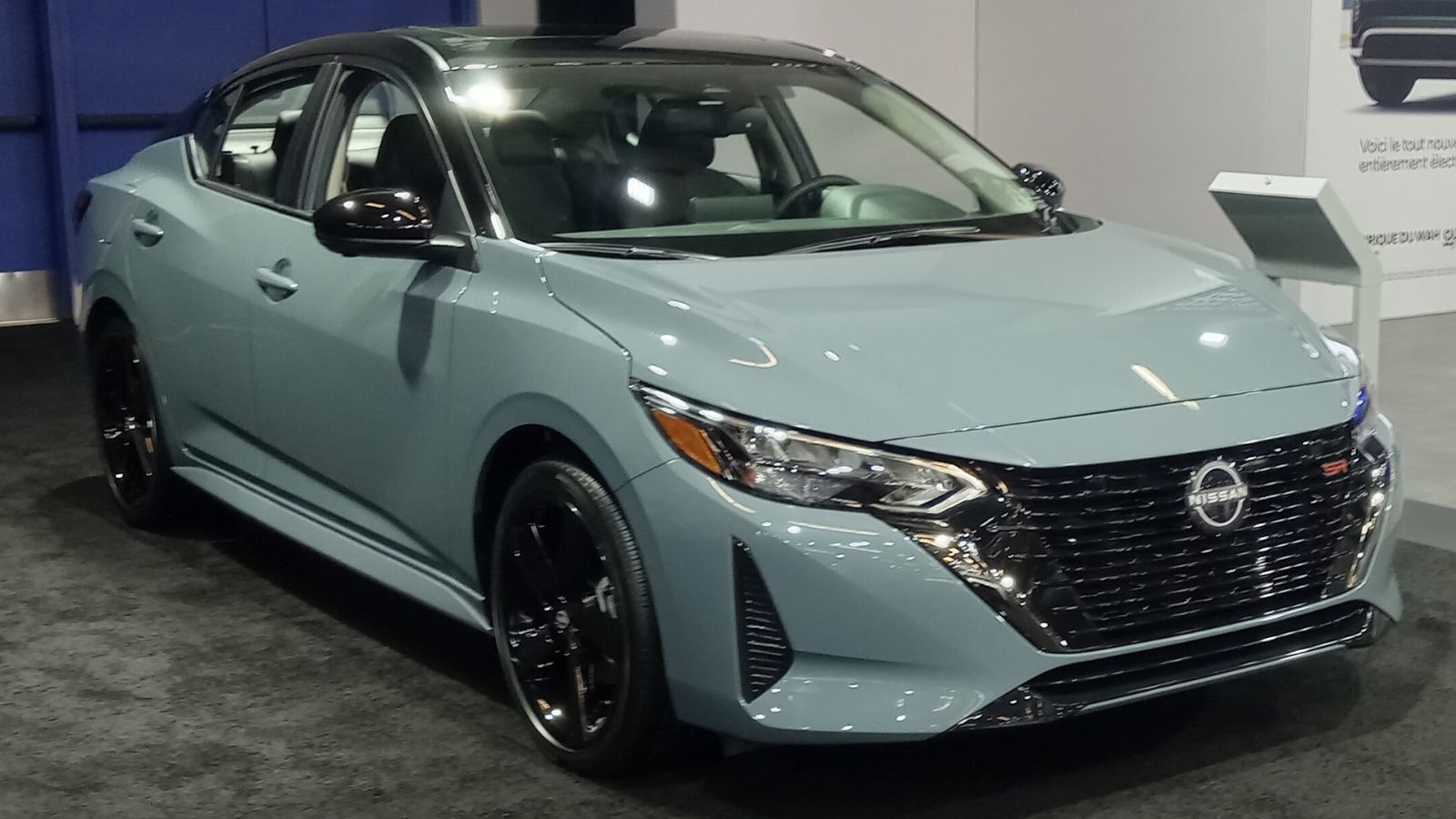
The Sentra’s 2.0 litre engine paired with a CVT delivers roughly 6.6 L per 100 km on the highway, or about 15.1 km per litre. With a 47 litre tank, range can reach around 710 kilometres. For a budget friendly compact, that is impressive endurance.
Chevrolet Malibu
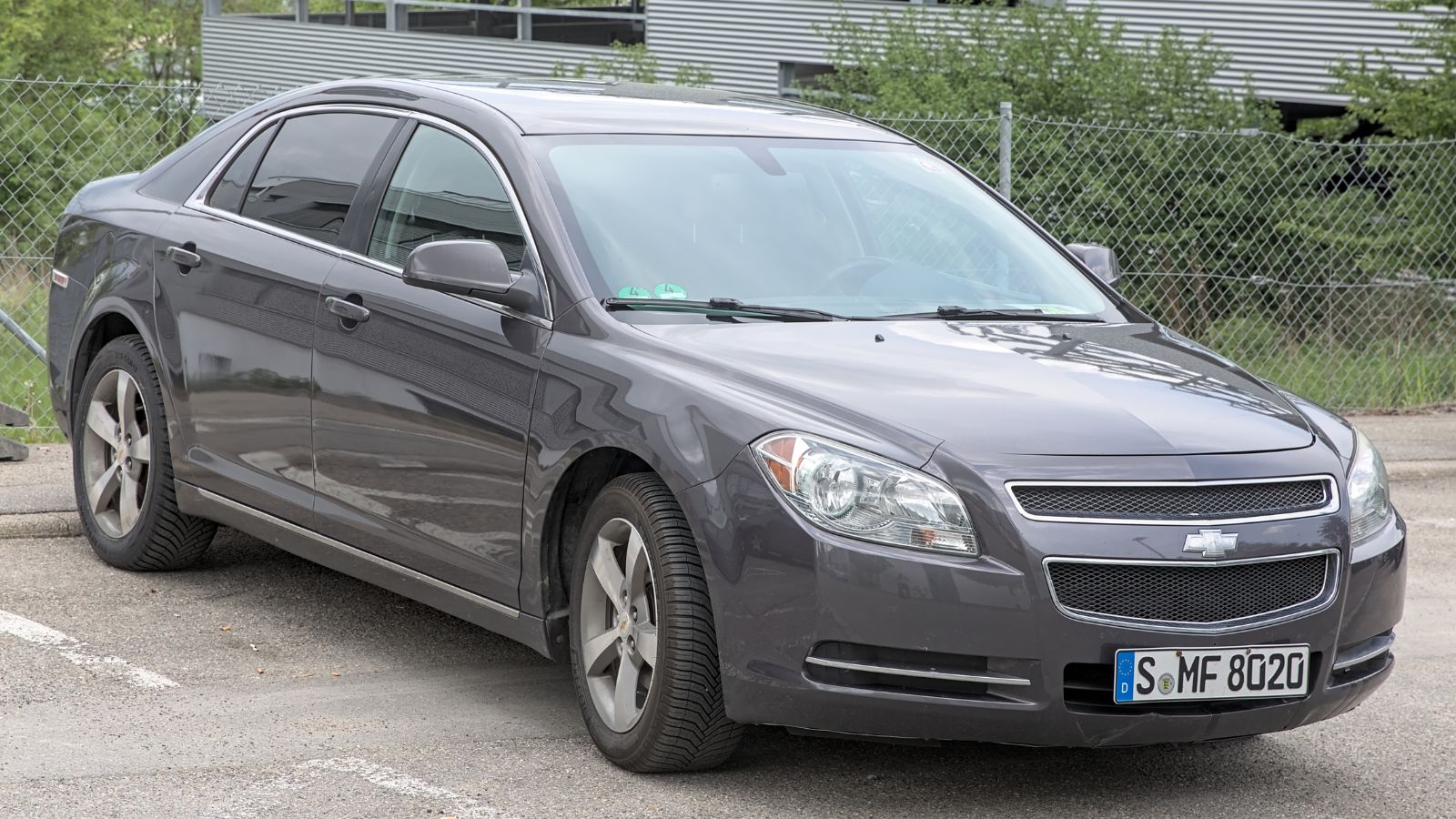
The turbocharged Malibu can return highway figures near 6.8 L per 100 km, which works out to roughly 14.7 km per litre. With a tank just over 60 litres, it is capable of exceeding 880 kilometres of highway driving before refueling under ideal conditions. Few non hybrid midsize sedans can match that.
Ford Fusion
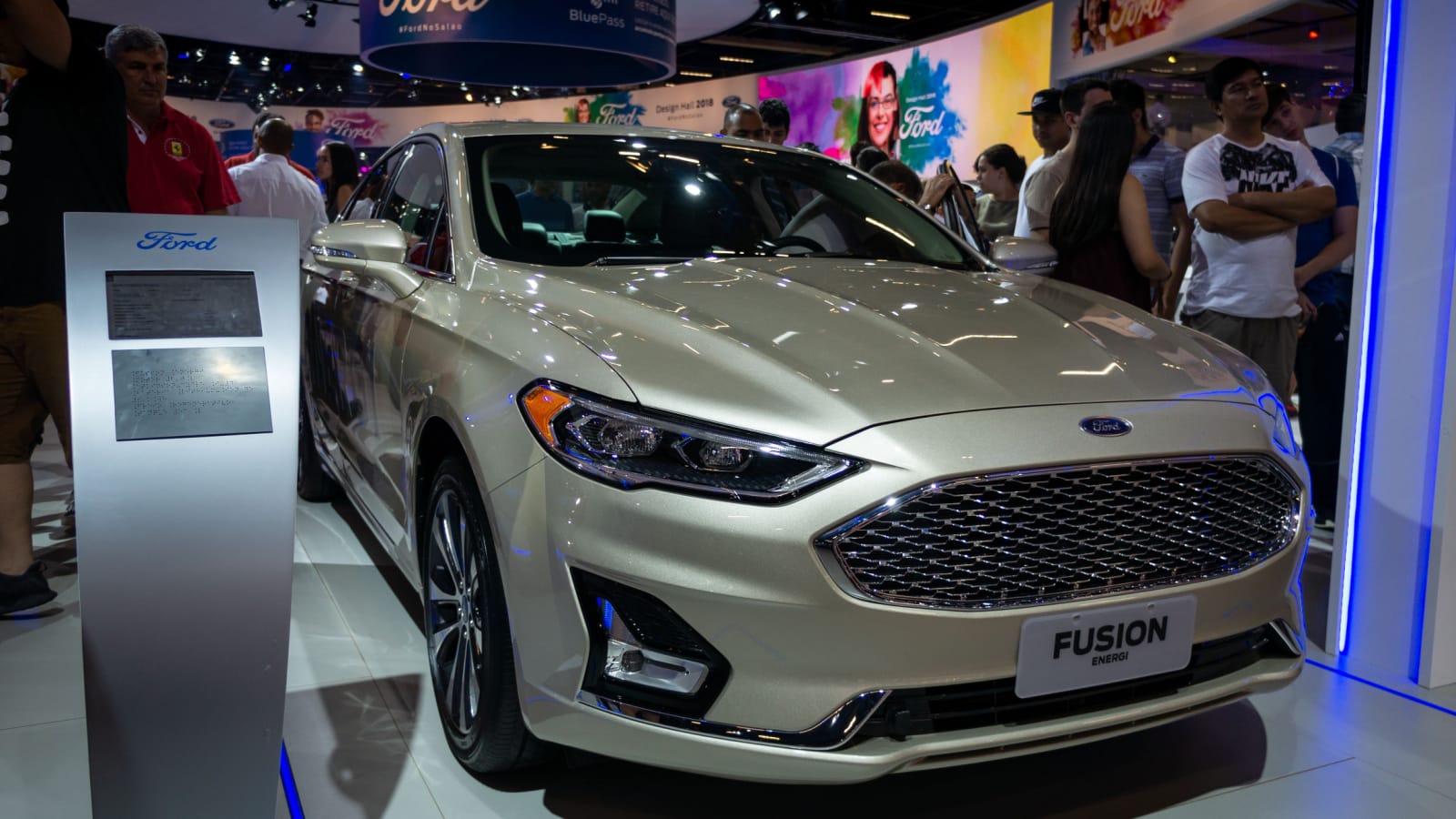
Though discontinued, the 1.5 litre turbo Fusion delivered around 7.0 L per 100 km on the highway, equal to about 14.3 km per litre. With a 62 litre tank, real world highway range could approach 880 kilometres. For drivers who still own one, it remains a strong long distance value.
Gasoline engines have become far more efficient than many assume. While hybrids and EVs dominate efficiency conversations, these conventional cars prove that impressive fuel economy and long cruising range are still very achievable without plugging in. For Canadian drivers covering serious distance, that combination continues to make practical and financial sense.
25 Facts About Car Loans That Most Drivers Don’t Realize

Car loans are one of the most common ways people fund car purchases. Like any other kind of loan, car loans can have certain features that can be regarded as an advantage or a disadvantage to the borrower. Understanding all essential facts about car loans and how they work to ensure that you get the best deal for your financial situation is essential. Here are 25 shocking facts about car loans that most drivers don’t realize:
25 Facts About Car Loans That Most Drivers Don’t Realize
