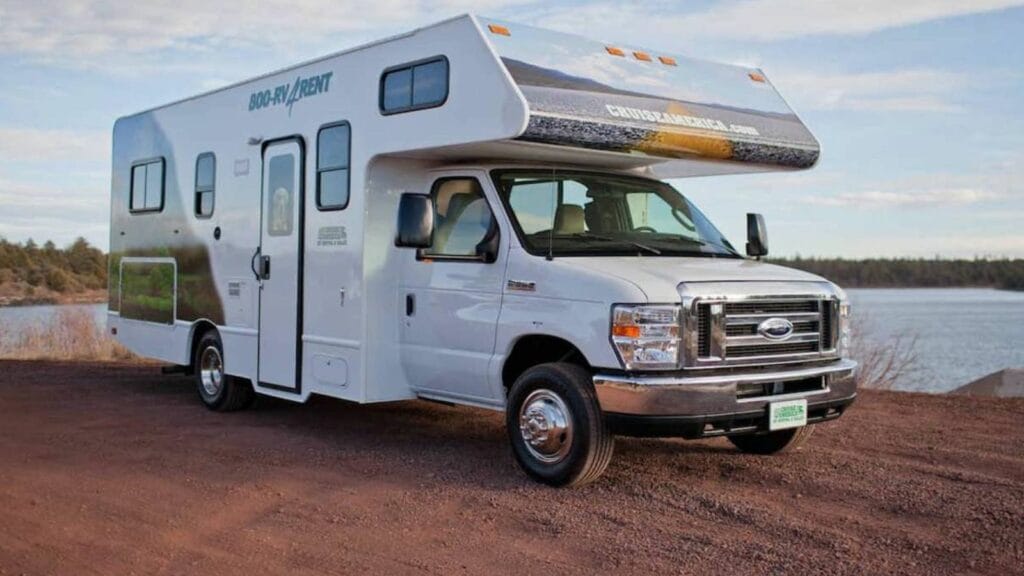
RV travel across Canada depends on shared respect more than rules on paper. Campgrounds, parks and municipalities welcome RVers because most people behave responsibly. The problems start when repeat offenders treat public spaces like private property. Over the last few years, bans and tighter enforcement have increased, not because RVing is unpopular, but because certain habits keep causing the same issues. These twenty one behaviours are the fastest way for campers to earn warnings, fines or permanent bans.
Ignoring Quiet Hours
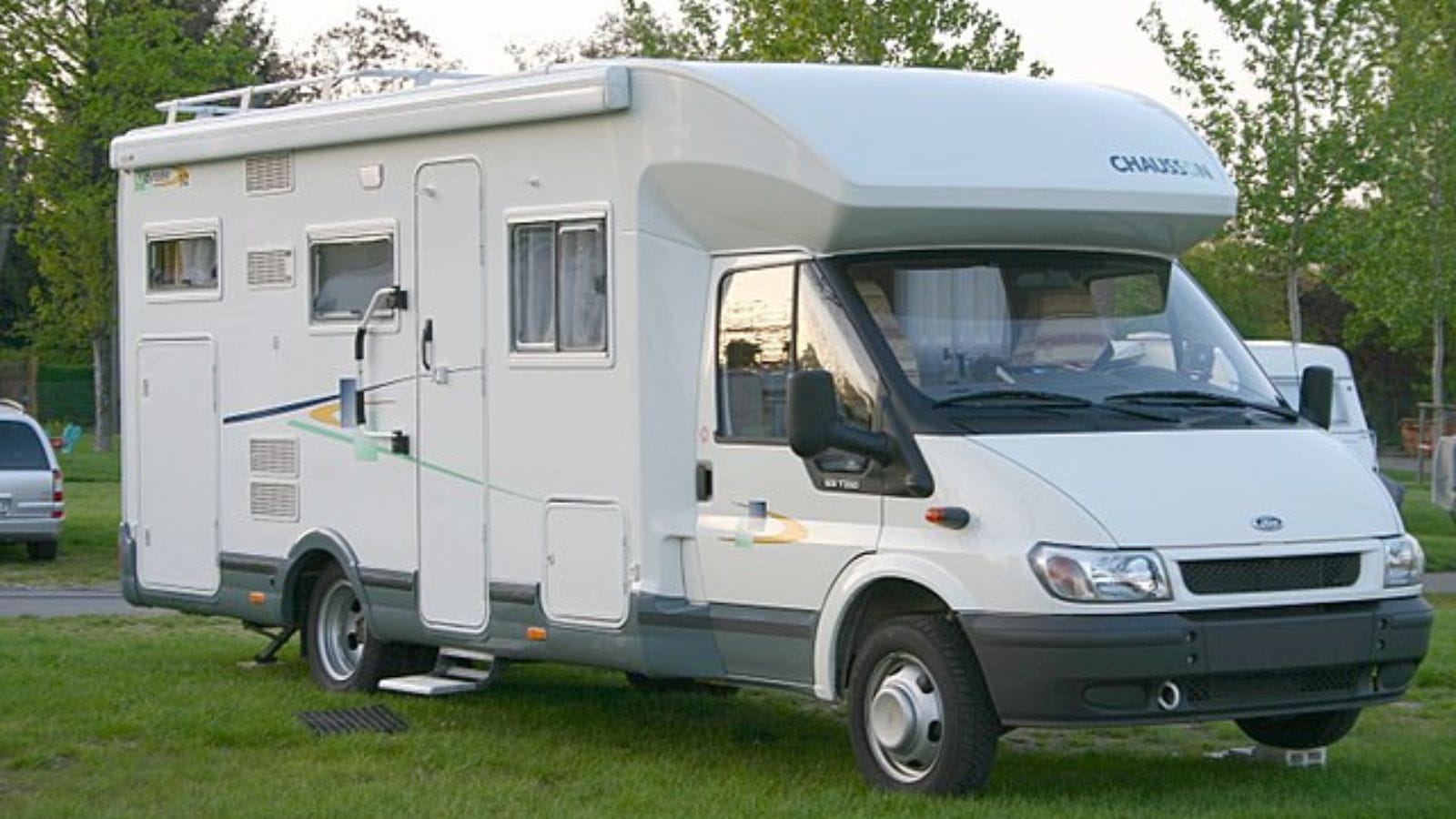
Quiet hours are sacred in Canadian campgrounds. Sound travels far across lakes, forests and open fields, especially at night. Generators running late, loud conversations or music after hours quickly draw complaints. Many campgrounds now operate on zero tolerance policies, and repeat violations often lead to immediate removal without refund.
Dumping Grey or Black Water Illegally
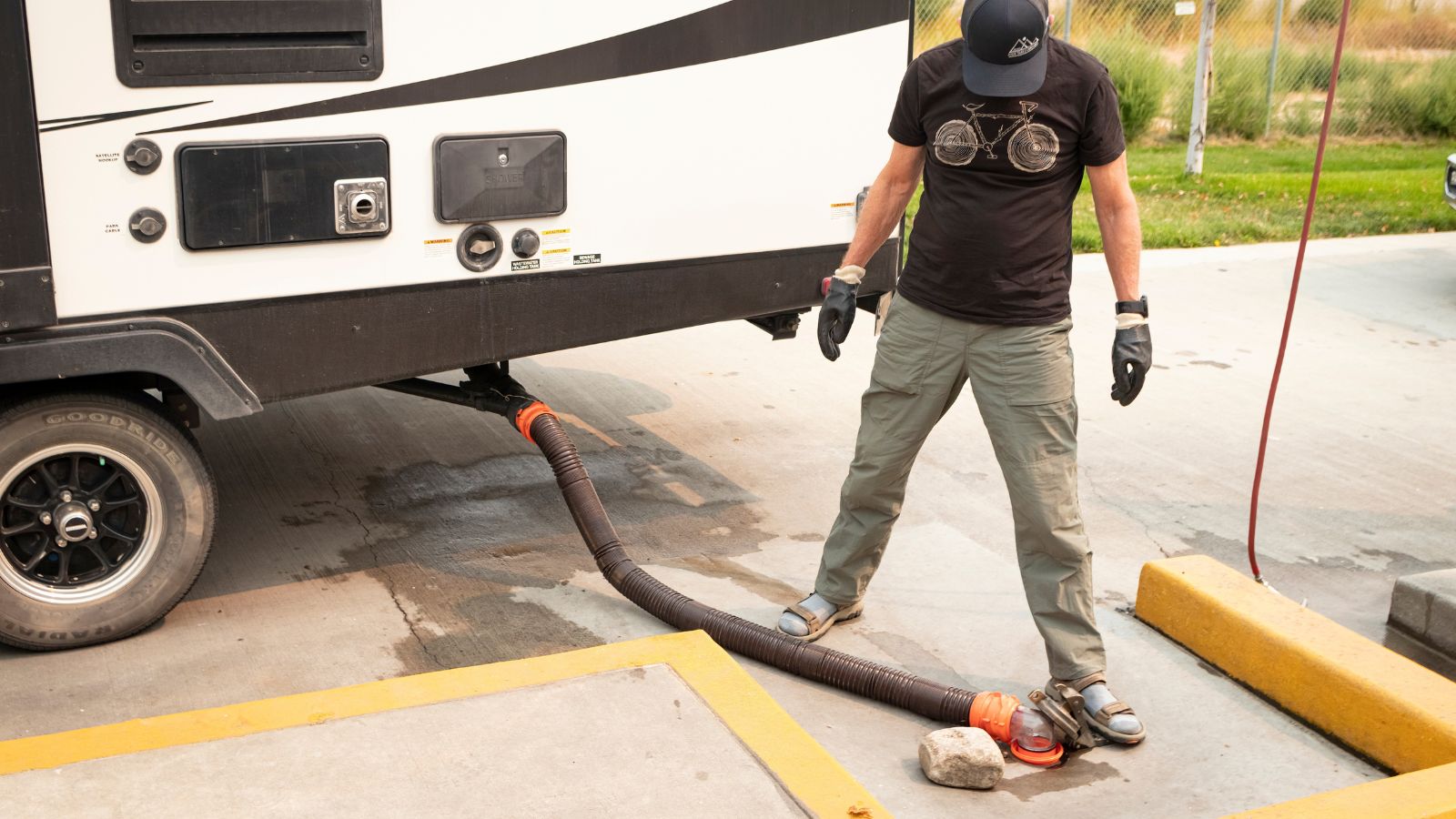
Illegal dumping is one of the quickest ways to get banned. Grey water still contains soap, grease and food particles that damage soil and waterways. Black water is a public health issue. Campgrounds share information, and offenders often find themselves barred from multiple locations after one incident.
Parking Outside Assigned Sites
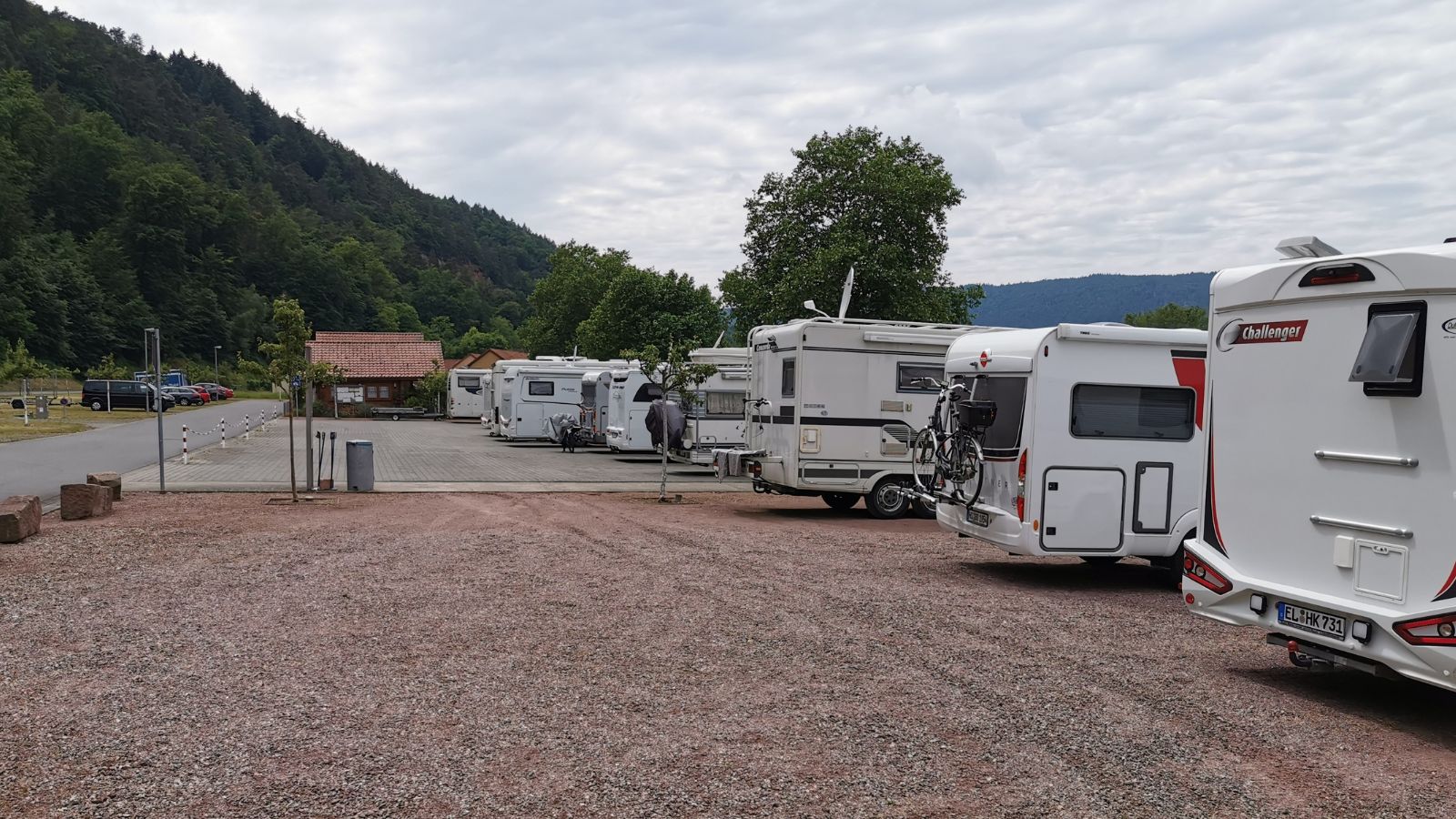
Campground layouts are designed for safety, access and fairness. Parking outside boundaries blocks emergency lanes and crowds neighbours. Even small overhangs like trailers, awnings or steps can cause problems. Camp staff notice quickly, and repeated offences are rarely tolerated.
Using Firewood from Outside the Area
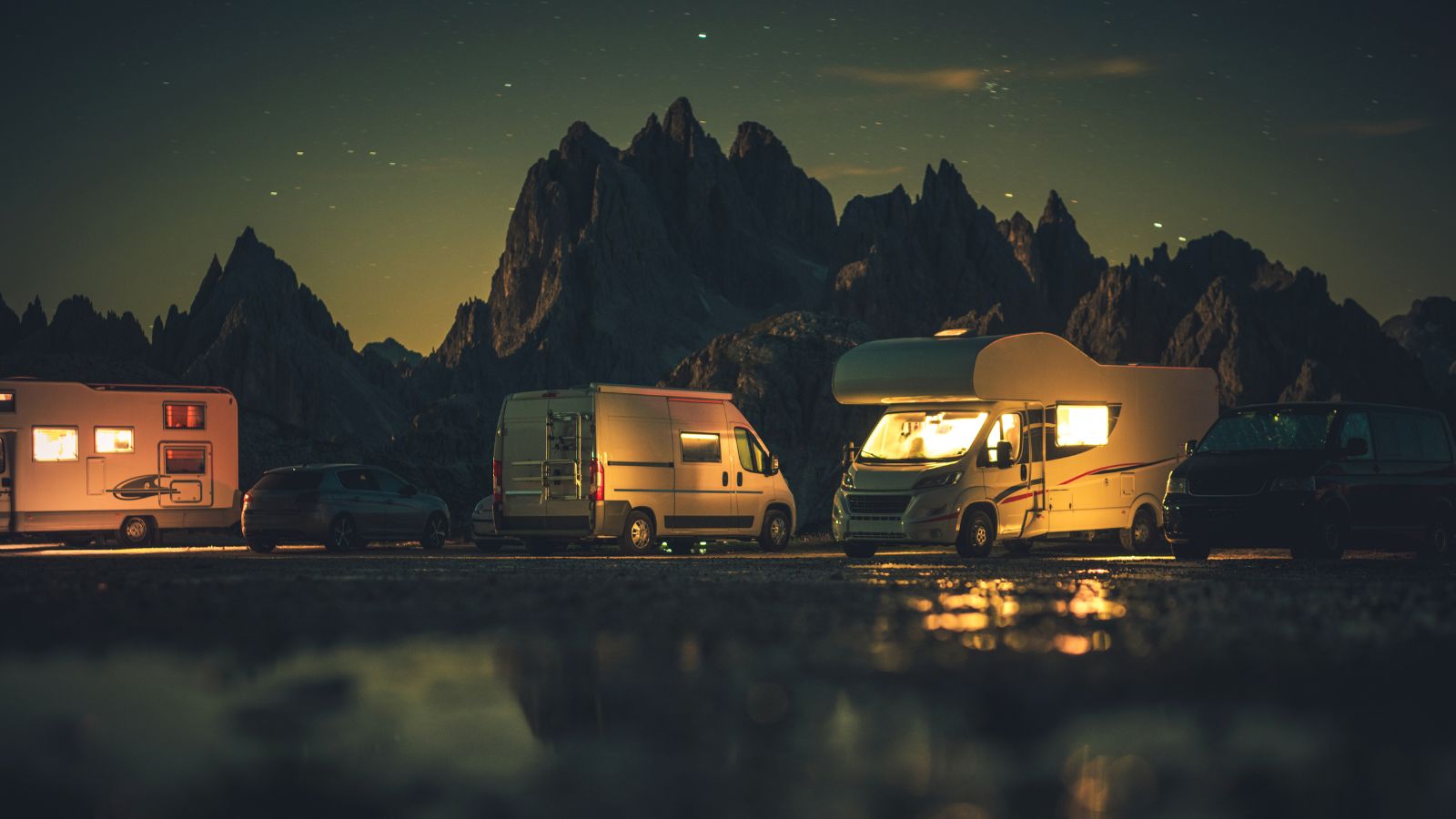
Transported firewood spreads invasive insects that destroy forests. Many parks ban outside firewood completely. Rangers actively check and confiscate illegal firewood. Ignoring this rule can result in fines and future reservation restrictions.
Running Generators Excessively
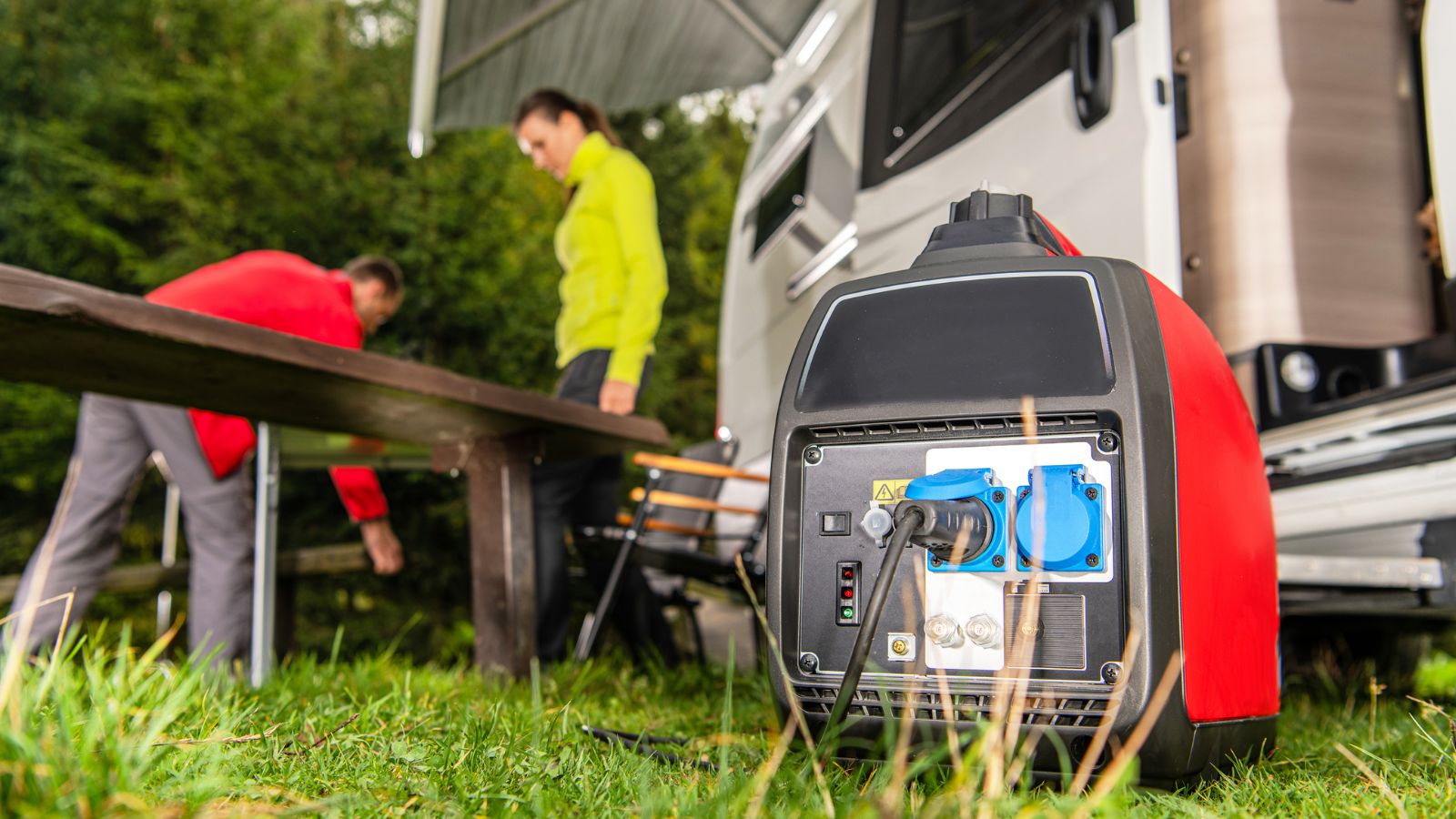
Generators are tolerated out of necessity, not welcomed. Running them outside permitted hours or for extended periods creates constant noise pollution. Solar equipped rigs are becoming the expectation, and campground patience for noisy setups continues to shrink.
Speeding Through Campgrounds
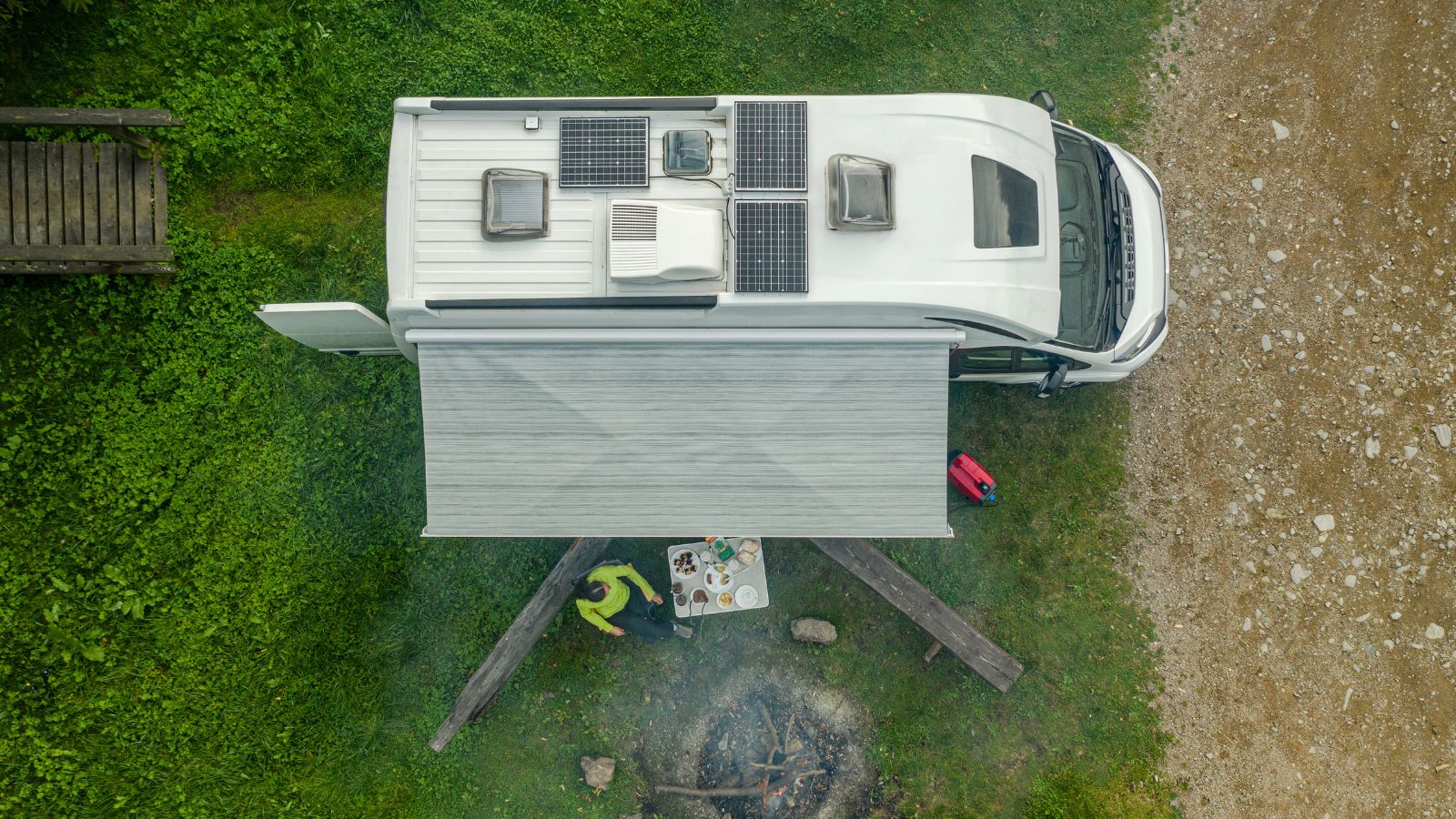
Low speed limits exist to protect kids, cyclists and pets. RVs moving too fast create real danger on narrow roads. Many campgrounds issue one warning only. After that, offenders are removed immediately.
Leaving Trash Outside Overnight
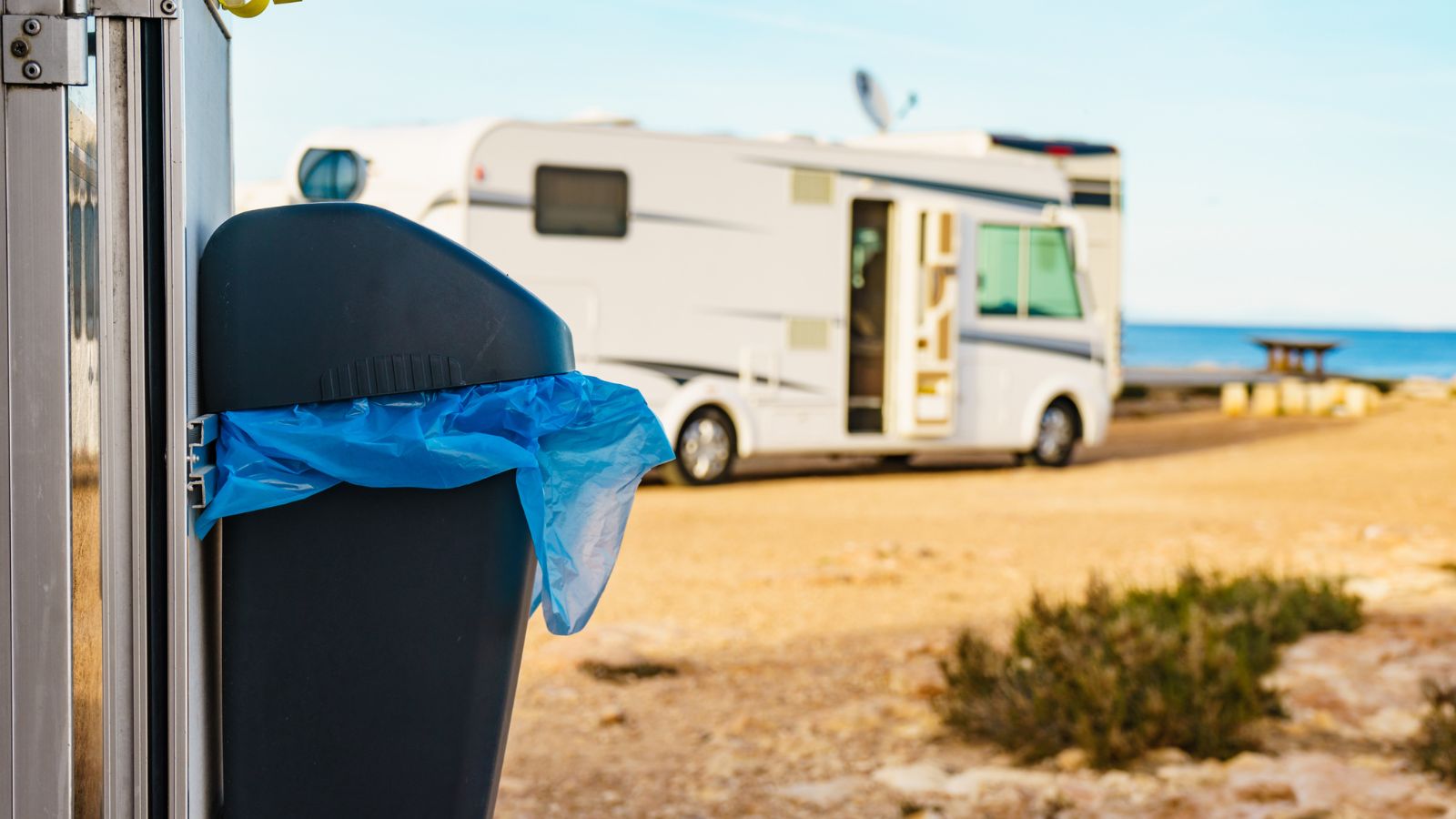
Wildlife quickly learns which campsites leave food or garbage exposed. Bears, raccoons and foxes become aggressive and dangerous once conditioned. Campers responsible for wildlife incidents are often banned permanently, not just warned.
Ignoring Fire Bans
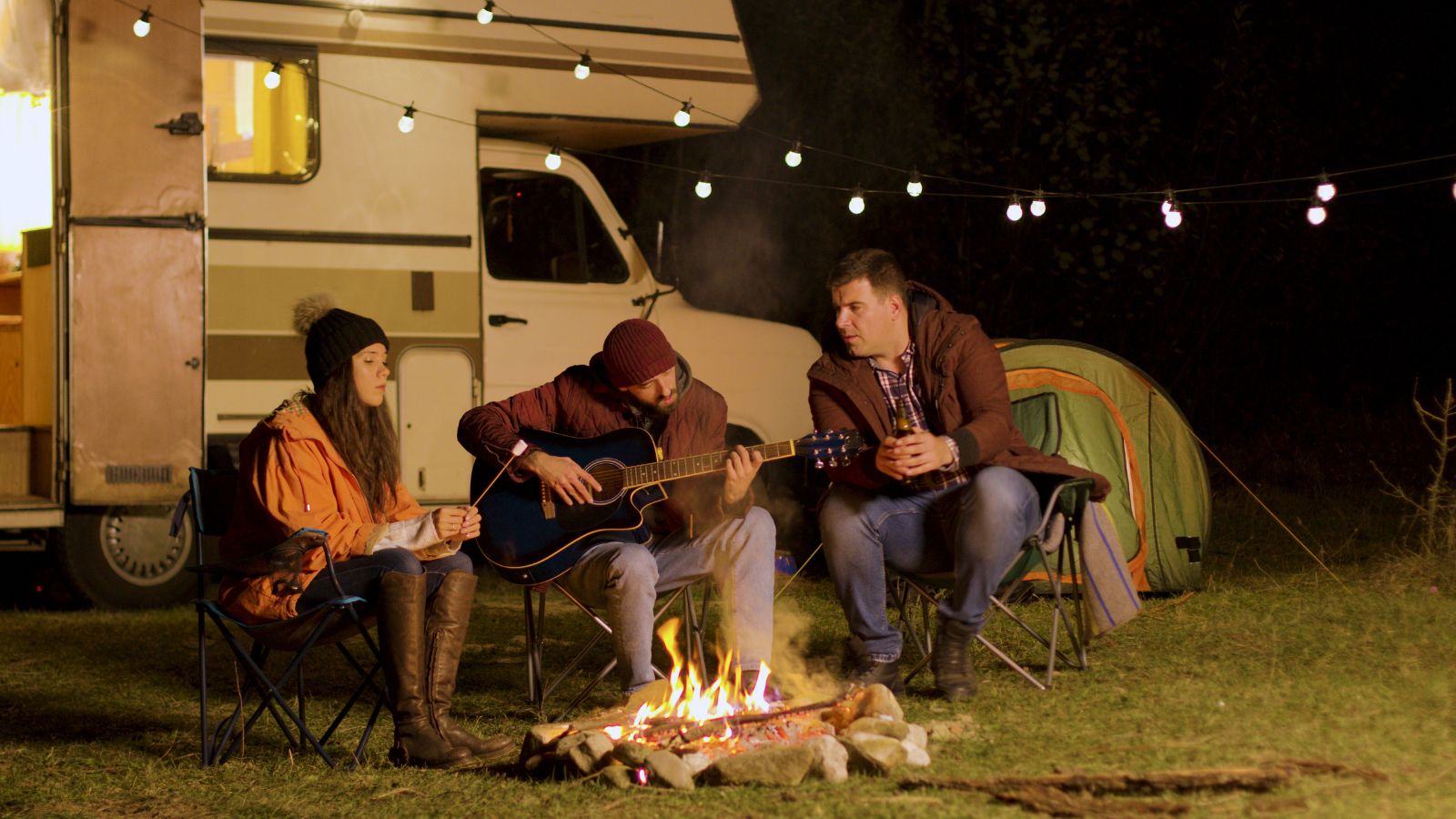
Fire bans are non negotiable. Lighting fires during restricted periods risks catastrophic damage. Campers caught ignoring bans are removed on the spot and may face significant fines or charges.
Taking Up More Than One Site
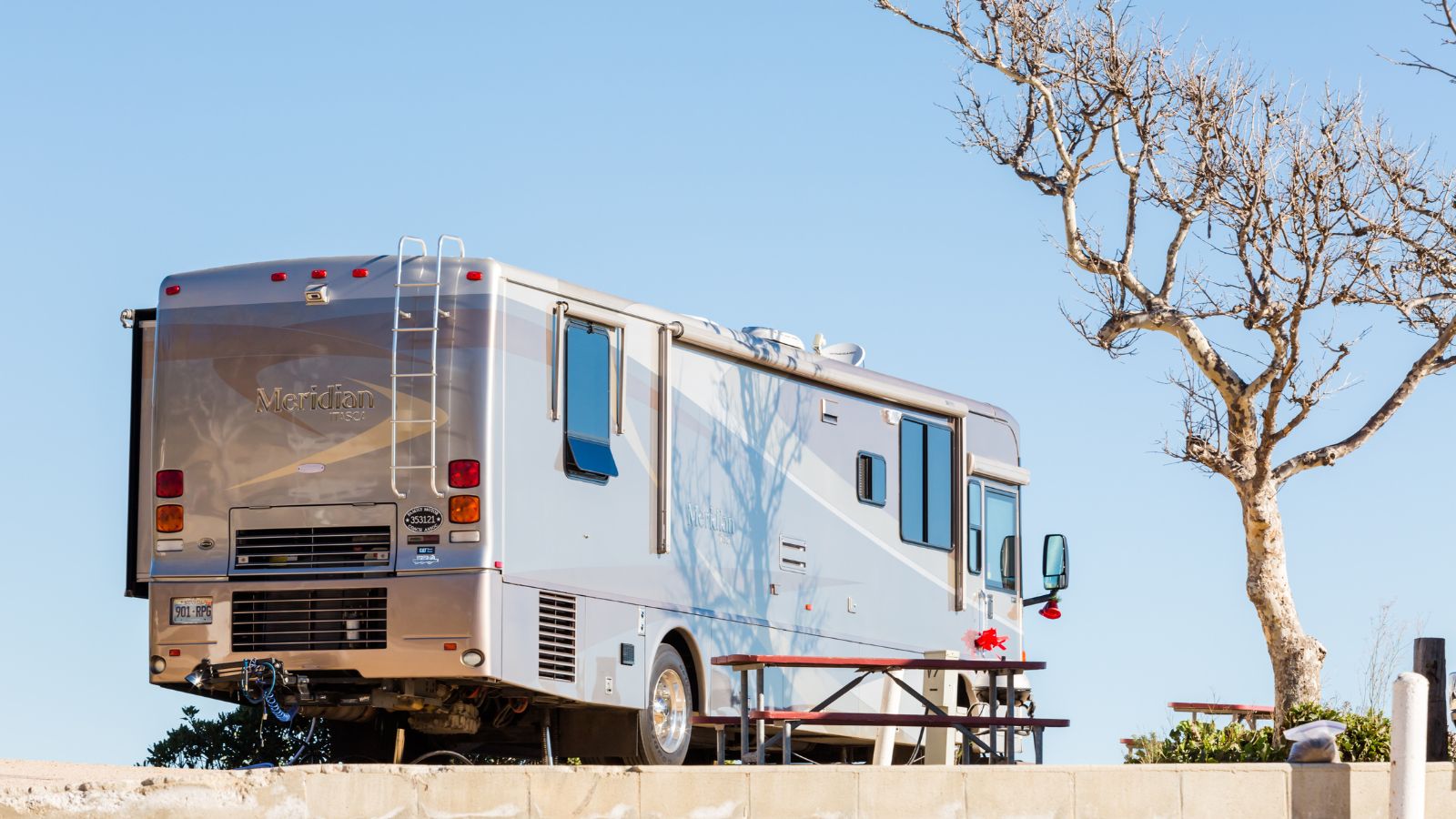
Using empty sites for extra vehicles, tents or storage without permission is considered abuse. During peak season, this behaviour costs campgrounds revenue and frustrates other guests. It is tracked and penalized quickly.
Letting Pets Roam Free
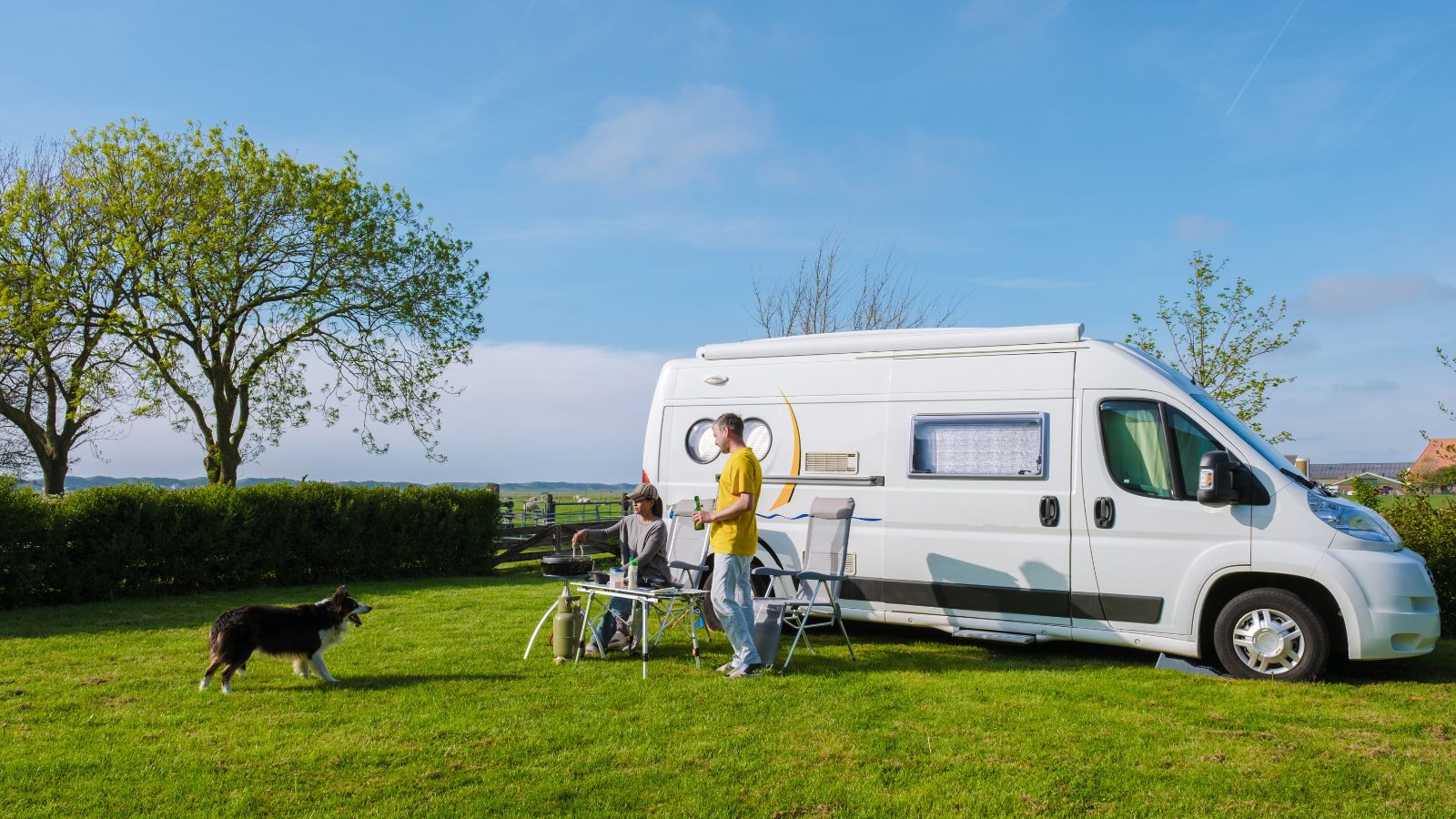
Unleashed pets cause noise, damage and safety issues. Even well behaved animals can trigger conflicts with wildlife or other campers. Most campgrounds enforce leash rules strictly and repeat violations often result in removal.
25 Facts About Car Loans That Most Drivers Don’t Realize

Car loans are one of the most common ways people fund car purchases. Like any other kind of loan, car loans can have certain features that can be regarded as an advantage or a disadvantage to the borrower. Understanding all essential facts about car loans and how they work to ensure that you get the best deal for your financial situation is essential. Here are 25 shocking facts about car loans that most drivers don’t realize:
25 Facts About Car Loans That Most Drivers Don’t Realize
