
Most Canadians already know cars are expensive, but what surprises many people is how dramatically taxes change depending on the vehicle. Two drivers can walk into the same dealership and walk out paying wildly different tax totals simply because one vehicle tips into luxury territory, carries a large engine or falls into a heavy duty class. Canada’s tax system was built to collect more from buyers the government believes are purchasing high end or high impact vehicles. That means some models are hit especially hard at registration, at the dealership and over time. These are the 10 vehicles that feel the sting more than anything else on the road.
Porsche Cayenne Turbo GT
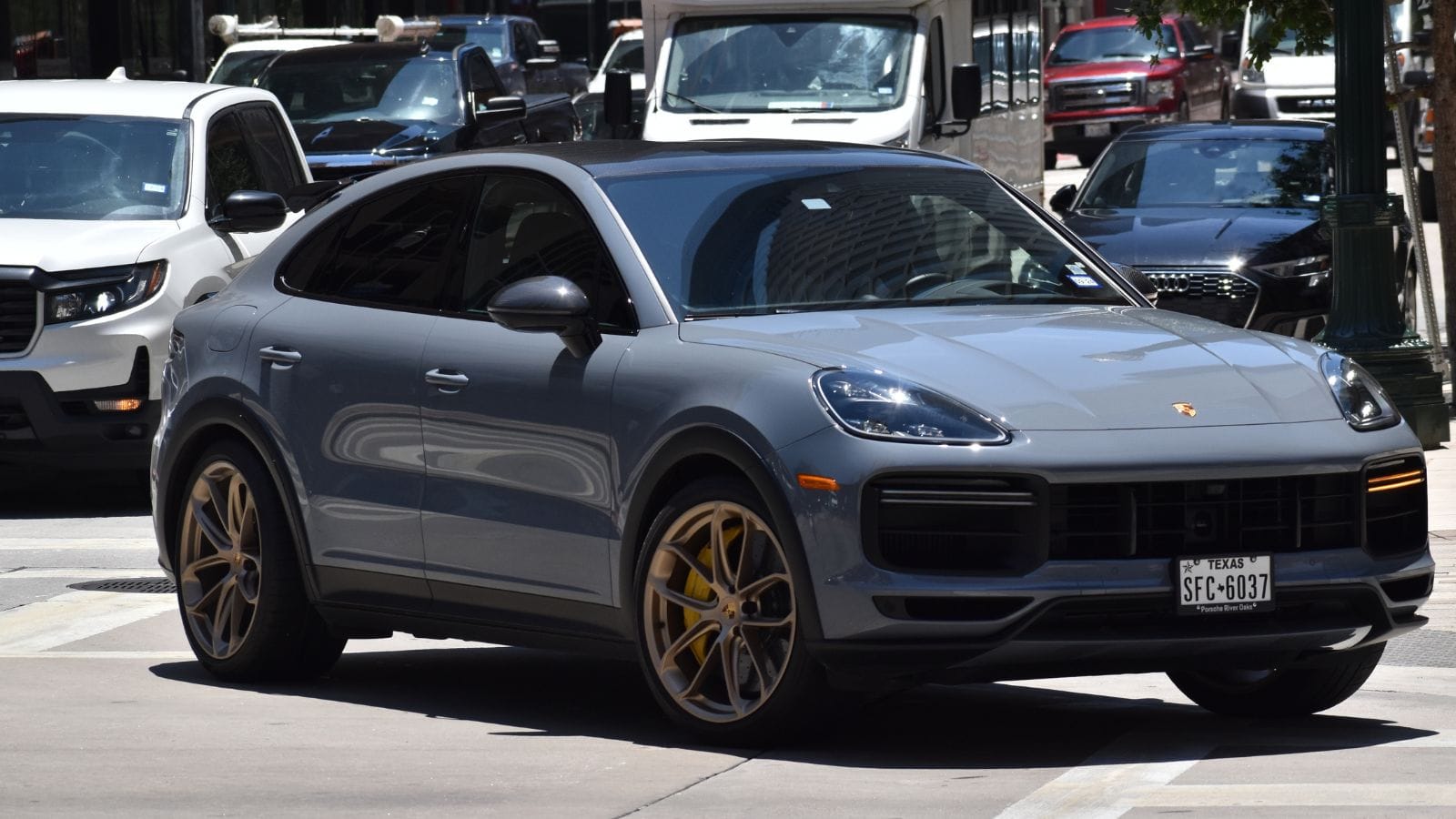
The Cayenne Turbo GT is a powerhouse performance SUV with a price that guarantees a luxury tax bill before the paperwork even begins. It combines a sports car soul with an SUV body and the tax system treats it exactly that way. Extra fees stack because of both price and performance. Buyers can afford the cost, but no one leaves the dealership without a serious reminder that Canada taxes high end speed aggressively.
Mercedes G Class
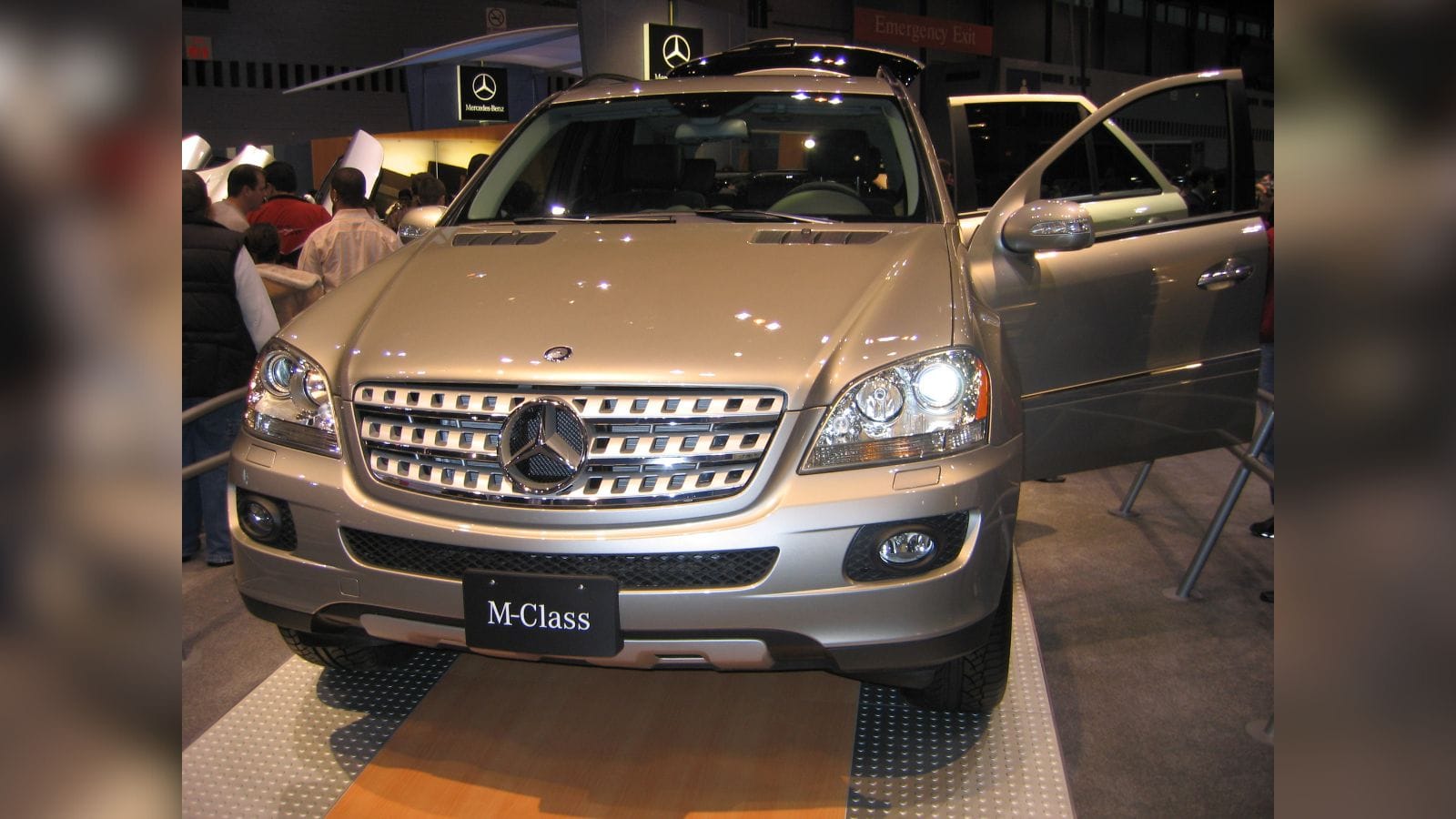
The G Wagon is a status icon and the government knows it. With six figure pricing, a large engine and a weight class that is closer to a military vehicle than a family hauler, it triggers significant tax penalties. Registration fees, fuel surcharges and luxury brackets add up quickly. What began as a rugged utility vehicle is now one of the most heavily taxed lifestyle machines on Canadian roads.
Ford F 350 Super Duty
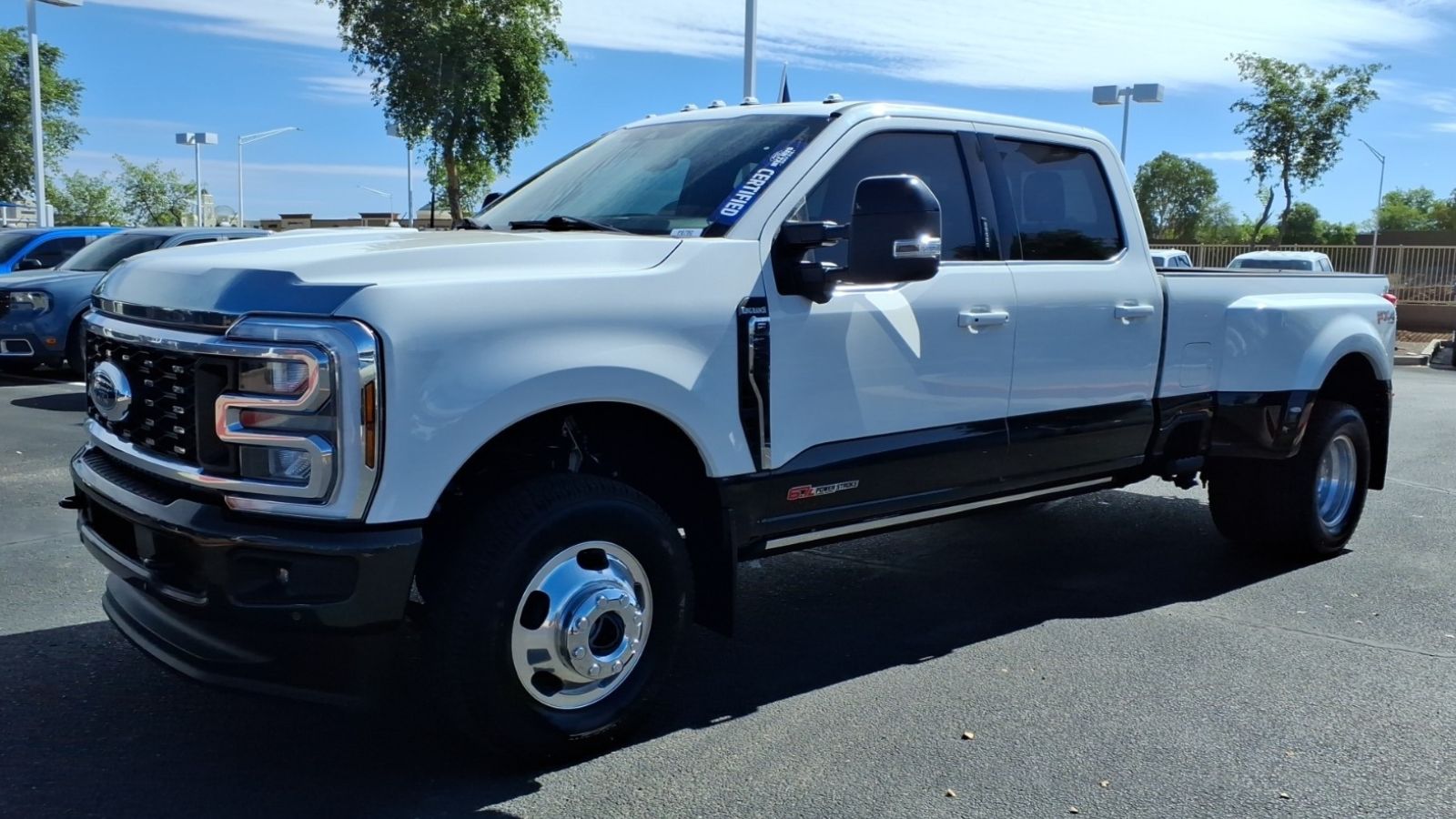
The F 350 is nothing like the luxury SUVs on this list, yet it gets hit just as hard. Its size, heavy duty classification and diesel engine place it in several high tax brackets. People who buy these trucks usually need them for real work. Contractors, farmers and commercial operators rely on them. The tax system does not take that into account. It simply treats the F 350 as a large, high impact vehicle and collects accordingly.
Lamborghini Urus
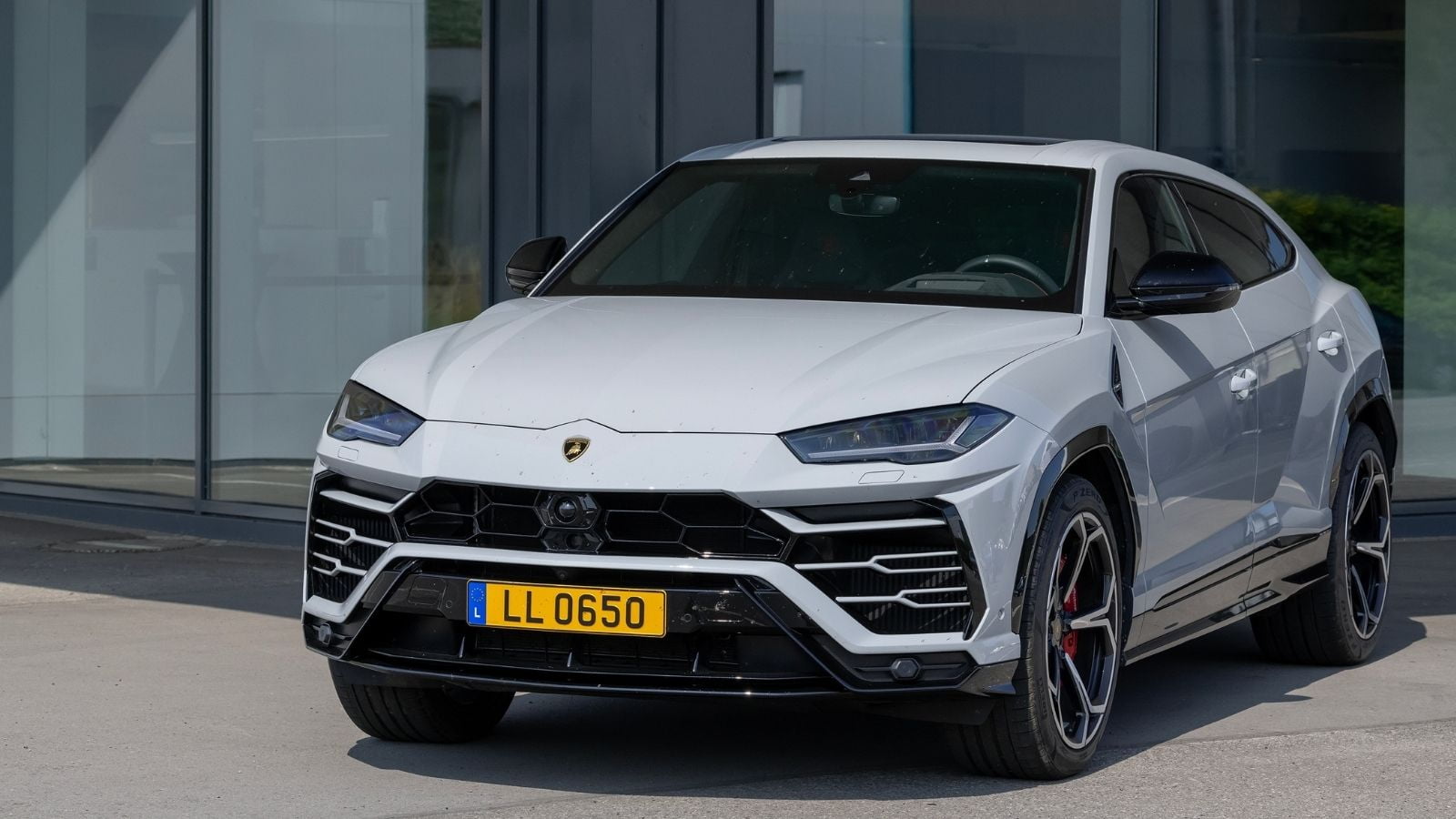
The Urus feels like a supercar wearing an SUV body and the tax bill shows it. The incredible horsepower, extreme pricing and sports car positioning activate nearly every luxury category at once. Simply put, the Urus pays the price for existing at the top of the performance ladder. It is a dream machine, but also a tax magnet.
Tesla Model X Plaid
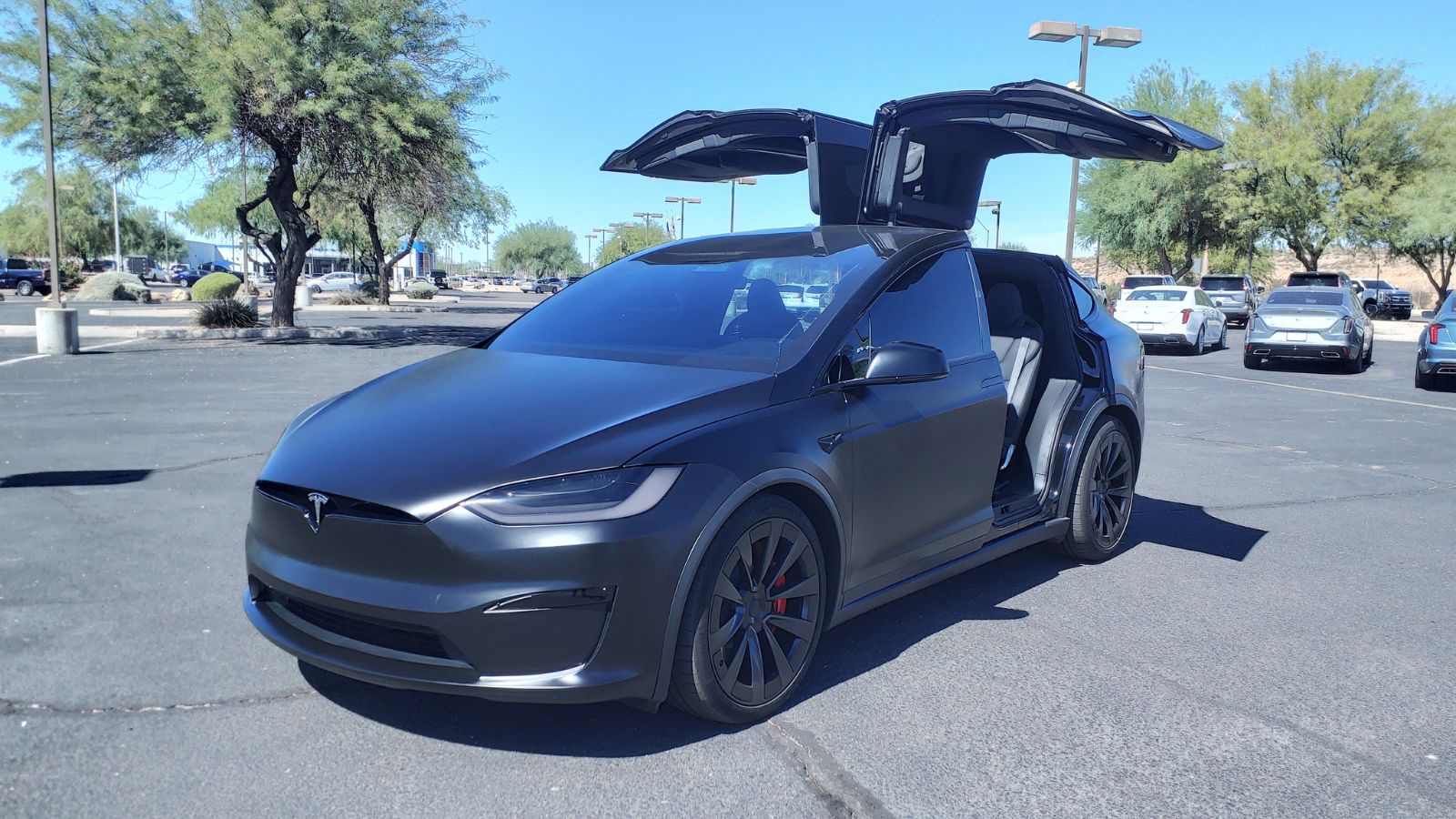
Shoppers assume an electric vehicle should mean savings everywhere. That is not the case with the Model X Plaid. Even with zero emissions, it sits firmly in the luxury range and gets taxed like any high priced premium vehicle. Buyers save at charging stations, but they do not escape the bill that comes with owning one of the most expensive EVs available.
Cadillac Escalade
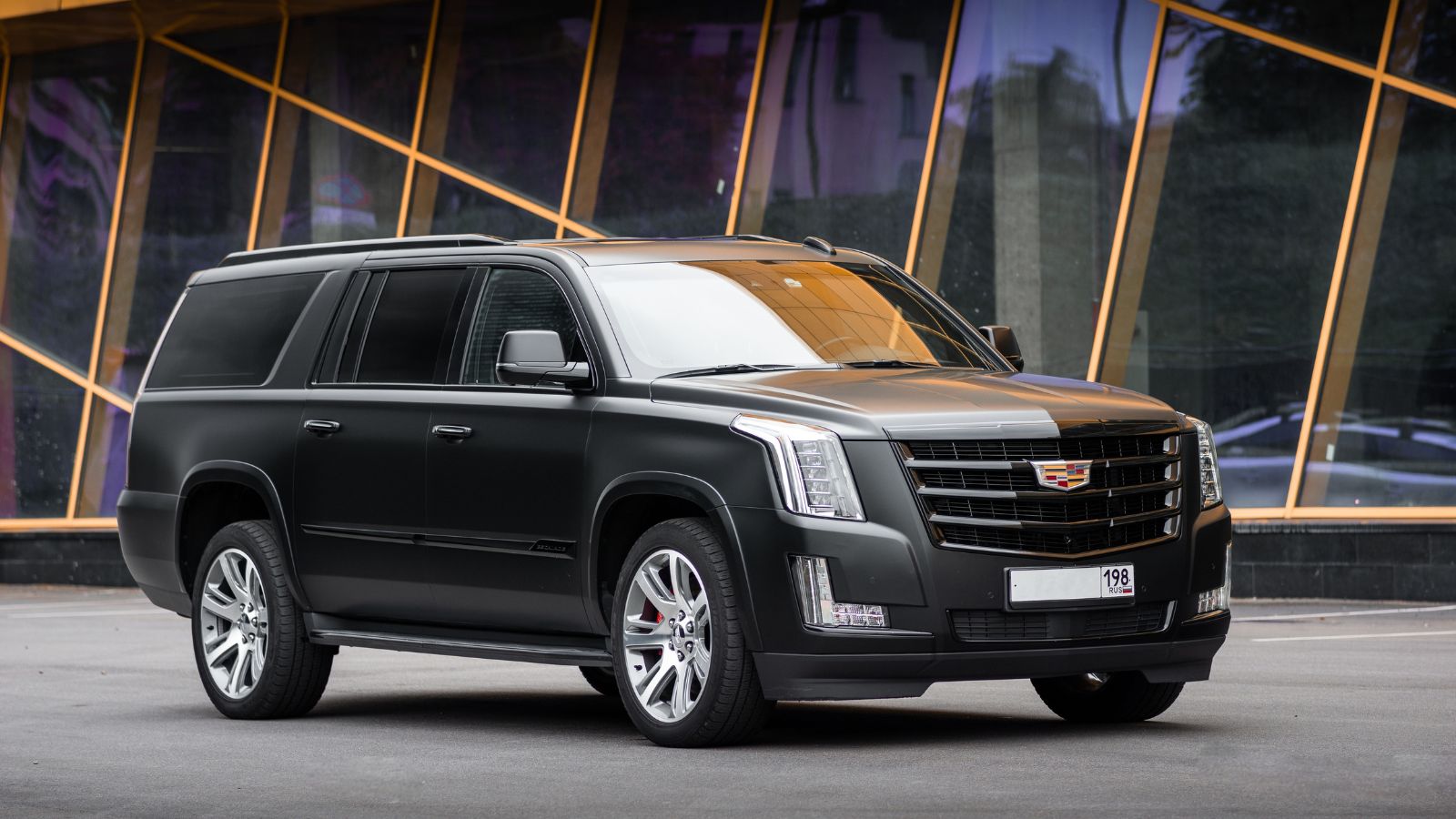
The Escalade is almost the symbol of the luxury SUV world in Canada. Large, powerful and unmistakably premium, it triggers luxury and fuel related costs right from the start. It is a popular family vehicle, but the tax system treats it less like transportation and more like a high end indulgence. If you choose one, you accept that the government will take its share.
Ram 3500 Heavy Duty
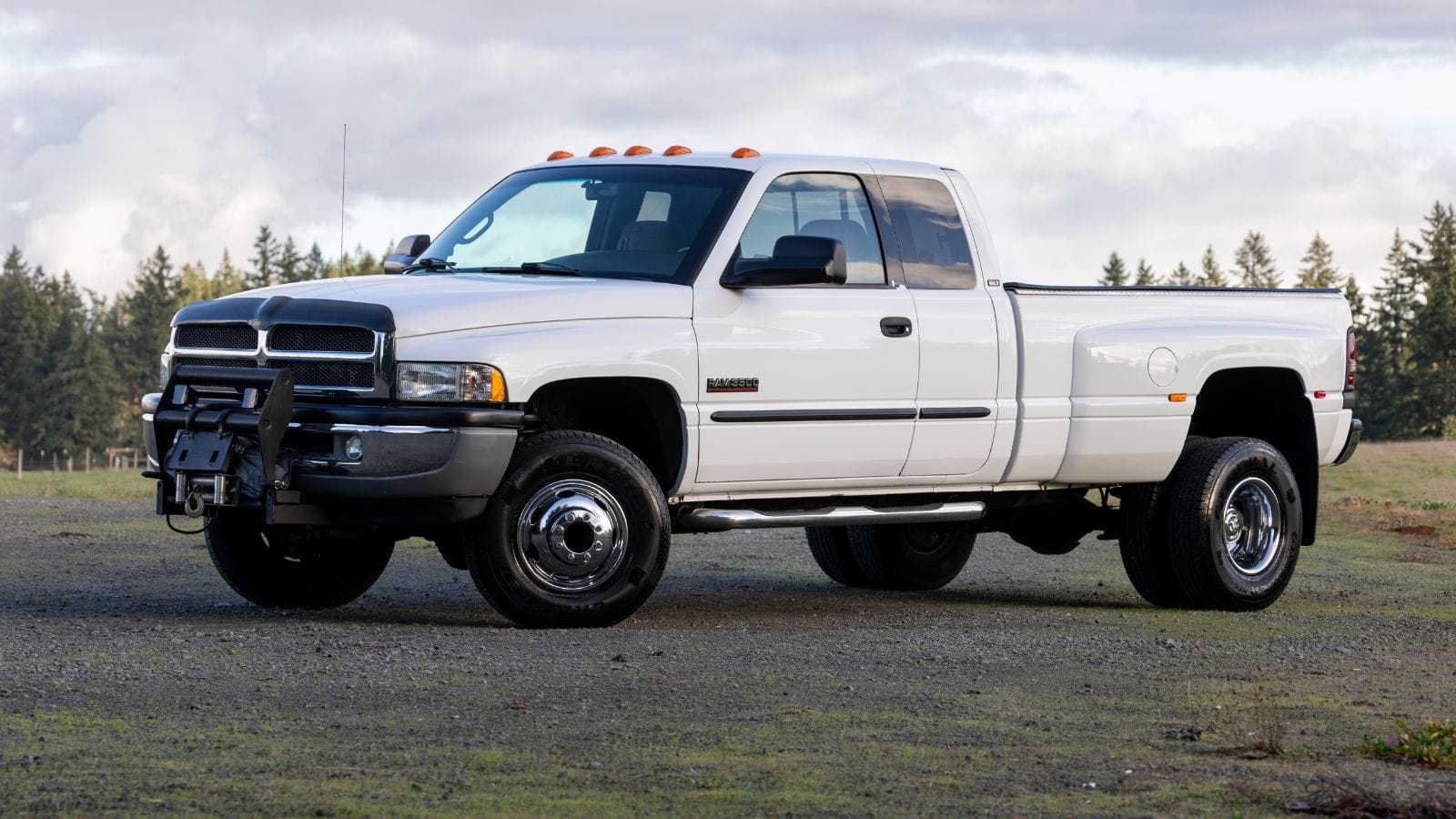
Like the Ford Super Duty, the Ram 3500 is purchased for towing, commercial use and serious work. The tax system does not care about the purpose. It charges based on weight class, diesel fuel impact and road wear projections. In other words, because the truck can do more work and carry more weight, it costs more to put on the road. Owners love these trucks, but they pay for the capability.
BMW X7 M60i
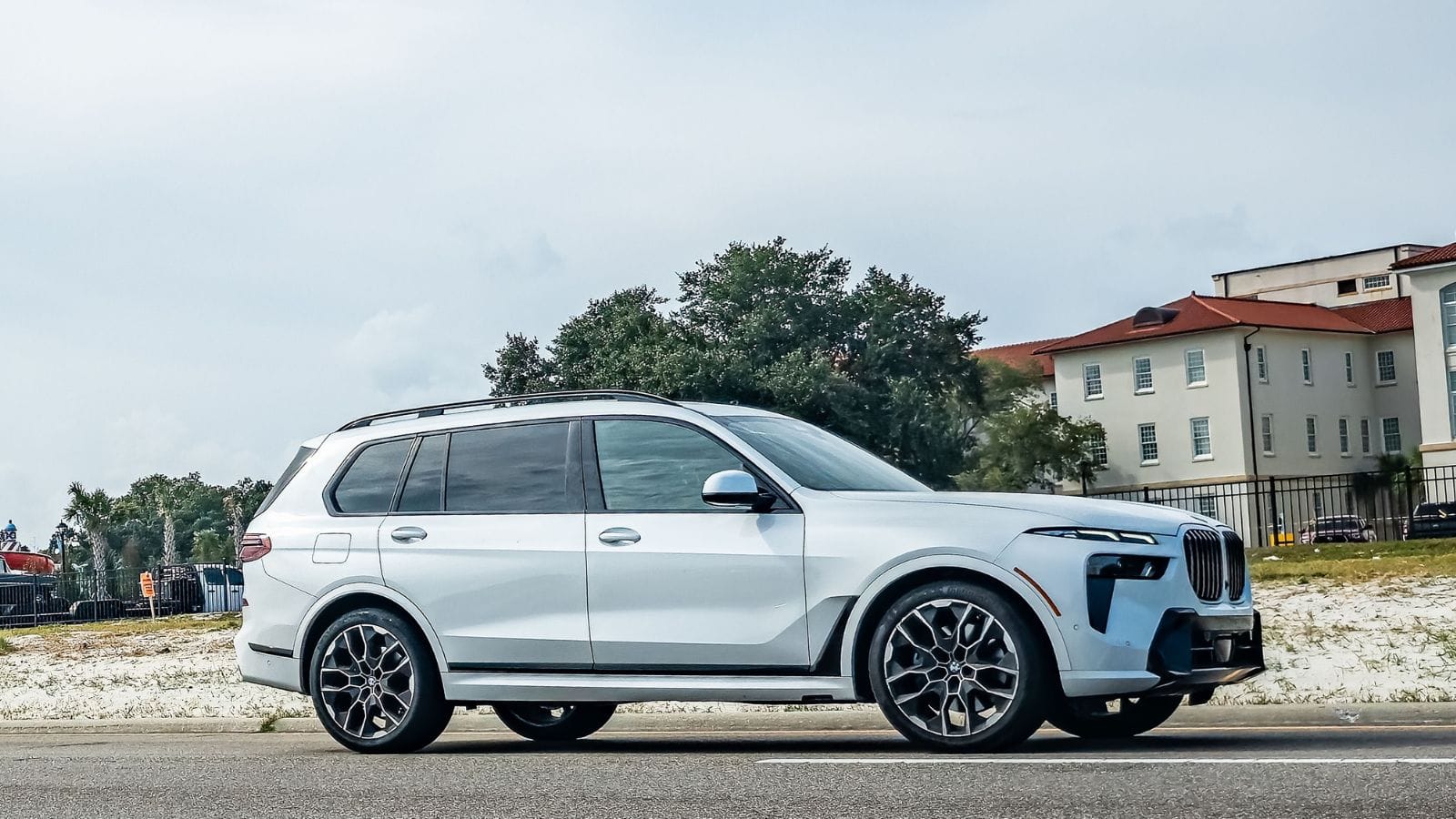
The X7 blends full size luxury with performance, which equals a costly tax combination. The powerful engine is heavily taxed. The premium badge is heavily taxed. The price pushes it past the luxury threshold without hesitation. It is the kind of vehicle that delights owners and frustrates accountants. Even used versions stay expensive to register and insure because of their classification.
Rolls Royce Cullinan
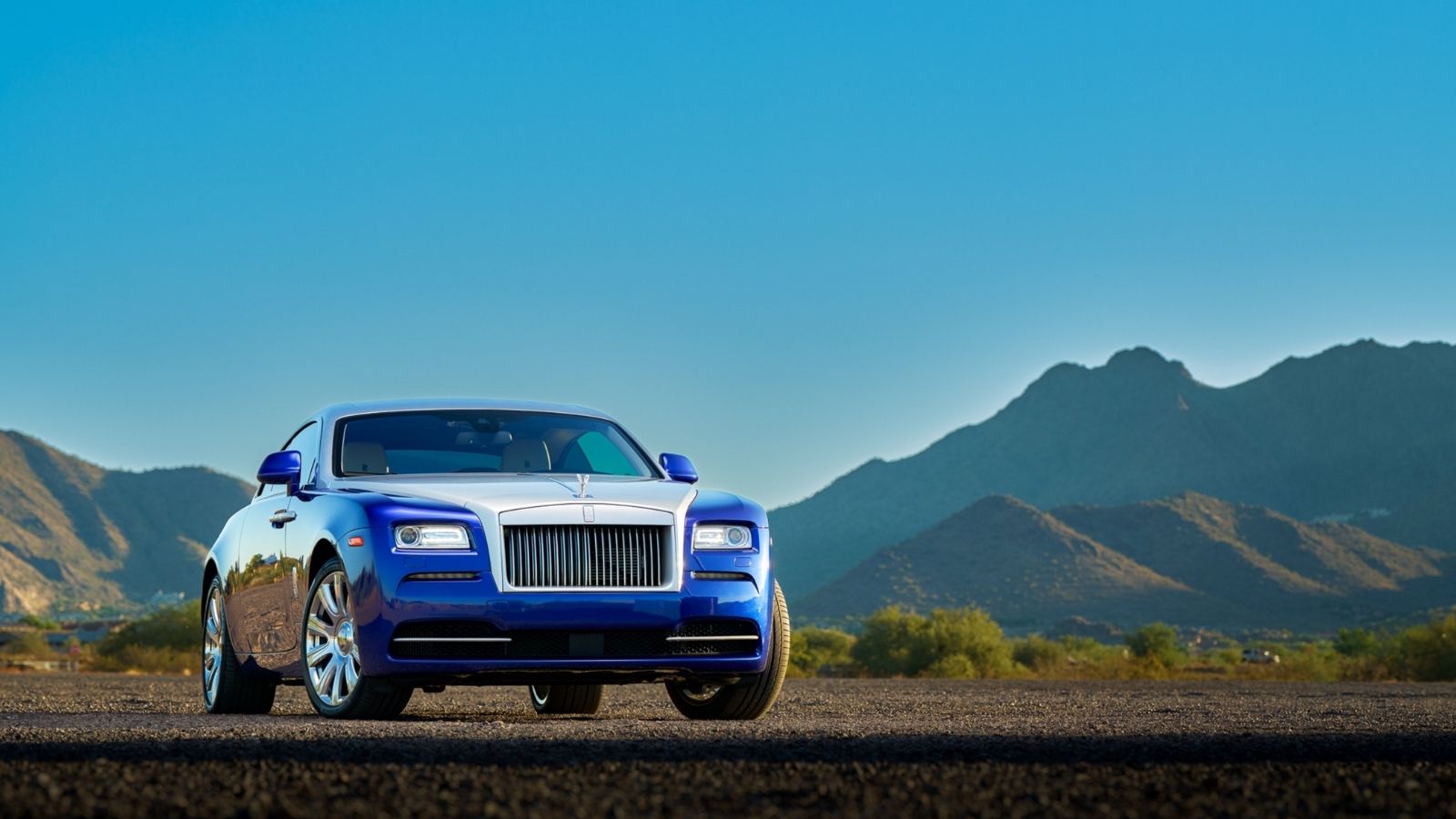
The Cullinan is the most heavily taxed consumer SUV in Canada by a wide margin. There is no attempt to hide the fact. It is a luxury vehicle built for wealthy buyers, and the Canadian tax system stacks fee after fee on top of it. Luxury tax, high registration, fuel penalties and enormous insurance costs all combine into a staggering ownership bill. There is no way around it. The Cullinan is taxed as a symbol of wealth.
Toyota Land Cruiser Imported Models
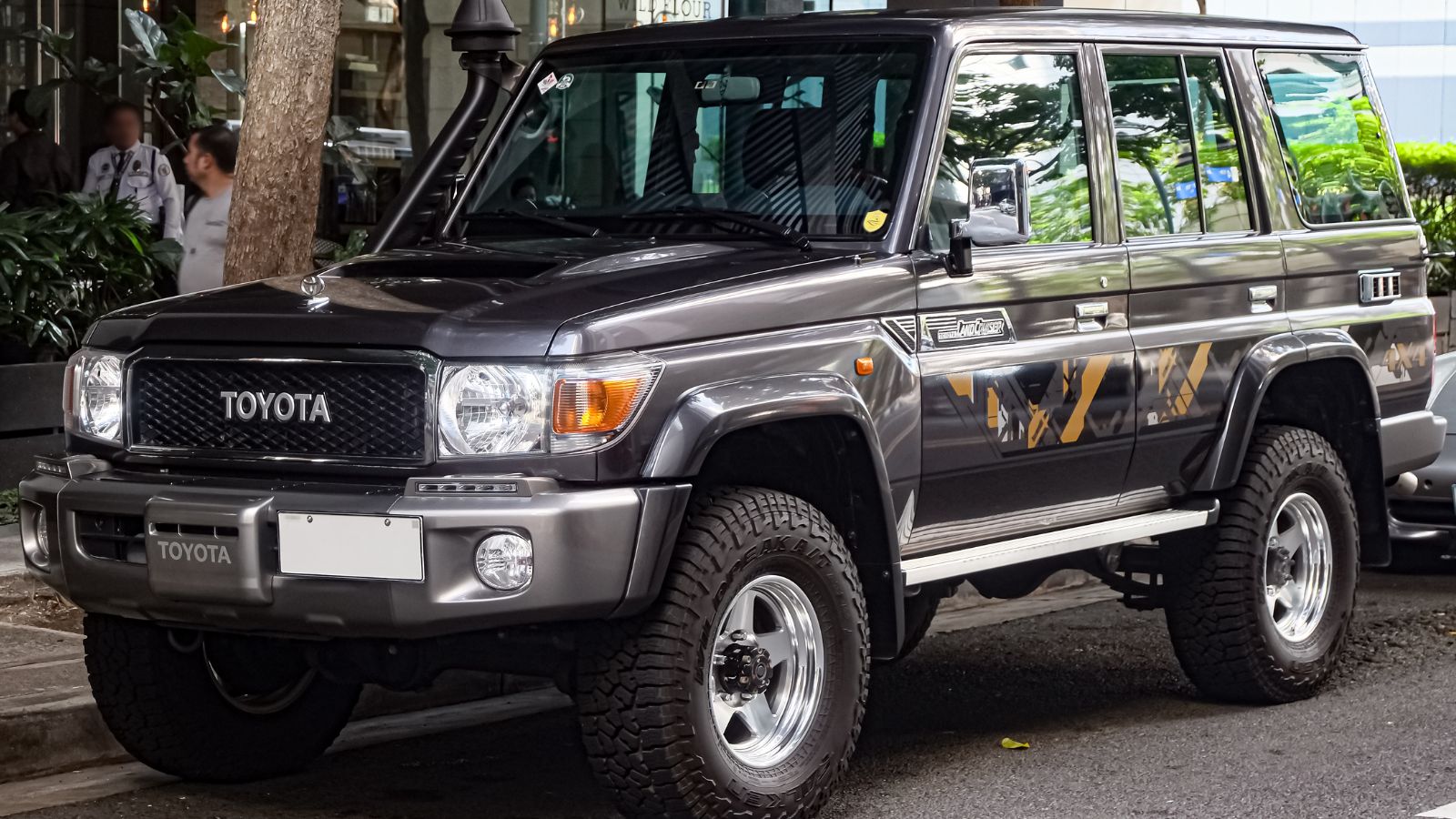
This one surprises people. Toyota is not usually associated with tax penalties, but privately imported Land Cruisers from Japan or the Middle East face unusually high cost layers. Strong engines and heavy frames trigger road impact fees. Imports also require compliance upgrades, duty charges and taxes tied to vehicle age and declared value. A rugged working class vehicle suddenly becomes one of the most expensive trucks to legalize on Canadian soil.
Why These Vehicles Get Hammered

The Canadian tax system targets three things above all else. High price. High weight. High performance. If a vehicle fits one category it gets taxed slightly harder. If it fits two, the bill jumps. If it fits all three, it becomes a revenue stream. These 10 vehicles prove that cost of ownership is not about fuel alone. The government shapes the buying experience as much as the automaker does.
25 Facts About Car Loans That Most Drivers Don’t Realize

Car loans are one of the most common ways people fund car purchases. Like any other kind of loan, car loans can have certain features that can be regarded as an advantage or a disadvantage to the borrower. Understanding all essential facts about car loans and how they work to ensure that you get the best deal for your financial situation is essential. Here are 25 shocking facts about car loans that most drivers don’t realize:
25 Facts About Car Loans That Most Drivers Don’t Realize
