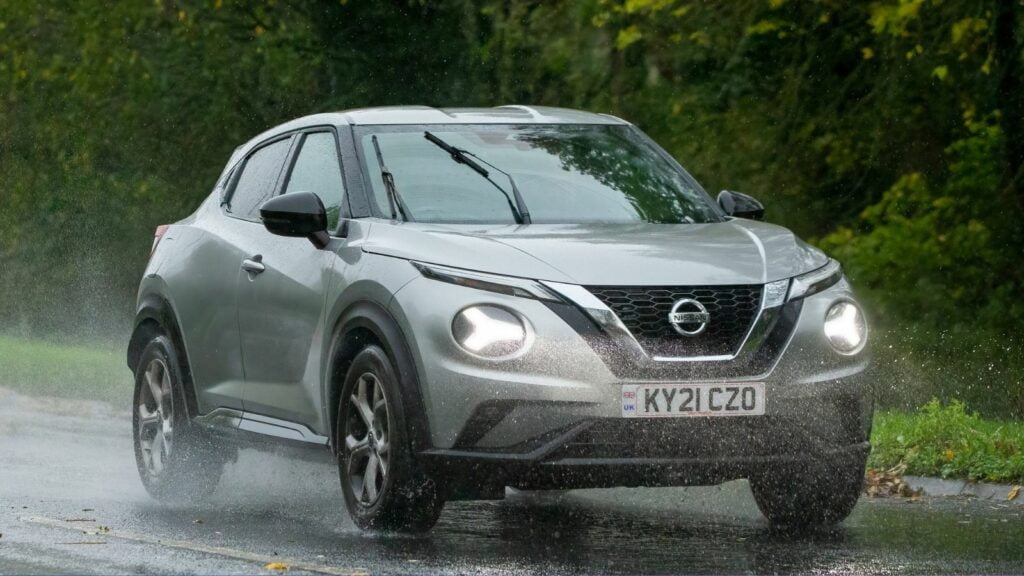
SUVs are supposed to do a few basic things well. Carry people comfortably, handle bad weather, deal with rough roads and justify their bulk. Some models managed to fail at all of that. They looked tough in brochures but collapsed in the real world, offering less space than hatchbacks, worse driving than sedans and zero off road credibility. These ten SUVs existed, but never really had a reason to.
Jeep Compass (First Generation)
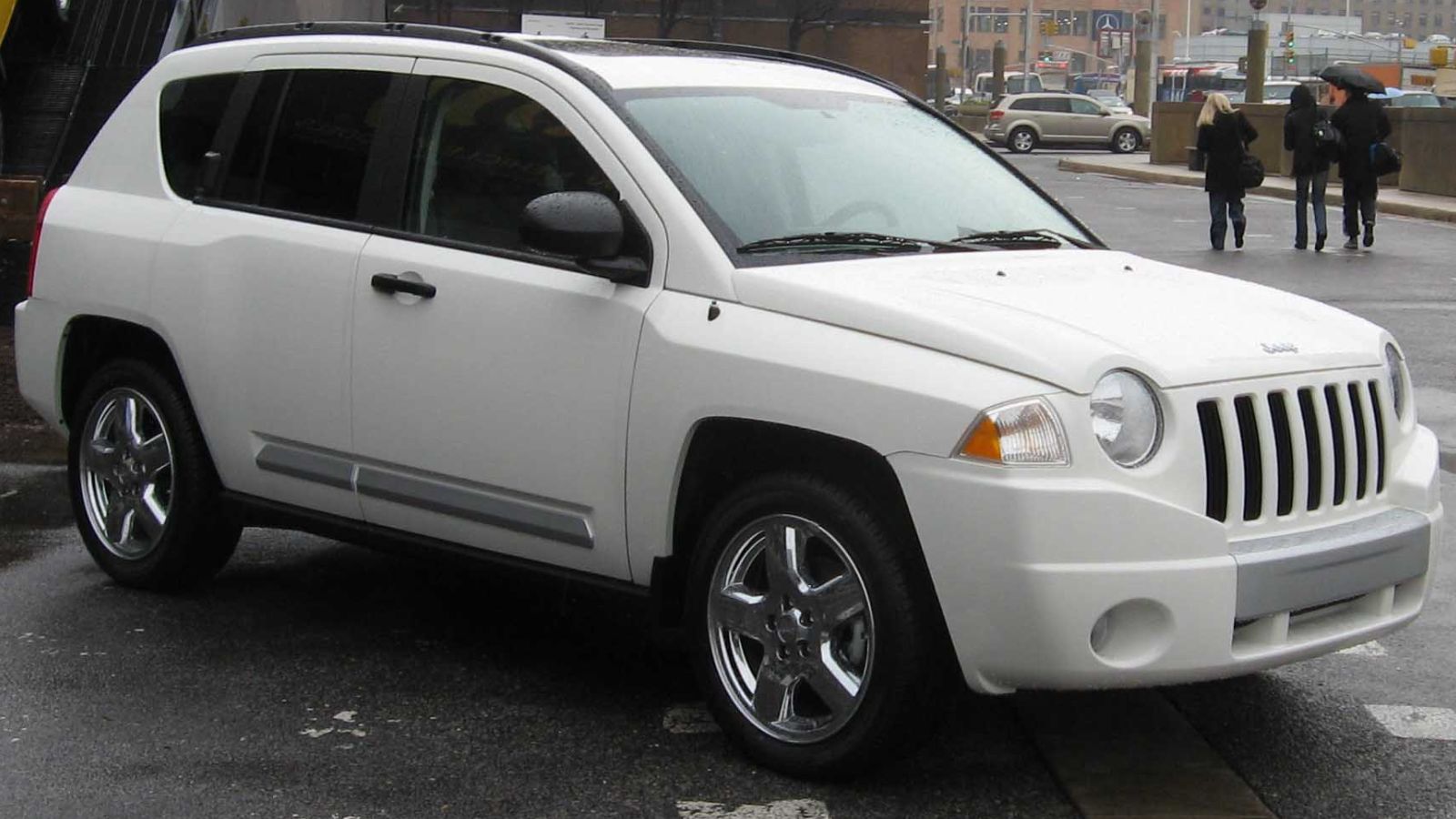
The original Compass wore a Jeep badge but delivered none of the ability. Ground clearance was poor, all wheel drive systems were underwhelming and the chassis felt overwhelmed by mild gravel roads. Interior quality disappointed and on road dynamics were clumsy. Buyers expected trail credibility and got a confused crossover instead.
Chevrolet Trax
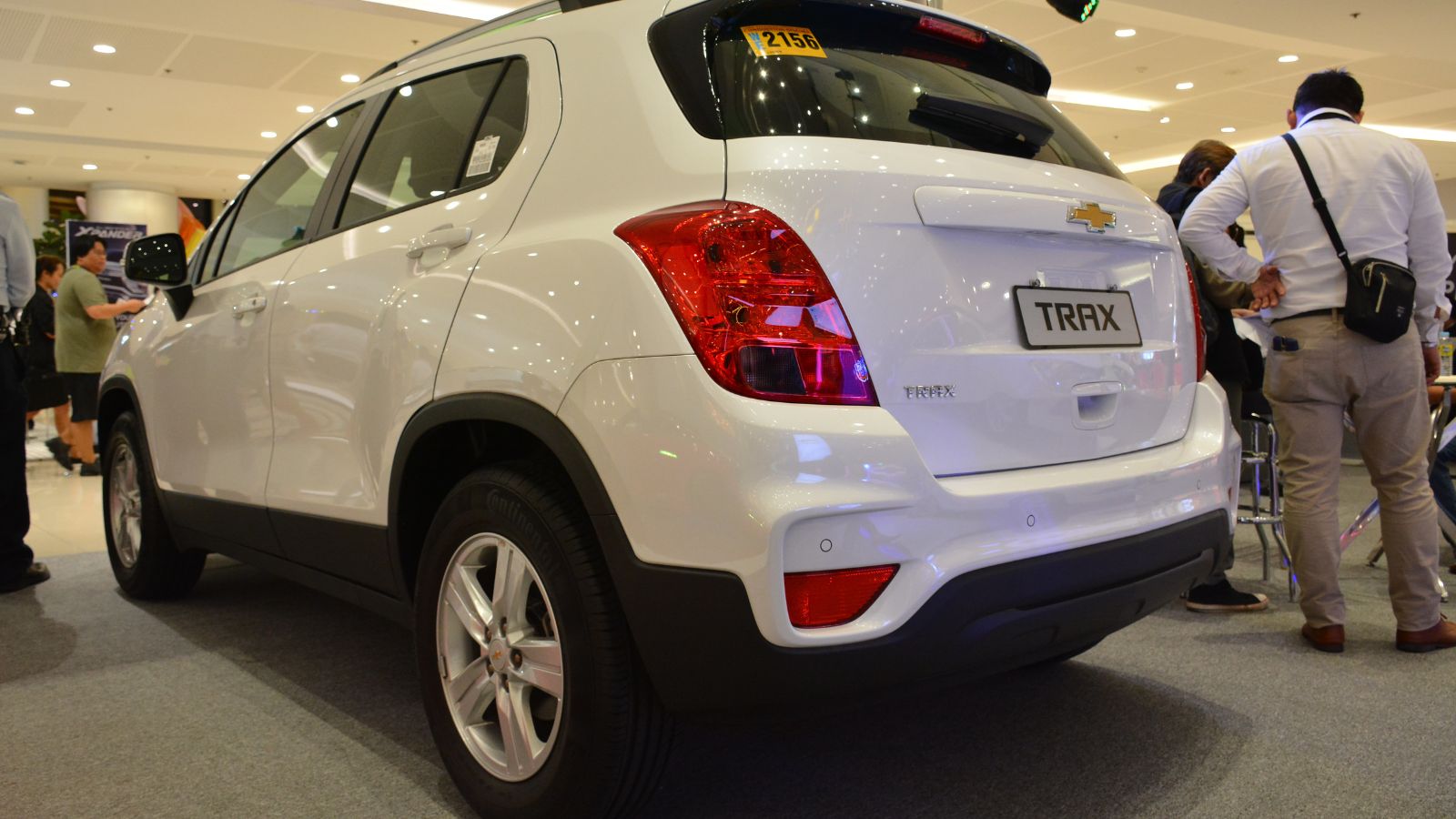
The Trax pretended to be an SUV while offering almost no advantage over a small hatchback. Rear seat space was tight, cargo room vanished quickly and highway performance felt strained. Winter driving confidence was average at best. It cost more, weighed more and delivered less than cheaper compact cars.
Nissan Juke
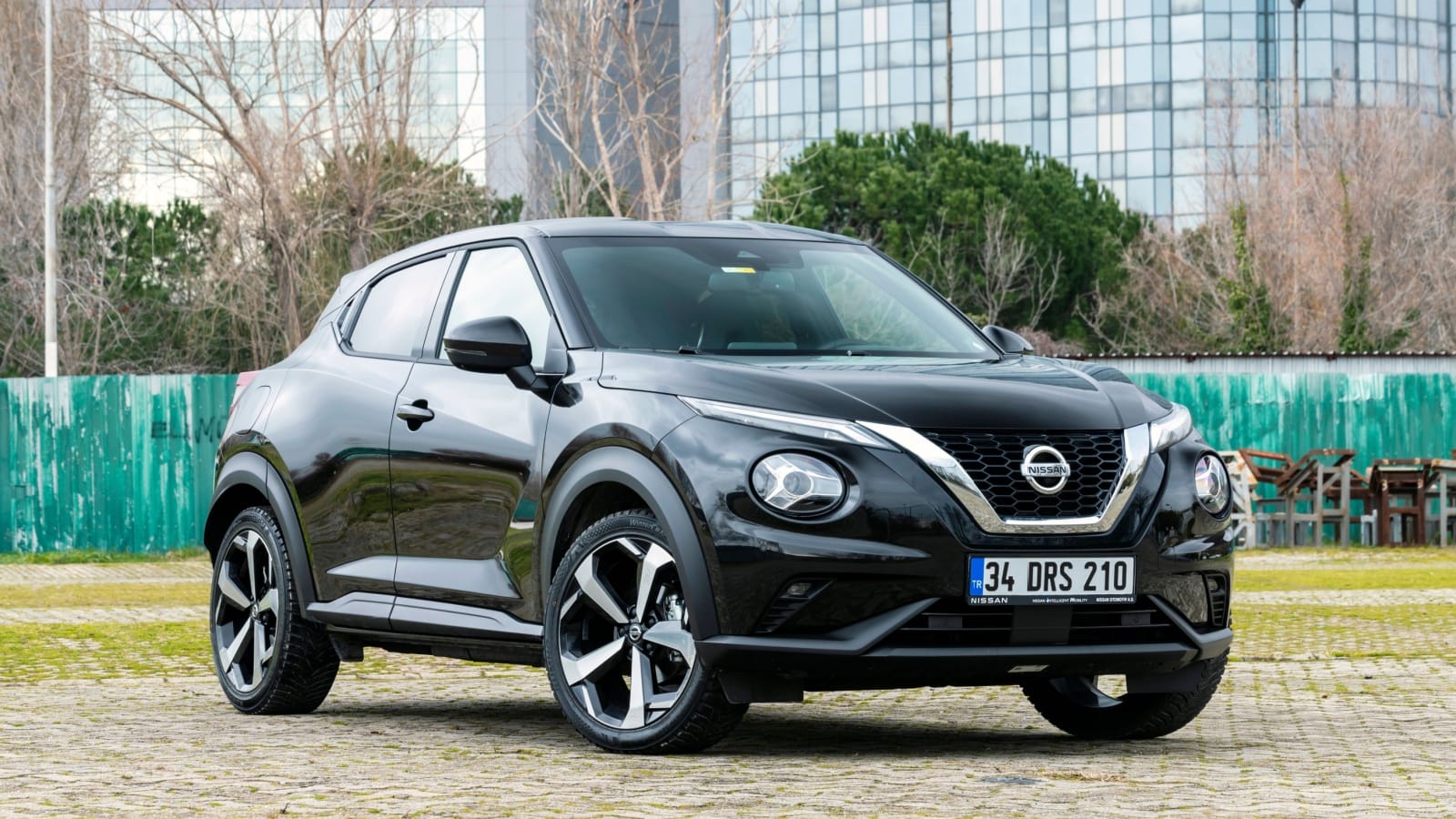
Style carried the Juke at launch, but novelty faded fast. The cabin was cramped, visibility was awkward and ride quality suffered. The all wheel drive system did little to redeem its strange proportions. It was neither practical nor enjoyable long term, leaving owners wondering what problem it solved.
Ford EcoSport
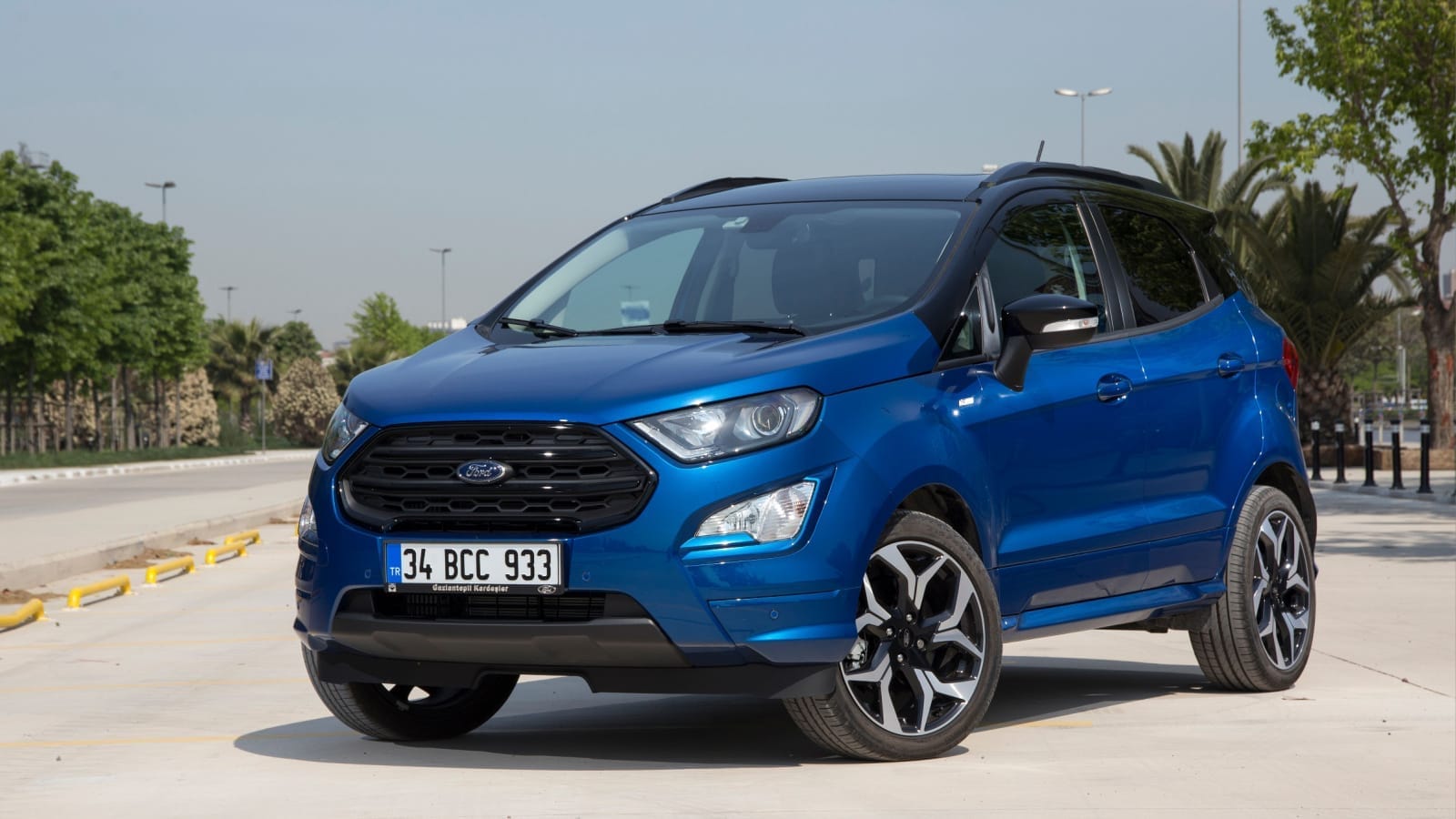
The EcoSport felt like a rushed afterthought. Ride quality was harsh, interior materials felt dated and the side hinged rear door confused more than it helped. Space was limited and driving dynamics were uninspiring. It never felt suited to Canadian roads or weather.
Mitsubishi Outlander Sport
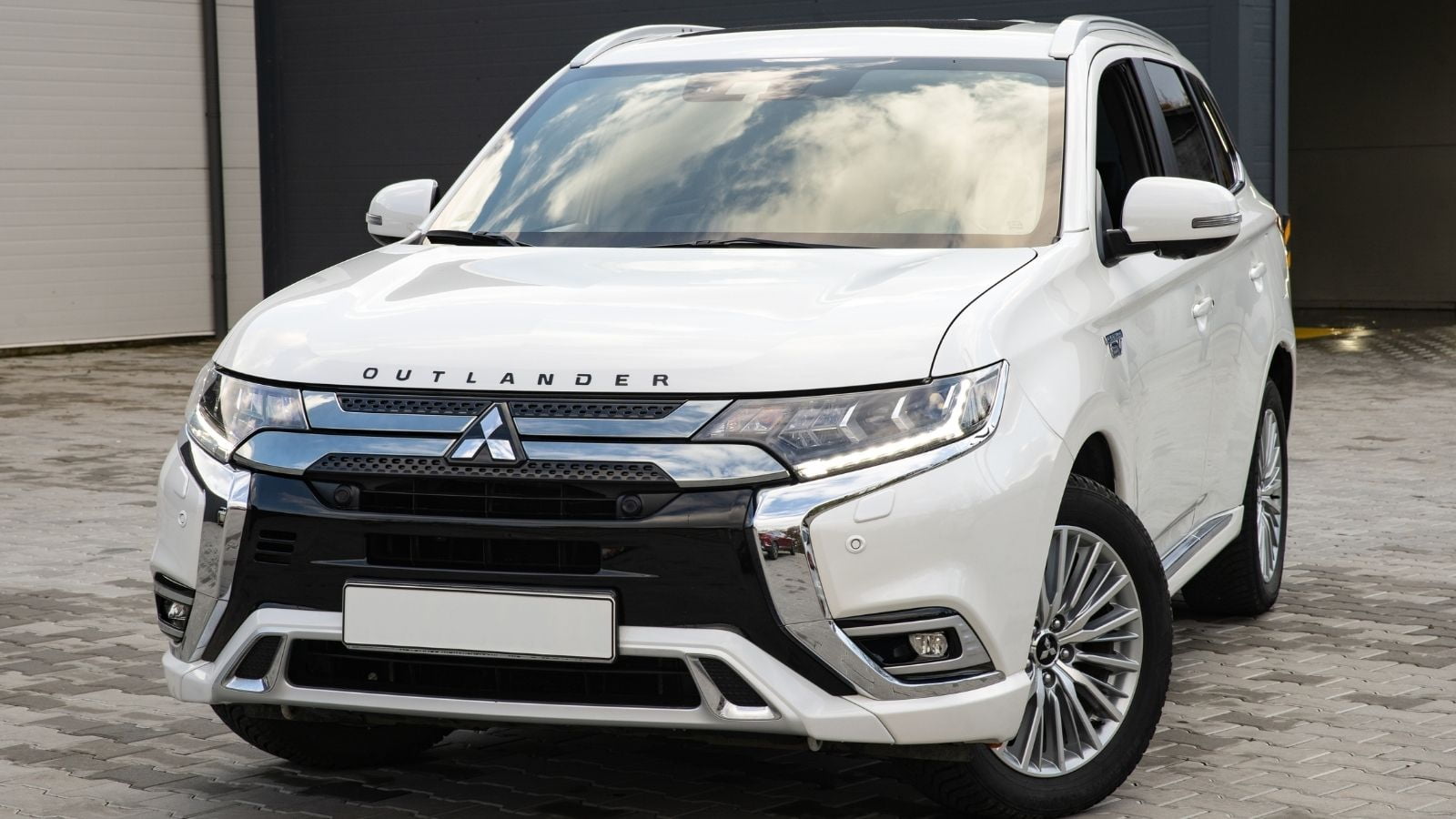
This SUV promised versatility and delivered mediocrity. Acceleration was sluggish, interior space disappointed and the driving experience lacked character. All wheel drive versions still struggled on rough surfaces. Buyers often discovered too late that larger Outlanders or compact sedans did everything better.
Buick Encore
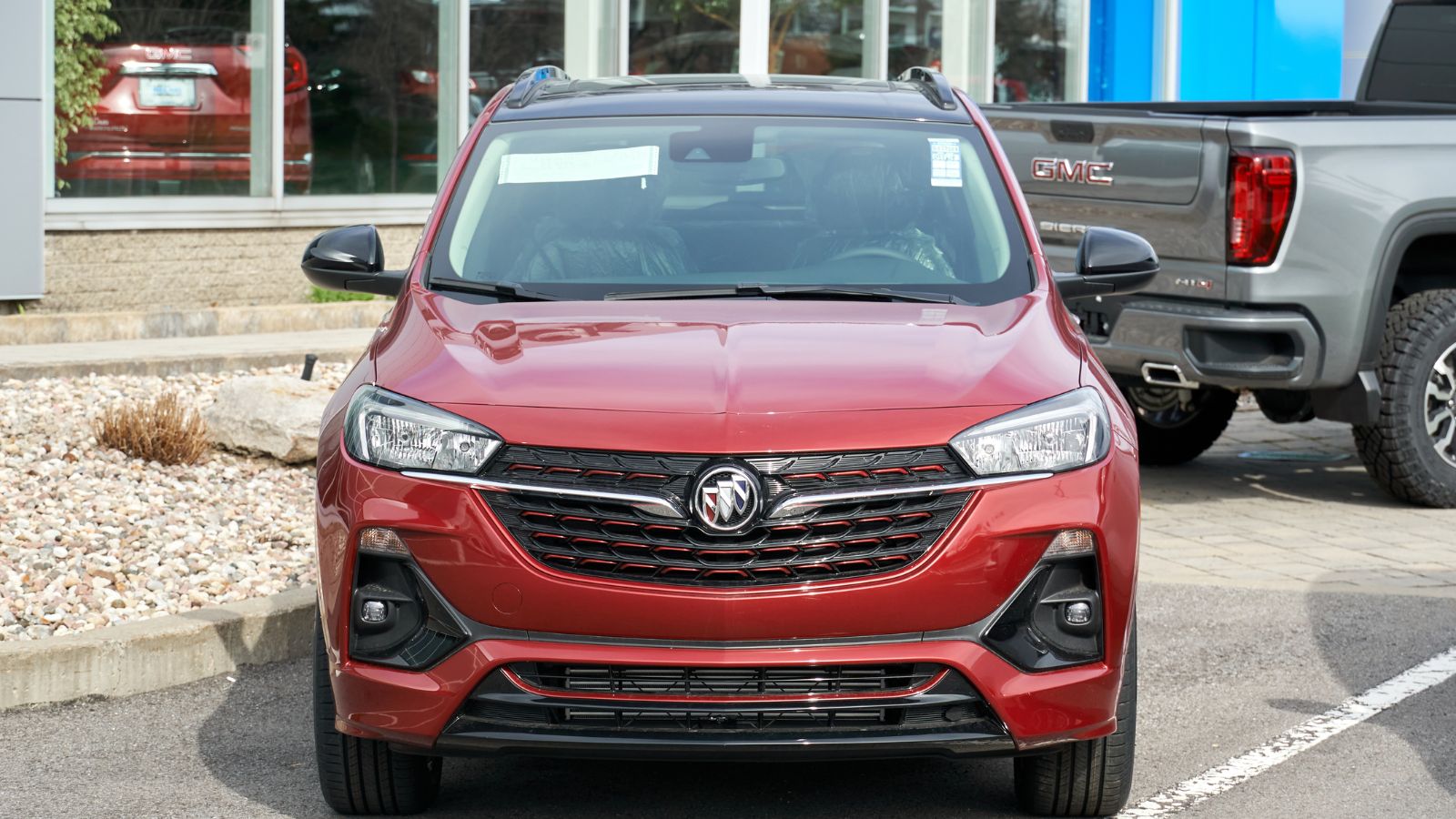
The Encore leaned on quietness and brand image, but forgot usefulness. Cargo space was minimal, rear seats were cramped and pricing climbed quickly. It drove like a small car with extra weight and no added capability. Luxury expectations were not met, and practicality was nowhere to be found.
Dodge Journey
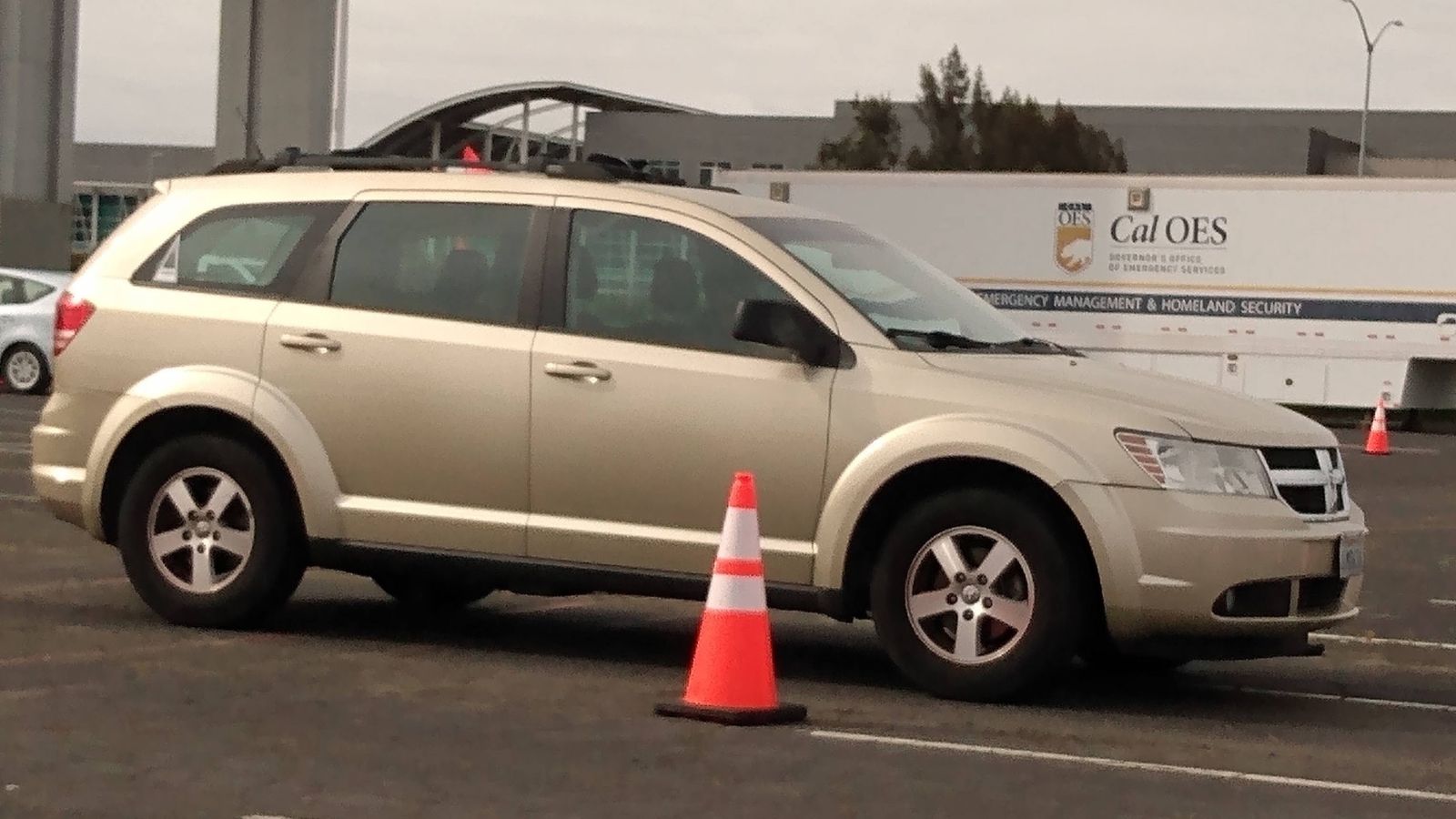
The Journey looked like a family SUV but drove like a rental fleet compromise. Engines felt underpowered, handling was sloppy and fuel economy was poor. Interior technology lagged far behind rivals. It existed largely because it was cheap, not because it was good.
Suzuki XL7 (Late Models)
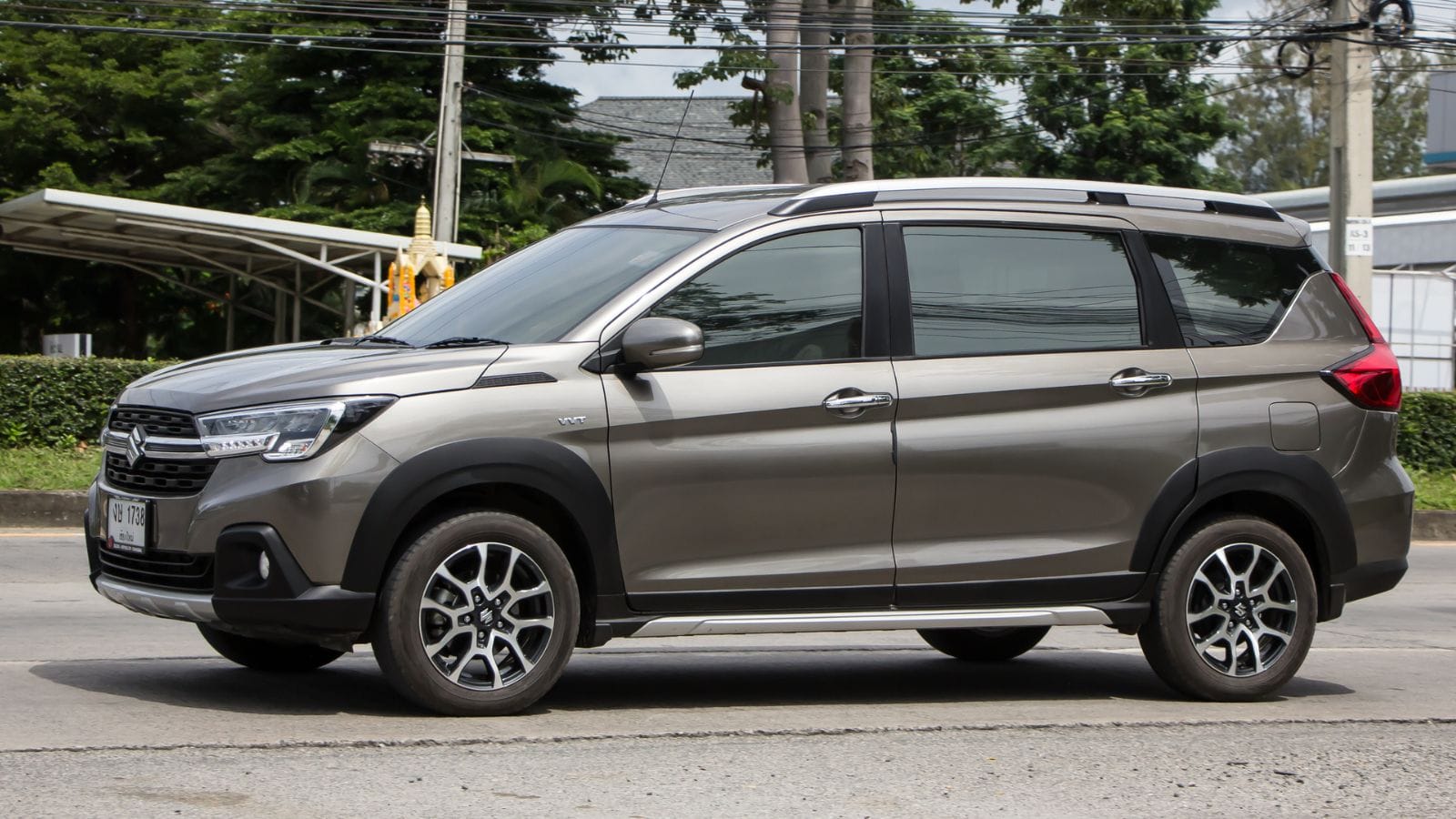
Later XL7 models tried to look rugged while losing the durability that once defined Suzuki. Reliability issues, poor resale value and underwhelming performance chased buyers away. It struggled off road and felt outdated on road. The result was an SUV that did nothing particularly well.
Volkswagen Tiguan (First Generation)
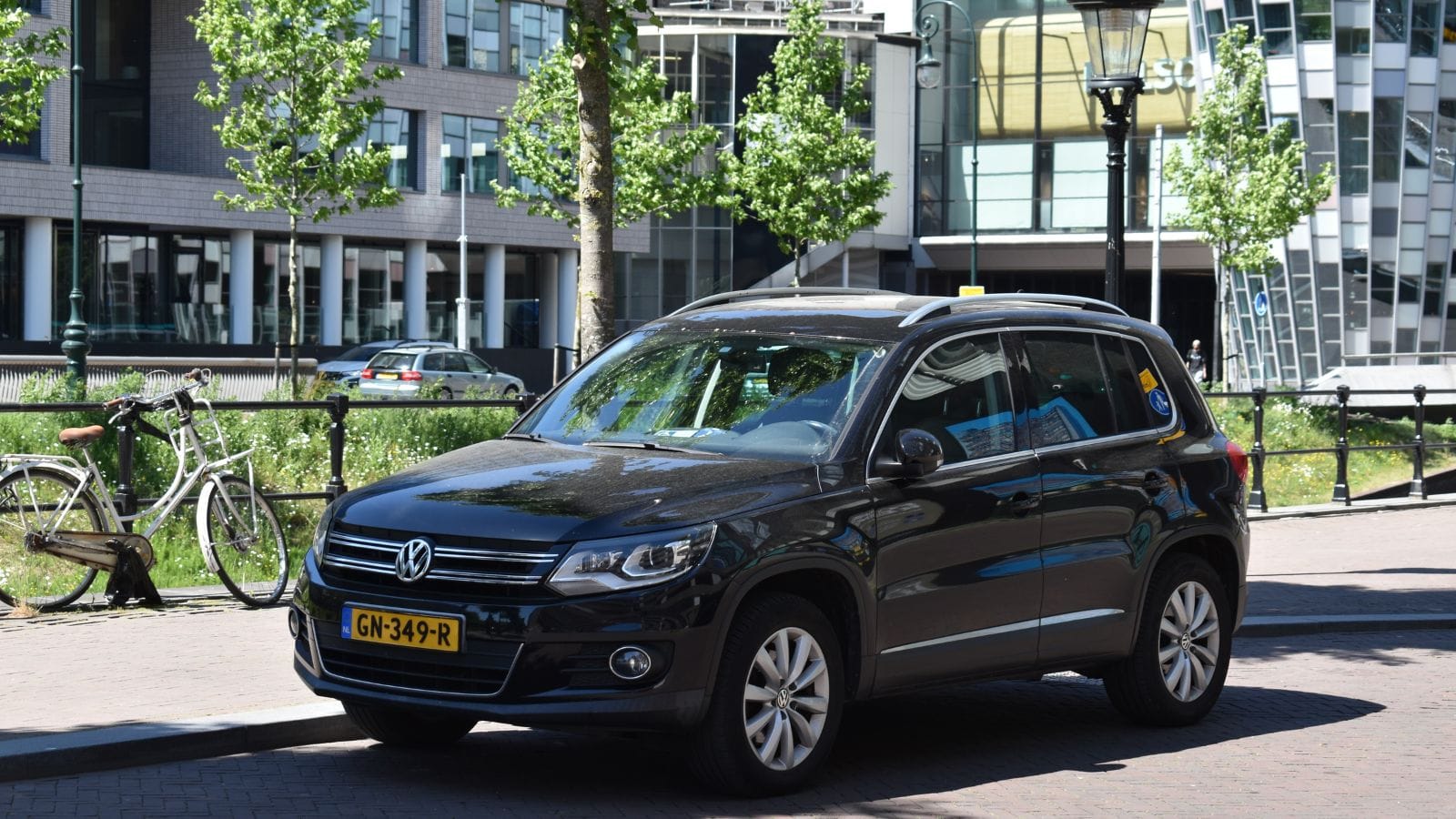
The first Tiguan promised European refinement but delivered high ownership costs and limited real world benefit. Cargo space lagged competitors and off road ability was minimal. Maintenance concerns overshadowed driving enjoyment. Buyers expected versatility and got complexity instead.
Smart Forfour / Forfour Based Crossovers
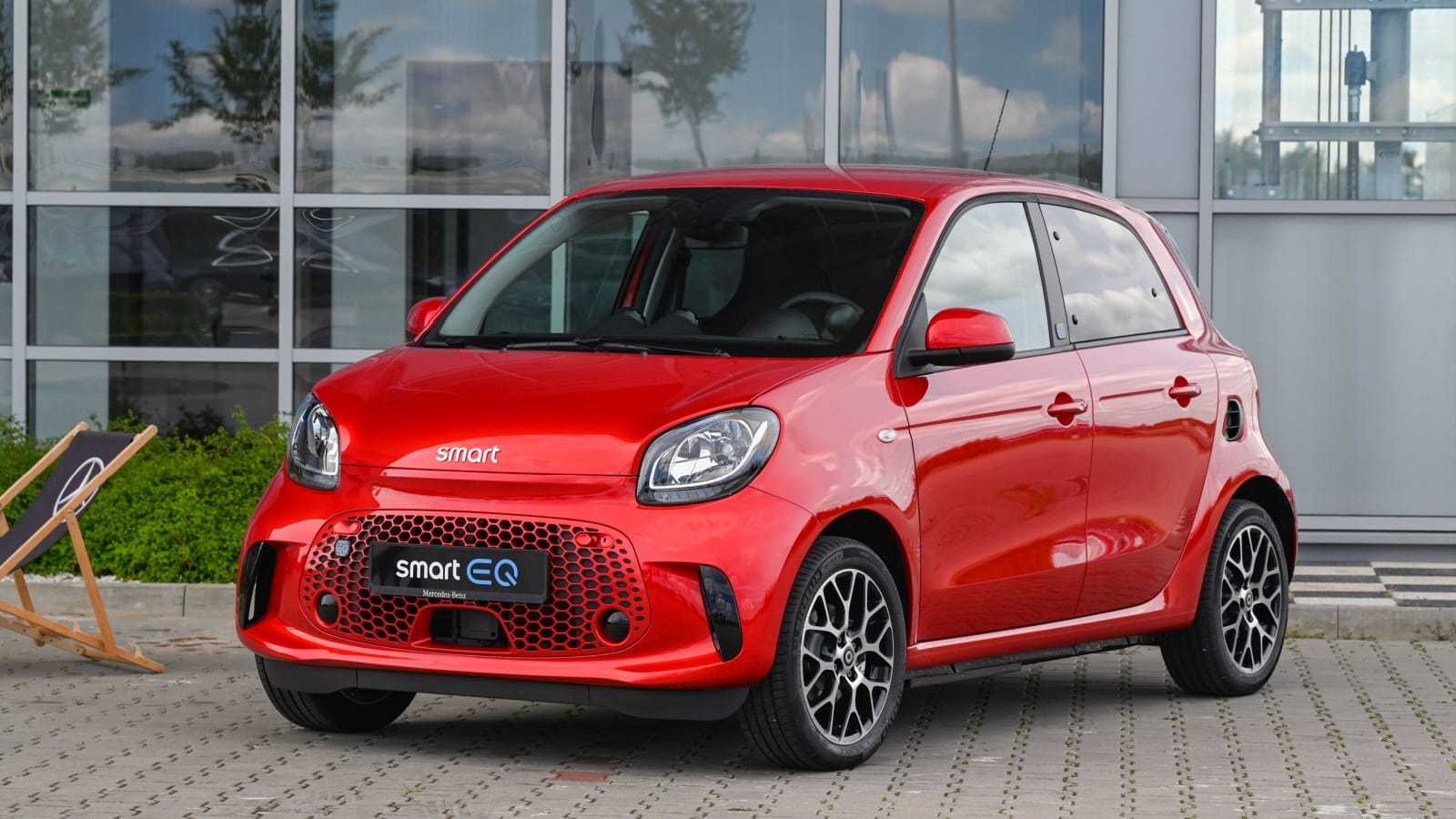
Turning a city car into an SUV never worked here. Limited power, awkward proportions and poor winter confidence made these models impractical outside dense urban cores. They sacrificed the benefits of a small car without gaining any SUV advantage.
25 Facts About Car Loans That Most Drivers Don’t Realize

Car loans are one of the most common ways people fund car purchases. Like any other kind of loan, car loans can have certain features that can be regarded as an advantage or a disadvantage to the borrower. Understanding all essential facts about car loans and how they work to ensure that you get the best deal for your financial situation is essential. Here are 25 shocking facts about car loans that most drivers don’t realize:
25 Facts About Car Loans That Most Drivers Don’t Realize
