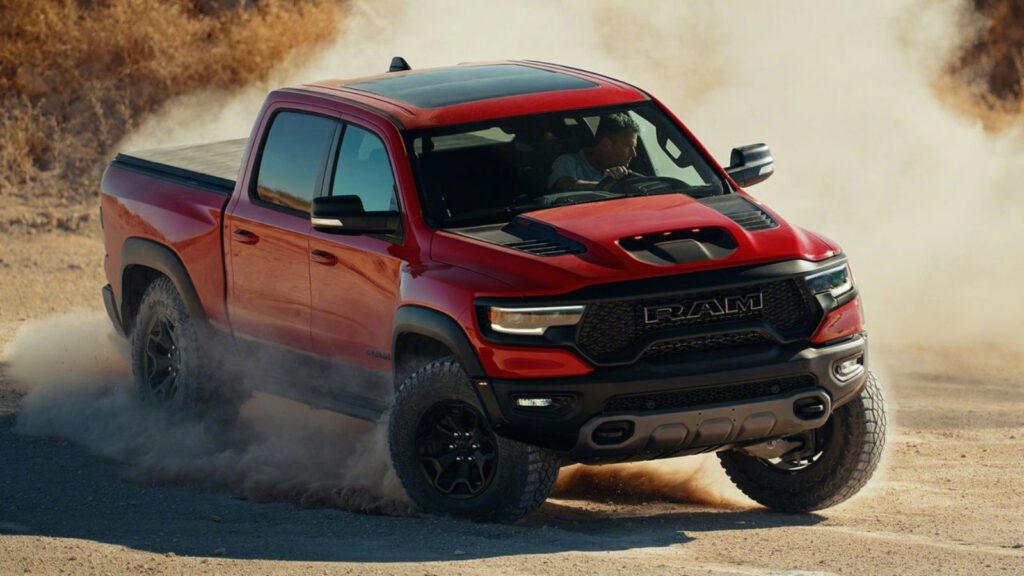
Cities are getting denser while trucks keep getting larger. Parking bays, bike lanes, underground garages and pedestrian safety rules were not designed around towering hoods and extreme curb weights. As urban planners push back, certain trucks are increasingly under scrutiny. These ten pickups are often cited in debates about size limits, visibility and road safety in major cities.
Ford F-450 Super Duty
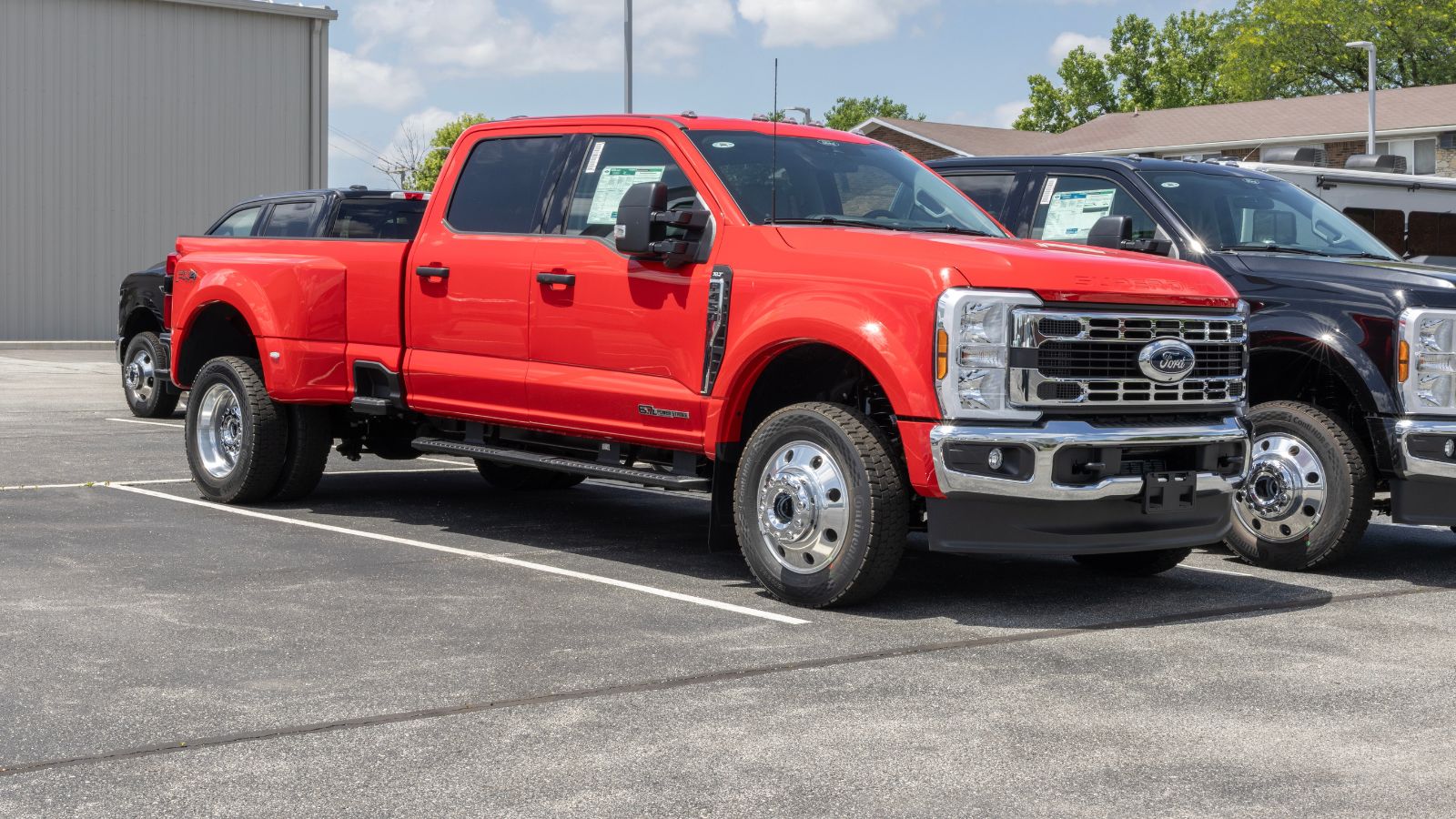
The F-450 is built for towing massive loads, not navigating tight downtown streets. Its width, height and turning circle overwhelm standard parking infrastructure. In dense cores, it blocks sightlines and consumes multiple spaces, making it a frequent target in size based policy discussions.
Ram 3500
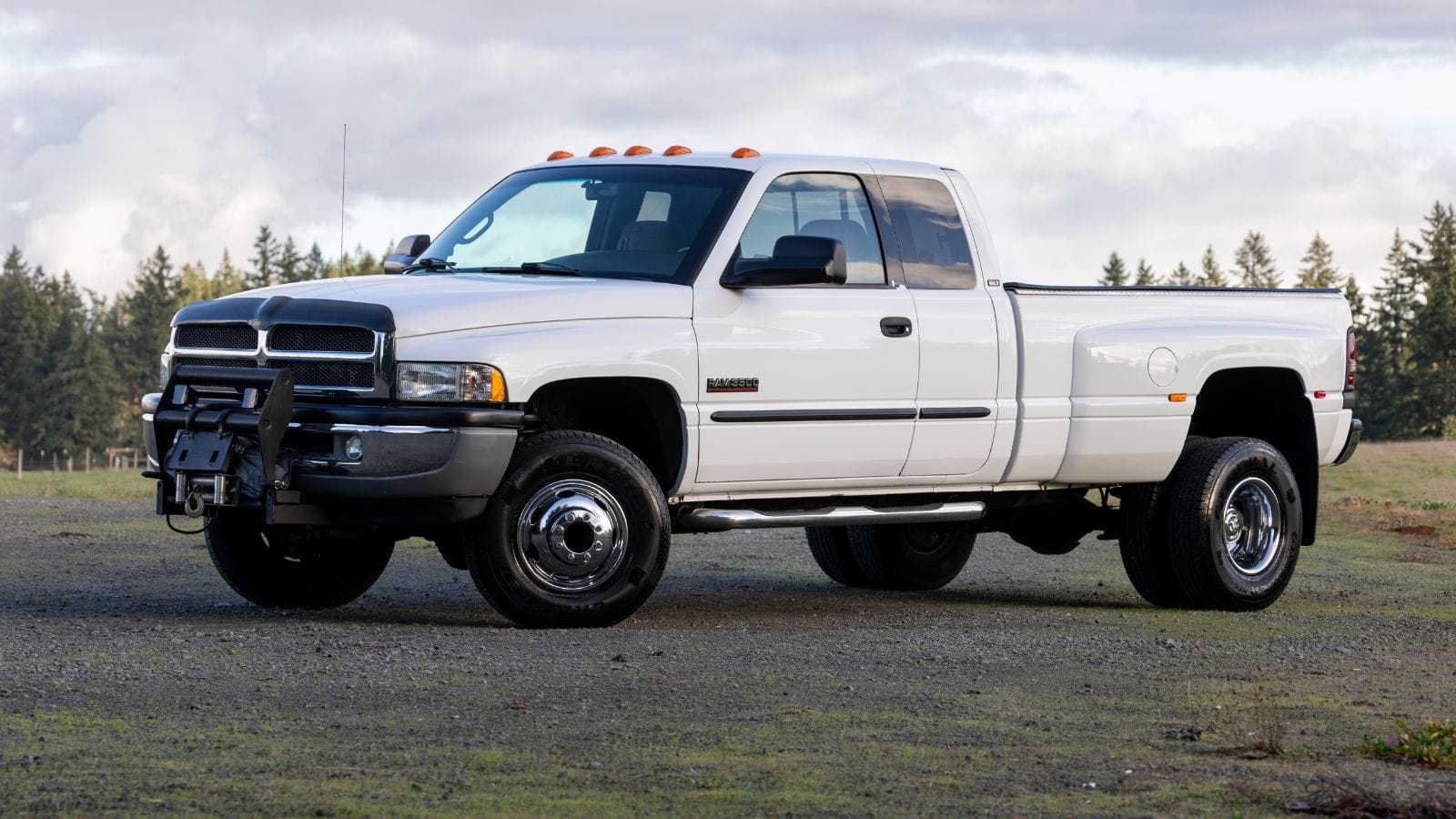
Designed for work sites and highways, the Ram 3500 brings extreme curb weight and a tall hood line into environments filled with pedestrians and cyclists. Cities concerned with crash compatibility and visibility increasingly view trucks like this as incompatible with urban safety goals.
Chevrolet Silverado HD
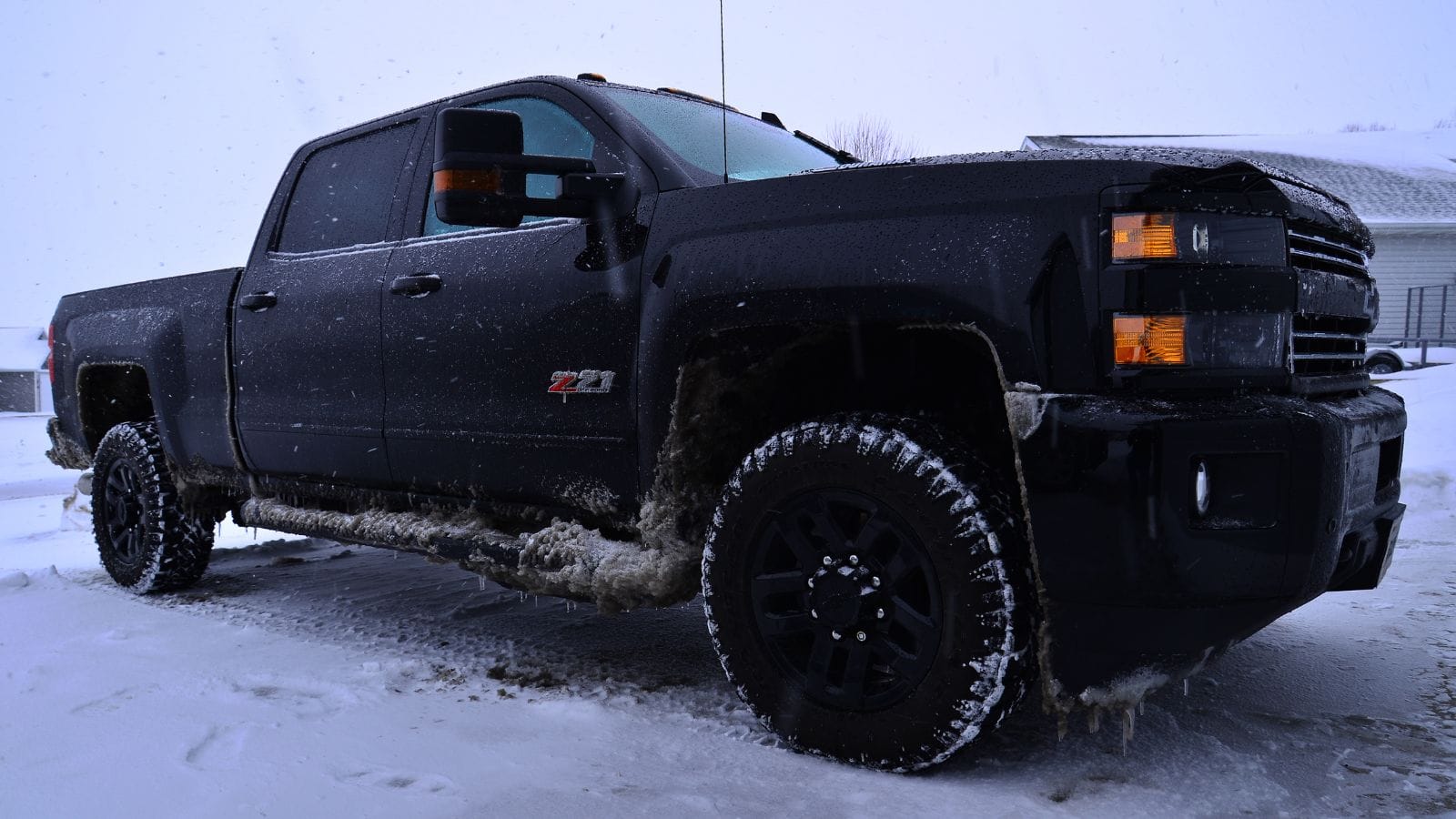
The Silverado HD pushes past what many cities consider reasonable personal transportation. Its length makes curbside parking difficult and its mass raises concerns about collision severity. As cities tighten regulations, HD trucks often sit near the top of restriction lists.
GMC Sierra HD
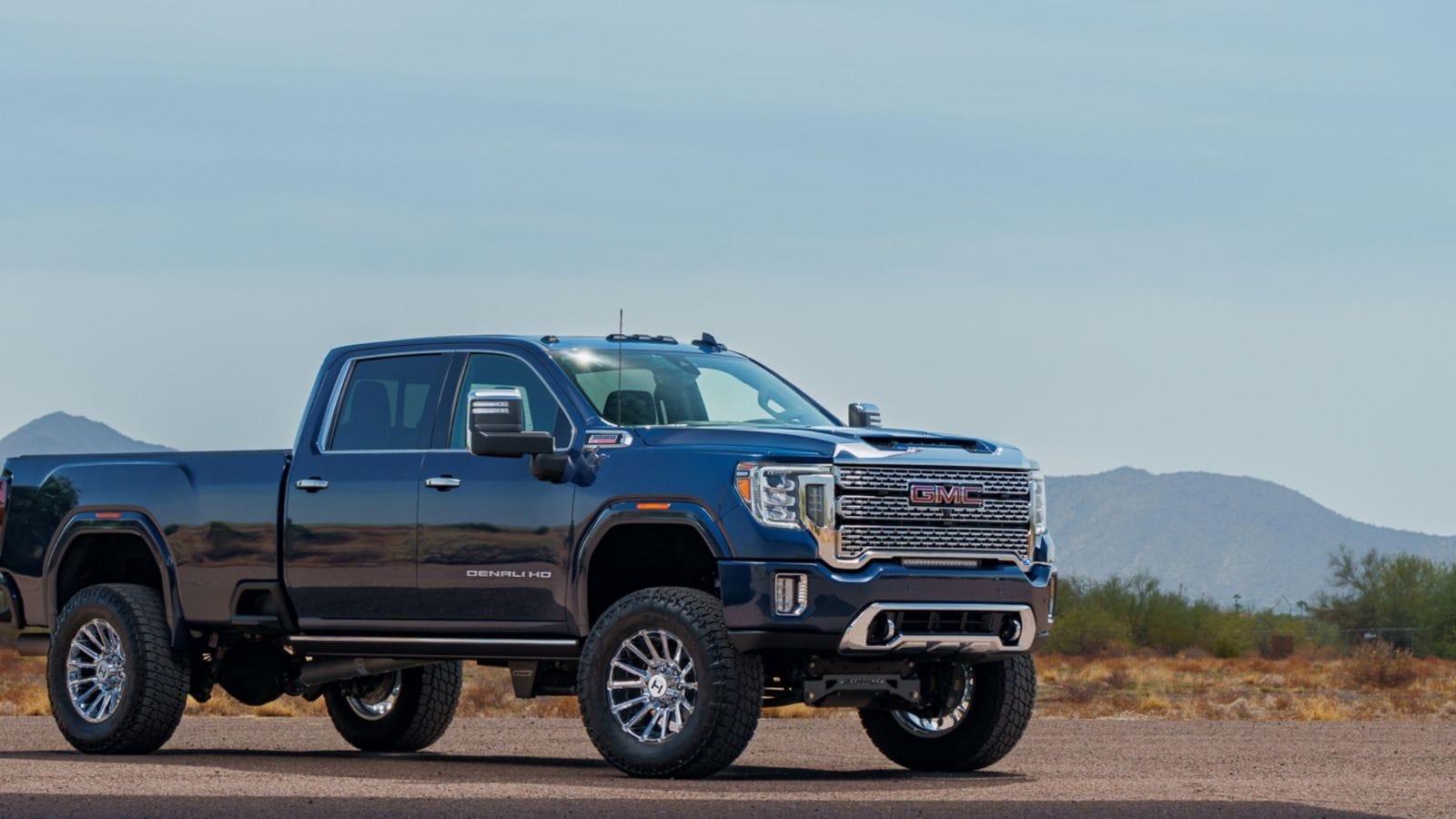
Mechanically similar to the Silverado HD, the Sierra HD faces the same urban challenges. High beltlines and tall front ends reduce forward visibility, a growing concern for planners focused on pedestrian safety in crowded areas.
Ford F-350 Super Duty
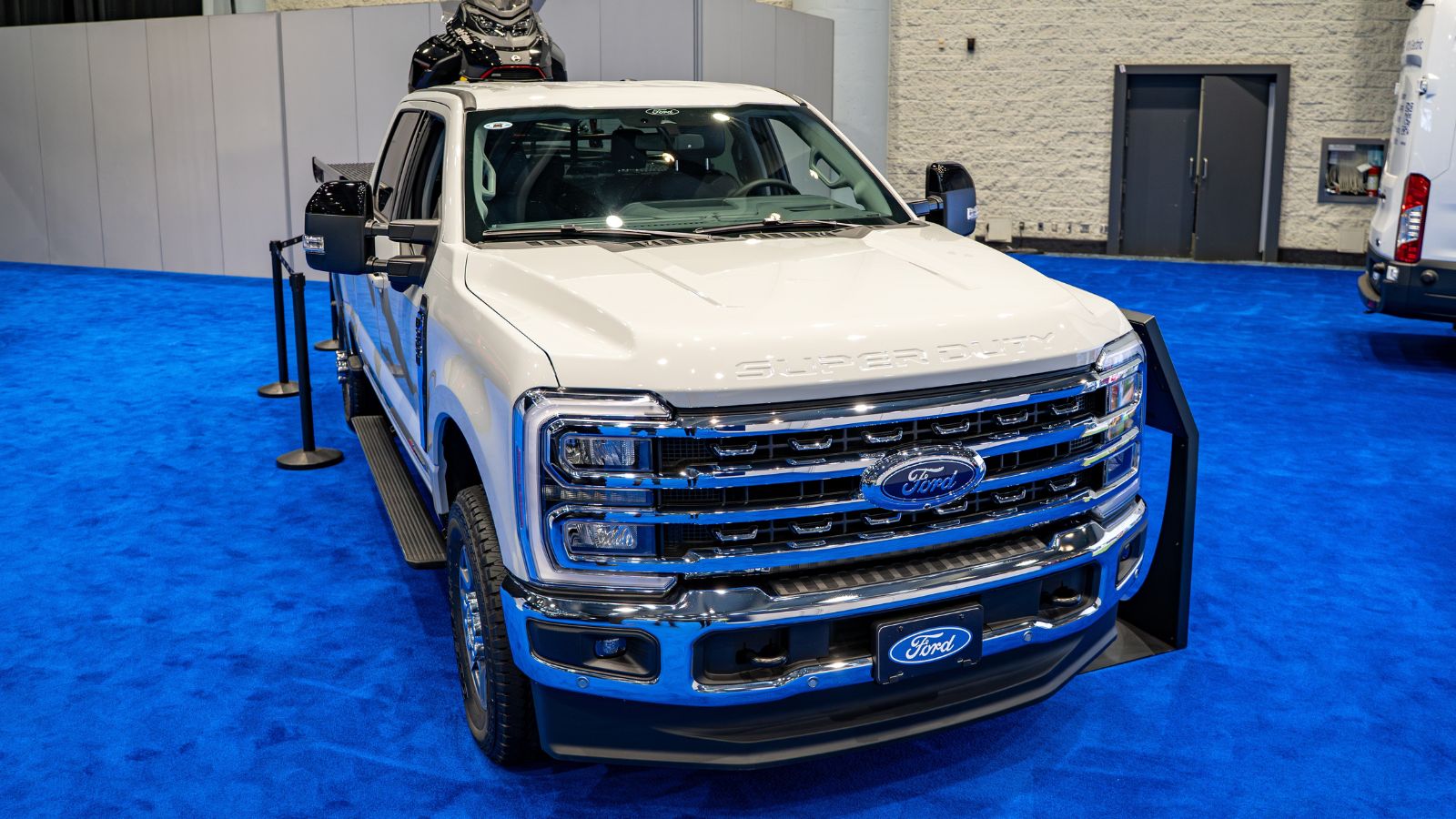
The F-350 is slightly smaller than the F-450 but still enormous by city standards. In older urban cores with narrow streets, it struggles with maneuverability. Cities exploring vehicle size caps often include this truck in their assessments.
Ram TRX
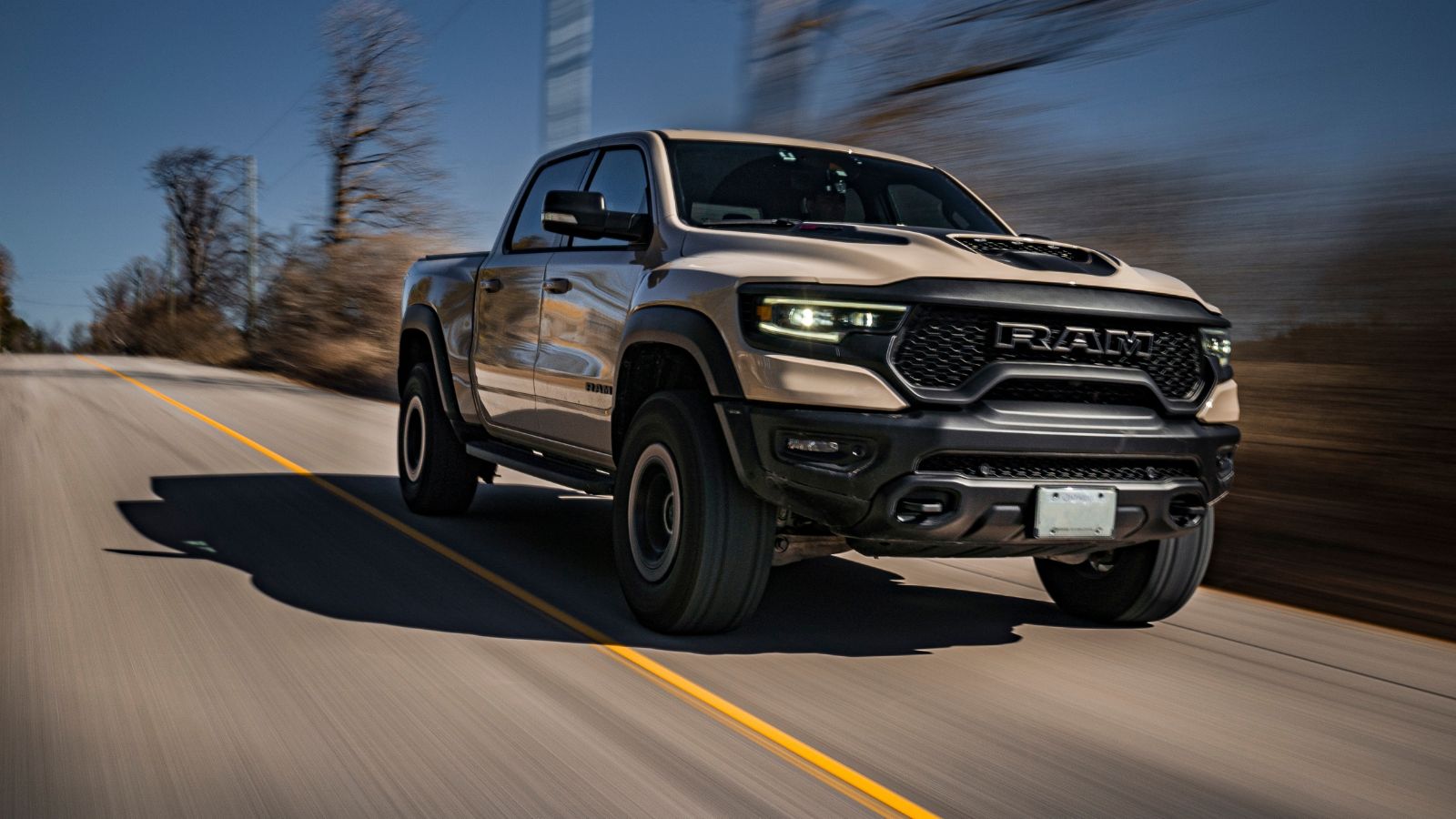
The TRX adds width and aggressive stance to an already large platform. Its flared bodywork and massive tires push it beyond standard lane and parking assumptions. Critics argue it brings off road proportions into places designed for compact cars and transit.
Ford F-150 Raptor
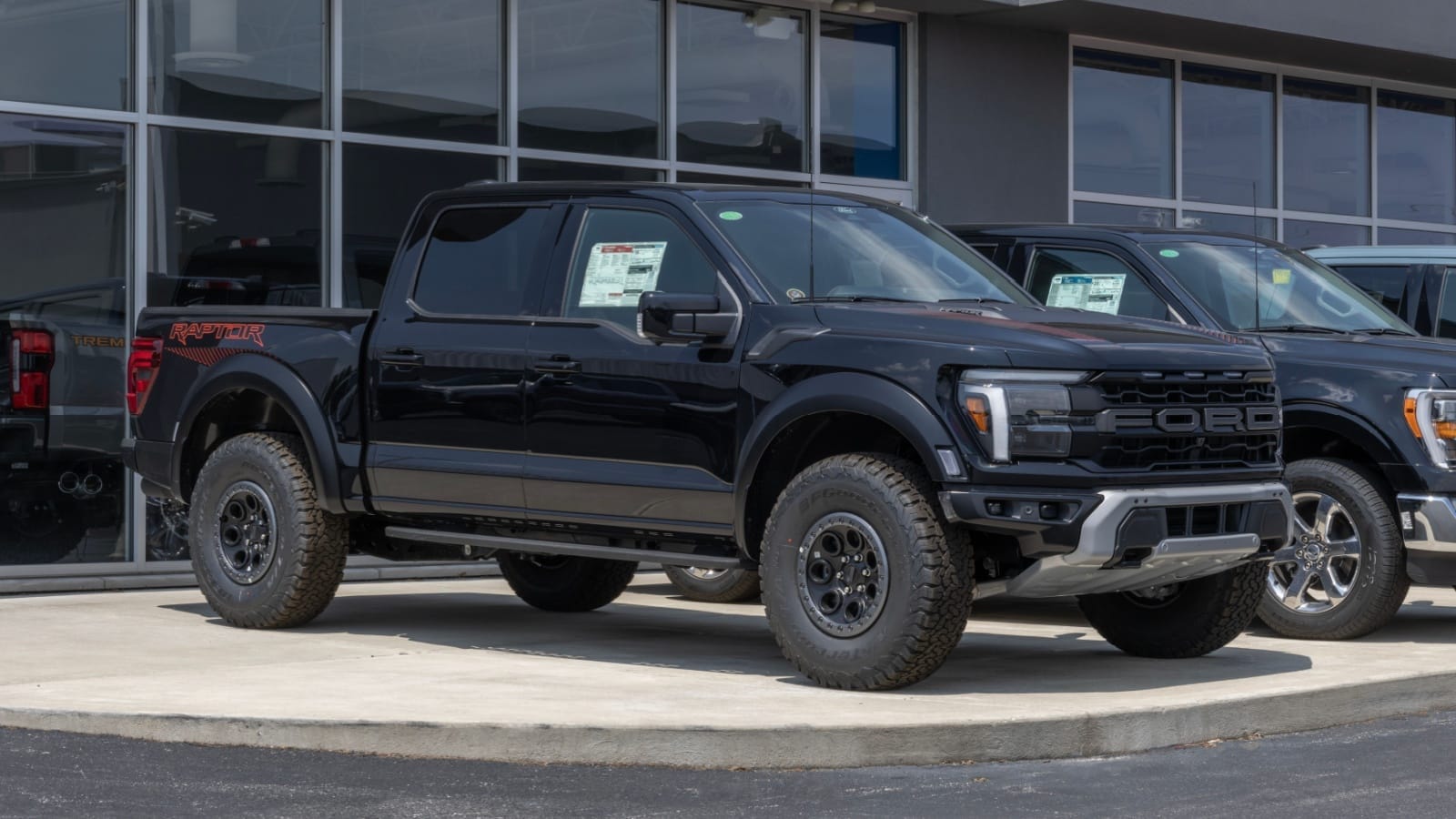
While technically a half ton, the Raptor’s extra width and suspension travel place it in a gray zone. It fits on paper but not always in practice. Urban planners point to vehicles like this when arguing that size creep has gone too far.
Chevrolet Silverado ZR2
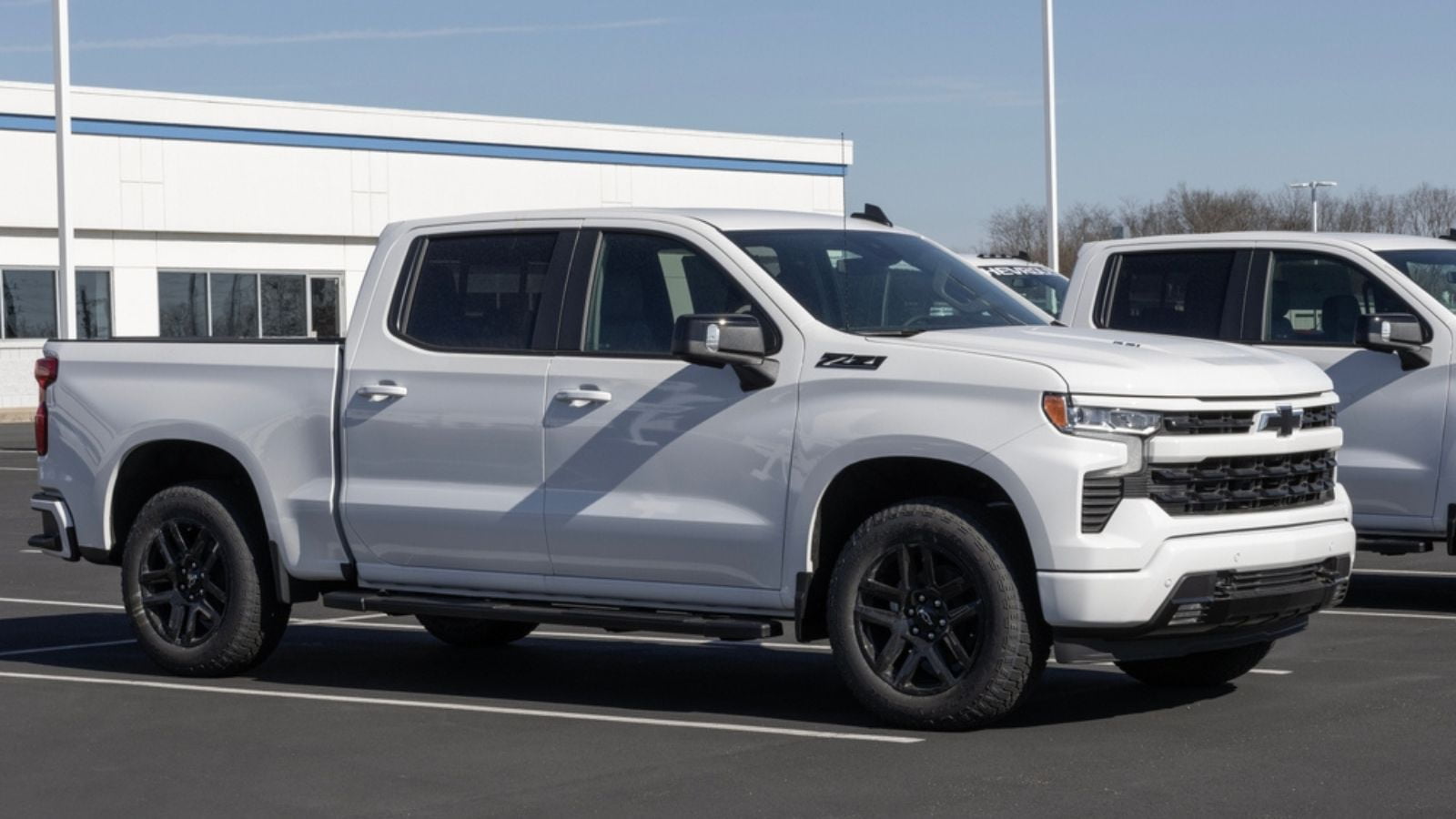
The ZR2 blends everyday pickup use with off road hardware that increases track width and ride height. In dense areas, those traits reduce visibility and increase space consumption, putting it under the same scrutiny as larger heavy duty trucks.
GMC Hummer EV Pickup
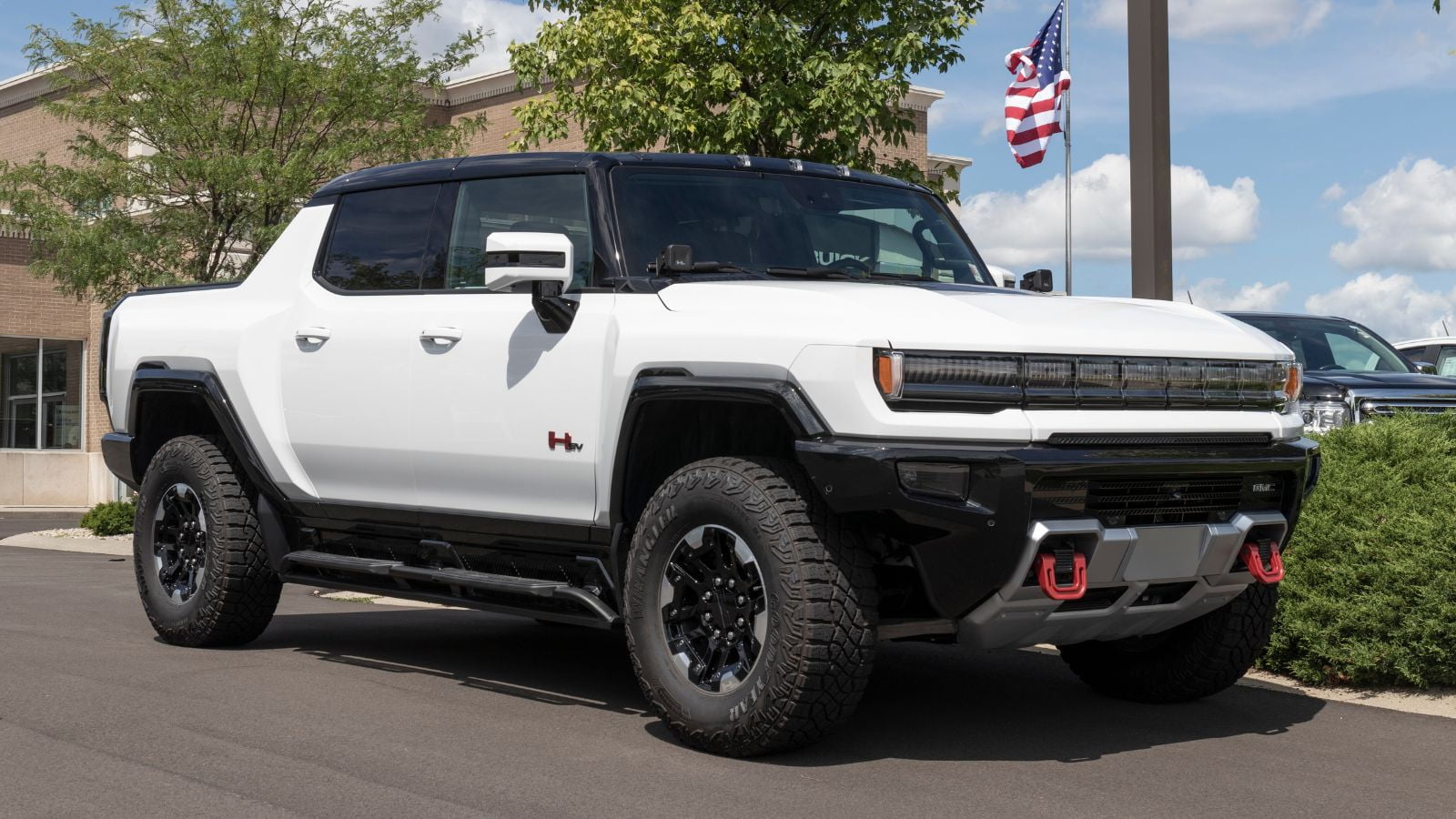
Despite being electric, the Hummer EV is one of the heaviest and widest vehicles on the road. Its mass raises concerns about road wear and crash severity. Cities focused on safety outcomes rather than powertrain type increasingly question its place downtown.
Toyota Tundra
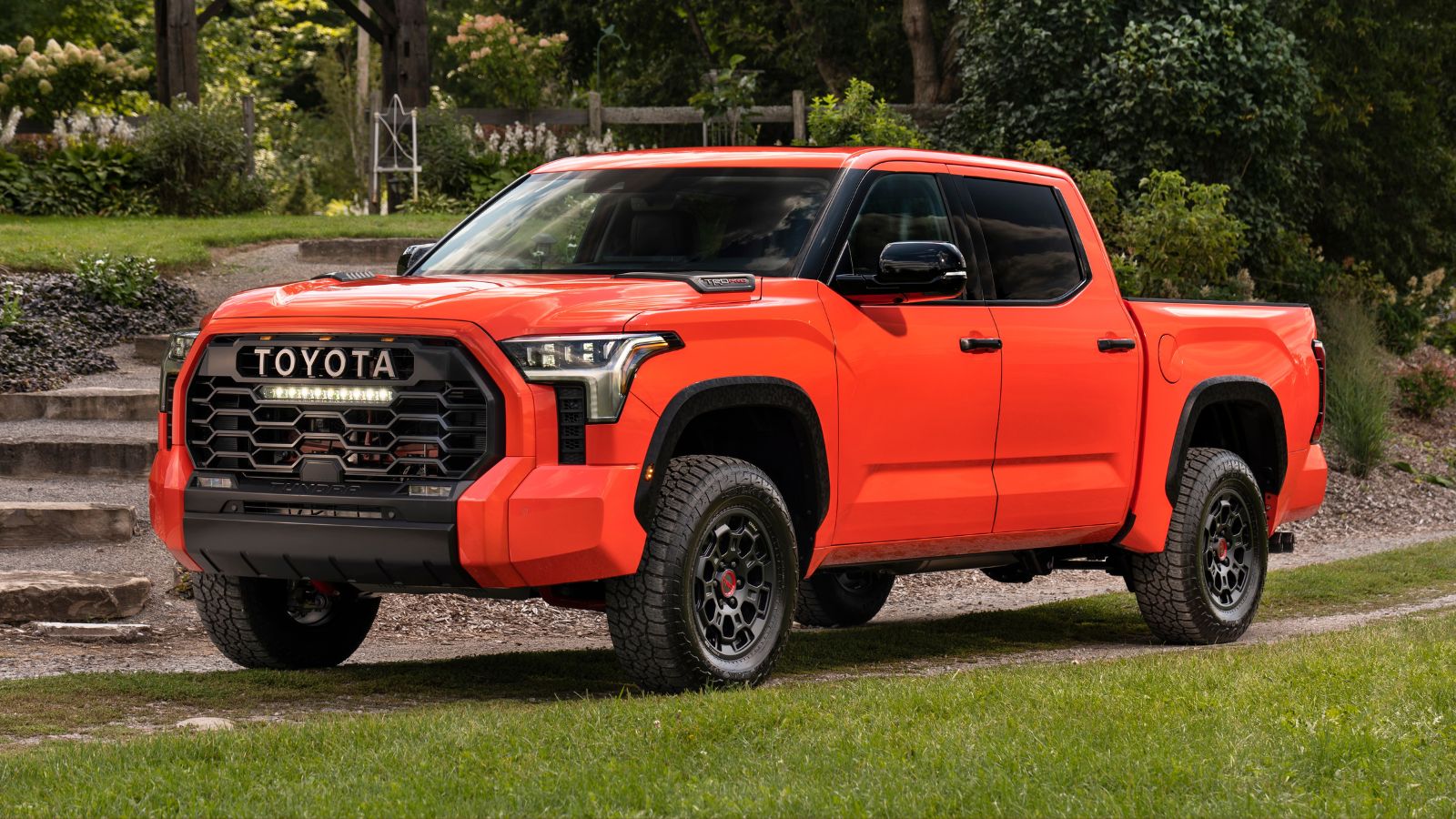
The Tundra represents the upper limit of what many cities tolerate. While smaller than heavy duty trucks, its size still challenges older infrastructure. As regulations tighten, even trucks in this category could face access restrictions in dense cores.
25 Facts About Car Loans That Most Drivers Don’t Realize

Car loans are one of the most common ways people fund car purchases. Like any other kind of loan, car loans can have certain features that can be regarded as an advantage or a disadvantage to the borrower. Understanding all essential facts about car loans and how they work to ensure that you get the best deal for your financial situation is essential. Here are 25 shocking facts about car loans that most drivers don’t realize:
25 Facts About Car Loans That Most Drivers Don’t Realize
