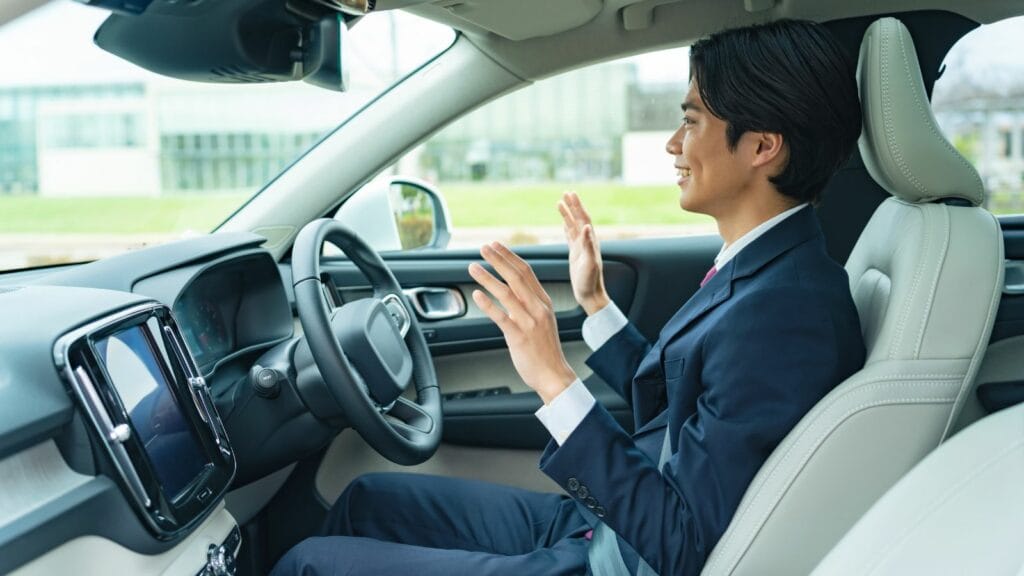
Most drivers think the jump to self driving cars will happen overnight, as if one day we will suddenly wake up and hand the wheel to a computer forever. The reality is far slower and much more subtle. Autonomy is arriving feature by feature, upgrade by upgrade, until there is almost nothing left for humans to do. Modern vehicles are already handling more driving decisions than most people realize. Every new assist system moves us closer to a world where the car drives and the human simply rides along.
Adaptive Cruise Control
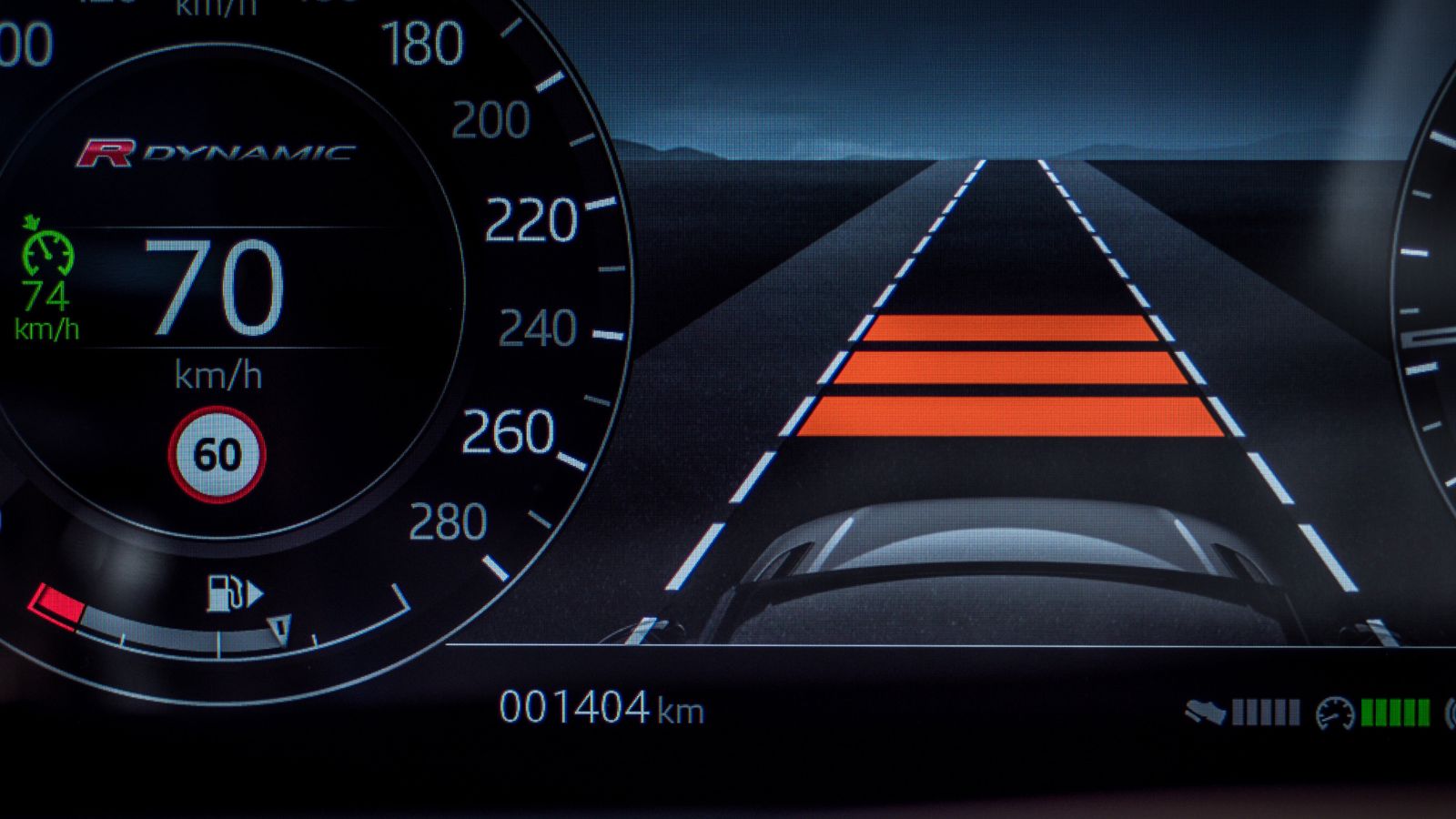
Traditional cruise control only held a speed and forced the driver to hit the brakes whenever traffic slowed. Adaptive cruise changed everything. Using radar and sensors, the vehicle now keeps a safe distance, brakes automatically and accelerates when the lane clears. On long road trips it can run for hours with almost no pedal input from the driver. It takes over throttle control, braking responsibility and speed judgment. Once people experience it, long distance driving without it suddenly feels exhausting.
Lane Keeping Assistance
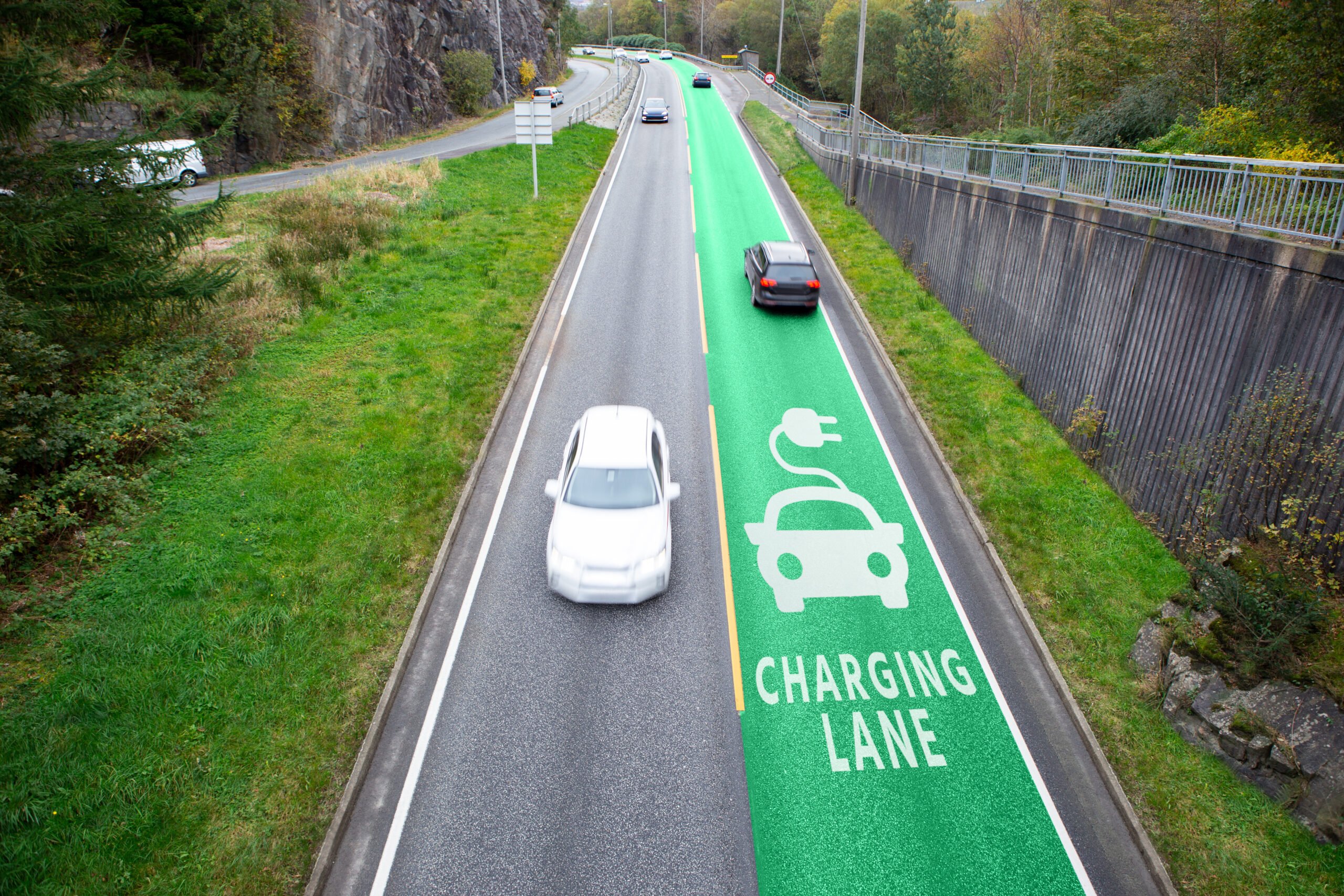
Lane departure warnings were the first step, but lane keeping assistance is where things became interesting. The car now detects lane lines and gently guides itself back into position when the driver wanders. Newer systems handle sweeping highway curves with precision, making manual steering optional in many straight segments. The steering wheel feels like a backup instead of the primary control. Drivers get used to the car making micro corrections, a major psychological shift toward automated control.
Traffic Jam Assist
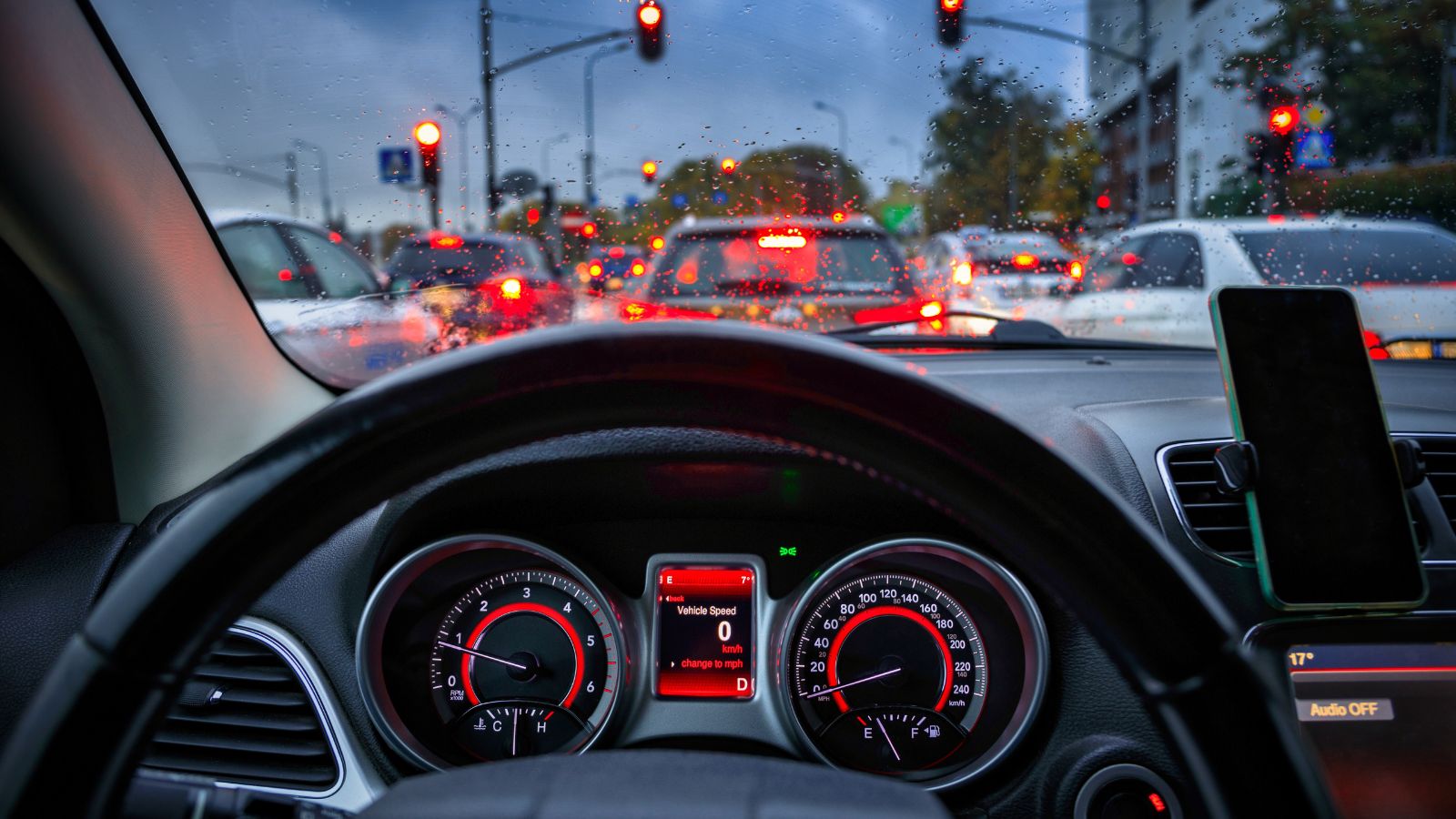
Stop and go traffic used to be the most frustrating part of driving. Traffic jam assist takes over when speeds drop near a crawl. The car creeps forward, slows down, stops and restarts without pedal or wheel input. In some systems the driver barely touches anything for 30 minutes during rush hour. It’s not full self driving, but it eliminates an entire scenario where humans used to be in full control. The car is learning to own the worst part of the daily commute.
Automatic Emergency Braking
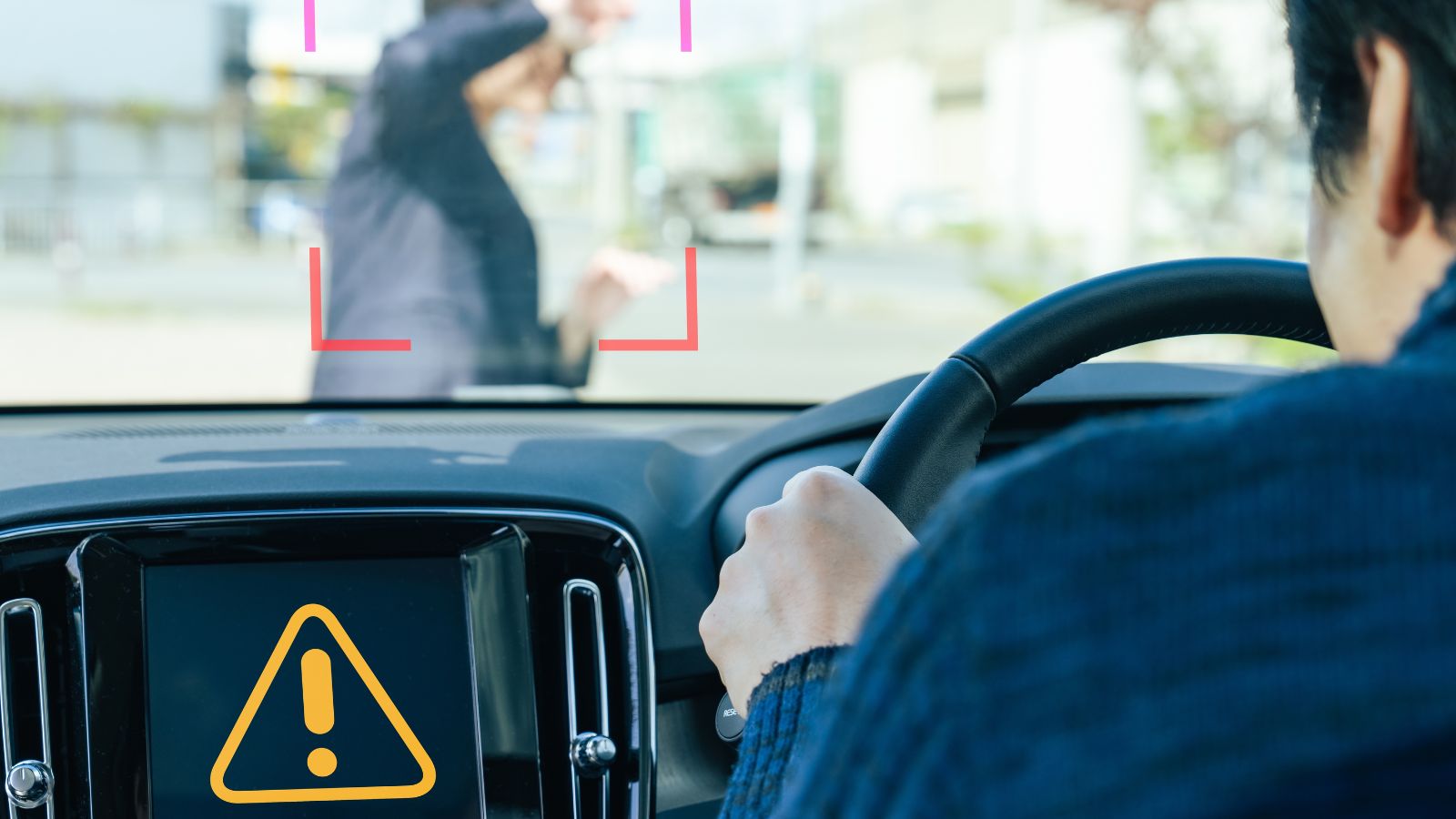
AEB is one of the clearest examples of software overruling a driver. Sensors calculate closing speed and decide whether a crash is imminent. If the driver is too slow to react, the car slams the brakes at maximum force even if the driver never lifted their foot. This feature has already prevented thousands of collisions across Canada. It sends a message about the future of driving, when the car decides that safety has more authority than human intention.
Blind Spot Intervention
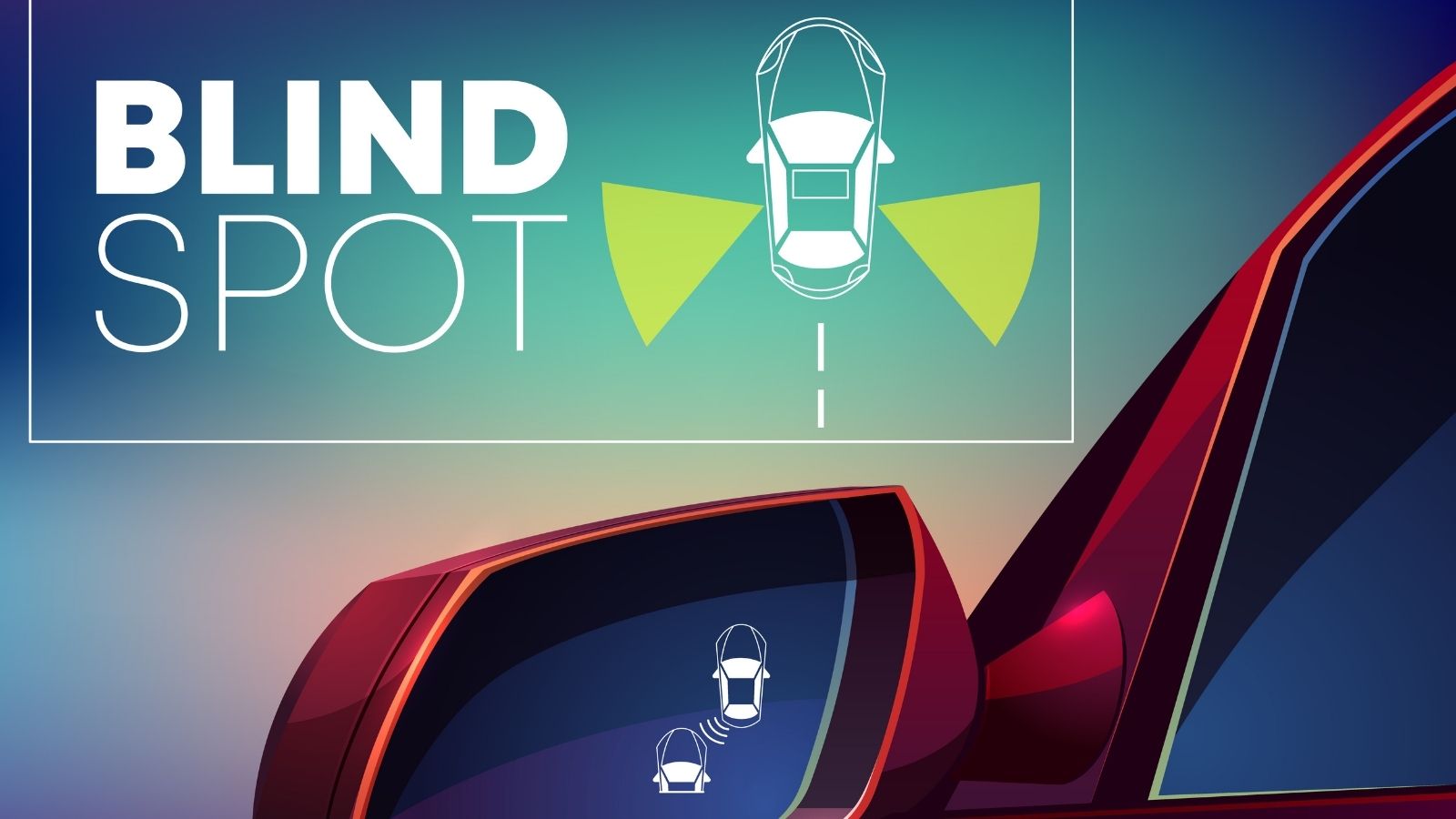
Blind spot warnings used to be little flashing lights in the mirrors. Now they apply steering corrections when the driver tries to change lanes into another vehicle. The system doesn’t wait for permission. It physically stops the maneuver. The steering wheel turns against the driver’s hands with surprising strength. This isn’t just guidance, it’s control. The software has veto power, and that is a huge milestone on the road to full autonomy.
Smart Parking Assistance
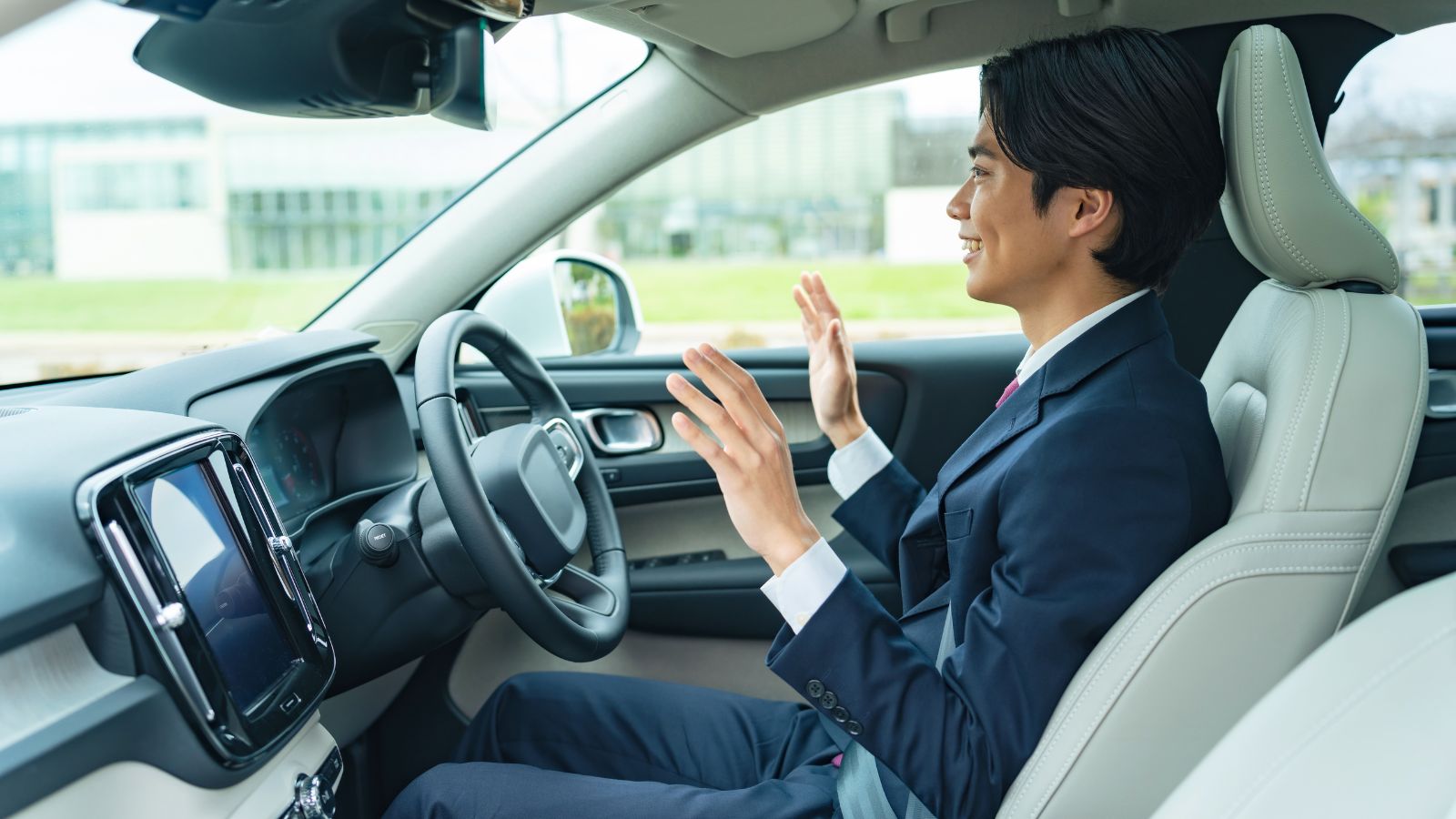
Parking is one of the most common areas for dents, scrapes and insurance claims. Smart parking assistance took that weakness and turned it into a laboratory for automated steering. The driver selects a parking spot, takes their hands off the wheel and the car parks itself — parallel or reverse. It measures distances, angles and wheel rotation far more precisely than most human drivers ever could. It shows how autonomy will likely grow: high risk scenarios will be handed over to computers first.
Driver Monitoring Cameras
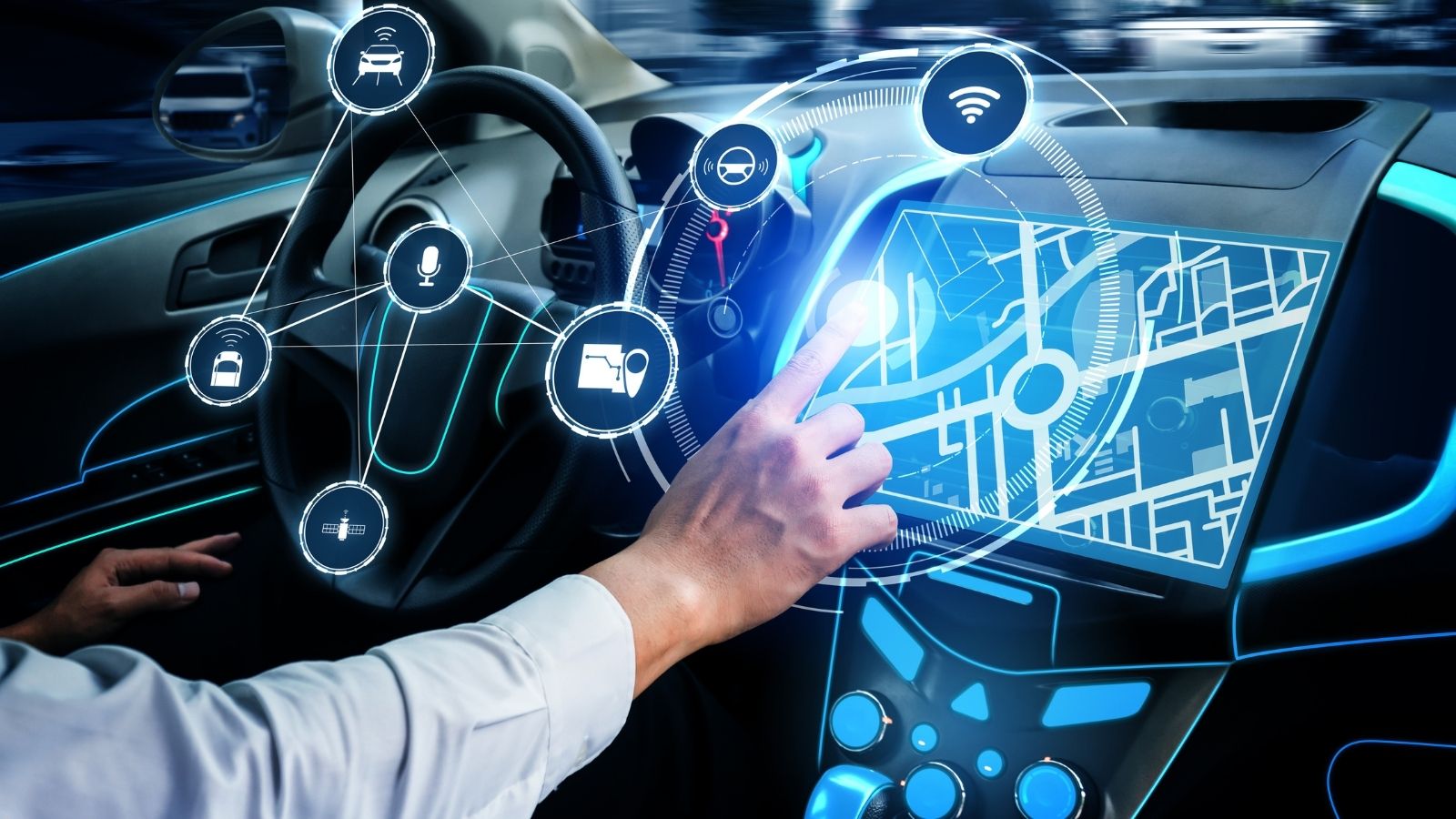
Driver monitoring systems watch for distraction, fatigue and inattention. They follow eye movement, blink patterns and head position. At first they simply issued warnings. Now they escalate, increasing intervention levels if the driver becomes risky. The next logical step is unavoidable: once the car knows when the driver is not paying attention, it will not want to give the wheel back during critical situations. These systems are preparing to decide when a human is not qualified to be in control.
Over the Air Software Updates
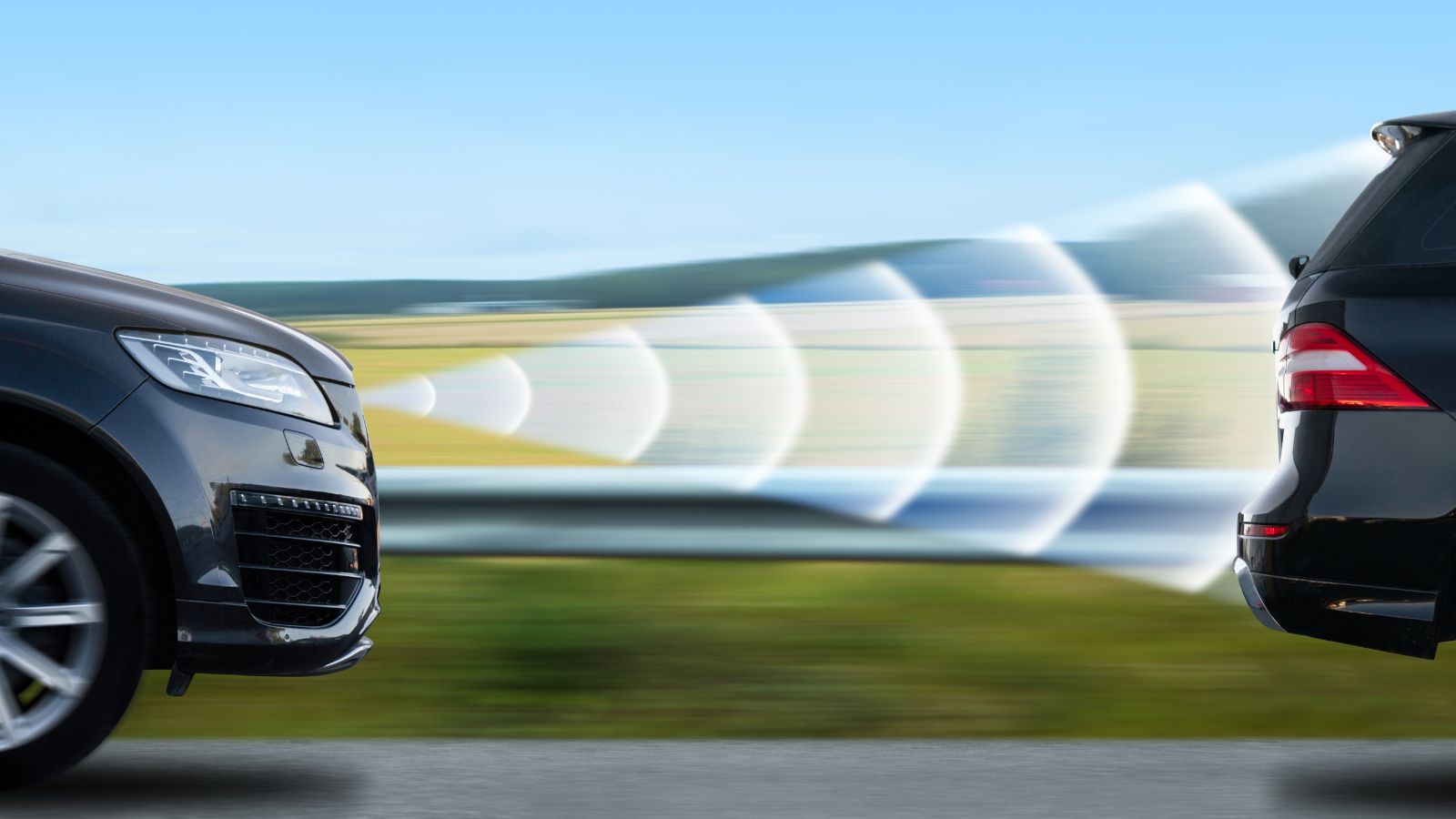
This may be the most important autonomous feature of all. Cars used to be static machines. Now they update like smartphones. A vehicle that parks itself today may steer off ramps tomorrow after an overnight upgrade. Better object recognition, faster lane detection, more advanced braking logic and smarter sensor integration can arrive through software rather than new hardware. Many cars on Canadian roads already drive more autonomously today than when they were purchased — with no mechanical changes at all.
What This All Means for the Future of Driving
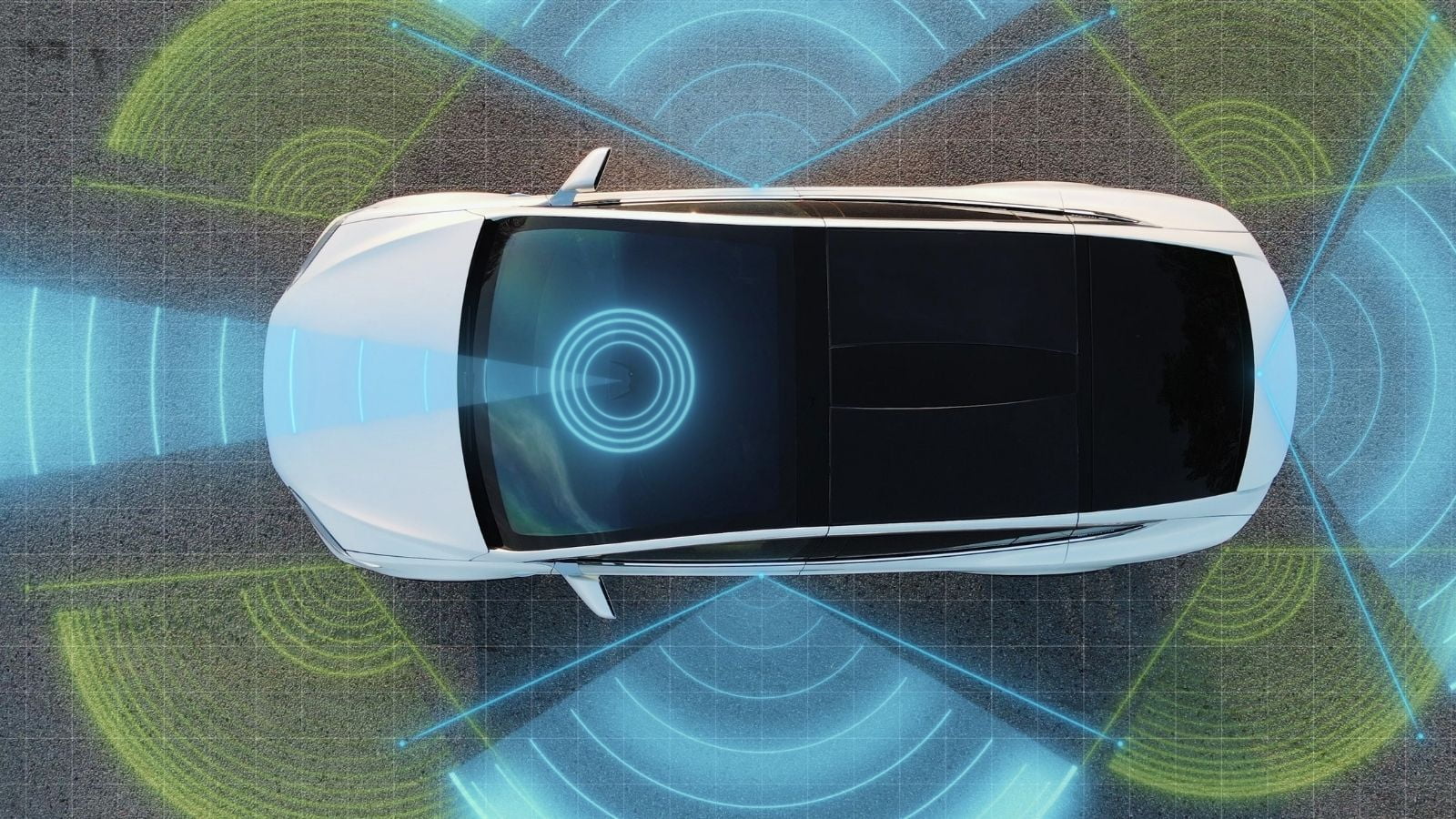
Autonomy isn’t coming as one giant revolution. It’s sneaking in through convenience, one task at a time. First the car handled speed. Then it handled steering. Then it handled traffic. Then it corrected mistakes. Soon it will handle everything except the moments humans enjoy most, like scenic drives, open highways and fun weekend cruises. Drivers won’t one day “switch to self driving.” They will simply look back and realize they haven’t truly driven in years.
25 Facts About Car Loans That Most Drivers Don’t Realize

Car loans are one of the most common ways people fund car purchases. Like any other kind of loan, car loans can have certain features that can be regarded as an advantage or a disadvantage to the borrower. Understanding all essential facts about car loans and how they work to ensure that you get the best deal for your financial situation is essential. Here are 25 shocking facts about car loans that most drivers don’t realize:
25 Facts About Car Loans That Most Drivers Don’t Realize
