
Hybrid cars are often presented as the perfect middle ground between gasoline and electric. They promise better fuel economy, lower emissions, and fewer compromises. In reality, hybrid ownership comes with tradeoffs that are rarely mentioned in sales brochures. Most owners accept them quietly because the benefits still outweigh the downsides. These are the hybrid car problems drivers experience but rarely bring up.
Battery Replacement Anxiety
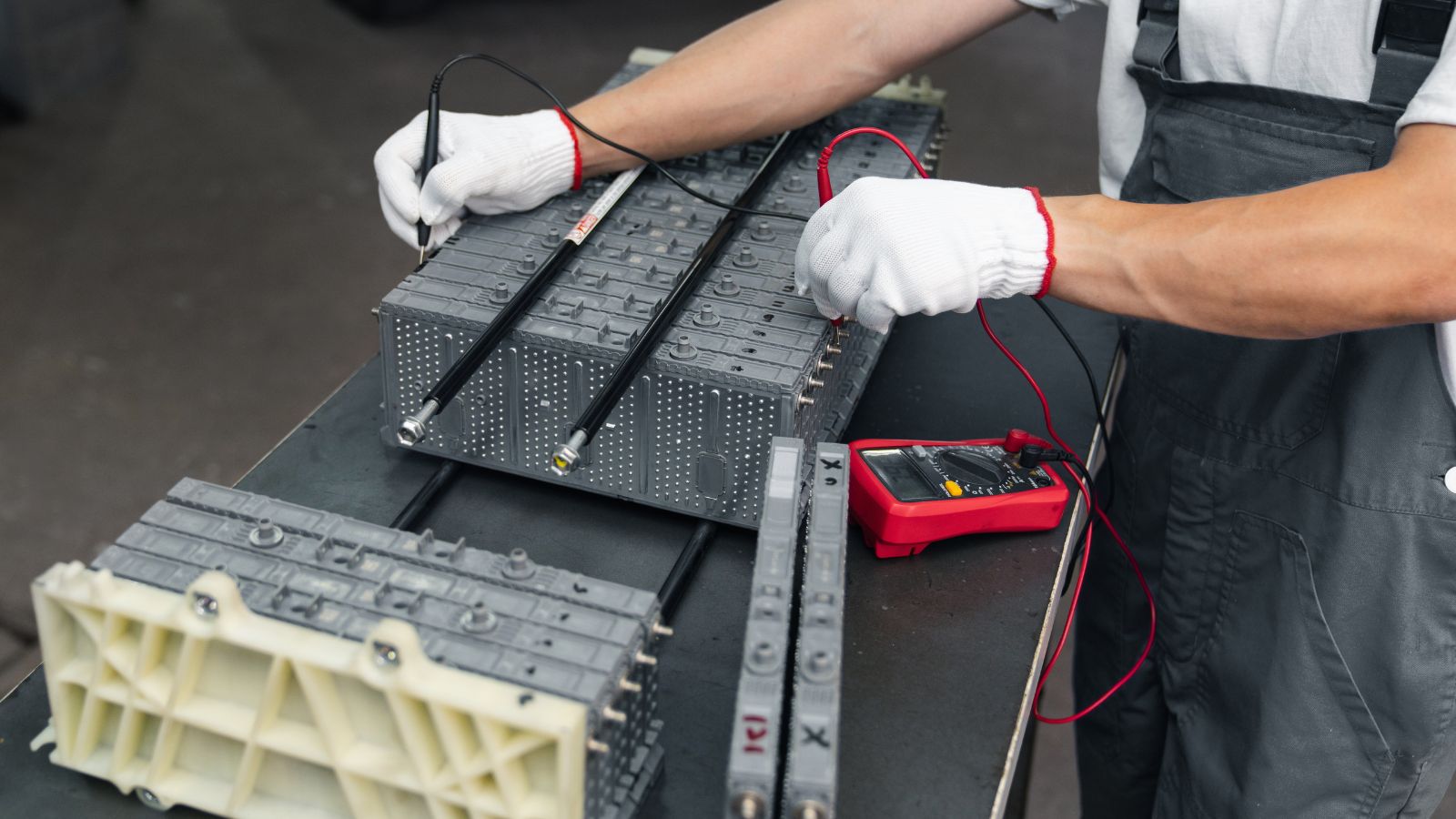
Hybrid batteries are designed to last a long time, but the fear never fully goes away. Even when warranties are generous, drivers know replacement costs can be high once coverage ends. The anxiety is not about daily reliability but about the long term unknown. It sits in the back of ownership like a ticking clock.
Higher Repair Complexity

Hybrids combine two power systems into one vehicle. That means more components, more sensors, and more things that can go wrong. When issues appear, diagnosis often takes longer than on a conventional car. Some independent shops still avoid hybrid work entirely, pushing owners back toward dealerships.
Inconsistent Real World Fuel Savings

Fuel economy gains vary heavily by driving style. City driving favors hybrids, but highway cruising often shows little advantage over efficient gas cars. Owners who expected dramatic savings everywhere can feel underwhelmed. The gap between advertised numbers and real world use is a common frustration.
Reduced Trunk and Cabin Space
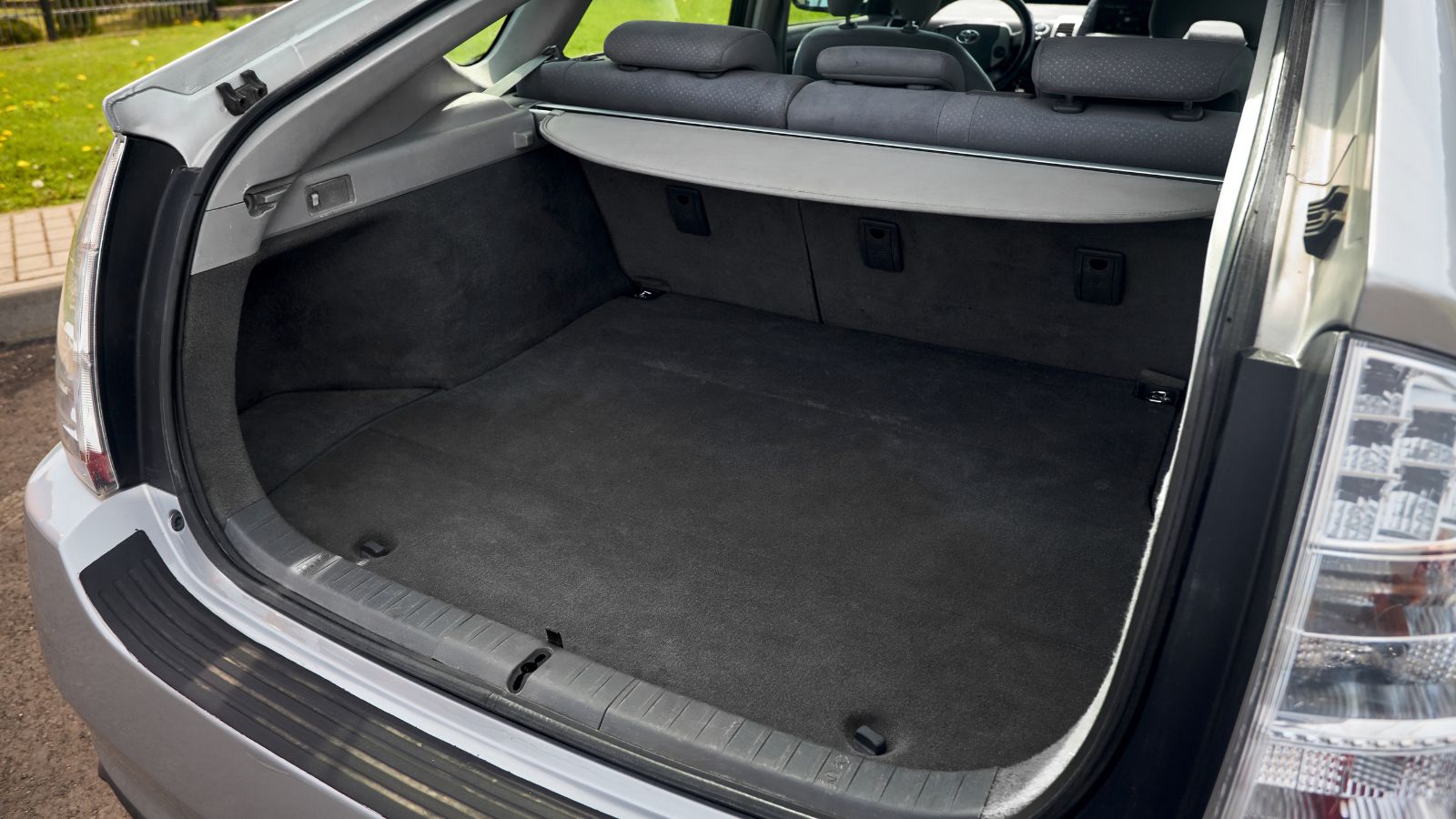
Hybrid components take up physical space. Batteries, cooling systems, and electronics often eat into trunks or rear seat areas. This is especially noticeable in sedans and compact SUVs. Owners rarely mention it at first, but it becomes annoying during road trips or family use.
Strange Driving Feel
Many hybrids feel disconnected at low speeds. Regenerative braking can feel artificial or inconsistent compared to traditional brakes. Engine transitions can be noticeable, especially during hard acceleration. Drivers adapt over time, but few would call the experience engaging.
Cold Weather Efficiency Drop

Hybrids rely on batteries that lose efficiency in cold temperatures. Winter driving reduces electric assist and forces the engine to run more often. Cabin heating also demands engine operation. Owners in colder climates often see their efficiency advantage shrink significantly during winter months.
Limited Towing Capability

Most hybrids are not designed for towing. Even when ratings exist, they are often modest compared to gas or diesel alternatives. Owners who later decide they need to tow small trailers or recreational gear sometimes regret the limitation. This restriction is rarely emphasized at purchase time.
Higher Insurance and Repair Costs
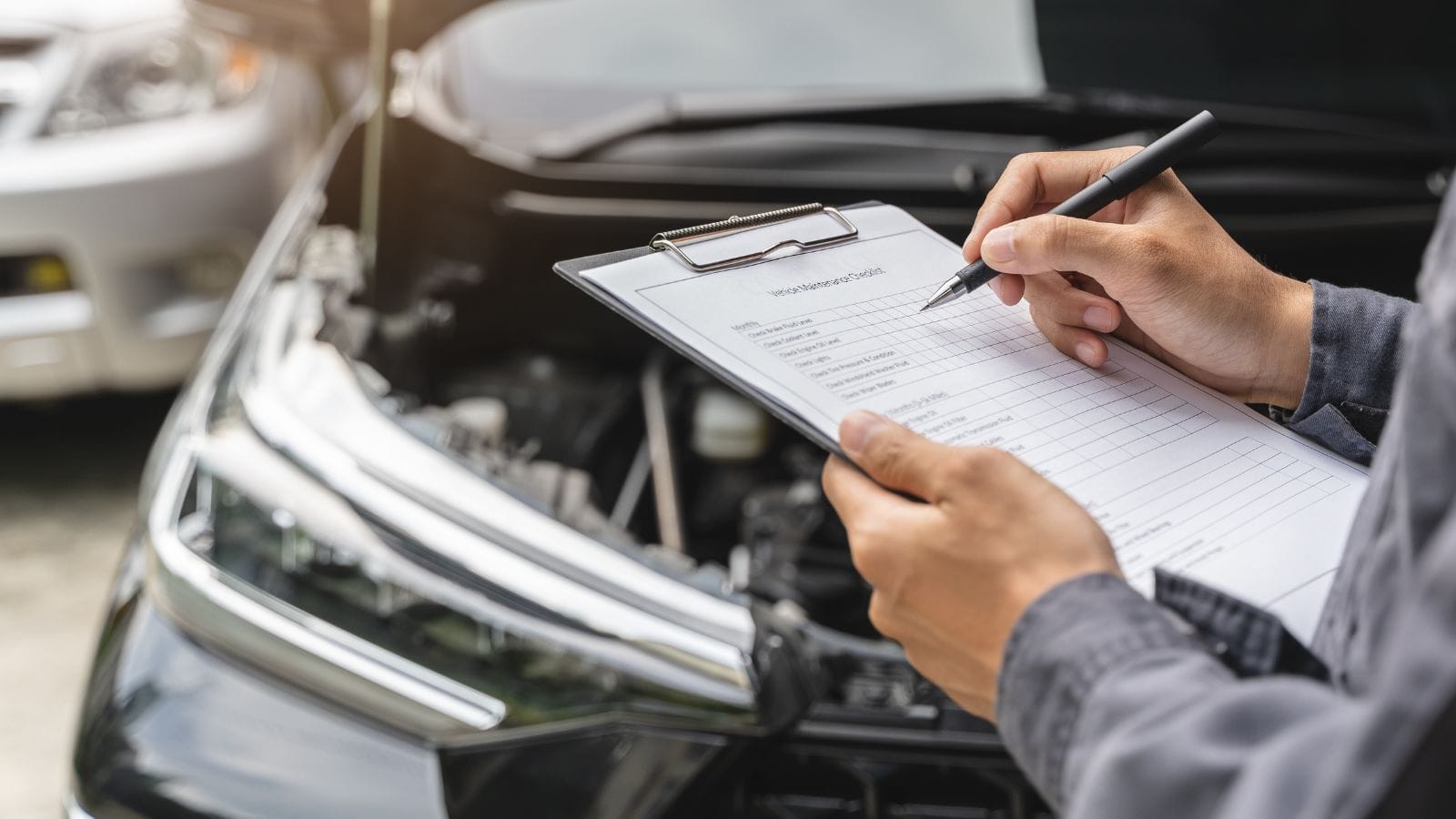
While hybrids can save fuel, repair costs after accidents can be higher. Specialized parts, high voltage systems, and limited availability increase repair bills. Insurance premiums sometimes reflect this risk. Owners rarely discuss it until they see the first repair estimate.
Long Term Depreciation Uncertainty

Hybrid resale values are strong in some markets and weak in others. As technology evolves, older hybrid systems can feel outdated quickly. Buyers worry about battery age even if reliability data is solid. This uncertainty affects resale confidence more than owners like to admit.
Less DIY Friendly Ownership

Hybrids discourage hands on maintenance. High voltage systems and complex electronics limit what owners feel comfortable doing themselves. Tasks that were once simple now require caution or professional tools. For drivers who enjoy basic DIY maintenance, hybrids can feel restrictive.
25 Facts About Car Loans That Most Drivers Don’t Realize

Car loans are one of the most common ways people fund car purchases. Like any other kind of loan, car loans can have certain features that can be regarded as an advantage or a disadvantage to the borrower. Understanding all essential facts about car loans and how they work to ensure that you get the best deal for your financial situation is essential. Here are 25 shocking facts about car loans that most drivers don’t realize:
25 Facts About Car Loans That Most Drivers Don’t Realize
