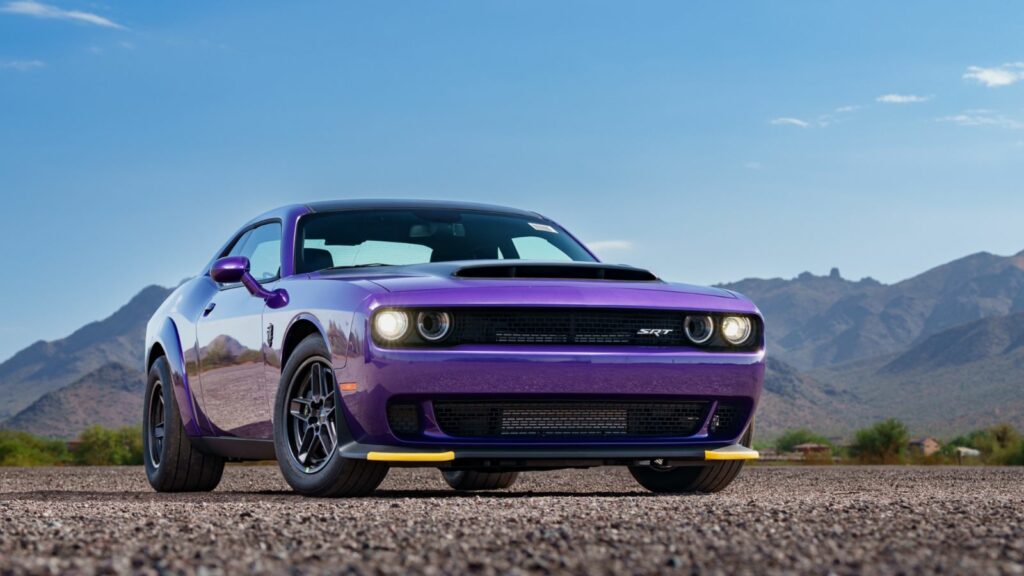
The automotive market is shrinking from the bottom and consolidating at the top. Rising costs, emissions rules, and a sharp pivot toward electrification are forcing automakers to thin their lineups. Some nameplates are disappearing quietly. Others are being phased out despite loyal followings. These ten cars and SUVs are widely expected to be discontinued next year, and in many cases, it marks the end of an era rather than a simple model change.
Chevrolet Camaro
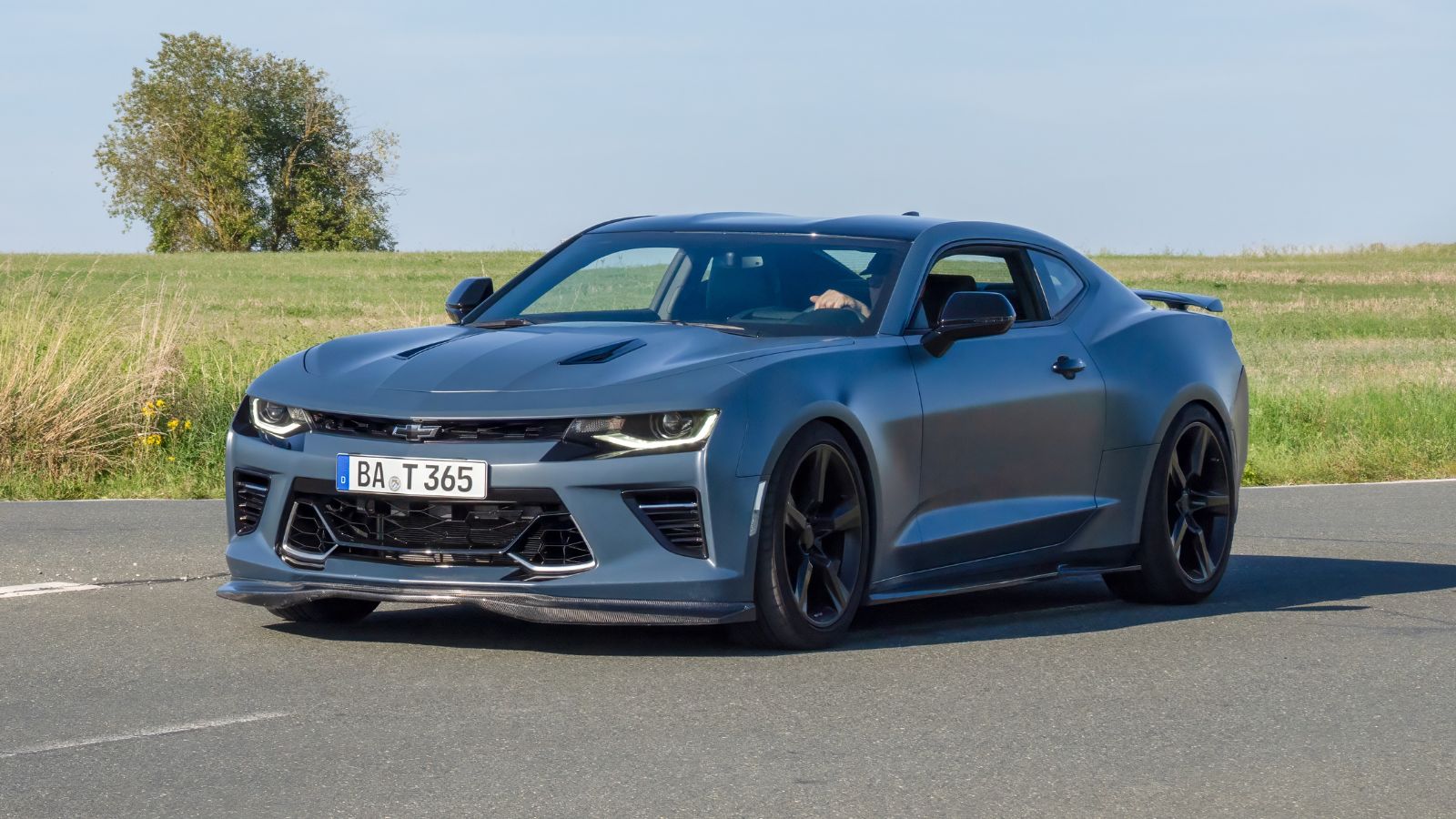
The Camaro’s fate has felt inevitable for years. Sales have steadily declined as buyers shift toward SUVs and electrified performance. Chevrolet has already signaled that the current generation is the end of the line. While the Camaro badge may return someday in another form, the traditional V8 pony car chapter is effectively over.
Chrysler 300
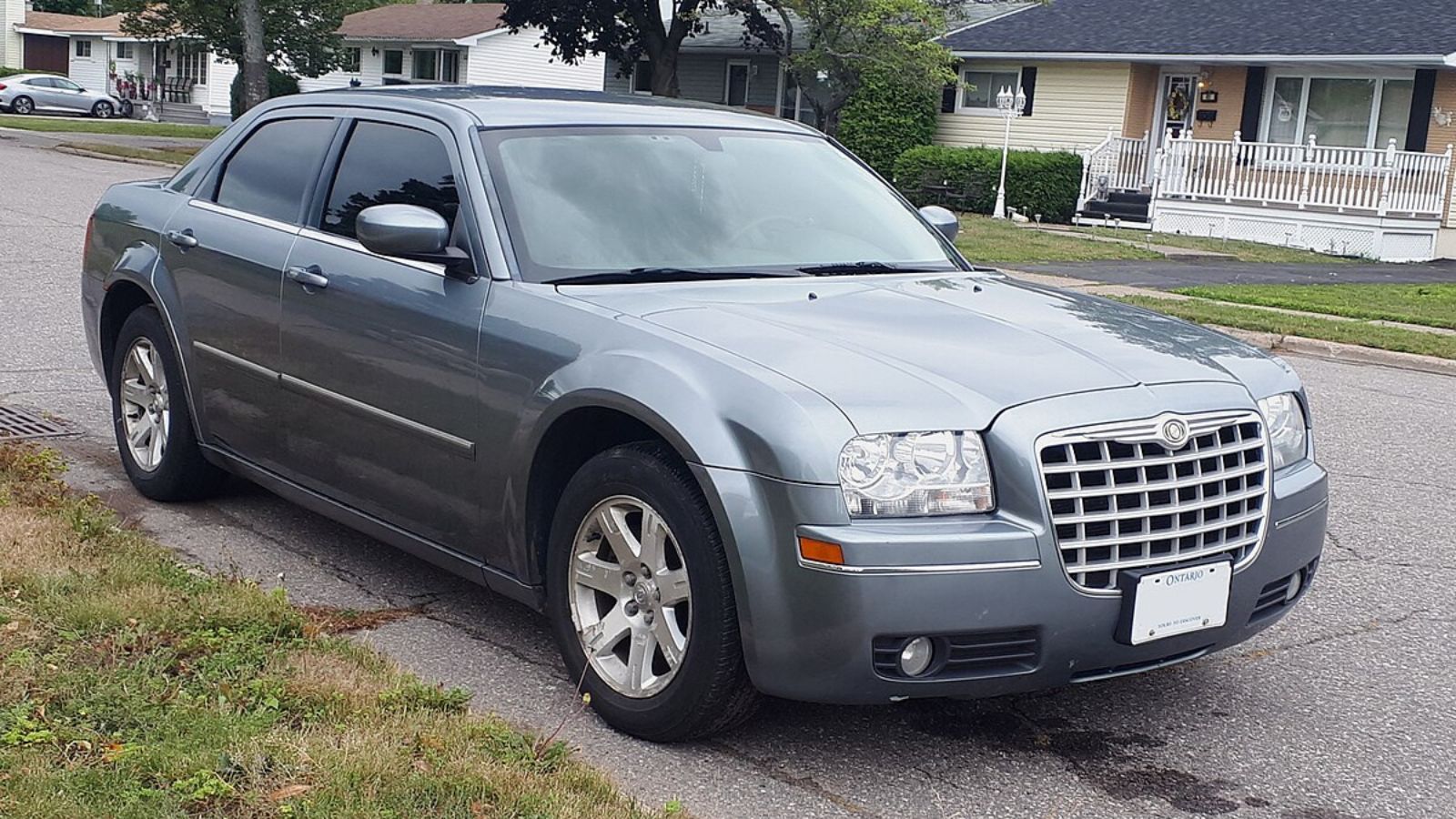
The Chrysler 300 has survived far longer than most expected, but its time is finally up. Built on aging architecture with limited updates, it no longer fits modern emissions and efficiency targets. Once a symbol of American luxury muscle, it now exits quietly as Chrysler transitions toward an all electric future.
Nissan Titan
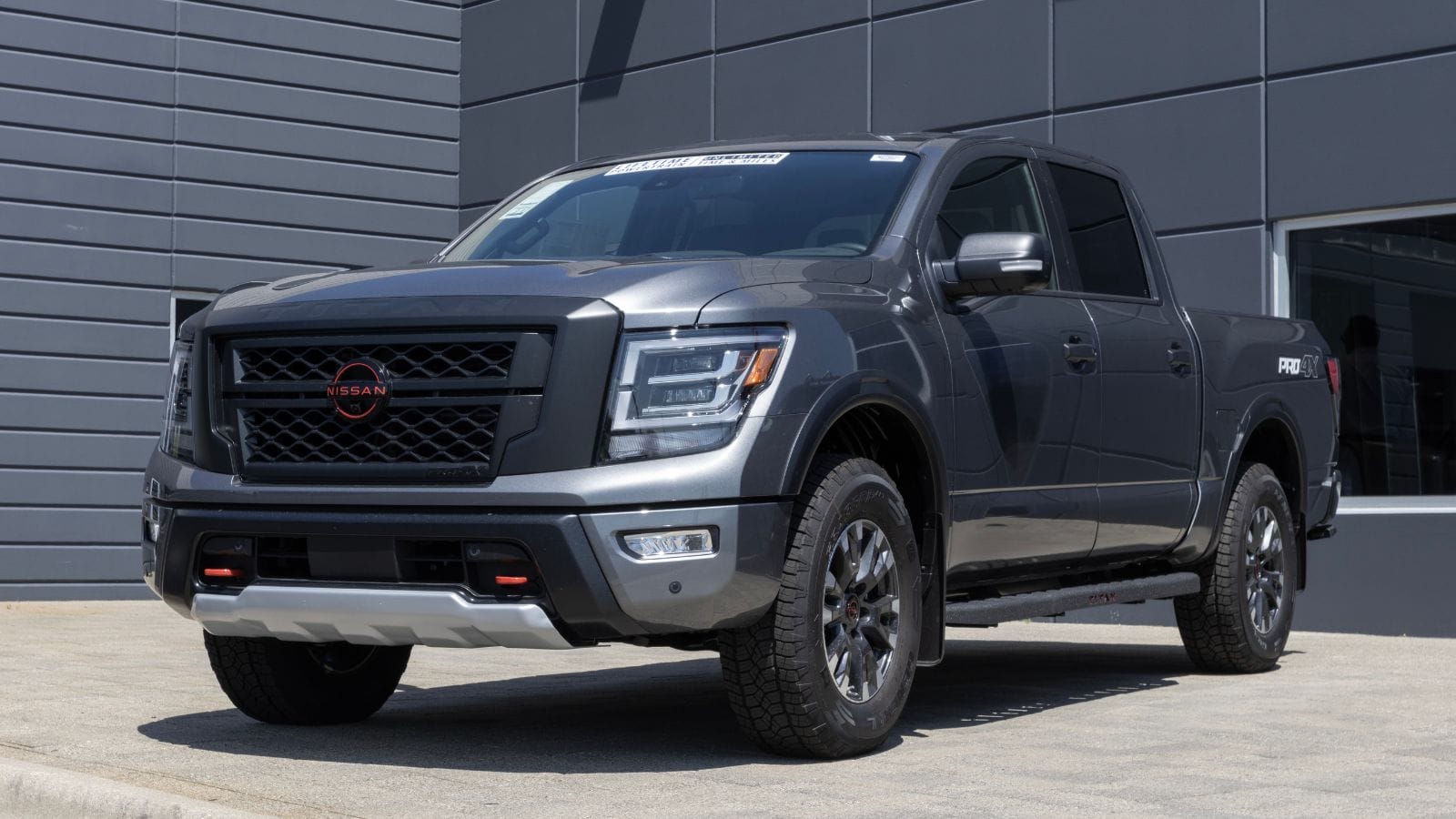
The Titan never found a stable foothold in the full size truck wars. Despite strong V8 power and solid build quality, it struggled against entrenched rivals. Nissan has already confirmed its exit, making this one of the most clear cut discontinuations on the list.
Dodge Challenger
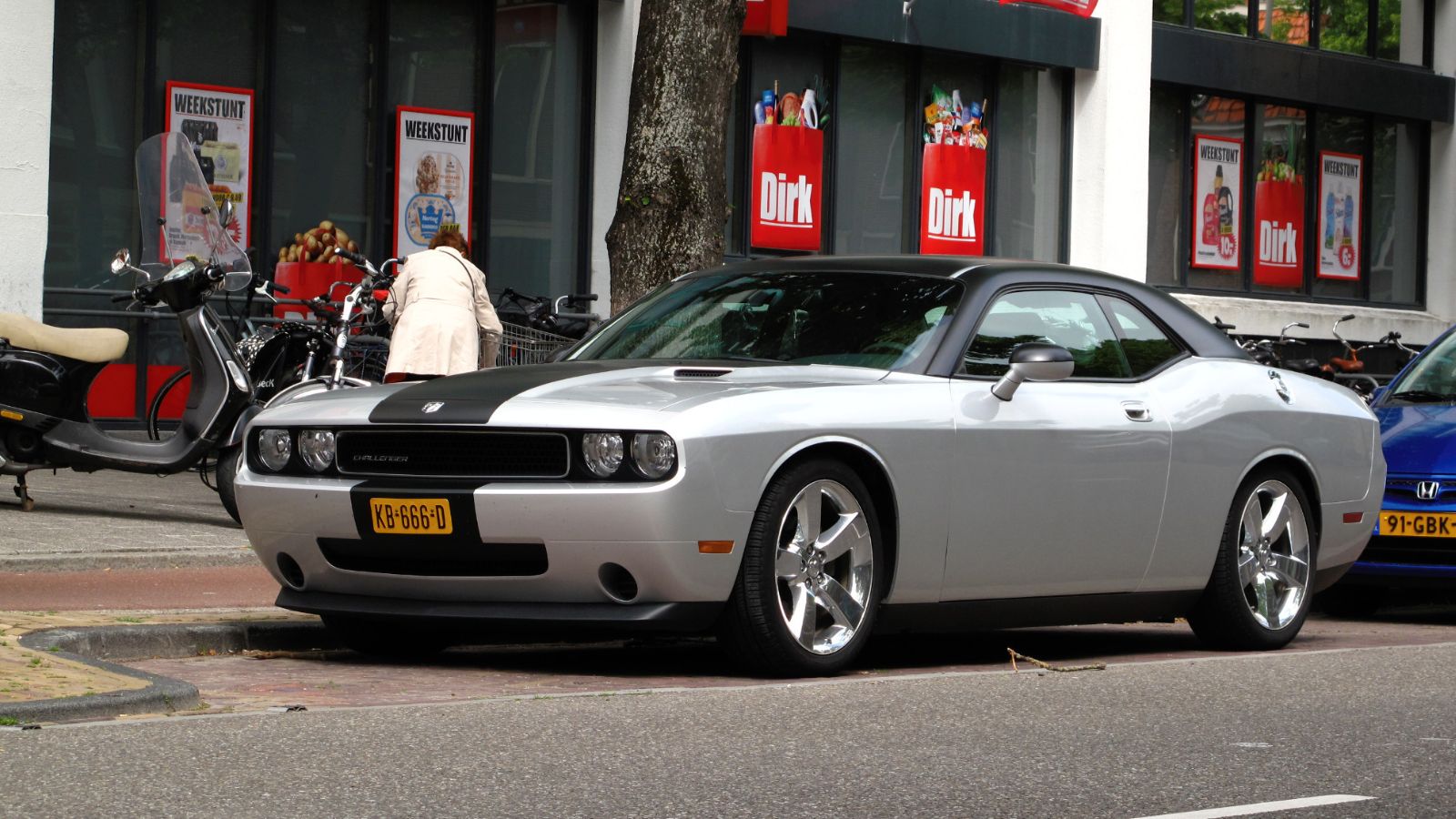
Like the Camaro, the Challenger is a casualty of changing priorities. Its retro charm and outrageous V8 options kept it relevant longer than expected, but regulatory pressure has finally caught up. Dodge has already closed the door on this generation, ending one of the most character rich muscle cars of the modern era.
Mitsubishi Mirage
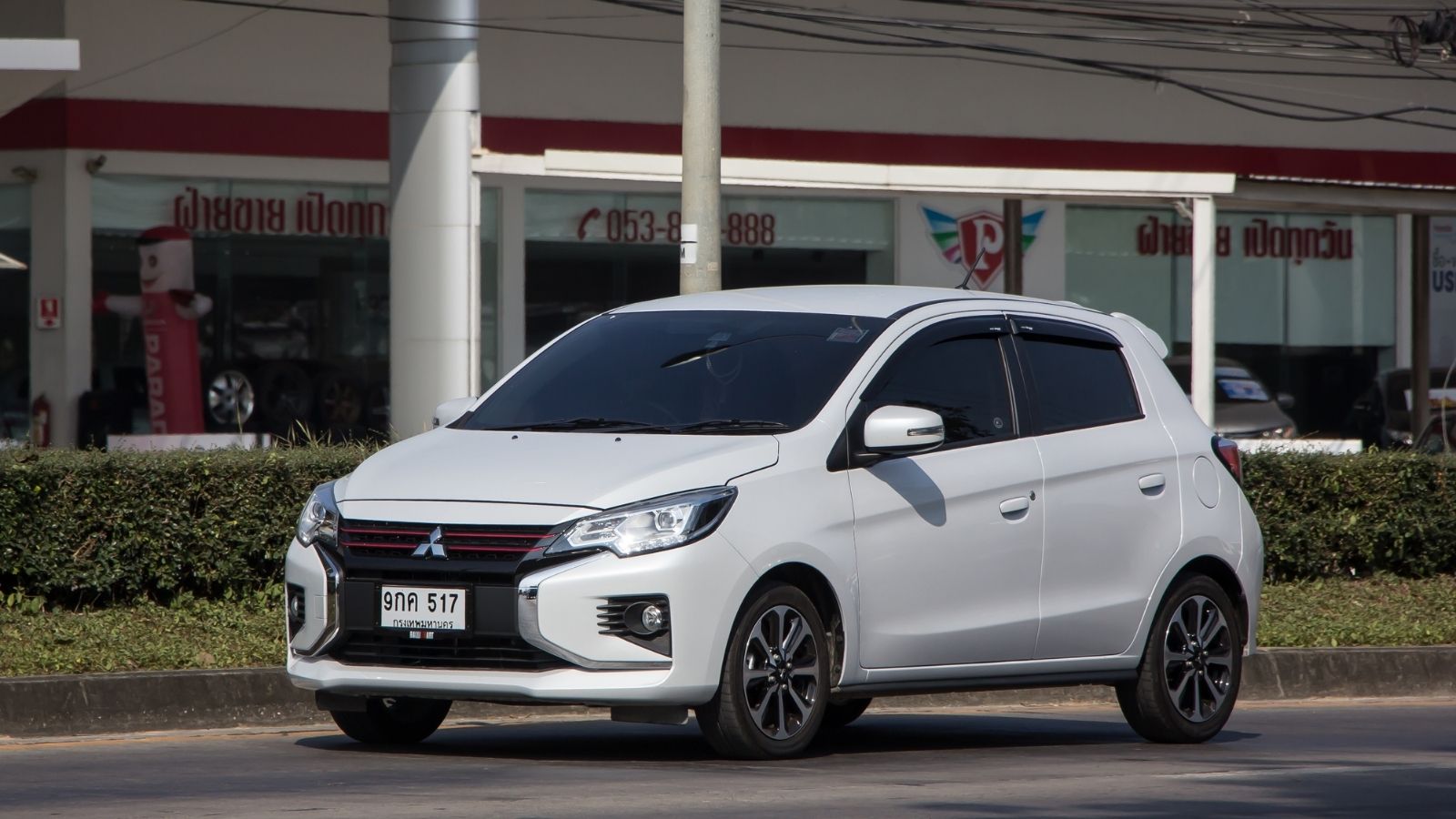
The Mirage exists because it was cheap, not because it was good. As safety and emissions standards rise, ultra low cost cars become harder to justify. Mitsubishi is expected to pull the plug rather than invest heavily in a next generation that would lose its price advantage.
Chevrolet Bolt EUV
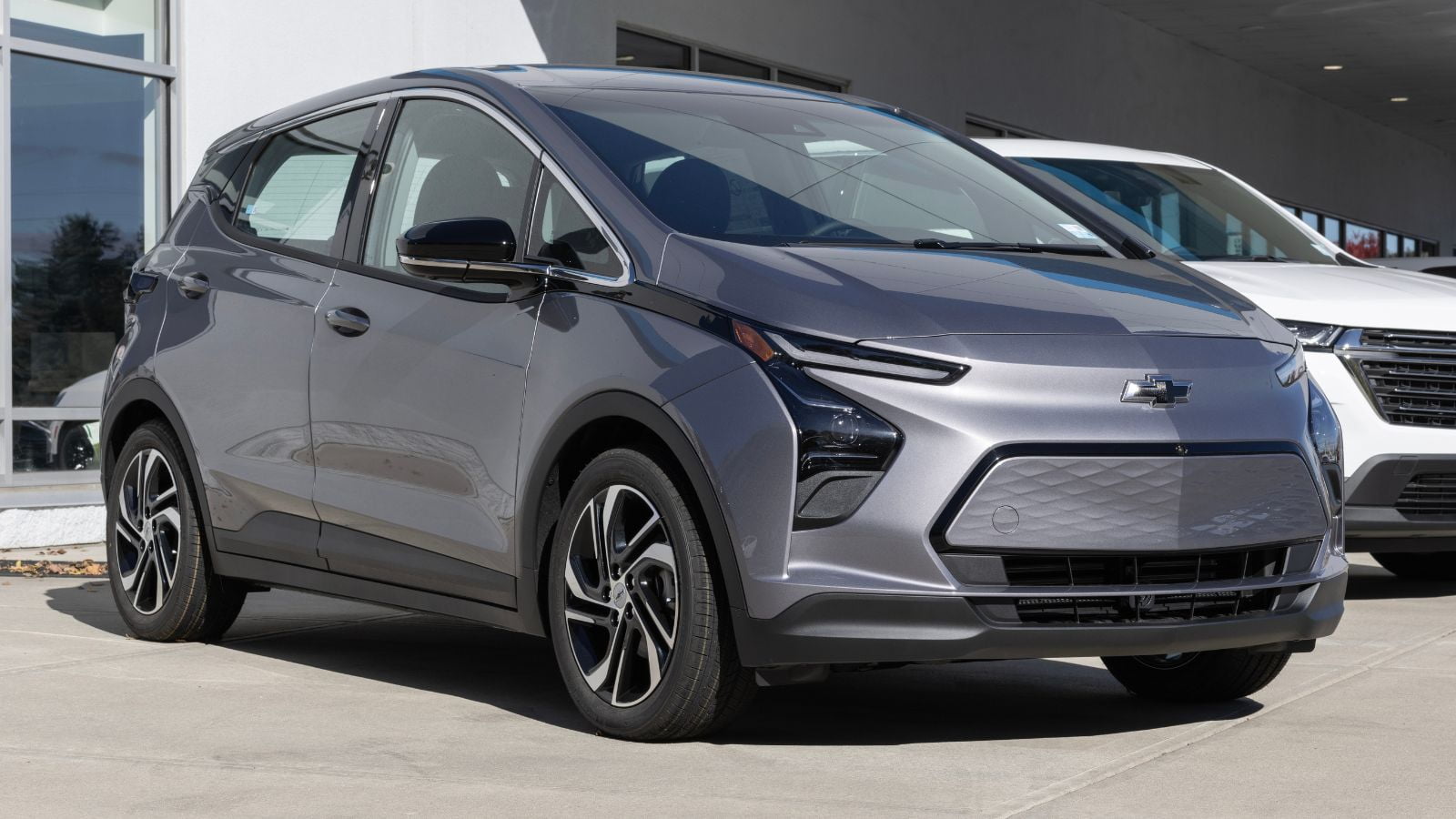
The Bolt played a key role in normalizing affordable EVs, but it now sits awkwardly in Chevrolet’s lineup. New Ultium based models are replacing it, and GM has already confirmed its production end. While a future Bolt name may return, the current car is done.
Kia Stinger
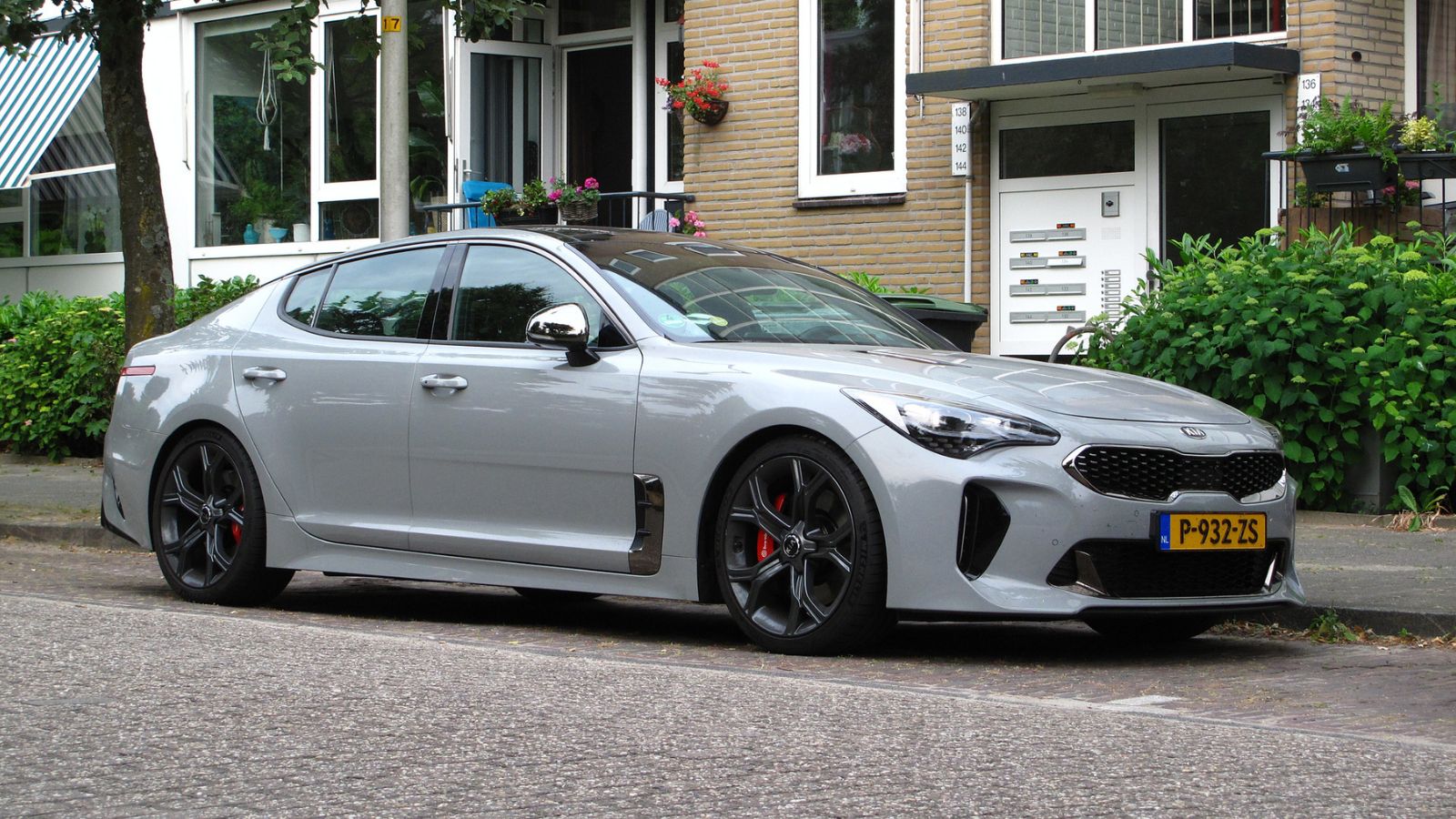
The Stinger proved Kia could build a legitimate rear wheel drive performance car. Unfortunately, it never sold in big numbers. Performance sedans are a shrinking niche, and Kia is shifting focus toward EVs and SUVs. The Stinger’s exit is a loss for enthusiasts who valued value driven performance.
Ford Edge
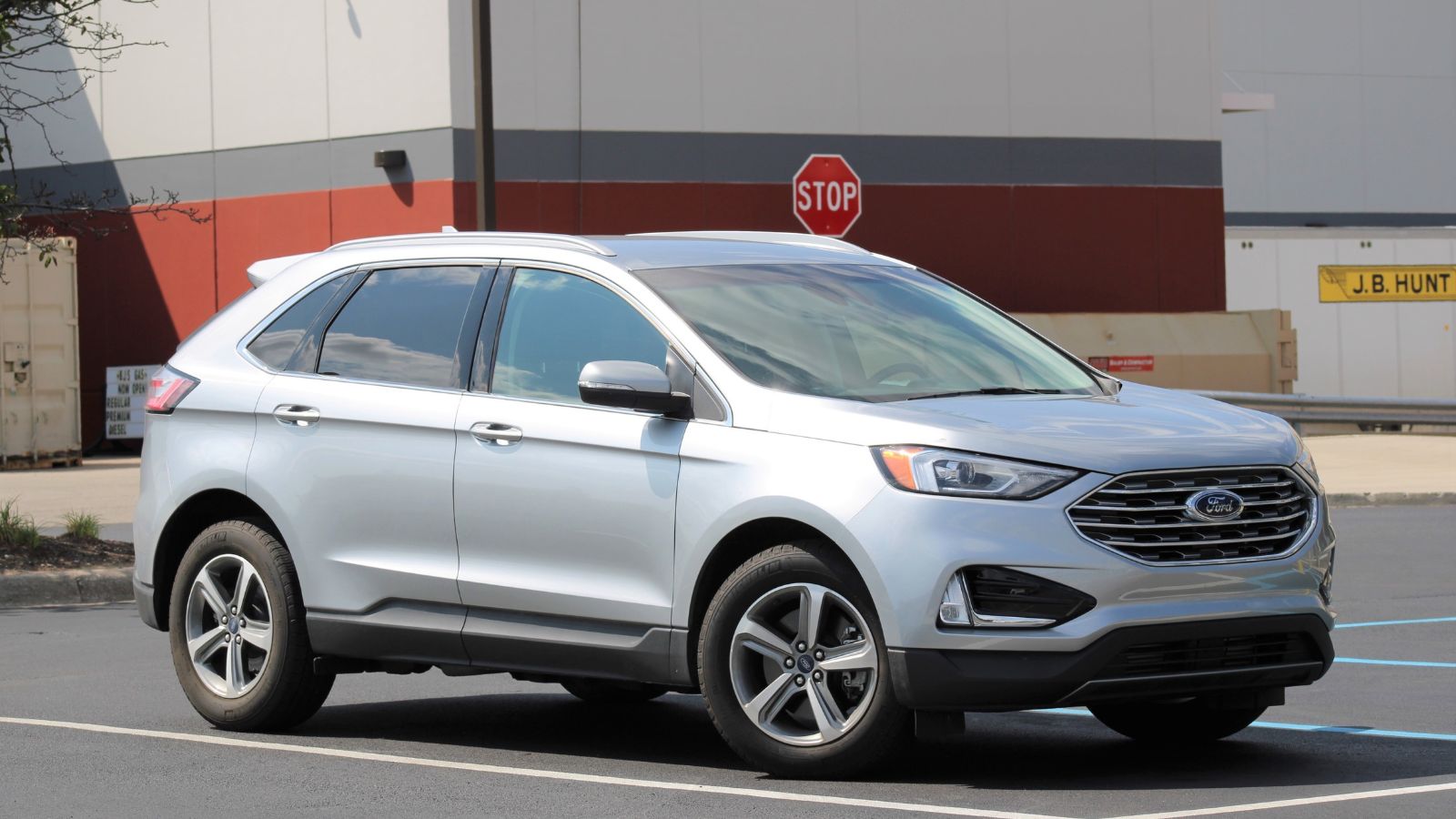
The Edge occupies a fading middle ground between compact and full size SUVs. With Ford prioritizing trucks, EVs, and more profitable crossovers, the Edge no longer fits the strategy. Its discontinuation reflects a broader move away from traditional two row midsize SUVs.
Infiniti Q50
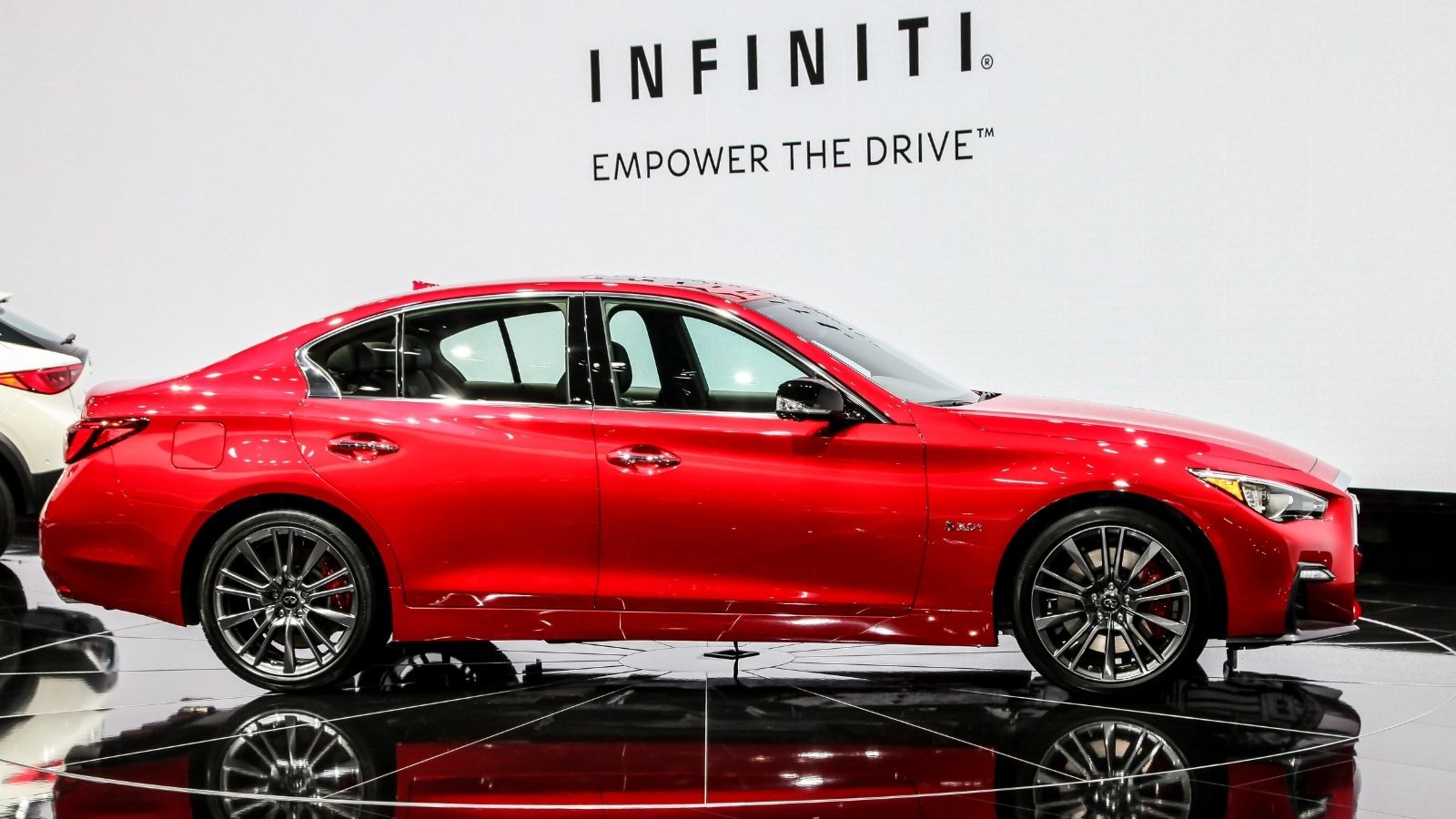
The Q50 has lingered far past its competitive peak. Minimal updates, aging tech, and declining sales have made it an easy target. Infiniti is repositioning itself as a more focused premium brand, and older sedans like the Q50 no longer align with that vision.
Mini Clubman
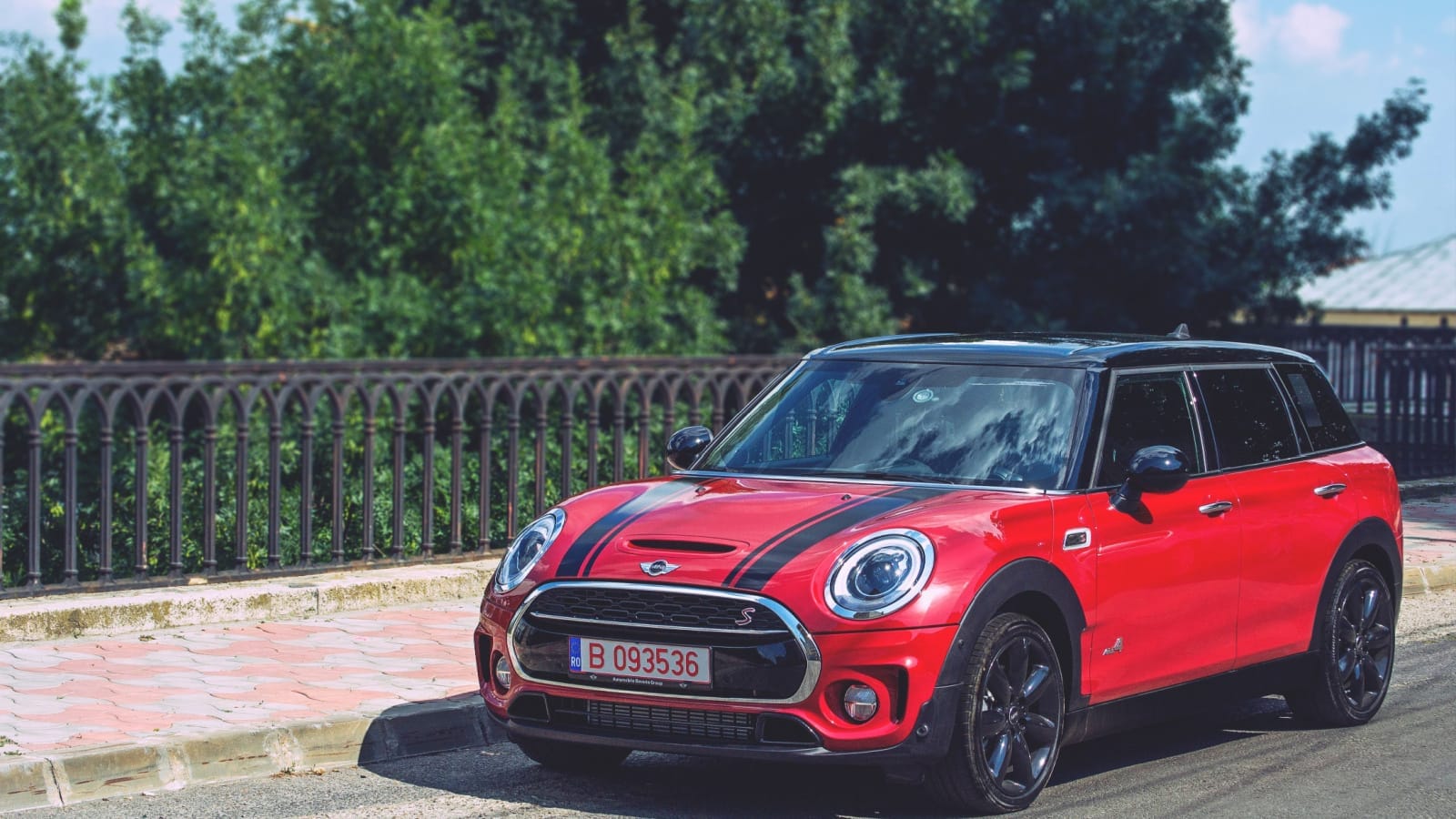
The Clubman’s wagon like shape and quirky appeal never translated into mass sales. Mini is simplifying its lineup as it moves toward electrification. The Clubman is expected to bow out, leaving the brand with a narrower, more crossover focused range.
25 Facts About Car Loans That Most Drivers Don’t Realize

Car loans are one of the most common ways people fund car purchases. Like any other kind of loan, car loans can have certain features that can be regarded as an advantage or a disadvantage to the borrower. Understanding all essential facts about car loans and how they work to ensure that you get the best deal for your financial situation is essential. Here are 25 shocking facts about car loans that most drivers don’t realize:
25 Facts About Car Loans That Most Drivers Don’t Realize
