
A new car sitting untouched on a dealer lot looks pristine, but time is not its friend. Unsold inventory quietly ages in ways buyers rarely consider, and dealerships work through a playbook long before a car is ever labeled old stock. From subtle mechanical impacts to behind the scenes financial pressure, here is what actually happens when cars fail to sell.
They Start Costing the Dealer Money Immediately
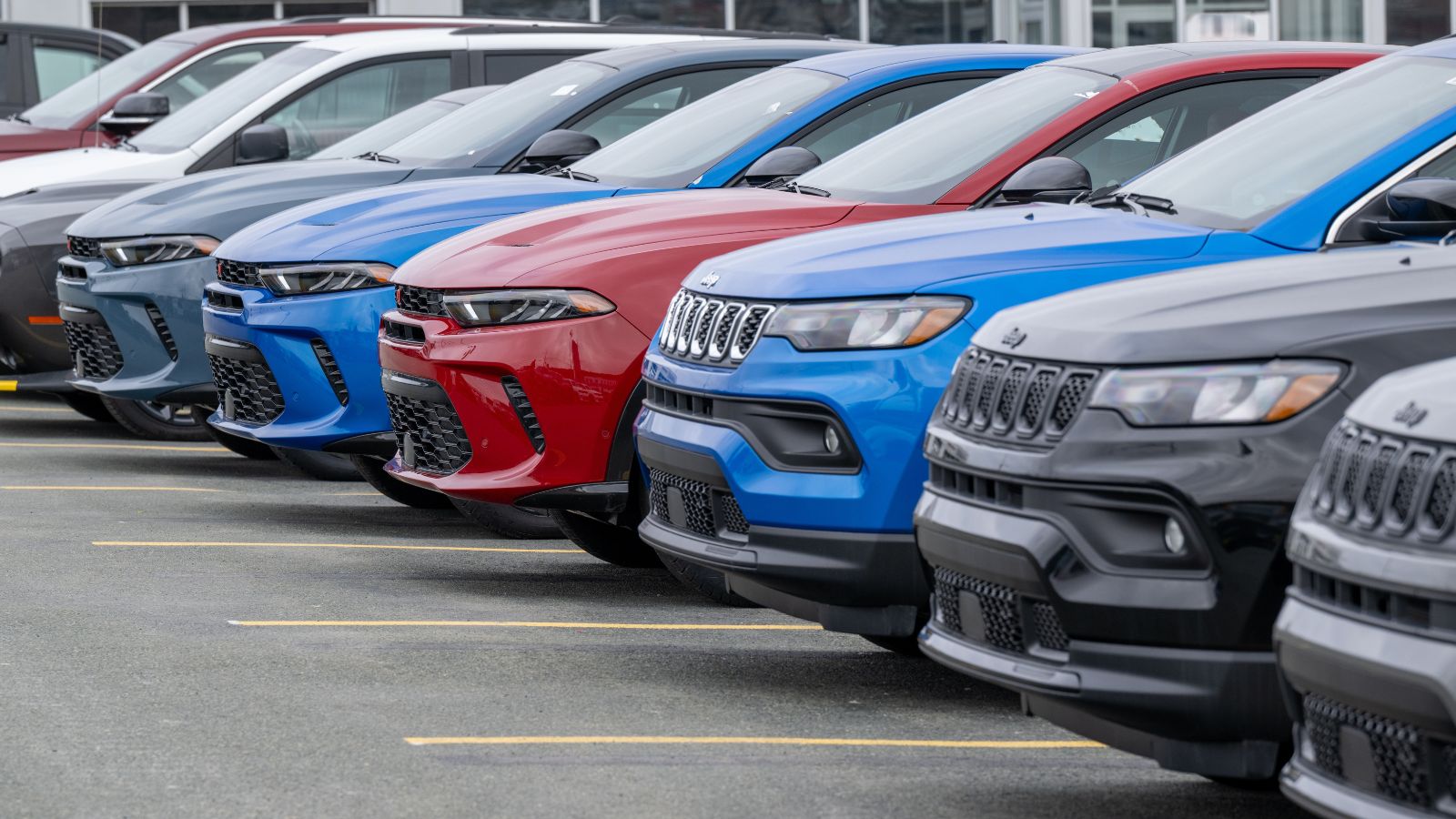
Every unsold car represents tied up capital. Dealers usually finance inventory through floorplan loans, which means interest accrues daily until the car is sold. The longer it sits, the more expensive it becomes to keep. This pressure is why dealerships are motivated to move slow selling vehicles quickly, even if that means sacrificing profit.
Short Drives Keep Them Technically New

Cars that sit for weeks or months are not completely ignored. Dealership staff periodically start them, move them around the lot, and take short drives. This prevents batteries from dying and tires from flat spotting. These brief runs are enough to keep systems functional but not enough to undo long term exposure to the elements.
Batteries Quietly Degrade
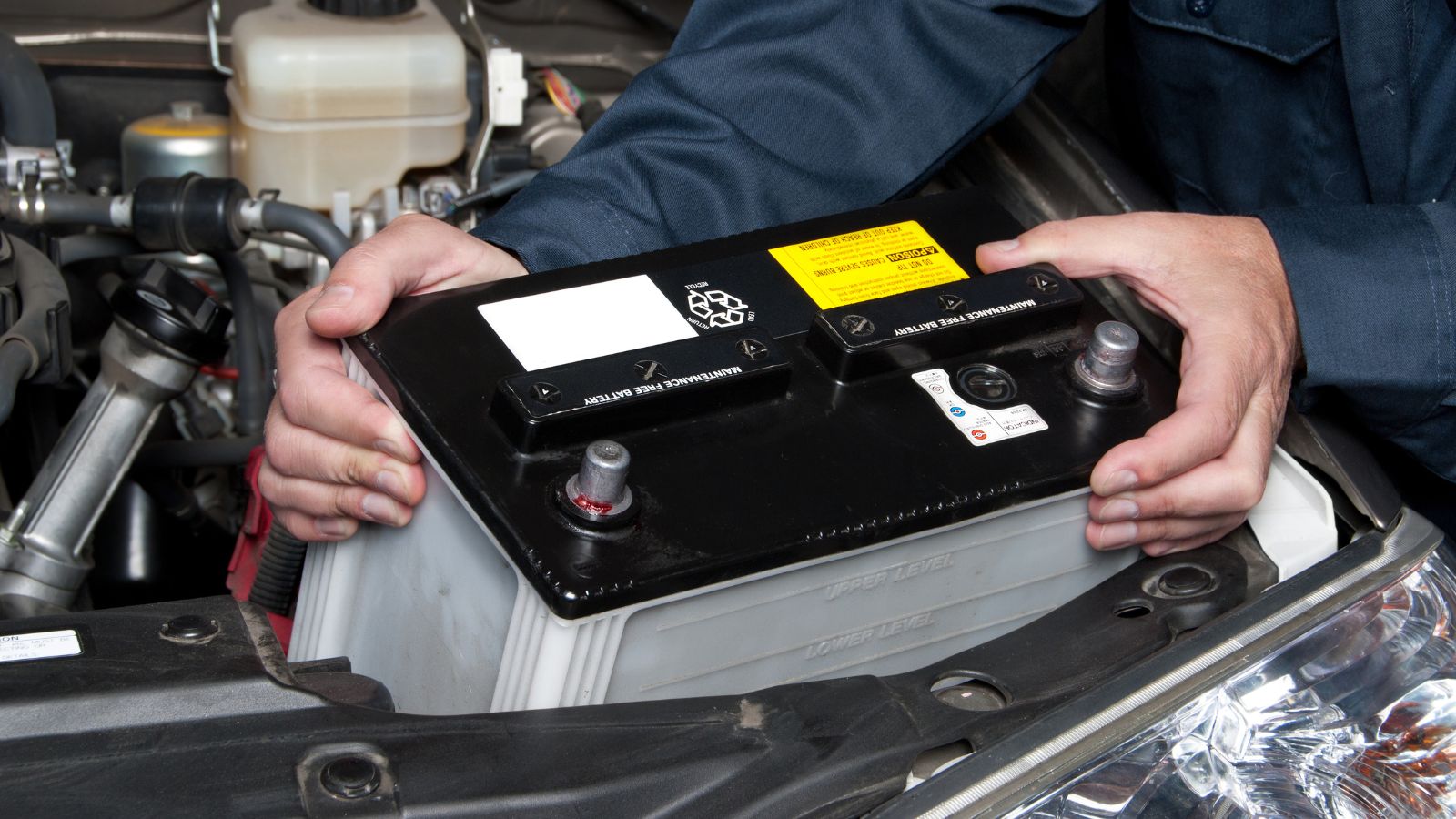
Even with periodic starts, batteries in unsold cars slowly weaken. Extreme heat or cold accelerates this process. Many cars that have sat for extended periods receive new batteries before delivery, especially if warning lights appear. Buyers are rarely told this happened, but it is considered routine preparation.
Tires and Brakes Begin to Age
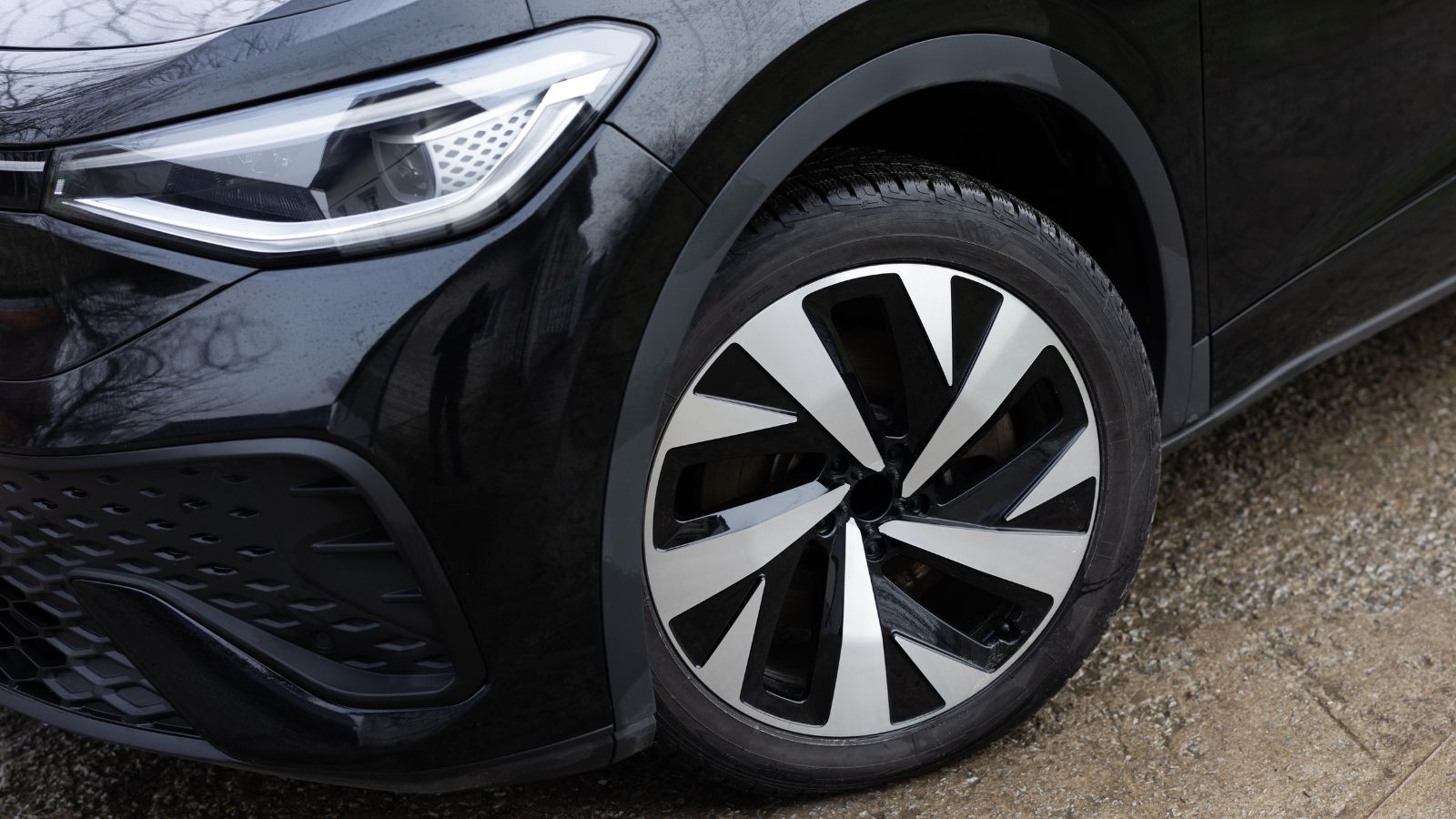
Tires develop flat spots from sitting in one position too long, particularly in colder climates. Brake rotors can develop surface rust that causes vibration during the first few drives. While these issues often resolve with use, some cars require brake resurfacing or tire replacement before sale to meet delivery standards.
Software and Recalls Catch Up
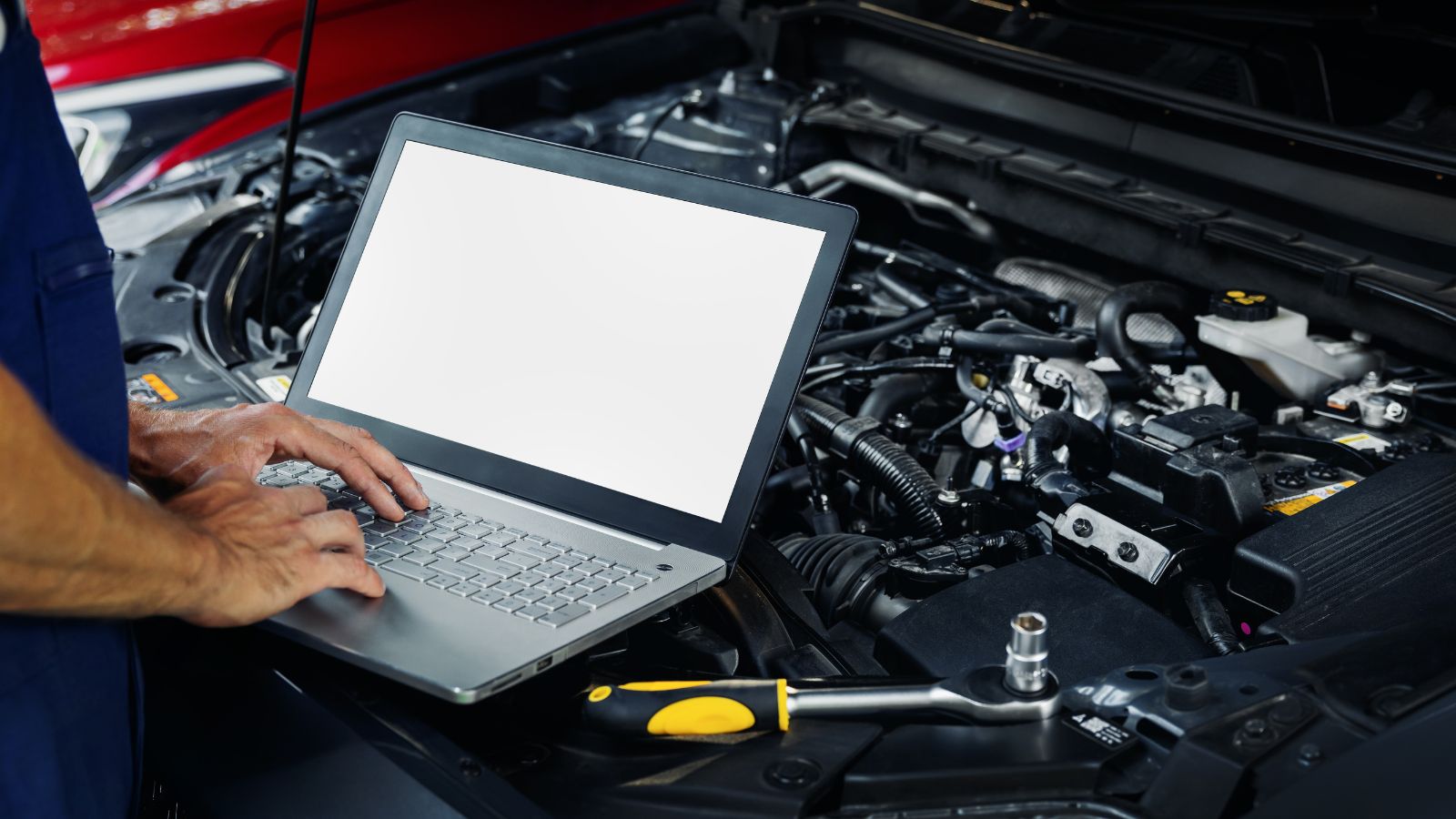
Unsold cars often receive multiple software updates while sitting on the lot. Manufacturers regularly issue updates for infotainment systems, driver assistance features, and emissions systems. If recalls are announced, dealers must complete them before sale. A car that has sat for months may receive more updates than one that sold immediately.
They Get Quietly Discounted

Before any public price drop appears, dealers try subtle incentives. These include dealer cash, loyalty bonuses, low interest financing, or bundled accessories. The sticker price may stay the same, but the real transaction price often drops as the car ages on the lot. Buyers who negotiate can benefit from this pressure.
Some Become Dealer Loaners

Cars that struggle to sell are sometimes reclassified as service loaners or demonstrators. This allows dealers to put miles on them while still selling them as nearly new later. These cars are typically discounted but still qualify for new car warranties, making them one of the best value buys if disclosed properly.
Model Year Change Is the Turning Point

Once a newer model year arrives, unsold cars immediately lose appeal. Dealers then push harder with price reductions, incentives, or dealer trades to move them elsewhere. Manufacturers may also offer extra support to clear old inventory. This is when the best deals usually appear.
A Few Are Dealer Traded

If a model is unpopular locally, dealers may trade unsold cars with other dealerships where demand is stronger. This happens behind the scenes and can move a slow seller hundreds of kilometers away. The car remains new, but its paper trail grows longer.
Some Sit Until They Are No Longer New
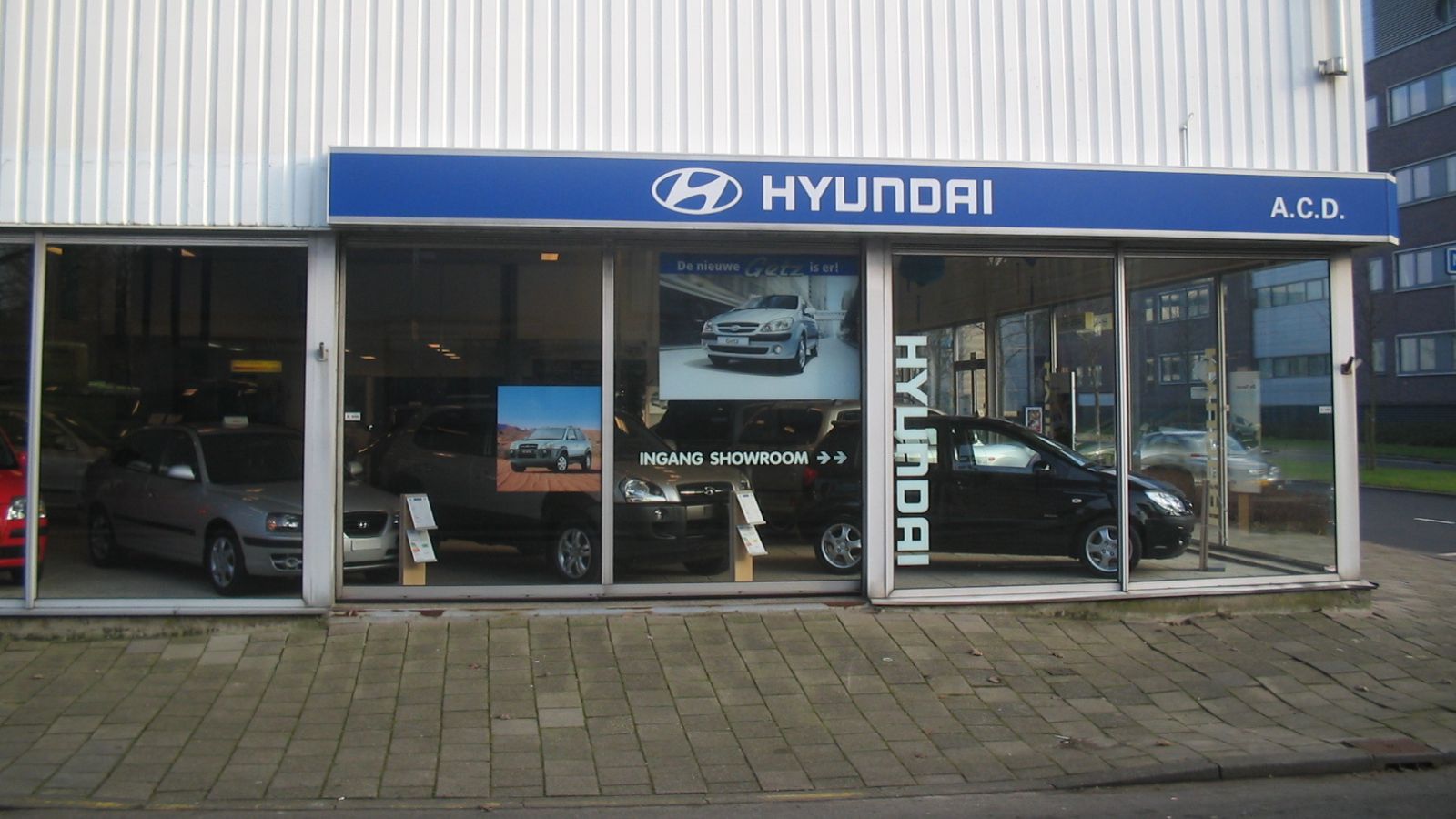
In rare cases, a car sits long enough to become a liability. At that point it may be heavily discounted, wholesaled, or sold at auction as new old stock. While still technically new, its value is permanently affected. These cars often surface as unusually cheap deals with surprisingly low mileage.
25 Facts About Car Loans That Most Drivers Don’t Realize

Car loans are one of the most common ways people fund car purchases. Like any other kind of loan, car loans can have certain features that can be regarded as an advantage or a disadvantage to the borrower. Understanding all essential facts about car loans and how they work to ensure that you get the best deal for your financial situation is essential. Here are 25 shocking facts about car loans that most drivers don’t realize:
25 Facts About Car Loans That Most Drivers Don’t Realize
