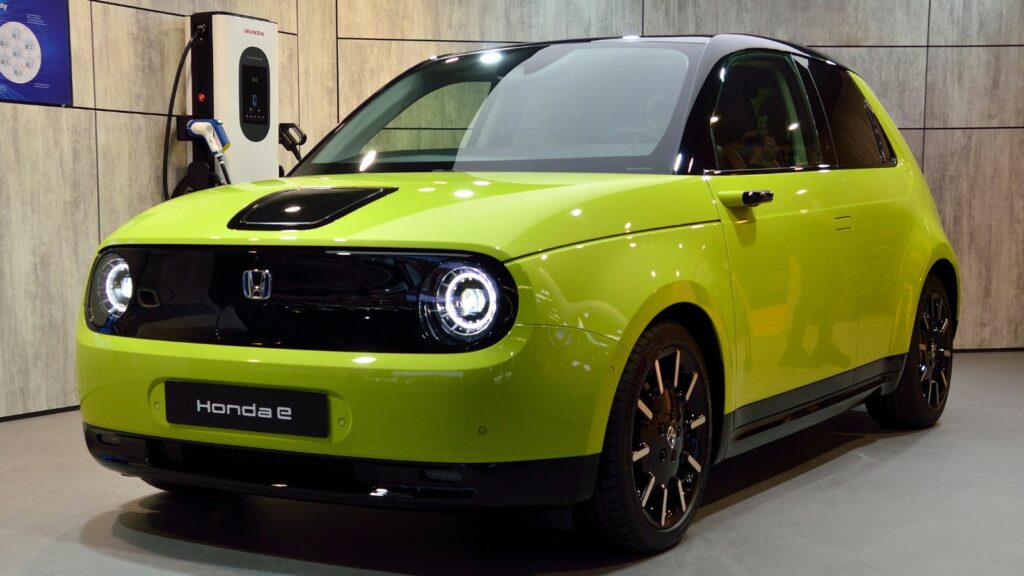
The electric vehicle boom promised endless demand and instant sellouts. Reality has been messier. As incentives change, prices rise, and buyers grow more selective, some EVs are quietly piling up on lots or disappearing altogether. These cars weren’t all bad ideas, but weak demand, confusing positioning, or pricing missteps left them struggling to find homes.
Mazda MX-30
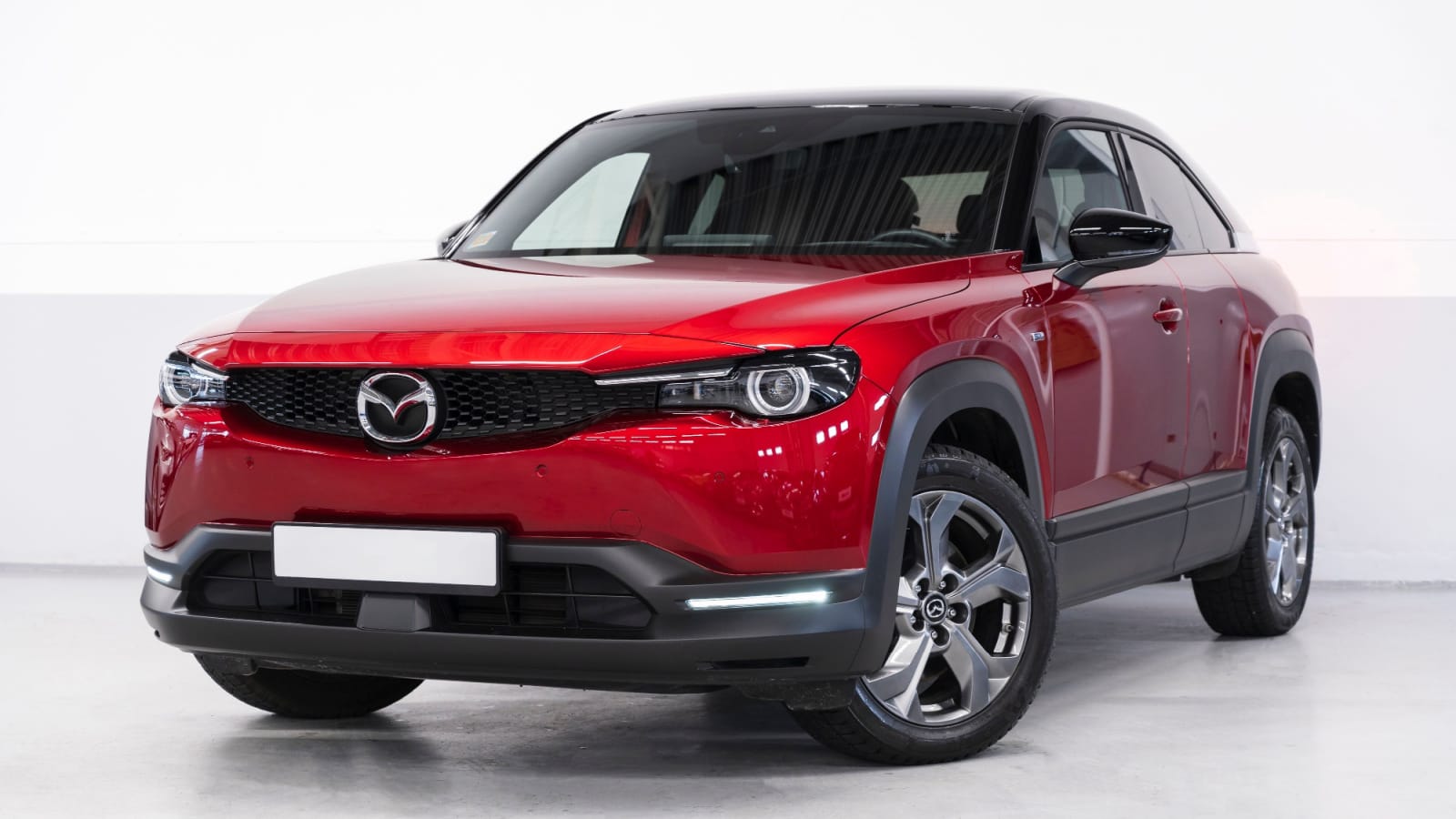
The MX-30 never stood a chance. With very limited range, a high price for what it offered, and awkward rear-hinged doors, it felt like an experiment sold as a finished product. Buyers looked elsewhere almost immediately.
Honda e
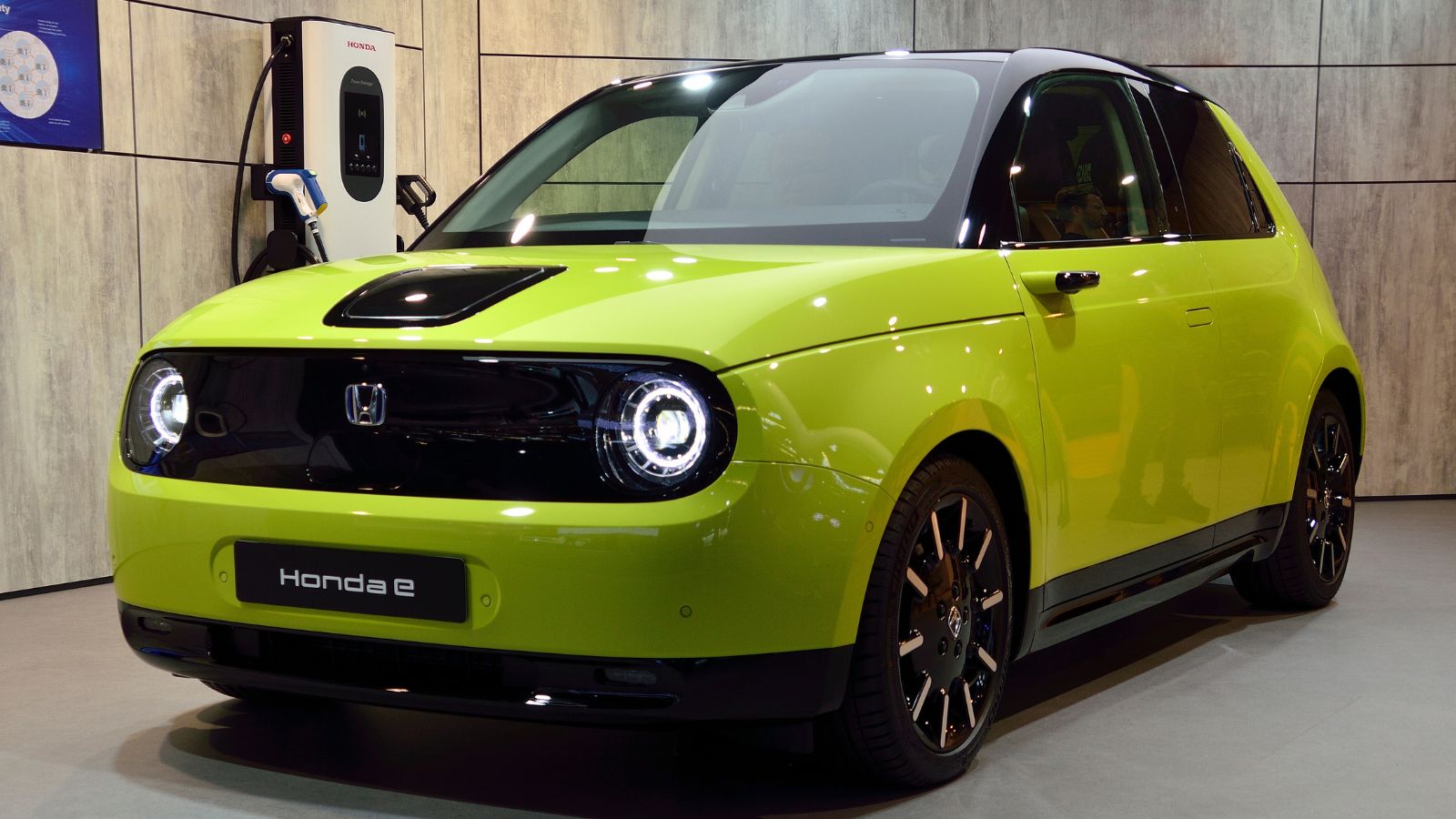
Charming, beautifully designed, and completely impractical for most buyers. The Honda e’s short range and high price confined it to niche appeal. As a lifestyle object it worked. As a real EV purchase, demand never followed.
Chevrolet Bolt EUV
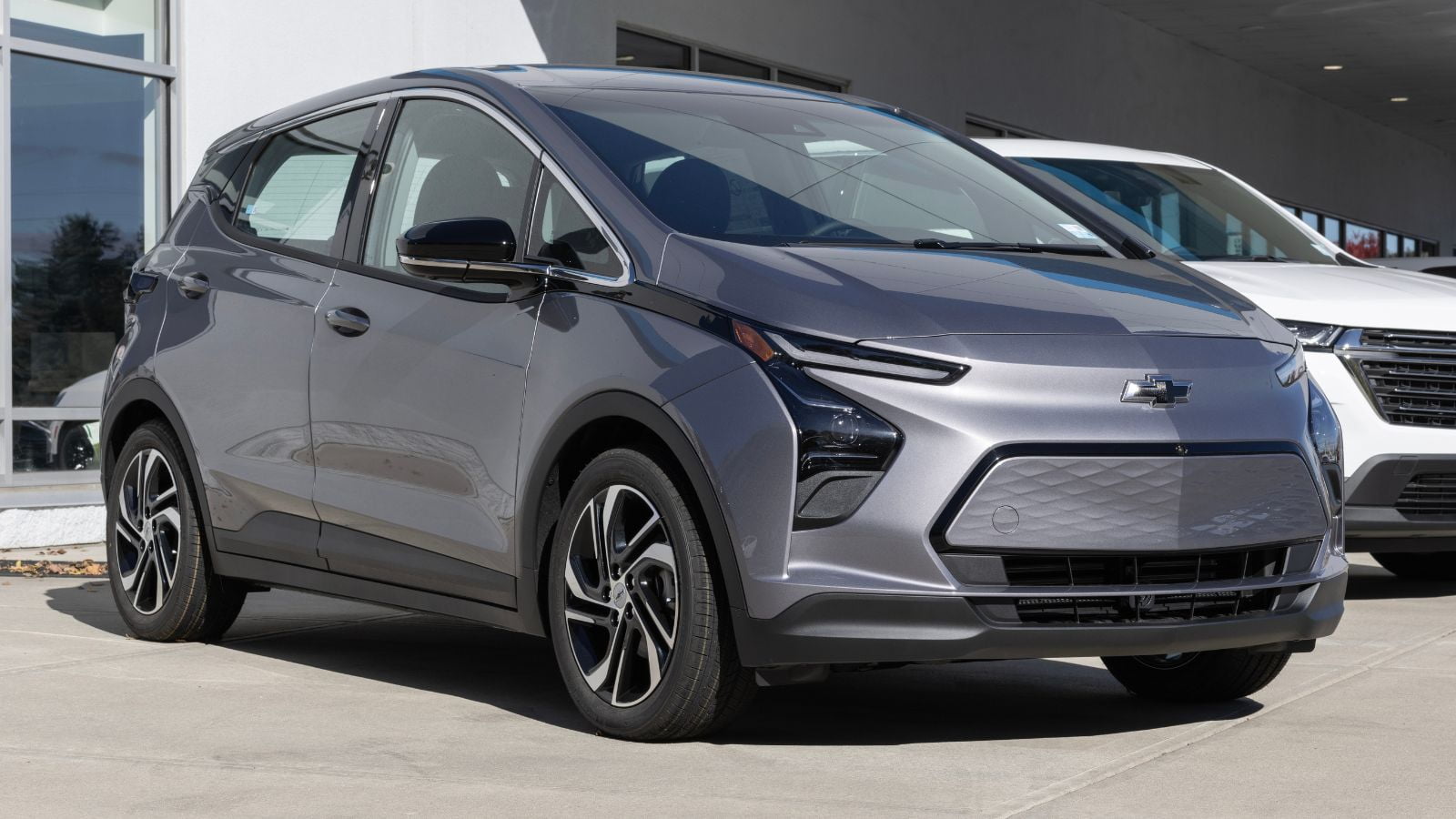
Despite strong efficiency, the Bolt EUV suffered from battery recalls, stop-sale orders, and an aging platform. Trust took a hit, and even aggressive pricing couldn’t fully recover momentum before production ended.
Nissan Ariya
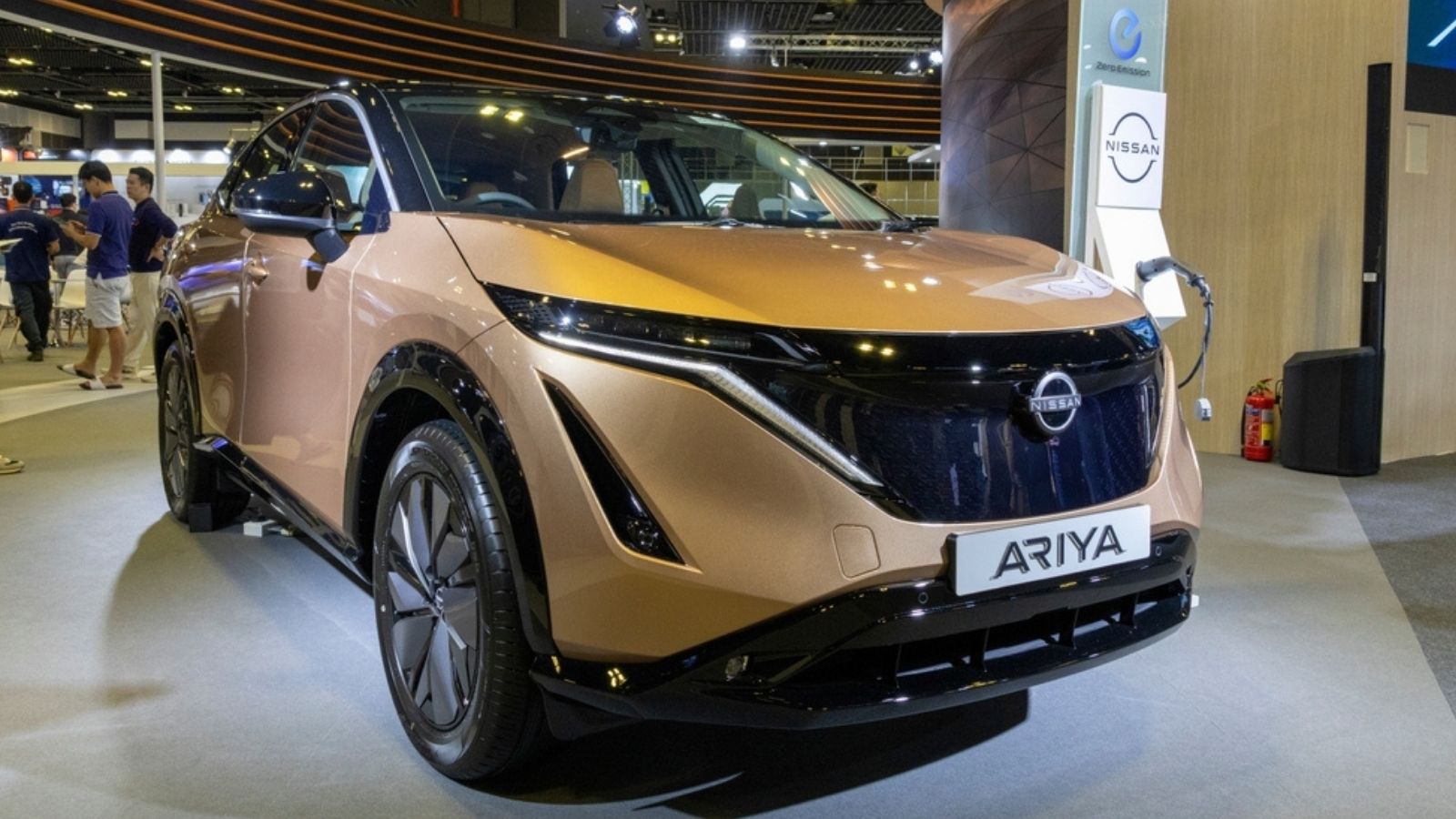
The Ariya arrived late, expensive, and without a clear identity. It lacked the value proposition of rivals and didn’t deliver standout performance or range. Buyers expected more from Nissan’s EV successor to the Leaf.
Toyota bZ4X
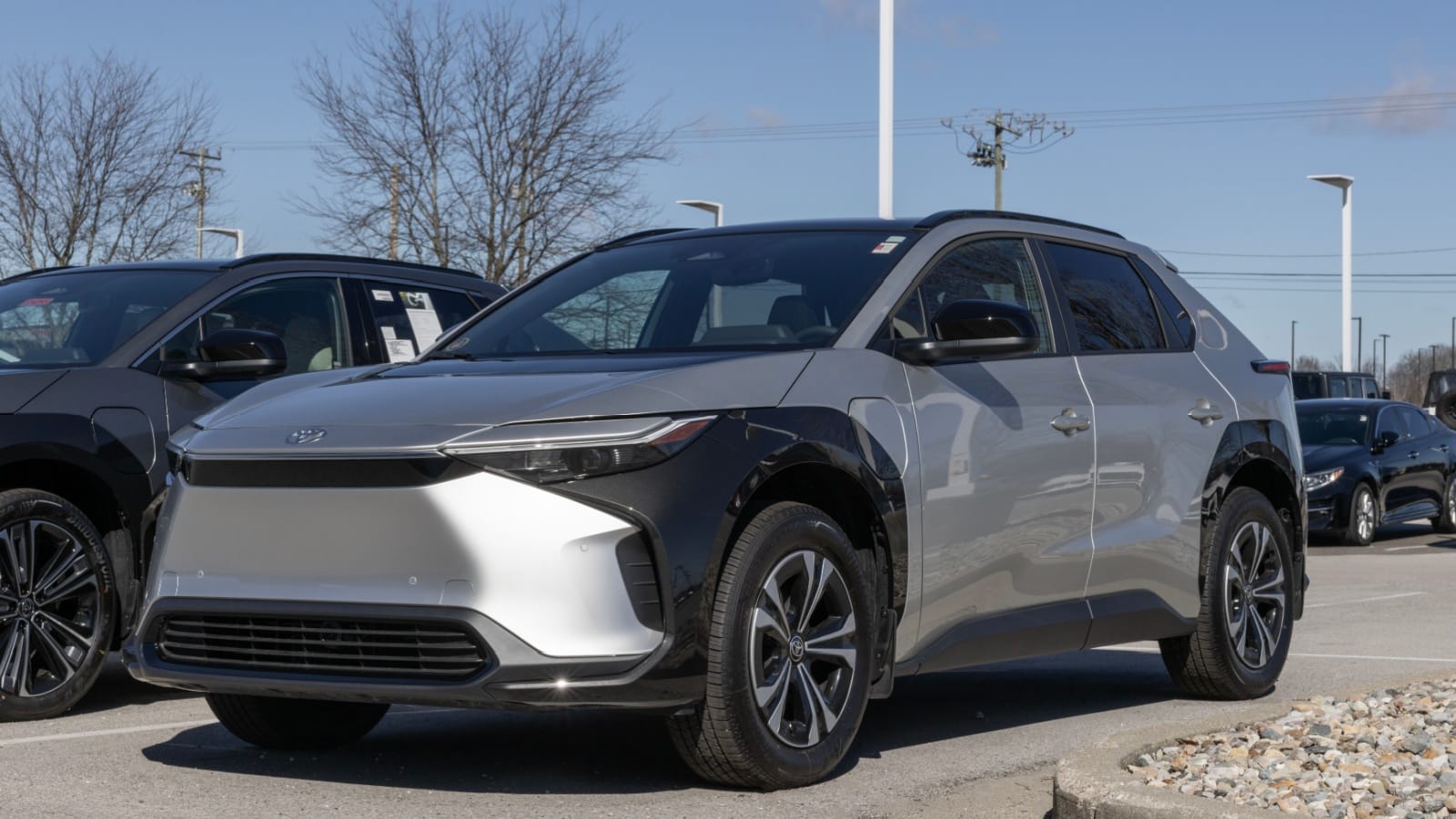
Toyota’s EV debut stumbled badly. Early safety recalls, confusing naming, and underwhelming specs hurt credibility. For a brand known for reliability, first impressions mattered, and demand reflected buyer hesitation.
Subaru Solterra
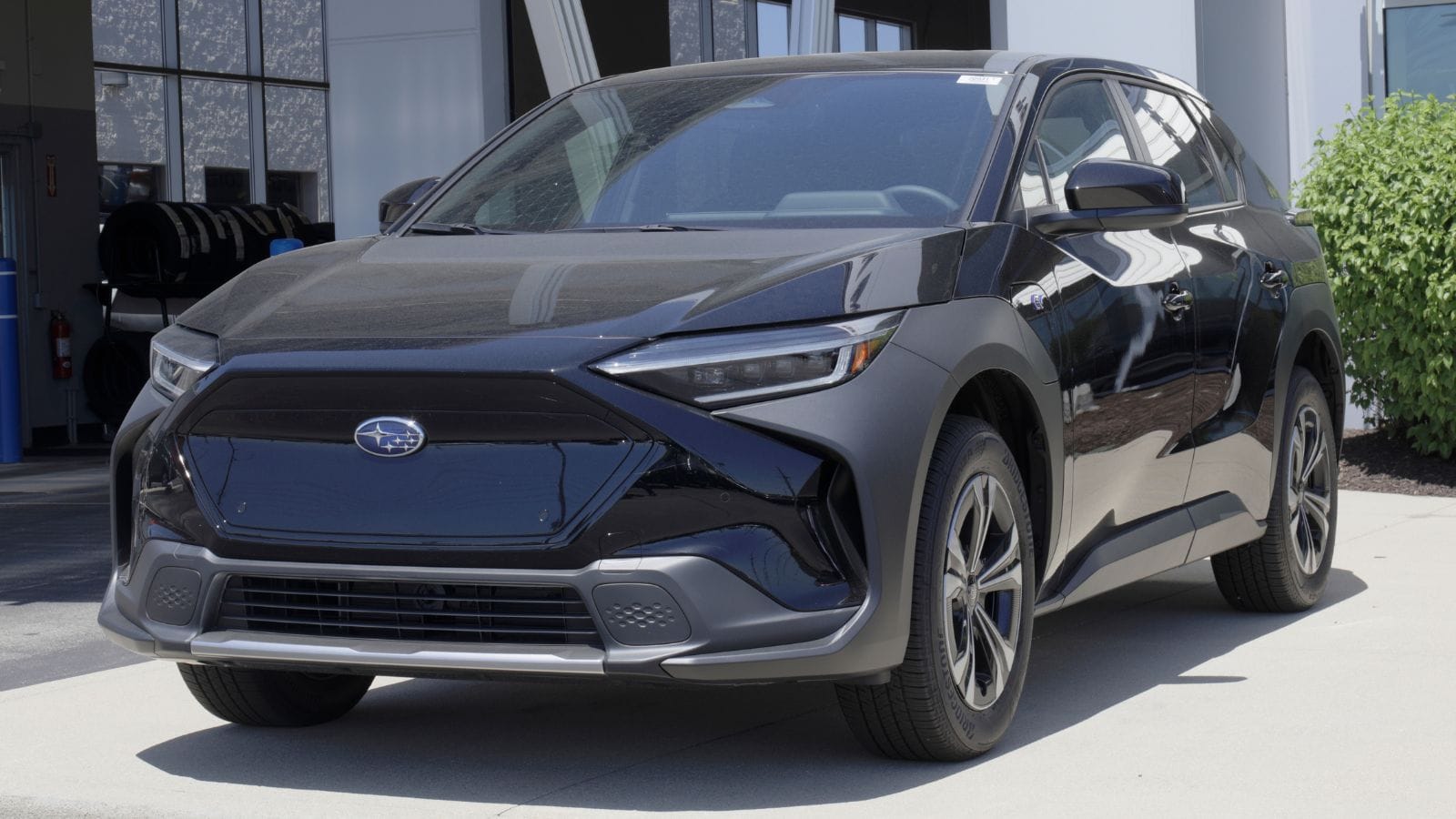
Sharing its platform with the bZ4X, the Solterra inherited the same problems. Limited range and slow charging didn’t align with Subaru’s outdoorsy brand image. Loyal buyers waited, but many ultimately passed.
Ford Mustang Mach-E
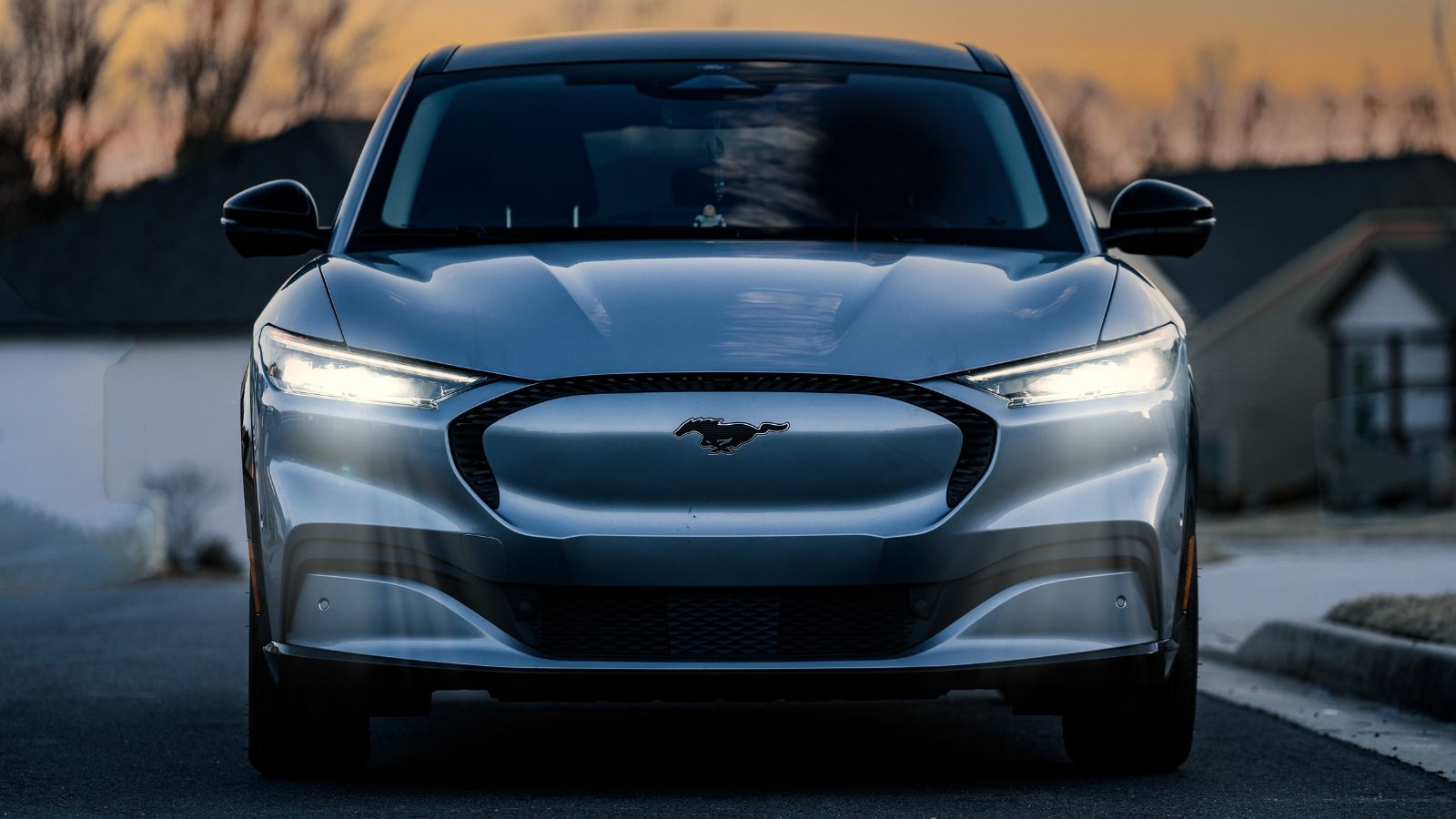
Sales started strong, but rising prices, incentives on competitors, and brand confusion slowed demand. As inventory grew, Ford adjusted production. The Mach-E isn’t a failure, but enthusiasm cooled faster than expected.
Volkswagen ID.4
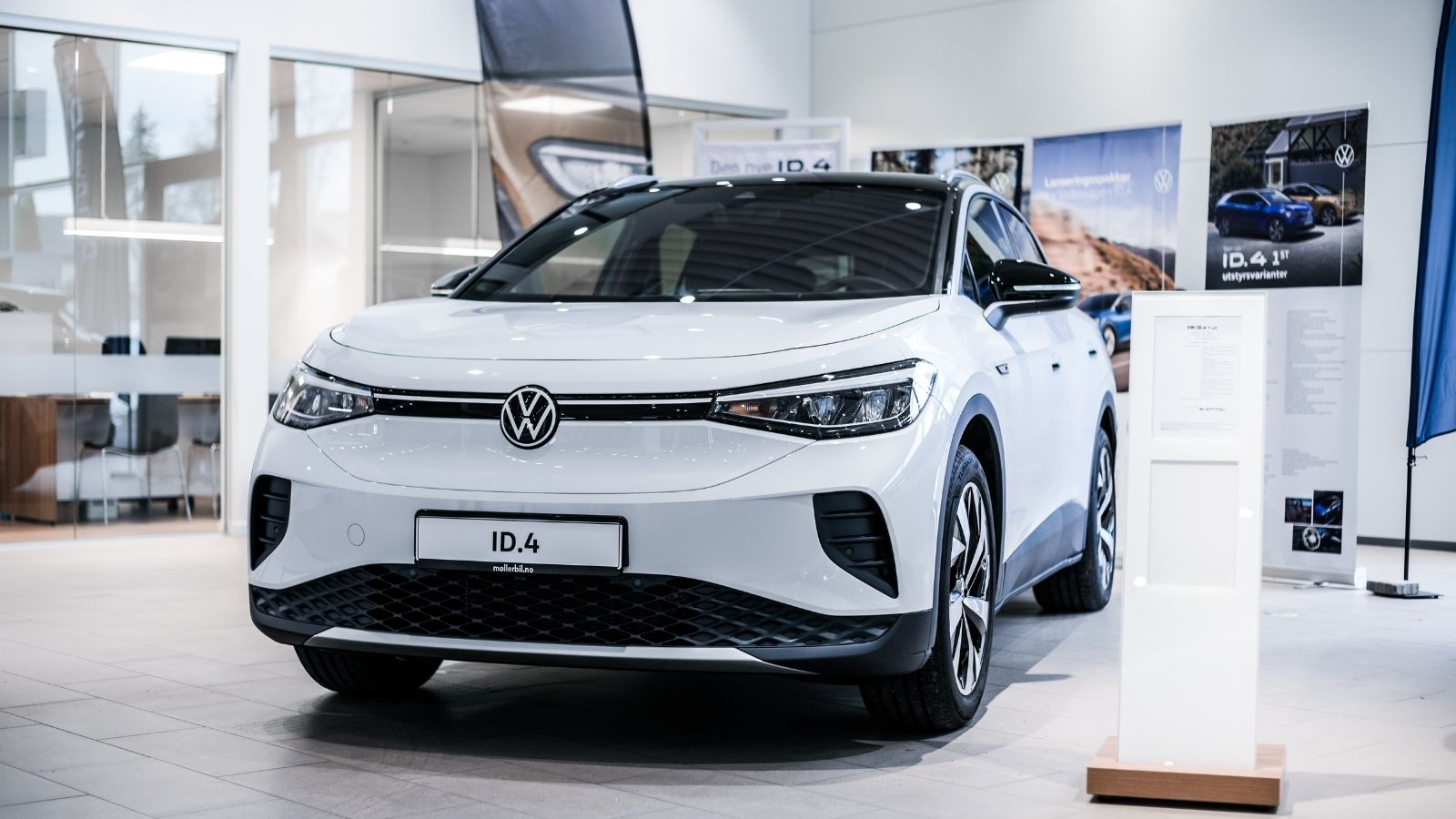
The ID.4 was meant to be a mass-market hit. Instead, software frustrations, build quality complaints, and strong competition dulled interest. Discounts became common as buyers compared options more critically.
Mercedes-Benz EQB
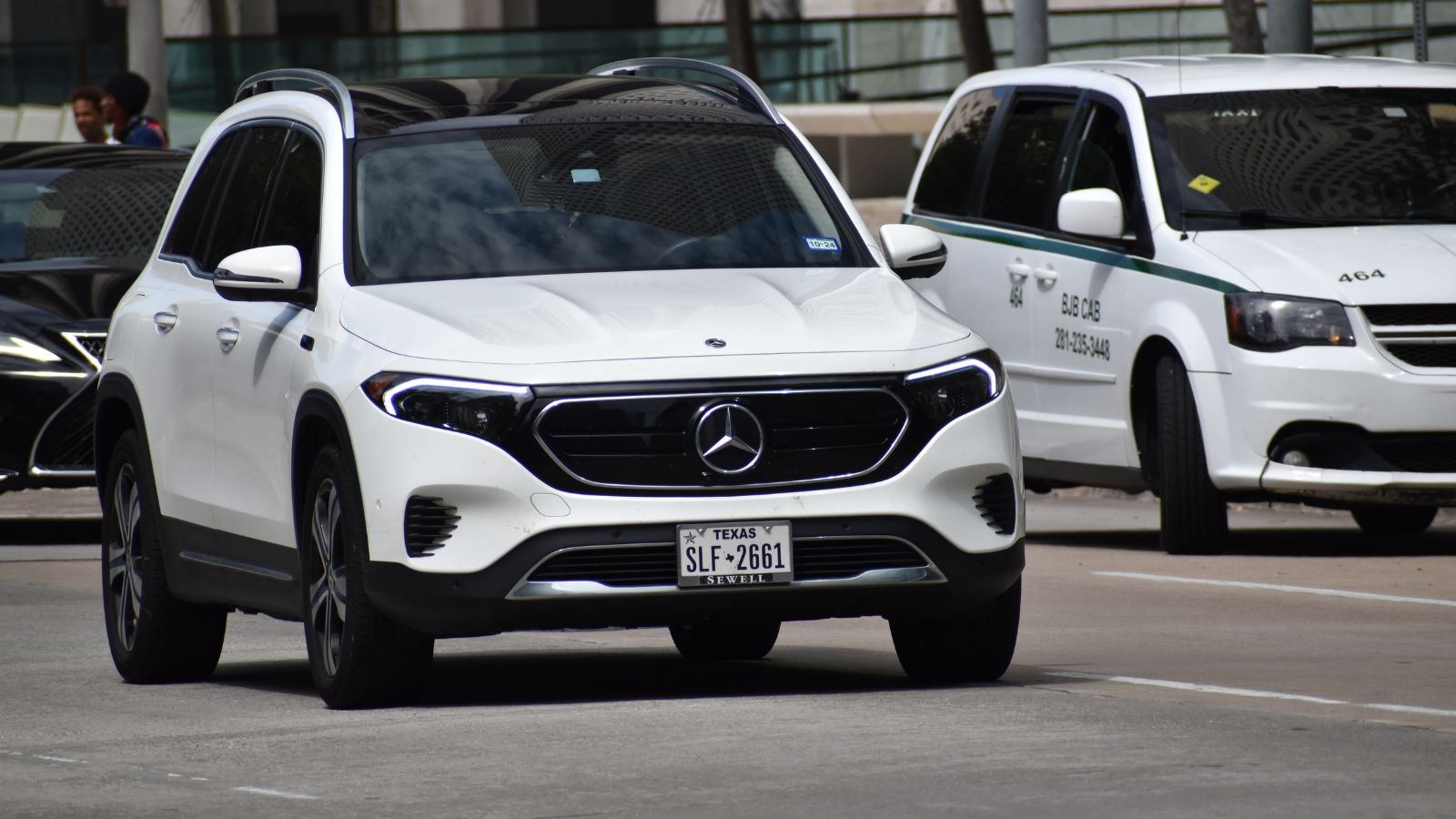
Luxury buyers expect either cutting-edge tech or unmistakable prestige. The EQB delivered neither convincingly. High pricing and modest range made it a tough sell against more compelling premium EVs.
Fisker Ocean
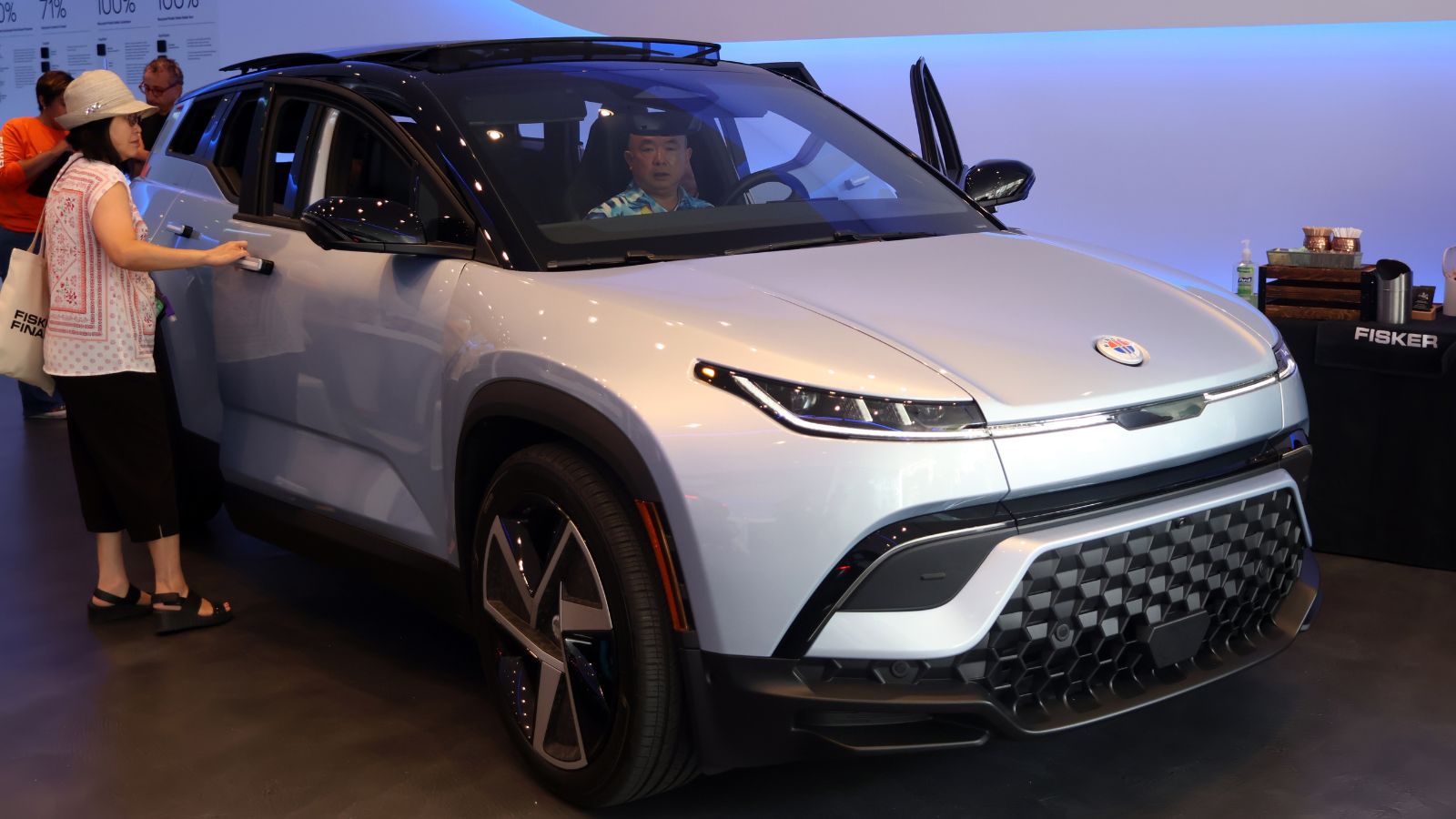
Big promises, sustainability messaging, and bold styling weren’t enough. Software issues, pricing confusion, and brand uncertainty scared buyers. Demand never stabilized, leaving inventory sitting and confidence shaken.
Why Some EVs Miss the Mark
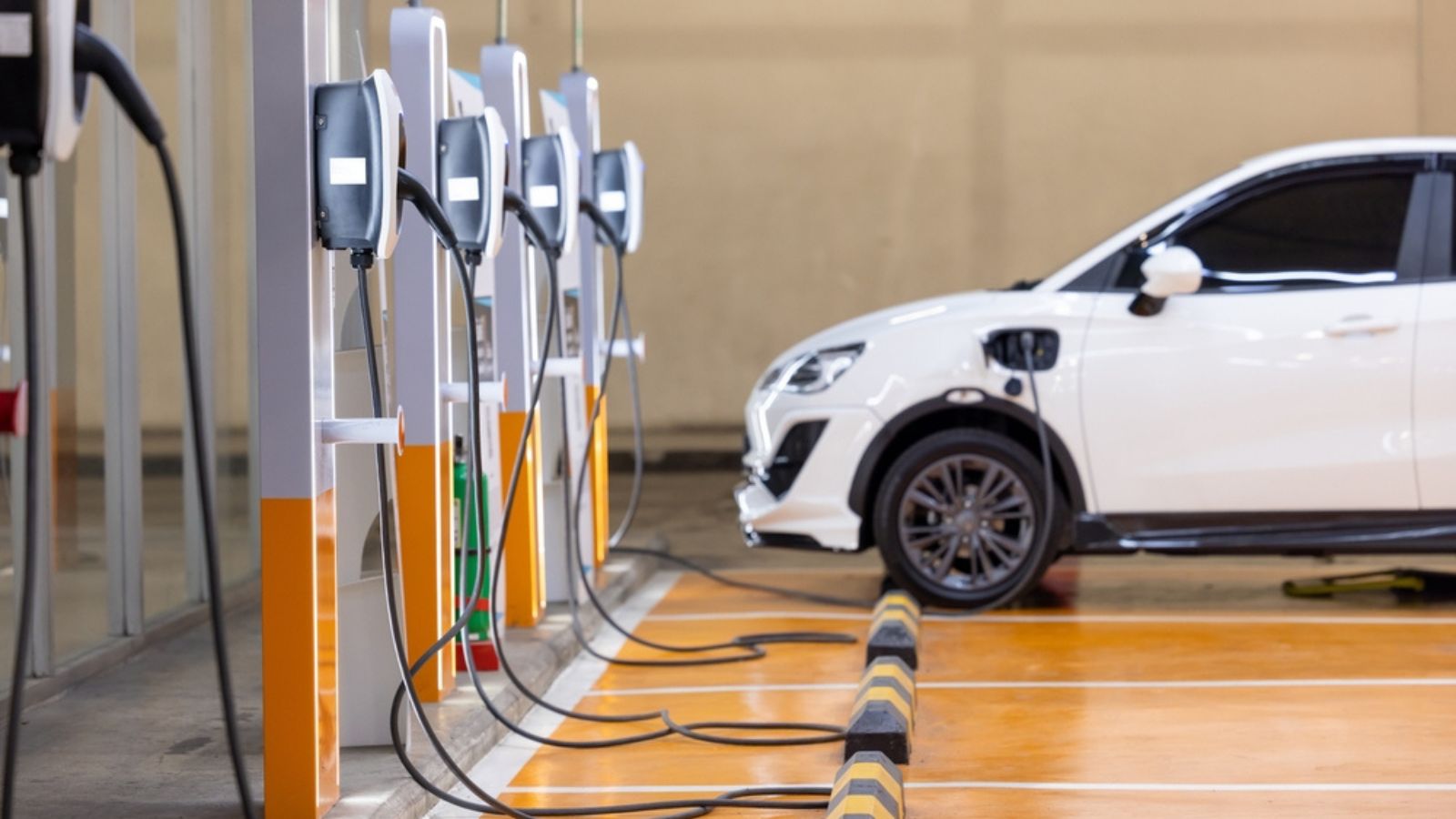
Most of these vehicles failed for the same reasons. Pricing didn’t match capability. Range and charging lagged expectations. Software felt unfinished. And buyers, especially in colder climates, became far more cautious once the novelty wore off.
The EV market isn’t collapsing. It’s maturing. Buyers now expect real-world usability, transparent pricing, and long-term confidence. Cars that miss even one of those targets are finding out the hard way that early hype doesn’t guarantee lasting demand.
25 Facts About Car Loans That Most Drivers Don’t Realize

Car loans are one of the most common ways people fund car purchases. Like any other kind of loan, car loans can have certain features that can be regarded as an advantage or a disadvantage to the borrower. Understanding all essential facts about car loans and how they work to ensure that you get the best deal for your financial situation is essential. Here are 25 shocking facts about car loans that most drivers don’t realize:
25 Facts About Car Loans That Most Drivers Don’t Realize
