Electric cars promise simplicity, fewer moving parts and lower maintenance, yet real world reliability has not always followed the sales pitch. Rapid software development, first generation battery systems and rushed launches have created problems traditional cars rarely face. Cold weather charging behavior, software dependency and limited service experience have all played a role. These ten electric cars gained reputations for reliability issues that frustrated owners and slowed broader trust in early EV adoption.
Tesla Model S Early Builds Set the Tone
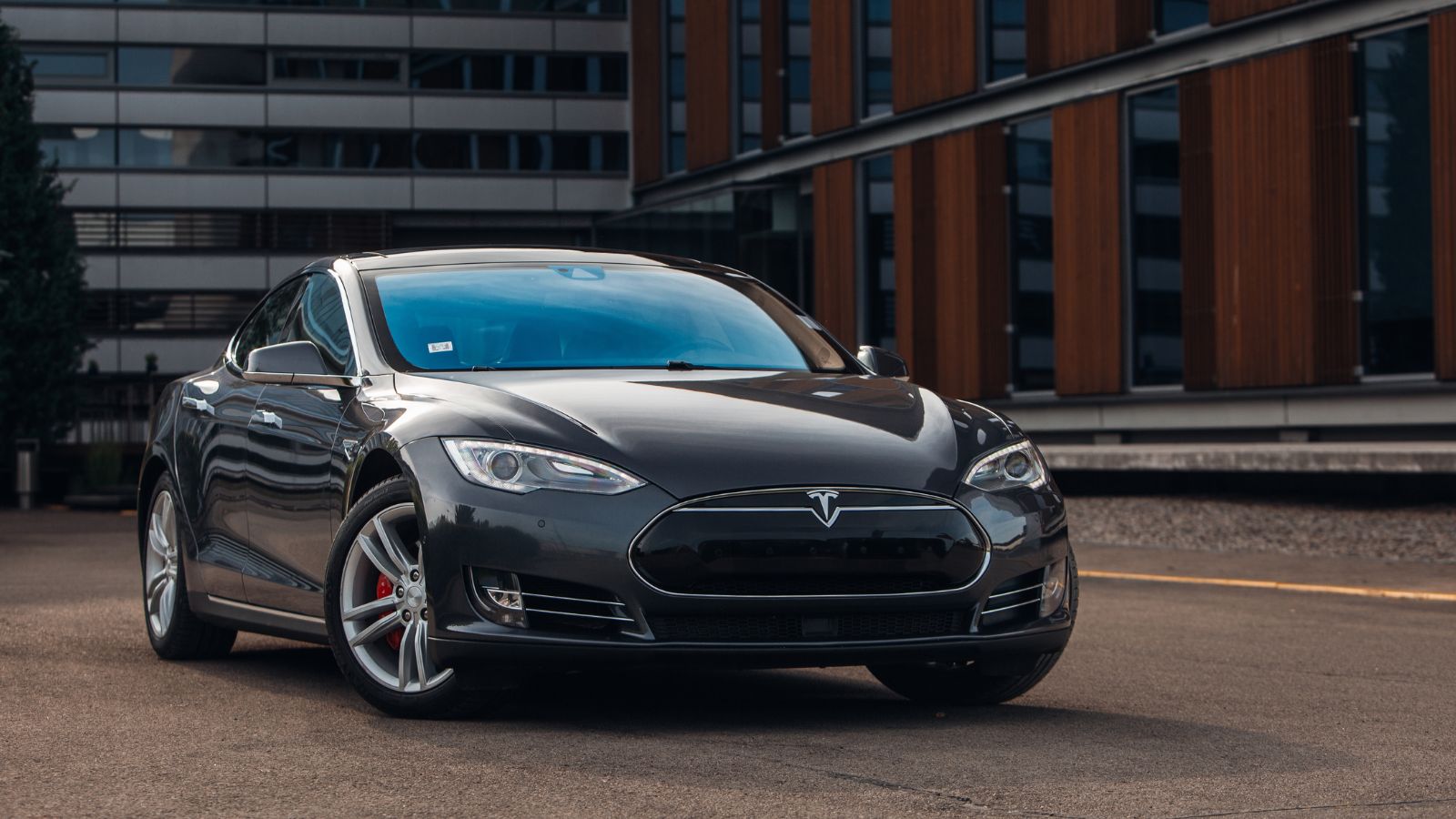
Early Model S vehicles showcased groundbreaking range and performance but struggled with build quality. Door handles failed repeatedly, center screens went black and air suspension components wore out early. Software updates often fixed one issue while introducing another. In colder climates, charging inconsistencies and accelerated battery degradation added frustration. Later versions improved significantly, but early reliability problems defined the model’s reputation for years.
Tesla Model X Overcomplicated Its Own Design
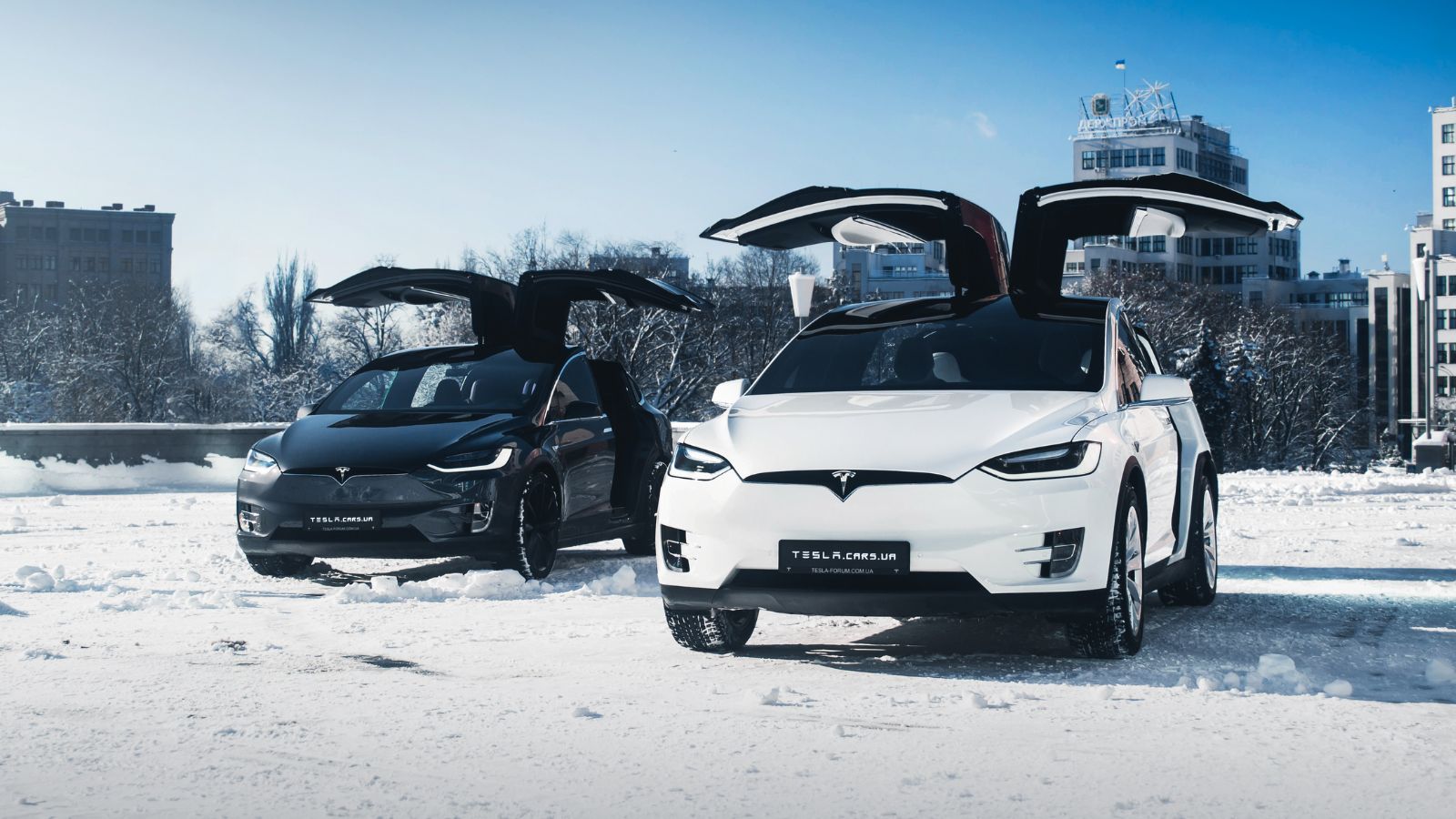
The Model X pushed innovation further than most vehicles could handle. Falcon wing doors caused endless sensor misalignment problems, especially in cold or wet conditions. Water intrusion, warning lights and trim failures were common complaints. The complexity made diagnosis difficult, leaving owners stuck with repeated service visits. It remains impressive on paper, but ownership tested patience more than most EVs.
Nissan Leaf First Generations Aged Poorly
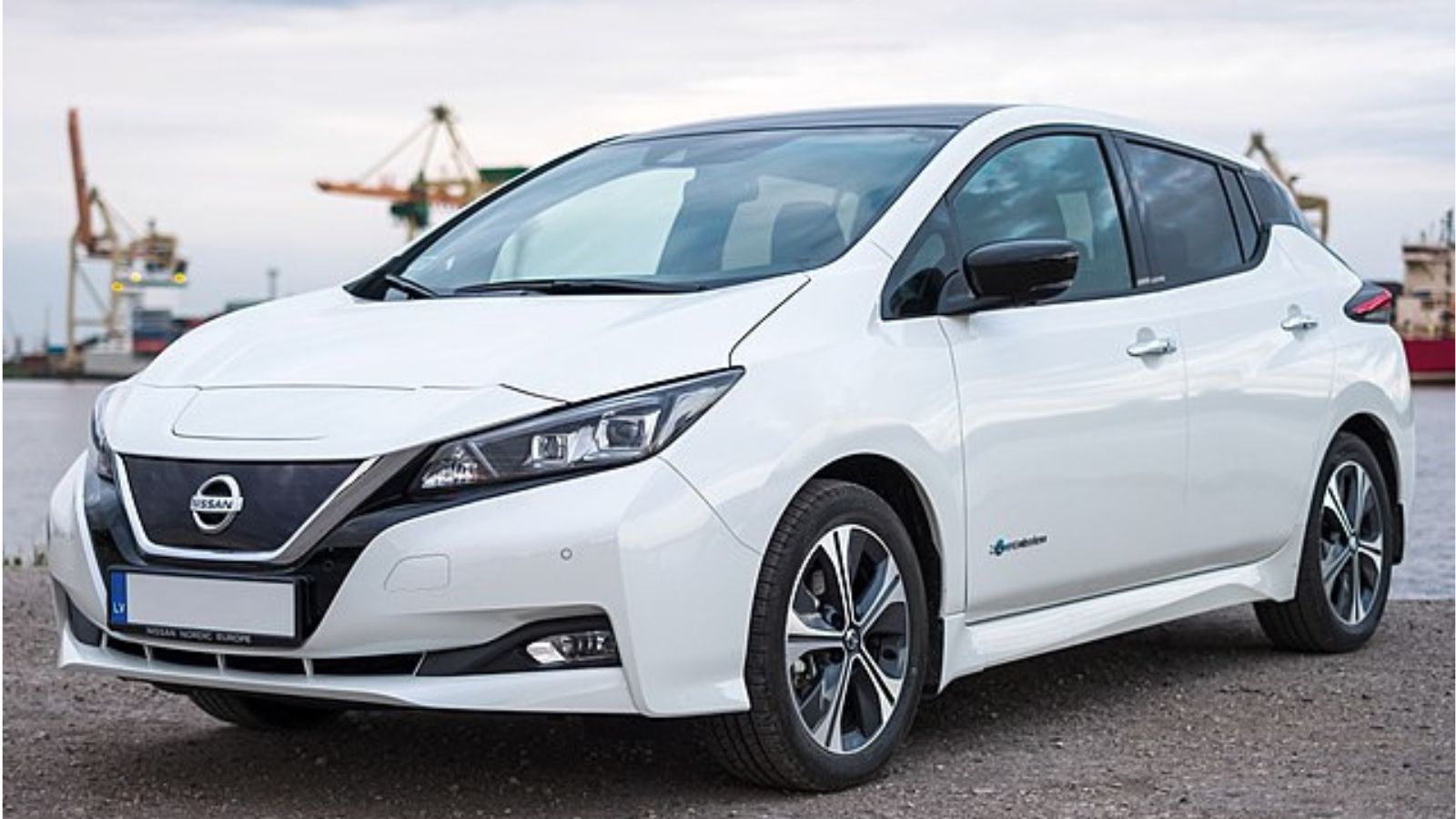
The original Leaf played a major role in mainstream EV adoption, yet its battery design became its weakness. Without active thermal management, batteries degraded quickly in both hot and cold climates. Winter range dropped sharply and usable capacity faded with age. Mechanical simplicity could not offset battery longevity issues, which limited resale value and long term confidence.
Jaguar I Pace Struggled With Software Stability
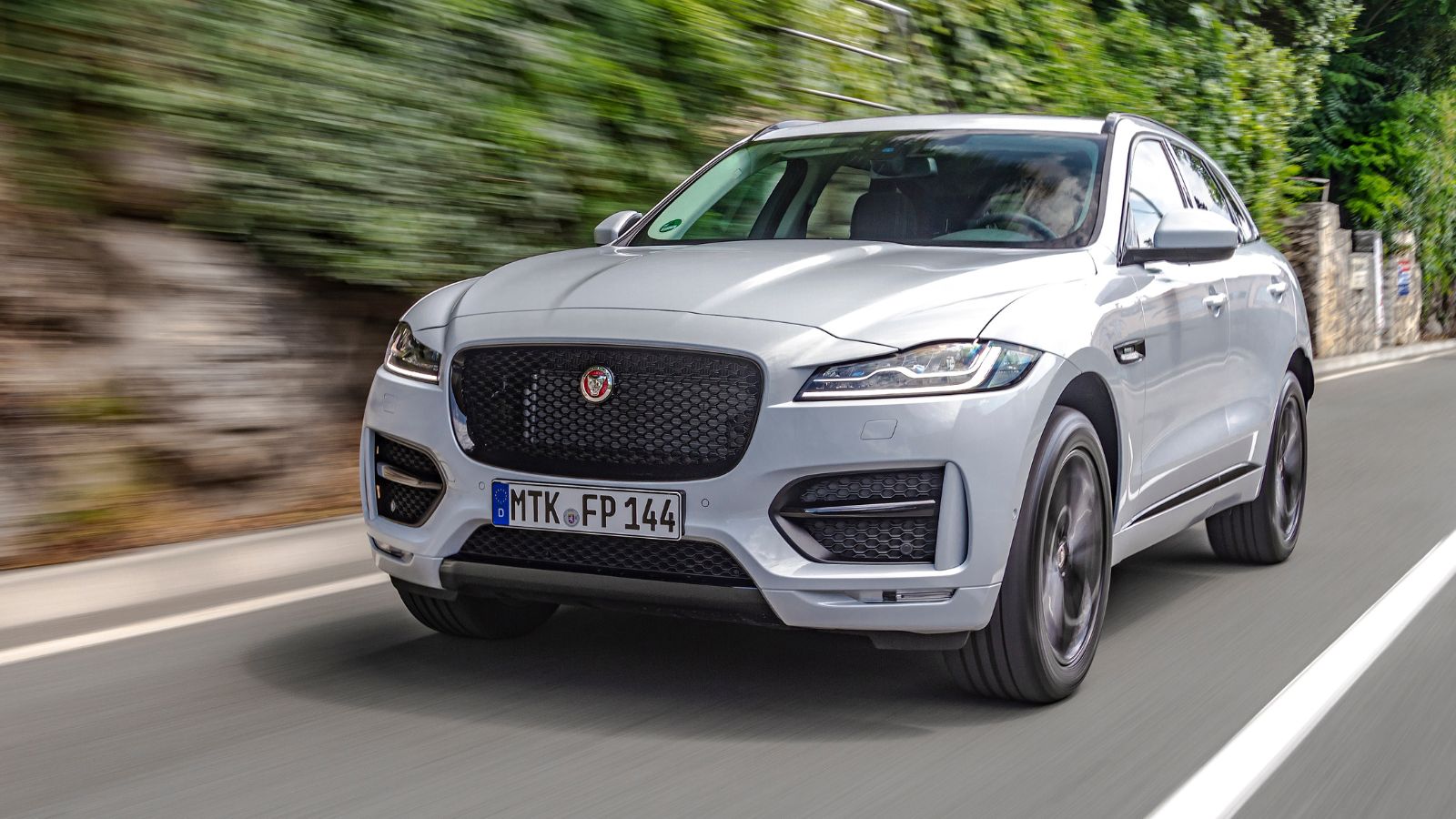
The I Pace delivered strong acceleration and engaging handling, but software reliability overshadowed the driving experience. Owners reported infotainment crashes, charging failures and random warning messages. Updates often created new problems instead of solving old ones. Combined with a small dealer network, even minor issues became major inconveniences for owners.
Audi E Tron Early Models Faced Electrical Gremlins
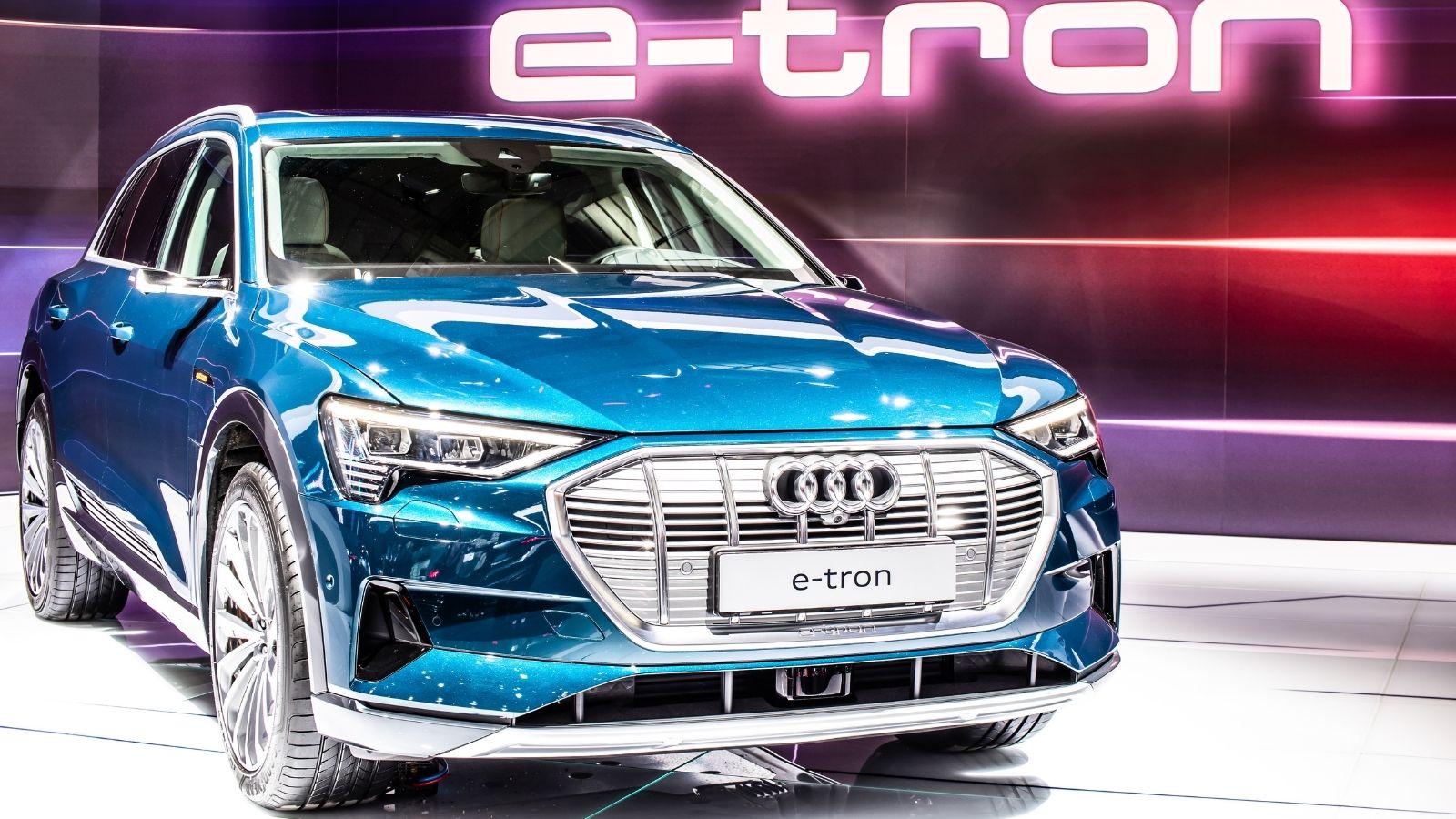
Audi entered the EV market with high expectations, but early E Tron models revealed electrical weaknesses. Charging system faults, sensor errors and software bugs appeared within the first years. Some owners experienced inconsistent fast charging and unexpected range drops. Build quality felt premium, yet the electronics failed to match Audi’s reputation.
Chevrolet Bolt Earned a Battery Safety Scare
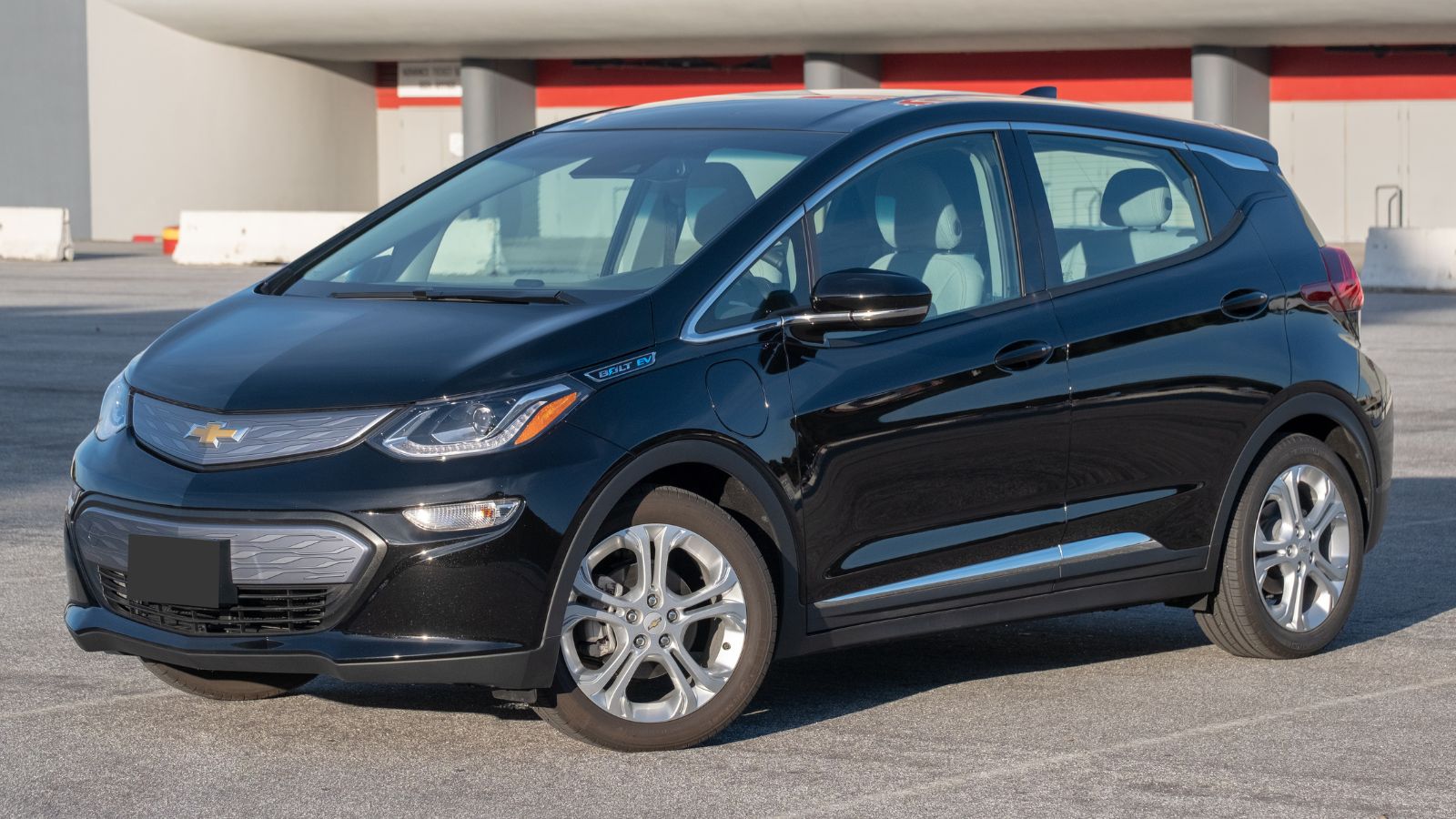
The Bolt became a cautionary tale after widespread battery fire recalls. Even owners who never experienced issues faced charging limits and long waits for battery replacements. Trust suffered badly as safety concerns dominated headlines. While the car itself was simple and efficient, the recall defined ownership for many drivers.
Volkswagen ID 4 Early Software Versions Disappointed
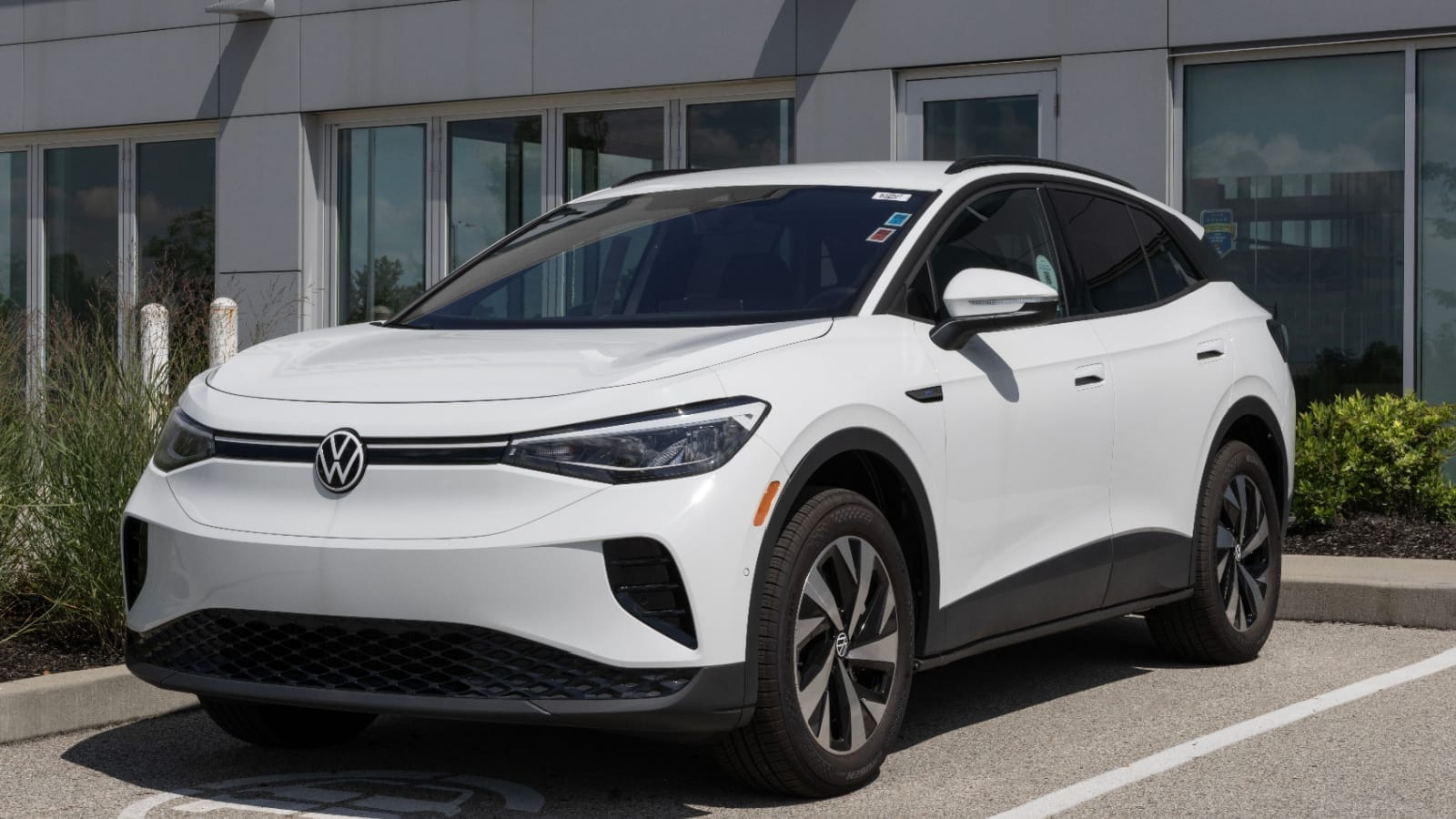
The ID 4 launched with ambitious digital systems that were not fully ready. Slow infotainment, system crashes and driver assist glitches frustrated early adopters. Cold weather highlighted charging communication issues. Volkswagen improved software over time, but first year owners endured problems that hurt confidence in the brand’s EV transition.
Ford Mustang Mach E First Years Had Growing Pains
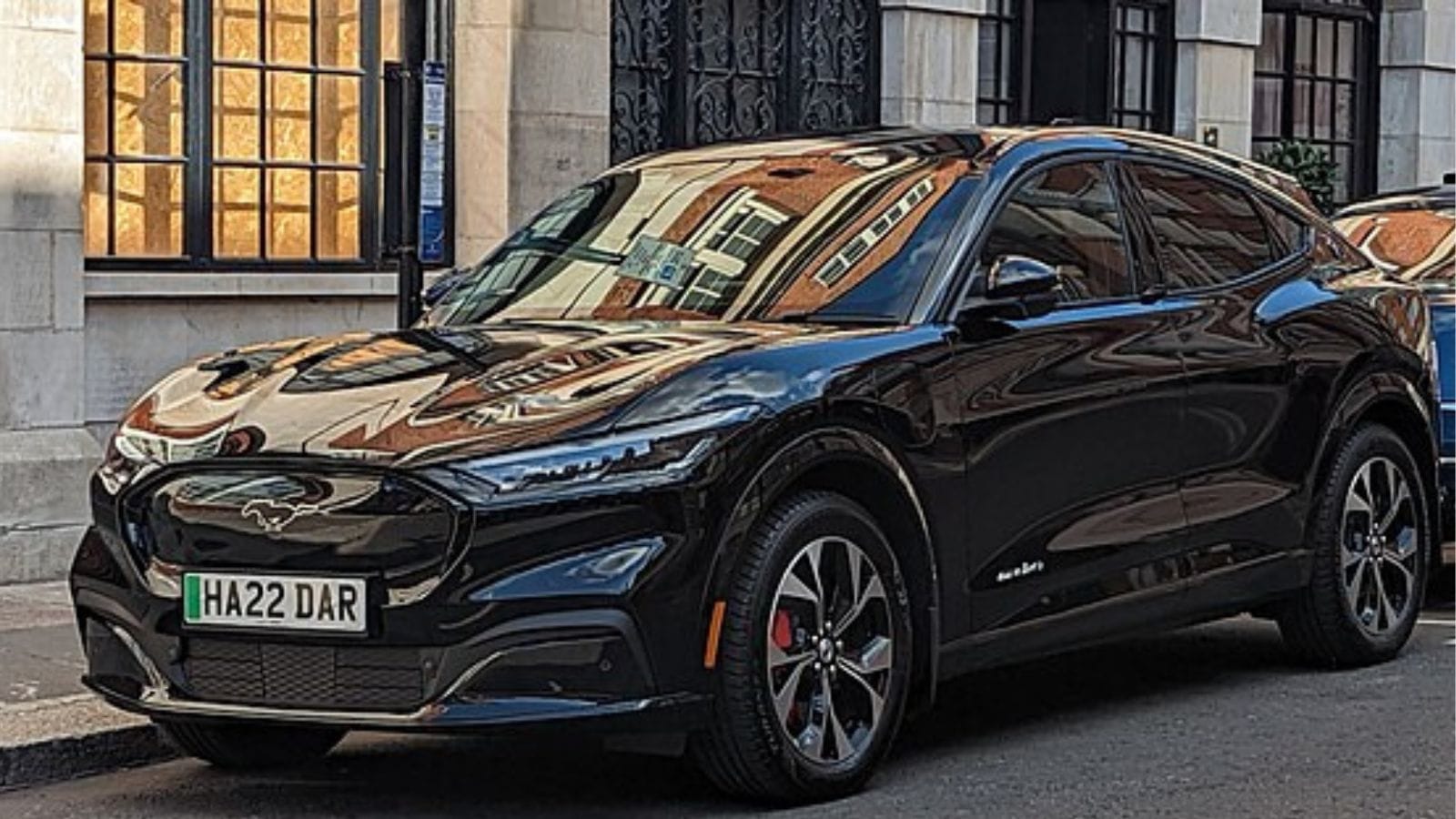
The Mach E impressed with styling and performance but stumbled on reliability. Software bugs caused power loss warnings, charging errors and frozen displays. Winter range drops surprised many owners new to EVs. Ford addressed issues through updates, yet early reliability concerns stuck in consumer memory.
Polestar 2 Struggled With System Resets
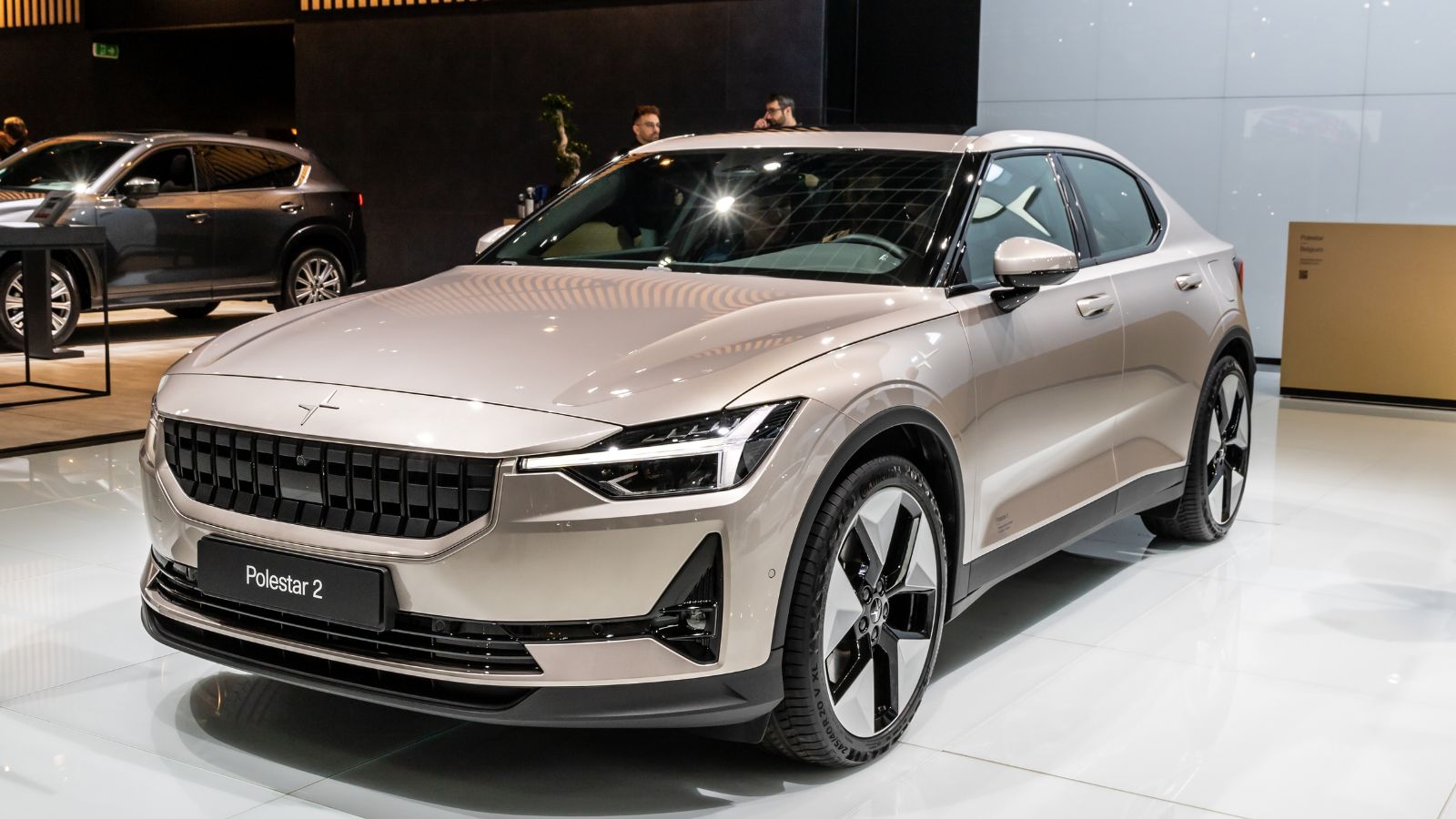
The Polestar 2 gained attention for its design and performance but reliability complaints centered on software. Some owners experienced full system resets that disabled climate control and displays. Charging handshake errors and sensor failures added to frustration. Updates helped, but early instability made ownership stressful.
Hyundai Kona Electric Early Models Faced Battery Concerns
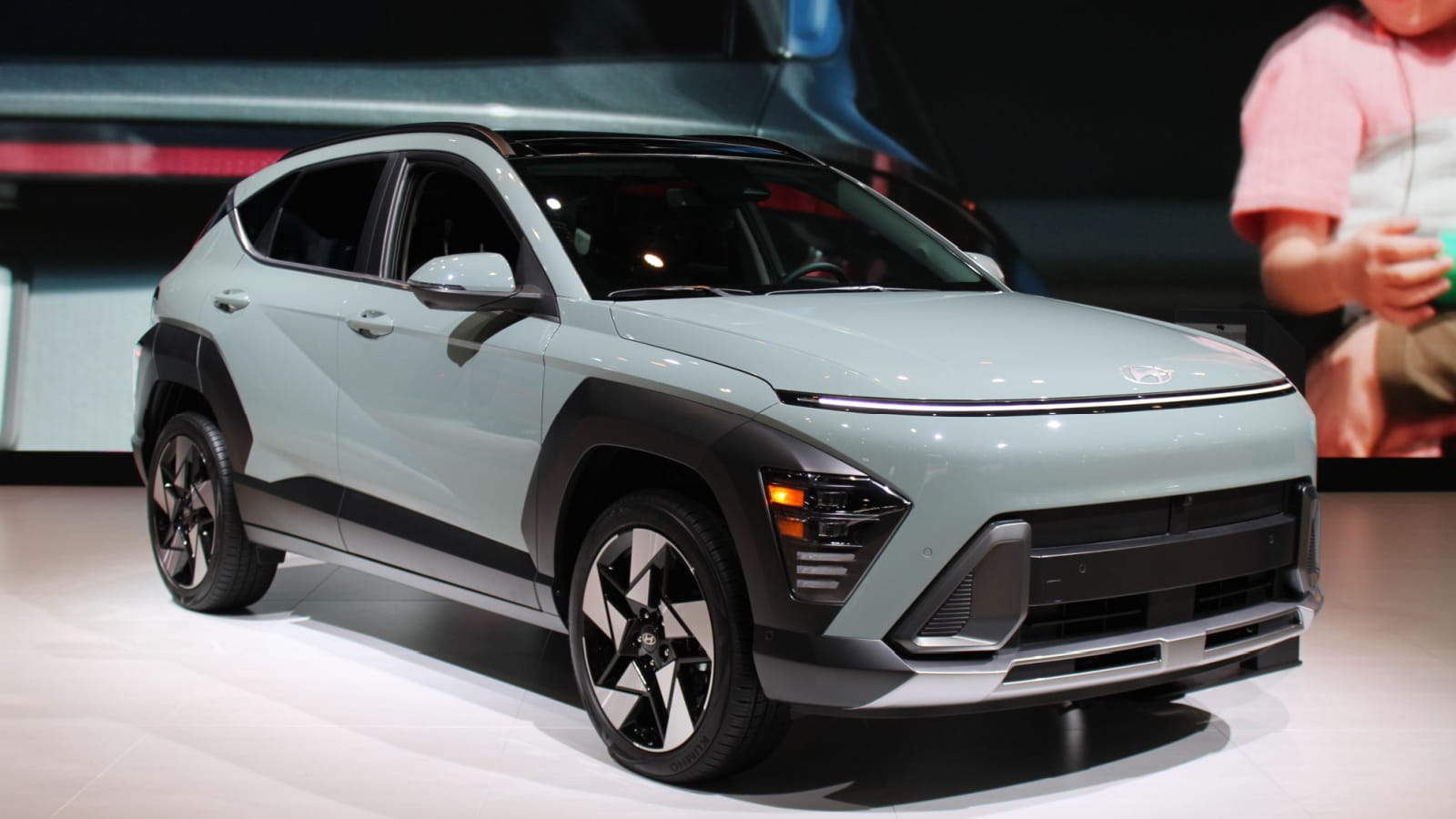
The Kona Electric suffered from battery fire recalls that mirrored the Bolt’s issues. Owners dealt with charging restrictions and extended repair timelines. While the car drove well and delivered strong range, safety concerns overshadowed ownership. Reliability ratings reflected uncertainty until fixes were completed.
25 Facts About Car Loans That Most Drivers Don’t Realize

Car loans are one of the most common ways people fund car purchases. Like any other kind of loan, car loans can have certain features that can be regarded as an advantage or a disadvantage to the borrower. Understanding all essential facts about car loans and how they work to ensure that you get the best deal for your financial situation is essential. Here are 25 shocking facts about car loans that most drivers don’t realize:
25 Facts About Car Loans That Most Drivers Don’t Realize
