
Fuel prices have always influenced how Canadians think about the vehicles they drive. When gasoline prices surge, operating a large truck or SUV can quickly become expensive, especially for drivers with long commutes. At the same time many Canadians rely on larger vehicles for work, winter driving, and family transportation. When fuel costs rise sharply, the question often returns: does downsizing to a smaller vehicle actually make financial sense?
Fuel Price Spikes Change Driving Costs Quickly

Gasoline prices can rise rapidly when global oil markets tighten. Events that affect production or transportation can push fuel costs upward within weeks.
For drivers operating large trucks or full size SUVs, the difference can be significant. Vehicles that consume more fuel magnify the impact of every price increase, especially for commuters traveling long distances each day.
Smaller Vehicles Deliver Immediate Savings
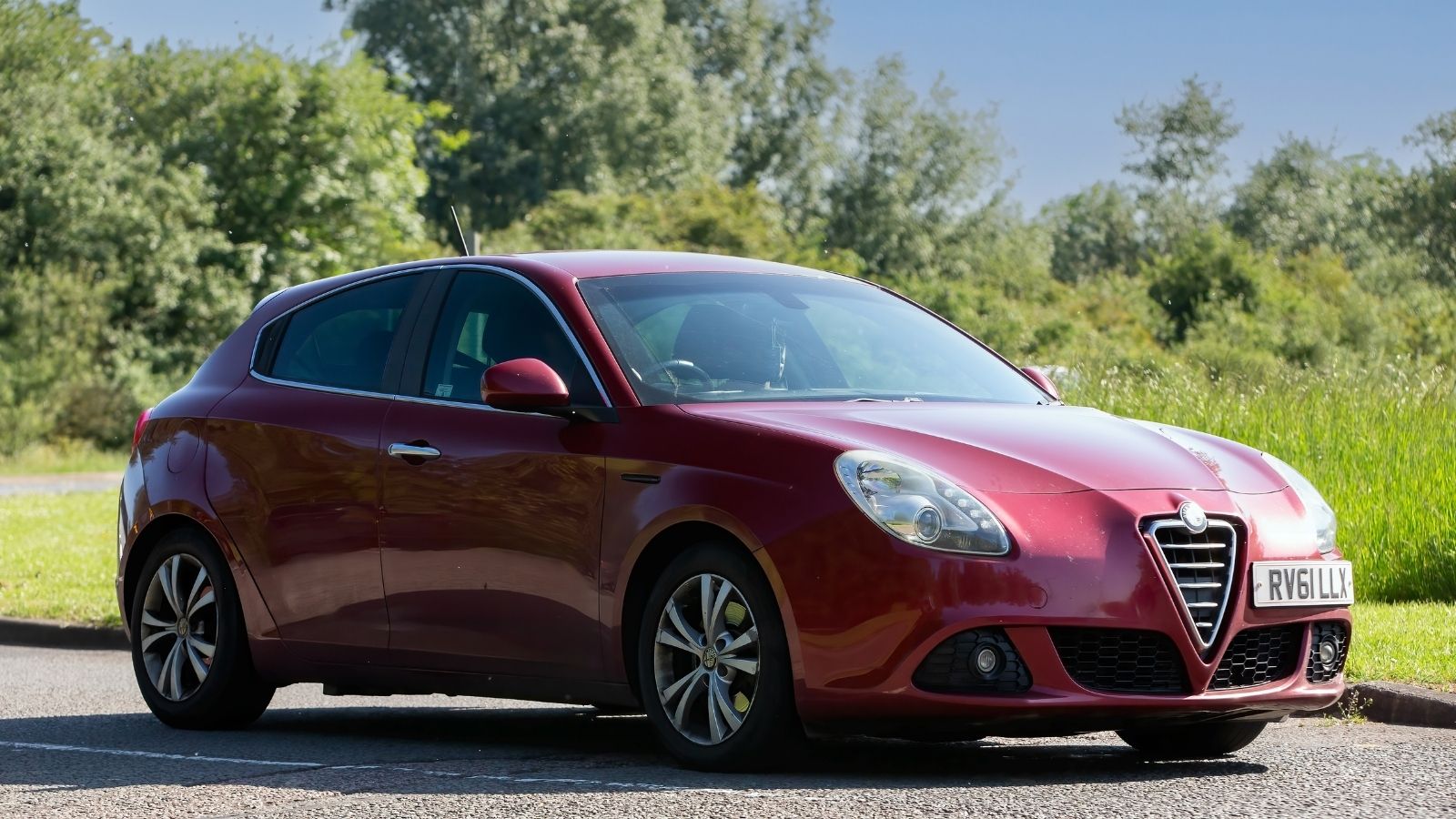
Compact cars and smaller crossovers typically consume far less fuel than large trucks or SUVs. Even modest differences in fuel efficiency can translate into noticeable savings over time.
For drivers who spend many hours on the road, those savings accumulate quickly. Over the course of a year, reduced fuel consumption can offset a portion of the cost of purchasing a smaller vehicle.
Modern Crossovers Offer a Middle Ground
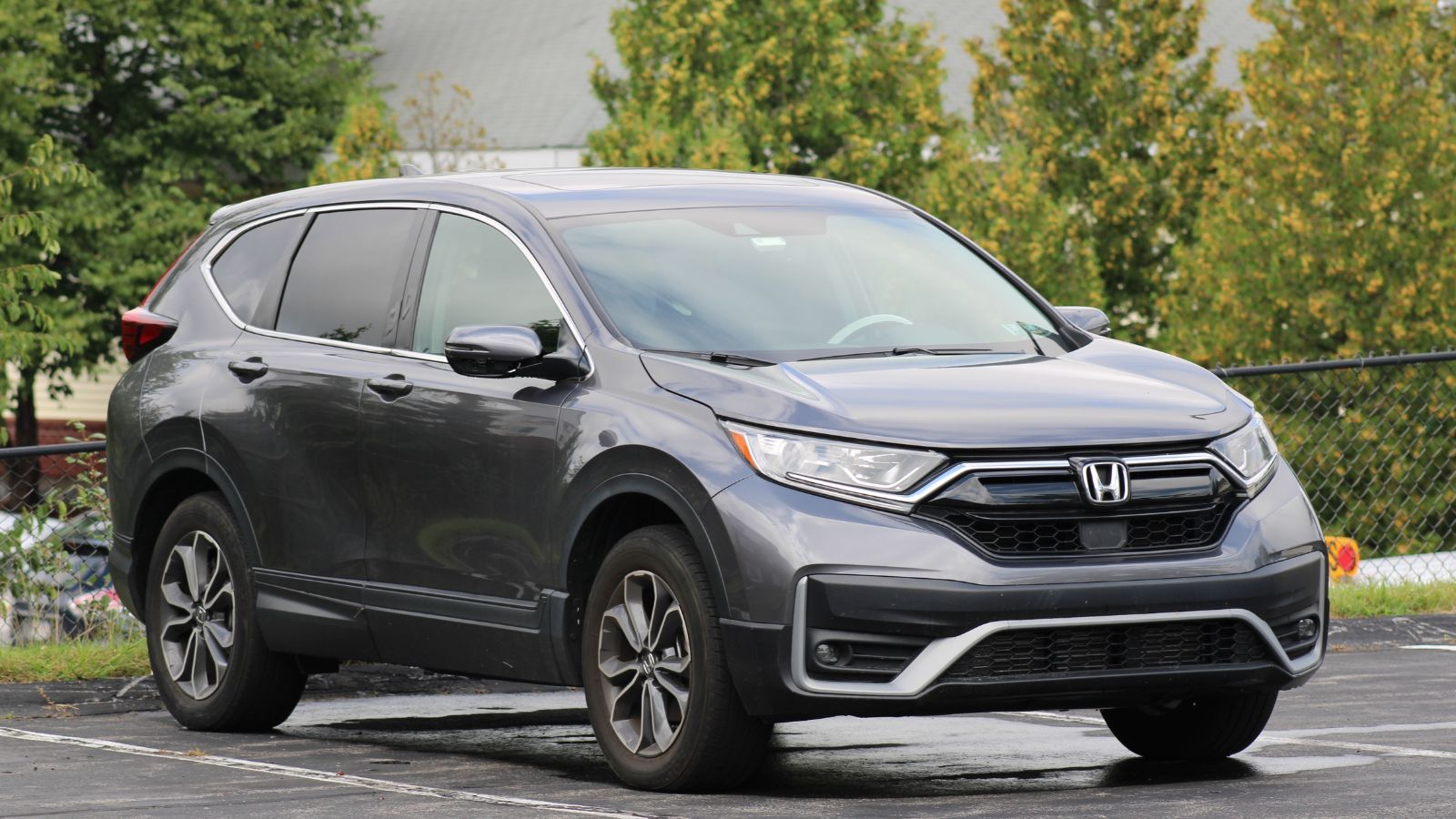
Many Canadians are reluctant to give up the versatility of an SUV. Cargo space, higher driving position, and available all wheel drive remain important features for many drivers.
Compact crossovers have become popular partly because they balance these needs with improved fuel efficiency. Models such as the Toyota RAV4, Honda CR V, and Subaru Forester provide practicality while consuming less fuel than larger vehicles.
Hybrid Vehicles Change the Equation

Hybrid technology has improved dramatically in recent years. Hybrid SUVs and sedans can deliver impressive fuel economy while maintaining strong performance.
For drivers concerned about fuel price volatility, hybrid vehicles provide another option besides downsizing completely. They allow owners to maintain similar vehicle size while reducing fuel consumption.
Trucks Remain Essential for Many Drivers
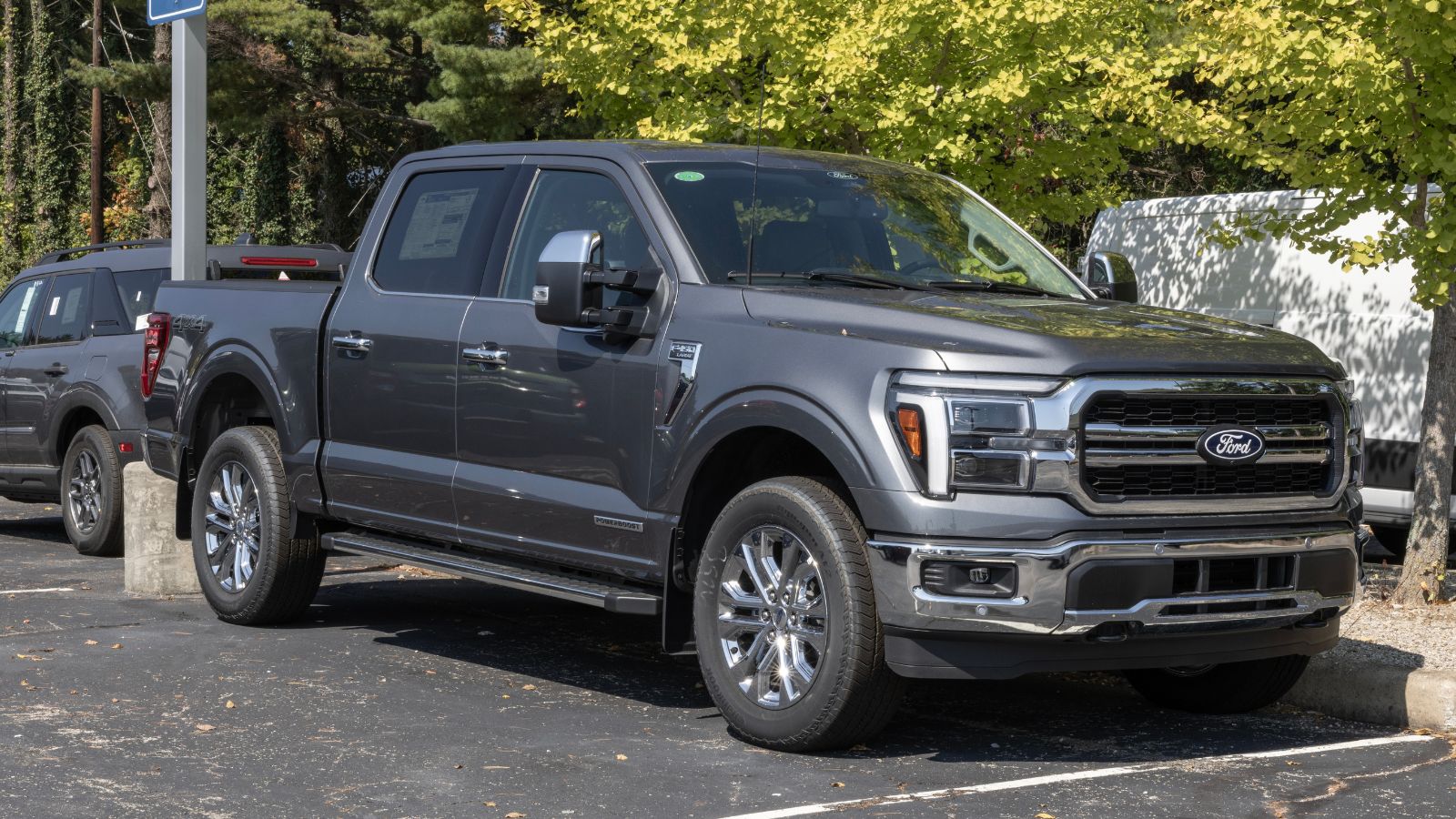
Despite rising fuel prices, pickup trucks remain essential tools for many Canadians. Tradespeople, contractors, and rural residents often rely on trucks for work or towing.
For these drivers downsizing may not be practical. Instead they may look for more efficient truck engines or newer models that offer improved fuel economy compared with older designs.
Driving Habits Matter as Much as Vehicle Size

Fuel efficiency depends not only on the vehicle but also on how it is driven. Aggressive acceleration, high speeds, and frequent short trips can increase fuel consumption.
Drivers who adopt smoother driving habits may reduce fuel usage even without changing vehicles. In some cases this approach can provide meaningful savings.
The Total Cost of Ownership Matters
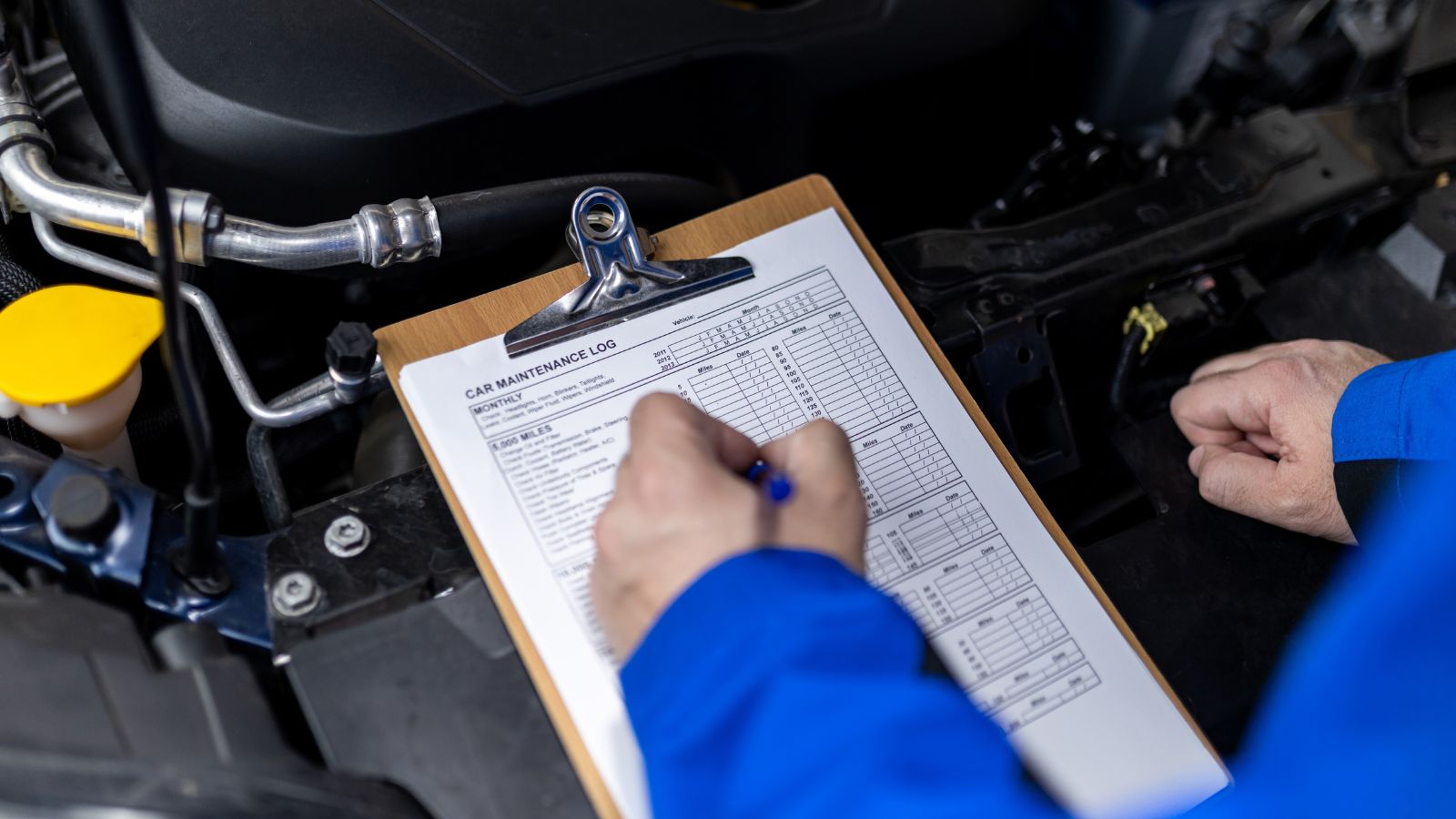
Switching to a smaller vehicle involves more than just comparing fuel economy figures. Purchase price, insurance, maintenance costs, and resale value all influence long term expenses.
For some drivers, the financial advantage of downsizing may be smaller than expected once these factors are considered.
Fuel Price Cycles Often Change Again

Fuel markets rarely remain at extreme levels forever. Prices can rise sharply during periods of instability and later decline once supply stabilizes.
Because of this cycle, some drivers prefer to choose vehicles that balance efficiency with practicality rather than reacting immediately to short term price spikes.
Flexibility Remains the Key
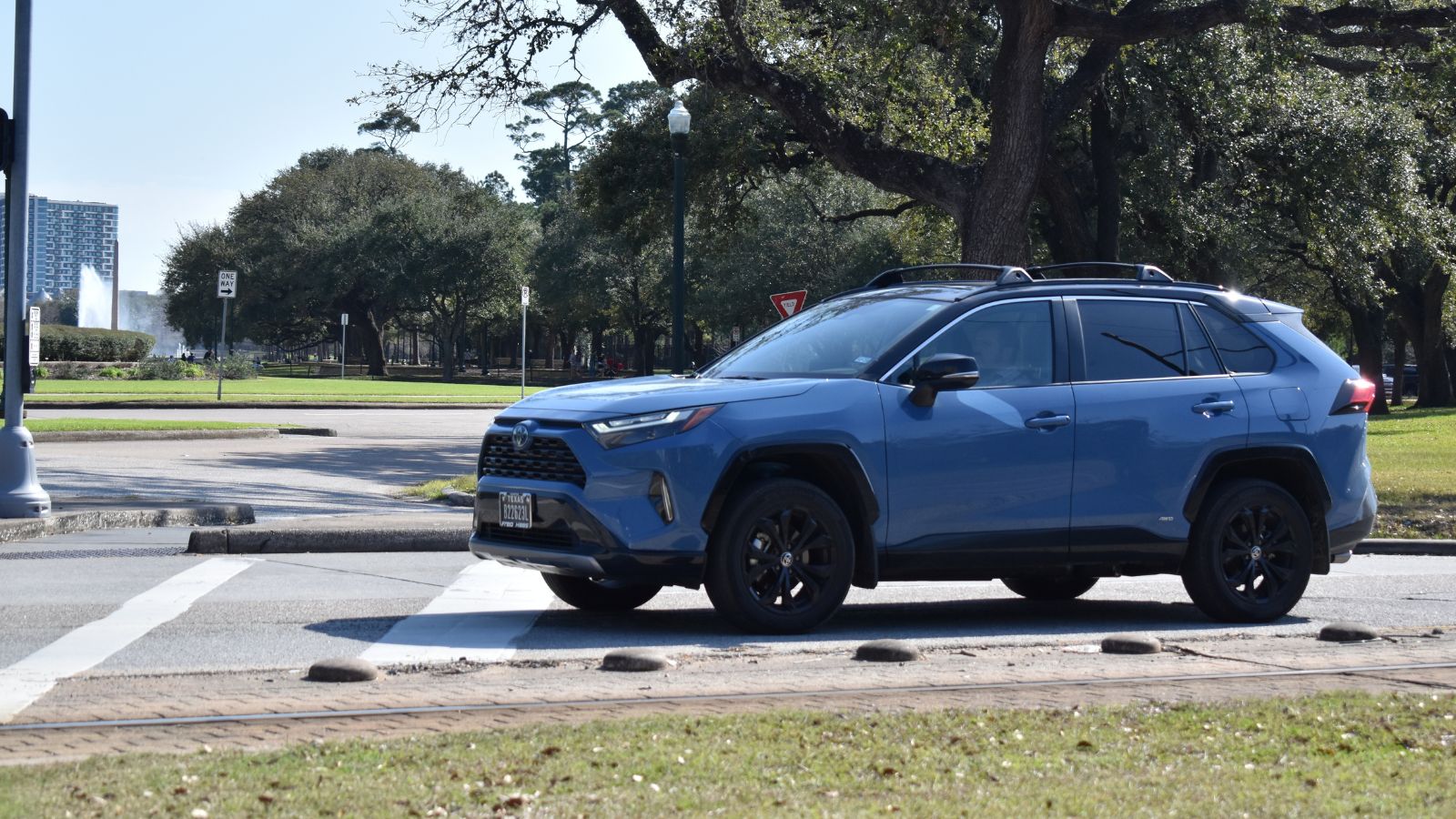
For many Canadians the ideal solution is a vehicle that meets everyday needs while remaining reasonably efficient. Compact SUVs, hybrids, and modern four cylinder engines have made that balance easier to achieve.
When fuel prices spike, downsizing can help reduce operating costs. But for many drivers the smarter decision is finding a vehicle that delivers efficiency without sacrificing the capability they rely on every day.
25 Facts About Car Loans That Most Drivers Don’t Realize

Car loans are one of the most common ways people fund car purchases. Like any other kind of loan, car loans can have certain features that can be regarded as an advantage or a disadvantage to the borrower. Understanding all essential facts about car loans and how they work to ensure that you get the best deal for your financial situation is essential. Here are 25 shocking facts about car loans that most drivers don’t realize:
25 Facts About Car Loans That Most Drivers Don’t Realize
