
Fuel prices have always influenced the vehicles Canadians choose to drive. When gasoline becomes expensive, drivers often reconsider how much fuel their vehicles consume. When prices stabilize or fall, larger trucks and SUVs regain popularity. As global oil markets remain unpredictable, some industry observers are asking whether fuel price swings could once again reshape Canada’s automotive landscape in 2026.
Fuel Prices Have Always Influenced Car Buying

Throughout automotive history, fuel costs have played a major role in vehicle trends. Periods of rising gasoline prices often push buyers toward smaller and more efficient vehicles.
Canada experienced similar shifts in the past. During times when fuel prices climbed sharply, compact cars and hybrids gained attention as drivers looked for ways to reduce operating costs.
Large Trucks Still Dominate the Market
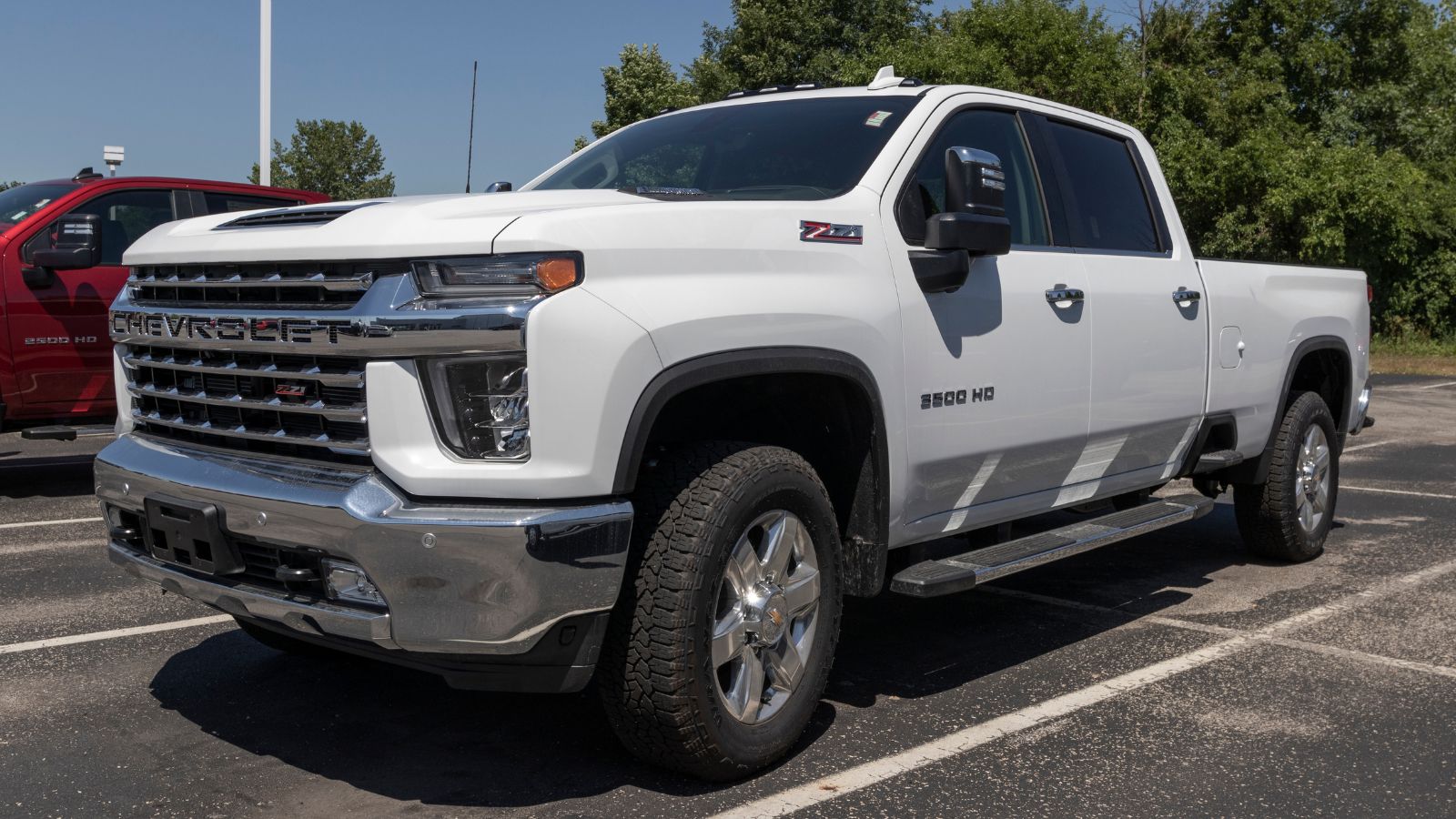
Despite concerns about fuel prices, full size pickup trucks remain the most popular vehicles in Canada. Models like the Ford F150, Ram 1500, and Chevrolet Silverado continue to dominate sales charts.
Many Canadians rely on trucks for work, towing, and outdoor activities. Even when fuel prices increase, these vehicles remain essential for many drivers.
Hybrid Vehicles Are Gaining Interest

Hybrid technology has improved dramatically in recent years. Vehicles such as the Toyota RAV4 Hybrid and Honda CR V Hybrid offer excellent fuel efficiency while maintaining the practicality Canadians expect.
If gasoline prices rise significantly, hybrids could attract more attention from buyers who want to reduce fuel costs without switching fully to electric vehicles.
Smaller SUVs Offer a Compromise

Compact crossovers have become one of the fastest growing vehicle segments. They provide much of the space and versatility of larger SUVs while consuming less fuel.
For drivers who want practicality without the higher fuel consumption of larger vehicles, compact SUVs may become an increasingly attractive option.
Electric Vehicles Continue Expanding

Electric vehicles are gaining traction in many parts of Canada, particularly in provinces with strong charging infrastructure.
If fuel prices increase dramatically, EVs may appear more appealing to some buyers. However charging infrastructure, cold weather performance, and purchase price remain important considerations for many drivers.
Long Distances Remain a Challenge

Canada’s geography continues to influence vehicle choices. Many drivers regularly travel long distances between cities or through rural areas.
Because of this, vehicles that combine efficiency with long driving range often remain the most practical option for many Canadians.
Automakers Are Preparing for Changing Demand

Manufacturers are increasingly offering multiple powertrain options for popular models. Hybrid versions, plug in hybrids, and electric variants are becoming more common.
This flexibility allows automakers to respond more quickly if fuel prices shift dramatically.
Consumer Habits Often Change Slowly

Even when fuel prices increase, buying patterns do not always change immediately. Drivers often keep their vehicles for many years, and replacing them can take time.
As a result, shifts in fuel prices may influence future purchases rather than creating instant changes in what Canadians drive.
The Market May Continue Diversifying

Instead of moving entirely toward one type of vehicle, the Canadian market may continue becoming more diverse. Trucks, hybrids, efficient SUVs, and electric vehicles may all play important roles.
Fuel price swings could influence which categories grow fastest, but Canadians are likely to keep choosing vehicles that fit their lifestyles and driving needs.
Oil markets have always influenced the automotive industry, but they are only one piece of a larger puzzle. Geography, technology, and personal preference all shape what Canadians choose to drive. As 2026 approaches, fuel price volatility may push buyers toward more efficient options, but it is unlikely to completely reshape the vehicles Canadians depend on every day.
25 Facts About Car Loans That Most Drivers Don’t Realize

Car loans are one of the most common ways people fund car purchases. Like any other kind of loan, car loans can have certain features that can be regarded as an advantage or a disadvantage to the borrower. Understanding all essential facts about car loans and how they work to ensure that you get the best deal for your financial situation is essential. Here are 25 shocking facts about car loans that most drivers don’t realize:
25 Facts About Car Loans That Most Drivers Don’t Realize
