
Turbocharged engines can make an ordinary commute feel sharper, quicker, and more modern. A small engine that delivers big power sounds like an easy win, especially when automakers pair turbocharging with promises of better efficiency and stronger acceleration. The appeal is real: a turbocharger forces more air into the engine, helping it produce more power from less displacement.
Still, ownership can bring trade-offs that are easy to miss during a test drive. Heat, oil quality, fuel choice, repair costs, and driving habits all matter more when an engine is boosted. These 12 hidden downsides explain why a turbocharged vehicle can be rewarding, but not always as simple or inexpensive as it first appears.
Maintenance Becomes Less Forgiving
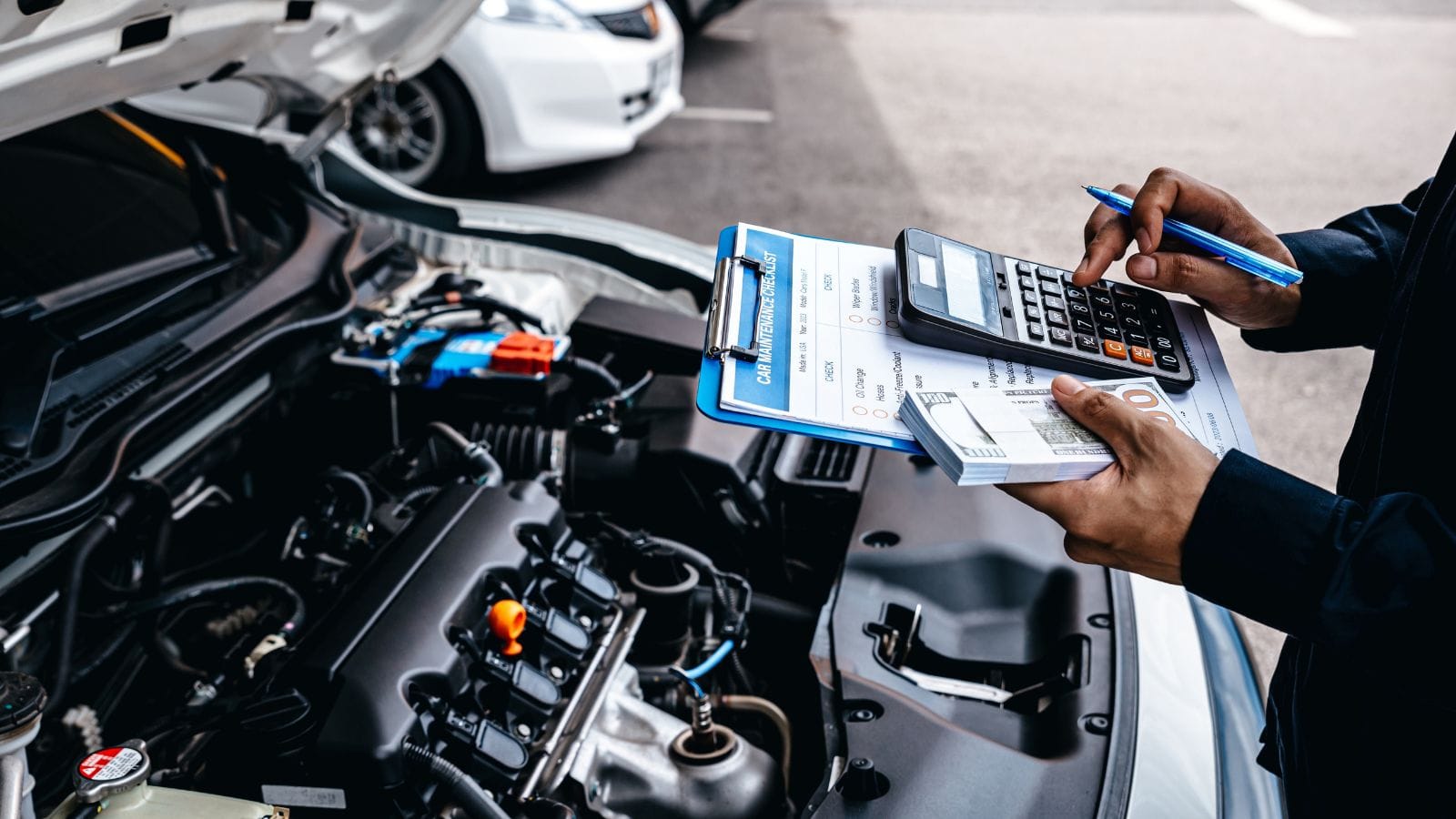
Turbocharged engines place greater importance on clean oil, proper viscosity, and timely servicing. The turbocharger’s bearings rely on engine oil for lubrication and cooling, while the unit itself operates in a very hot part of the engine bay. That means neglected oil changes are not just bad for the engine; they can also threaten the turbocharger. In a naturally aspirated car, late maintenance may still cause wear, but a turbo system often has less tolerance for dirty oil, low oil levels, or blocked oil passages.
The practical downside shows up in everyday ownership. A driver who stretches service intervals to save money may later face rough running, smoke, reduced power, or an expensive turbo failure. High-quality synthetic oil, correct filters, and documented maintenance become more important. That does not make every turbo engine fragile, but it does make casual neglect riskier than many buyers expect.
Fuel Savings Can Disappear in Real Driving

Turbocharged engines are often promoted as a way to get the power of a larger engine with the fuel use of a smaller one. Under gentle cruising, that idea can work. A smaller turbo engine may consume less fuel when it is lightly loaded, especially on steady highway trips. However, the moment the driver frequently asks for boost, the engine needs more fuel to match the extra air being forced into the cylinders.
This is why some owners feel disappointed after several months. The dashboard rating looked efficient, but stop-and-go traffic, fast merging, short errands, and hilly routes can erase much of the advantage. A compact SUV with a turbo four-cylinder may feel lively, yet return fuel economy closer to an older six-cylinder if it is driven hard. The engine is smaller, but the physics of making power still requires fuel.
Premium Fuel May Become Part of the Budget
Some turbocharged vehicles are designed to run on regular fuel, while others recommend or require premium. The reason is simple: turbocharging increases cylinder pressure, and higher-octane fuel can help resist knock under load. On vehicles that only recommend premium, regular fuel may still be allowed, but performance, refinement, or efficiency can suffer depending on the engine management system and driving conditions.
That difference can become a recurring cost rather than a one-time surprise. A buyer who focuses only on monthly payments may overlook the pump price difference over years of ownership. The effect is especially noticeable for commuters, families with long weekend drives, or drivers who tow or carry heavy loads. A turbocharged vehicle that seemed affordable at purchase can feel less economical if it regularly performs best on higher-priced fuel.
Heat Management Matters More Than Expected
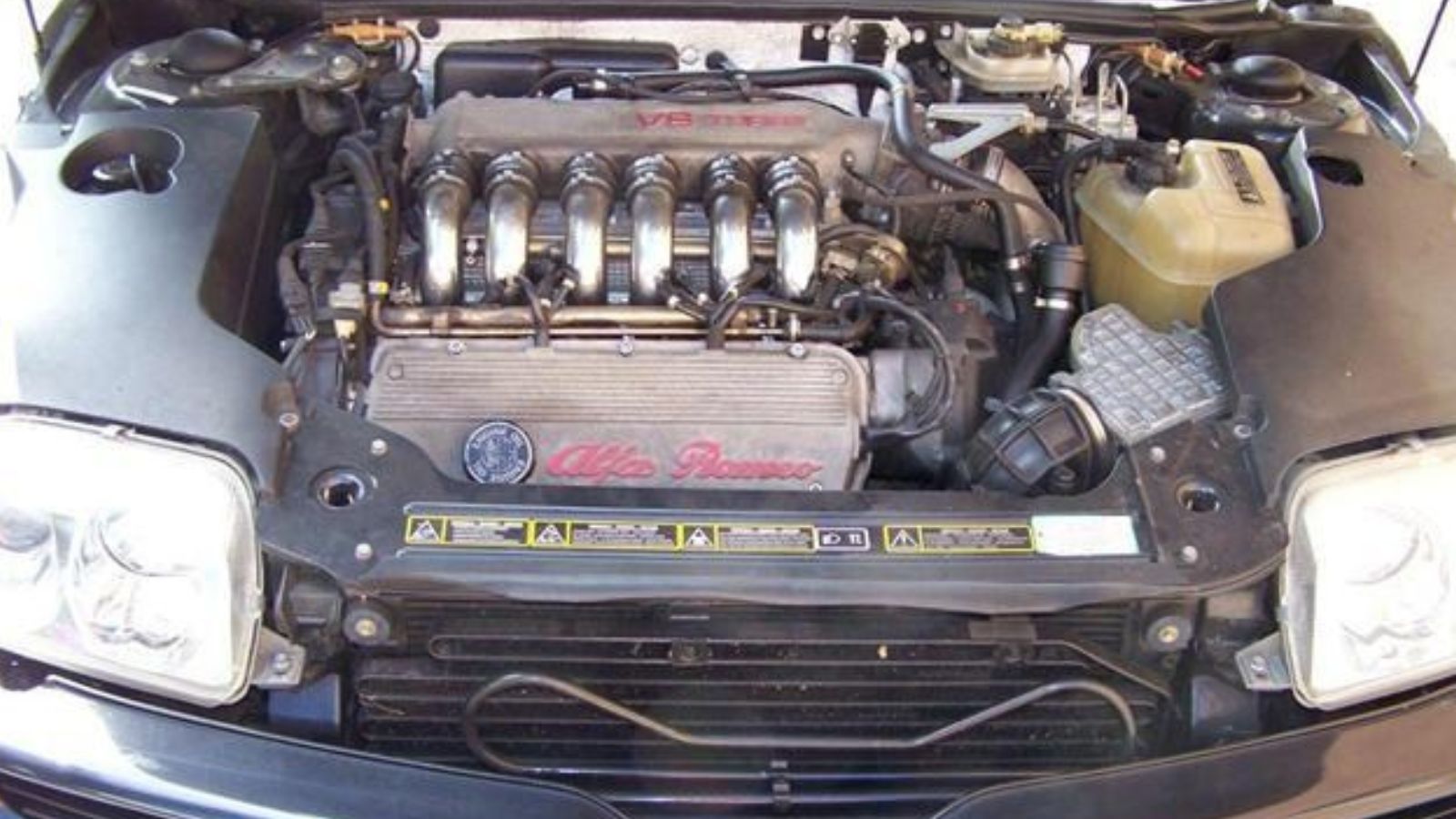
A turbocharger lives in a demanding environment because it is driven by exhaust gases. After hard acceleration, highway climbing, or towing, heat can remain trapped around the turbo even after the engine is shut off. Modern water-cooled turbochargers are better at handling this than older designs, but heat soak remains a real engineering concern. Oil exposed to extreme heat can degrade, and deposits can form in sensitive passages.
For owners, this creates subtle habits that matter. It is wise to avoid heavy throttle immediately after a cold start and to drive gently after sustained high-load use before shutting the engine down. Most daily drivers do not need race-car rituals, but a turbocharged engine rewards mechanical sympathy. The downside is that the vehicle asks for more attention than a simpler engine, particularly when used in hot weather, mountains, or heavy traffic.
Throttle Response Can Feel Uneven

Turbo lag has improved dramatically, but it has not disappeared. A turbocharger needs exhaust energy to spin fast enough to create boost, so some engines still have a brief delay between pressing the accelerator and feeling full power. Automakers use smaller turbos, twin-scroll designs, variable geometry systems, electric assistance, and careful transmission tuning to reduce the sensation, but the response is not always as linear as a naturally aspirated engine.
This can affect everyday comfort more than raw acceleration numbers suggest. In parking lots, roundabouts, snowy roads, or city traffic, a driver may notice a soft response followed by a stronger surge. That behavior can make smooth driving harder, especially for someone coming from a conventional engine. A short test drive may make the turbo feel exciting; months of commuting can make the same power delivery feel jumpy or inconsistent.
Carbon Buildup Can Become a Long-Term Issue
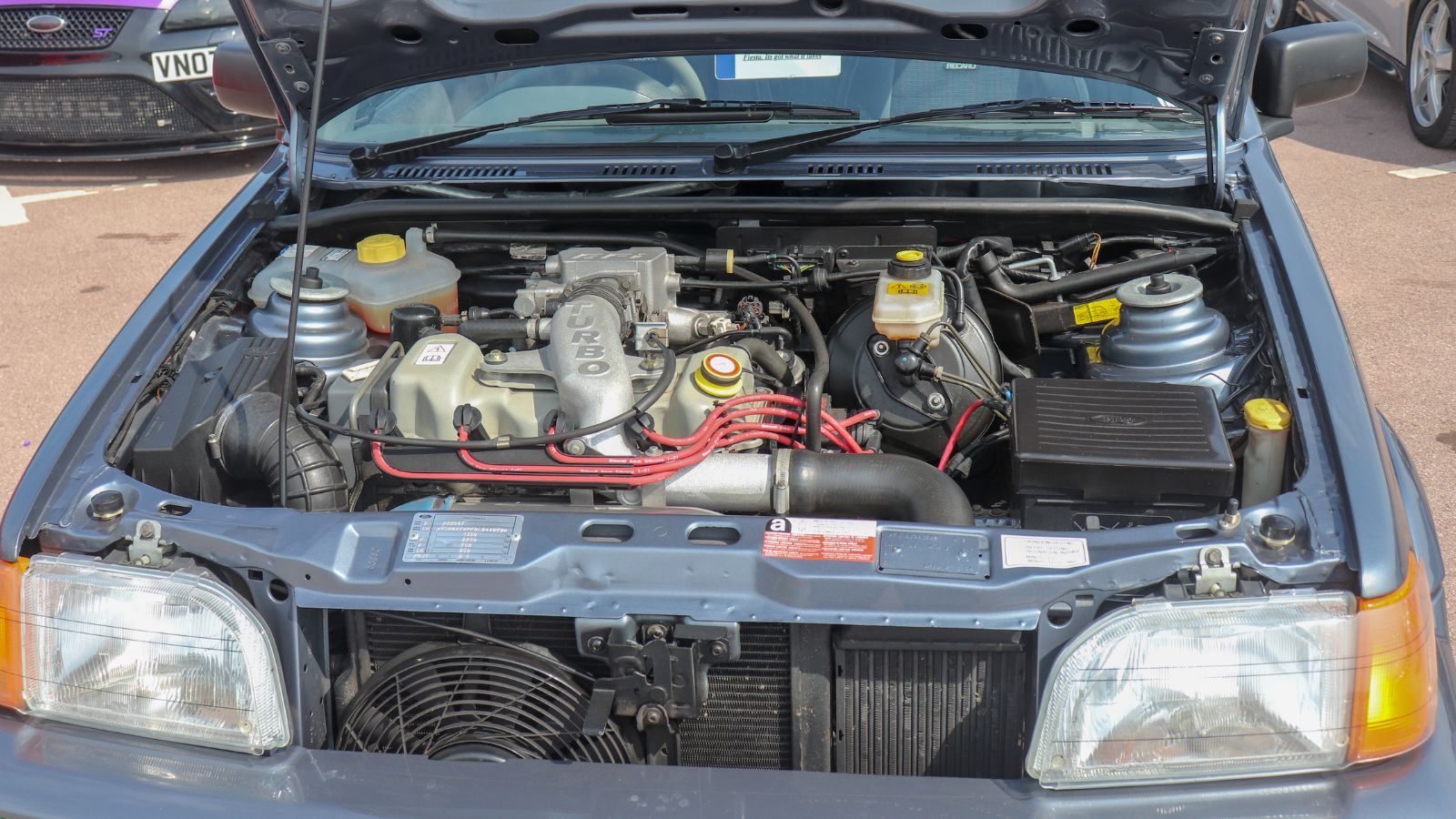
Many modern turbocharged gasoline engines also use direct injection. This combination can improve power and efficiency, but it may introduce intake valve deposit problems on some designs. In port-injected engines, fuel washes over the intake valves. In direct-injected engines, fuel is sprayed directly into the combustion chamber, so oil vapour and combustion byproducts can accumulate on intake valves instead of being washed away.
The symptoms may arrive gradually. A vehicle can start normally, then develop rough idle, hesitation, reduced fuel economy, or check-engine warnings as deposits build. Some engines use dual injection systems to reduce the risk, and not every direct-injected turbo engine suffers equally. Still, carbon cleaning can be labour-intensive because technicians may need to access the intake tract. For used-car buyers, this hidden maintenance item can be easy to miss until drivability problems appear.
Repairs Can Be Expensive When the Turbo Fails
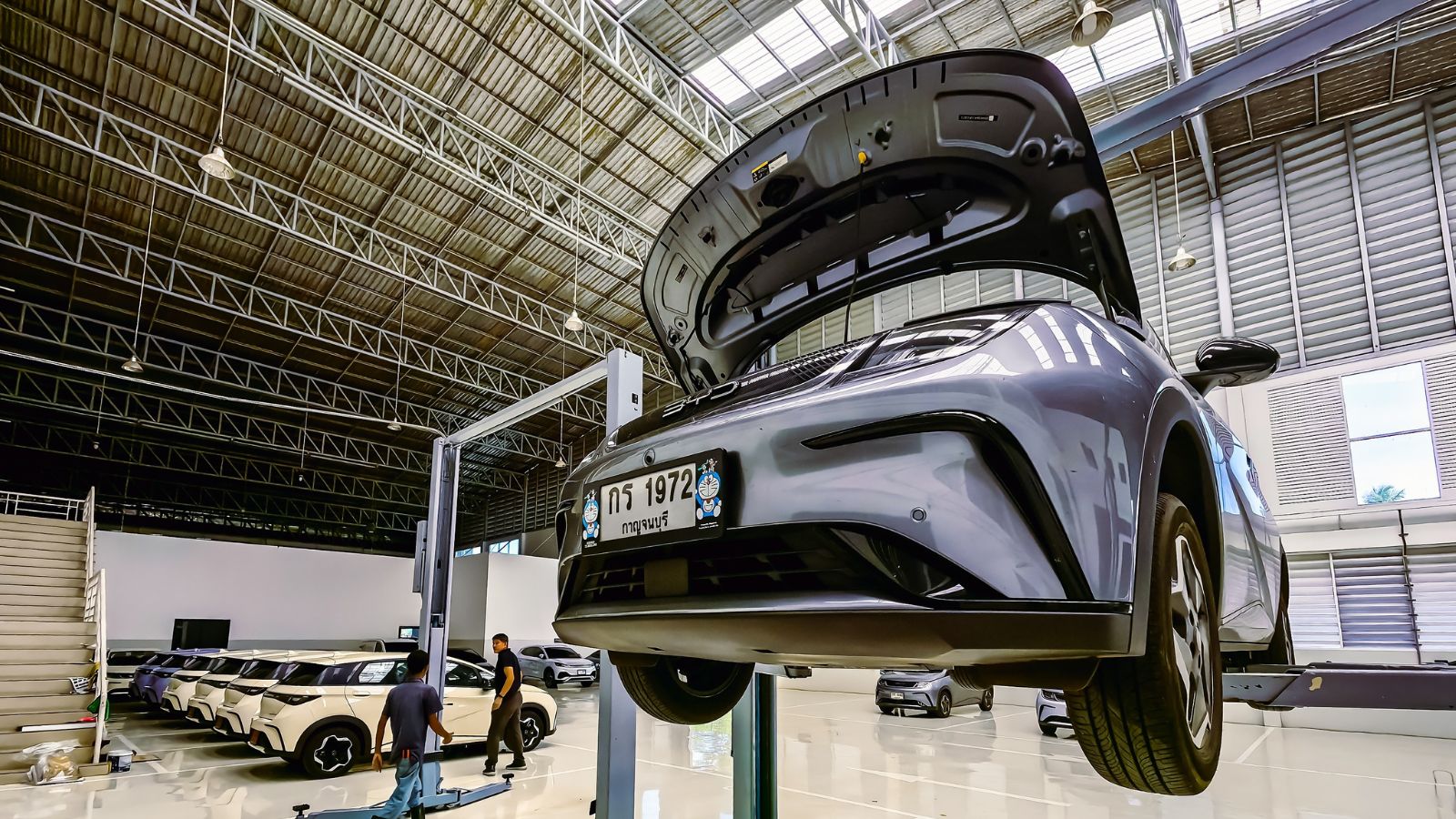
A turbocharger is not a minor accessory. It is a precision component tied into the exhaust, intake, lubrication, cooling, and engine-management systems. When it fails, the repair may involve more than simply bolting on a replacement unit. Shops often inspect oil feed lines, intercooler piping, sensors, gaskets, and related components to prevent the new turbo from failing again. Labour can rise quickly because access is often tight.
This is where ownership costs can become uncomfortable. Turbo replacement commonly reaches thousands of dollars, and a severe failure can send debris or oil into places it should not go. A naturally aspirated engine has fewer boost-related parts to fail. A turbo engine may offer excellent performance for years, but once the warranty is gone, a single major repair can erase much of the fuel savings or purchase-price advantage that attracted the buyer.
Short Trips and Cold Weather Are Harder on Efficiency

Cold starts are tough on any gasoline engine, but turbocharged engines can feel the impact sharply because they often depend on precise oil flow, tight tolerances, and careful temperature control. In cold weather, oil and transmission fluids are thicker, engines take longer to reach efficient operating temperature, and short trips may end before the vehicle is fully warmed up. That hurts fuel economy and can also make moisture and fuel dilution concerns more relevant.
The owner who mostly drives five minutes to work or school may never see the efficiency promised on the window sticker. The engine spends too much time warming up and too little time operating at its best. Add winter tires, defrosters, remote starts, and stop-and-go traffic, and the turbo advantage can shrink quickly. For short-hop drivers, the hidden downside is not poor design; it is a mismatch between the technology and the driving pattern.
Heavy Loads Can Make a Small Engine Work Hard
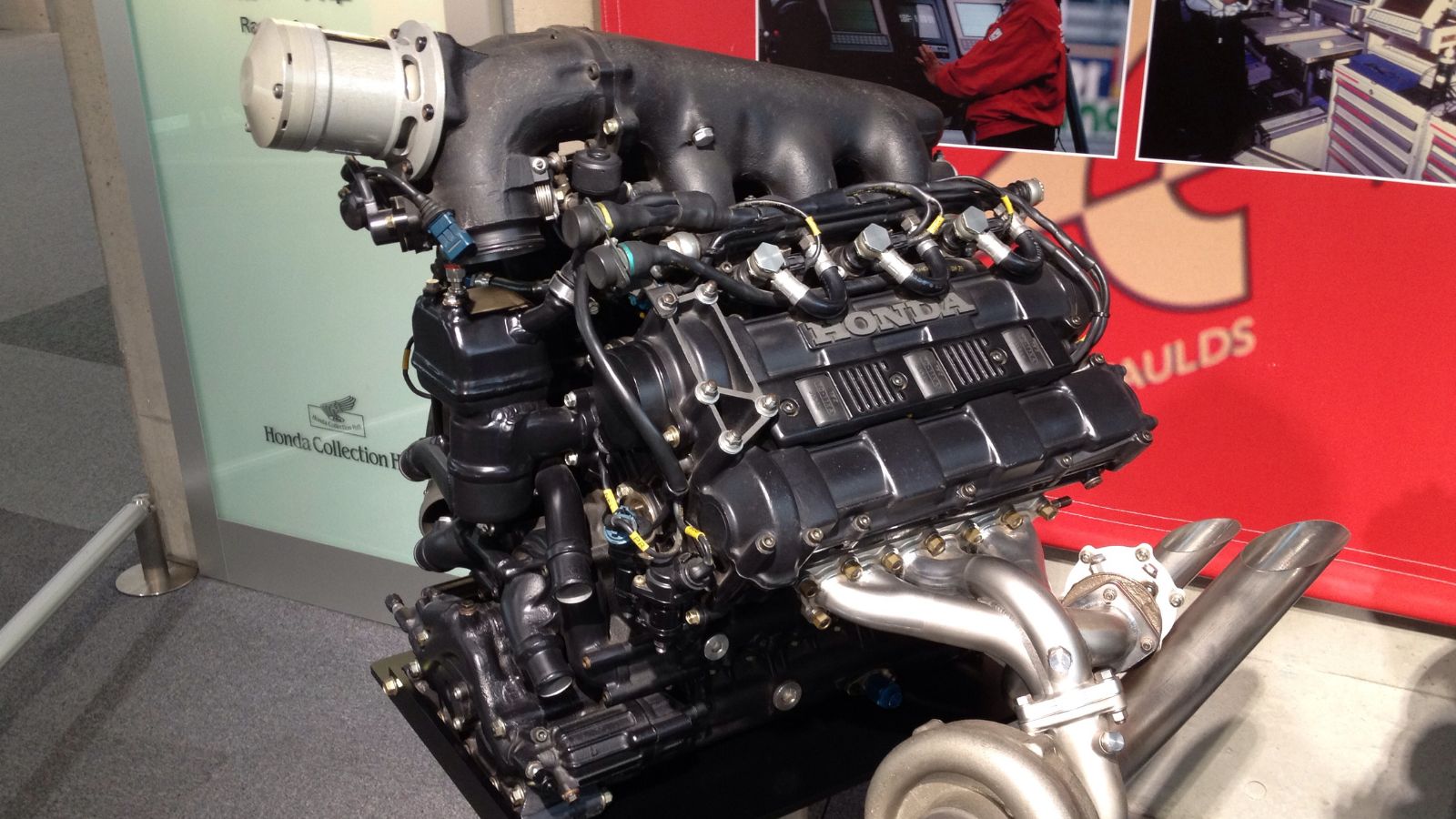
Turbocharging allows a smaller engine to produce impressive torque, which is why many SUVs, crossovers, and pickups now use boosted four-cylinder or six-cylinder engines. On paper, the numbers can look excellent. In real use, however, towing, steep grades, roof boxes, full passenger loads, and hot weather can keep the engine in boost for longer periods. More boost means more heat, more fuel, and more stress on supporting systems.
This matters for families and weekend travellers. A turbocharged crossover may feel effortless during a solo test drive but work much harder with luggage, bikes, passengers, and a trailer. The vehicle may still be within its rated limits, yet the fuel economy penalty can be steep. Owners who regularly haul weight should look beyond horsepower and torque figures and consider cooling capacity, maintenance schedules, transmission behaviour, and real-world fuel consumption under load.
Tuning and Modifications Can Complicate Warranty Claims

Turbocharged engines attract modifications because extra power can sometimes be unlocked through software tuning, intake changes, exhaust upgrades, or boost adjustments. The appeal is understandable: a small turbo engine may respond dramatically to a tune. The downside is that added boost can increase cylinder pressure, exhaust temperature, clutch stress, transmission load, and cooling demands. A modest-looking modification can change how the entire powertrain is being used.
Warranty questions can become complicated. Aftermarket parts do not automatically cancel a warranty, but a manufacturer or dealer may deny coverage if a modification is shown to have caused the failure. That distinction matters. A tune linked to overboost, detonation, or drivetrain damage can leave the owner paying for repairs. Buyers who want warranty peace of mind may find a turbocharged vehicle less tempting once modification limits are understood.
Emissions Systems Can Add Another Layer of Complexity
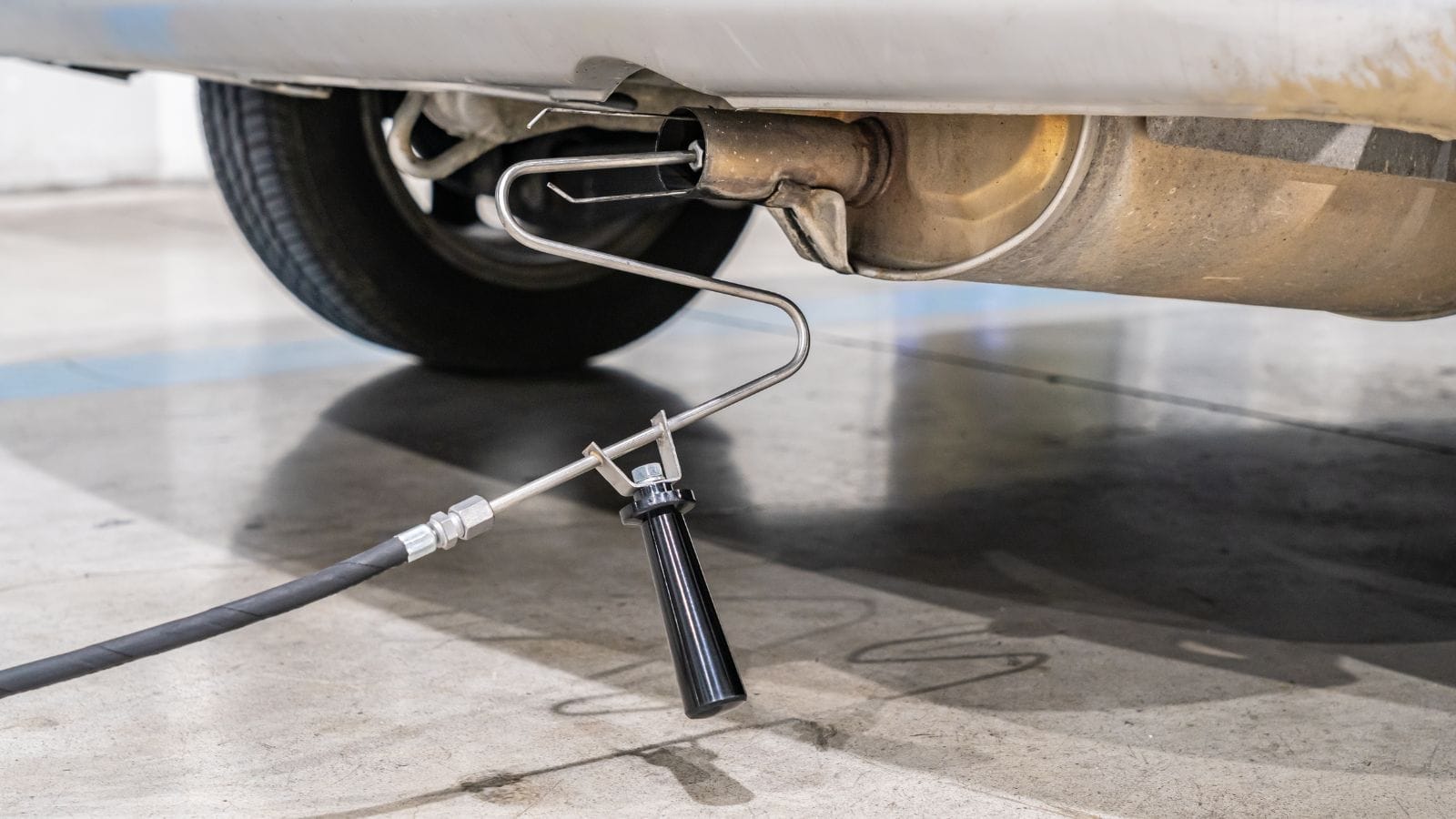
Turbocharged gasoline engines are often paired with direct injection and advanced emissions controls. These technologies help automakers meet performance and efficiency goals, but they can also add complexity. Gasoline direct injection has been linked with higher particulate concerns than older port-injection systems, which is why gasoline particulate filters have become more common in some markets. More hardware can mean cleaner operation, but it also means more parts to monitor over time.
The issue is not that turbo engines are automatically dirty or unreliable. Many are engineered well and meet strict emissions standards. The hidden downside is that the system depends on precise calibration, clean combustion, healthy sensors, and intact aftertreatment equipment. A neglected engine, poor-quality fuel, failed sensor, or unresolved misfire can affect more than drivability. It can increase emissions-related repair costs and make inspection failures more likely as the vehicle ages.
Used Buyers May Face More Uncertainty

A used turbocharged vehicle can be a great buy if it has been maintained properly. The difficulty is proving how it was treated. Oil quality, warm-up habits, missed services, cheap filters, hard driving, towing, and undisclosed tuning all matter, but they are not always visible during a quick inspection. A vehicle may look clean while hiding early turbo wear, intake deposits, boost leaks, or sensor problems.
That uncertainty can affect resale confidence. Buyers and mechanics often pay close attention to service records, oil-change history, diagnostic codes, and signs of smoke or hesitation. A naturally aspirated vehicle can also be abused, but a turbo engine gives shoppers more expensive possibilities to consider. The best examples can hold value well; neglected ones can become difficult to sell without discounts. For owners, the hidden lesson is simple: documentation matters almost as much as mileage.
22 Things Canadians Do to Their Cars in Spring That Mechanics Hate

Spring brings relief to many Canadian drivers after months of snow, freezing temperatures, and icy roads that put serious strain on vehicles. As temperatures rise across the country, drivers begin washing cars, switching tires, and preparing vehicles for warmer weather and upcoming road trips. However, mechanics across Canada notice the same mistakes every spring when drivers attempt to recover from winter damage. Road salt, potholes, and harsh winter driving conditions often leave vehicles with hidden problems that drivers ignore. Some spring habits even create new mechanical issues that could have been avoided with proper maintenance. Here are 22 things Canadians do to their cars in spring that mechanics hate.

Alanna Rosen is an experienced content writer that focuses on many EV and educational content. Her articles are regularly published on Get CyberTrucked and syndicated on large publications.